Why Small Chimney Cracks Can Lead to Bigger Structural Problems in Portland
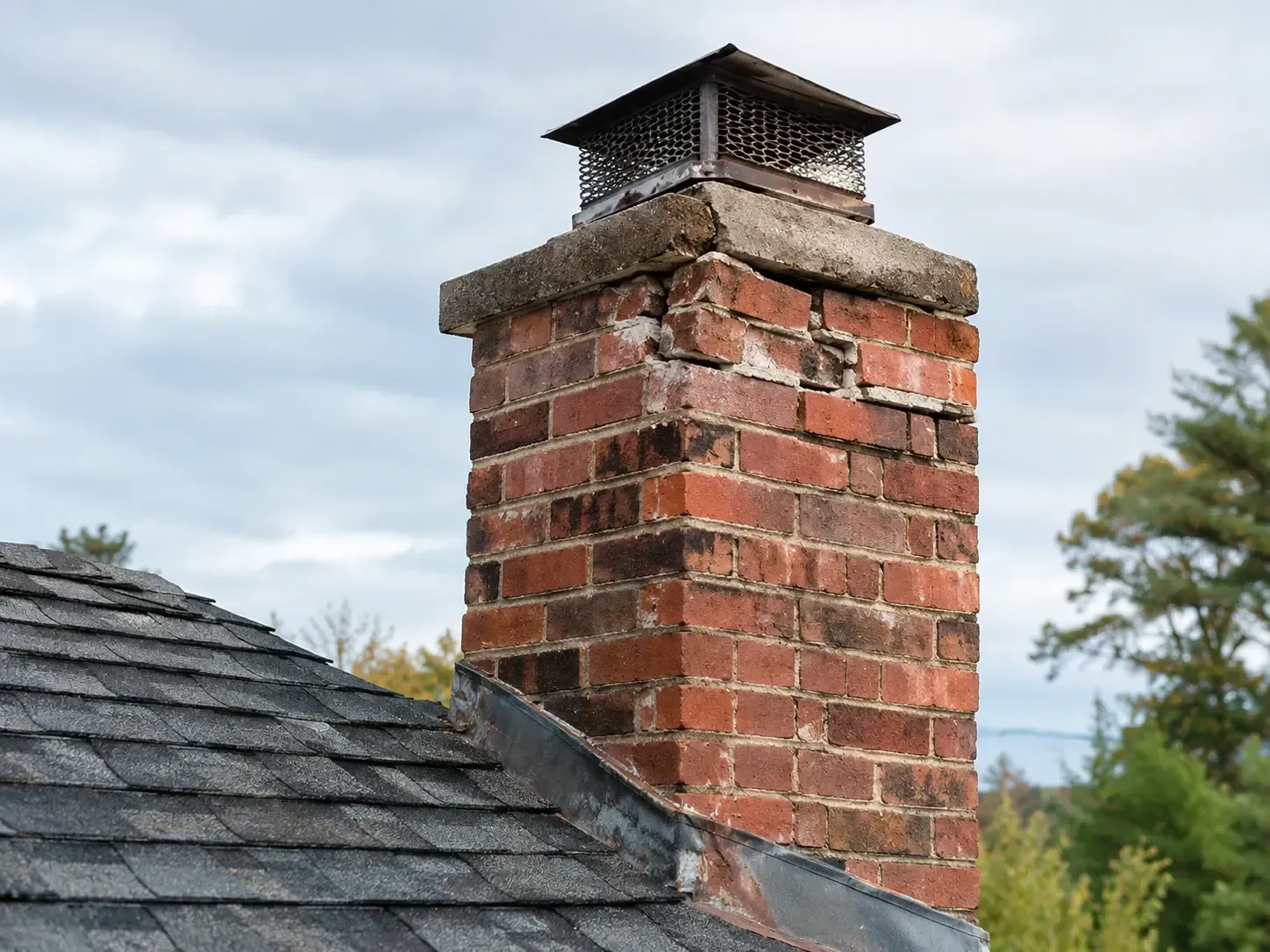
Small hairline cracks in your chimney are early warning signs of severe water intrusion that can compromise your home's entire structural integrity. The harsh freeze-thaw cycles in Portland, Maine, rapidly expand these minor defects, leading to internal water damage, crumbling bricks, and dangerous flue failures. Trusting expert masonry evaluation and applying breathable waterproofing are critical steps in preserving your chimney and protecting your property investment.
* The freeze-thaw cycle forces trapped moisture to expand by nine percent, turning minor cracks into major structural failures.
* Deteriorating masonry can cause roof rot, ceiling leaks, and allow toxic carbon monoxide to seep into interior living spaces.
* Professional tuckpointing and specialized silane-siloxane waterproofing treatments permanently halt moisture penetration without damaging the brick.
Homeownership in Portland, Maine, requires a constant awareness of the changing seasons. As temperatures drop and winter storms roll off the Atlantic, your home acts as a primary defense against freezing wind and heavy snow. The chimney often bears the brunt of these coastal weather patterns. While a solid brick stack appears indestructible, masonry is naturally porous. Even microscopic flaws can initiate a chain reaction of structural decay. Many homeowners overlook tiny fissures in their mortar joints or brick faces. What begins as a barely visible defect will inevitably escalate when exposed to moisture and freezing temperatures.
Portland is renowned for its historic architecture, featuring beautiful Colonials, Cape Cods, and Victorian homes. While these older properties offer immense charm, their aging masonry demands diligent upkeep. A chimney standing for decades has survived thousands of rainstorms, blizzards, and harsh coastal gales. Over time, the protective outer layer of the mortar begins to wear thin. Understanding how small cracks form and why they present such a massive threat is vital for protecting your property value and ensuring the safety of your family.
The Anatomy of a Chimney Crack
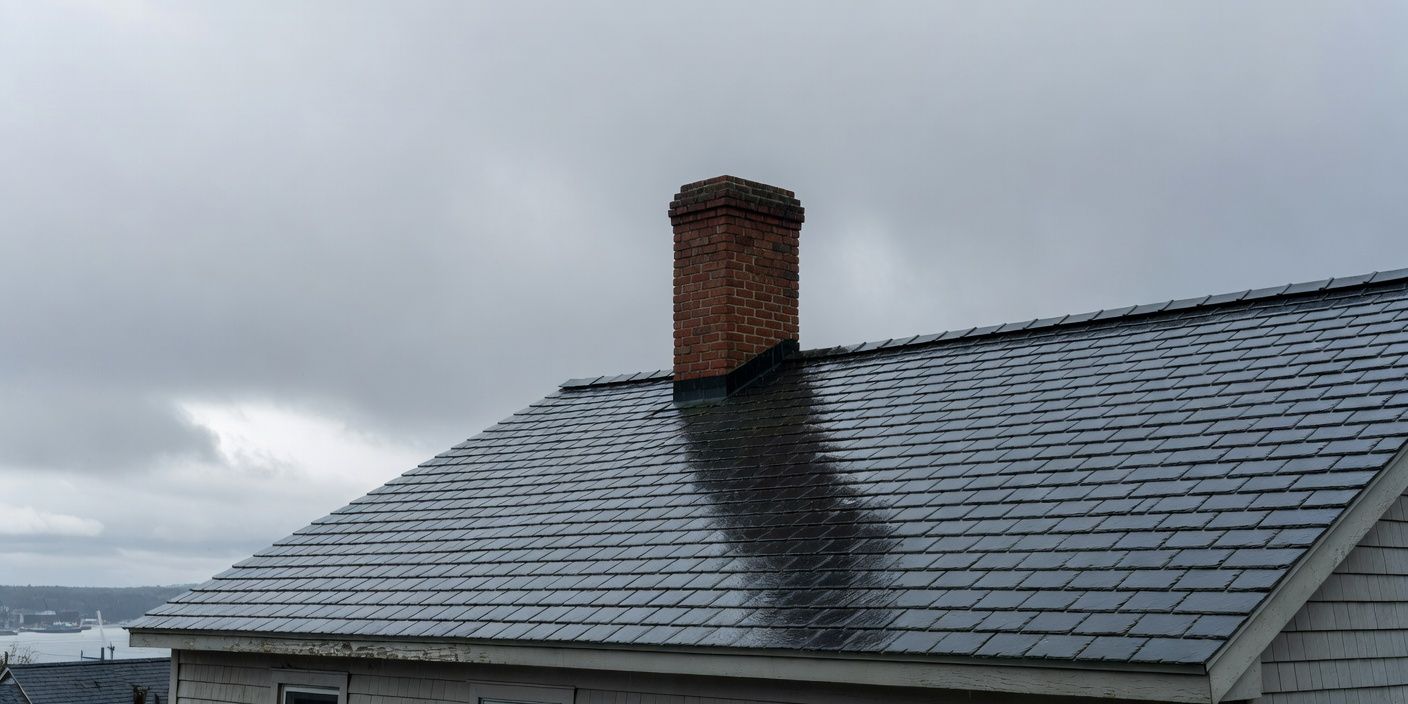
Understanding how masonry degrades is the first step in protecting your property. Brick and mortar consist of sand, cement, clay, and water. These materials readily absorb moisture from the surrounding environment. Bricks act like rigid sponges. Through a process called capillary action, they can actually draw water upward against gravity. During a typical Maine autumn, steady rain saturates the exterior of your chimney. If the surface lacks proper protection, water seeps deep into the structural core of the masonry
.
Over time, normal settling of the house floor joists, subtle ground shifts, or harsh weather events create small openings in the mortar joints. These tiny cracks are not just cosmetic blemishes. They serve as direct entry points for invasive water. Once moisture penetrates the outer envelope, the structural integrity of the entire system becomes compromised. The water rests inside the dark, unventilated spaces of the brickwork, setting the stage for severe destruction once the winter months arrive.
The Brutal Reality of the Freeze-Thaw Cycle
Portland experiences severe temperature fluctuations throughout the winter season. A relatively mild, rainy afternoon can quickly transition into a freezing night. This environmental pattern creates the highly destructive freeze-thaw cycle. When water turns into ice, it expands by approximately nine percent. If that water is trapped inside your chimney walls, the sudden expansion exerts immense internal pressure on the surrounding masonry.
The expanding ice literally forces the tiny cracks to widen. When the sun rises and temperatures warm up the next day, the ice melts, leaving behind a slightly larger cavity. The subsequent rainstorm fills this newly enlarged void with even more water, and the cycle repeats. Because Portland can experience dozens of these cycles in a single season, a minor fissure can rapidly evolve into a significant structural fault in just a few short months.
How Professional Chimney Services Prevent Catastrophic Damage
Catching these issues early is vital for maintaining the safety and stability of your home. Relying on professional chimney services ensures that minor defects are identified before they require total reconstruction. Select Chimney Service specializes in diagnosing these exact problems for homeowners across Portland. Our technicians understand the unique environmental stressors that local properties face on a daily basis.
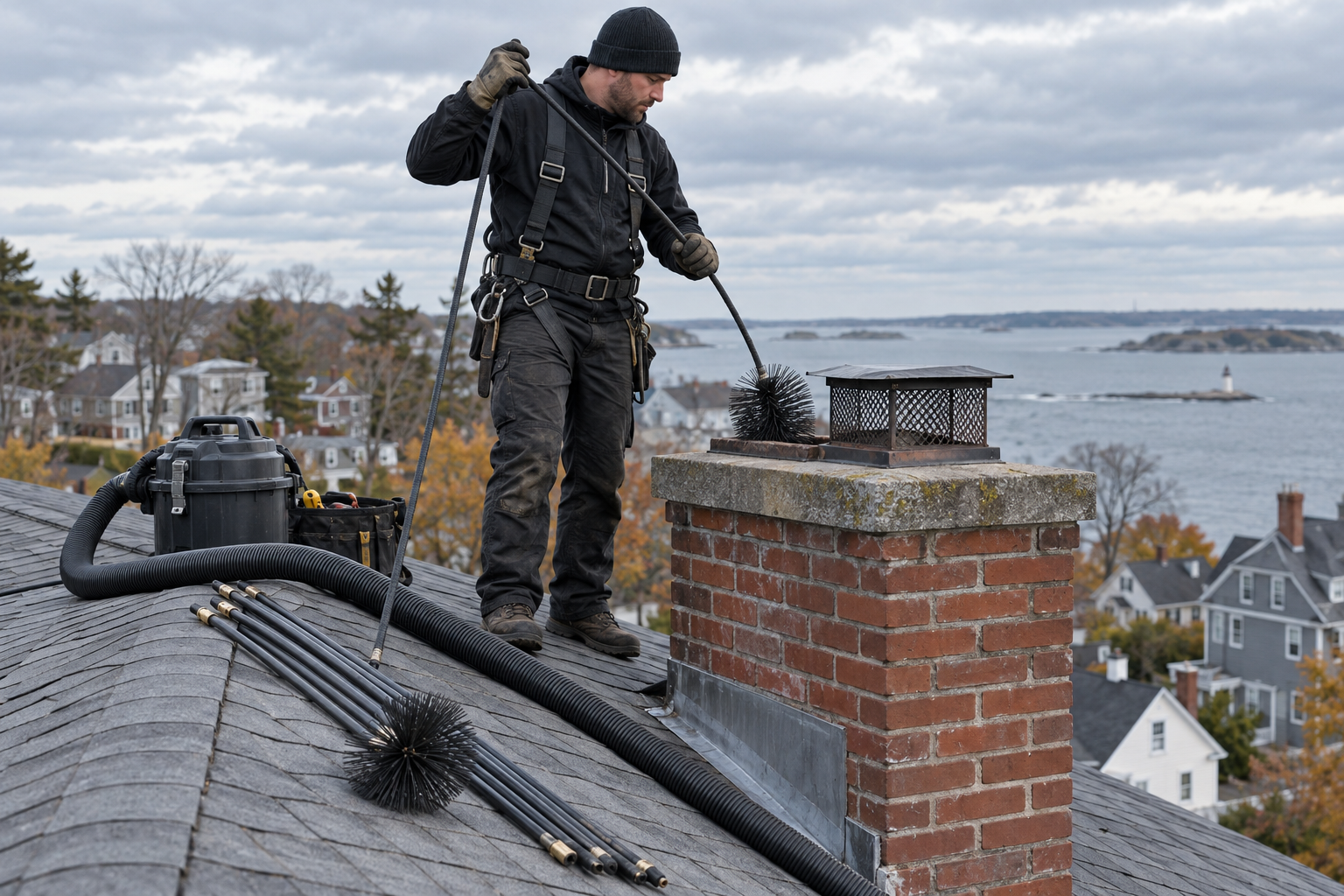
An untrained eye might dismiss a small crack as normal wear and tear, but a qualified technician sees the early warning signs of systemic water intrusion. Thorough inspections evaluate both the exterior masonry and the internal flue system. Professional evaluations map the extent of moisture saturation and pinpoint the exact source of the failure. Identifying the root cause immediately saves homeowners from facing total chimney replacement.
Ignoring the early stages of masonry decay always leads to expensive structural remediation. When bricks become completely saturated and repeatedly destroyed by expanding ice, the faces of the bricks begin to pop off, flake, and crumble away. This advanced condition is known as spalling. Spalling severely compromises the load-bearing capacity of the chimney stack. In worst-case scenarios, the heavy structure may begin to lean, drop bricks onto the roof, or collapse entirely into the home.
To illustrate how quickly damage can escalate without professional intervention, consider the following breakdown of masonry degradation stages.
| Damage Stage | Visual Indicators | Moisture Penetration | Recommended Solution | Structural Risk |
|---|---|---|---|---|
| Stage 1 | Hairline cracks, minor white staining | Surface level only | Waterproofing and sealinge.evans@mail.com | Low |
| Stage 2 | Widening cracks, sandy or deteriorated mortar | Moderate internal saturation | Tuckpointing and joint repair | Medium |
| Stage 3 | Spalling bricks, visible leaks inside the attic | Deep structural saturation | Brick replacement, partial rebuild | High |
| Stage 4 | Leaning stack, collapsed internal flue | Total saturation and freezing | Full chimney demolition and rebuild | Severe |
Cascading Effects on Your Home Environment
A deteriorating chimney does not just impact the bricks on your roof. It poses a direct, immediate threat to the surrounding roofing materials, attic framing, and interior living spaces below. Water entering through the masonry often travels downward following the path of least resistance. This hidden moisture can rot the wooden decking around the chimney base and destroy roof flashings. Soon after, unsightly water stains may appear on your living room ceiling or the interior walls adjoining the fireplace. By the time you see water stains inside the house, the masonry damage on the roof is usually extensive.
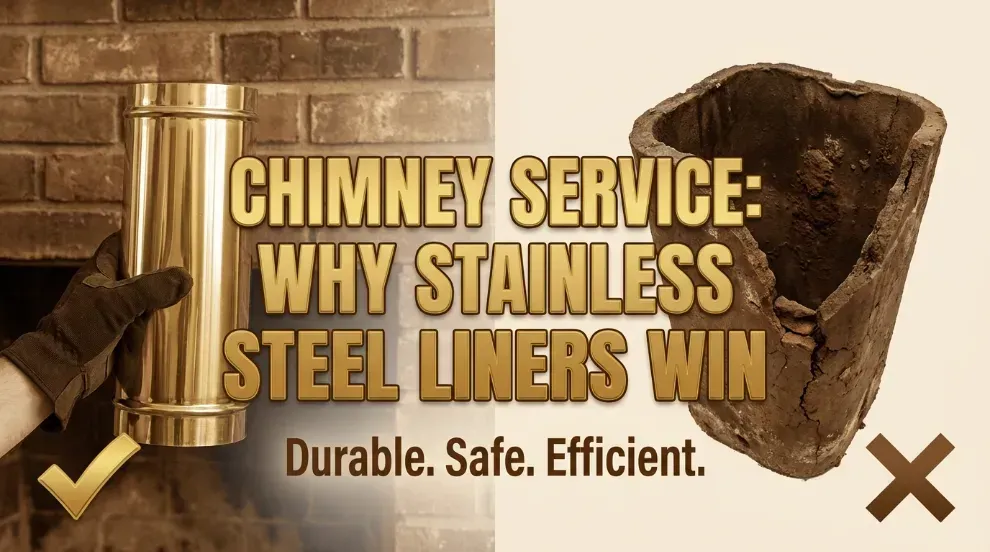
Internal flue components are equally vulnerable to this moisture invasion. The clay tiles lining many older Portland chimneys will absorb water and crack under the exact same freeze-thaw pressures affecting the exterior bricks. A compromised flue liner allows toxic combustion gases, including deadly carbon monoxide, to leak directly into your home framing rather than drafting safely outside. Installing high-quality stainless steel liners provides a permanent, moisture-resistant barrier that protects your family and drastically improves the efficiency and draft of your heating appliance.
Restoring Structural Integrity with Expert Repair
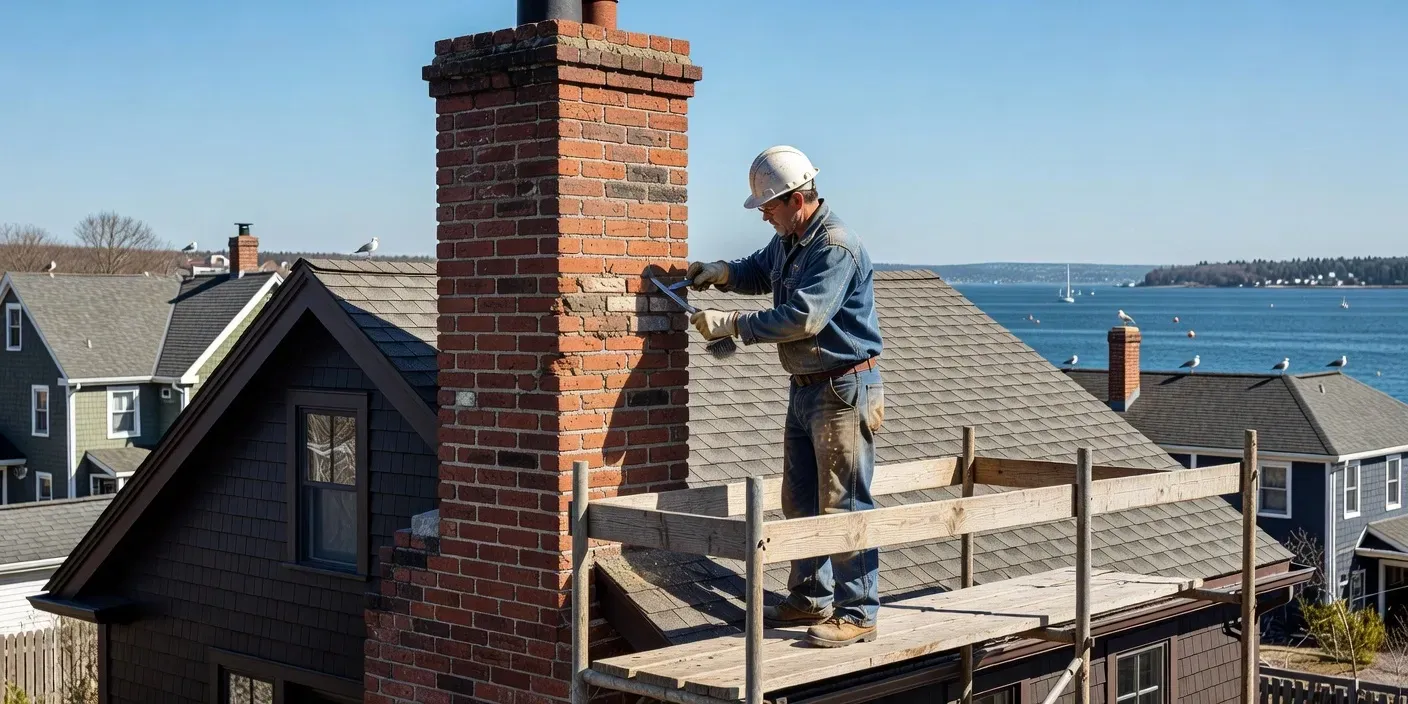
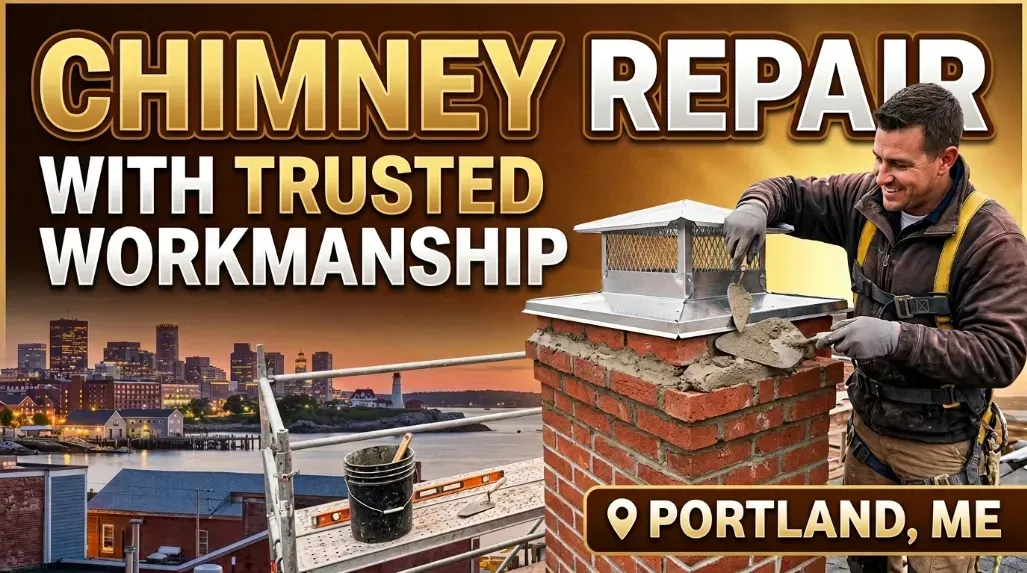
When cracks have progressed beyond simple sealing, physical repairs become necessary to save the chimney. Removing the damaged mortar and replacing it with fresh, weather-resistant materials halts the progression of decay. For older homes requiring extensive rehabilitation, professional demolition and tuckpointing restores both the aesthetic appeal and the vital structural soundness of the stack.
Proper tuckpointing is a meticulous process. It involves grinding out the compromised joints to a specific, uniform depth before injecting new mortar. This ensures a watertight bond that will withstand the Maine climate for decades. Attempting to smear new mortar over crumbling joints without grinding them out is a temporary fix that will fail during the next winter freeze.
Proactive Defense Against Coastal Weather
The most effective strategy for managing chimney cracks is preventing moisture penetration entirely. Once any necessary physical repairs are completed, creating a chemical barrier against rain and snow is essential. However, it is critical to note that painting a chimney or using the wrong type of sealant will actually trap internal moisture, accelerating the destruction from the inside out.
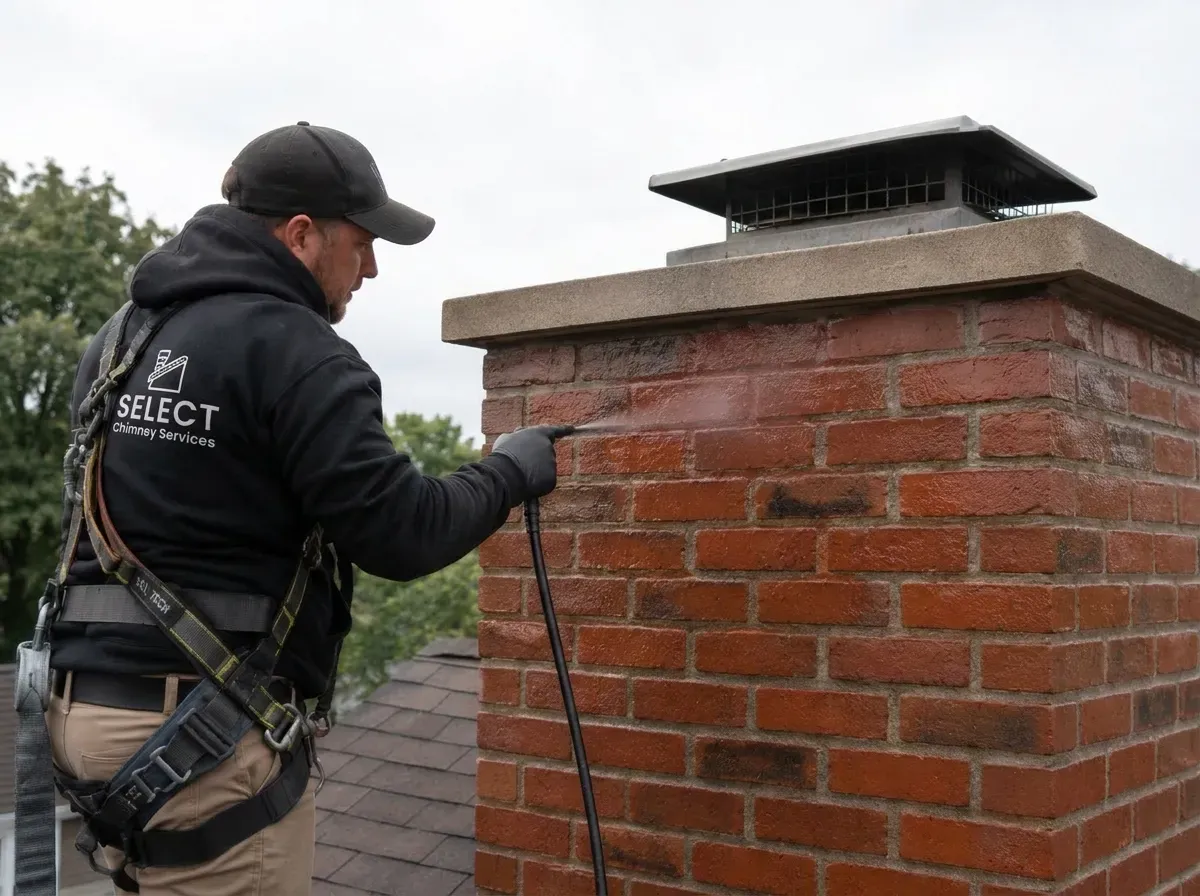
Masonry requires breathable materials that repel liquid water from the outside while allowing internal water vapor to safely escape from the inside. Applying professional-grade waterproofing treatments creates this exact dynamic barrier. A high-quality silane-siloxane waterproofing agent penetrates the pores of the brick and mortar rather than just coating the surface. It forms a chemical bond deep beneath the exterior face, stopping water absorption without altering the natural visual appearance of the chimney. This proactive measure drastically reduces the risk of freeze-thaw damage and significantly extends the lifespan of the entire masonry structure.
Identifying the Warning Signs Early
Homeowners should routinely observe their chimneys from the ground, especially after harsh weather events or long periods of heavy rain. Catching visual clues early can save thousands of dollars in restoration costs. Key indicators of moisture trouble include the following visual cues.
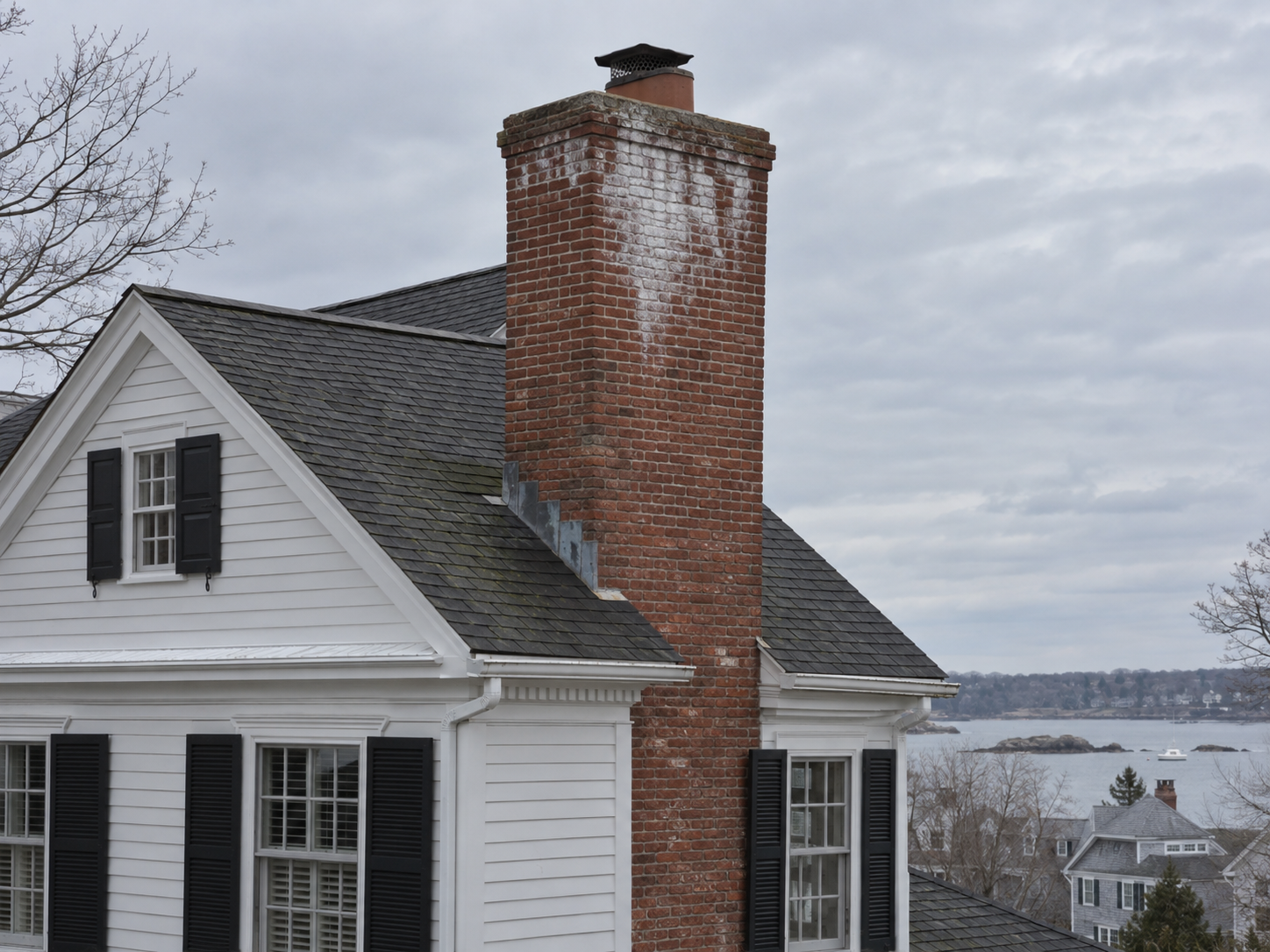
- White, powdery stains on the brickwork known as efflorescence. This indicates water is moving through the masonry, dissolving natural salts, and leaving deposits behind as the water evaporates.
- Pieces of brick faces or chunks of mortar resting on the roof shingles or scattered on the ground near the base of the chimney.
- Rust stains running down the sides of the chimney, often originating from a deteriorating metal chimney cap or failing roof flashing.
- A persistent damp, musty odor coming from the fireplace during the warmer, humid summer months.
- Visible green moss or algae growing directly on the brickwork, which requires a constant source of moisture to survive.
If any of these signs are present, immediate assessment is necessary. Minor cracks will never heal themselves, and the Portland climate guarantees they will grow worse over time. Homeowners in Portland, ME 04019 and the surrounding areas can contact Select Chimney Service directly at +1 207 975-5726 to schedule a comprehensive evaluation. Timely action remains your best defense against catastrophic structural failure.
Frequently Asked Questions
Can I seal a chimney crack myself with caulking?
Using standard hardware store caulking or improper silicone sealants on masonry is highly discouraged. These generic materials trap moisture inside the brick, which severely accelerates freeze-thaw damage during the winter. Masonry repairs require specialized, breathable mortars and industrial sealants designed specifically for high-heat environments and extreme exterior weathering applications.
How long does a professional chimney waterproofing treatment last?
When applied correctly by an experienced technician to properly prepared bricks, industrial-grade breathable waterproofing treatments typically protect masonry for up to ten years. The exact longevity depends on the severity of local weather exposure, the orientation of the chimney, and the initial structural condition of the bricks at the time of application.
Is a cracked chimney dangerous to use?
Yes. Cracks on the exterior often indicate significant structural shifting or unseen internal flue damage. Using a fireplace or wood stove with a compromised chimney system can allow stray sparks, intense heat, or dangerous carbon monoxide gases to escape into the wooden framing of your home, posing a severe fire and health hazard to your family.
Can small chimney cracks lead to major structural damage?
Yes. Even minor cracks can allow water to penetrate the masonry. Over time, moisture can freeze, expand, and cause bricks and mortar joints to deteriorate, leading to more extensive repairs.