How Chimney Inspection Services Help Prevent Chimney Fires
Regular chimney inspections are a vital home maintenance requirement that actively prevents catastrophic residential fires. By identifying hidden hazards like stage three creosote accumulation, cracked flue liners, and weather-damaged masonry, professionals secure your heating system for safe winter use. Proactive evaluation protects your family and preserves the structural integrity of your property against the harsh Northeast climate.
* Creosote buildup progresses through three stages, with the third stage requiring advanced professional equipment to remove safely.
* Cracked clay liners and damaged mortar joints allow extreme heat to escape the masonry and ignite combustible home framing.
* Annual inspections utilizing high-resolution video scanning provide the most reliable defense against unseen chimney fire hazards.
Protecting Your Maine Home: How Chimney Inspections Prevent Winter Fires
Heating a home safely through the long freezing months requires strict attention to the systems keeping your property warm. For homeowners operating fireplaces or wood stoves, the chimney acts as the engine exhaust for your heating system. When this exhaust path becomes compromised, the results can be catastrophic. Routine maintenance is not just a secondary home improvement task. It is a fundamental requirement for preventing residential fires.
Wood-burning appliances produce complex chemical byproducts that coat the interior walls of your flue. Without professional oversight, these unseen accumulations transform a standard fireplace into a significant property hazard. Understanding the mechanics of how chimney fires start is the first step toward securing your home and protecting your family.
The Hidden Danger of Creosote Accumulation
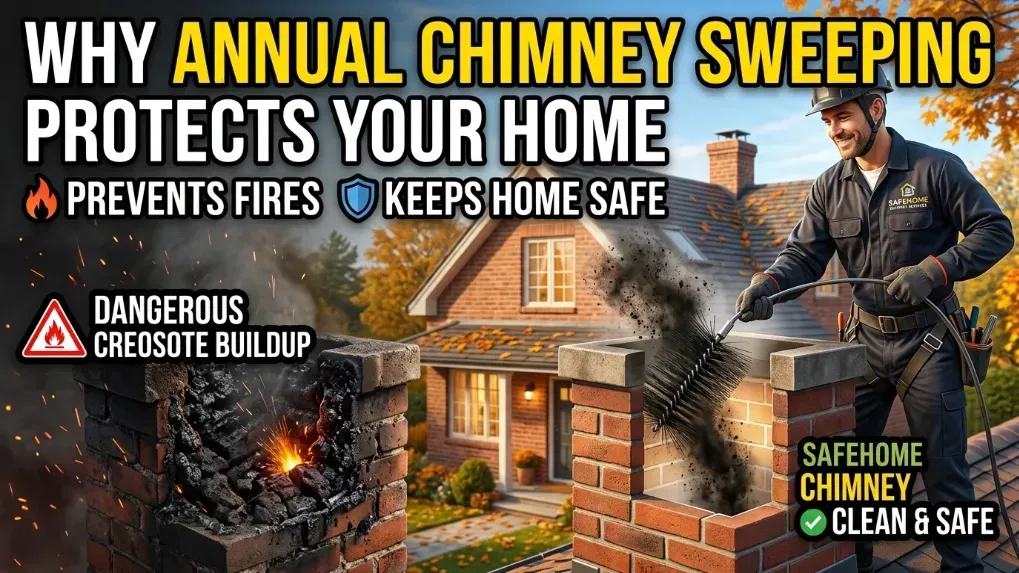
Every time you burn wood, combustion byproducts like smoke, water vapor, unburned wood particles, and hydrocarbon volatile gases vent upward. As these hot byproducts reach the cooler upper levels of the masonry, condensation occurs. The resulting residue is known as creosote.
Creosote is highly combustible. If the internal temperature of the flue gets hot enough, this substance will ignite. These fires burn at incredibly high temperatures, often exceeding 2,000 degrees Fahrenheit, which is hot enough to melt mortar and crack surrounding brickwork.
Professionals categorize creosote into three distinct stages. Stage one presents as a flaky, soot-like dust that is easily brushed away. Stage two resembles a sticky, tar-like substance that requires specialized scraping tools to remove. Stage three is the most dangerous form.
It hardens into a thick, glossy glaze that coats the flue liner. Stage three creosote is highly concentrated fuel and represents an immediate fire hazard. Standard DIY cleaning brushes cannot remove stage three creosote. Identifying and neutralizing this specific threat requires advanced equipment.
Why You Need a Professional Chimney Service Before Winter
Many homeowners assume that a chimney only needs attention if there is a noticeable drafting issue. This is a dangerous misconception. A comprehensive chimney service provides preventative diagnostics that catch hidden hazards long before they ignite.
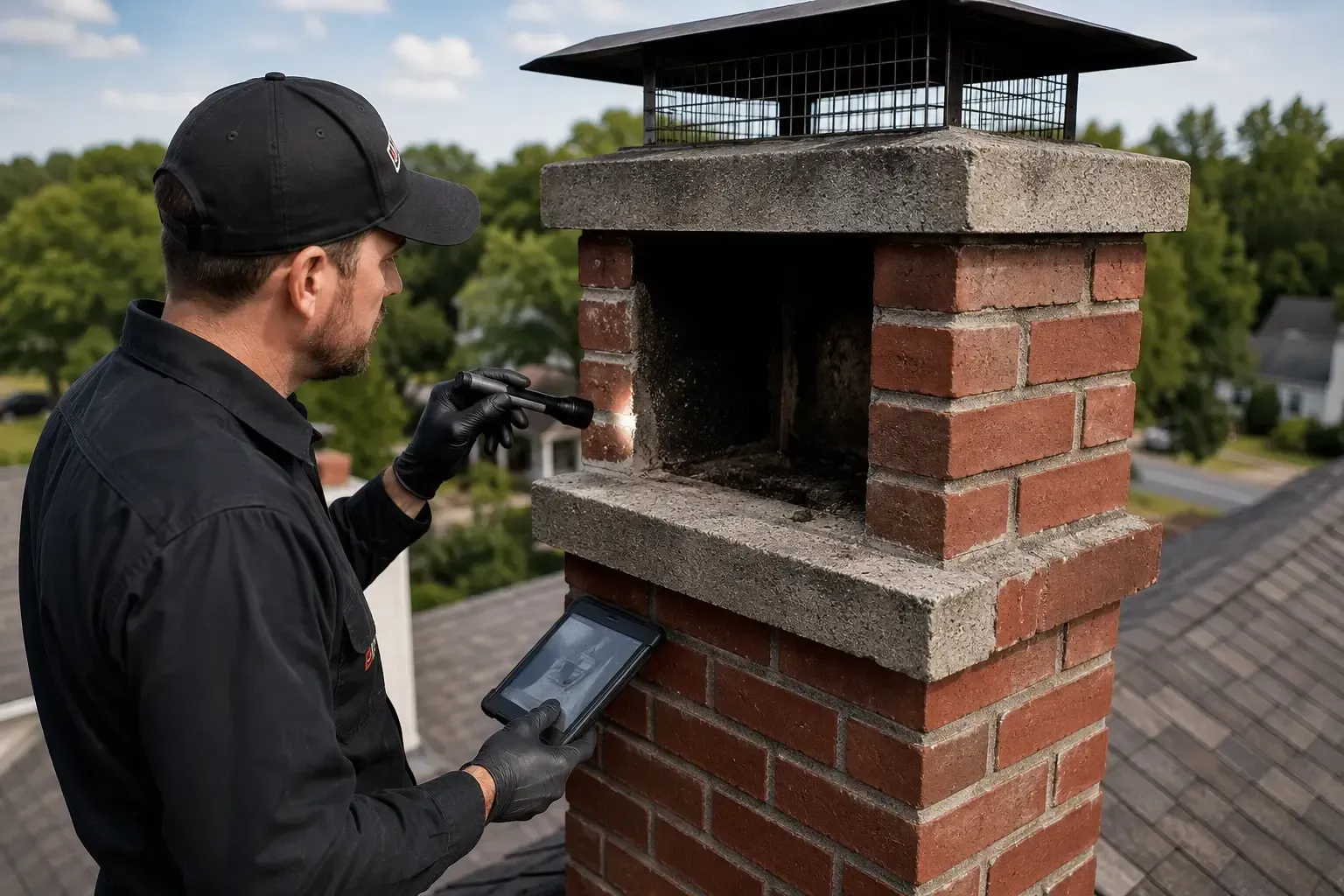
Professional technicians use high-resolution cameras to inspect the entire length of the flue. They look for blockages caused by animal nests, fallen leaves, or structural debris that could restrict airflow and cause extreme internal temperatures. Proper evaluation follows guidelines set by safety organizations, dictating varying degrees of inspection based on the home's history and current heating appliance usage.
Below is a breakdown of the standard inspection levels utilized by certified technicians to ensure your system operates safely.
| Inspection Level | Triggering Event | Scope of Evaluation | Recommended Frequency |
|---|---|---|---|
| Level 1 | Continuous use of the same appliance under identical conditions. | Visual check of readily accessible exterior and interior components. | Annually prior to the heating season. |
| Level 2 | Property sale, changing fuel types, or relining the flue. | Includes Level 1 checks plus attic/crawlspace access and video scanning. | Upon property transfer or major system change. |
| Level 3 | After a severe weather event, chimney fire, or earthquake. | Includes Level 1 and Level 2 checks plus partial removal of structural components. | Only when significant hidden damage is suspected. |
Identifying Structural Weaknesses
Chimney fires do not always originate from creosote. Sometimes they occur because the physical structure of the exhaust system has failed. The intense heat of a fireplace must be contained entirely within the masonry. If the mortar joints between the bricks begin to fail, heat and combustible gases can escape the chimney cavity and make direct contact with the wooden framing of your home.
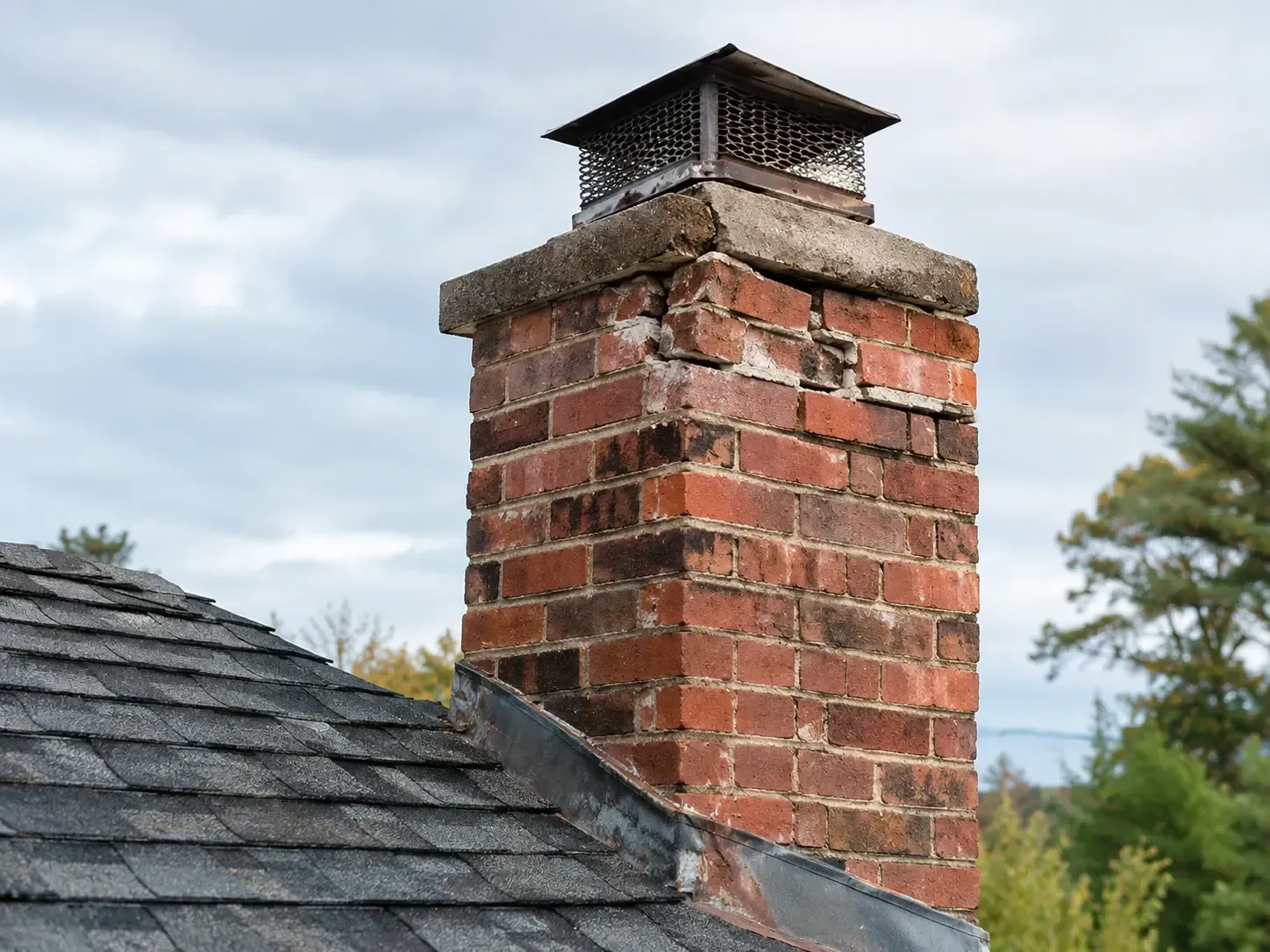
When mortar deteriorates, it compromises the structural integrity of the entire stack. Professionals look for signs of spalling, which is when the face of the brick flakes off due to moisture damage. If an inspection reveals significant masonry decay, specialized demolition and tuckpointing techniques are necessary to restore the structural boundaries. Tuckpointing removes the damaged mortar and replaces it with fresh material, effectively sealing the gaps that could allow stray sparks to reach combustible building materials.
The Role of Flue Liners in Fire Prevention
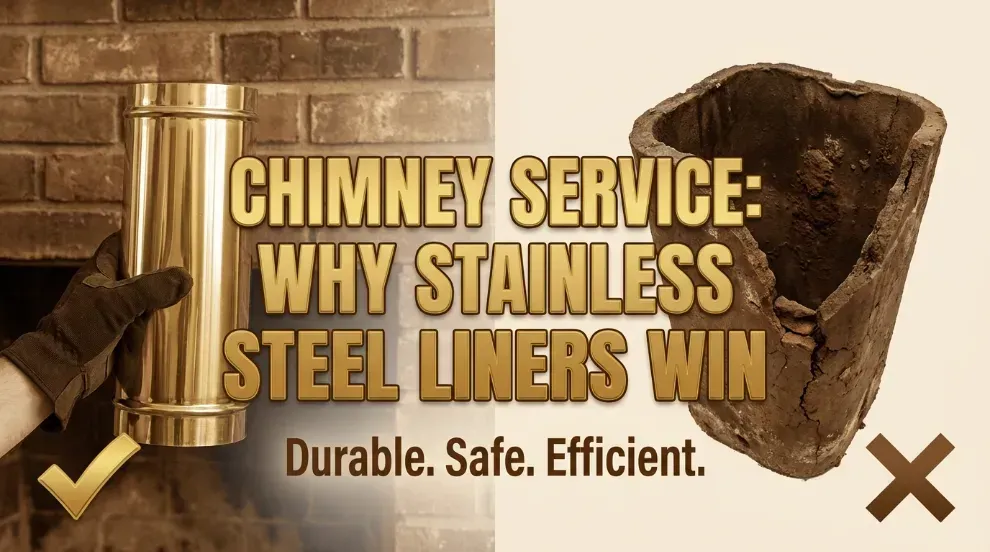
The flue liner serves as the primary barrier between the fire and the masonry shell. Older homes often feature clay tile liners. Over decades of thermal shock, these clay tiles can crack or shift out of alignment. Even a hairline fracture in a clay liner provides a pathway for intense heat to transfer to the house framing.
During an inspection, technicians closely examine the liner for continuous integrity. If the clay tiles are beyond repair, upgrading the system is mandatory for safe operation. Installing stainless steel liners is one of the most effective ways to modernize an older chimney. A seamless stainless steel tube provides a dedicated, impenetrable pathway for smoke and extreme heat, drastically reducing the risk of a structural fire.
Weathering the Elements in Portland Maine
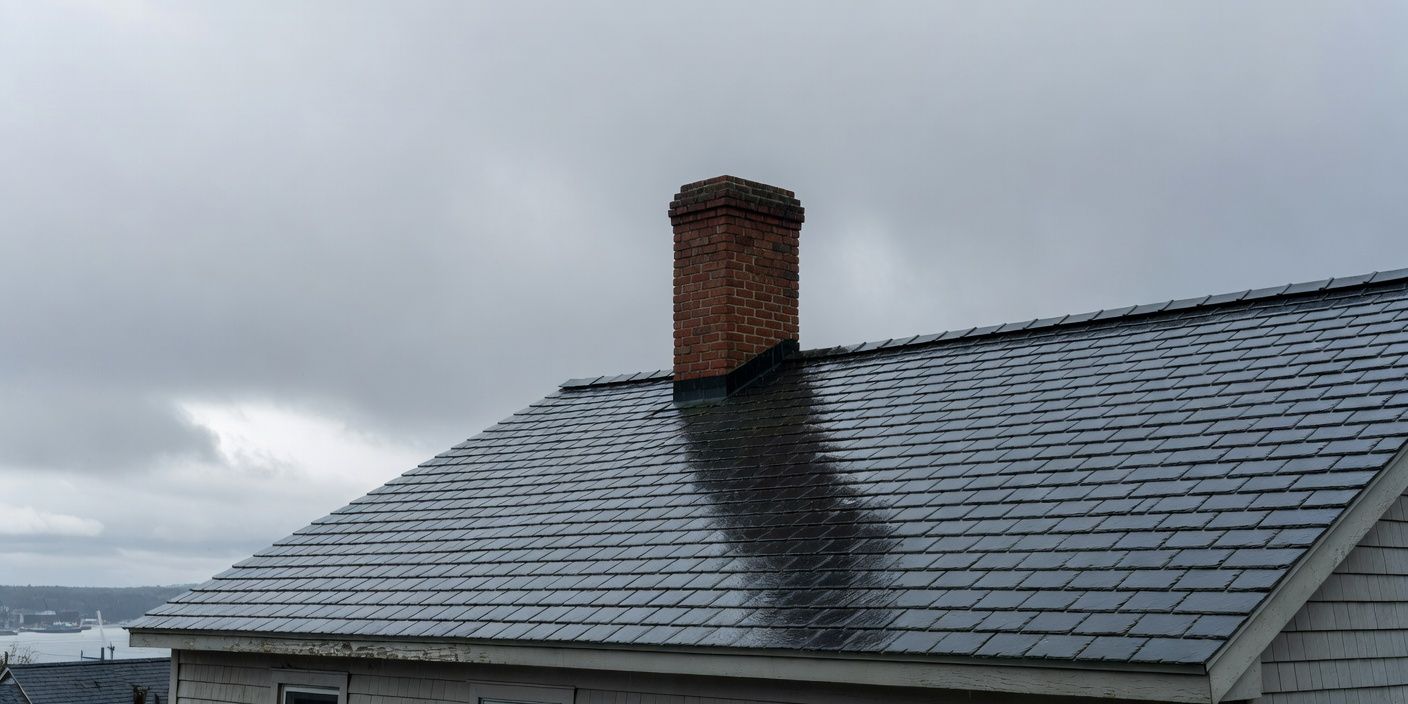
The unique climate of the Northeast accelerates wear and tear on masonry structures. In Portland, Maine, the frequent freeze-thaw cycles during the winter months are exceptionally harsh on exterior brickwork. Brick and mortar are naturally porous materials that absorb rainwater and melting snow.
When the temperature drops below freezing, the trapped water expands into ice. This expansion creates internal pressure that slowly shatters the masonry from the inside out. Once the exterior is compromised, moisture readily enters the flue. Water mixing with creosote creates a highly acidic compound that accelerates the deterioration of internal components, rusting dampers and destroying smoke shelves.
Preventing this moisture intrusion is vital for fire safety. An inspection will reveal if your masonry is absorbing excessive water. Technicians frequently apply specialized vapor-permeable waterproofing treatments to exterior masonry. This treatment repels outside precipitation while allowing internal moisture to escape, preventing the structural degradation that leads to dangerous heat leaks.
Key Warning Signs You Should Never Ignore
While annual professional inspections are the most reliable method of preventing fires, homeowners must also remain vigilant between service appointments. There are several indicators that your system requires immediate professional attention.
- Strong Odors: A campfire-like smell entering your living room when the fireplace is not in use indicates heavy creosote accumulation and a potential drafting failure.
- Poor Drafting: If smoke rolls back into the room rather than pulling strongly up the flue, there is a severe blockage or a breach in the system's air pressure.
- Debris in the Firebox: Finding pieces of broken clay tile or crumbled mortar in your fireplace means the internal liner is actively falling apart.
- Discolored Masonry: Dark stains on the exterior brickwork or white, powdery efflorescence indicate severe water intrusion and structural compromise.
If you notice any of these symptoms, cease using your fireplace immediately until a certified professional evaluates the system.
Property maintenance requires proactive decision-making.
Homeowners residing in Portland, ME 04019 can reach Select Chimney at +1 207 975-5726 to schedule their annual evaluation. Operating in Portland, Maine gives our team a deep understanding of the specific climatic challenges regional properties face. Securing your home against the threat of chimney fires ensures a safer, warmer environment for your family throughout the longest winter months.
Frequently Asked Questions
How long does a standard chimney inspection take?
A routine Level 1 visual inspection and sweeping typically takes between 45 minutes to an hour. If a Level 2 inspection is required, which involves specialized video scanning equipment to check the interior flue, the process usually takes between one and two hours depending on the accessibility and condition of the structure.
Will cleaning a chimney leave a mess in my living room?
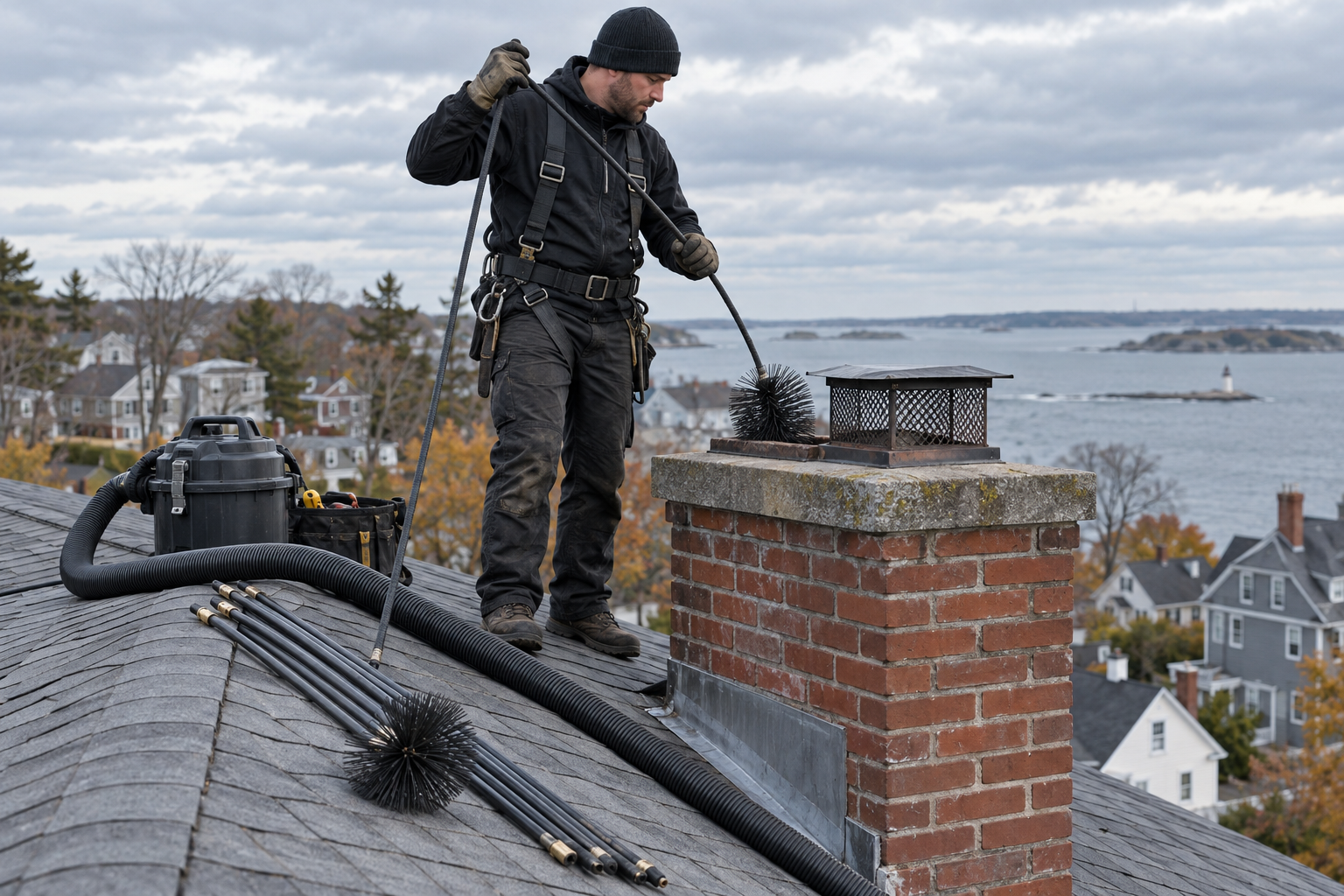
Professional sweeps use industrial high-powered vacuums and heavy drop cloths to completely seal the work area. The process relies on negative air pressure to guarantee that all soot, ash, and creosote dust is pulled out of your home environment. Your living space will remain clean throughout the entire procedure.
Can I use chemical cleaning logs instead of a professional sweep?
Chemical sweeping logs are designed to loosen minor creosote deposits, but they do not eliminate the substance from your flue. The loosened debris often falls and accumulates on the smoke shelf, creating a secondary fire hazard. These products cannot replace the mechanical brushing and structural evaluation provided by certified professionals.