DIY vs Professional Chimney Repair Service Near Portland, Maine: Which Is Safer?
Key Takeaways and Insights
Maintaining a safe and efficient chimney in Southern Maine requires specialized knowledge to combat heavy creosote buildup and harsh freeze thaw cycles. Attempting DIY repairs on masonry or flue liners often masks hidden dangers and can void your homeowners insurance policies. Relying on professional chimney services ensures your home stays protected from devastating fires, structural collapses, and unseen water damage.
Annual professional inspections are vital for preventing dangerous chimney fires and carbon monoxide leaks.
Maine's extreme weather causes porous bricks to crack, requiring custom refractory mortar applied by experts.
DIY maintenance lacks the specialized tools, like high-definition flue cameras, needed to ensure total home safety.
Maine winters demand reliable heating systems. Homeowners often rely on fireplaces and wood stoves to stay warm during freezing nights. Keeping these systems functional and safe requires regular attention. When mortar cracks or water leaks appear, property owners face a difficult choice. Should you fix the problem yourself or hire a trained technician?
Handling chimney issues requires highly specialized knowledge. A simple visible crack might signal massive structural damage inside. Ignoring these warning signs can lead to dangerous chimney fires or silent carbon monoxide leaks. Understanding the safety differences between doing it yourself and hiring experts is vital for protecting your family.
he Hidden Dangers of DIY Chimney Maintenance
Many homeowners enjoy tackling weekend repair projects around the house. Painting a room or fixing a leaky sink can save money. Chimney maintenance does not fall into this category. Working on a ventilation system involves significant safety risks. Climbing a steep, icy roof in Southern Maine is dangerous enough. Attempting to diagnose complex ventilation issues adds another layer of hazard.
Without proper training, you might miss critical flaws in the system. A homeowner looking down a dark flue with a flashlight cannot see microscopic cracks. Those tiny fractures allow extreme heat to reach the wooden framing of your house. What seems like a cost-saving DIY project often creates a massive fire hazard.
Understanding Creosote and Fire Hazards
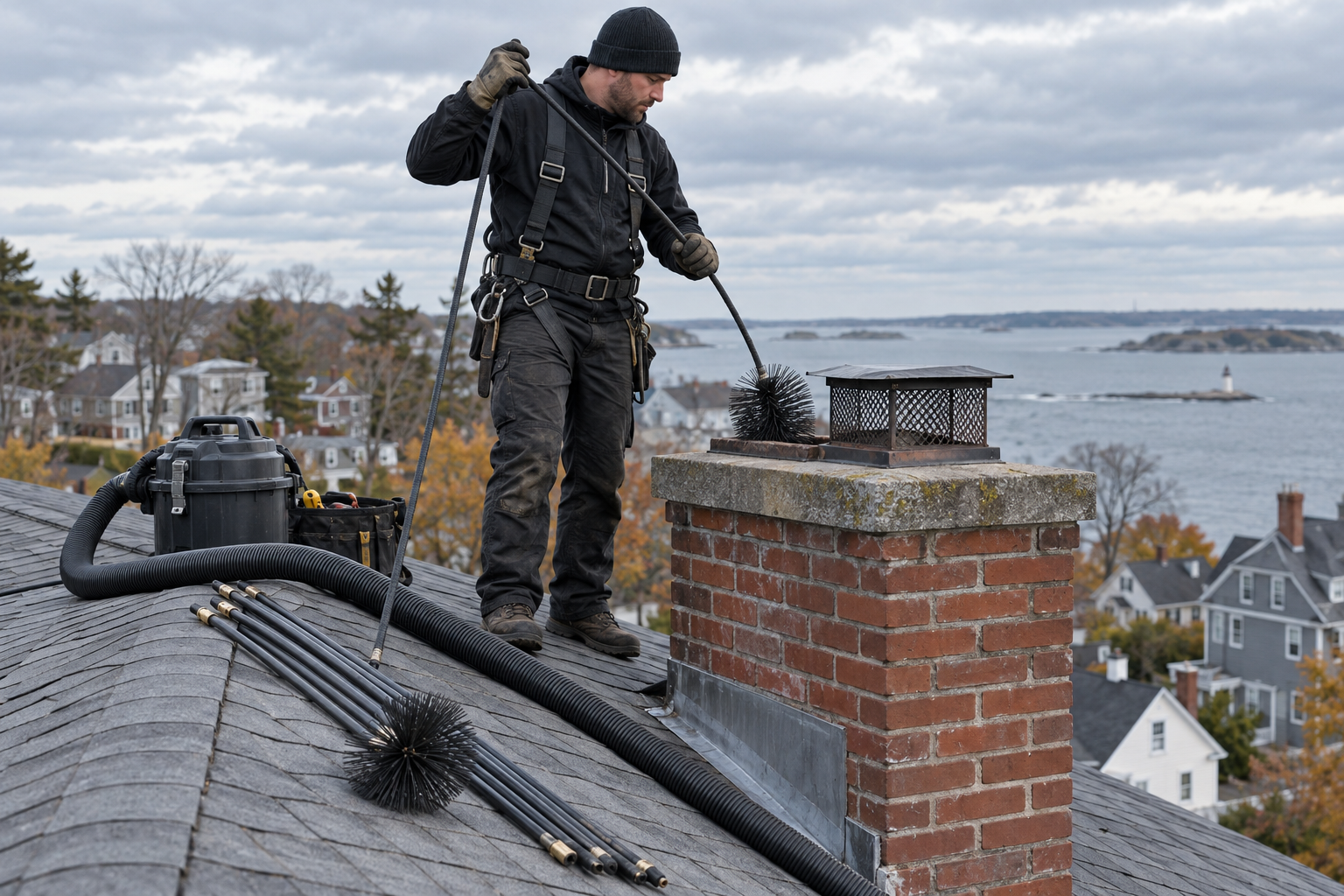
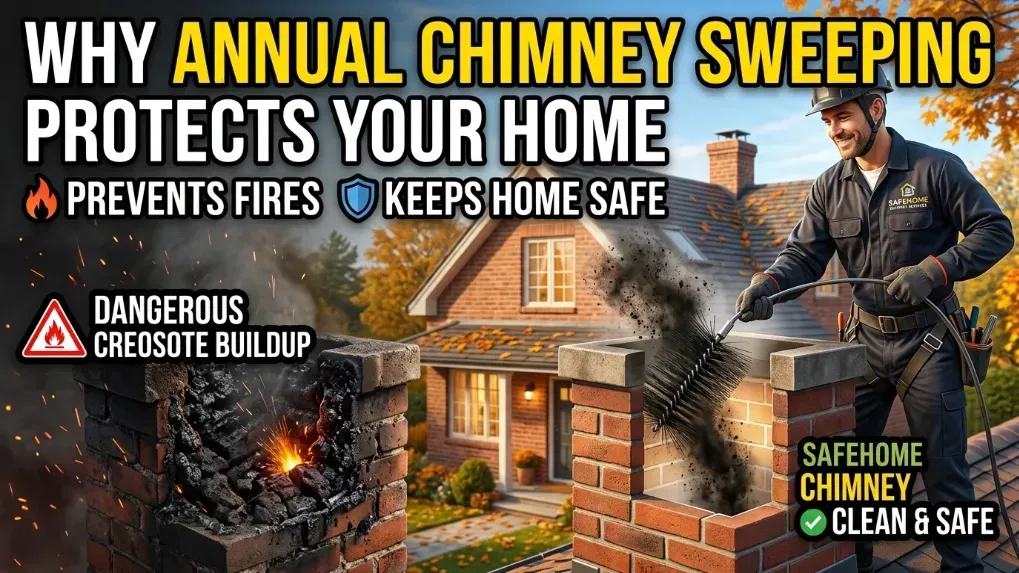
Wood fires naturally produce a highly flammable substance called creosote. This dark material clings stubbornly to the interior walls of your chimney liner. Removing it is not a simple cleaning chore. Standard wire brushes from a local hardware store often miss hardened creosote deposits. Leaving this residue behind leaves your home completely vulnerable.
A stray spark can easily ignite leftover creosote. Chimney fires burn incredibly hot and can reach temperatures of 2,000 degrees Fahrenheit. This intense heat easily shatters masonry and destroys expensive clay flue liners. Once the protective liner fails, the fire spreads rapidly to the surrounding structure. Experts use specialized rotary whips and industrial vacuums. They ensure the entire flue is completely clean and safe to operate.
The Risks of Amateur Masonry Patching
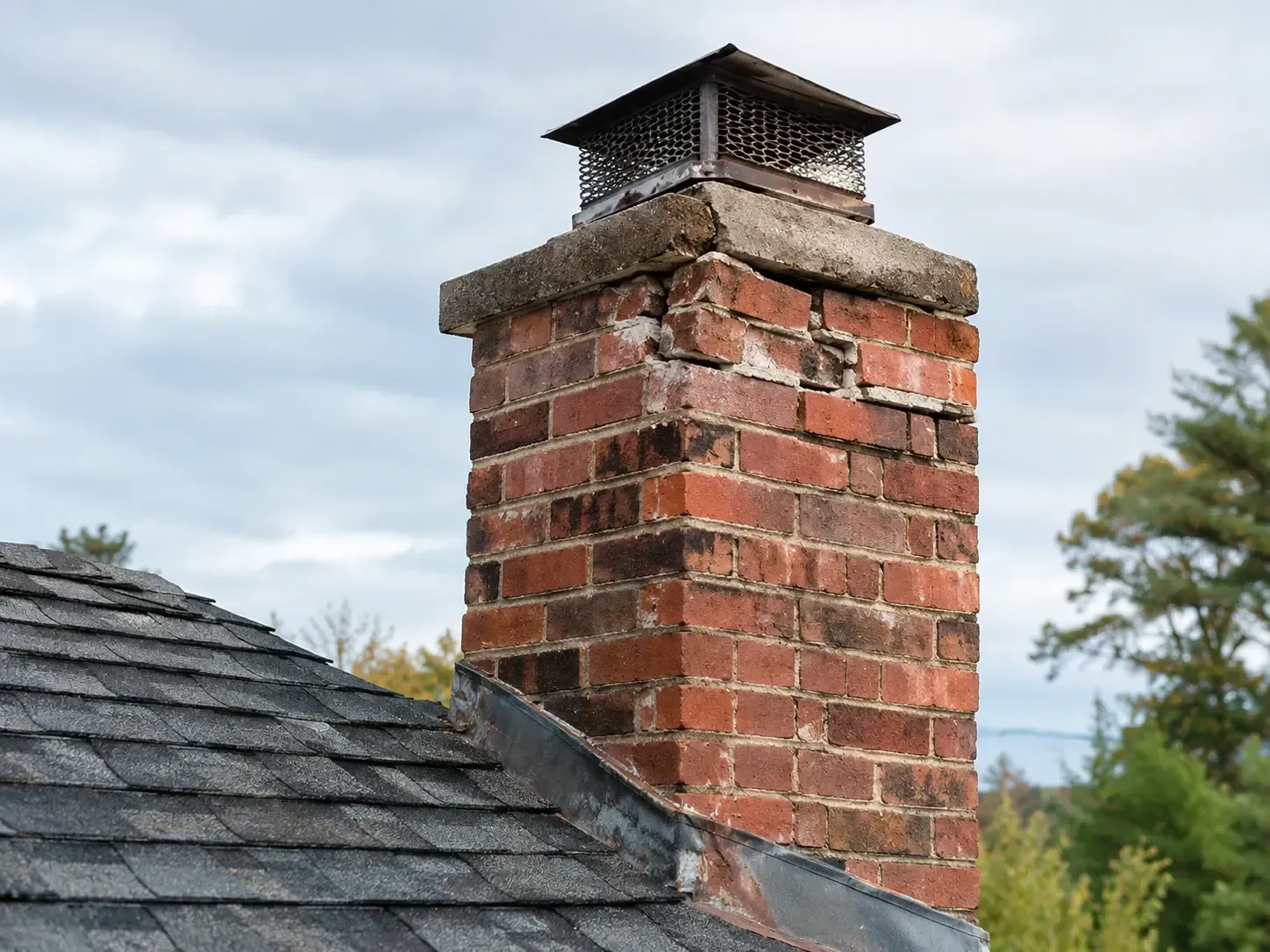
Many DIY enthusiasts try to patch cracked bricks with standard cement. This is a massive mistake for any heating system. Chimneys require a very specific type of refractory mortar to handle extreme heat. Standard cement also traps unwanted moisture inside the structure. When temperatures drop in Portland or Windham, that trapped water freezes solid.
The expanding ice literally shatters the surrounding bricks from the inside out. This destructive process is known as spalling. Spalling ruins the structural integrity of your entire chimney. What started as a tiny DIY patch job quickly becomes an expensive major rebuild. Professionals know exactly how to mix and apply the correct materials. They match the mortar composition specifically to your existing structure.
Why Professional Chimney Repair Services Guarantee Safety
Safety must always remain the top priority when dealing with fire and smoke. Hiring Professional Chimney Repair Services guarantees your heating system meets strict local building codes. Trained technicians spot hidden dangers that the average homeowner misses. They bring specialized tools designed specifically for thorough diagnostics.
Professional teams utilize high-definition inspection cameras. These tools snake down the entire length of the flue. The camera reveals hidden blockages, damaged mortar joints, and dangerous cracks. This level of detail is impossible to achieve with the naked eye. Relying on professional diagnostics gives you complete confidence in the safety of your home.
Protecting Your Home from Water Damage
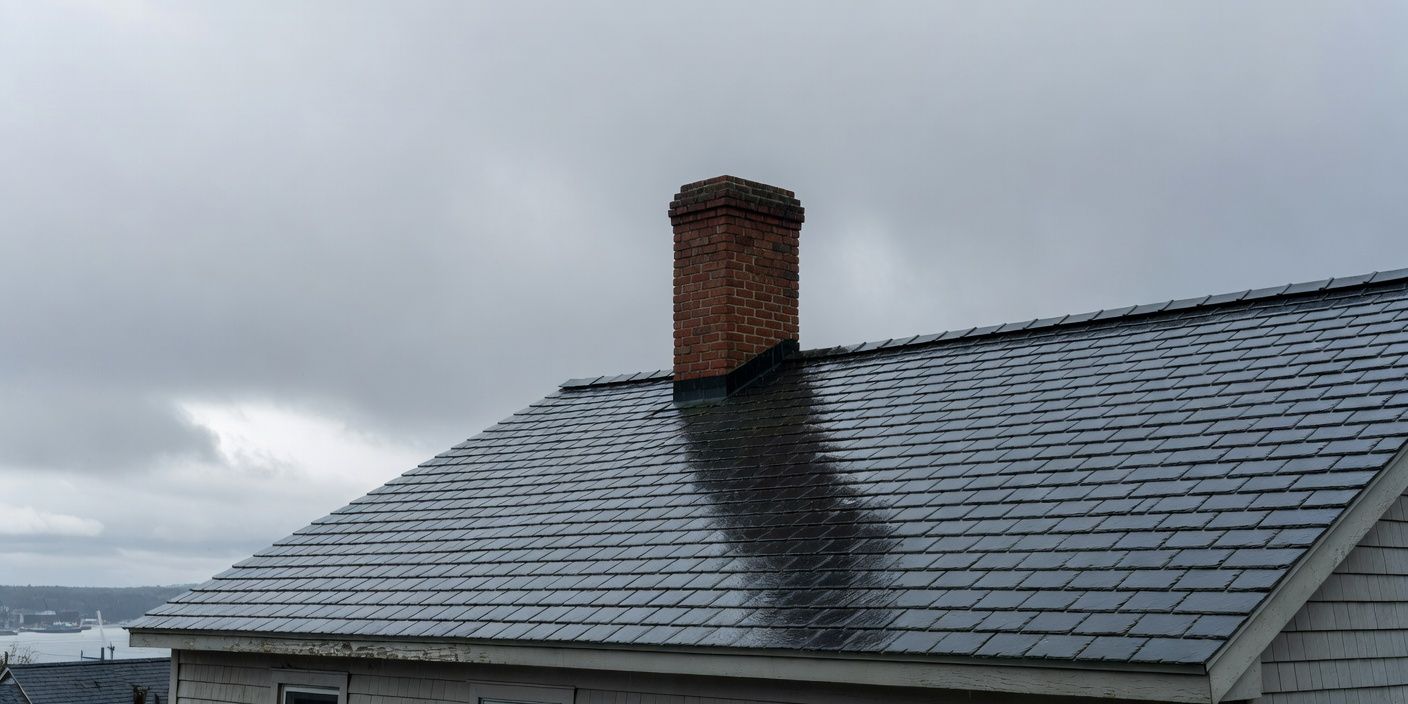
Water is the absolute biggest enemy of any masonry chimney. Maine receives heavy, relentless rain in the spring and dense snow in the winter. If your chimney crown develops small cracks, water will enter the structure. A DIY silicone sealant might look fine for a few weeks. The harsh coastal weather in South Portland or York will quickly degrade amateur sealants.
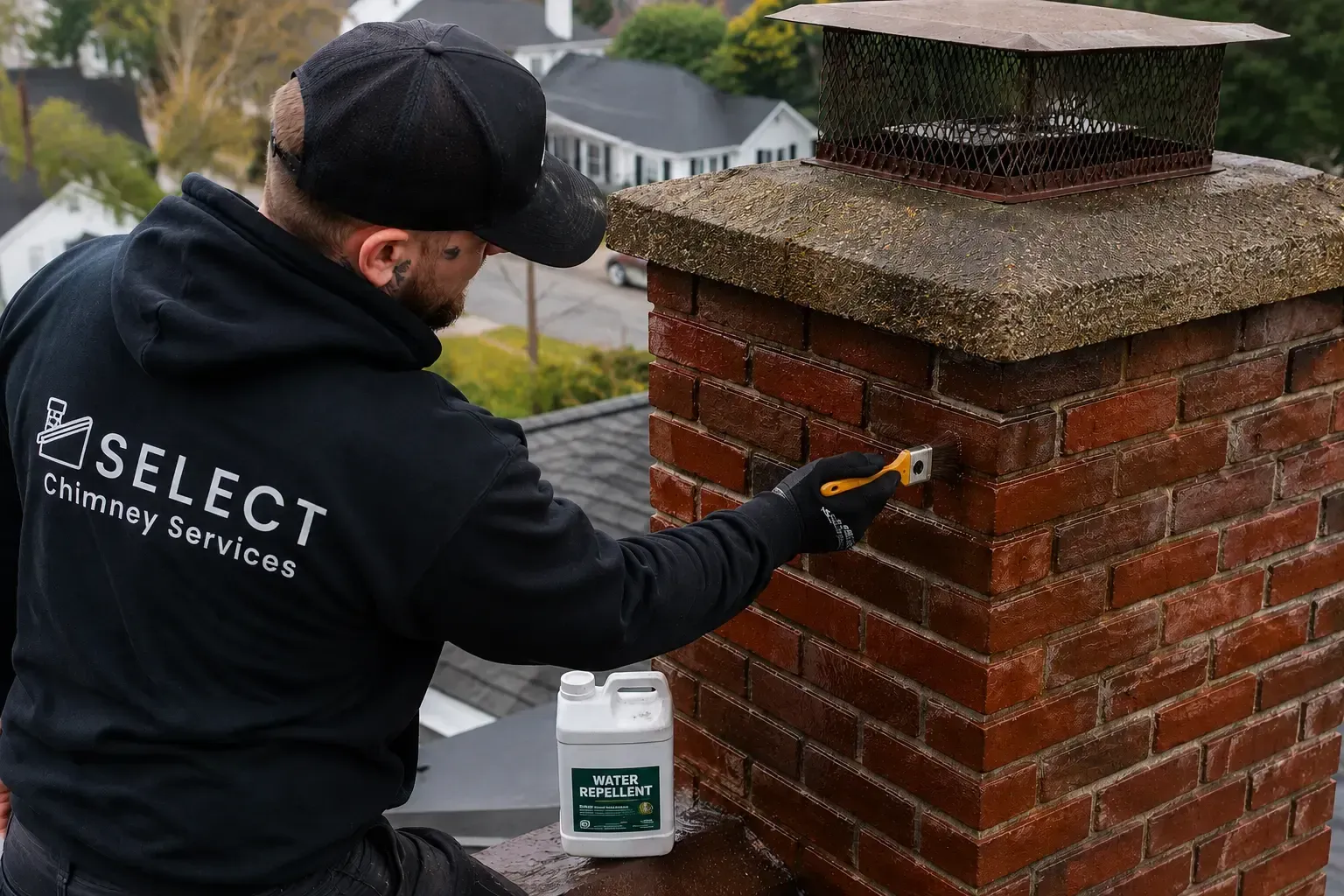
Professional repair teams construct proper concrete crowns with overlapping drip edges. They also apply advanced breathable waterproofing treatments to the bricks. These commercial-grade products allow internal vapor to escape while completely blocking liquid water. This specialized barrier keeps your home dry and prevents toxic mold growth inside your walls.
Comparing DIY and Professional Chimney Care
Understanding the specific differences helps you make an educated decision. Below is a detailed breakdown of how amateur and expert approaches compare across various essential maintenance tasks.
| Maintenance Task | Typical DIY Approach | Professional Expert Approach | Overall Safety Level |
|---|---|---|---|
| Creosote Removal | Hand brushing with store-bought tools | Rotary cleaning and industrial vacuums | High Risk (DIY) vs Safe (Pro) |
| Mortar Repair | Standard concrete patch kits | Custom-matched refractory mortar | High Risk (DIY) vs Safe (Pro) |
| Crown Sealant | Basic silicone caulk application | Poured concrete with an overhang drip edge | High Risk (DIY) vs Safe (Pro) |
| Flue Inspection | Shining a flashlight up the firebox | High-definition camera scanning | High Risk (DIY) vs Safe (Pro) |
| Waterproofing | Spray-on hardware store repellant | Breathable siloxane vapor treatments | Moderate Risk (DIY) vs Safe (Pro) |
How Maine Weather Destroys Porous Brick
Living in Southern Maine means dealing with massive temperature shifts. Properties in Augusta, Biddeford, and Portland face brutal freeze-thaw cycles every single year. Moisture easily penetrates porous brick during wet autumn days. As winter weather sets in, this trapped water freezes very rapidly.
This damaging cycle repeats dozens of times each year. The constant expansion and contraction severely weaken the entire masonry structure. A leaning chimney is an incredibly dangerous liability. It can easily collapse through your roof or fall onto your driveway. Recognizing the early warning signs of water damage saves you thousands of dollars in major rebuilding costs.
Spotting White Staining on the Bricks
You might notice a white, powdery substance coating your exterior brickwork. This occurrence is called efflorescence. It happens when water travels through the brick and leaves behind mineral salt deposits. It is a massive warning sign of a severe moisture problem. Scrubbing the white powder off does not solve the root cause. You need an expert to locate and properly seal the hidden leak.
Rusted Dampers and Internal Firebox Damage
Moisture entering the chimney also destroys critical internal components. A rusted metal damper becomes difficult to open or close properly. This malfunction forces warm air out of your house and drives up your winter heating bills. Water mixing with creosote also creates a highly corrosive sludge. This acidic mixture slowly eats away at the metal firebox.
Protecting Older Homes in Southern Maine
Many neighborhoods around Portland feature beautiful, historic homes. These older properties often have unlined brick chimneys. Operating an unlined chimney is extremely dangerous by modern safety standards. The heat transfers directly through the bricks to the combustible wooden framing of the historic house.
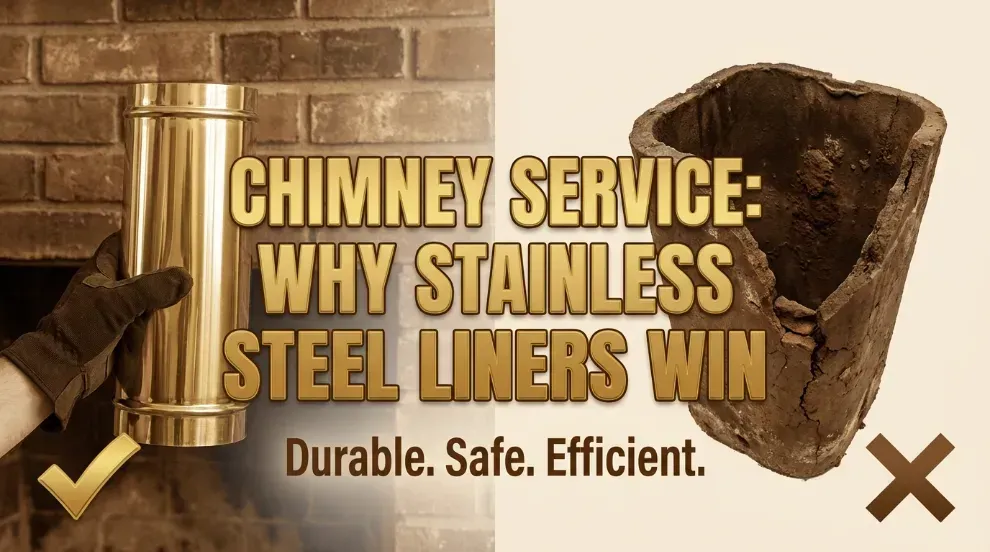
Modern safety regulations require a proper flue liner for any active wood-burning appliance. Installing a stainless steel liner is a highly complex process. It requires exact measurements and specialized securing brackets. A DIY liner installation can easily restrict necessary airflow. Professional installers ensure the new liner fits perfectly and vents dangerous gases safely outside.
The Real Cost of Neglecting Professional Upkeep
Waiting for a catastrophic emergency is an expensive strategy. Preventative maintenance is always the smartest financial choice for property owners. A comprehensive annual inspection costs a tiny fraction of a full chimney rebuild. It allows trained technicians to catch minor mortar cracks before they become massive structural failures.
Consistent professional upkeep preserves the overall value of your property. Buyers always look very closely at the condition of the heating system during real estate transactions. A documented history of expert care makes your home much more attractive on the market. It clearly proves that you take necessary property maintenance seriously.
Homeowners insurance policies also frequently require proof of professional maintenance. If a severe chimney fire damages your property, the insurance adjuster will ask for formal service records. If they discover you performed amateur repairs, they might deny your claim entirely. They view uncertified work as a major liability risk.
Choosing the Right Local Experts
You need a dependable team that understands the specific challenges of Maine homes. Select Chimney Service has years of dedicated experience protecting properties across the region. Our certified technicians handle everything from basic sweeping to highly complex masonry rebuilding. We focus strictly on home safety, heating efficiency, and long-term structural durability.
If you live in Portland or the surrounding communities, do not risk your property with unverified DIY fixes. Your family deserves the absolute security that comes with expert care. Reach out to our dedicated staff to schedule your comprehensive inspection today. You can easily book an appointment by visiting our contact page to speak with a specialist.
Frequently Asked Questions
How often should I have my chimney inspected in Maine?
You should schedule a professional inspection at least once every single year. The National Fire Protection Association strongly recommends annual checks for all wood-burning systems. This frequency is critical in Maine due to heavy winter usage and harsh coastal weather conditions.
Can I clean the chimney myself to save money?
Cleaning a chimney yourself is highly discouraged by safety experts. Store-bought brushes cannot remove dangerous hardened stage-three creosote. You also lack the specialized camera equipment needed to inspect the flue for hidden structural cracks. Professional sweeping prevents devastating house fires.
What are the first signs that my chimney needs professional repair?
Look closely for visible cracks in the exterior mortar joints. White salt stains on the bricks also indicate severe water intrusion. Inside your home, pay attention to rust on the damper or a strong smoky odor. These specific signs mean you need immediate expert attention.