Chimney Waterproofing in Portland, ME: Protect Your Home from Moisture Damage
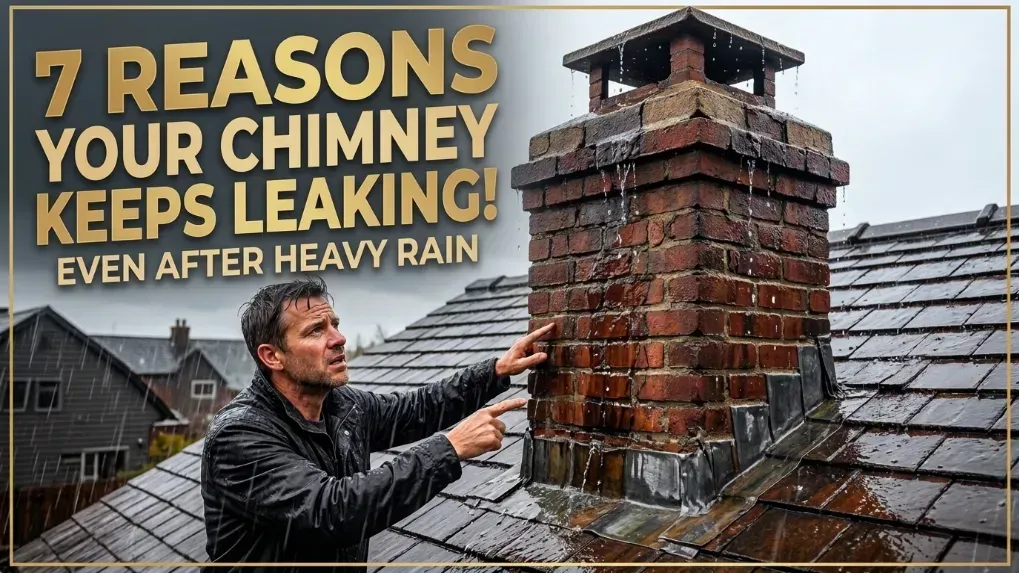
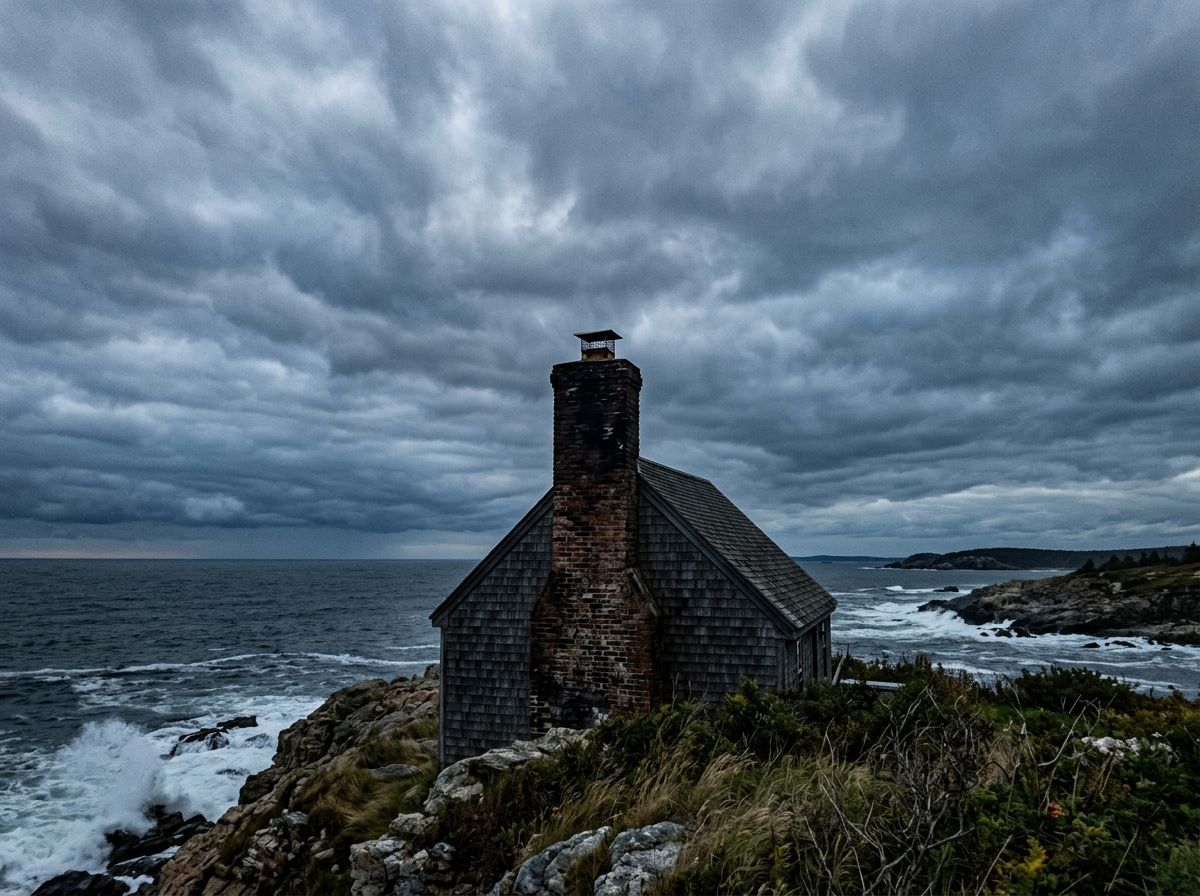
Portland homeowners understand that coastal Maine weather presents a unique set of challenges. Driving rain, high humidity, freezing winter winds, and heavy snowfall combine to create an environment that constantly tests the structural integrity of residential architecture. The most exposed element of your home is often the masonry chimney. Standing completely unprotected above the roofline, this structure bears the full force of every Atlantic storm.
Masonry materials like brick, concrete, and mortar are inherently porous. They act like rigid sponges, absorbing ambient moisture from rain and melting snow. Without a proactive defense strategy, this constant water absorption will lead to severe structural degradation, expensive interior damage, and significant safety hazards.
The Hidden Mechanics of Moisture Penetration
Water causes more structural damage to masonry chimneys than fire. The primary mechanism of this destruction in Maine is the freeze-thaw cycle. When porous bricks and mortar absorb rainwater, the moisture settles deep within the masonry framework. As temperatures plummet during a cold winter night, that trapped water freezes.
Water expands by nine percent when it turns into ice. This sudden expansion exerts massive outward pressure on the internal structure of the brick and mortar. When the sun rises and the temperature warms, the ice melts, leaving behind microscopic cracks. The next rainstorm fills these newly formed cracks with even more water, which subsequently freezes and expands again.
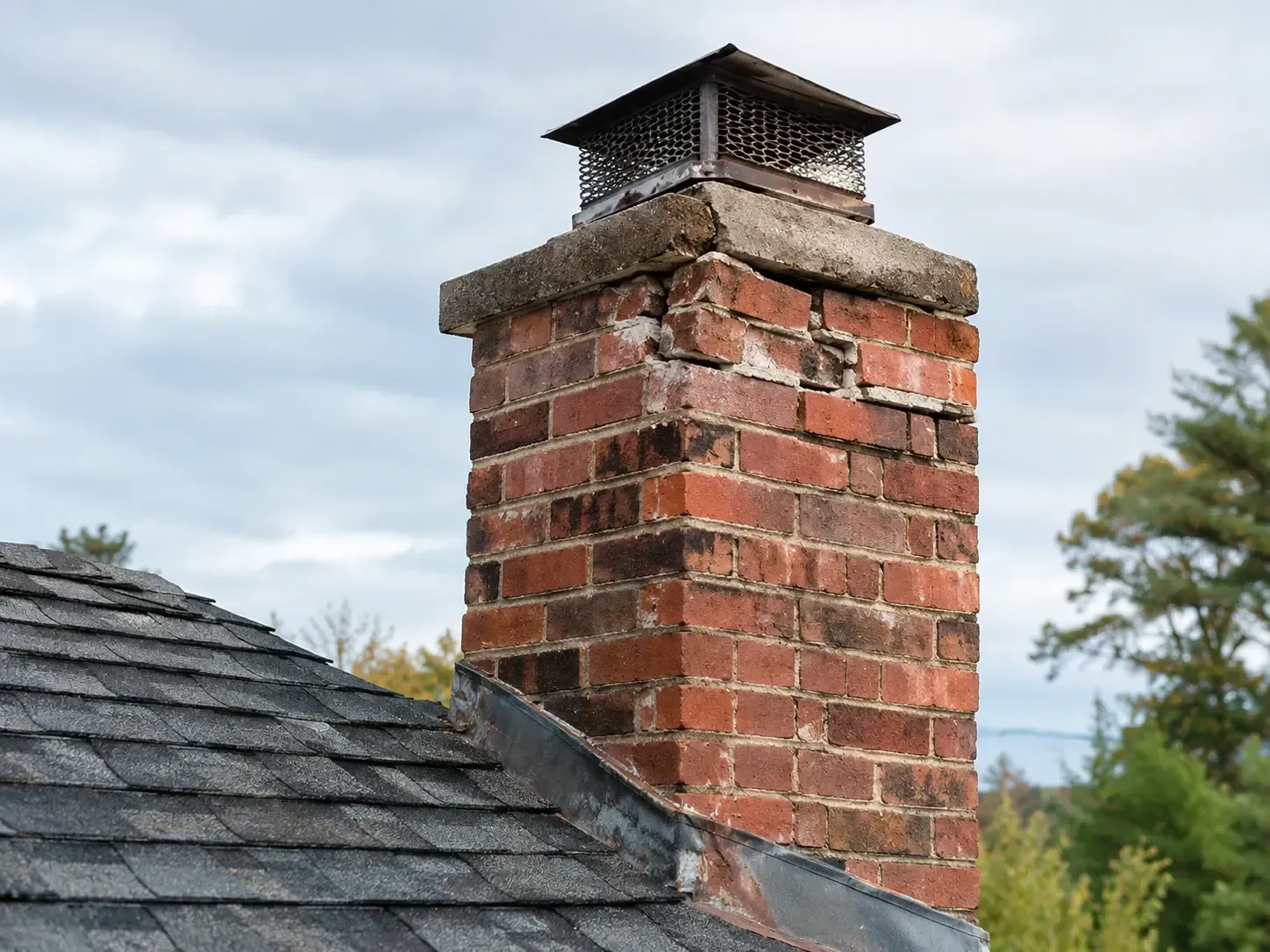
This repetitive cycle causes a condition known as spalling. The faces of the bricks will begin to flake, pop off, and crumble. Once the hardened exterior surface of a brick is compromised, the softer interior deteriorates rapidly. Simultaneously, the mortar joints binding the bricks together will begin to recede, turn to powder, and wash away.
Professional Chimney Waterproofing: The First Line of Defense
Preventing water from entering the masonry in the first place is the most effective way to preserve your home. Professional chimney waterproofing provides an invisible, highly effective barrier against moisture penetration. However, the exact type of product used is critical to the success of the application.
Homeowners should never use standard paint or generic clear sealers on a masonry chimney. These products are film-forming, meaning they create an impermeable layer on the surface. While they might block rain from the outside, they also trap moisture on the inside. Masonry must be allowed to breathe. Household humidity, cooking vapors, and the natural moisture generated by burning wood or gas must be able to escape through the chimney walls. Trapped internal moisture will accelerate structural failure and cause deep rot.
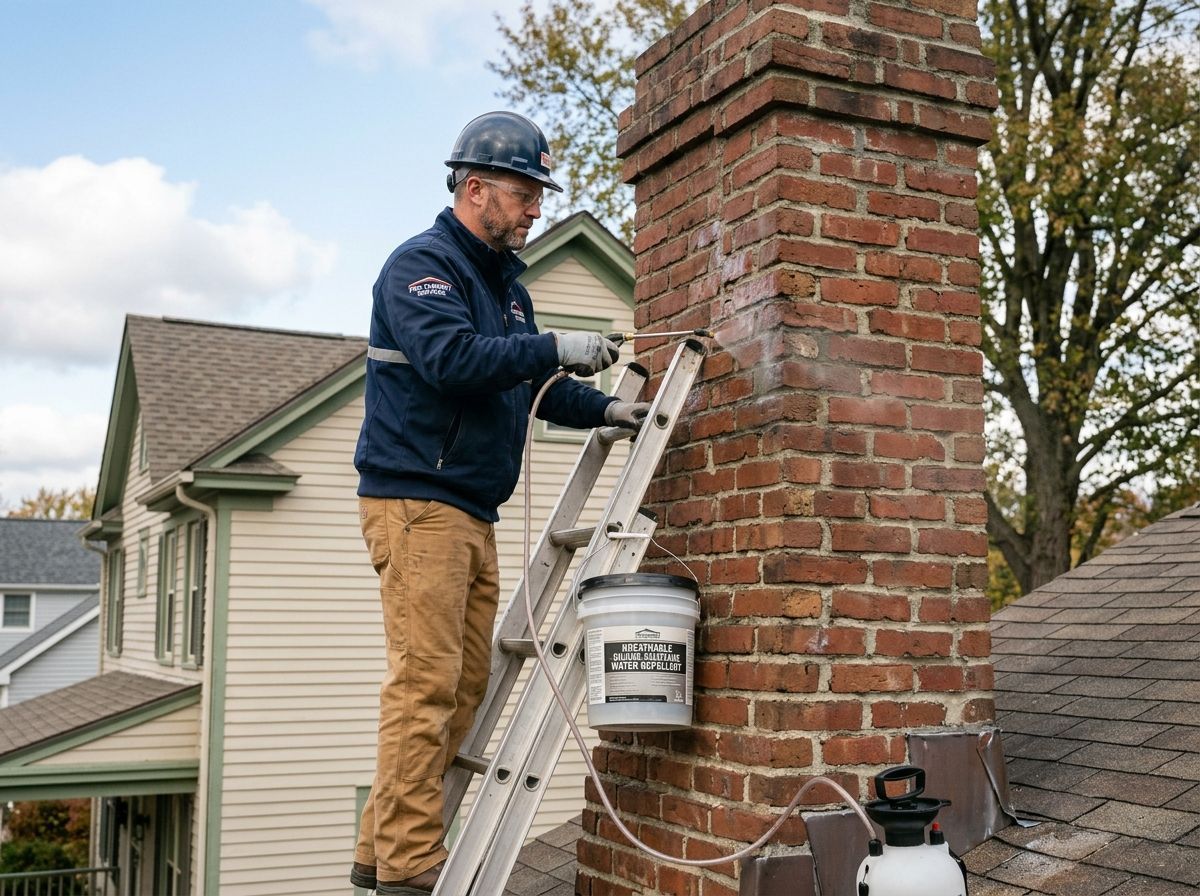
To combat this, specialists use 100 percent vapor-permeable silane-siloxane water repellents. These advanced formulas penetrate deep into the pores of the brick and mortar rather than sitting on the surface. They alter the cellular structure of the masonry to repel liquid water molecules while remaining open enough to allow water vapor to pass through freely. Discover more about how this advanced application protects your home by exploring our comprehensive waterproofing services.
Recognizing the Early Signs of Water Damage
Catching moisture issues early can save you from requiring a complete chimney rebuild. Homeowners should conduct periodic visual inspections of their masonry, especially after periods of heavy rain or snowmelt.
Look for the following warning signs:
- Efflorescence: This presents as a chalky, white stain on the exterior of the brick. As water travels through the masonry, it dissolves natural salts. When the water evaporates on the surface, it leaves these white salt deposits behind. While the salt itself is harmless, its presence is a guaranteed indicator that heavy moisture is passing through the structure.
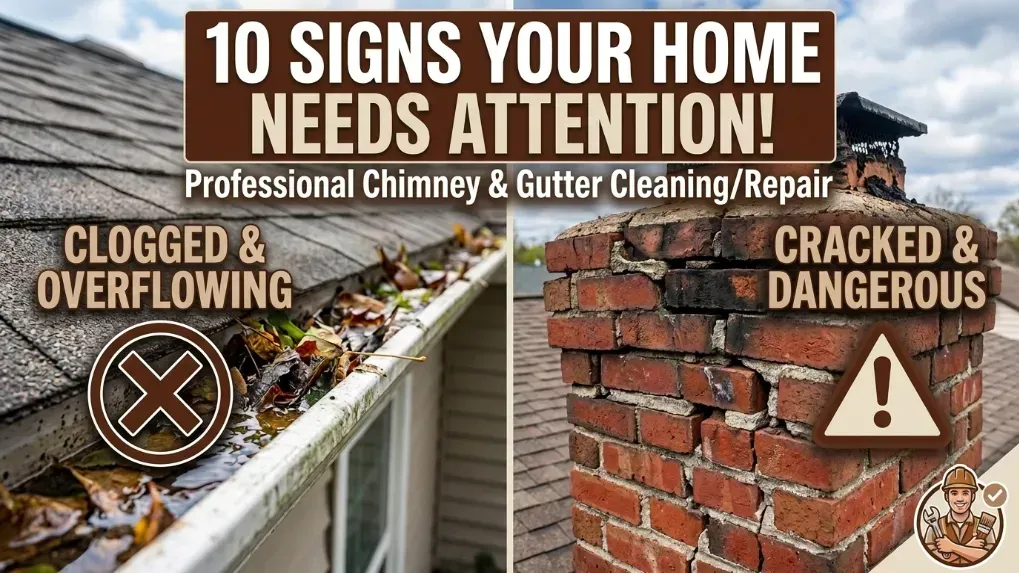
- Deteriorating Mortar: Inspect the horizontal and vertical joints between the bricks. If the mortar appears recessed, sandy, or is missing entirely, water is actively degrading the connective tissue of your chimney. Structural integrity relies entirely on solid mortar joints.
- Rusted Components: Take a look at your firebox and damper mechanism. If you see rust, experience difficulty operating the damper, or notice water pooling in the firebox after a storm, water is freely entering the top of your chimney.
- Musty Odors: A persistent damp, earthy smell coming from your fireplace during the humid summer months strongly suggests that moisture has saturated the internal masonry.
If your visual inspection reveals significant mortar loss or crumbling bricks, applying a water repellent is no longer sufficient. The structural defects must be repaired first. Our experts can restore the strength of your masonry through targeted demolition and tuckpointing, grinding out the decayed mortar and replacing it with fresh, color-matched material.
The Financial Impact of Ignoring Masonry Maintenance
Putting off necessary chimney maintenance is a costly gamble. What begins as a minor leak can escalate into thousands of dollars in property damage. When water freely enters a chimney, it does not stop at the masonry.
Moisture will migrate into the surrounding framing of your house. This leads to rotting wood, saturated insulation, and the proliferation of toxic mold in your attic and wall cavities. Additionally, persistent leaks can damage the ceilings and drywall immediately adjacent to the fireplace, requiring expensive interior cosmetic repairs. Investing in proactive waterproofing and targeted joint repair costs a fraction of what you would spend mitigating extensive structural water damage and mold remediation.
Resolving Internal Damage with Expert Chimney Repair
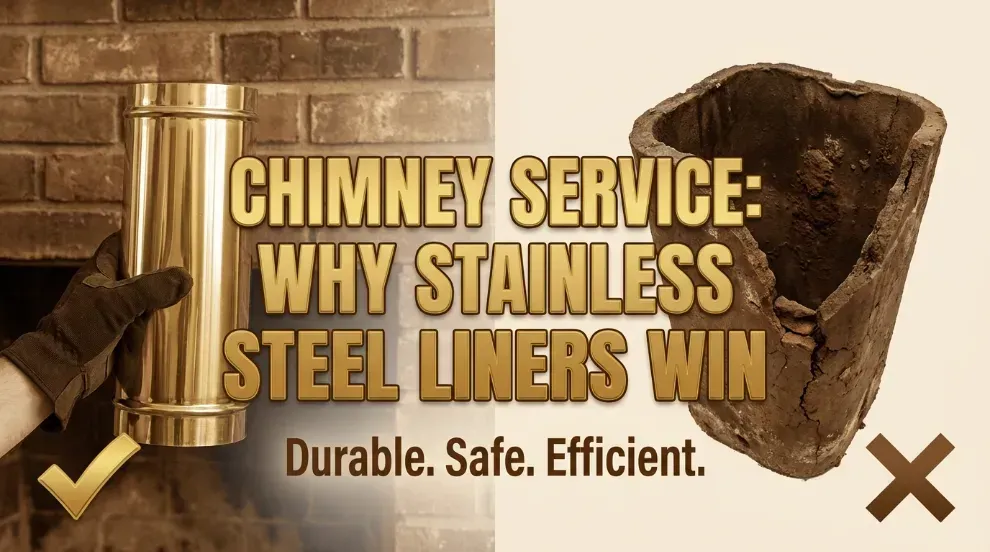
Water intrusion does not just harm the outside of your chimney. The internal flue liner is equally vulnerable to moisture damage. If your chimney utilizes traditional clay tiles for its liner, water mixing with acidic creosote creates a highly corrosive environment. This combination will rapidly degrade the clay, causing the tiles to crack and flake.
A compromised flue liner is a severe hazard. It can allow superheated combustion gases and carbon monoxide to transfer directly into your living spaces. When the internal venting system is heavily damaged by water and acid, expert chimney repair is required to ensure the system is safe to operate.
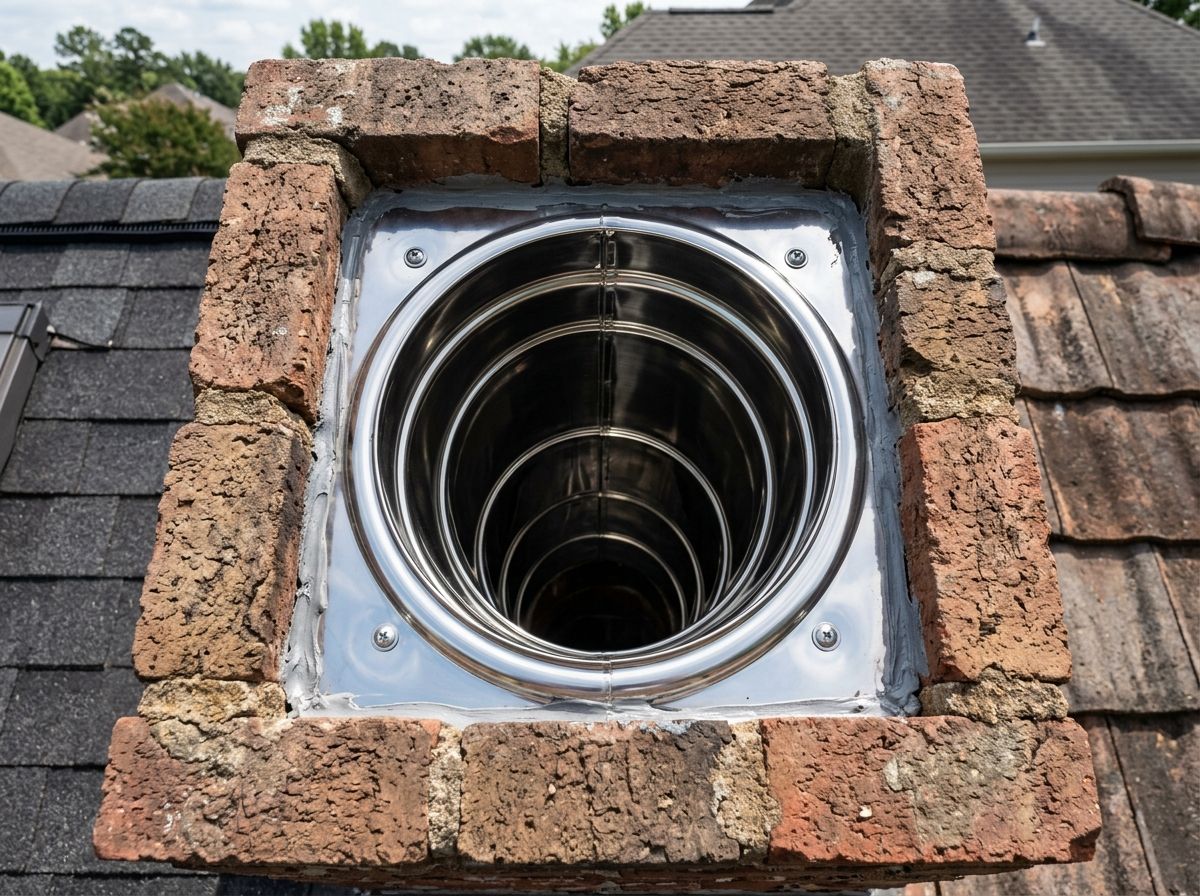
The most reliable solution for a water-damaged flue is the installation of a robust metal liner. By upgrading to one of our premium stainless steel liners, you create an impenetrable, continuous path for exhaust gases to safely exit your home. Stainless steel is entirely impervious to moisture and highly resistant to the corrosive acids found in wood and pellet exhaust, guaranteeing long-term safety and performance.
Evaluating Protective Solutions for Your Masonry
Understanding the different components of chimney protection helps you make informed decisions about your home maintenance. The table below outlines the primary interventions used to secure masonry against the harsh Portland climate.
| Intervention Type | Primary Function | Estimated Longevity | Ideal Application |
|---|---|---|---|
| Vapor-Permeable Sealant | Repels exterior water absorption | 5 to 10 Years | Intact, porous brickwork |
| Mortar Tuckpointing | Replaces decayed, sandy mortar | 20 to 30 Years | Receding or crumbling joints |
| Stainless Steel Liner | Vents corrosive combustion gases | Lifetime (with maintenance) | Damaged, clay, or unlined flues |
| Custom Chimney Cap | Sheds direct rain off the top | 15 to 25 Years | Uncovered flues and flat cement crowns |
Selecting Reliable Chimney Services for Maine Homes
Trusting the safety and structural integrity of your home to a contractor requires careful consideration. Chimney mechanics involve complex masonry techniques, specific fluid dynamics for venting, and strict adherence to fire safety codes. DIY repairs or hiring general handymen often leads to improper sealing techniques, incorrect mortar matching, and critical safety oversights.
It is essential to partner with a company that specializes exclusively in comprehensive chimney services. A dedicated professional will not only apply the correct breathable water repellents but will also possess the expertise to diagnose the root cause of complex leaks. At Select Chimney Services, we pride ourselves on delivering precise, durable solutions tailored to the specific demands of New England weather. To learn more about our commitment to quality craftsmanship and our background in the industry, please visit our About Us page.
Secure Your Home for the Next Season
Do not wait for a harsh winter storm or a week of relentless spring rain to expose the vulnerabilities in your masonry. Taking action now will extend the lifespan of your chimney, protect your interior living spaces, and provide lasting peace of mind. A comprehensive evaluation by our experienced technicians will identify exact areas of moisture intrusion and map out a precise, cost-effective repair strategy.
Protect your property with the highest standard of masonry care. If you suspect your chimney is suffering from water damage or if you want to schedule a proactive waterproofing treatment, reach out to our team today. Browse our full range of solutions on our home page, or call us directly at (207) 975-5726. You can also send us a message through our contact page to schedule your priority consultation.
Frequently Asked Questions
How long does a professional chimney waterproofing treatment last?
When applied correctly to prepared masonry, an industrial-grade silane-siloxane water repellent typically provides excellent protection for five to ten years. The exact duration depends heavily on the chimney's exposure to prevailing winds, sunlight, and the severity of local weather conditions. We recommend regular visual inspections to ensure the barrier remains effective.
Can I use regular exterior brick paint to seal my chimney?
No, using standard exterior paint on a chimney is highly destructive. Paint acts as a non-permeable vapor barrier. While it stops rain from hitting the brick, it traps internal household humidity and combustion moisture inside the masonry. When winter arrives, this trapped moisture freezes, expanding and forcefully blowing the faces off the painted bricks.
What is the best time of year to schedule chimney repairs?
The optimal time for masonry repair and waterproofing is late spring through early autumn. Masonry materials, mortar, and sealants require moderate, dry weather to cure properly. Curing mortar correctly before the freezing winter temperatures arrive is vital for a durable, long-lasting structural repair.