Chimney Waterproofing in Maine: Preparing Masonry for Rain, Snow, and Freeze-Thaw Weather
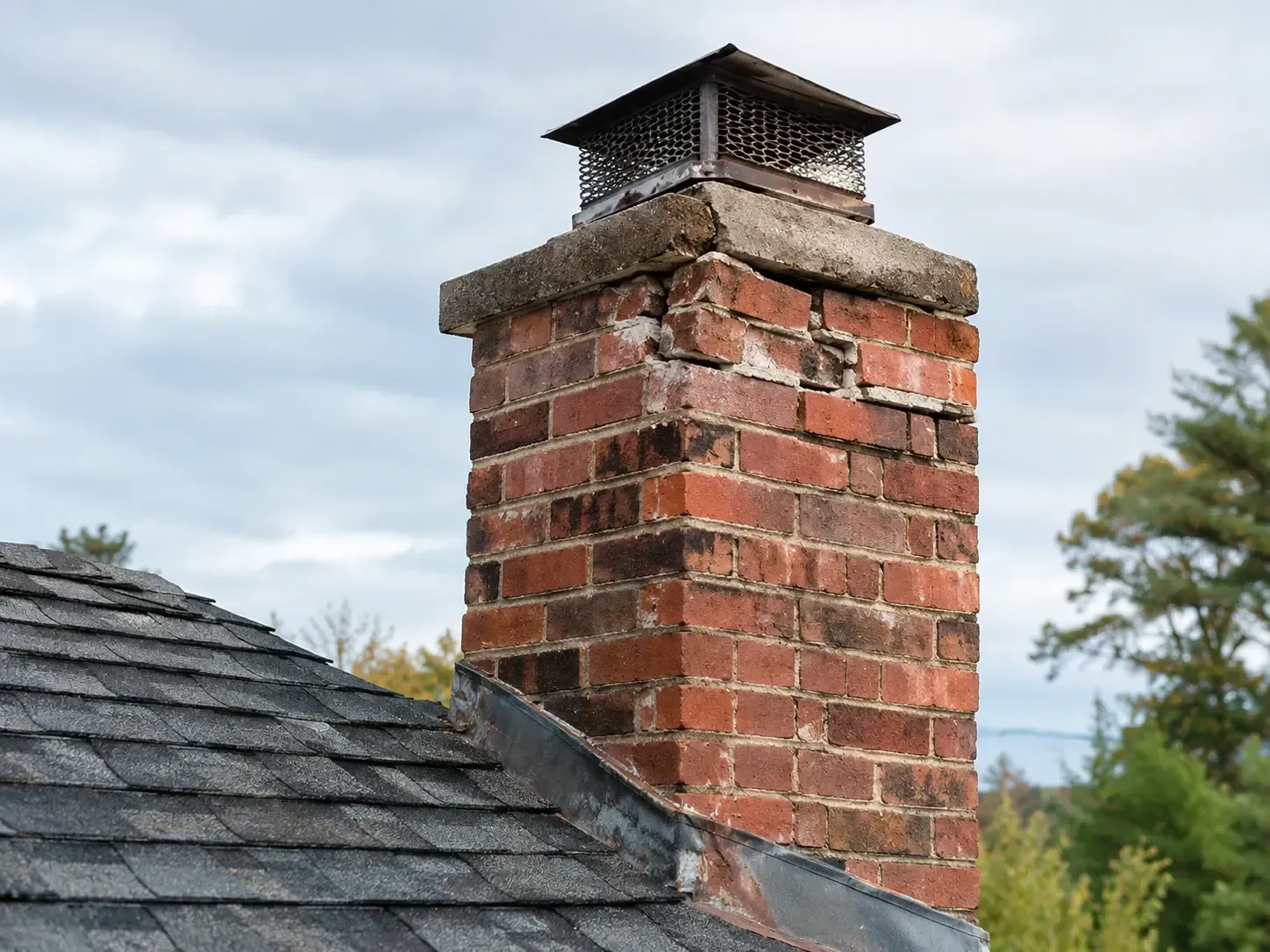
Maine’s rain, snow, and freeze-thaw cycles drive water into porous masonry, then expand ice that cracks brick, mortar, and crowns. Understanding how chimney waterproofing helps with Maine weather means sealing those surfaces so moisture sheds instead of soaking in. Select Chimney Services serves Portland-area homeowners with practical prep before storm season.
Key takeaways
- Breathable sealers reduce water entry without trapping vapor in masonry.
- Freeze-thaw damage often starts at crowns, caps, and open mortar joints.
- Timing after repairs and before heavy wet weather protects the structure longer.
- Local inspection flags leaks early in Portland, South Portland, and nearby towns.
Why does Maine freeze-thaw weather damage chimneys so fast?
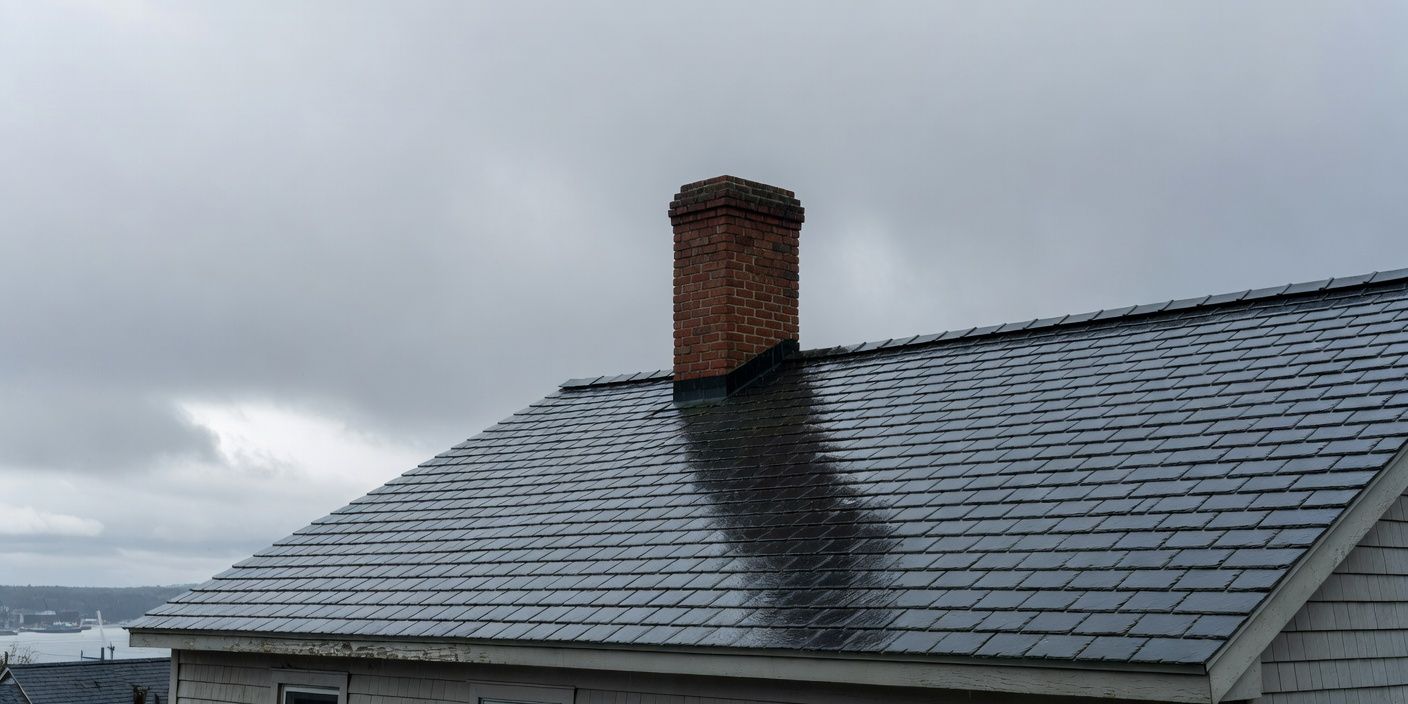
Water soaks into brick and mortar, freezes overnight, expands, and pries joints apart; repeated cycles widen cracks, loosen crowns, and invite interior leaks. A proper chimney waterproofing treatment limits that soak-in so ice has less room to form inside the wall.
Which waterproofing option fits Maine chimneys best?
Breathable silane or siloxane sealers usually suit Maine brick and mortar best because they cut water soak-in while letting vapor escape, which is how chimney waterproofing helps with Maine weather when rain, snowmelt, and freeze-thaw hit Portland roofs; film-forming coats and delayed work leave more ice stress in crowns and joints.
| Option | Best for | Watch-out | Maine note |
|---|---|---|---|
| Breathable silane/siloxane | Porous brick after tuckpointing | Needs clean, dry surface | Strong match for freeze-thaw |
| Film-forming sealer | Short-term shed on dense stone | Can trap moisture | Risk of spalling in winter |
| Crown coat only | Spalled or cracked crowns | Ignores shaft walls | Incomplete in coastal storms |
| Delay until “dry season” | None for wet coasts | Misses fall storms | Ice expands open joints |
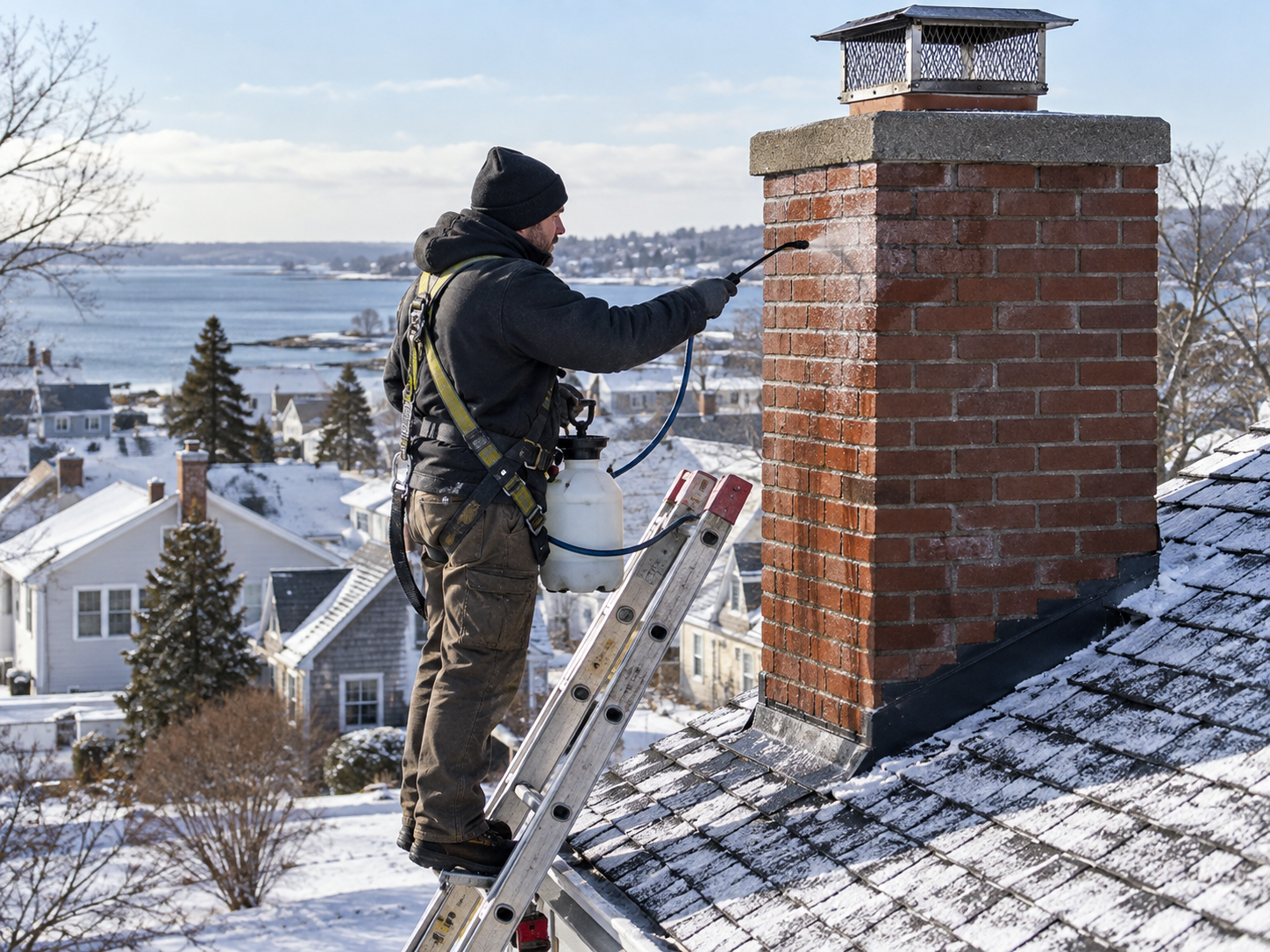
After mortar and crown repairs, the services path is seal, then verify drainage at the cap and flashing. The About method stresses breathable products so walls dry between nor’easters.
Paragraphs stay short: water that never enters cannot freeze inside the wythe. Homeowners in Auburn, Lewiston, Biddeford, Westbrook, and Scarborough gain the same logic—shed first, then monitor.
When you are ready for a site check before the next wet stretch, use Contact to schedule a next step with a local crew.
Which Waterproofing Choice Holds Up Best Against Maine Freeze-Thaw?
Breathable silane or siloxane treatments after sound tuckpointing and crown work best answer how chimney waterproofing helps with Maine weather because they let masonry dry between storms while blocking liquid water, so ice cannot expand inside brick and mortar the way film-forming coats or delayed sealing often allow on Portland and coastal roofs.
Porous New England brick stays damp after rain and snowmelt. A penetrating, vapor-open product reduces that load without trapping moisture behind a skin.
Film-forming sealers can look shiny for a season yet raise spalling risk when winter freezes hit closed pores. Crown-only coats leave shaft walls exposed to wind-driven rain common in South Portland and Biddeford.
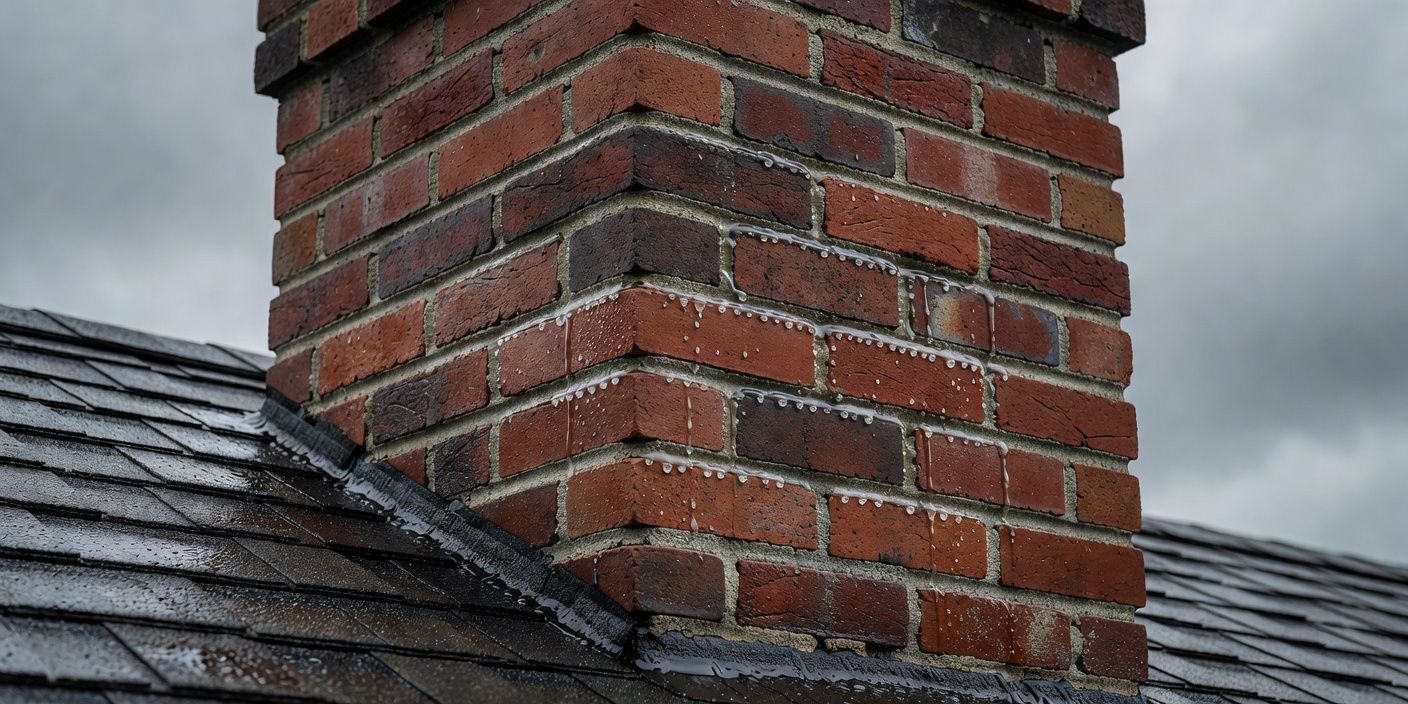
Timing matters as much as chemistry. Seal after repairs while surfaces are clean and dry, then confirm the cap sheds and flashing directs water away. That sequence limits the freeze-thaw cycles that open joints across Auburn, Lewiston, Westbrook, and Scarborough stacks.
Short checks after major storms keep the system working. Water that never soaks in cannot split the masonry when temperatures swing overnight.
How Often Should Maine Chimneys Be Re-Treated?
Most Portland-area masonry needs a fresh breathable waterproofing cycle every five to ten years, or sooner after major tuckpointing, so how chimney waterproofing helps with Maine weather stays effective against repeated rain, snowmelt, and freeze-thaw rather than fading into a porous surface again.
Coastal wind and road salt near Biddeford and South Portland can shorten that window. Inland stacks in Auburn and Lewiston still face long wet seasons and sharp overnight freezes.
A quick hose or rain check after storms shows whether water still beads or soaks in. When absorption returns, schedule cleaning, joint review, and a new penetrating coat before winter.
Link timing to the condition of the crown and flashing. Sealer alone cannot fix open caps or failed step flashing that feed water into the shaft.
Document the product type and date of application. That record helps the next crew match chemistry and avoid stacking incompatible films on Westbrook or Scarborough chimneys.
What Does a Local Waterproofing Visit Usually Include?
A thorough visit from Select Chimney Services starts with inspection of brick, mortar, crown, and flashing, then repair as needed, surface prep, and a breathable silane or siloxane application so homeowners see exactly how chimney waterproofing helps with Maine weather on their own stack.
Technicians look for spalls, open joints, rusted dampers, and water stains in the smoke chamber. Those clues show where liquid already entered the masonry.
After sound services work—tuckpointing, crown rebuild, or flashing correction—the crew applies product only on clean, dry surfaces. Coverage focuses on the exposed shaft, not the interior flue liner.
Homeowners in Portland, Scarborough, and nearby towns receive plain-language notes on what was sealed and what still needs monitoring. That keeps expectations tied to real freeze-thaw risk, not a one-coat promise.
Freeze-Thaw Risk Versus Waterproofing Response
Preferred Source on Google Search
Add www.selectchimneyservices.com to customize your search feed across Top Stories.