How Maine Freeze-Thaw Cycles Can Affect Chimney Brick and Mortar
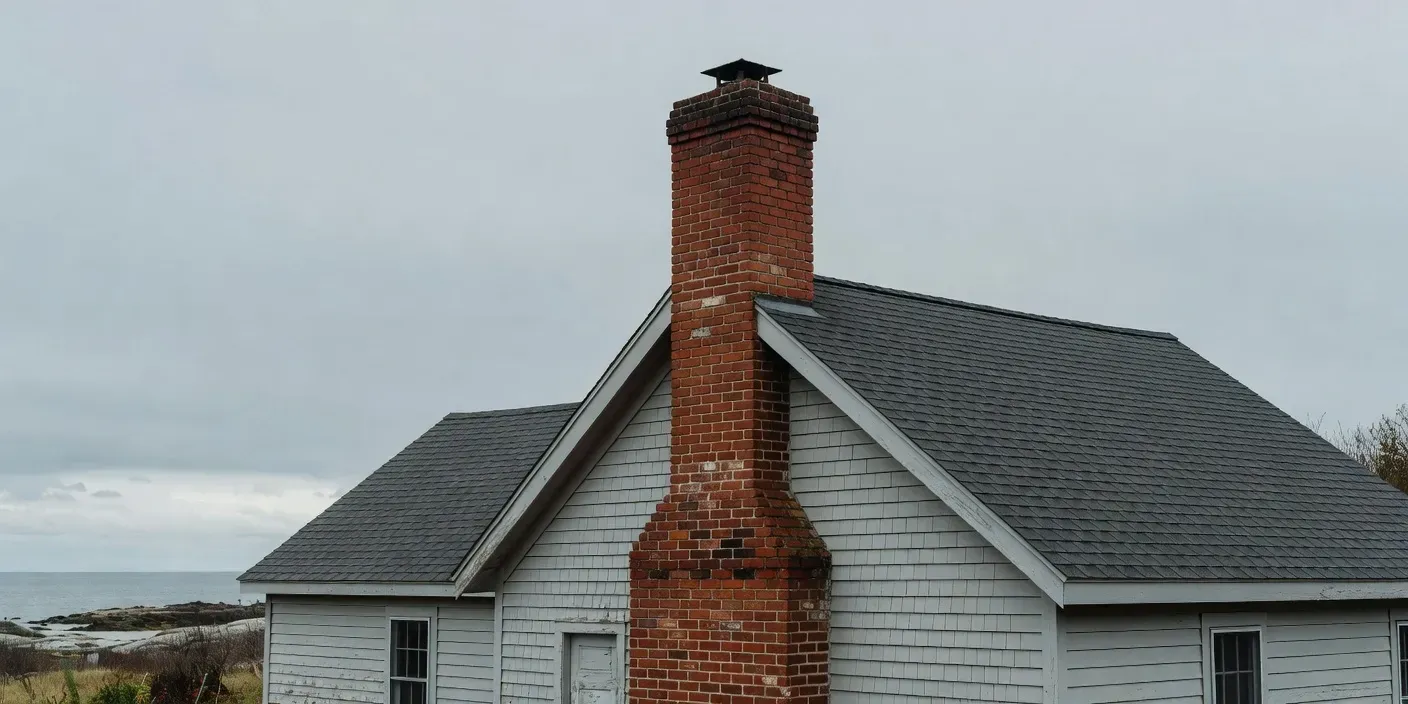
Maine’s freeze-thaw cycles drive water into brick and mortar, then expand it as ice, cracking joints and spalling faces on Portland chimneys. Homeowners often need timely Chimney Masonry Repair before leaks reach the flue or structure. Select Chimney Services helps Portland, South Portland, Auburn, Lewiston, Biddeford, and Westbrook residents spot damage early and plan durable fixes.
Key takeaways
- Freeze-thaw forces water in pores to expand, prying mortar and brick apart.
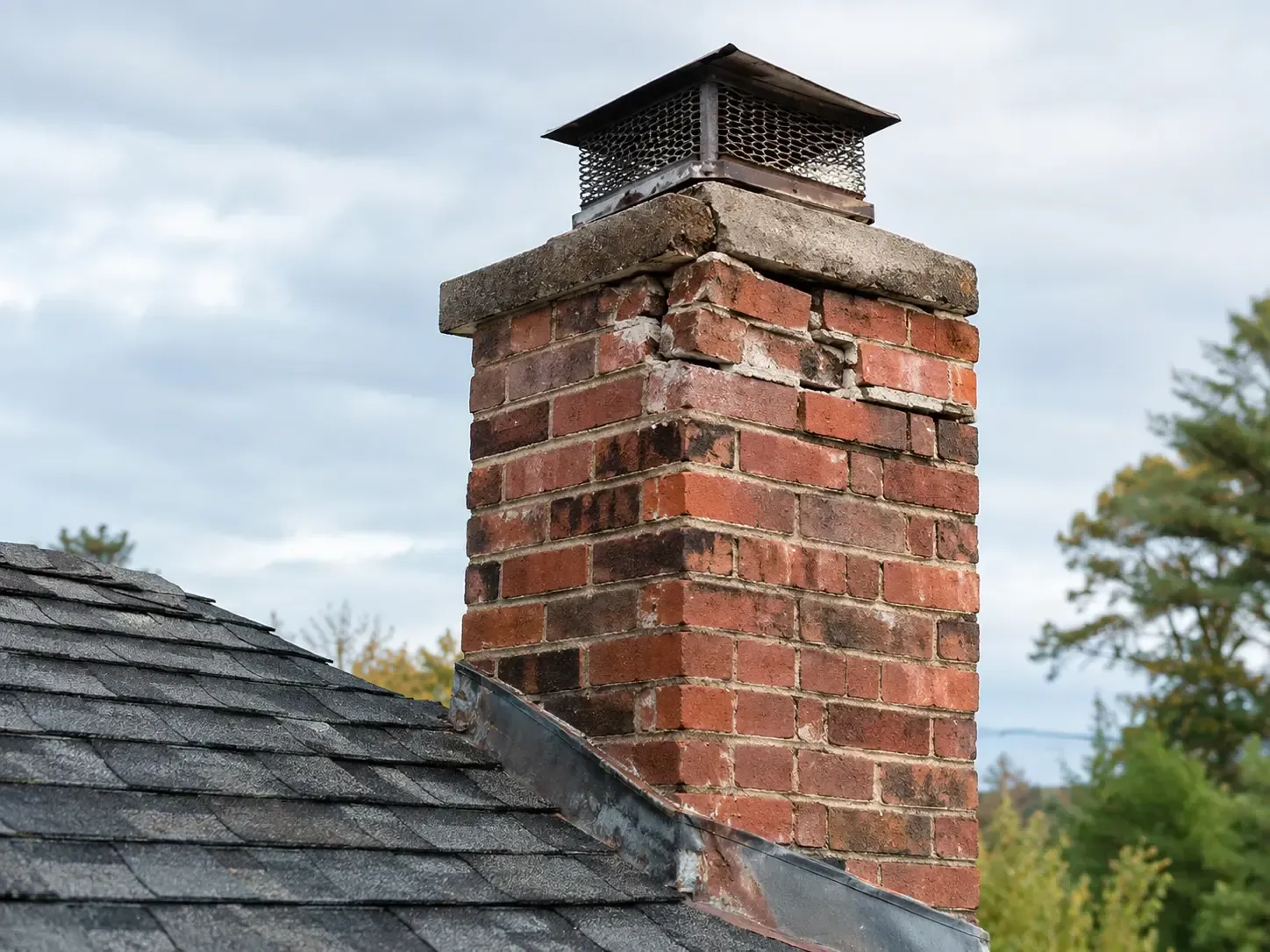
- Soft or failed mortar joints are usually the first weak points on Maine stacks.
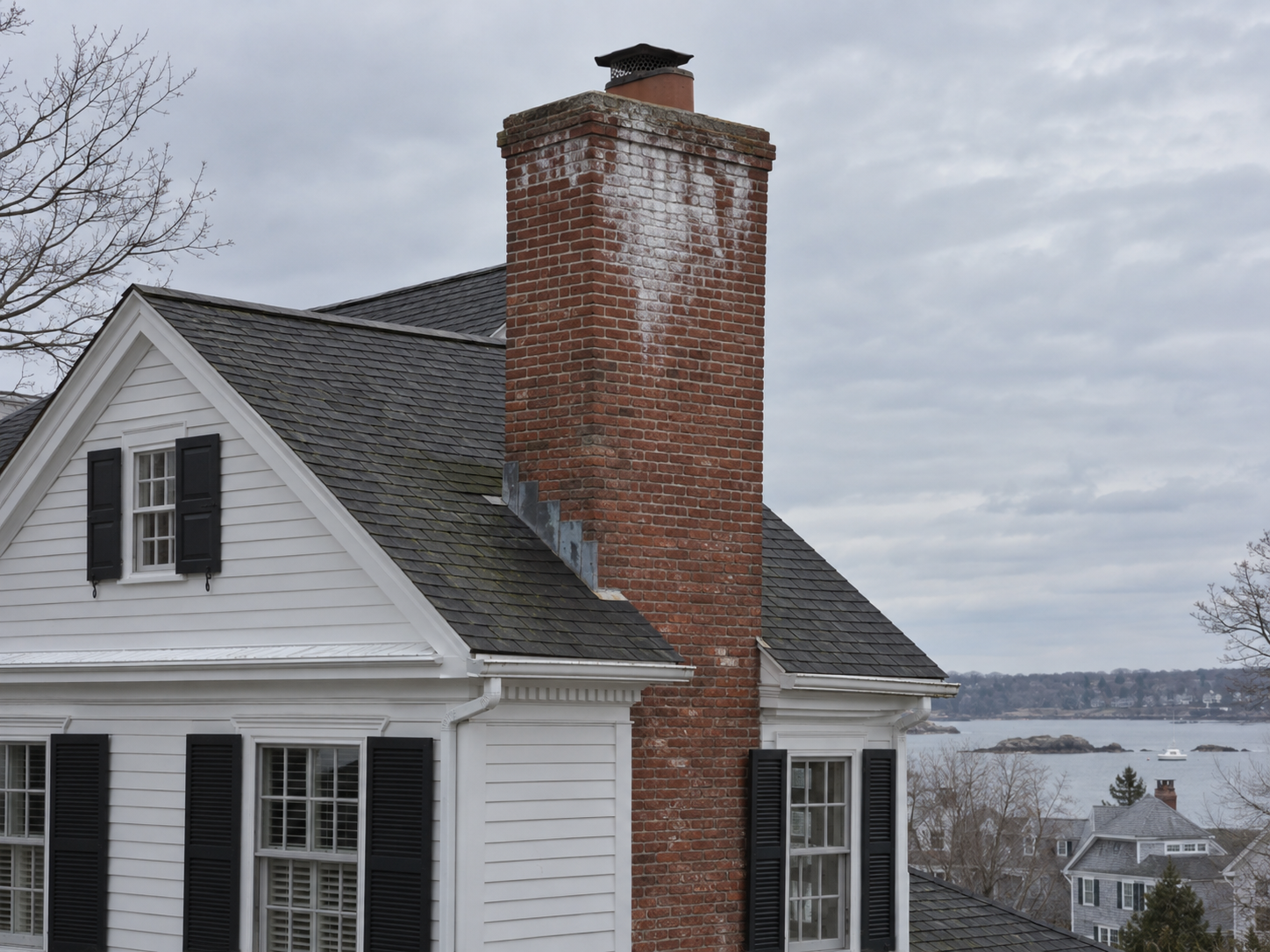
- Spalled brick faces and white efflorescence signal repeated moisture cycling.
- Early tuckpointing and flashing checks limit costlier rebuilds later.
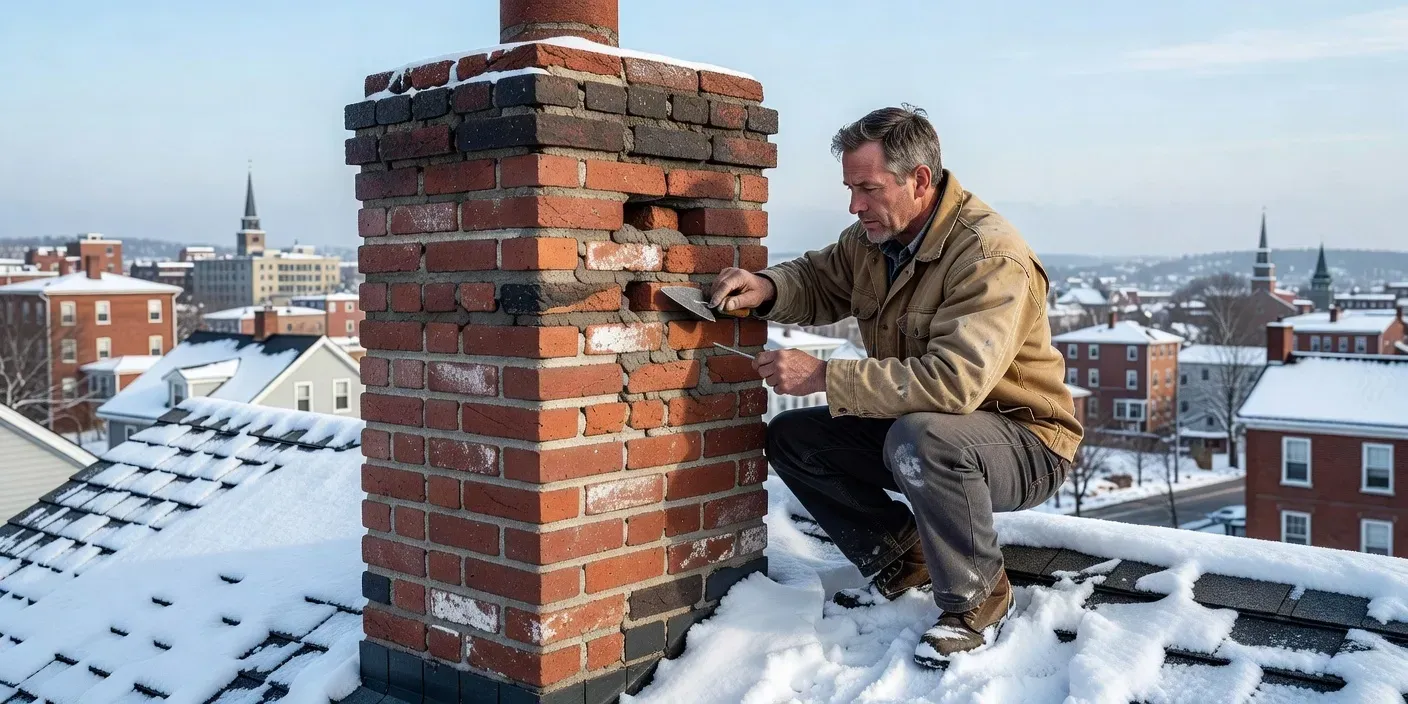
How do freeze-thaw cycles damage chimney brick and mortar?
Water enters porous brick and mortar in Portland, Maine weather, freezes overnight, expands, then thaws—repeating until joints open, faces spall, and water reaches the liner. That cycle is why seasonal inspection and chimney masonry repair matter before spring rains. Document cracks after deep freezes, keep the crown sealed, and contact a local mason when joints crumble or bricks flake.
Which chimney masonry repair approach fits freeze-thaw damage in Portland?
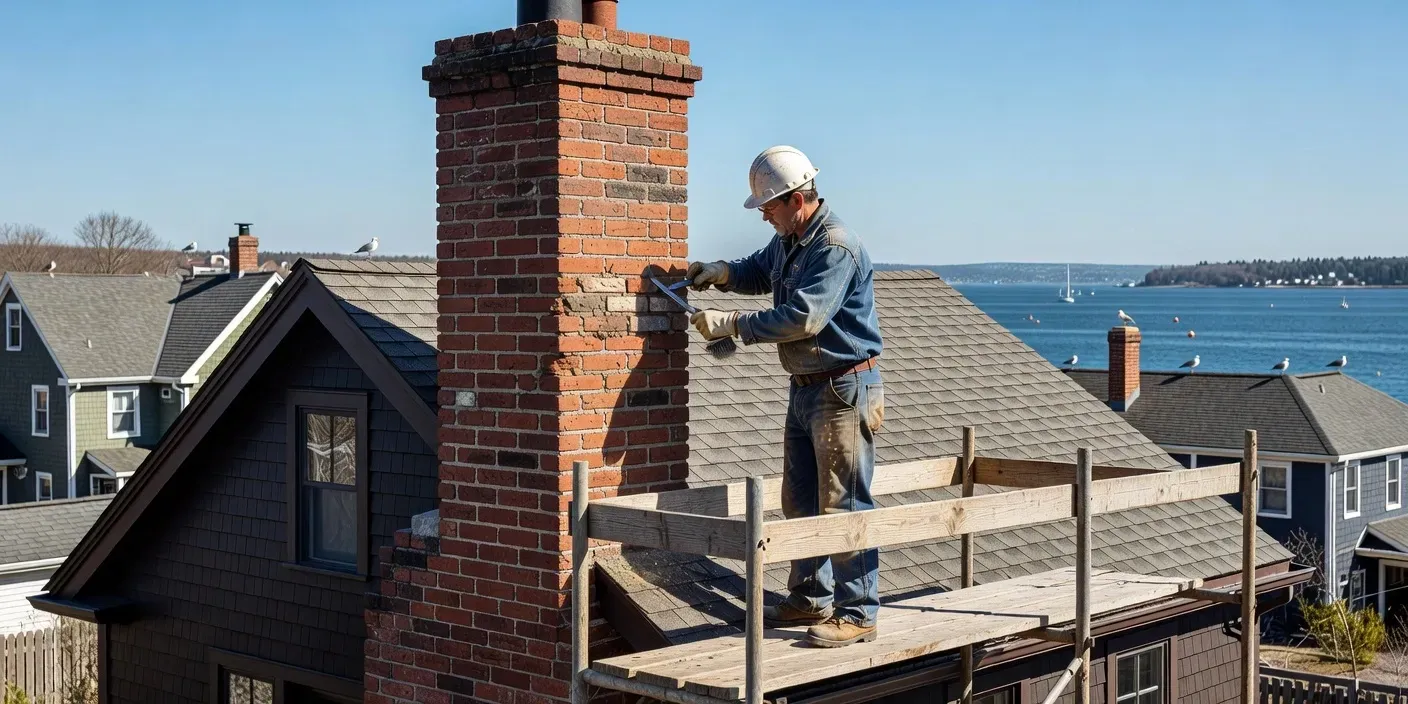
Tuckpointing soft joints, replacing spalled brick, sealing the crown, and correcting flashing each address different freeze-thaw failures on Portland, Maine stacks, so matching the fix to the weak point stops water from re-entering pores and cracking the masonry again before the next hard freeze. Choose based on joint depth, face loss, and crown condition rather than a one-size rebuild.
After deep freezes, walk the yard and note open joints, white salt stains, and loose brick edges. Soft mortar usually fails first, then faces spall. Early chimney masonry repair limits water reaching the flue or framing. Keep the cap clear of ice dams, photograph damage after each thaw, and schedule an inspection when joints crumble or bricks flake so repairs hold through the next Maine winter.
| Option | Best for | Watch-out |
|---|---|---|
| Tuckpointing | Crumbled or recessed mortar joints after ice expansion | Incomplete joint removal leaves weak old mortar behind |
| Brick replacement | Spalled faces and flaked units on windward sides | Mismatched hardness can trap moisture in adjacent brick |
| Crown reseal or rebuild | Hairline crown cracks that feed water into the top courses | Thin coatings fail if the underlying crown is already hollow |
| Flashing correction | Leaks at roof-chimney junctions after thaw cycles | Improper step flashing still drives water into the masonry |
After deep freezes, walk the yard and note open joints, white salt stains, and loose brick edges. Soft mortar usually fails first, then faces spall. Early chimney masonry repair limits water reaching the flue or framing. Keep the cap clear of ice dams, photograph damage after each thaw, and schedule an inspection when joints crumble or bricks flake so repairs hold through the next Maine winter.
Which Chimney Masonry Repair Fits Portland Freeze-Thaw Damage Best?
Homeowners in Portland, Maine, South Portland, Auburn, Lewiston, Biddeford, and Westbrook should match chimney masonry repair to the failure pattern: tuckpoint soft joints first, replace only spalled brick, rebuild crowns that feed water downward, and correct flashing at the roof line so meltwater cannot re-enter the wall during the next thaw cycle.
Freeze-thaw does not hit every face the same way. Windward sides on older Portland stacks often lose brick faces while sheltered joints only recess. Treating the whole shaft as one problem wastes sound masonry and can lock moisture into harder new units.
Start with joint depth and crown integrity. Deep, crumbly mortar usually needs full removal and repointing with a compatible mix. Flaked brick faces call for selective replacement, not a full rebuild, when the core remains solid.
Select Chimney Services evaluates these patterns on site so the fix matches Maine weather, not a generic checklist. After you note open joints or loose edges, request a visit before the next hard freeze locks water in again.
Seasonal Timing for Chimney Masonry Repair in Maine
Chimney masonry repair works best in Portland, Maine when mortar and brick are dry enough to bond, typically after spring thaw or in early fall before overnight freezes return, so new joints cure without trapped meltwater expanding again.
Short dry windows still matter. Schedule work when daytime highs stay above the low forties and rain is not forecast for several days. That reduces washout of fresh mortar and limits salt bloom that appears after midwinter thaws on South Portland and Westbrook stacks.
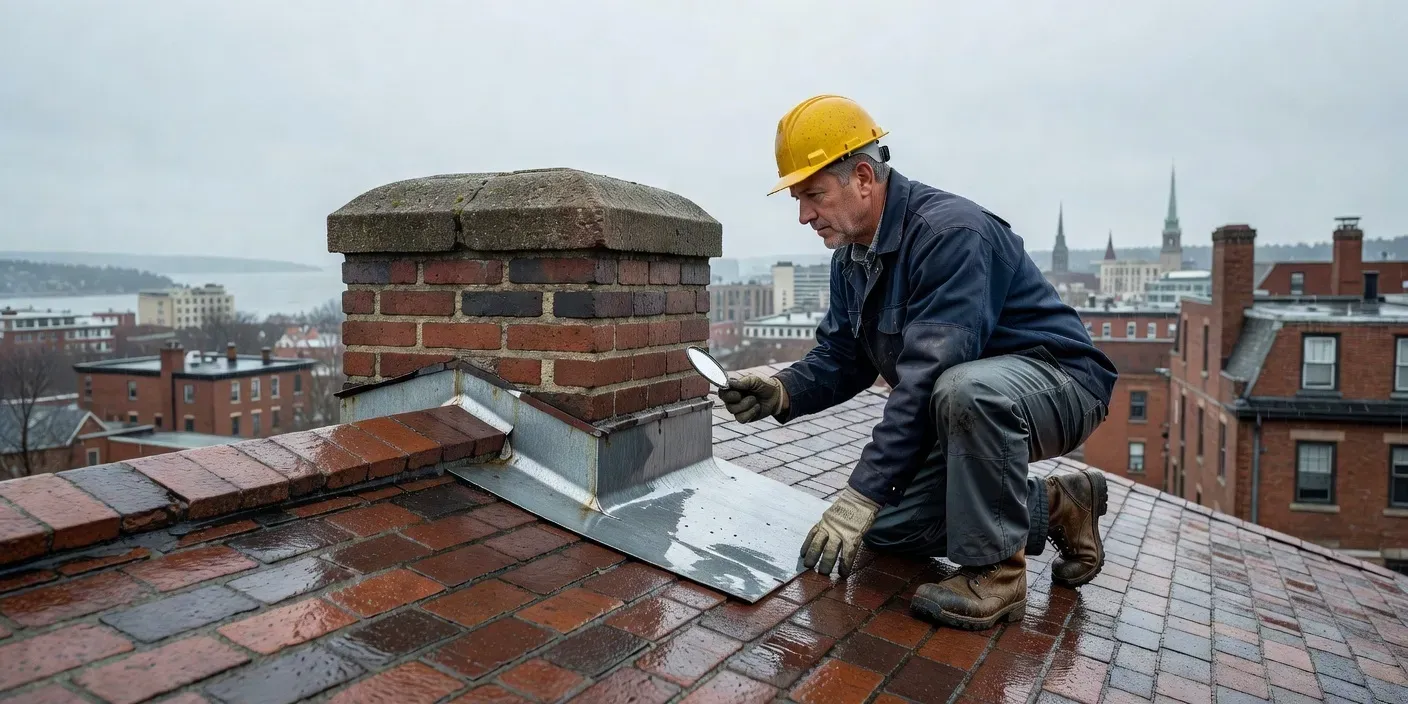
Document stains, open joints, and crown cracks with photos after each thaw. Those notes help a practitioner prioritize tuckpointing versus selective brick replacement before the next freeze locks moisture deeper into the wall.
Frequently Asked Questions
Why do Portland chimneys crack after repeated freeze-thaw cycles?
Water enters porous brick and soft mortar, freezes, expands, and pries joints open. Coastal humidity and wind-driven rain on Portland stacks speed the cycle, so recessed joints and flaked faces appear faster than on sheltered inland chimneys in Auburn or Lewiston.
What signs mean chimney masonry repair should not wait?
Look for loose brick edges, crumbling mortar deeper than a fingernail, white salt stains, a cracked or missing crown, and damp spots on the chase after thaw.
Can homeowners repoint chimney mortar themselves in Maine winters?
Surface patching rarely lasts through Maine freeze-thaw. Compatible lime-aware mixes, full joint depth, and crown detailing need dry weather and proper tooling.
Preferred Source on Google Search
Add www.selectchimneyservices.com to customize your search feed across Top Stories.