Chimney Care for Older Portland Homes: Masonry, Liners, and Venting Questions
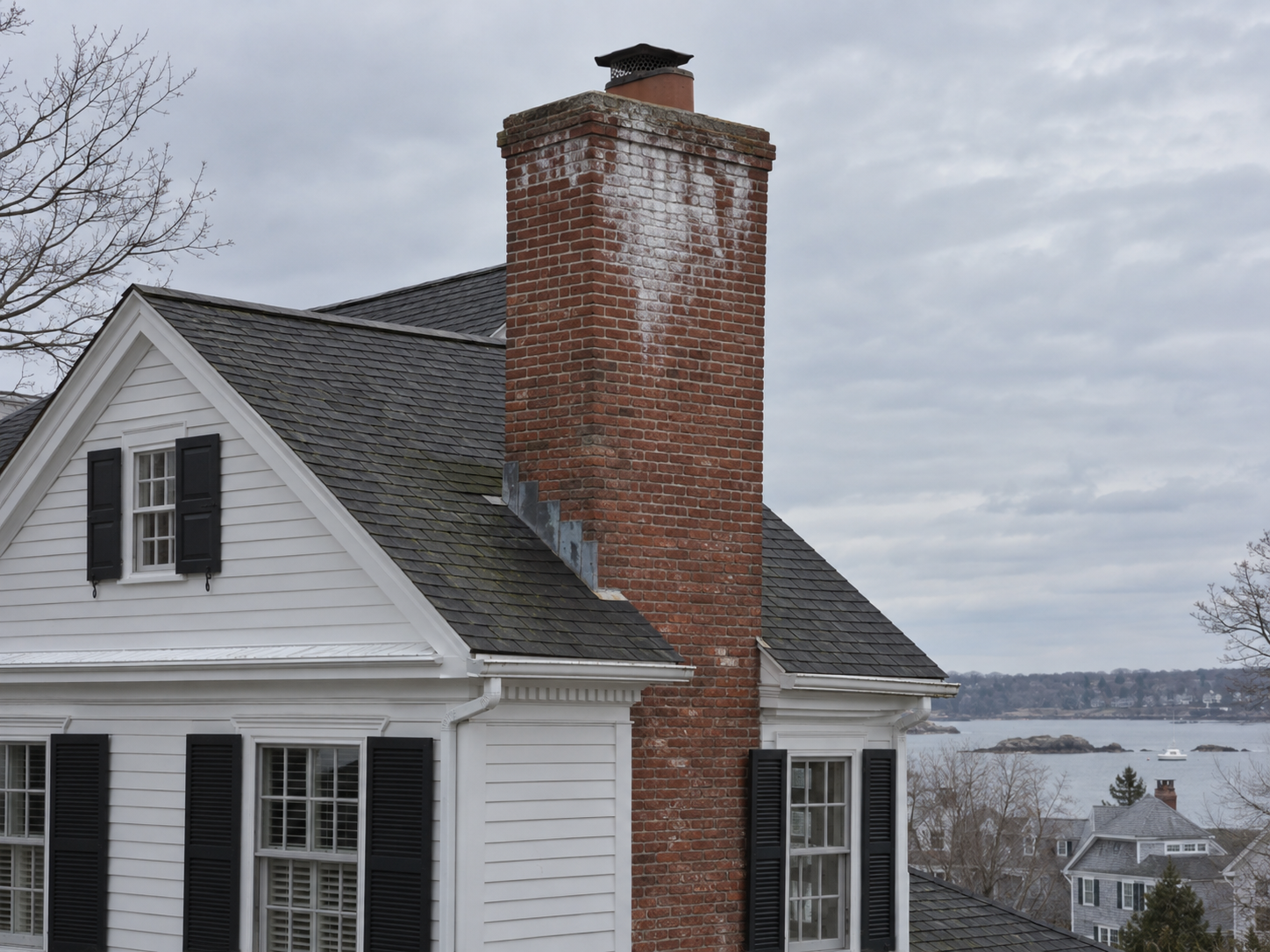
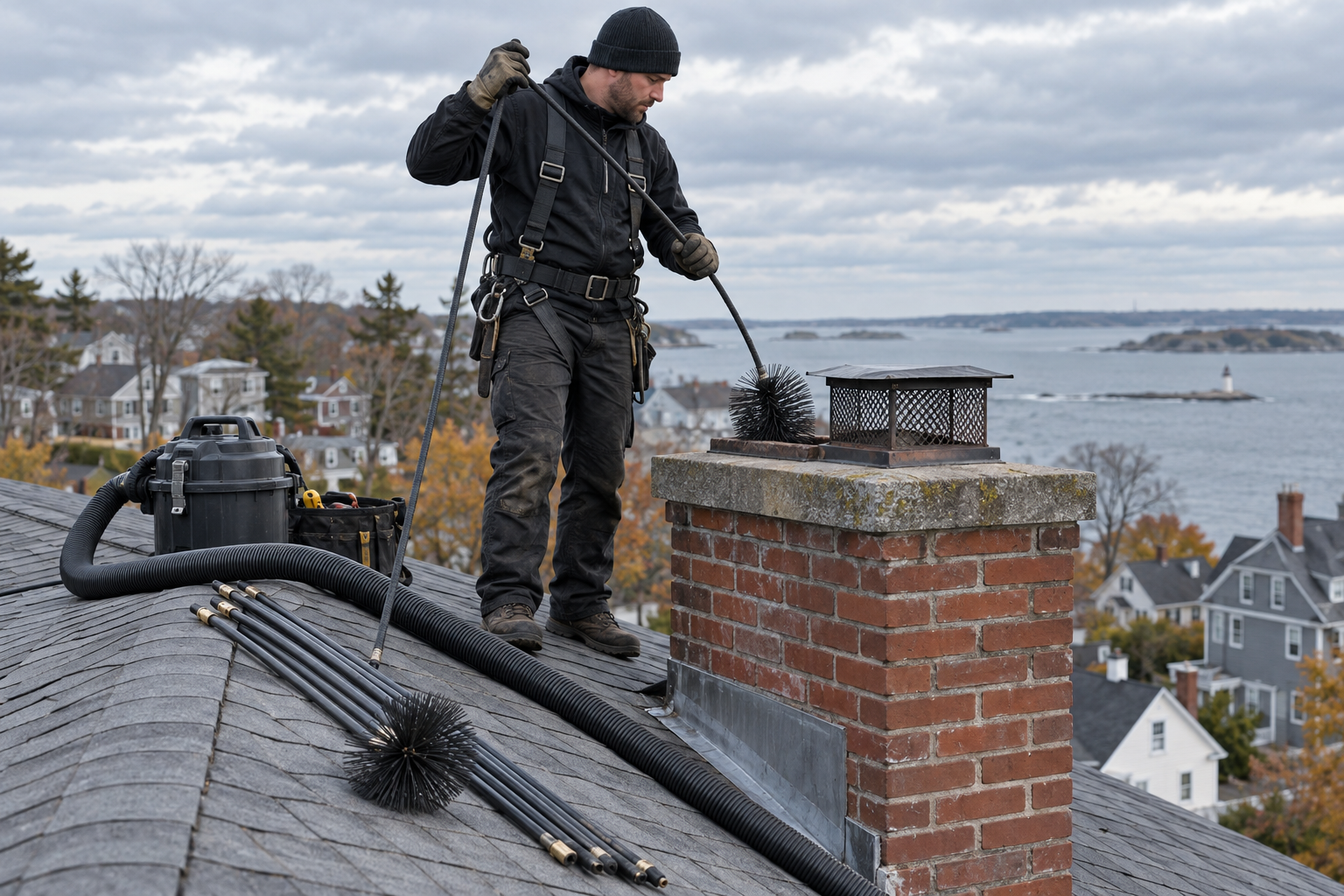
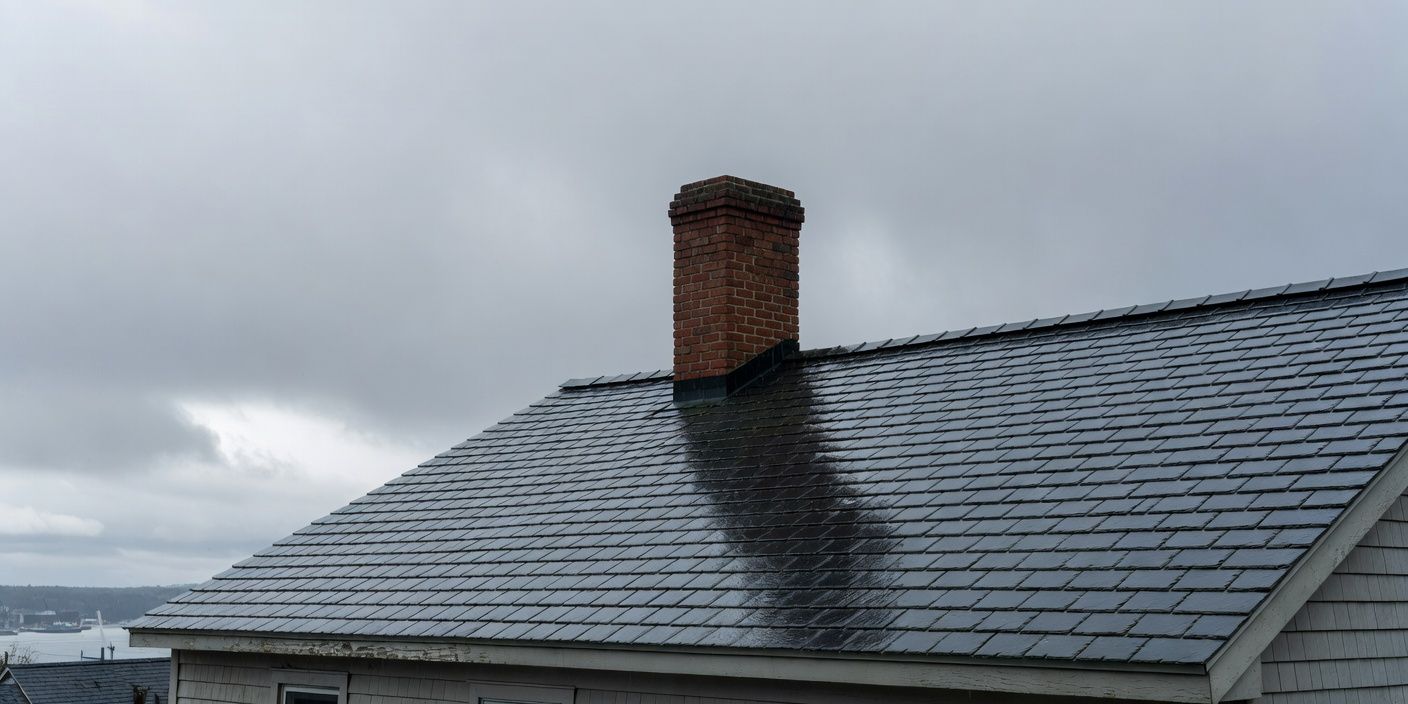
Older masonry chimneys in Portland, Maine face freeze-thaw stress, aging mortar, and outdated venting. Homeowners seeking clear answers on Chimney Inspection & Liners can start with Select Chimney Services, a local practitioner team that evaluates structure, draft, and liner condition before recommending safe next steps for Portland, South Portland, and nearby homes.
Key takeaways
- Annual checks catch mortar gaps and liner wear early in Maine winters.
- Clay or metal liners must match the appliance and flue size.
- Poor venting raises carbon monoxide and moisture risks indoors.
- Documented Services inspections guide repair priority, not guesswork.
Why do older Portland chimneys need liner and venting review?
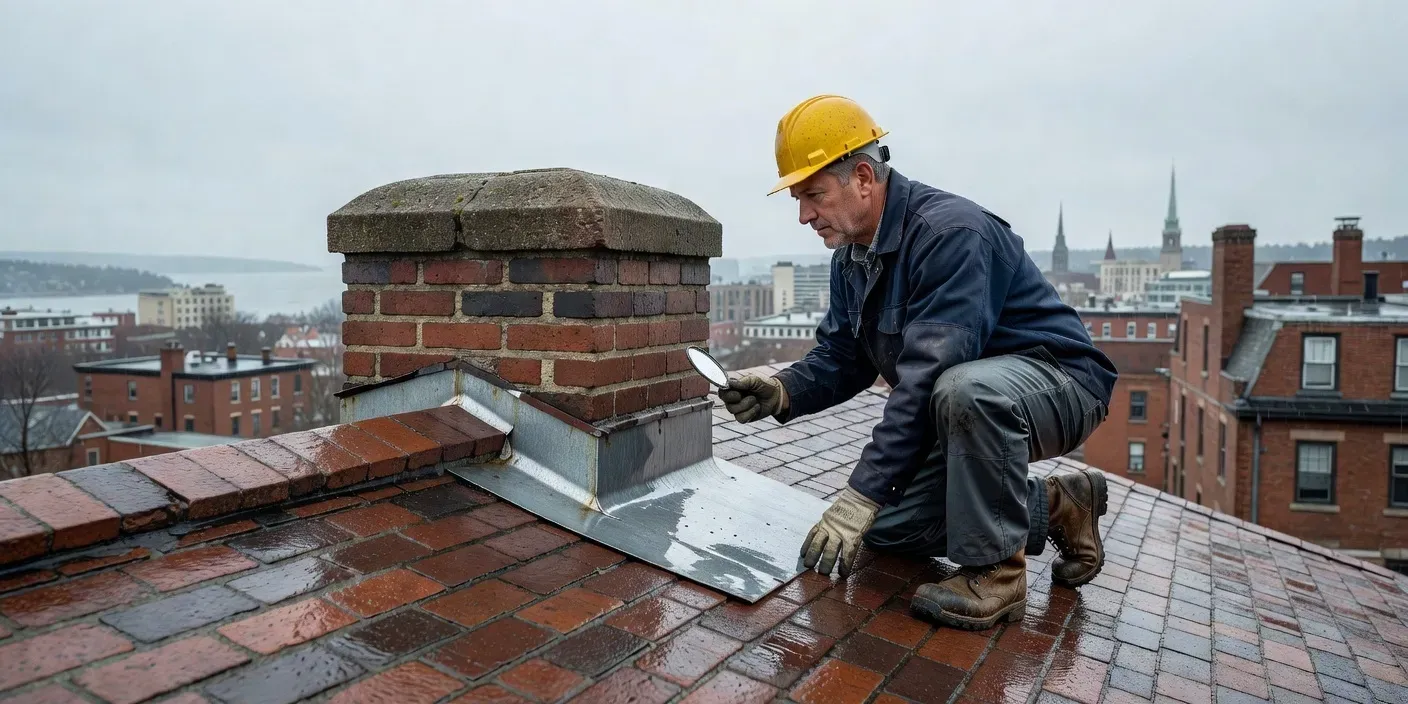
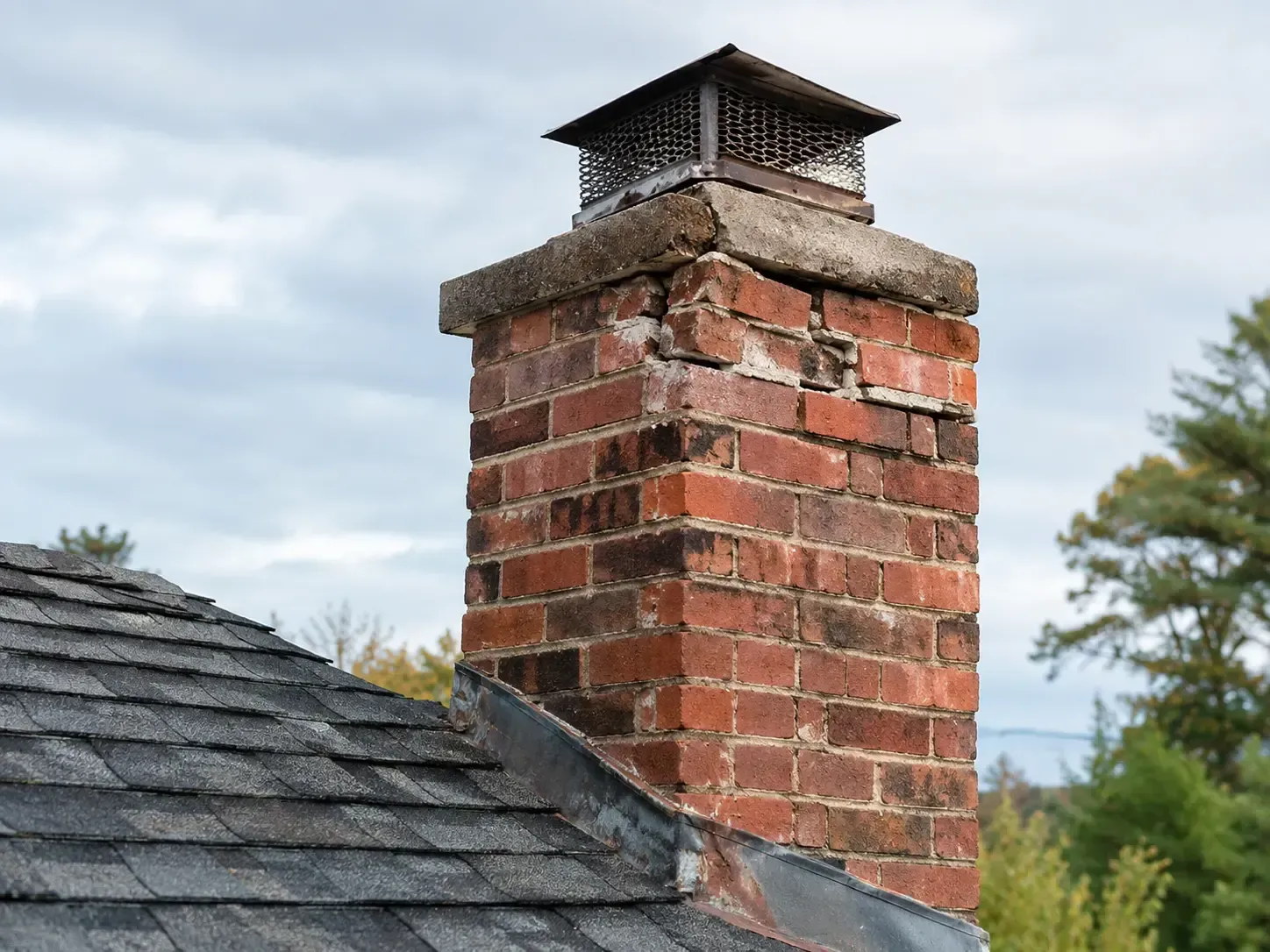
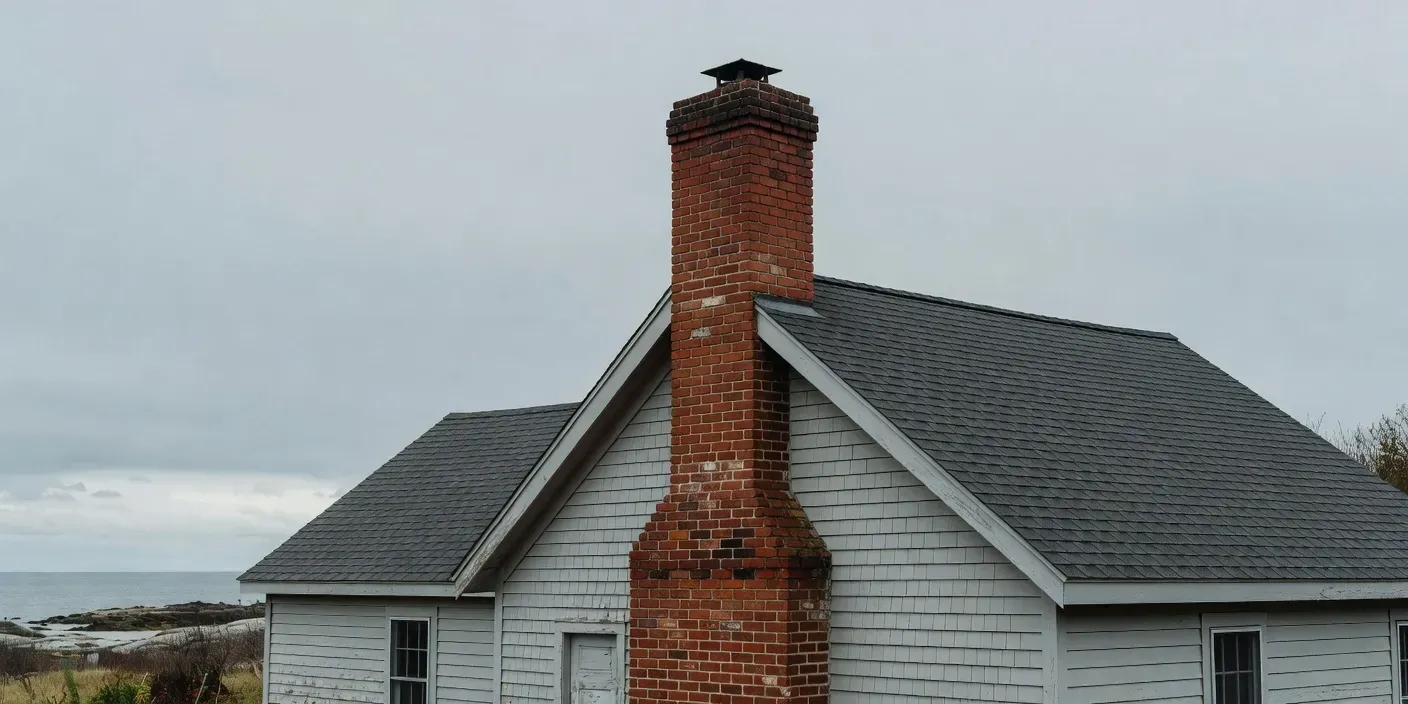
Older Portland chimneys often need liner and venting review because original clay tiles crack, mortar joints open, and modern appliances change draft demands, so a thorough evaluation confirms whether the flue still contains heat and exhaust safely before another heating season. Schedule a visit through Contact when you are ready for a next step.
Which liner option fits older Portland masonry flues?
Clay tile, stainless steel relining, cast-in-place, and no-liner “repair only” paths each suit different Chimney Inspection & Liners findings in Portland, Maine, so matching liner type to flue size, fuel, and mortar condition keeps exhaust contained, protects the masonry stack, and supports safer draft through Maine freeze-thaw seasons without guessing from the roof alone.
| Option | Best for | Watch-out |
|---|---|---|
| Existing clay tile | Anne | Cracks and open joints after winters |
| Stainless steel liner | Bill | Must be sized to the appliance |
| Cast-in-place liner | Candice | Needs full access and cure time |
| Repair without reline | Dave | Skips hidden gaps if inspection was thin |
After Services camera and draft checks, crews compare tile integrity, offsets, and connector fit before choosing a path. Portland, South Portland, Auburn, Lewiston, Biddeford, Westbrook, and Scarborough homes often mix old clay with newer appliances, so the liner must match BTU and fuel. Short paragraphs of scope keep decisions clear: contain heat, limit moisture in the brick, and keep indoor air safer.
Ask for written liner notes and photos with your report so repair priority stays tied to what the inspection actually showed, not a one-size catalog pick.
Which Venting Path Fits Older Portland Masonry Best?
Chimney Inspection & Liners work together when older Portland, Maine stacks serve mixed fuels: a thorough camera and draft review shows whether clay tiles still contain heat and moisture, or whether a sized stainless or cast liner is needed so freeze-thaw damage, offsets, and appliance connectors do not leave gaps that weaken draft or wet the brick through Maine winters.
Many homes in Portland, South Portland, Auburn, Lewiston, Biddeford, Westbrook, and Scarborough keep original masonry while heaters change. Venting must match BTU, fuel, and flue shape not roof looks alone.
Sound tile with tight joints can stay if size and draft check out. Irregular or multi-fuel flues usually need a listed liner so gases stay contained and masonry stays drier.
When Should a Liner Replace Aging Clay Tile?
Chimney Inspection & Liners become the practical path when camera work shows cracked, missing, or open-joint clay tile that can no longer keep exhaust sealed inside older Portland, Maine masonry, especially after fuel changes or years of freeze-thaw stress on the stack.
Tile that still holds size, alignment, and draft can remain in service with monitoring. Gaps, offsets, or multi-appliance flues usually call for a listed stainless or cast liner sized to the appliance so heat and moisture stay off the brick.
A written scope should state flue diameter, fuel type, and connector rules not a generic “upgrade everything” list. That keeps work focused on containment and draft for homes across Portland, South Portland, Auburn, Lewiston, Biddeford, Westbrook, and Scarborough.
How Do Draft and Connectors Affect Masonry Life?
Chimney Inspection & Liners also check whether connectors, clearances, and termination height support steady draft so combustion gases do not cool too early and wet the flue walls through long Maine heating seasons.
Undersized or loose connectors, blocked caps, and competing appliances all show up in inspection notes. Fixing those details often protects masonry as much as the liner itself.
Contact the team for written priorities tied to your stack not a generic catalog pick.
Frequently Asked Questions
Why do older Portland masonry chimneys need both inspection and liner review?
Older stacks often mix original clay tile with newer heaters. A camera and draft check show whether tile still contains exhaust or whether a sized liner is required so freeze-thaw, offsets, and connectors do not wet brick or weaken draft in Portland, Maine winters and nearby service towns.
Can sound clay tile stay without a full liner?
Yes, when joints are tight, size matches the appliance, and draft tests pass. Irregular flues, open joints, or multi-fuel use usually need a listed liner so gases stay contained and masonry stays drier without guessing from roof appearance alone.
What should a liner scope include for Maine homes?
It should name fuel type, BTU range, flue shape, connector rules, and termination needs. Clear notes beat catalog picks so homeowners in Portland, South Portland, Auburn, Lewiston, Biddeford, Westbrook, and Scarborough know what protects the stack.
Preferred Source on Google Search
Add www.selectchimneyservices.com to customize your search feed across Top Stories.