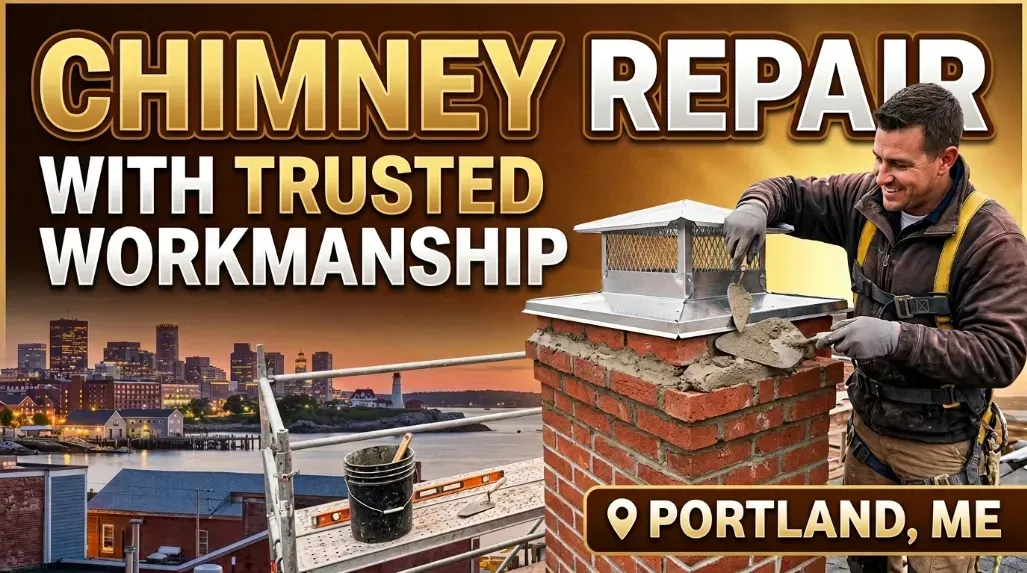
Tuckpointing vs. Chimney Rebuilding: Understanding the Difference
Homeowners comparing repair options need a clear split between mortar work and full structural rebuilds. Select Chimney Services helps Portland, Maine clients choose the right path for aging stacks. Tuckpointing renews joints when brick remains sound; rebuilding replaces failed sections so the chimney stays safe and weather-tight.
Key takeaways
- Tuckpointing restores mortar joints without removing sound brick.
- Chimney rebuilding replaces unstable masonry when structure has failed.
- Portland freeze-thaw cycles speed mortar loss and raise repair stakes.
- A pro inspection decides repair scope before work begins on site.
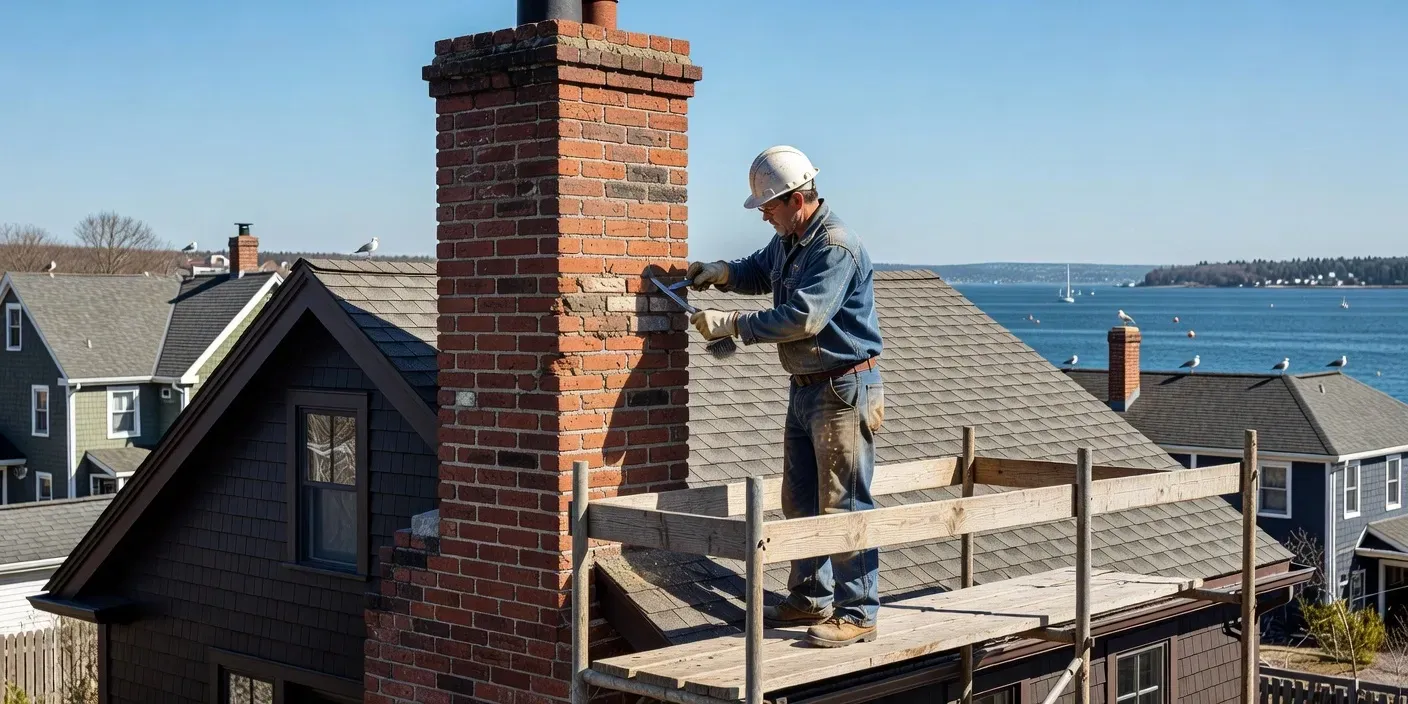
When is tuckpointing enough instead of a full rebuild?
Tuckpointing is enough when bricks stay solid, the flue is stable, and only eroded mortar joints need cutting out and repacking with matching mortar so the chimney sheds water again in Portland’s wet seasons without a full tear-down. Demolition and tuckpointing covers that targeted joint work. If leaning, spalling brick, or hidden damage appears, rebuilding is safer. Contact our team for a next-step inspection.
Which option fits your chimney: tuckpointing or rebuilding?
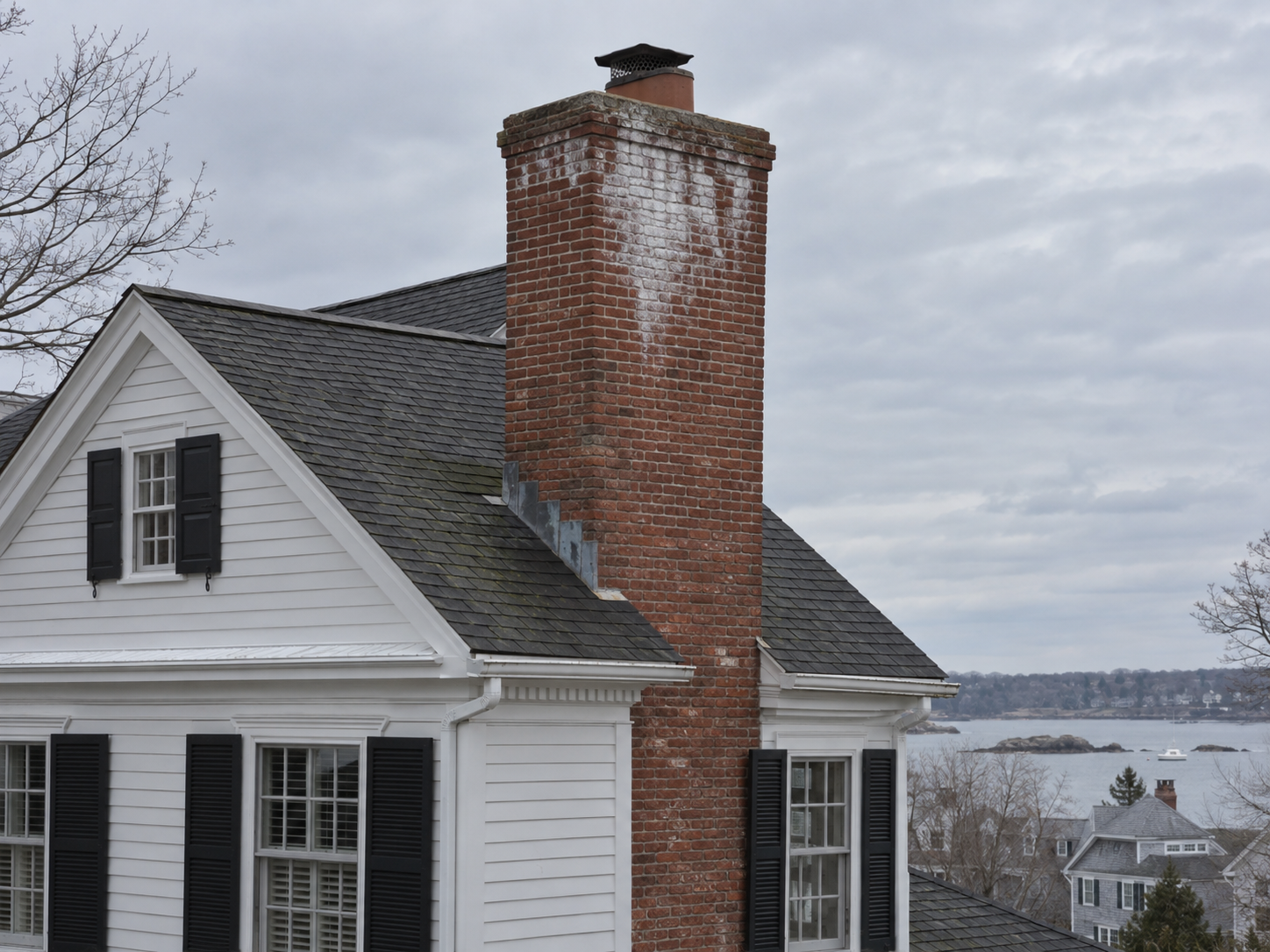
Tuckpointing suits Portland, Maine homes when brick faces stay intact and only joints have washed out from freeze-thaw, while chimney rebuilding is the right call when the stack leans, bricks spall, or sections no longer carry load safely through coastal storms and wet winters. Matching the method to damage keeps costs and disruption in line with real need.
| Option | Best for | Watch-out | Typical scope |
|---|---|---|---|
| Tuckpointing | Sound brick, soft joints | Hidden voids behind joints | Joint cut-out and repack |
| Partial rebuild | Localized failure | Matching old brick color | Remove and relay a section |
| Full rebuild | Lean, collapse risk | Flue and liner work | Stack down to sound base |
| Monitor only | Minor hairline joints | Rapid winter worsening | Seasonal photo checks |
After a visual and structural check, crews decide whether joint work alone restores weather resistance or whether masonry must come down. Homeowners in South Portland, Auburn, Lewiston, Biddeford, and Westbrook face the same coastal moisture patterns that strip mortar first. Clear photos and a written scope stop over-repair. Ask for a site visit when you see white salt stains, missing mortar depth, or any shift at the crown.
When Does Tuckpointing Beat a Full Chimney Rebuild?
Tuckpointing is the better choice for many Portland, Maine chimneys when the brick faces remain solid, the stack still plumbs true, and only the mortar joints have eroded from freeze-thaw and coastal damp; rebuilding becomes necessary once bricks spall, the flue shifts, or load-bearing sections fail, so matching the repair to the real damage protects both structure and budget without unnecessary tear-down.
Sound joints keep water out of the wall mass. Soft or missing mortar lets moisture reach the brick cores and the flue. Select Chimney Services crews inspect crown, shoulders, and mid-stack before any cut-out begins.
Offerings such as demolition and tuckpointing focus on joint removal to a uniform depth, then repacking with mortar matched for color and hardness. Partial rebuilds stay limited to failed courses. Full rebuilds restart from a sound base when lean or collapse risk appears.
Homeowners in South Portland, Auburn, Lewiston, Biddeford, and Westbrook see the same pattern: mortar fails first, brick later. Early joint work often restores weather resistance for years. Document salt stains, joint depth, and any crown shift before winter.
Ready for a clear scope and next step? Contact the team to schedule an on-site review and written recommendation.
When Tuckpointing Is Enough
Tuckpointing restores weathered mortar joints so water stays out of the brick mass without tearing down sound masonry. In Portland, Maine, freeze-thaw cycles and coastal damp soften joints first; raking failed mortar to a uniform depth and packing matched mortar often stabilizes the stack for years when bricks remain intact and the flue is still true.
Soft joints allow moisture into brick cores and the liner. Once cores stay dry, spalling slows and the chimney keeps its original profile. Work stays limited to joints, crown edges, and shoulders rather than full courses, which keeps cost and disruption lower than a rebuild.
When Rebuilding Becomes Necessary
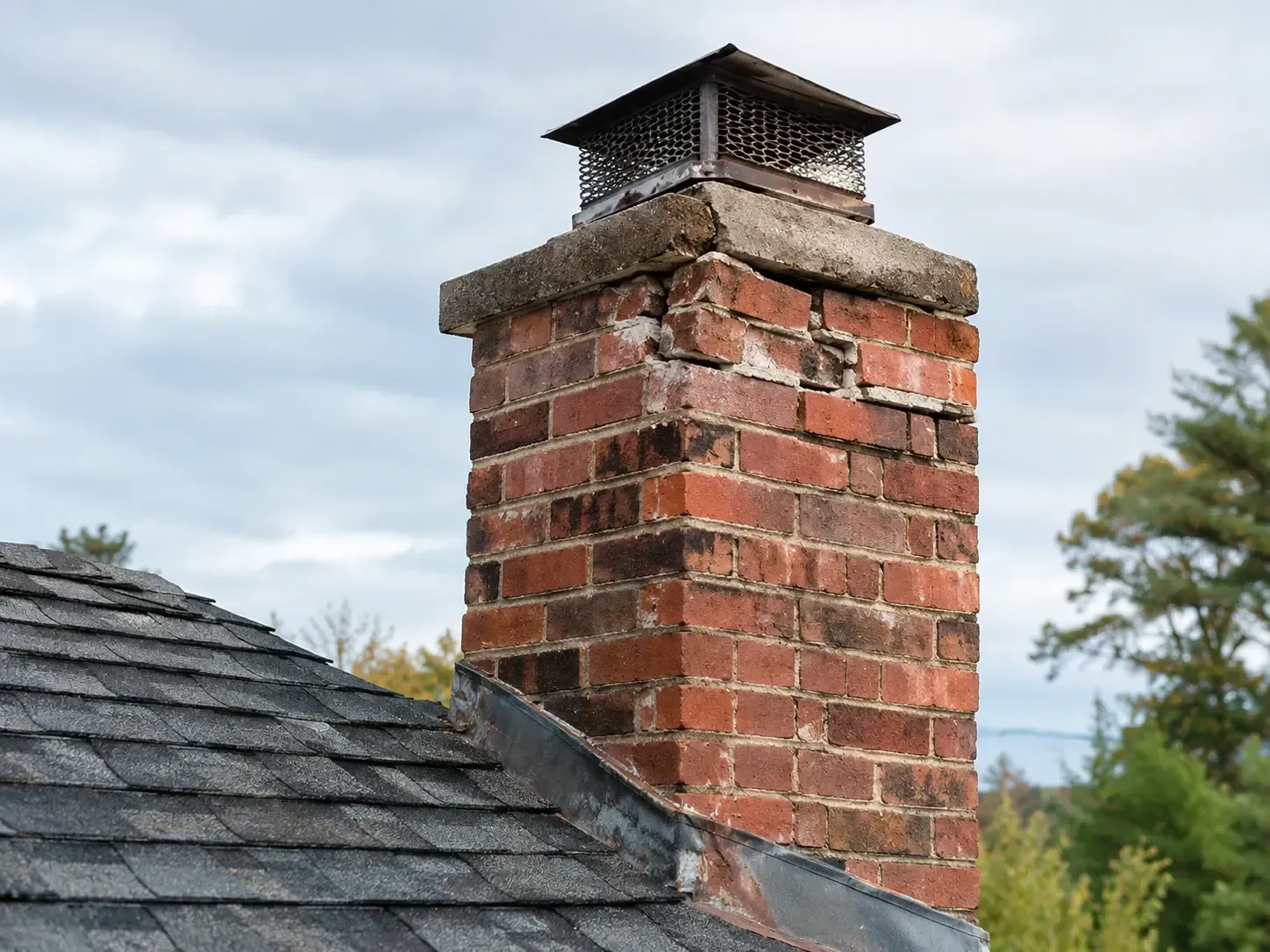
Rebuilding replaces failed brick, shifted flues, or load-bearing sections that tuckpointing cannot stabilize. Spalled faces, leaning stacks, collapsed shoulders, or cracked liners signal that mortar repair alone will not restore strength or safe draft.
Partial rebuilds remove only failed courses down to sound masonry. Full rebuilds restart from a verified base when lean or collapse risk appears. Matching brick hardness and mortar strength to the original wall prevents new stress cracks after the work is complete.
Local Conditions That Drive the Choice
Portland, Maine winters push meltwater into open joints, then freeze it overnight. South Portland, Auburn, Lewiston, Biddeford, and Westbrook stacks show the same sequence: mortar fails first, brick faces later. Early joint work often restores resistance; delayed care lets cores saturate and flake.
Document salt stains, joint depth, crown cracks, and any visible lean before the next freeze. Photos and simple notes help a mason separate joint-only work from structural failure without guesswork.
Frequently Asked Questions
When is tuckpointing enough instead of rebuilding a chimney?
Tuckpointing is enough when brick faces stay solid, the stack is plumb, and only mortar joints are recessed or washed out. Inspectors confirm no lean, major spalls, or liner failure. Joint repair then restores weather resistance without removing courses, which suits many Portland-area chimneys that still hold their bond and alignment.
How does chimney rebuilding differ from tuckpointing on the job?
Rebuilding removes unsafe brick courses, resets the bond pattern, and often includes a new liner when the flue is damaged. Tuckpointing only cuts failed mortar and repoints joints to the original profile. Rebuilds address structure and movement; joint work addresses surface weathering when the masonry itself remains sound and stable.
What should Portland homeowners check before choosing a repair path?
Look for lean, loose crowns, spalled faces, open joints, and smoke or water stains indoors. Sound brick with recessed mortar usually supports tuckpointing. Crumbled courses or movement point toward partial or full rebuild. Ask for photos and a written sequence so options stay clear before winter moisture worsens damage.
Preferred Source on Google Search
Add www.selectchimneyservices.com to customize your search feed across Top Stories.