Chimney Service: Why Stainless Steel Liners Win
Homeowners in Portland, ME often need a durable fix for aging flues. A professional chimney service from Select Chimney Services installs stainless steel liners that resist corrosion, improve draft, and protect the structure. Our local team focuses on safe, code-ready work that lasts through Maine winters without guesswork or shortcuts.
Key takeaways
- Stainless liners outlast clay and reduce creosote risk in wet climates.
- Proper sizing restores draft and lowers carbon monoxide exposure.
- Local codes in Portland, ME favor listed stainless systems for repairs.
- Certified installers document clearances and warranty details on site.

Why does a stainless steel liner matter for safety?
A stainless steel liner contains heat and combustion gases so they exit cleanly, shielding masonry from acids and moisture that crack tiles and weaken the stack over time in coastal Maine weather while supporting steady draft for wood stoves and fireplaces. Chimney services built on quality workmanship pair the right alloy with careful measurement. When you need this offering, our team walks the job step by step. Ready for a next step? Contact us to schedule.
Which chimney liner option fits a Portland home?
A stainless steel liner usually beats clay tile and aluminum for coastal Portland, ME homes because it resists acid corrosion, seals cracked flues, and holds steady draft through freeze-thaw cycles, while
Select Chimney Services sizes and lists the system so your
chimney service meets code without temporary patches.
| Option | Best for | Watch-out | Longevity in wet climate |
|---|---|---|---|
| Stainless steel | Wood stoves, fireplaces, damaged masonry | Needs correct diameter and alloy grade | High when installed and capped well |
| Clay tile | Sound original flues with no cracks | Joints fail; moisture attacks mortar | Moderate; repairs often recur |
| Aluminum | Some gas-only venting | Not for solid fuel or high heat | Low under creosote or condensate |
| Unlined masonry | Rare historic stacks still intact | Hidden leaks and poor draft risk | Unreliable in Maine winters |
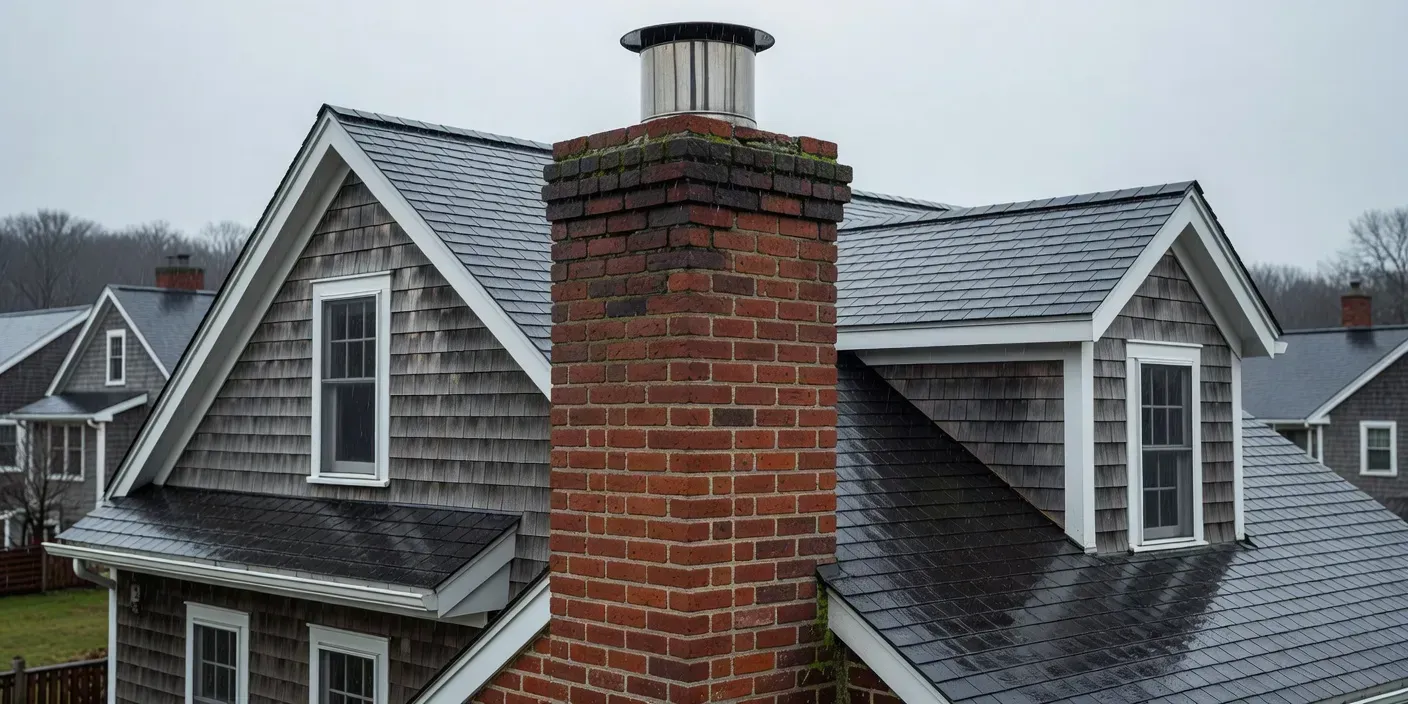
Clay can work until tiles shift. Aluminum is limited. Skipping a liner leaves masonry open to smoke and moisture. Our method measures the flue, matches fuel type, and documents clearances. That same focus on chimney services built on quality workmanship keeps installs tidy and inspectable. If you want a lined system before heating season, request a site visit and we will review draft, fuel, and liner grade on site.
Which Homes in Portland Need a Full Liner Instead of Spot Repairs?
A full stainless liner through a trusted chimney service is the better path when tiles are cracked, the flue is oversize or undersize for the appliance, moisture has stained the exterior, or draft fails on cold Portland, ME startups—spot mortar fixes rarely restore continuous containment the way a correctly sized liner does for wood and multi-fuel systems.
Coastal fog and freeze–thaw cycles push water into open joints. Smoke then follows the same paths into the chase. A continuous metal flue cuts that route and stabilizes draft for stoves common on the peninsula and in surrounding neighborhoods.
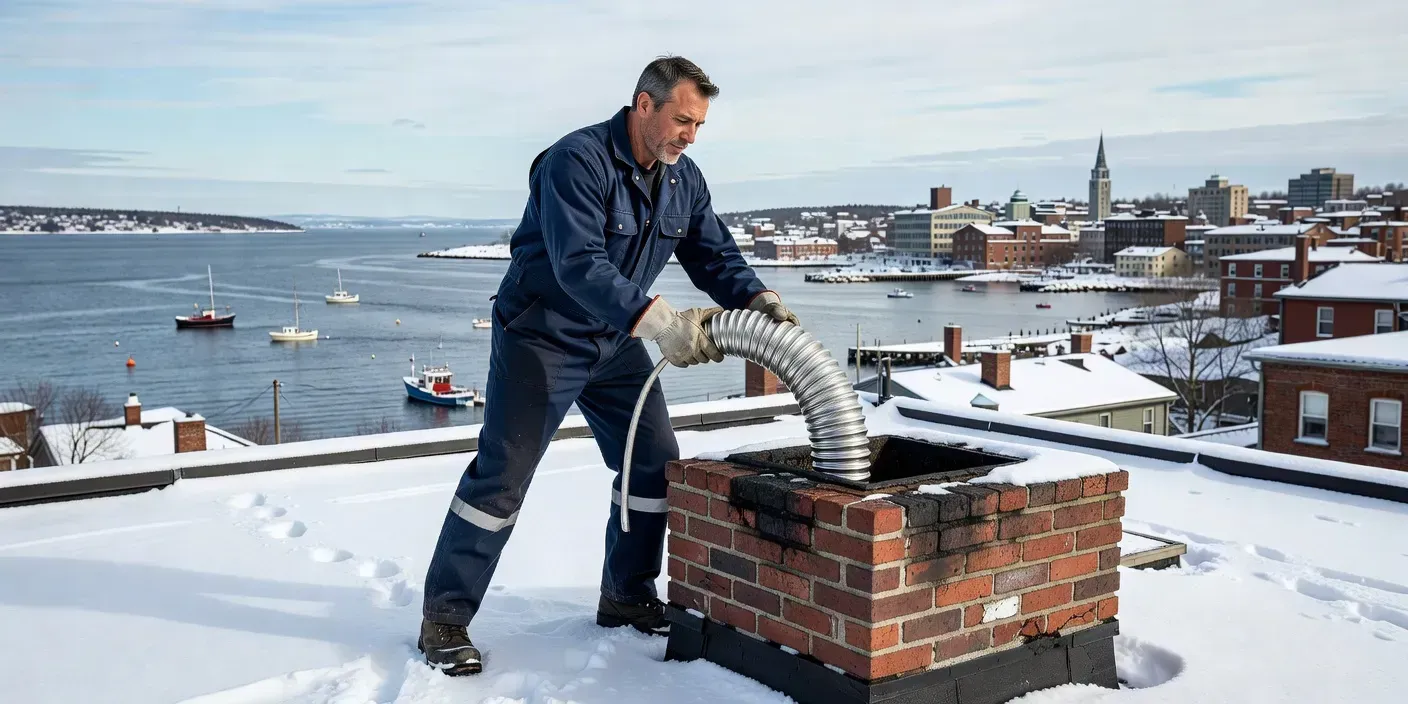
Repair-only work can look neat for a season. It does not rebuild the full fire-to-termination path. When you book chimney service with Select Chimney Services, we pair inspection findings with liner diameter, alloy, and termination details suited to your fuel and stack height.
That keeps the system inspectable and ready for Maine winters without repeat chase openings. Ask for a clear scope that states liner grade, insulation needs if any, and crowning or cap work so the install stays durable after the first heating season.
How a Stainless Steel Liner Improves Draft and Safety
A professional chimney service installs a continuous stainless liner so combustion gases stay contained, draft stays steady in Portland, ME cold starts, and creosote contact with porous masonry drops—especially when flue tiles are cracked or the chase has taken coastal moisture.
Flexible or rigid stainless matches the appliance outlet and stack height. Correct diameter reduces spillback at the face and keeps smoke from tracking into living space. Insulation sleeves are added only when the chase runs cold or clearances demand them. Our method and crew standards start with camera inspection, measurements, and fuel type before any liner is ordered. That sequence avoids undersized flues and loose terminations that fail after the first freeze–thaw cycle.
| Factor | Spot repair | Full stainless liner |
|---|---|---|
| Containment | Joints remain open paths | Continuous fire-to-cap path |
| Draft stability | Often temporary | Sized to appliance and height |
| Moisture | Water still enters masonry | Metal flue limits chase wetting |
| Inspectability | Harder after patch layers | Clear, serviceable flue |
For broader workmanship context, see chimney services built on quality workmanship. When you need liner services scoped for your stack, plan the next step through contact with photos and appliance details ready.
Frequently Asked Questions
Why choose stainless over clay tile repairs alone?
Stainless gives a sealed, correctly sized path that clay patches cannot restore when tiles are cracked or the flue is wrong for the stove. In Portland, ME weather, continuous metal limits moisture paths and stabilizes draft better than seasonal mortar work on open joints.
How long does a typical liner install take?
Most single-flue homes finish in one day after inspection and sizing, weather and access allowing. Complex multi-flue stacks or crowning add time. Clear scopes list grade, insulation, and cap work so the system is ready before heavy heating use.
Preferred Source on Google Search
Add www.selectchimneyservices.com to customize your search feed across Top Stories.