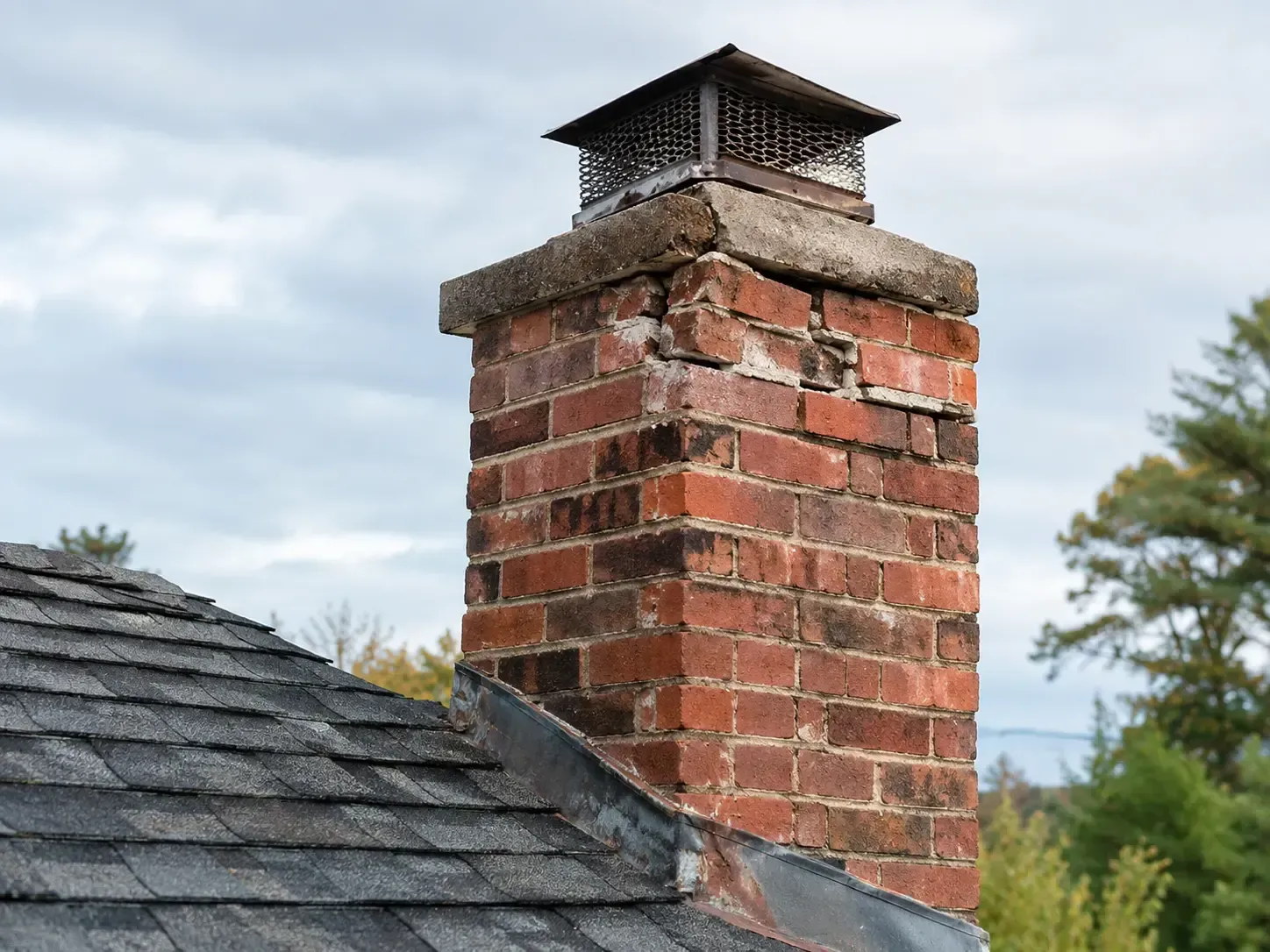
Water Stains Near the Fireplace? Chimney Areas a Professional May Inspect
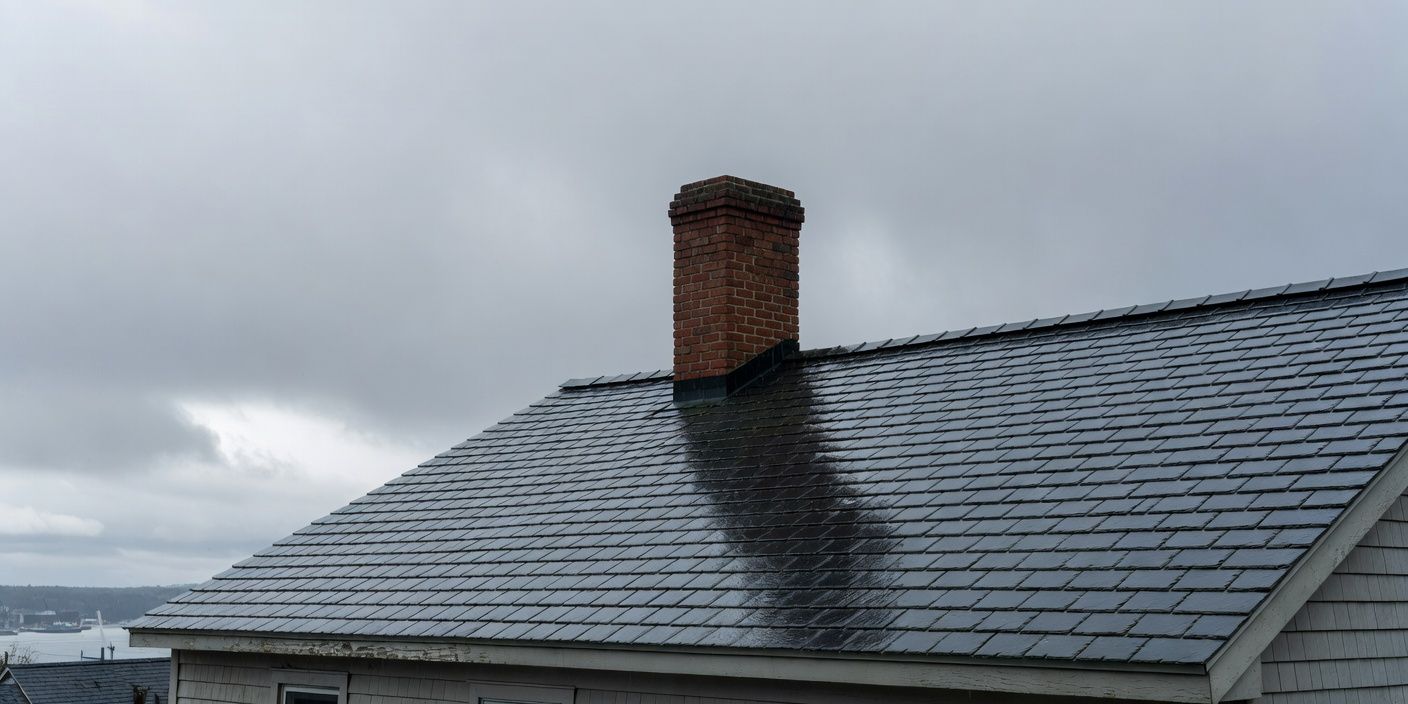
Water stains near the fireplace often point to moisture entering through the chimney system. In Portland, Maine, homeowners may need Chimney Repair & Waterproofing when crowns, flashing, or masonry fail. Select Chimney Service inspects these areas so you know what is leaking and what to fix next.
Key takeaways
- Stains often trace to the crown, cap, or flashing above the firebox.
- Porous brick and failed mortar joints can wick water indoors.
- A professional checks chase covers, liners, and exterior sealants.
- Early inspection limits interior damage in Portland-area homes.
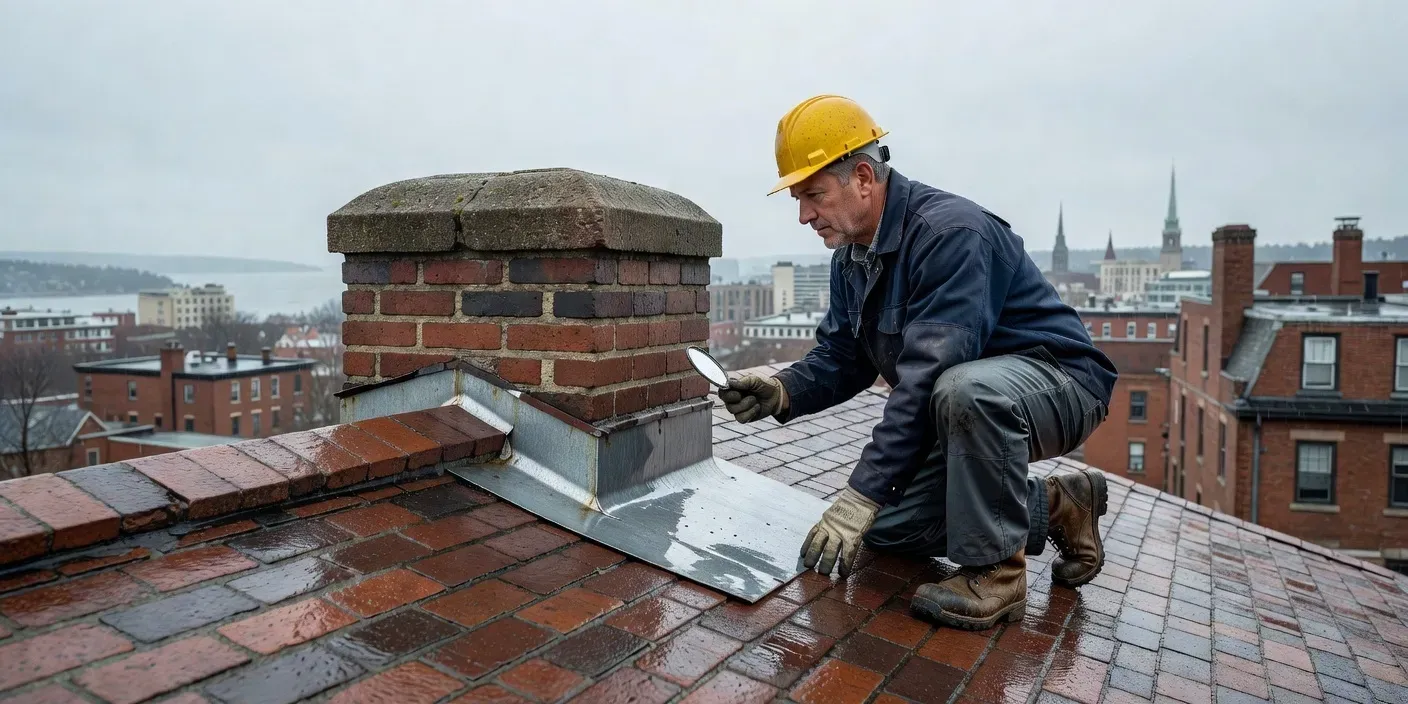
Which chimney areas does a pro check for water stains?
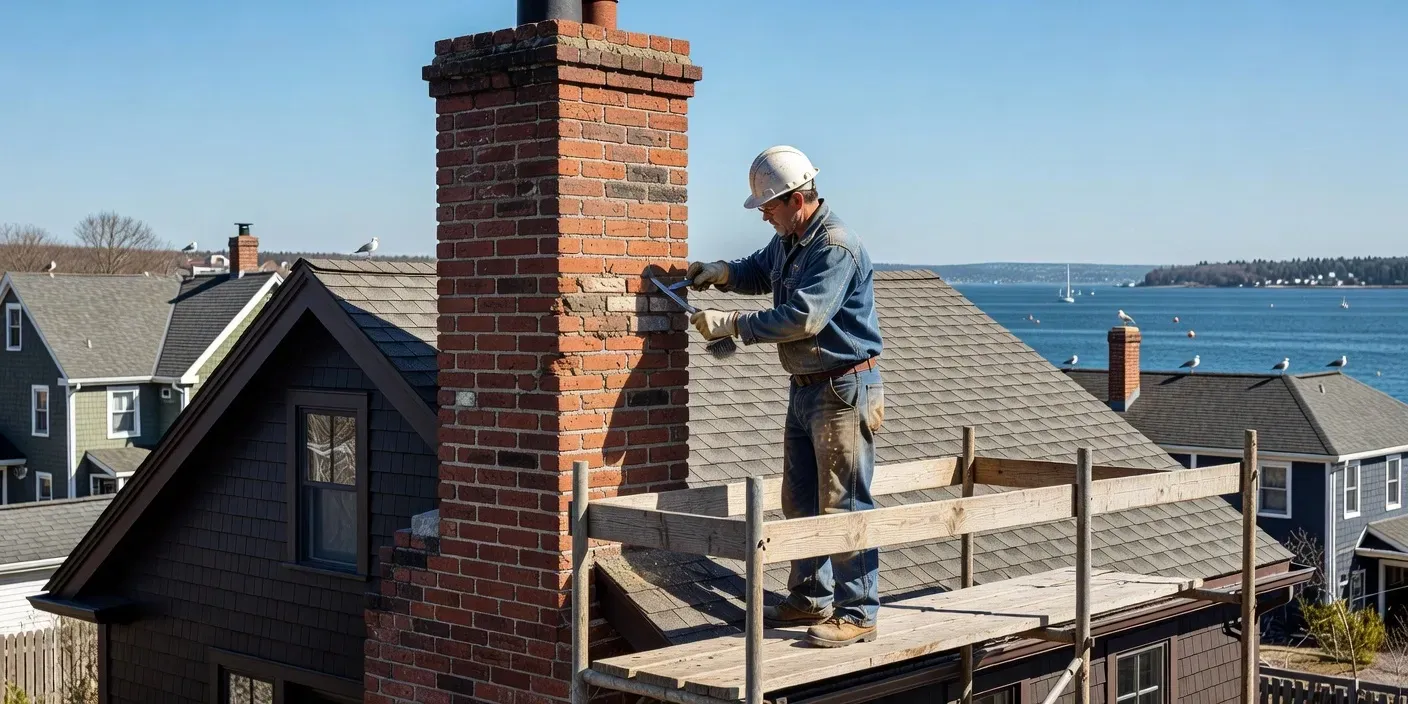
A professional typically inspects the chimney crown, cap, flashing, masonry, and liner path for cracks, open joints, and failed seals that let rain reach the fireplace wall; in Portland, Maine, freeze-thaw cycles make these checks especially useful before stains spread. Document findings, then contact Select Chimney Service for a scheduled next step.
Which chimney repair option fits a stained fireplace wall?
Chimney Repair & Waterproofing usually starts by matching the leak path to crown work, flashing repair, masonry repointing, or full waterproofing so Portland, Maine homes stop water at the source instead of only painting over stains near the firebox. Choose the lightest fix that seals the actual entry point.
| Option | Best for | Watch-out |
|---|---|---|
| Crown rebuild or seal | Hairline crown cracks, ponding on top | Ignoring open joints below the crown |
| Flashing repair | Stains at roof–chimney junction | Mismatched metals that lift in wind |
| Masonry repointing | Spalled brick, soft mortar wicking indoors | Sealing over wet, failing joints |
| Exterior waterproofing | Porous brick after structural fixes | Coating a still-active leak path |
Which Chimney Areas Should a Pro Check First When Stains Show Near the Fireplace?
Water stains near the fireplace usually mean a pro should inspect the crown, step and counter flashing, mortar joints, brick faces, cap and damper area, and the chase or attic path before interior drywall work, so Chimney Repair & Waterproofing in Portland, Maine homes seals the real entry instead of masking moisture that freeze thaw and coastal rain keep driving indoors.
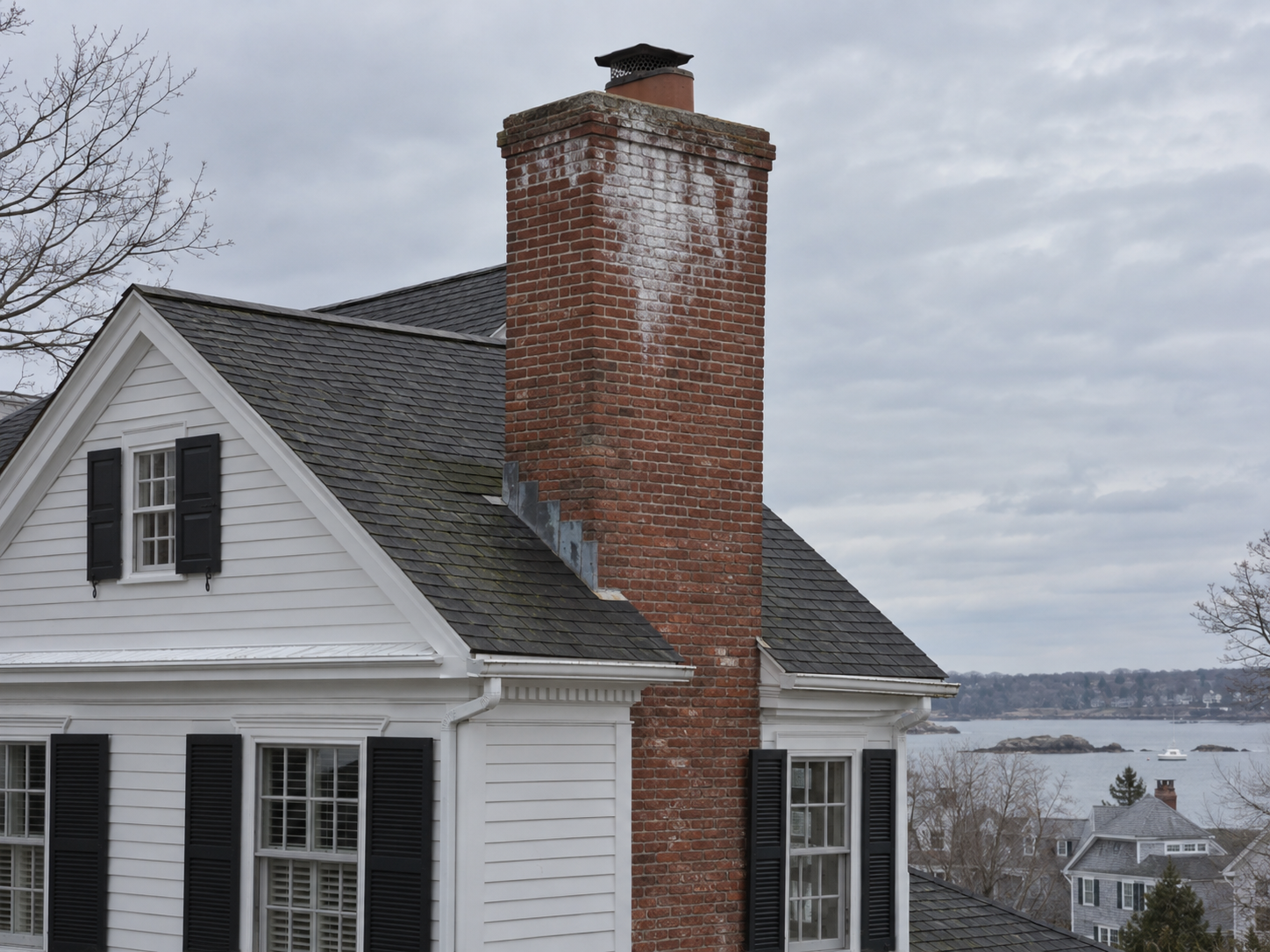
Start at the top. The crown sheds water off the stack; hairline cracks and missing wash slope let rain pool and migrate down the masonry. Next comes roof flashing where the chimney meets shingles lifted, rusted, or poorly sealed metal is a common path for stains that show low near the firebox.
Then walk the brick and mortar. Soft joints, spalls, and open head joints wick water sideways into the wall. A breathable exterior treatment only helps after those defects are fixed; that is when Chimney Repair & Waterproofing belongs in the plan, not before.
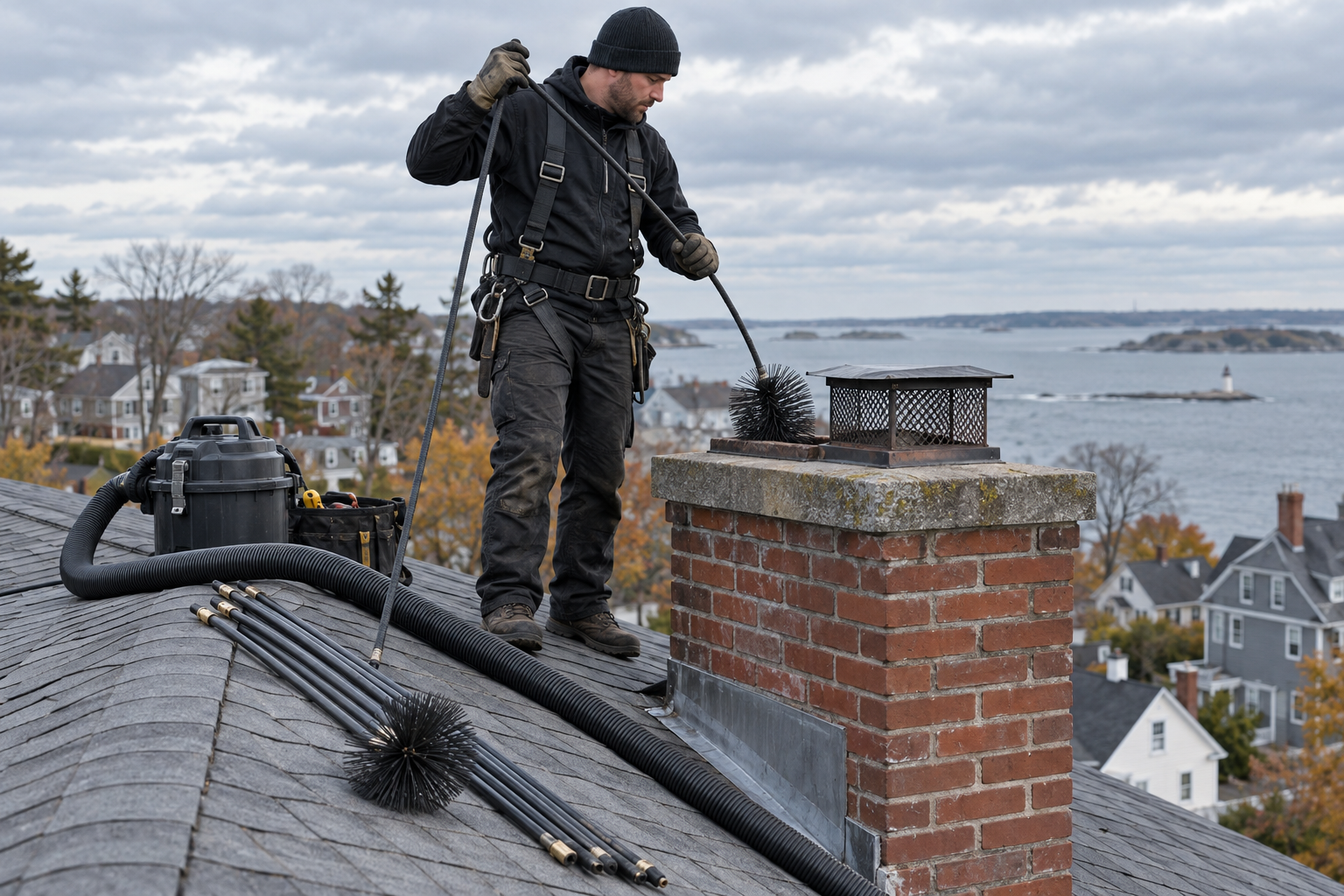
Inside, confirm the damper, smoke chamber, and liner are dry so soot and creosote are not hiding active seepage. Select Chimney Service serves Portland, South Portland, Auburn, Lewiston, Biddeford, and Westbrook with that ordered checklist.
List exterior findings first, then schedule a chimney assessment so repairs stop stains at the source before the next storm season.
Masonry above the roof line also needs a close look at the chimney cap and any metal chase cover. Gaps at fasteners or a missing drip edge let wind-driven rain from Casco Bay enter the chase and travel down until it prints as a brown halo on the ceiling or wall beside the fireplace.
In the firebox, check for damp ash, rust on the damper frame, and white efflorescence on the brick. Those clues often track back to the same exterior openings already noted on the stack. Document height, orientation, and nearby trees so the technician can match weather exposure to stain patterns.
Frequently Asked Questions
Why do water stains appear near the fireplace after rain?
Stains usually mean water entered higher on the chimney—through the crown, flashing, or open mortar—then traveled down the masonry or chase until it reached interior finishes.
What should a technician inspect first on a stained chimney?
Work from the top down: crown slope and cracks, cap and chase cover, roof flashing, then brick and mortar. After exterior paths are mapped, check the damper, smoke chamber, and liner so interior soot does not hide active seepage still feeding the stain.
When does waterproofing help stop chimney moisture?
A breathable exterior treatment helps only after crowns, flashing, and failed joints are repaired. Sealing over open defects traps or redirects water.
Preferred Source on Google Search
Add www.selectchimneyservices.com to customize your search feed across Top Stories.