How a Chimney Sweep Service Improves Fireplace Efficiency and Air Quality
Regular chimney maintenance is essential for maximizing fireplace heat output and safeguarding your home's indoor air quality. By removing hazardous creosote and inspecting for structural water damage, property owners can prevent dangerous gas leaks and costly masonry failures. Consistent professional care ensures your venting system operates safely and preserves the long-term value of your property.
* Creosote buildup physically narrows the flue, weakening the draft and causing fires to smolder inefficiently.
* A clean venting system prevents toxic carbon monoxide and particulate matter from entering your living spaces.
* Annual inspections identify early signs of water intrusion and freeze-thaw damage common in Maine weather.
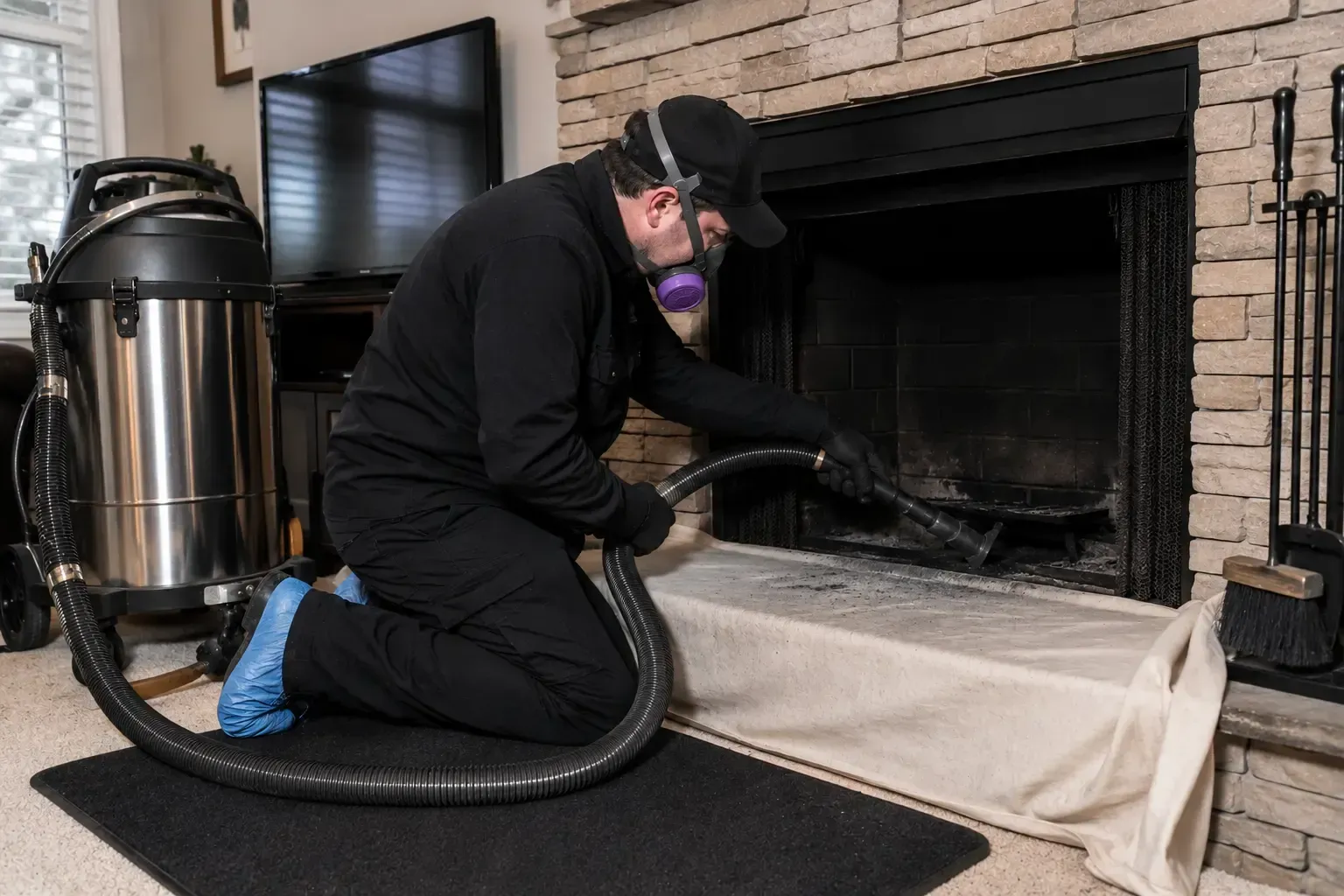
Wood-burning fireplaces are a classic and highly valued feature of many homes in Portland and throughout Maine. They provide necessary warmth during harsh coastal winters and add significant architectural character to a property. However, a fireplace is only as effective as the chimney that vents it. Without regular professional maintenance, heating efficiency drops drastically and indoor air quality begins to suffer.
Maintaining a clean and structurally sound flue is not simply a matter of aesthetics. It is a critical requirement for property preservation and occupant safety. When homeowners neglect their venting systems, they risk exposing their living spaces to dangerous combustion byproducts while severely limiting the heat output of their fires.
The Science Behind Fireplace Efficiency and Draft Dynamics
A chimney operates on the basic principles of thermodynamics. Hot air is less dense than cold air. When you build a fire, the heated air rises through the flue, creating an upward pressure differential known as a draft. This draft pulls smoke and harmful gases out of the home while simultaneously drawing fresh room air into the firebox to fuel the flames.
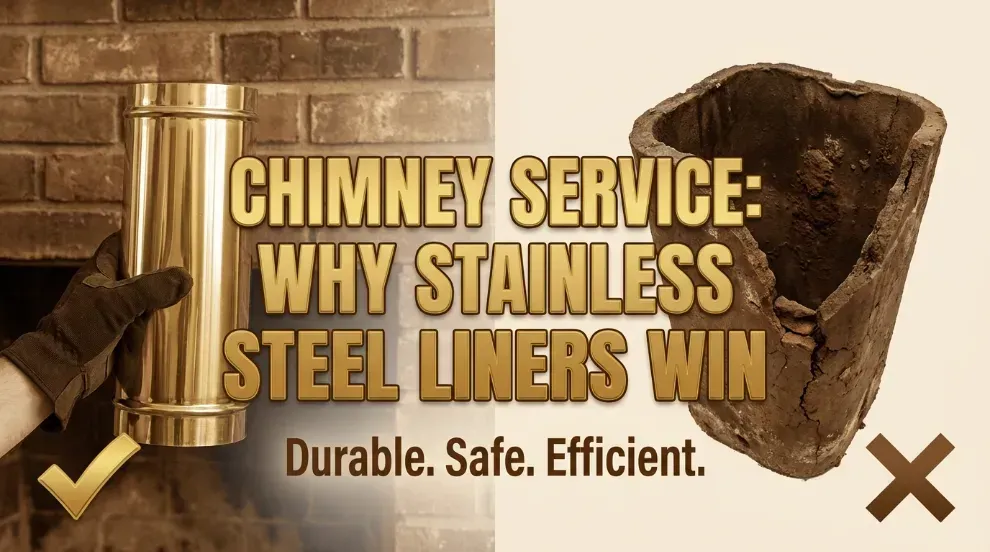
When wood burns, it releases combustion byproducts. As these hot gases travel up the relatively cooler flue, they condense on the interior walls. This condensation forms a dark, sticky, and highly flammable substance called creosote. Over time, creosote accumulation significantly narrows the internal diameter of the flue lining.
A narrowed flue restricts the volume of exhaust that can safely escape your home. When the exhaust cannot exit efficiently, the draft weakens. A weak draft fails to pull adequate oxygen into the firebox. Consequently, the fire begins to smolder rather than burn hot and clean. Smoldering fires produce even more creosote, creating a negative feedback loop that continuously degrades your fireplace performance. Removing this buildup restores the proper internal dimensions of your flue, allowing the draft to function exactly as designed.
How Comprehensive Chimney Services Enhance Indoor Air Quality
Many homeowners do not immediately connect their venting systems to the overall air quality inside their homes. A neglected fireplace actively degrades the air your family breathes. When you hire professionals for regular chimney services, you are directly investing in a healthier indoor environment.
The most immediate threat from a restricted flue is smoke blowback. When the upward draft is compromised by soot, debris, or animal nests, smoke has nowhere to go but back into your living room. Wood smoke contains microscopic particulate matter, specifically PM2.5 particles. These tiny particles can easily bypass the natural defense mechanisms of the human respiratory system and settle deep within the lungs.
Furthermore, poor venting causes an increase in carbon monoxide accumulation. Carbon monoxide is a colorless and odorless gas that is fatal in high concentrations. A clean, unobstructed pathway ensures that this dangerous gas is safely expelled into the outside atmosphere.
Even when a fire is not burning, a dirty flue negatively impacts your home. During the humid summer months in Maine, the moisture in the air mixes with accumulated creosote. This chemical reaction produces a strong, acrid odor that permeates carpets, furniture, and curtains. Professional sweeping removes the source of this smell, keeping your living spaces fresh year-round.
Weathering the Elements in Portland, Maine
Homeowners in Portland face unique environmental challenges. The coastal climate brings high humidity, heavy snowfall, and relentless freeze-thaw cycles. Older properties, which make up a significant portion of the local housing market, feature aging masonry that requires specialized attention.
Bricks and mortar are highly porous materials. Without proper care, they absorb moisture from rain, snow, and coastal fog. When the temperature drops below freezing, the trapped water expands. This expansion forces the masonry to crack and flake away, a destructive process known as spalling.
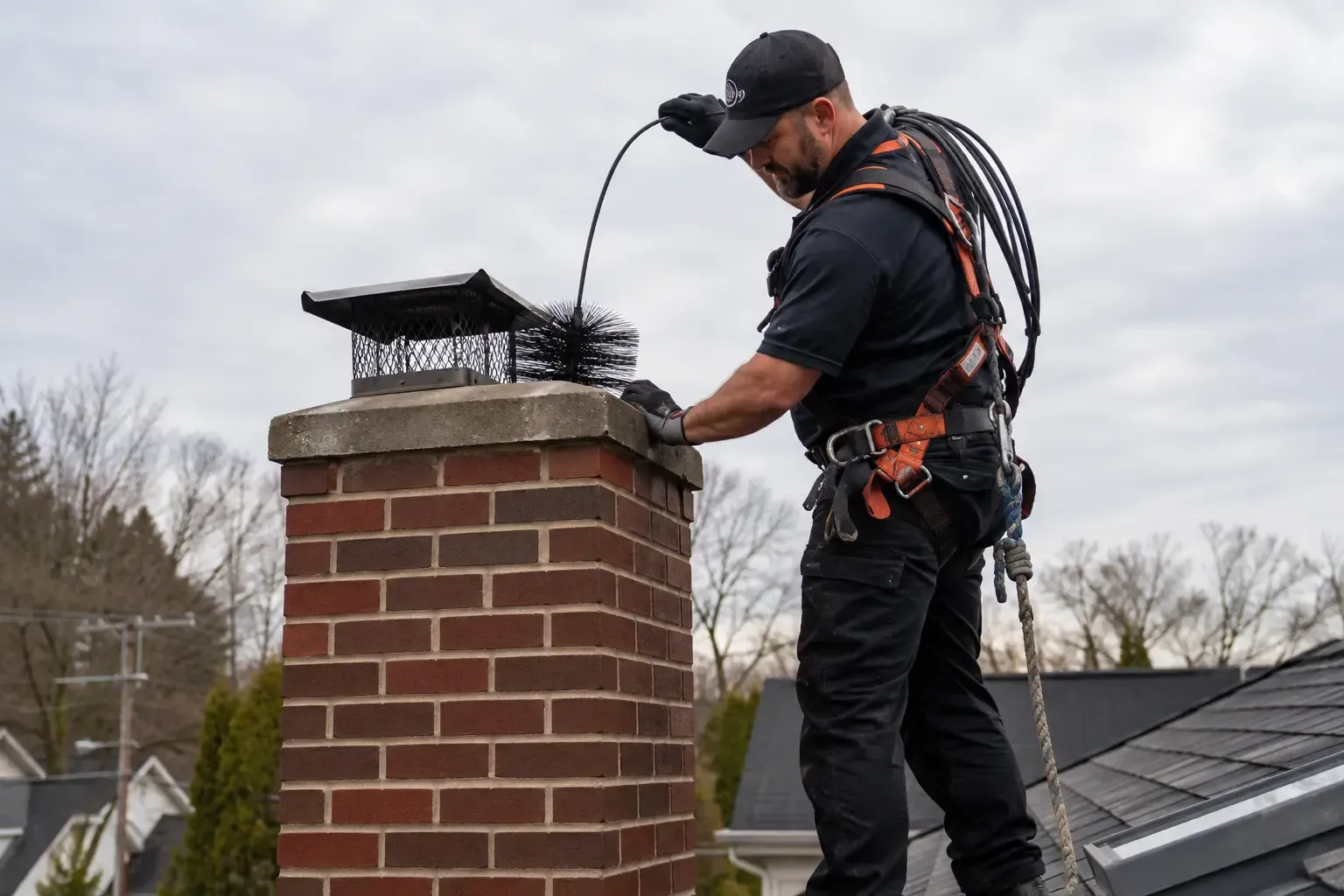
Water damage is the leading cause of structural chimney failure. During a professional sweeping appointment, technicians do more than just brush the flue. They conduct a thorough visual inspection of the exterior masonry, the chimney crown, and the flashing. Identifying early signs of water intrusion allows property owners to address minor repairs before they escalate into massive structural rebuilds. Applying a professional-grade masonry waterproofing treatment after a sweeping appointment can extend the life of your brickwork by decades.
Data Breakdown: Preventative Maintenance vs. System Failure
Understanding the long-term impact of regular maintenance helps property owners make informed decisions. The table below illustrates the stark differences between a well-maintained venting system and one that suffers from neglect.
| Maintenance Strategy | Fireplace Efficiency | Indoor Air Quality Impact | Long-Term Financial Cost |
|---|---|---|---|
| Annual Professional Sweeping | Optimal oxygen intake and maximum heat output. | Excellent. Zero backdrafting, complete removal of carbon monoxide. | Low. Minor preventative costs protect against major future repairs. |
| Irregular Maintenance | Reduced heat output due to minor draft restrictions. | Fair to Poor. Occasional smoke smells, minor particulate matter spillage. | Moderate. Increased risk of localized chimney fires and minor liner damage. |
| Total System Neglect | Smoldering fires that fail to heat the living space. | Poor. Frequent smoke spillage, lingering odors, high risk of VOC exposure. | High. Extreme risk of devastating chimney fires and cracked flue liners. |
| Weatherproofing Application | Protected masonry retains internal heat for better drafting. | Dangerous. Immediate carbon monoxide threat if a fire is ignited. | Severe. Requires emergency clearing, potential masonry rebuilds required. |
Preserving Property Value Through Professional Masonry Care
A well-maintained fireplace adds distinct financial value to your home. Whether you are a first-time homebuyer looking to protect your new investment or an established property owner preserving your historic residence, prioritizing fireplace safety is essential. Appraisers and home inspectors heavily scrutinize masonry structures during property evaluations. A documented history of annual professional maintenance proves to potential buyers that the home has been meticulously cared for.
Select Chimney Service is dedicated to providing superior maintenance for properties throughout the region. Based right here in the area, our team understands the exact environmental stresses placed on coastal masonry. We operate out of Portland, ME 04019, and we are fully equipped to handle everything from routine sweeping to complex moisture diagnostics. You can schedule an evaluation with our team by calling +1 207 975-5726.
Our comprehensive approach ensures that every component of your system is evaluated for safety and structural integrity. If you want to learn more about our background and our commitment to local homeowners, please visit our
About Us page. Taking proactive steps today guarantees that your fireplace will remain a safe, efficient, and beautiful centerpiece in your home for generations.
Frequently Asked Questions
How often should a wood-burning fireplace be swept in Maine?
The National Fire Protection Association recommends that chimneys, fireplaces, and vents be inspected at least once a year. If you use your fireplace frequently during the long Maine winters, you may need to have it swept more than once a season to remove dangerous creosote accumulation.
What are the signs of dangerous creosote buildup?
Visible signs include a dark, crusty, or shiny tar-like substance coating the walls of the firebox and the damper. You might also notice a strong campfire odor in your living room even when a fire is not burning. If your fires are suddenly difficult to start or produce excessive smoke, creosote has likely restricted the flue.
Can poor chimney drafting really affect my family's health?
Yes. A restricted draft fails to exhaust harmful combustion byproducts. This allows microscopic particulate matter and carbon monoxide to spill out of the firebox and circulate throughout your home. Inhaling these byproducts can trigger asthma, aggravate allergies, and pose severe respiratory risks.