Upgrading to a Stainless Steel Liner: Essential Protection for Portland Homes

June 29, 2026

Upgrading to a stainless steel chimney liner provides unparalleled protection for residential masonry, shielding homes from heat transfer and carbon monoxide leaks. For property owners in Portland, ME, this essential installation ensures optimal drafting efficiency and structural safety against harsh winter conditions.

*   Stainless steel liners resist acidic corrosion and prevent heat transfer to combustible home framing.

*   Custom-fitted metal liners improve chimney draft, boosting overall heating appliance efficiency.

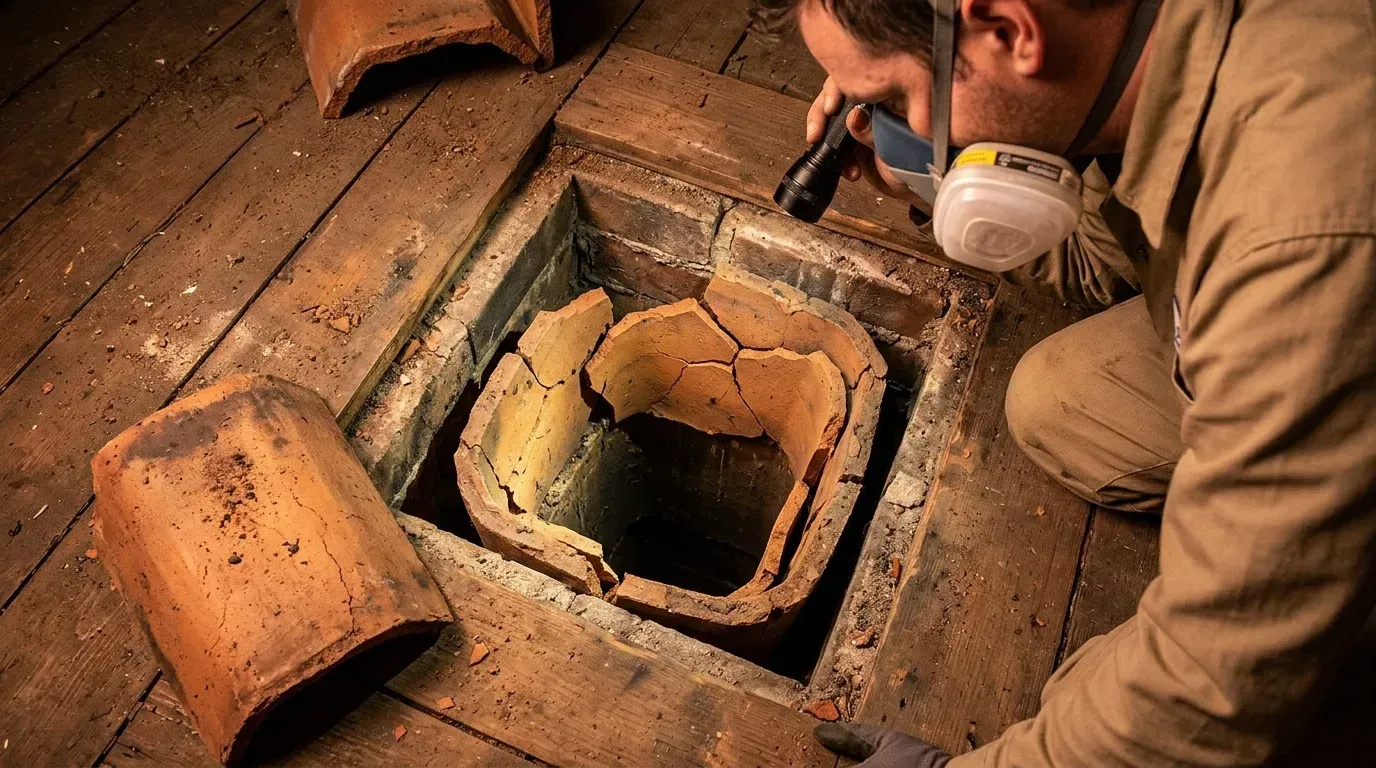
*   Professional evaluations are necessary to detect deteriorating clay flues before they become severe safety hazards.


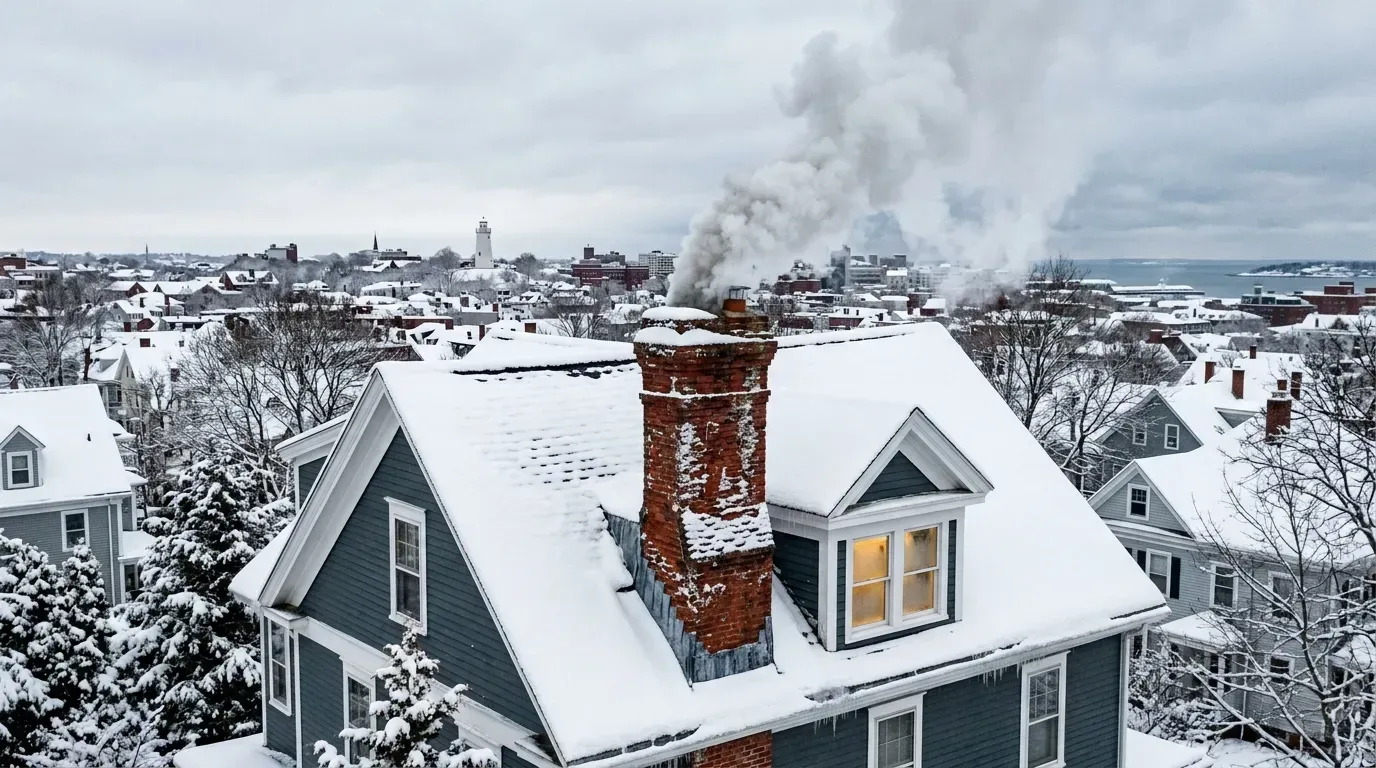
Winters in Portland, ME bring heavy snowfall and bitter cold that force residential heating systems to work overtime. Homeowners rely heavily on their fireplaces and wood stoves to stay warm. However, many overlook the internal condition of their chimneys. A fully functional chimney system is a complex structure requiring regular maintenance and occasional structural upgrades. One of the most critical upgrades available today is a stainless steel liner. If you are a resident in the area, understanding how this specific component protects your property is essential. The team at Select Chimney has seen firsthand how older flues deteriorate over time, putting homes at risk.

The Hidden Dangers Inside Your Masonry

Older properties throughout Portland often feature unlined brick chimneys or flues lined with traditional clay tiles. Clay is a durable material under the right circumstances. Unfortunately, the drastic temperature fluctuations typical of a Maine winter create a hostile environment for masonry. When the hot gases from your fire hit the freezing interior walls of your chimney, condensation forms. This moisture mixes with combustion byproducts like creosote to create highly acidic compounds.


Over decades of use, this acid eats away at clay and mortar. When the internal barrier fails, heat transfers directly to the combustible framing of your house. Toxic gases like carbon monoxide can also seep through the deteriorating masonry into your living spaces. Addressing weakened masonry sometimes requires demolition and tuckpointing to restore structural integrity before a new liner can even be considered.

The Lasting Power of Stainless Steel

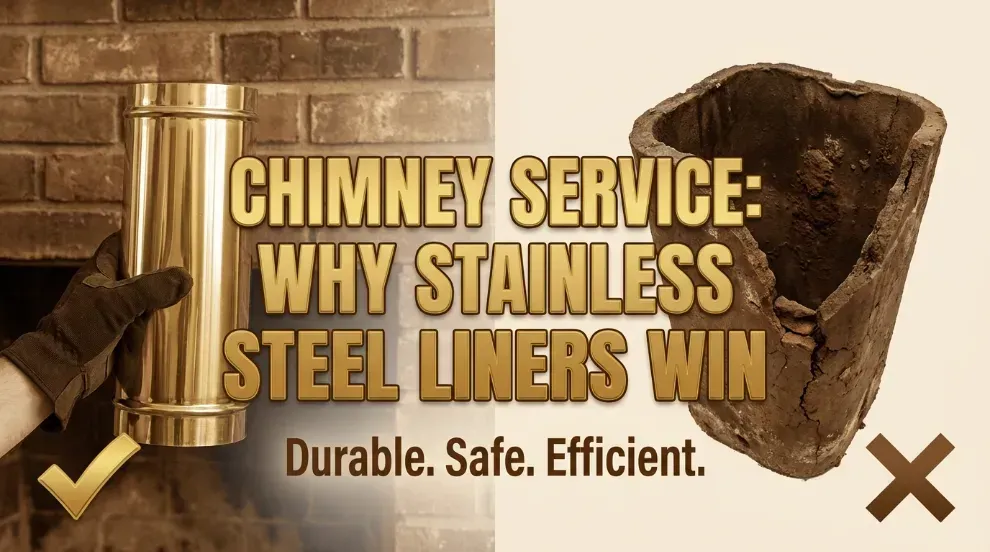
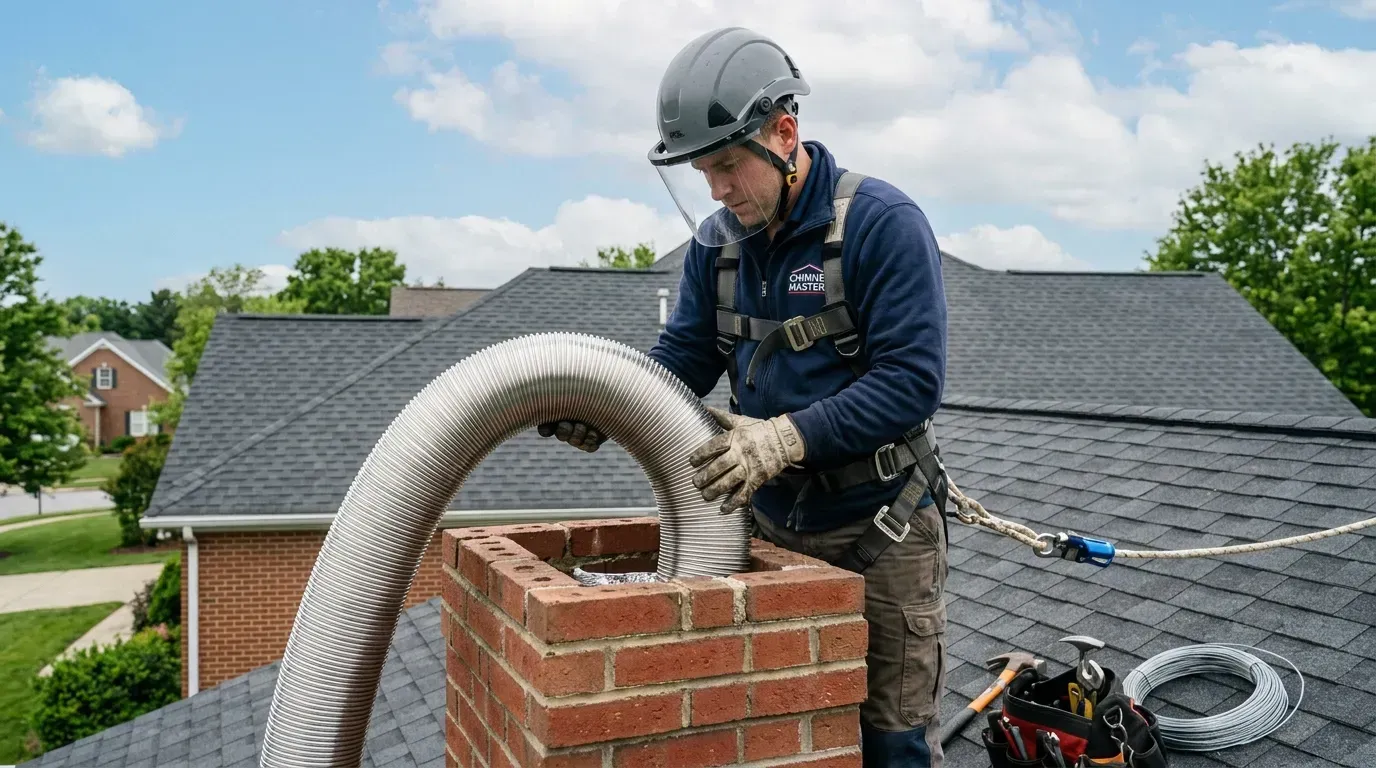
Unlike clay or cast-in-place options, a stainless steel liner provides an impenetrable, continuous barrier from the firebox to the chimney crown. Metal liners are uniquely suited to withstand the extreme corrosive environment inside a working flue. They resist acidic moisture and expand naturally with the high heat of a winter fire without cracking. By containing the fire's byproducts efficiently, these metal tubes ensure that harmful gases exit your home safely and swiftly.


Beyond basic safety, a metal liner improves the overall draft of your heating appliance. An improperly sized or deteriorating clay flue often causes sluggish drafting, leading to smoke backing up into the room. A stainless steel upgrade is customized to the exact specifications of your specific fireplace or stove. This precise sizing maximizes airflow and heating efficiency.

Recognizing When to Call for Chimney Services

Waiting for visible smoke damage or a complete structural failure is a dangerous approach to home maintenance. Regular evaluations by qualified professionals are the best way to determine if your existing liner is compromised. Before committing to a major upgrade, property owners should review a comprehensive chimney inspection checklist to understand exactly what technicians evaluate during a site visit.


Expert chimney services involve using specialized camera equipment to inspect the full length of the flue. If technicians discover spalling bricks, cracked clay tiles, or heavy creosote glazing, they will likely recommend an immediate replacement. We highly recommend reviewing our stainless steel liners page to see the exact materials and methodologies we employ. We source heavy-duty materials guaranteed to withstand the rigors of frequent use.

Defending Against External Moisture

Internal condensation is not the only threat to your venting system. The exterior weather in Portland, ME is notoriously harsh on brick and mortar. Rain, sleet, and melting snow regularly saturate porous masonry surfaces. When this trapped water freezes, it expands, causing the brickwork to spall and crumble.


A new liner protects the inside, but you must also safeguard the exterior structure to ensure the longevity of your investment. Applying professional-grade waterproofing creates a vapor-permeable barrier on the outside of your chimney. This treatment prevents external moisture from infiltrating the brick while still allowing internal condensation to escape. Combining a new internal metal liner with exterior water protection provides comprehensive defense against the Maine climate.

Long-Term Value and Peace of Mind

Investing in your chimney infrastructure pays dividends well into the future. A high-quality metal liner is often a lifetime solution for your home.

  • Enhanced Safety: The continuous metal barrier eliminates the risk of stray sparks or extreme heat igniting adjacent framing materials.
  • Optimized Heating: Proper drafting means your wood stove or fireplace burns fuel more efficiently, generating more heat for your living space and reducing wood consumption.
  • Easier Maintenance: The smooth internal surface of a metal tube makes routine sweeping faster and more effective, preventing the dangerous buildup of creosote.
  • Property Valuation: Home inspectors closely scrutinize chimneys during real estate transactions. A documented, code-compliant liner installation prevents costly delays when selling a home.

To learn more about our commitment to quality craftsmanship and customer safety, visit our About Us page.

Securing Your Home for the Winter Season

Protecting your property from fire hazards and carbon monoxide leaks should always be a top priority. A deteriorating flue is a silent threat that requires immediate professional attention. By upgrading to a modern stainless steel solution, you guarantee that your heating appliance operates safely and efficiently during the coldest months of the year.


If you have concerns about the condition of your masonry or want to schedule an evaluation, reach out to us through our Contact Us page. Our team is ready to provide the durable solutions your Portland home deserves.


Frequently Asked Questions


  • How long does a stainless steel liner last?

    When installed correctly and maintained with annual sweepings, a high-quality stainless steel liner can last for the entire lifespan of your home. Most premium liners come with extensive warranties that protect against manufacturing defects and corrosion.


  • Can I install a metal liner myself?

    Handling this type of installation without professional training is highly discouraged. Proper sizing, secure connections, and appropriate insulation are required to meet local building codes and fire safety standards. Incorrect installation poses severe fire and carbon monoxide risks.


  • Does my chimney need a liner if I only burn wood occasionally?

    Yes. Regardless of how frequently you use your fireplace, the venting system must be fully lined and structurally sound to safely exhaust toxic gases and withstand the high temperatures generated by a wood fire.
By John Constantine June 30, 2026
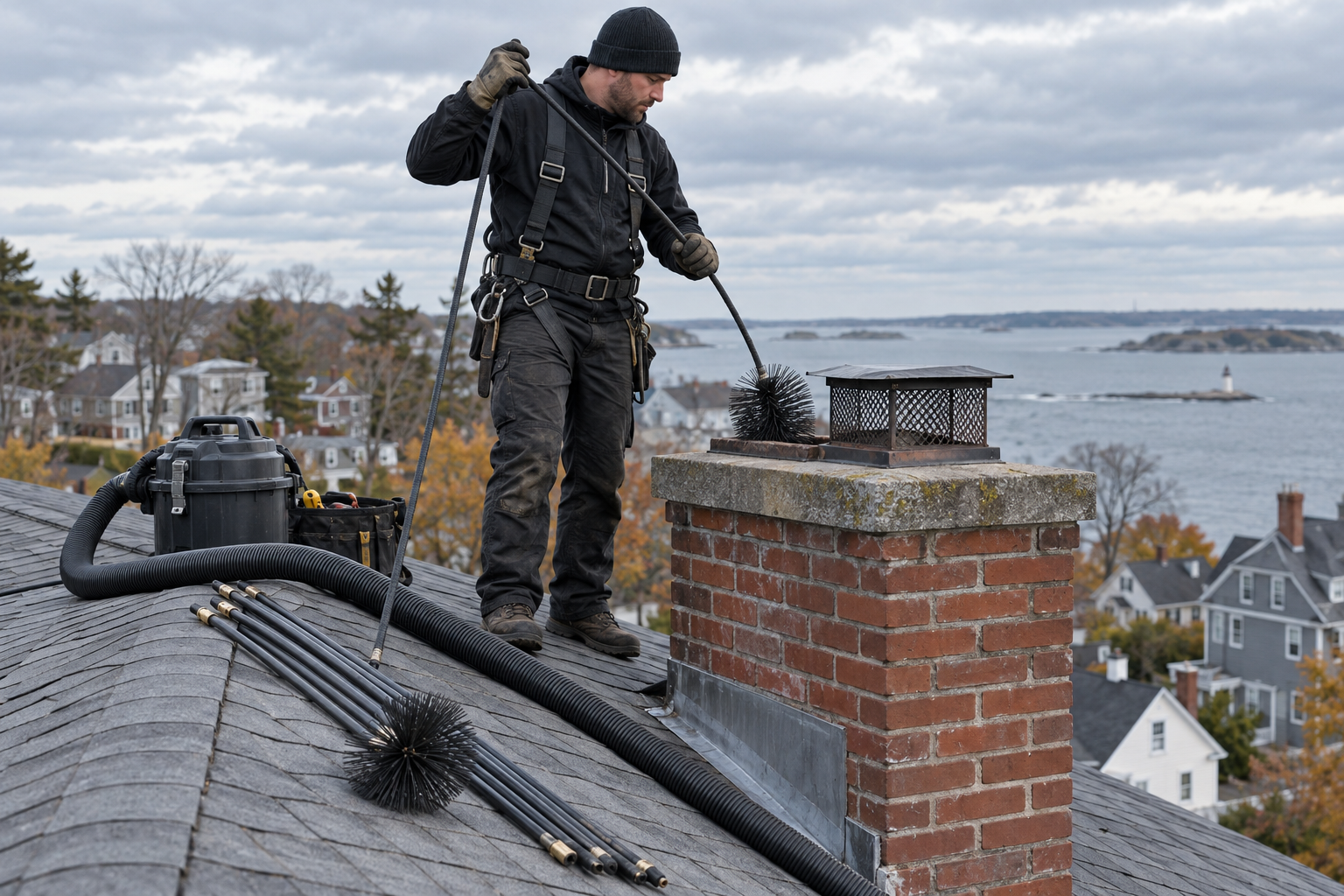
Regular chimney inspections are a vital home maintenance requirement that actively prevents catastrophic residential fires. By identifying hidden hazards like stage three creosote accumulation, cracked flue liners, and weather-damaged masonry, professionals secure your heating system for safe winter use. Proactive evaluation protects your family and preserves the structural integrity of your property against the harsh Northeast climate. * Creosote buildup progresses through three stages, with the third stage requiring advanced professional equipment to remove safely. * Cracked clay liners and damaged mortar joints allow extreme heat to escape the masonry and ignite combustible home framing. * Annual inspections utilizing high-resolution video scanning provide the most reliable defense against unseen chimney fire hazards.
By John Constantine June 28, 2026
Key Insights and take aways A professional chimney inspection is a critical annual requirement for maintaining a safe and efficient heating system, particularly in harsh winter climates like Portland, Maine. Certified technicians evaluate structural masonry, flue liner integrity, moisture intrusion, and dangerous creosote levels to prevent fire hazards and expensive property damage. Relying on local experts ensures your fireplace is completely prepared for heavy winter operation. * Annual inspections evaluate the exterior masonry, crown, and flashing for freeze and thaw damage. * Professionals check the flue liner for cracks and assess creosote buildup to prevent dangerous residential fires. * Water intrusion is a major threat, making proper capping, flashing repair, and masonry waterproofing essential preventative steps. As temperatures begin to drop across Portland, Maine, homeowners invariably turn their attention to their fireplaces and heating stoves. A warm fire provides necessary comfort during the harsh Northeast winters, but operating a fireplace that has not been properly evaluated carries significant safety risks.
By John Constantine June 24, 2026
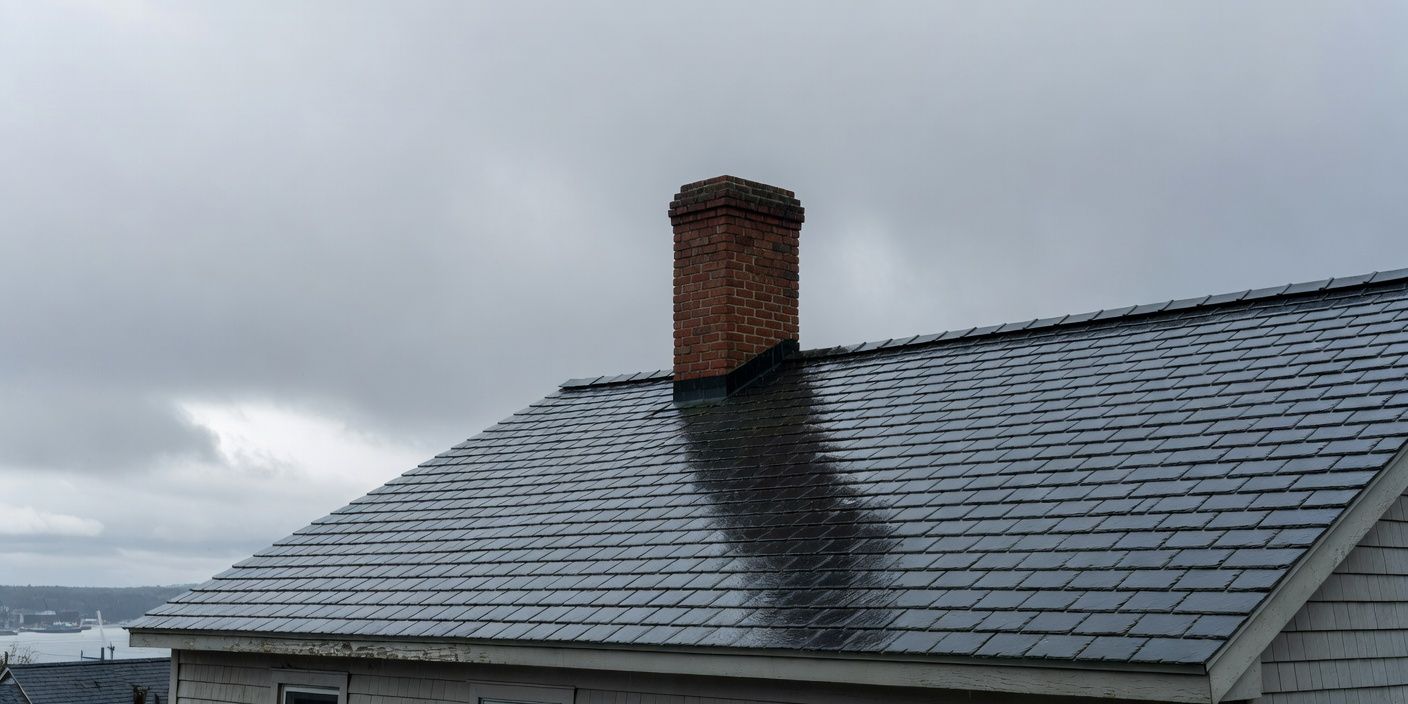
Portland homeowners understand that coastal Maine weather presents a unique set of challenges. Driving rain, high humidity, freezing winter winds, and heavy snowfall combine to create an environment that constantly tests the structural integrity of residential architecture. The most exposed element of your home is often the masonry chimney. Standing completely unprotected above the roofline, this structure bears the full force of every Atlantic storm. Masonry materials like brick, concrete, and mortar are inherently porous. They act like rigid sponges, absorbing ambient moisture from rain and melting snow. Without a proactive defense strategy, this constant water absorption will lead to severe structural degradation, expensive interior damage, and significant safety hazards. 
By John Constantine June 19, 2026
Regular chimney maintenance is essential for maximizing fireplace heat output and safeguarding your home's indoor air quality. By removing hazardous creosote and inspecting for structural water damage, property owners can prevent dangerous gas leaks and costly masonry failures. Consistent professional care ensures your venting system operates safely and preserves the long-term value of your property. * Creosote buildup physically narrows the flue, weakening the draft and causing fires to smolder inefficiently. * A clean venting system prevents toxic carbon monoxide and particulate matter from entering your living spaces. * Annual inspections identify early signs of water intrusion and freeze-thaw damage common in Maine weather.
By John Constantine June 13, 2026
Routine chimney maintenance is a critical defense mechanism against devastating residential fires, particularly for homeowners relying on wood heat during harsh winters. By systematically removing highly flammable creosote, repairing decaying masonry, and ensuring the structural integrity of flue liners, professional services eliminate the primary catalysts for internal combustion. Proactive inspections not only secure your property from catastrophic thermal damage but also ensure vital compliance with strict homeowners insurance regulations. * Professional sweeps remove dangerous, hardened creosote that standard retail tools cannot effectively dislodge. * Installing stainless steel liners and repairing exterior masonry prevents extreme heat from transferring to the combustible wooden framing of a home. * Annual, documented inspections protect property values, maximize heating efficiency, and fulfill mandatory insurance policy requirements.
By John Constantine June 7, 2026
Regular chimney maintenance is a crucial aspect of protecting your Maine home from fire hazards and severe weather-related structural damage. By investing in annual sweeps and professional inspections, homeowners can prevent dangerous creosote buildup while saving thousands of dollars on avoidable masonry repairs. Trusting experienced local experts ensures your heating systems remain safe, efficient, and fully operational year-round. * Annual inspections prevent highly flammable creosote buildup and deadly carbon monoxide leaks. * Maine's harsh freeze-thaw cycles cause microscopic water damage that can destroy unmaintained brickwork over time. * Proactive maintenance and minor repairs cost a fraction of the price of a complete structural rebuild.
By John Constantine June 4, 2026
Key Insights and Takeaways Upgrading to a stainless steel liner is a crucial investment for Portland homeowners looking to protect their properties from the severe Maine climate and internal fire hazards. These durable metal systems replace vulnerable clay tiles, preventing toxic gas leaks and structural moisture damage caused by the freeze-thaw cycle. Partnering with a specialized masonry professional ensures your entire chimney system operates safely and efficiently for decades. * Stainless steel liners resist the thermal shock that causes traditional clay flues to crack and fail. * Proper installation improves appliance efficiency by maintaining a consistent draft and reducing dangerous creosote buildup. * Comprehensive chimney care includes pairing a new internal liner with exterior tuckpointing and proper roof drainage.
By John Constantine May 31, 2026
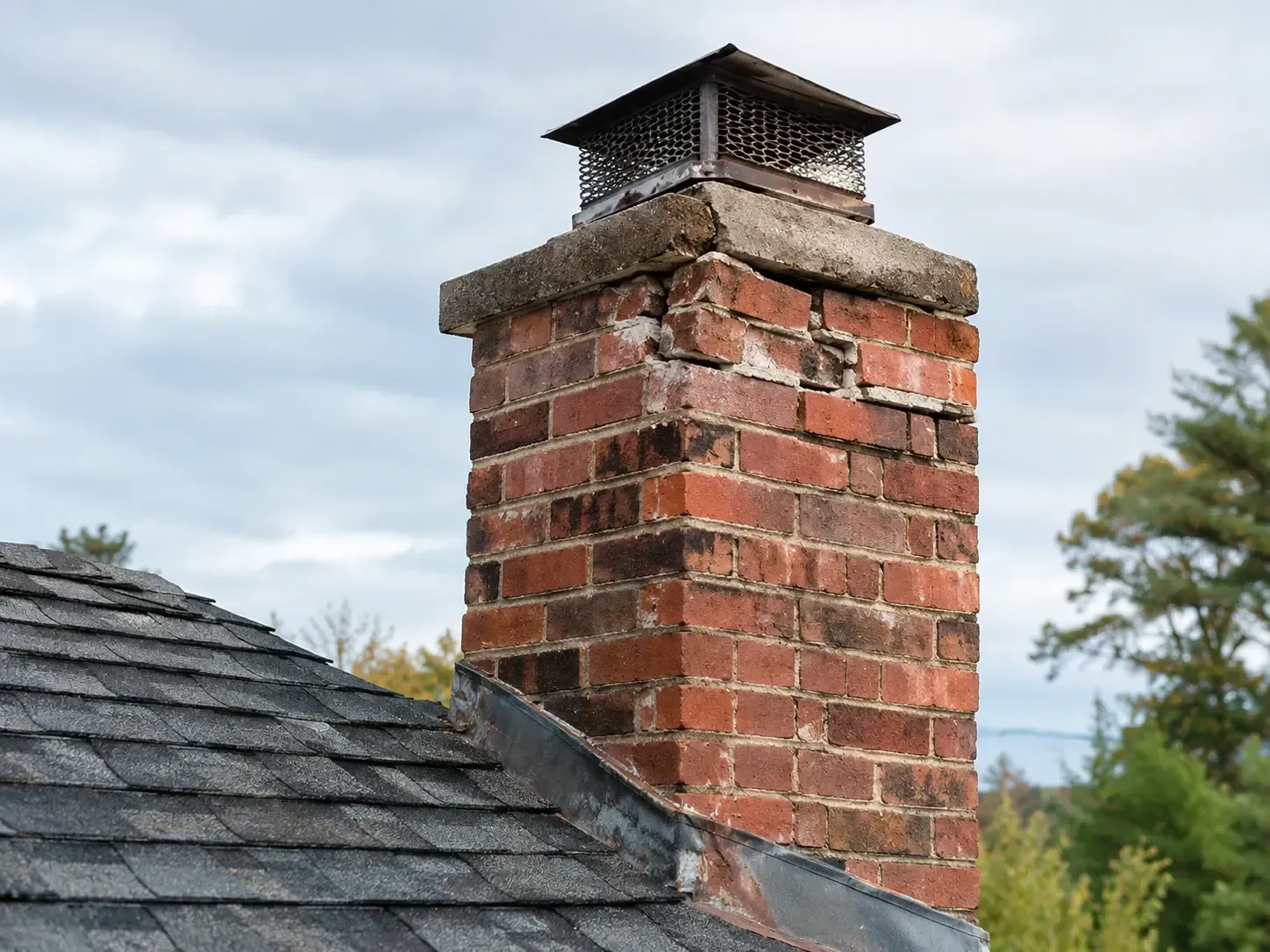
Small hairline cracks in your chimney are early warning signs of severe water intrusion that can compromise your home's entire structural integrity. The harsh freeze-thaw cycles in Portland, Maine, rapidly expand these minor defects, leading to internal water damage, crumbling bricks, and dangerous flue failures. Trusting expert masonry evaluation and applying breathable waterproofing are critical steps in preserving your chimney and protecting your property investment. * The freeze-thaw cycle forces trapped moisture to expand by nine percent, turning minor cracks into major structural failures. * Deteriorating masonry can cause roof rot, ceiling leaks, and allow toxic carbon monoxide to seep into interior living spaces. * Professional tuckpointing and specialized silane-siloxane waterproofing treatments permanently halt moisture penetration without damaging the brick.
By John Constantine May 30, 2026
Key Insights and Takeaways Chimney waterproofing is a critical maintenance step for homeowners in Portland, ME, protecting vulnerable masonry from the destructive freeze-thaw cycle. By utilizing professional, vapor-permeable sealants, homeowners can prevent severe structural degradation and costly interior water damage. Select Chimney offers specialized local expertise to ensure your home remains safe, efficient, and well-protected against harsh coastal weather. * Professional waterproofing uses breathable sealants that repel external rain while allowing internal moisture vapor to escape. * Catching early warning signs like white efflorescence stains or crumbling mortar can save thousands in structural rebuilding costs. * Routine exterior maintenance extends the life of internal components, including the flue and surrounding heating infrastructure.
By John Constantine May 26, 2026
A poorly maintained chimney fundamentally destroys fireplace efficiency by restricting airflow, leaking thermal energy, and chilling the flue through water intrusion. Homeowners in cold climates like Portland, Maine, must prioritize regular masonry repair and flue maintenance to ensure their fireplaces deliver safe, reliable heat. Investing in professional sweeps, structural waterproofing, and modern liners guarantees your heating system operates at its absolute peak performance.  * Creosote accumulation physically chokes off the oxygen supply required for hot, efficient fires. * Water damage from freeze-thaw cycles destroys airtight masonry joints and allows cold air to chill the flue column. * Replacing cracked clay tiles with insulated stainless steel liners immediately restores heat retention and drafting speed.