Securing Your Portland Home with High-Quality Stainless Steel Liners
Key Insights and Takeaways
Upgrading to a stainless steel liner is a crucial investment for Portland homeowners looking to protect their properties from the severe Maine climate and internal fire hazards. These durable metal systems replace vulnerable clay tiles, preventing toxic gas leaks and structural moisture damage caused by the freeze-thaw cycle. Partnering with a specialized masonry professional ensures your entire chimney system operates safely and efficiently for decades.
* Stainless steel liners resist the thermal shock that causes traditional clay flues to crack and fail.
* Proper installation improves appliance efficiency by maintaining a consistent draft and reducing dangerous creosote buildup.
* Comprehensive chimney care includes pairing a new internal liner with exterior tuckpointing and proper roof drainage.
Living in Portland, Maine, means preparing your home for heavy snowfall, coastal moisture, and brutal freezing temperatures. Your heating system serves as the primary line of defense against the coastal chill. At the core of this system is the chimney, a masonry structure that requires routine maintenance and robust internal components to function safely. For decades, traditional clay tiles served as the standard lining for residential flues. Modern engineering and rigorous safety standards now point to a far superior alternative.
Upgrading to a metal flue system is one of the most effective ways to protect your property from structural damage and fire hazards. As masonry experts serving the local community, the team at Select Chimney Services frequently evaluates outdated heating exhaust systems. We consistently find that upgrading the internal flue structure is vital for both safety and long-term home value.
Why Professional Chimney Services Recommend Stainless Steel Liners
The primary function of a flue liner is to contain the byproducts of combustion. Whether you burn wood, oil, or gas, your heating appliance produces extreme heat, acidic moisture, and hazardous gases like carbon monoxide. The liner must securely channel these byproducts out of the house while protecting the surrounding masonry and nearby combustible framing.
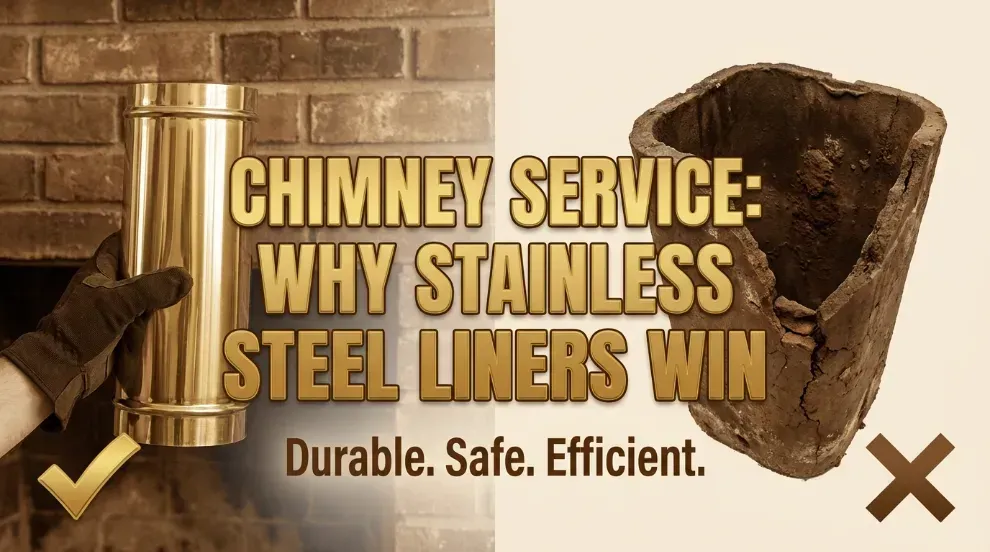
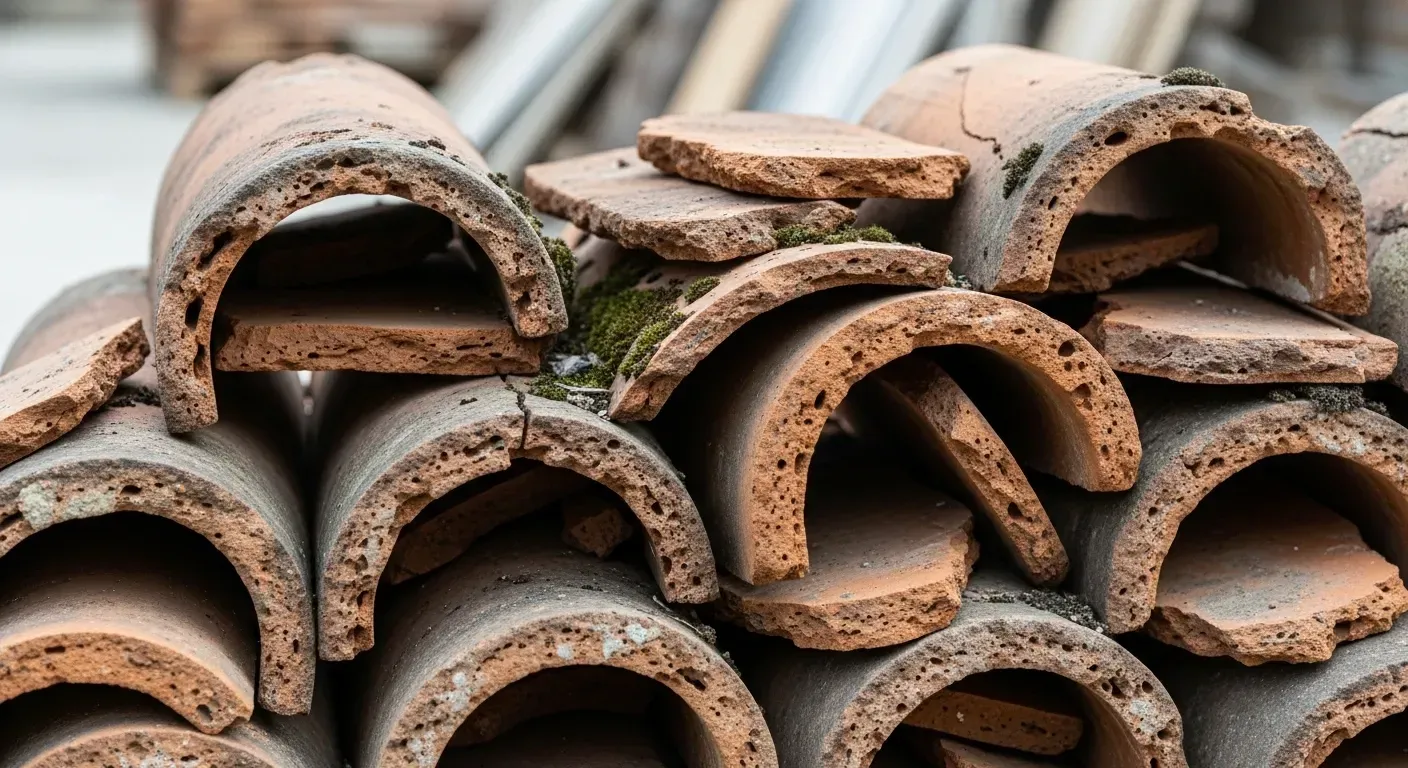
Clay tile liners are highly susceptible to thermal shock. When a cold Portland chimney is suddenly subjected to the intense heat of a roaring fire, the rapid temperature fluctuation causes rigid clay tiles to crack. Once a fissure develops, toxic gases can seep into the living space. Escaping heat can also ignite adjacent wooden roof trusses or wall framing.
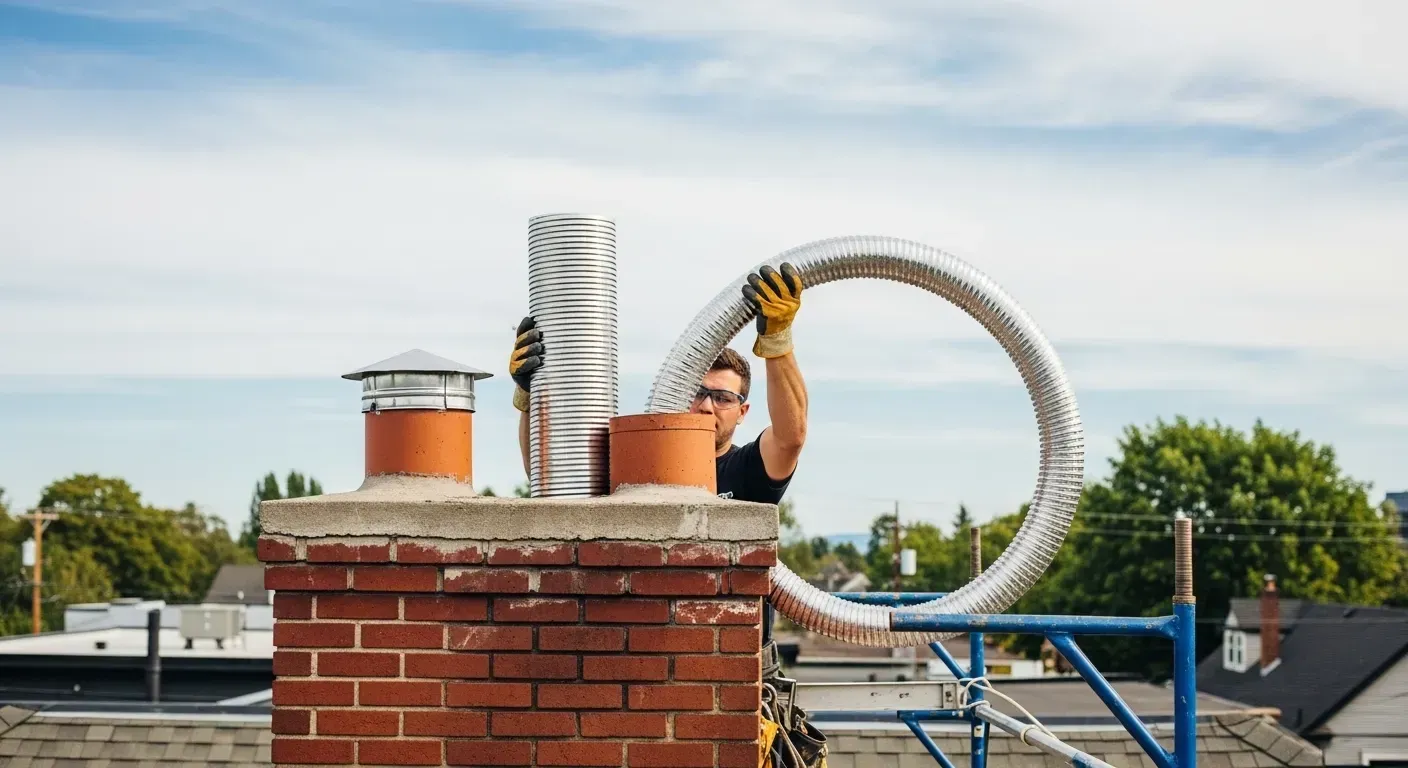
Top-tier Chimney Services recommend installing modern alloys to mitigate these risks entirely. Our dedicated stainless steel liners provide a continuous, seamless passageway from the appliance directly to the top of the flue. Because steel expands and contracts safely during temperature fluctuations, it is virtually immune to the thermal shock that destroys clay.
Combating the Coastal Freeze-Thaw Cycle
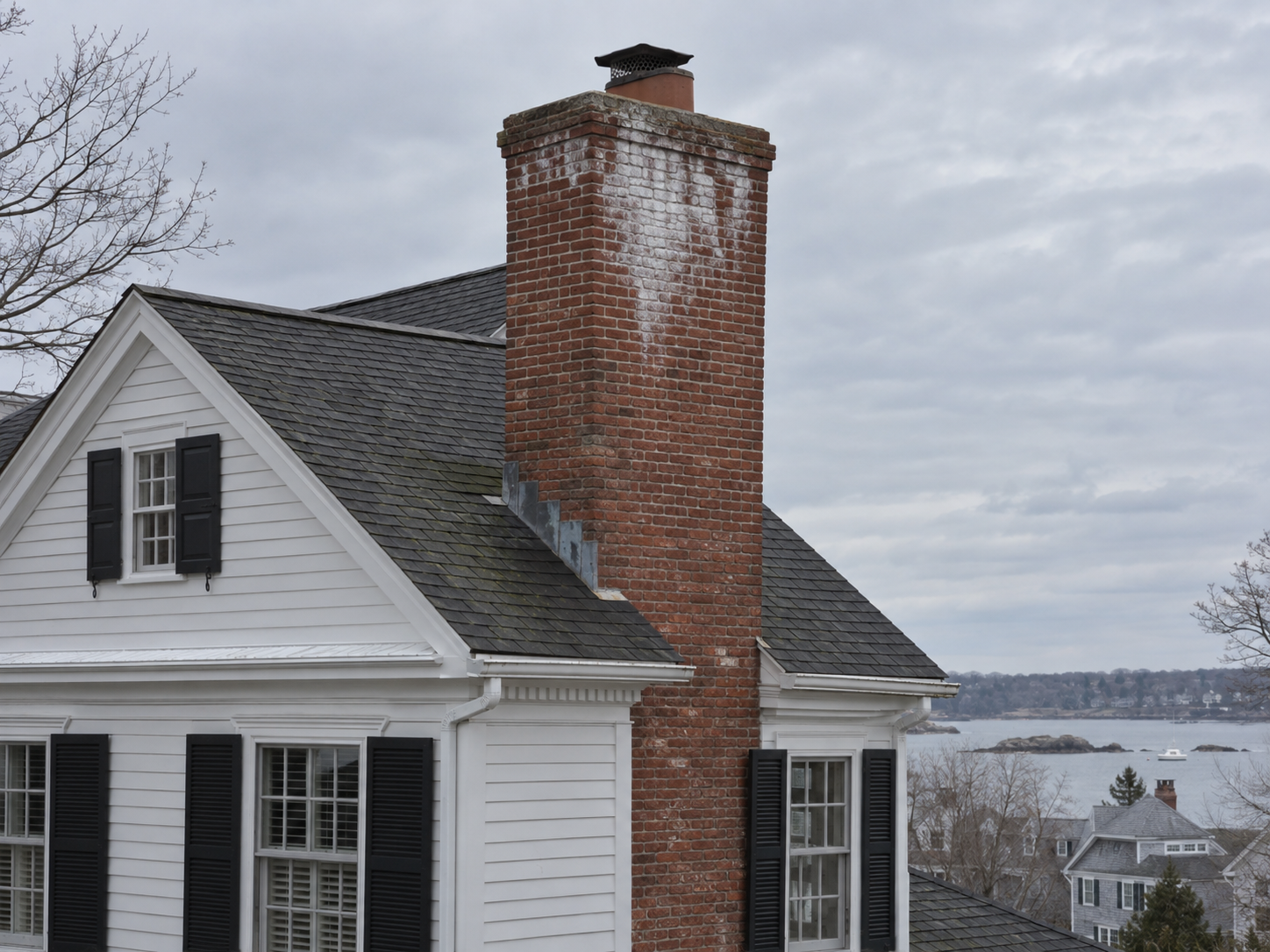
Maine winters present a unique challenge known as the freeze-thaw cycle. Brick and mortar are naturally porous materials. When coastal rain or melting snow absorbs into the masonry, it rests within the structural pores. As temperatures drop below freezing overnight, that trapped water expands. This expansion creates immense pressure inside the brickwork.
When a clay liner is compromised, the acidic condensation from your heating appliance permeates the surrounding bricks from the inside out. This accelerates masonry deterioration from within. To understand how easily minor exterior or interior masonry flaws can escalate, homeowners should be aware of why small chimney cracks can lead to bigger structural problems in Portland. Installing a watertight steel system stops internal moisture penetration at the source.
Enhancing Appliance Efficiency and Draft
A perfectly sized flue is critical for your fireplace or boiler to operate efficiently. Many older masonry chimneys were built with oversized flues that create sluggish drafts. A sluggish draft causes smoke to roll back into the room and leads to rapid, dangerous creosote accumulation.
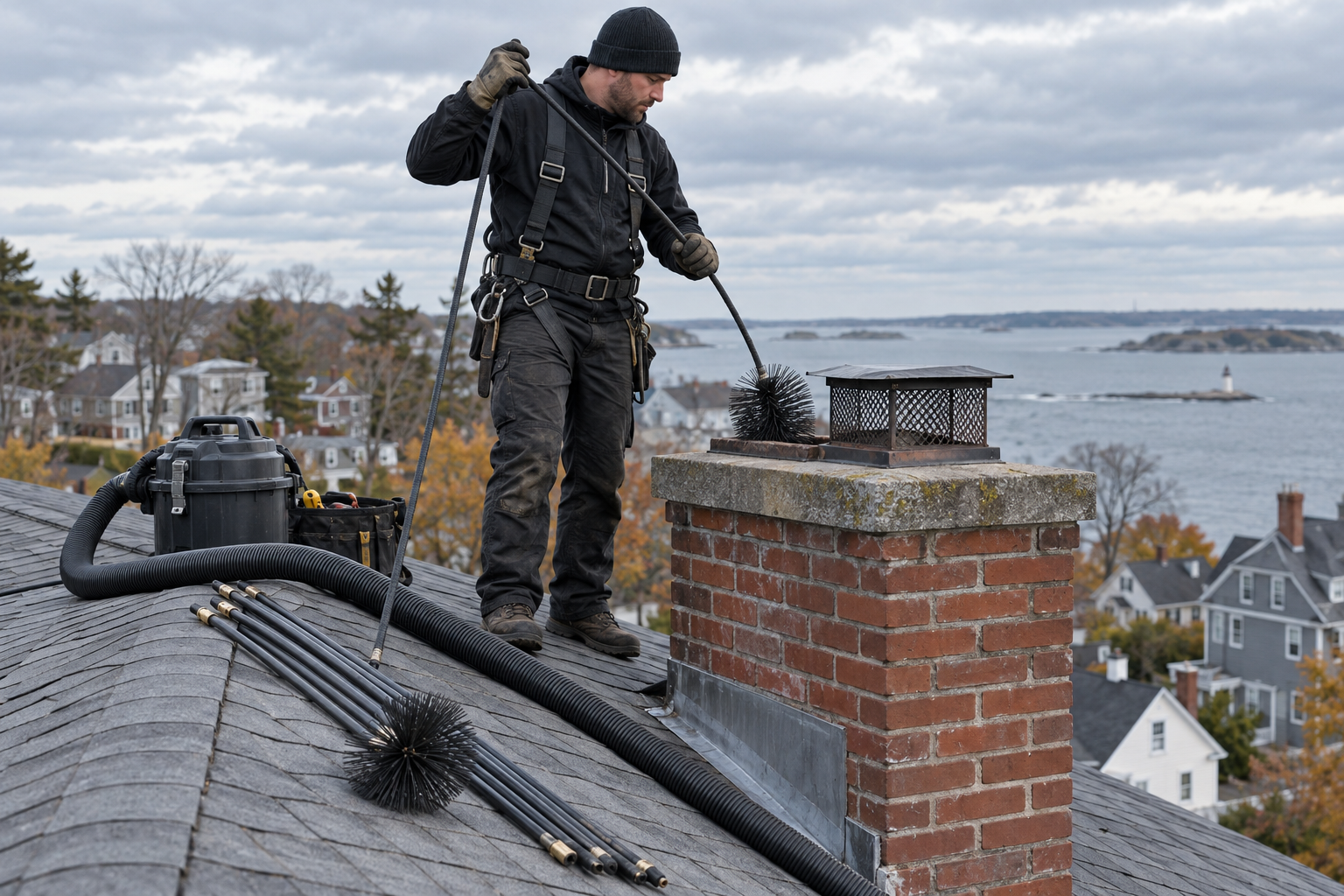
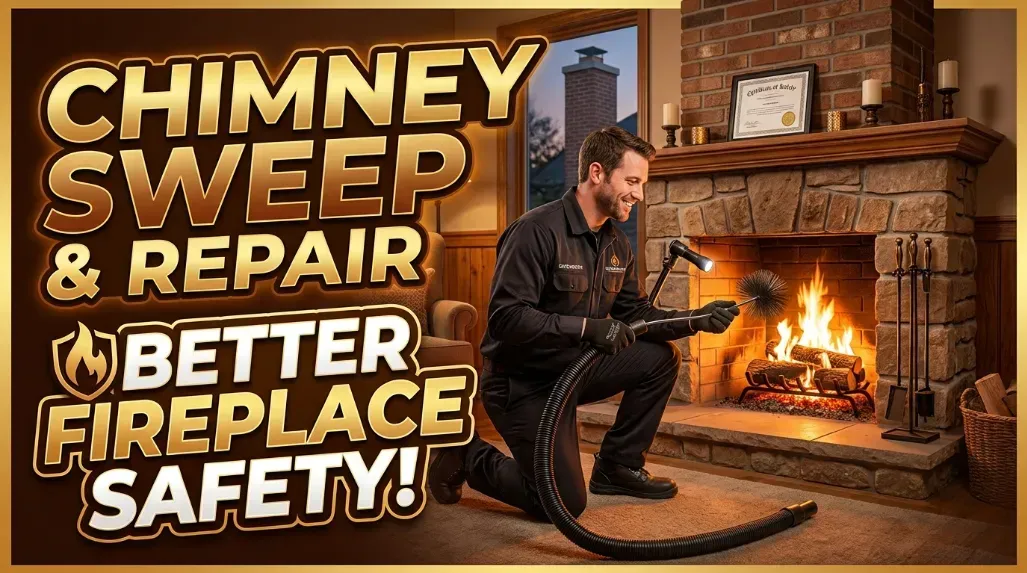
Modern metal liners are precisely measured and insulated to match the exact requirements of your specific heating appliance. The insulation wrapped around the metal keeps the exhaust gases hotter for a longer period. Hotter gases rise faster, which significantly improves the draft and drastically reduces the amount of creosote deposited on the flue walls.
Recognizing the Warning Signs of a Failing Flue
Homeowners rarely inspect the inside of their own flues, making it difficult to know when the system has reached the end of its lifespan. However, there are several distinct warning signs indicating that your internal lining is degrading.
- Debris in the Firebox: Finding thin, sharp pieces of terracotta clay sitting on your fireplace floor is a definitive sign that the original tiles are spalling and crumbling.
- Persistent Odors: A strong, pungent smell of campfire or soot during the humid summer months indicates heavy creosote buildup that the current porous liner cannot contain.
- Moisture Damage: Water stains on the ceiling around the fireplace or rust on the appliance itself suggest that the barrier meant to keep the elements out has failed.
- Drafting Issues: If you suddenly experience difficulty keeping a fire lit or notice smoke billowing into the room, structural blockages from collapsed tiles may be restricting airflow.
Holistic Care for Your Masonry System
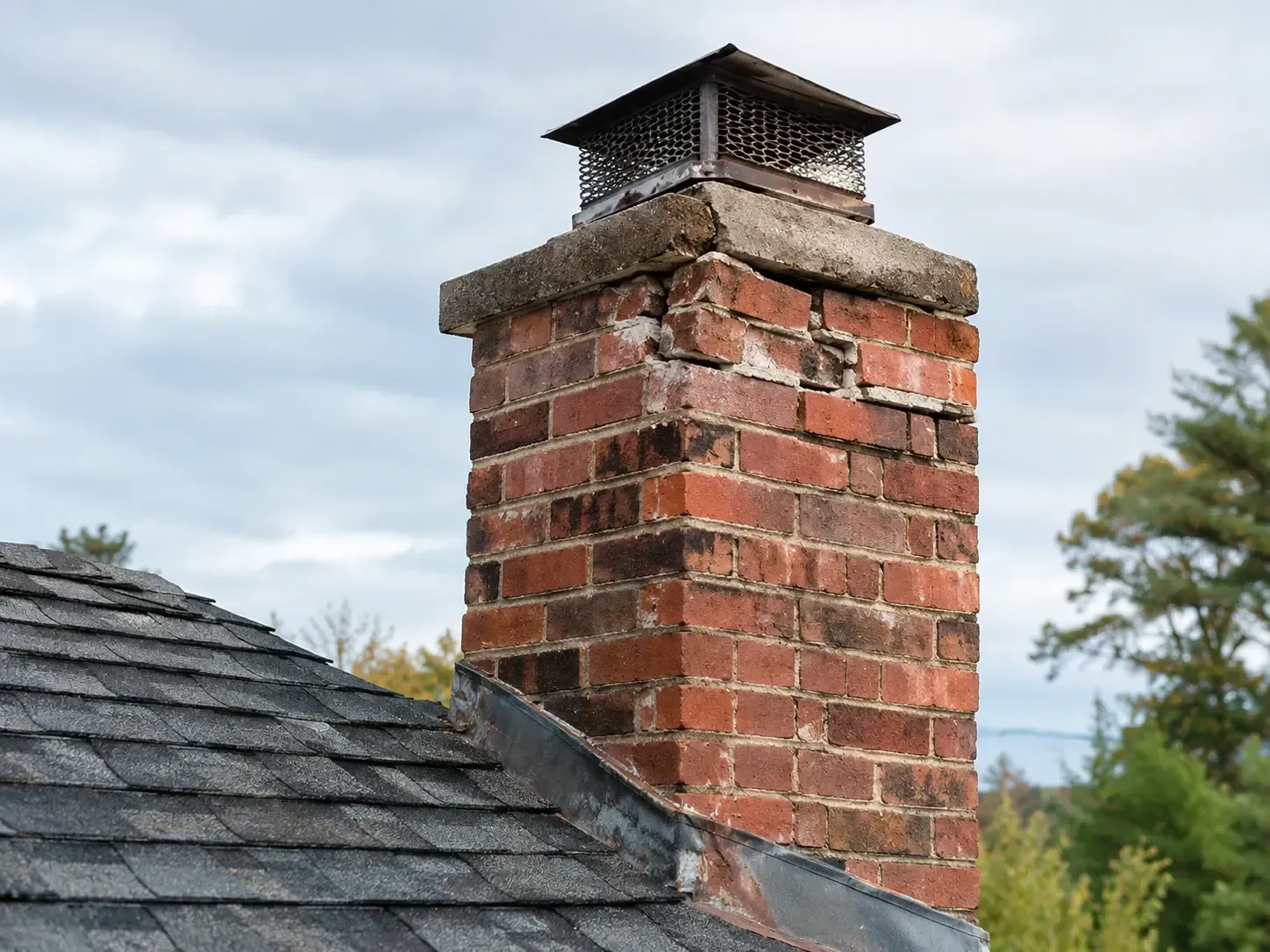
Securing the internal flue is only one component of comprehensive home maintenance. A high-quality metal liner protects the inside of your chimney, but the exterior structure must also remain sound to support it. Years of exposure to the Maine elements will eventually erode the mortar joints holding your masonry together.
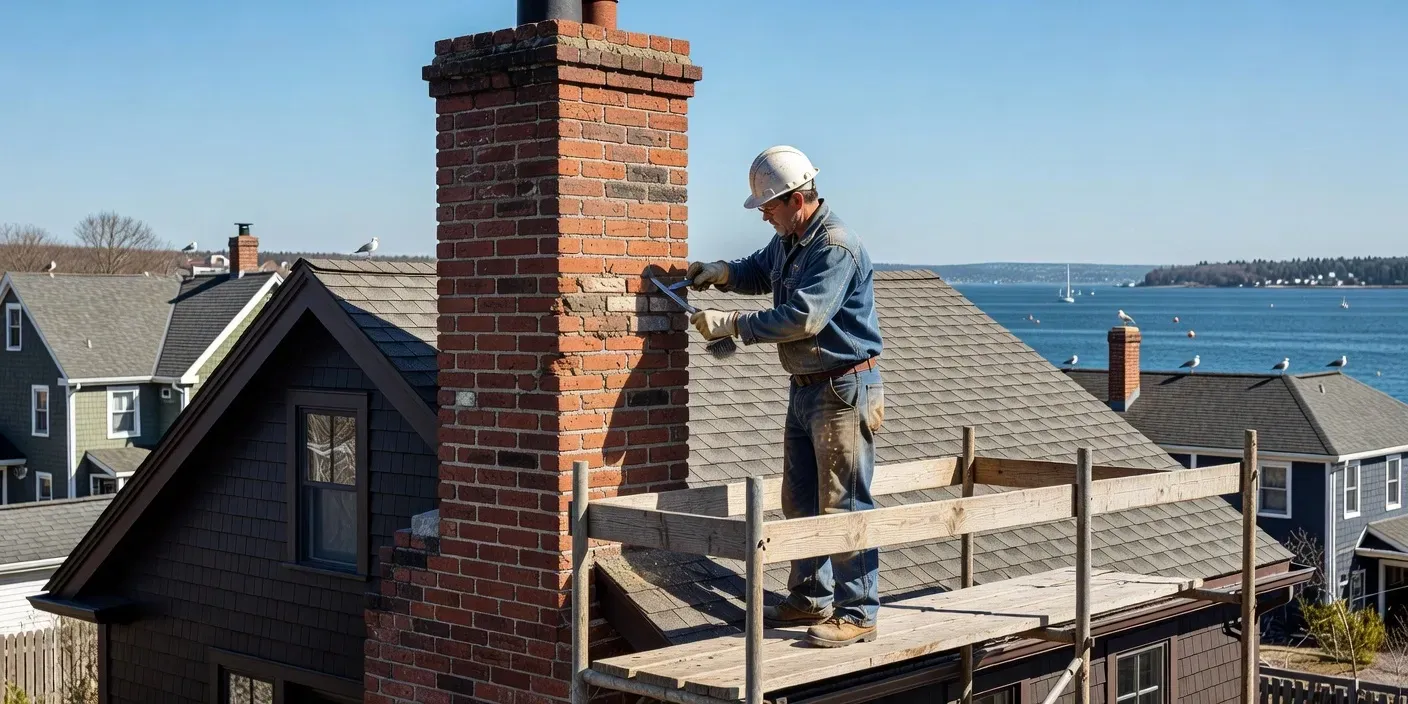
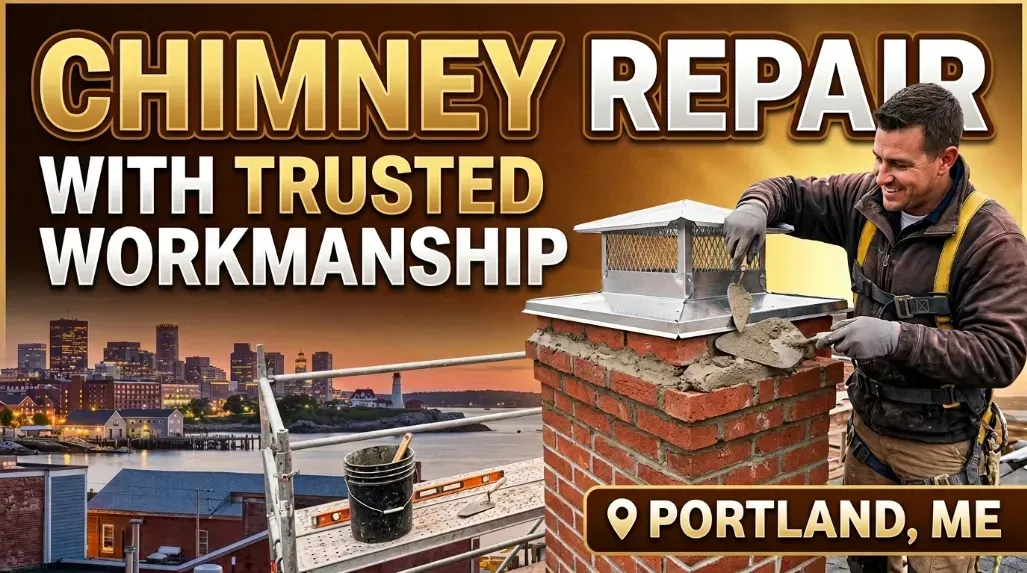
If the exterior brickwork is heavily compromised, upgrading the interior flue will not stop structural settling or external water leaks. In these instances, professional demolition and tuckpointing restores the strength and integrity of the outer brickwork. Grinding out the old, decayed mortar and replacing it with fresh, color-matched joints ensures your chimney remains standing strong for decades.
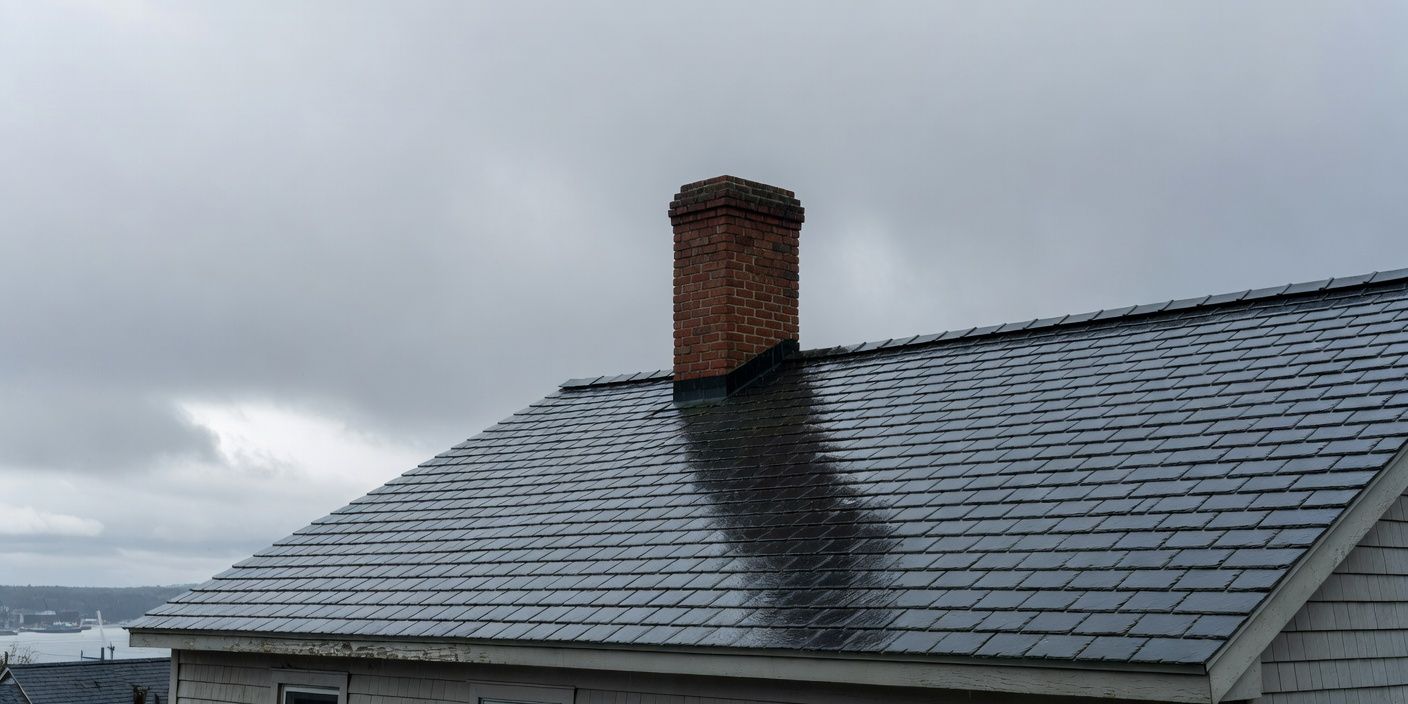
Water management at the roofline is equally important. A chimney often intersects with the roof valleys where rainwater is directed toward the eaves. If the drainage systems around the base of your masonry structure are clogged or damaged, water will pool against the brickwork. To protect your home's foundation and masonry base, regular gutter cleaning and repair is essential. Proper drainage keeps water flowing away from the vulnerable base of your chimney system.
Partnering with Portland Specialists
Upgrading your home heating exhaust system requires precise technical knowledge and a deep understanding of local building codes. Attempting to repair a damaged flue without proper training can result in severe safety violations and hidden hazards. Relying on local experts ensures the materials selected are uniquely suited for the demanding climate of New England.
If you are unsure about the condition of your masonry or want to explore efficient upgrade options, learn more about us and our commitment to safety. We dedicate our time to educating homeowners so they can make informed decisions about their property investments.
Do not wait until a harsh winter storm exposes the hidden vulnerabilities in your home. Contact us today to schedule a comprehensive evaluation of your current flue system. Securing your home with industry-leading materials brings peace of mind, knowing your property is protected against the most severe elements Maine has to offer.
Frequently Asked Questions
How long do stainless steel liners last?
High-quality alloys, particularly 316Ti, are incredibly durable and resistant to corrosive exhaust gases. When properly installed and maintained with annual professional sweepings, these systems can last for the lifetime of the home. Most premium installations carry limited lifetime warranties from the manufacturer.
Are new flue liners required by building codes?
If you are installing a new heating appliance, upgrading an existing fireplace, or if your current clay tile system is found to be cracked and defective, local fire and building codes mandate a functional, unbroken liner. Metal systems are the industry standard for meeting these strict safety regulations efficiently.
Can a new liner improve my fireplace draft?
Yes. Older chimneys are often oversized for the appliances they vent. By installing a correctly sized and insulated metal tube, the system maintains higher internal temperatures. This thermal retention drastically improves the upward draft, making your fires burn hotter, cleaner, and with far less smoke entering the living area.