Professional Chimney Gutter Cleaning and Repair: 10 Signs Your Home Needs Immediate Attention
Key Insights and Takeaways
Maintaining clear gutters and healthy masonry is crucial to protecting your home from severe water damage. Routine inspections catch issues like spalling bricks, rusting dampers, and blocked flues before they become expensive hazards. Trusting local experts ensures your heating and drainage systems are fully prepared to handle harsh seasonal weather.
- Clogged roof drainage systems directly cause structural water damage and masonry decay.
- Annual sweeping prevents dangerous creosote buildup and safely removes animal blockages.
- Repairing damaged caps and flashing immediately prevents costly interior leaks.

Living in Portland, ME, brings beautiful seasons and harsh weather. Snow, ice, and heavy rain take a constant toll on your roof. Your masonry and drainage systems endure incredible stress all year long. Keeping these structural elements safe requires regular, proactive attention. Ignoring small issues right now leads to very expensive fixes later. Select Chimney Services provides reliable local care to protect your property. We want to help you spot early signs of trouble before they escalate into major problems. Let us explore the clearest warning signs that your property needs professional help.
Gutters sit very close to your exterior masonry. These two systems must work together perfectly. When gutters clog with leaves, water spills over the edges. This excess water runs directly down your exterior brickwork. Saturated bricks will freeze during cold Portland nights. The expanding ice then cracks the mortar joints holding the structure together.
Routine chimney gutter cleaning and repair stops this destructive cycle entirely. Clear, functioning gutters direct rainwater safely away from the house. This vital maintenance protects your foundation and your roofline. It also extends the lifespan of your masonry significantly.
10 Warning Signs You Need Immediate Chimney Repair
Finding problems early saves you stress and money. Walk around your property and watch for these common red flags.
1. Water Stains on Interior Ceilings
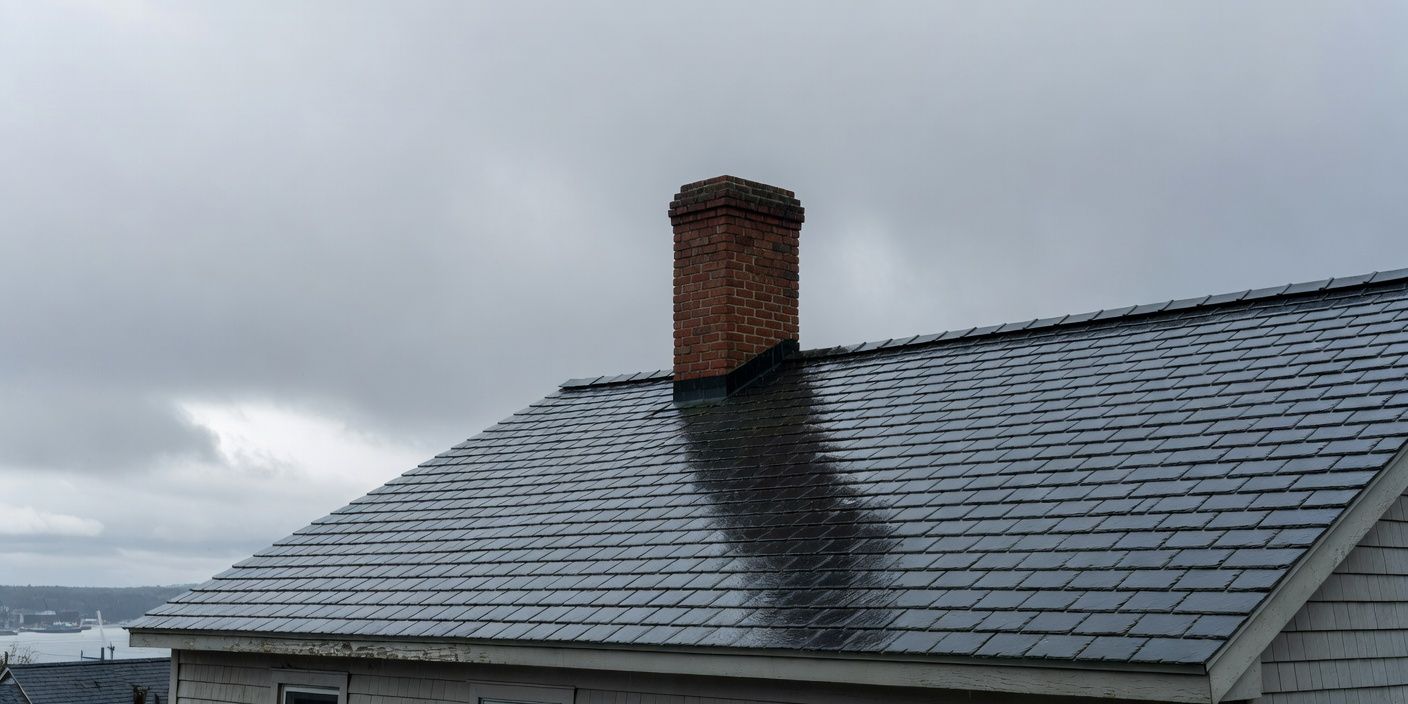
Brown spots near your fireplace signal an active leak. Water is likely entering from the roofline. This happens when metal flashing fails or exterior mortar deteriorates. Addressing leaks quickly is vital to prevent water damage inside your living space.
2. Visible Rust in the Firebox
Metal heating components should never rust. Finding rust on your damper indicates excess moisture inside the flue. A faulty cap usually causes this specific problem. A rusted damper cannot operate correctly and fails to keep cold drafts outside.
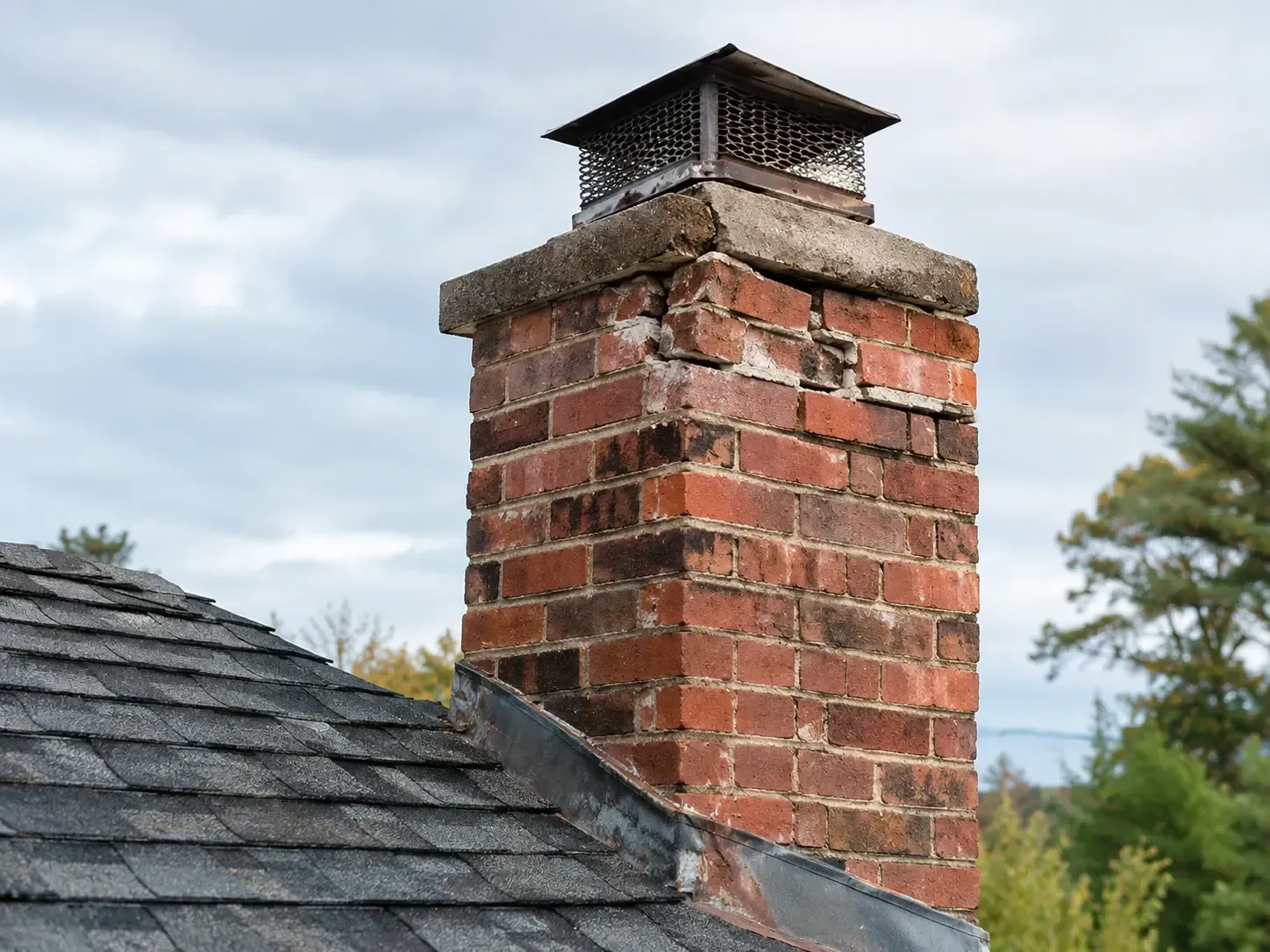
3. Spalling Exterior Bricks
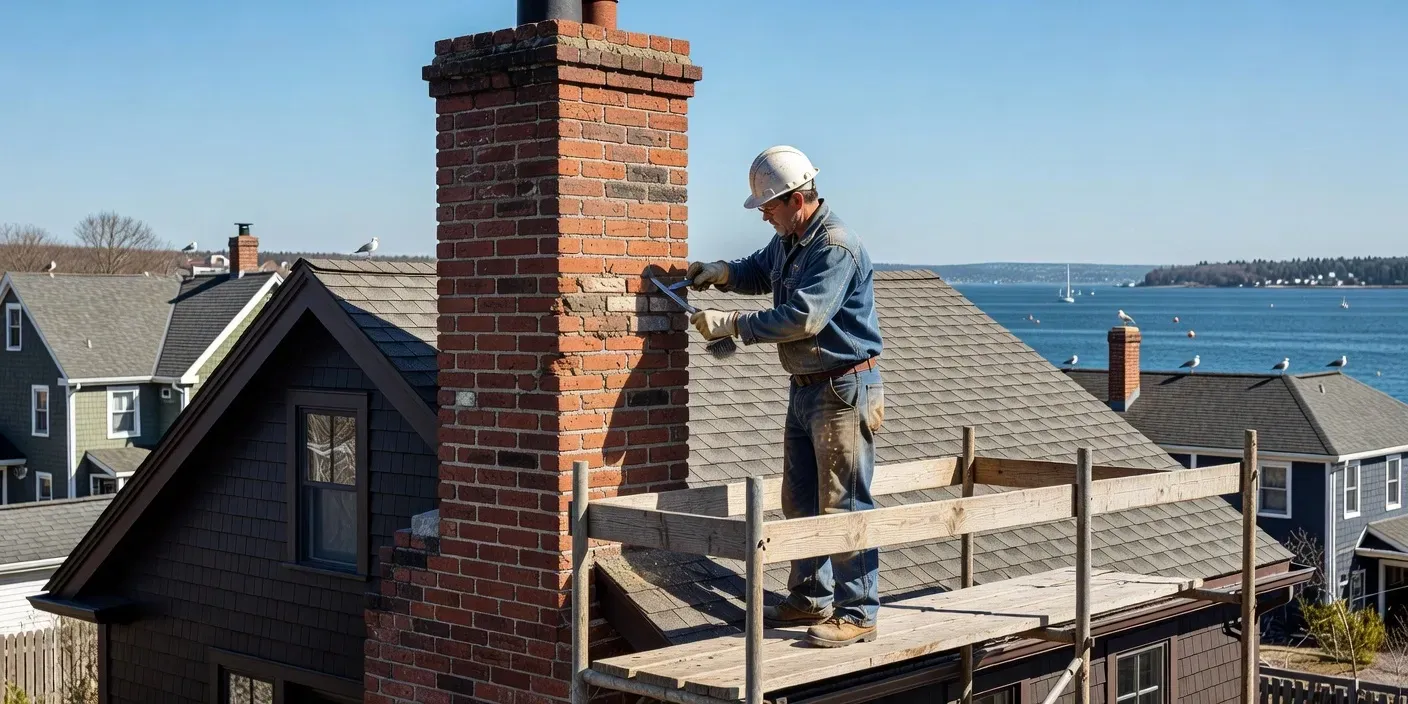
Walk outside and inspect your masonry closely. Do you see small pieces of brick lying on the ground? Professionals call this spalling. Water enters the brick face and freezes solid. The expanding ice pushes the brick surface entirely off.
4. Sagging Roof Drainage Systems
Gutters that detach from the roof fascia are very dangerous. They pull away and let water pool near your structure. This pooling water damages the base of your masonry column. Fix sagging sections before the next big rainstorm hits Portland.
5. Strange Odors from the Hearth
A clean fireplace smells mostly neutral. Foul or musty smells mean trapped rainwater is inside. Acrid smells indicate heavily built up creosote. If you are noticing a burning smell, you must call a professional. Creosote buildup causes highly dangerous flue fires.
6. Debris Falling Down the Flue
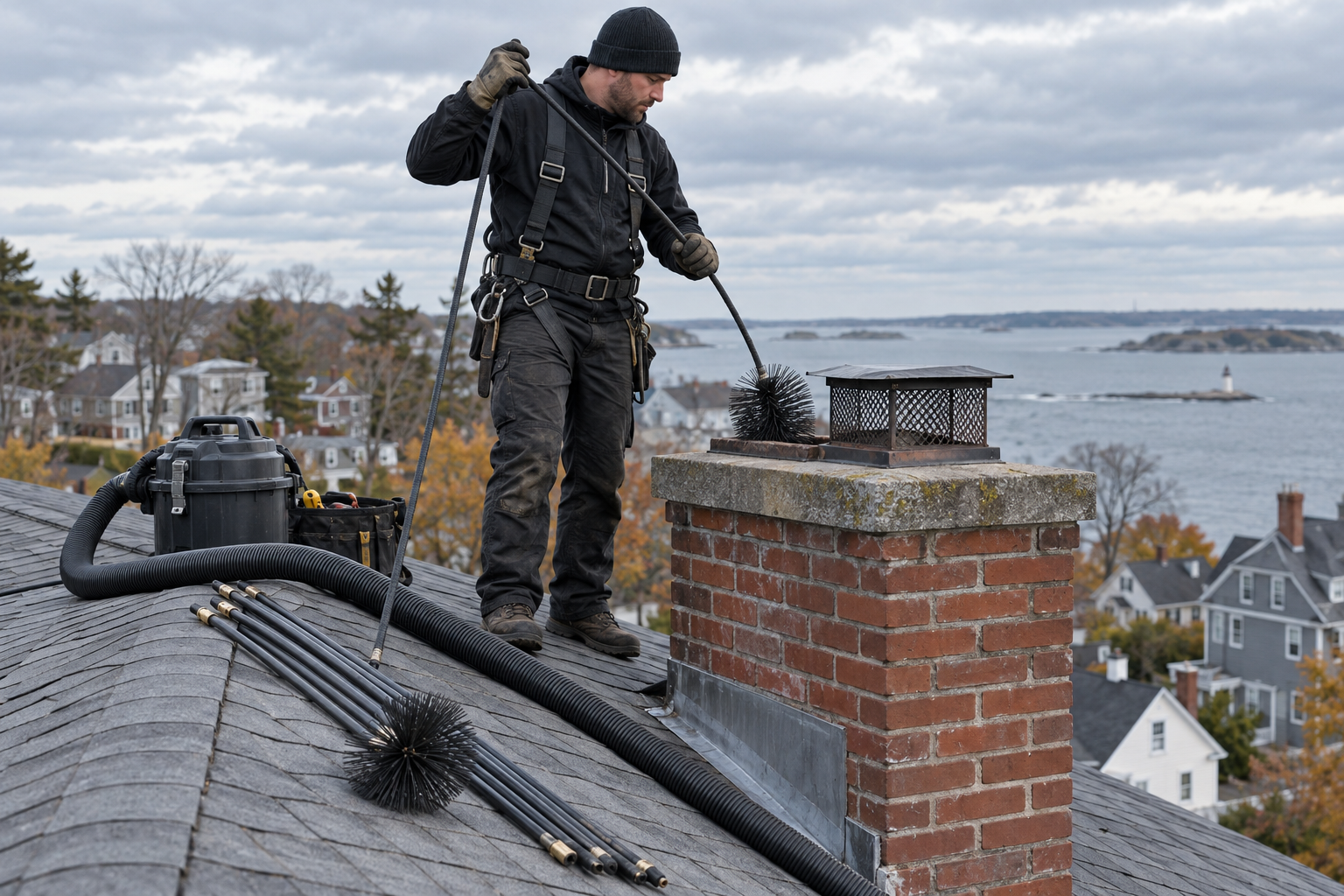
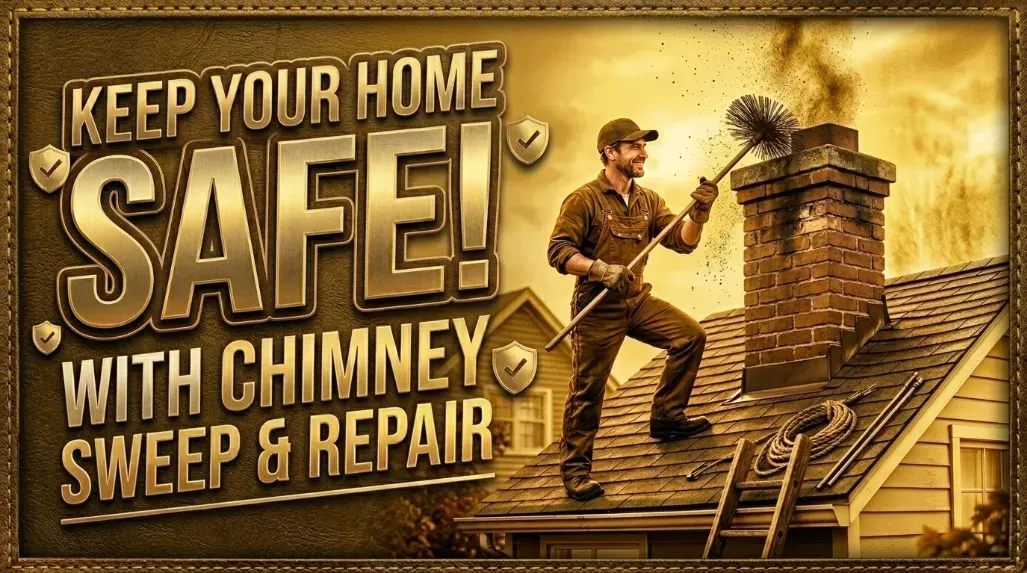
Twigs, leaves, or black soot should never fall into your firebox. This debris means an animal built a nest, or your flue is heavily clogged. Scheduling an annual Chimney Sweep clears out these dangerous hazards. A clean flue ensures the safe venting of toxic combustion gases.
7. Cracked Flue Tiles
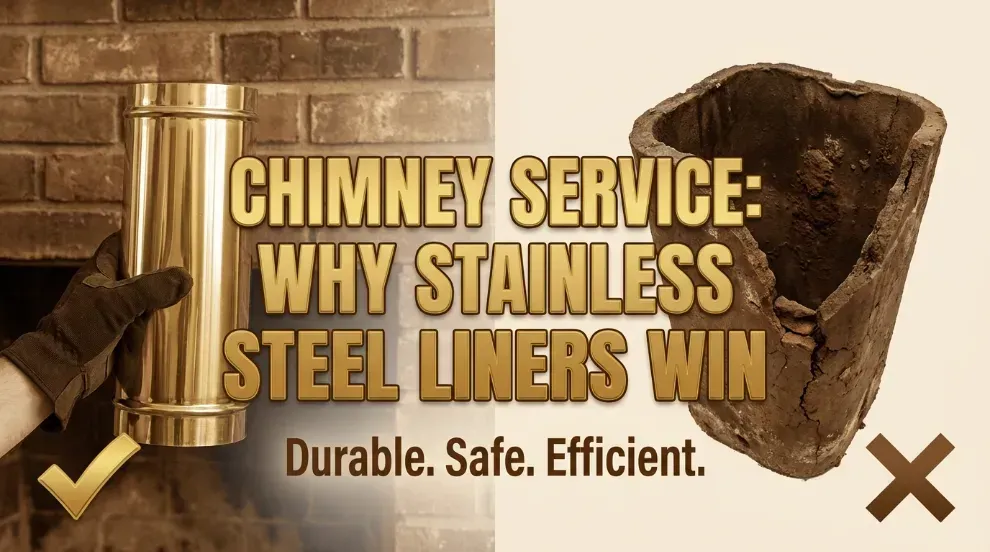
Older homes often feature basic clay tile liners. High heat or old age will crack these brittle tiles. Cracked tiles let intense heat reach your wooden house framing. Installing durable stainless steel liners provides a permanent, safe solution to this hazard.
8. White Stains on the Masonry
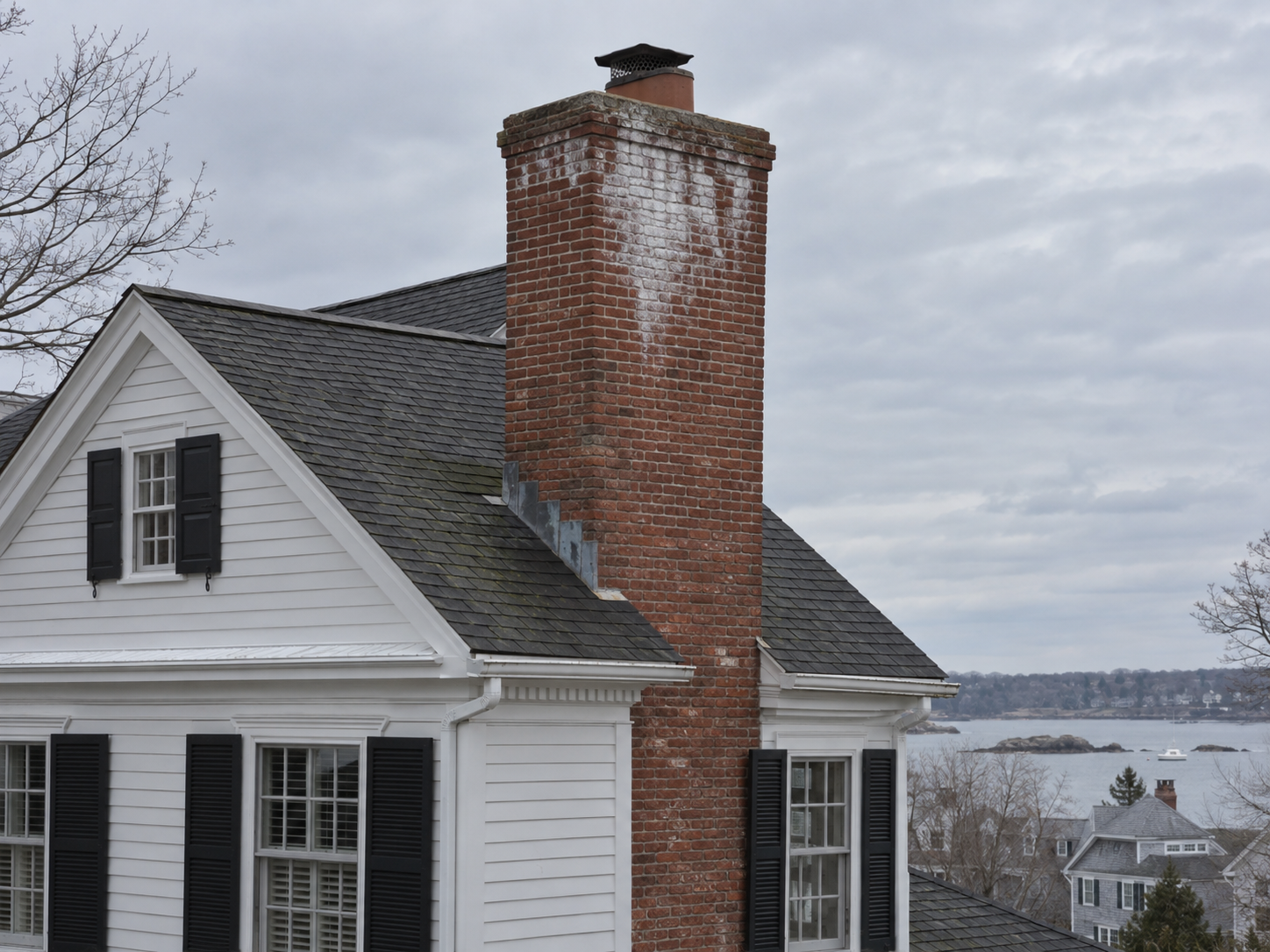
You might notice a white powdery substance on your exterior bricks. Builders call this chalky powder efflorescence. It means water is actively moving through the masonry. The water dissolves natural salts inside the brick and leaves them outside

9. Peeling Wallpaper Near the Hearth
Hidden moisture inside walls ruins expensive paint and wallpaper. If the wall above your mantel looks warped, suspect a hidden leak. The moisture often travels down the outside of the flue pipe. Fix the source of the water intrusion before repainting the room.
10. Missing or Damaged Caps
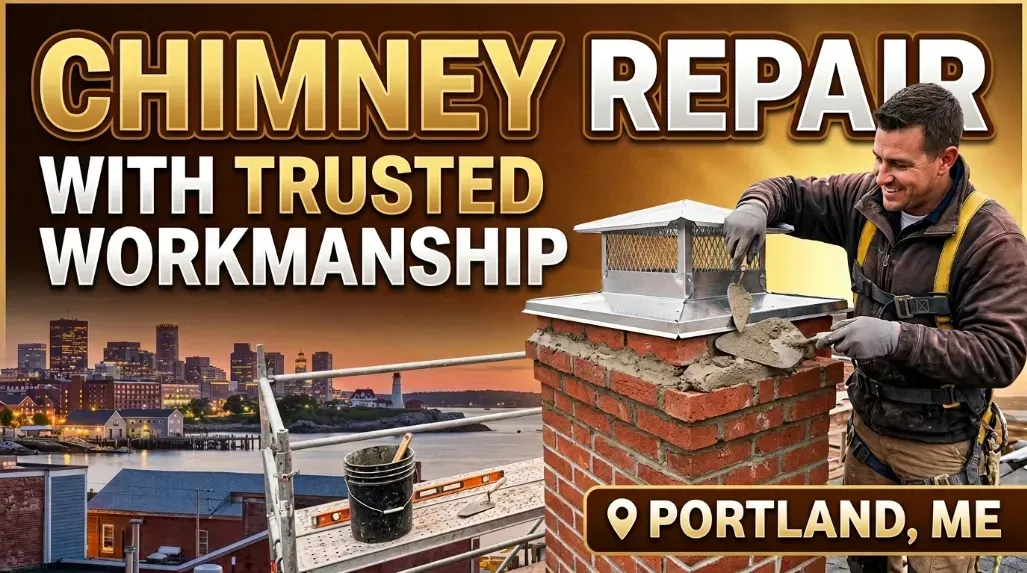
A sturdy metal cap acts as a vital umbrella for your flue. It keeps rain, snow, and local wildlife outside where they belong. High winds in Maine can blow old caps right off the roof. You need reliable Chimney Repair services to install a secure new cover.
What Happens During a Professional Inspection
You might wonder what professionals do when they arrive. First, technicians examine the exterior brickwork and roof flashing. They look for tiny cracks that let water sneak inside. Next, they inspect the interior firebox and damper assembly. They check the gutters immediately surrounding the masonry stack. Finally, they use specialized tools to check the flue liner. This complete assessment provides a clear picture of your property health.
Trust the Local Experts in Portland, ME
Protecting your property requires highly trained professionals. Spotting all these warning signs takes a very keen eye. You want a team that truly understands local Maine weather challenges. Learn more about our team of local experts and how we help our neighbors stay warm.
We take great pride in keeping local properties safe and completely dry. Do not wait until a tiny roof leak becomes a massive structural failure. Please reach out to us to schedule a thorough property inspection. You can also call us directly at (207) 975-5726 to book your service appointment today.
Frequently Asked Questions
How often should I schedule a professional inspection?
Industry safety standards recommend an inspection at least once every year. Regular checks catch small masonry problems before they grow into massive repairs. Routine inspections also ensure your heating system vents dangerous carbon monoxide safely outside.
Can clogged gutters really harm exterior brickwork?
Yes. Overflowing water runs rapidly down the side of the brickwork. The porous masonry absorbs this excess water deeply. During winter freezes, the trapped water expands and destroys the mortar joints from the inside.
What is the best time of year for sweeping services?
Late summer and early fall are the absolute ideal times for service. You want to ensure the entire system is clean before cold weather arrives. Being proactive guarantees you are fully ready for your first cozy winter fire.