7 Reasons Your Chimney Keeps Leaking Even After Heavy Rain
Key Insights and Takeaways
A leaking chimney is a serious issue for homeowners that can lead to costly structural and interior water damage. Water intrusion is typically caused by failing flashing, cracked crowns, deteriorating masonry, or a missing chimney cap. Addressing these vulnerabilities early with professional inspections and waterproofing protects your home from the harsh coastal weather of Maine.
- Damaged roof flashing and cracked concrete crowns are primary culprits for hidden attic leaks.
- Untreated porous bricks act like sponges during heavy rain and require professional masonry waterproofing.
- Missing caps and defective liners allow direct water entry and dangerous condensation buildup inside the flue.
Living in Portland, ME brings beautiful coastal scenery. It also brings heavy rain storms and harsh winters. Your house protects you from the outside elements. A chimney leak can completely ruin that comfort. Water stains on your ceiling are very stressful. A dripping noise in the fireplace is even worse.
You might wonder why water keeps getting inside. Moisture causes serious structural damage over time. It can weaken support beams and rot drywall. Many people ignore early warning signs of water intrusion. This delay often leads to massive repair bills later. Trust Select Chimney Services to help you fix this issue. We know exactly how coastal weather impacts local masonry. Our team understands the unique challenges of Maine homes. We want to keep your property safe and dry.
Why Portland Homeowners Experience Persistent Chimney Leaks
Finding the exact source of a chimney leak takes effort. Water travels in highly unpredictable ways inside a house. A small crack outside can let in gallons of water. This water might travel along roof rafters before dripping down. Let us review the seven most common causes of leaks. Understanding these problems helps you take fast action. You can trust our experienced team to identify these specific issues. We know exactly what to look for during a home inspection.
1. Damaged or Faulty Flashing
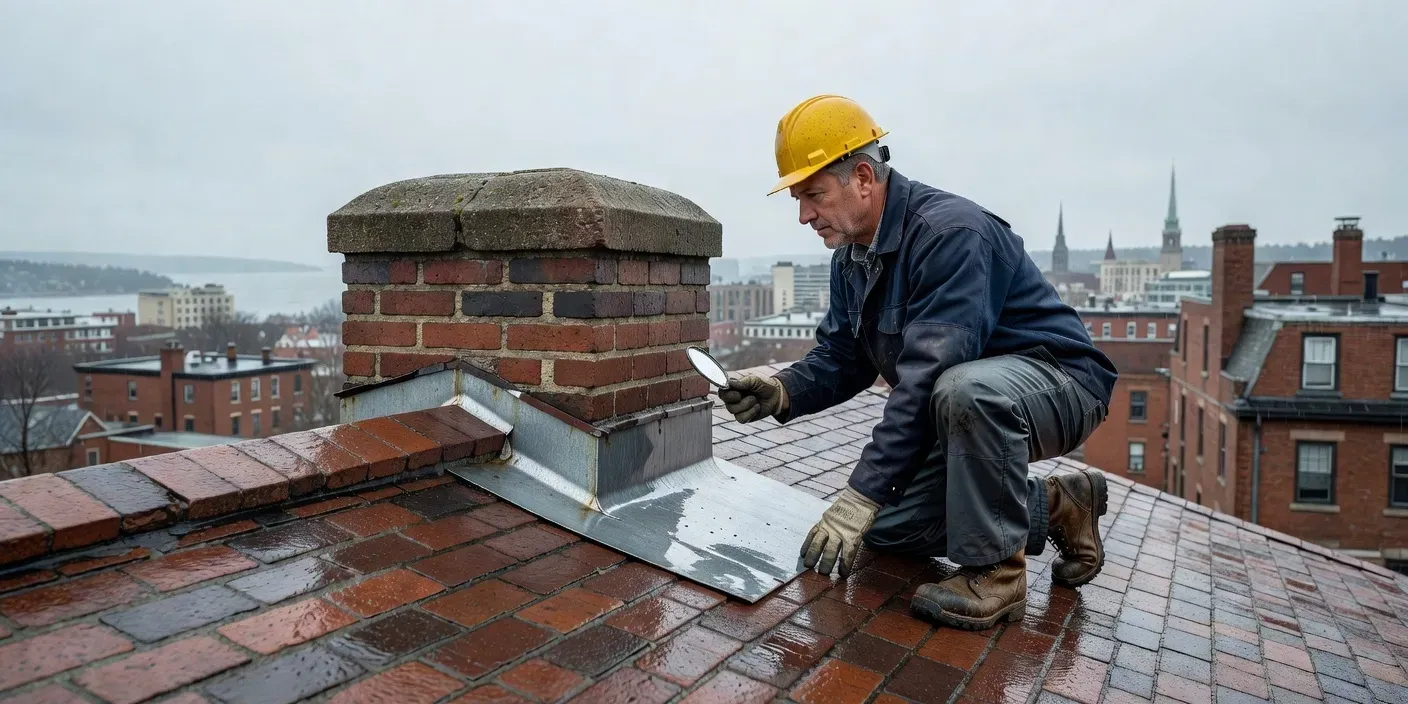
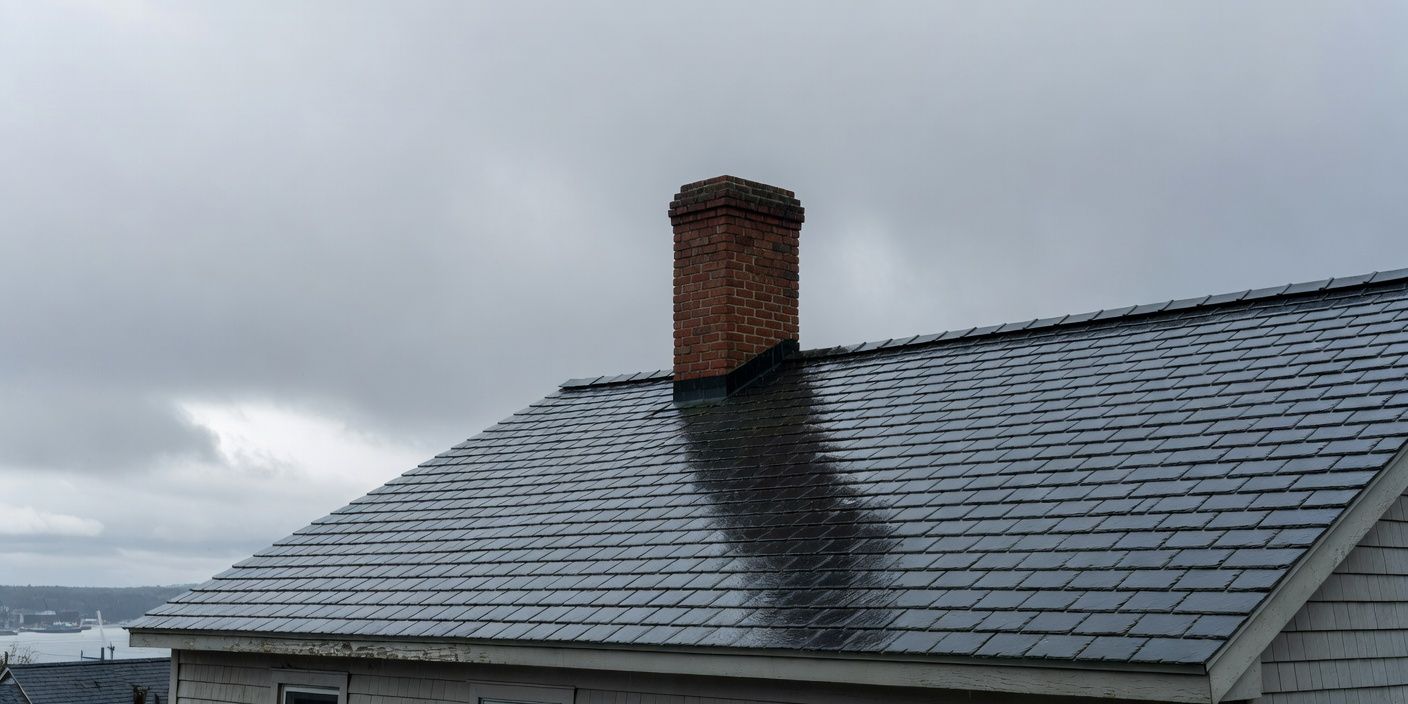
Flashing seals the gap between your roof and chimney. It consists of layered metal sheets installed tightly together. These sheets prevent rain from sliding down the brickwork. High winds can bend this protective metal quite easily. Rust also eats away at older flashing materials over time.
Once the seal breaks, water pours directly into your attic. This hidden moisture causes wood rot very quickly. A simple visual check from the ground might not reveal the damage. The sealant around the flashing also degrades from sun exposure. We highly recommend reading about the signs your home needs immediate attention regarding structural leaks. Proper flashing installation requires specific roofing and masonry expertise. Do not try to seal it with cheap caulking.
2. Cracked Chimney Crown
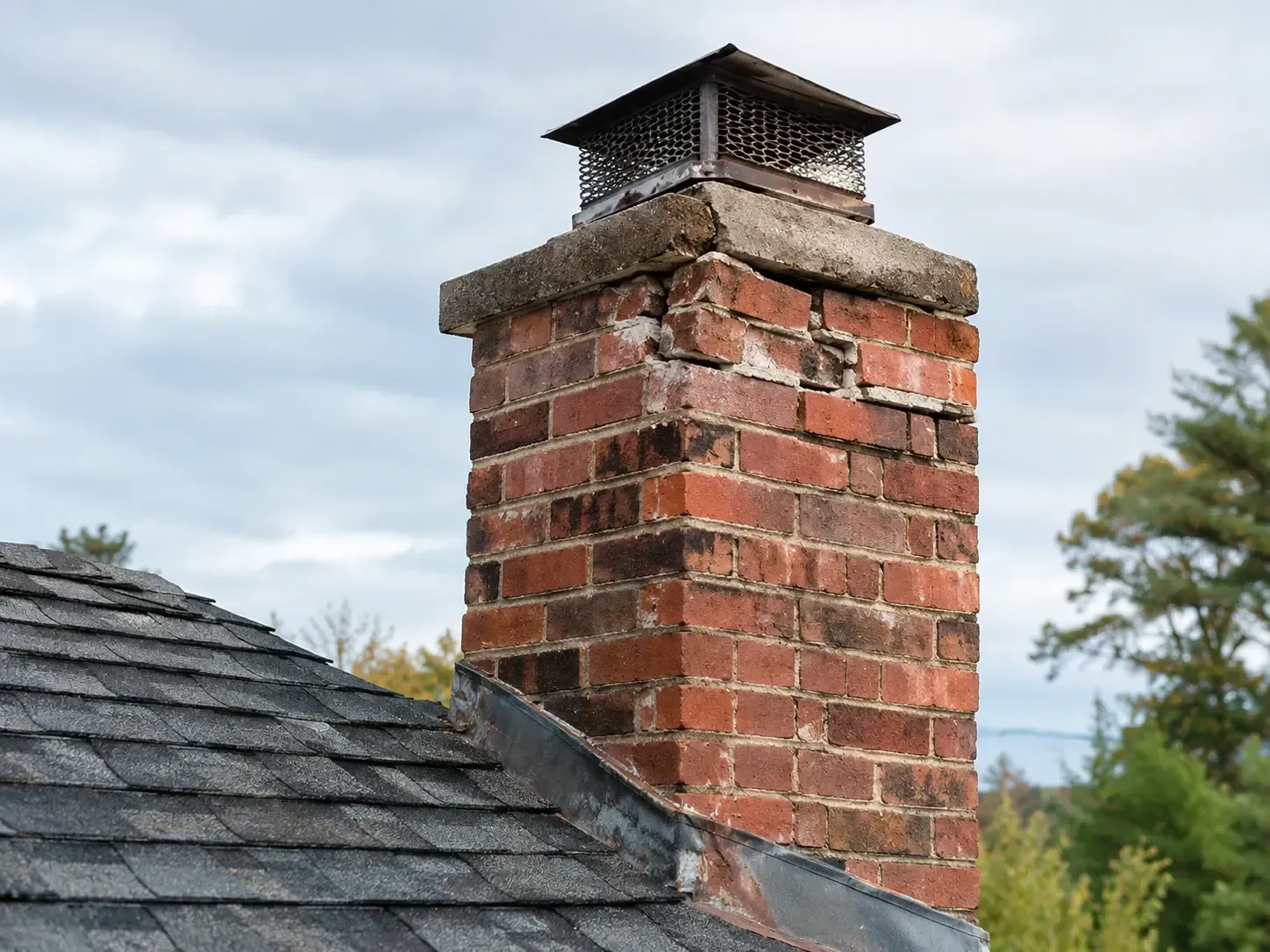
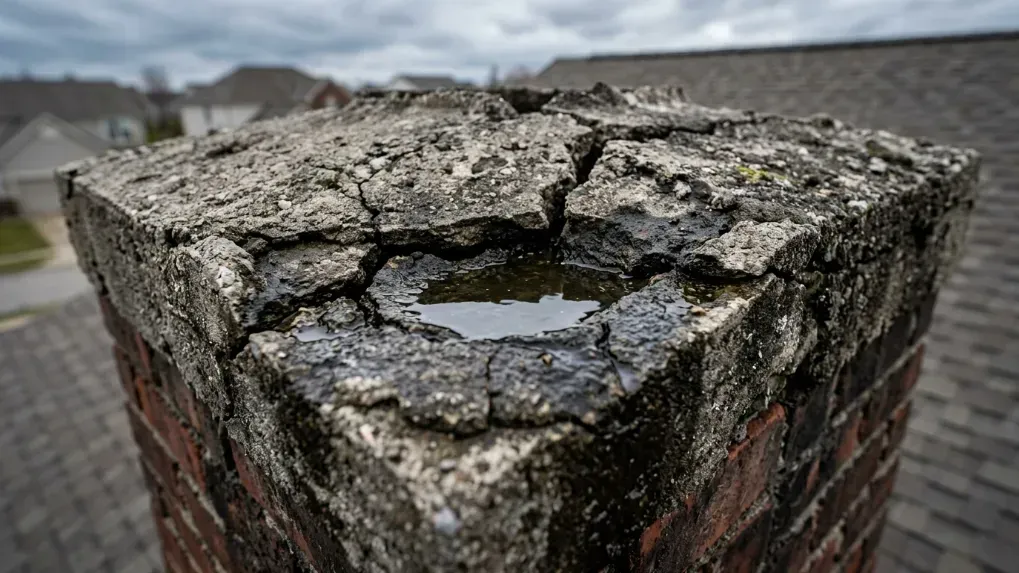
The chimney crown sits at the very top of your masonry. It acts like a thick concrete umbrella for the structure below. This concrete layer slopes outward to direct rain away safely. Sun exposure and freezing temperatures weaken the concrete constantly. Small hairline cracks form over multiple weather seasons.
Rainwater seeps deeply into these tiny structural fissures. The trapped water freezes in winter and expands the cracks. Eventually, water flows straight down into the interior chimney core. A damaged crown is a primary suspect for stubborn leaks. Repairing it early saves the interior masonry from destruction. We can rebuild crumbling crowns to restore complete protection. A sturdy crown is your first line of defense against storms.
3. Deteriorating Masonry and Mortar
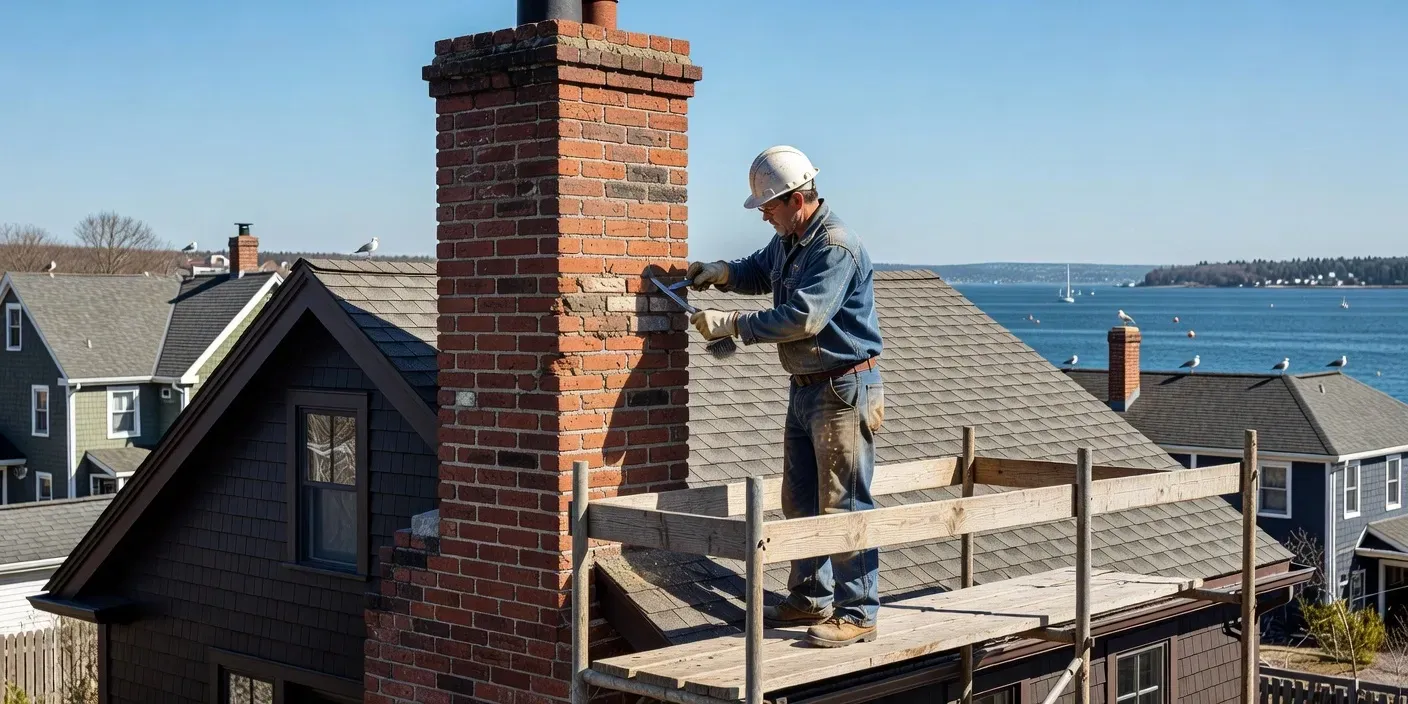
Bricks and mortar endure harsh conditions year after year. Portland rain combined with freezing temperatures destroys weak joints. The mortar between your bricks naturally breaks down over time. When mortar crumbles, water finds an easy path inside the wall. The bricks themselves can also absorb excess moisture rapidly.
This freezing and thawing process causes the brick faces to pop off. Industry experts call this specific problem brick spalling. If you see red brick dust on your roof, you have an issue. Getting expert demolition and tuckpointing replaces the missing mortar completely. This careful process restores the structural integrity of the chimney. New mortar blocks water from entering the inner cavity. It also makes your exterior look fresh and clean again.
4. Missing or Damaged Chimney Cap
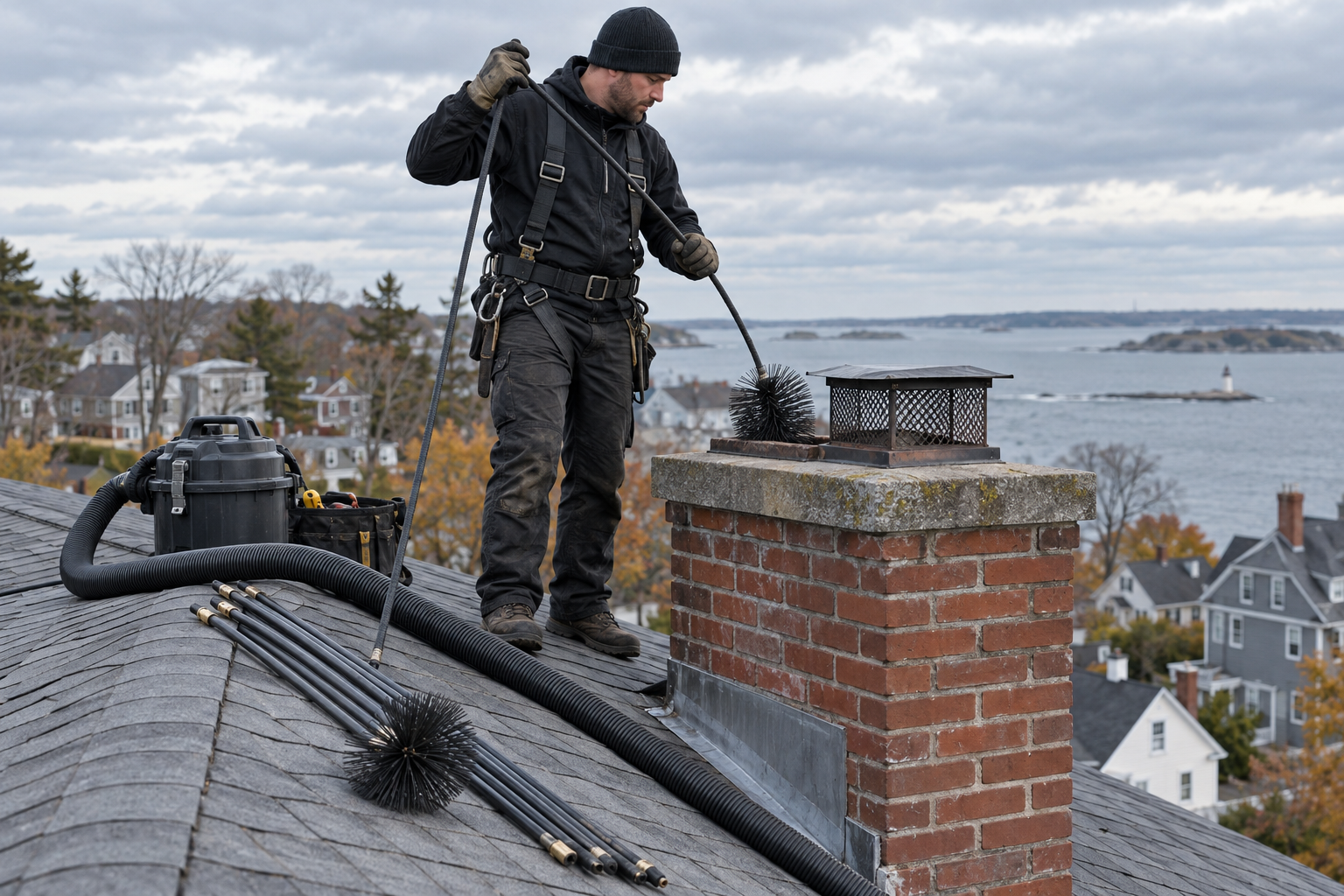
A chimney cap covers the open flue pipe securely. It serves a very simple but incredibly crucial purpose. It keeps rain, snow, and wild animals out of the pipe. Without a cap, your chimney acts exactly like an open bucket. Heavy rain falls directly into the fireplace below.
High winds can blow older caps completely off the roof. Sometimes a metal cap rusts and develops large holes. If you hear water dripping inside the firebox, check the cap first. Installing a new stainless steel cap is a fast fix. It is also a very cost-effective way to prevent major damage. Every functional chimney absolutely requires a durable cap.
5. Lack of Proper Waterproofing
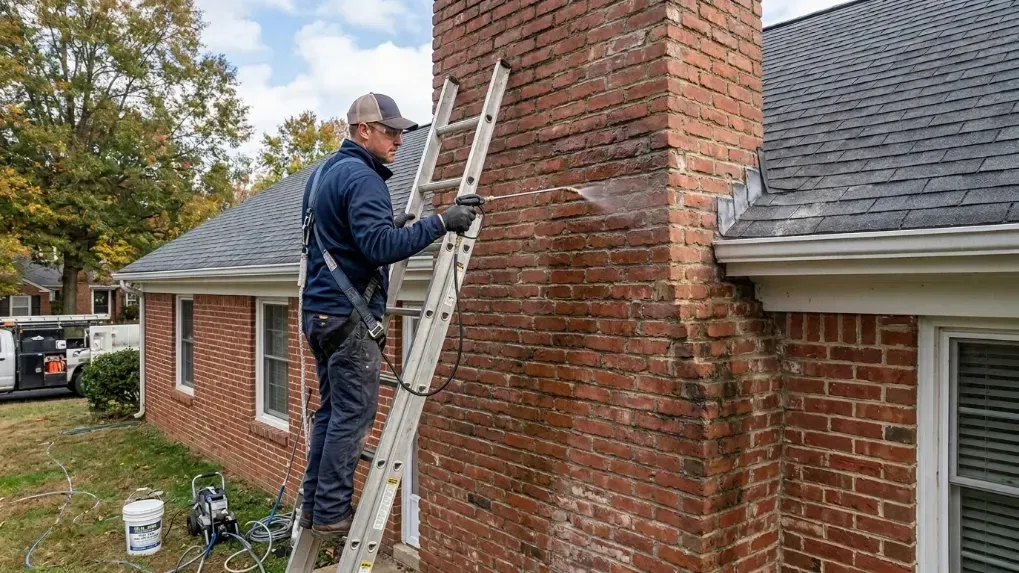
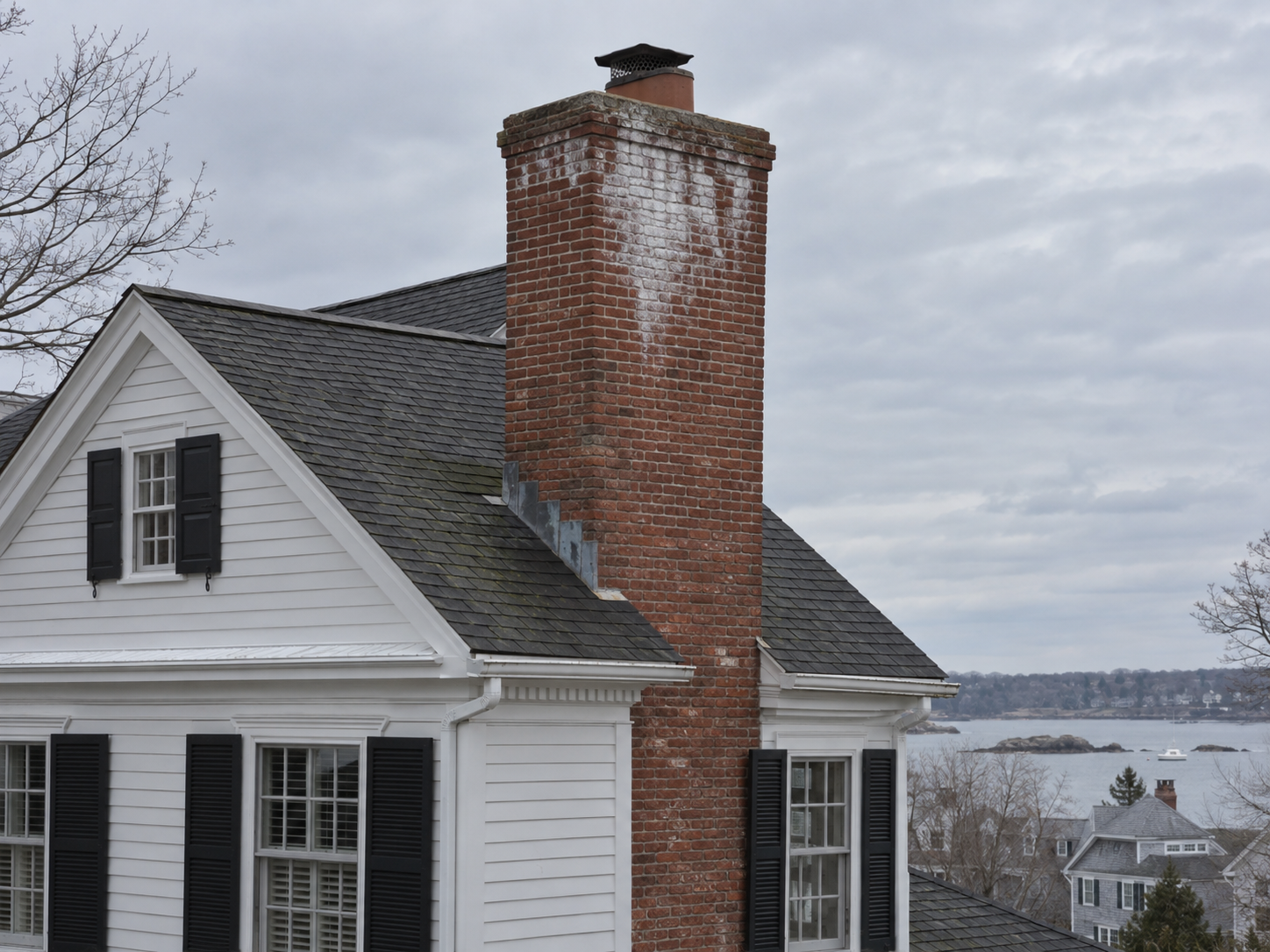
Many people mistakenly think bricks are completely solid barriers. In reality, brick is a highly porous building material. It acts just like a rigid sponge during a severe storm. During heavy rain, untreated bricks absorb massive amounts of water. This moisture transfers through the masonry straight into your walls.
Peeling wallpaper near the fireplace heavily indicates this specific problem. You can prevent this effectively with professional chimney waterproofing. The correct masonry sealant allows the bricks to breathe naturally. It simultaneously repels external liquid water from entering the pores. A high-quality treatment lasts for several years before needing reapplication. It is a vital step for proper coastal property maintenance.
6. Defective or Missing Chimney Liner
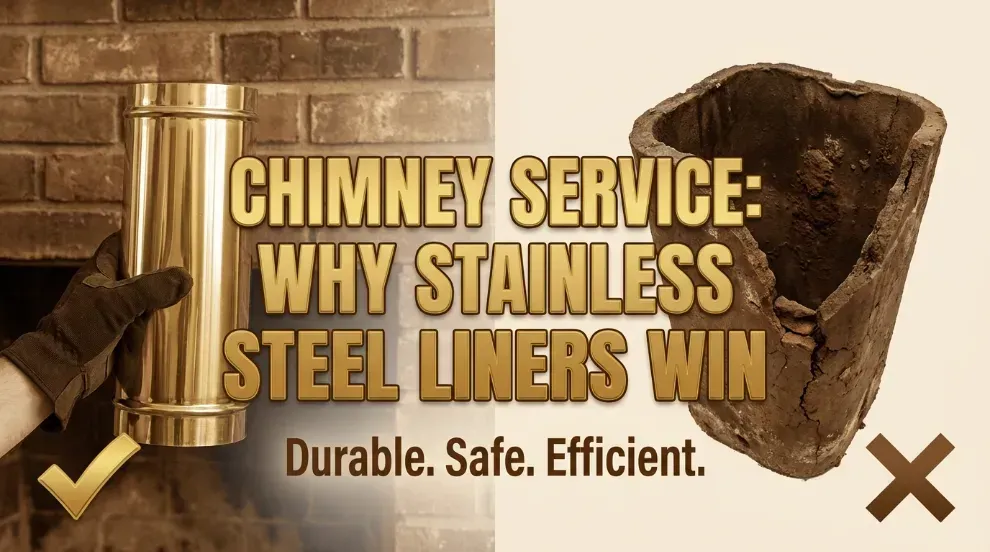
Your chimney liner protects the masonry from intense combustion heat. It also provides a smooth upward path for toxic exhaust gases. A broken liner creates severe moisture problems inside the structure. Condensation builds up inside a faulty, unlined flue system.
This trapped moisture mixes with leftover soot and dangerous creosote. The resulting acidic mixture slowly eats through the brick walls. You might notice a strong, foul odor along with the dampness. Upgrading to stainless steel liners solves this issue permanently and safely. A properly fitted liner improves draft efficiency significantly. It also stops internal moisture damage from ruining your walls.
7. Roof and Gutter Complications
Sometimes the chimney itself is not the actual root problem. Clogged gutters cause water to back up onto the roof quickly. This standing water pools dangerously around the chimney base. Roof shingles can also fail near the masonry joint. The water exploits these weak points during heavy downpours.
A roof leak often mimics a chimney leak perfectly. You should always keep your gutters entirely clear of leaf debris. Check the surrounding roof area regularly for missing or loose shingles. Proper drainage protects every part of your exterior building shell. Directing water away from the foundation keeps the entire home dry.
How to Stop the Leaks for Good
Ignoring a small drip always leads to very expensive repairs. Mold growth starts quickly in dark, damp environments. Your family safety and comfort remain our absolute top priorities. You do not have to handle these complex repairs alone.
Reach out to contact us to schedule a thorough diagnostic inspection. You can reach our Portland office directly at (207) 975-5726. We will carefully locate the exact source of your water problem. We provide reliable, lasting solutions that stand up to Maine weather. Protecting your home investment requires proactive professional care. Let us handle the hard work while you stay dry indoors.
Frequently Asked Questions
Can a chimney leak fix itself over time?
No, a chimney leak will never fix itself naturally. Masonry and metal flashing damage only worsens as time passes. Small cracks expand rapidly due to seasonal freezing and thawing cycles. You must address the physical root cause to stop the water. Delaying repairs always increases the final cost of the project.
How much rain does it take to cause a leak?
A severe leak can happen during a very light, steady drizzle. It all depends entirely on the size of the structural opening. Heavy wind-driven rain forces water into smaller gaps much faster. Even tiny amounts of persistent moisture cause hidden damage over time. Any visible water inside means the exterior defenses have failed.
Is waterproofing my chimney actually worth the cost?
Yes, professional waterproofing is a very smart financial investment. It extends the practical lifespan of your masonry significantly. The specialized sealant prevents expensive water damage immediately. It also stops unsightly interior wall staining around your fireplace. The treatment costs much less than a full brick chimney rebuild.