Noticing a Burning Smell? It's Time to Schedule Chimney Cleaning Near Port
Key Takeaways and Insights
A lingering burning smell from your fireplace is a critical warning sign of creosote buildup, moisture intrusion, or restricted airflow. Ignoring these odors can lead to poor indoor air quality, severe structural damage, or dangerous chimney fires. Routine professional maintenance ensures your fireplace remains safe, efficient, and ready to handle the harsh demands of Maine winters.
Acrid or campfire smells usually indicate dangerous levels of highly flammable creosote stuck to your flue walls.
Musty odors mean water is entering your masonry. Professional waterproofing and tuckpointing prevent expensive structural collapse.
Prioritize Prevention: Annual inspections and professional sweeping are the most effective ways to eliminate odors and protect your home investment.
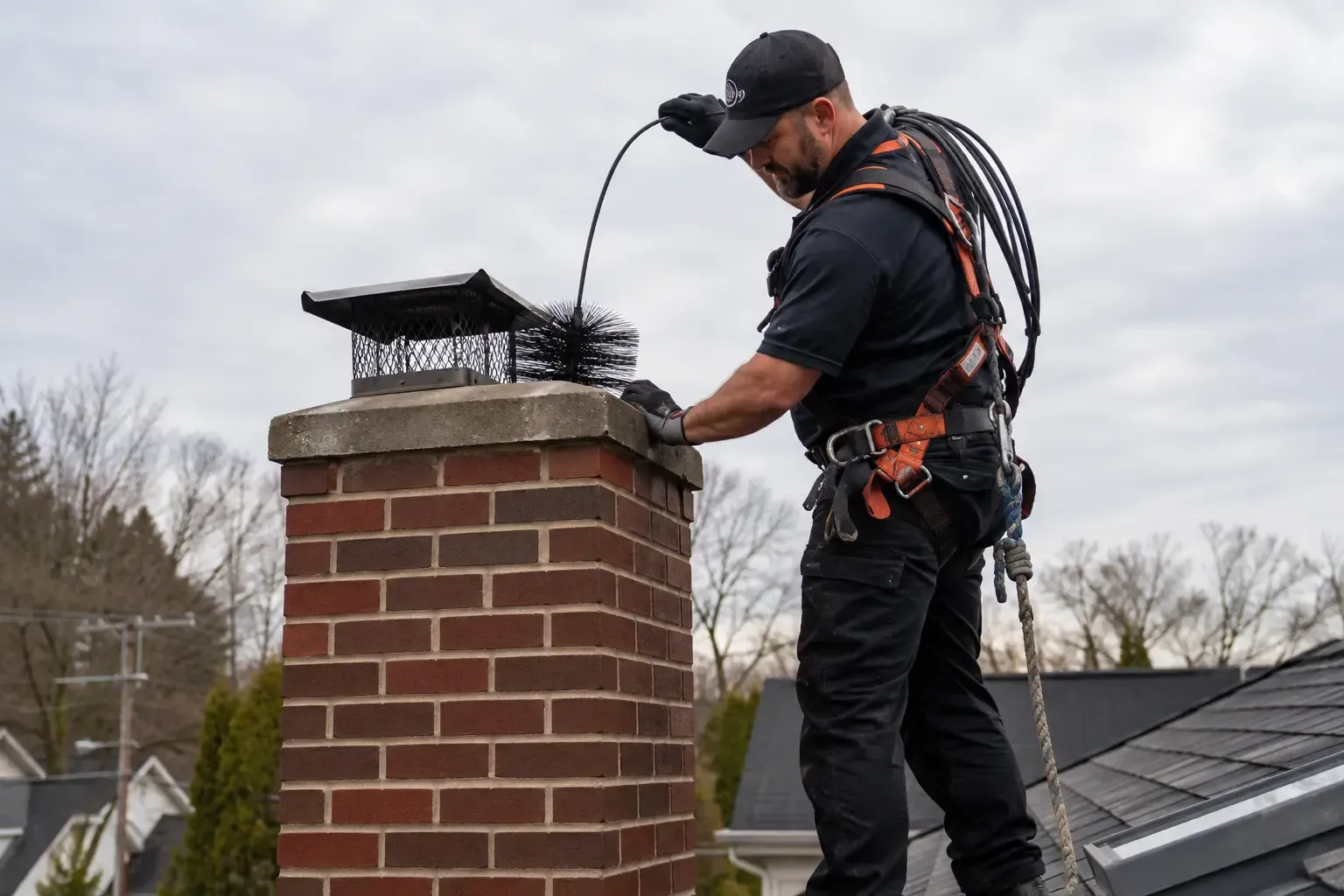
You walk into your living room and notice a distinct campfire odor. The problem is that you have not lit a fire in days. That lingering burning smell is more than just a minor annoyance. It is a clear warning sign from your home. Your fireplace system is holding onto dangerous byproducts, moisture, or blockages.
Homeowners across Maine rely heavily on their fireplaces to stay warm during brutal winters. Regular use takes a toll on your masonry and venting systems. Ignoring strange odors can lead to poor indoor air quality, costly structural damage, or devastating chimney fires. Recognizing the root causes of these smells helps you take action quickly.
Understanding the Source of That Burning Odor
A clean chimney rarely produces a noticeable smell. When you detect a strong odor in your home, it means air is pulling contaminants down the flue and into your living space. Several different factors can cause this issue.
The most common culprit is creosote buildup. Creosote is a highly flammable byproduct of burning wood. It coats the inner walls of your flue over time. When humidity levels rise or warm air enters the chimney, this dark substance emits a harsh, acrid smell. Creosote comes in three stages. The first stage is light and dusty. The third stage is a thick, glazed tar that is incredibly dangerous. All stages require professional attention.
Negative air pressure also plays a huge role in chimney smells. Modern homes are tightly sealed to preserve energy. This tight seal can create a vacuum effect. Instead of air flowing up and out of your house, outside air is pulled down the chimney. This downdraft carries the smell of soot and ash directly into your home.
Debris and animal nests are another common source of bad smells. Birds, squirrels, and raccoons frequently seek shelter inside unprotected flues. They build nests out of dry leaves and twigs. Sometimes, these animals get trapped. The combination of decaying debris and restricted airflow creates a terrible odor.
Comprehensive Chimney Services Prevent Disasters
Addressing a smelly fireplace requires more than a simple surface wipe. Routine maintenance is the best way to protect your property and your family. Professional chimney services ensure every component of your system functions safely.
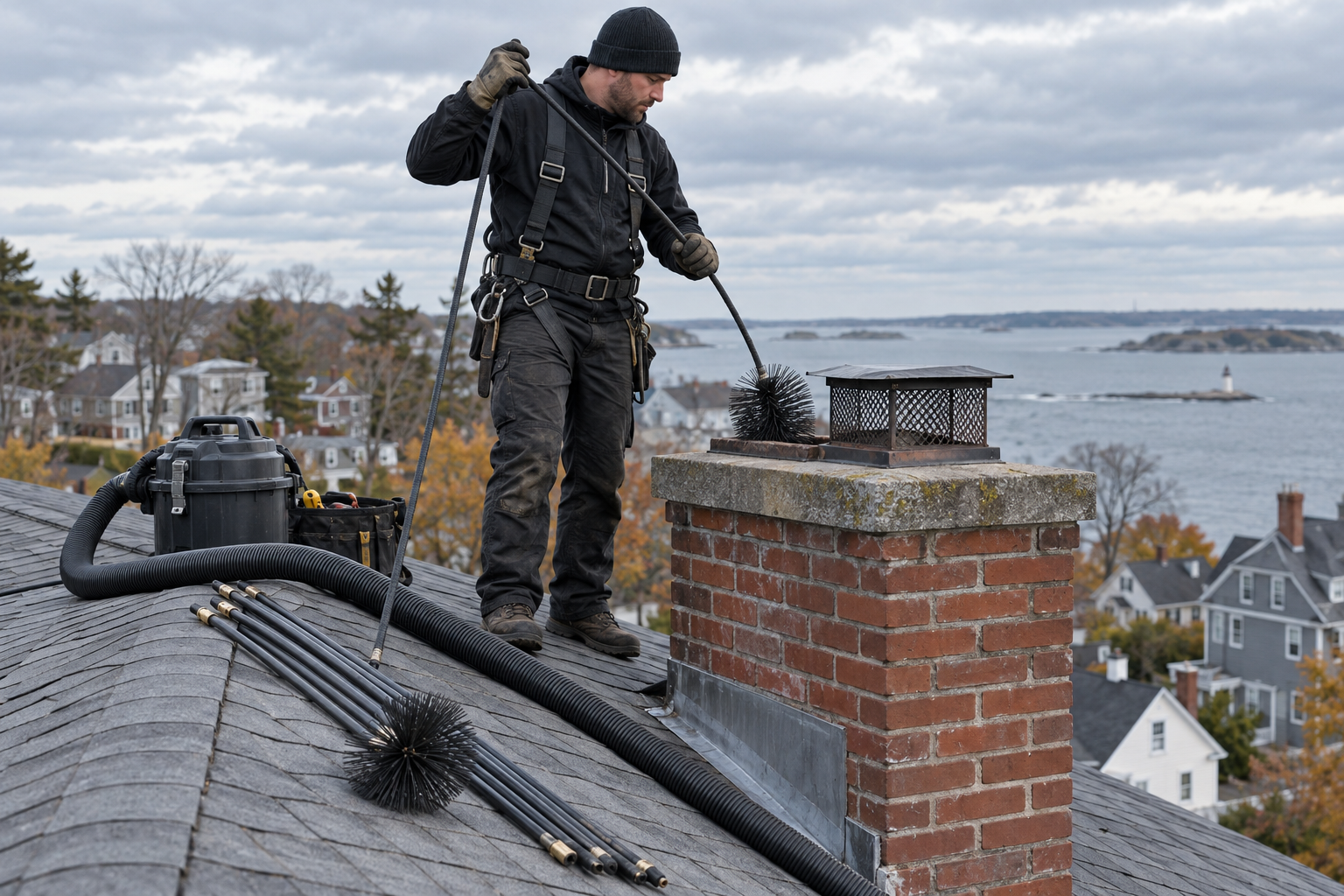
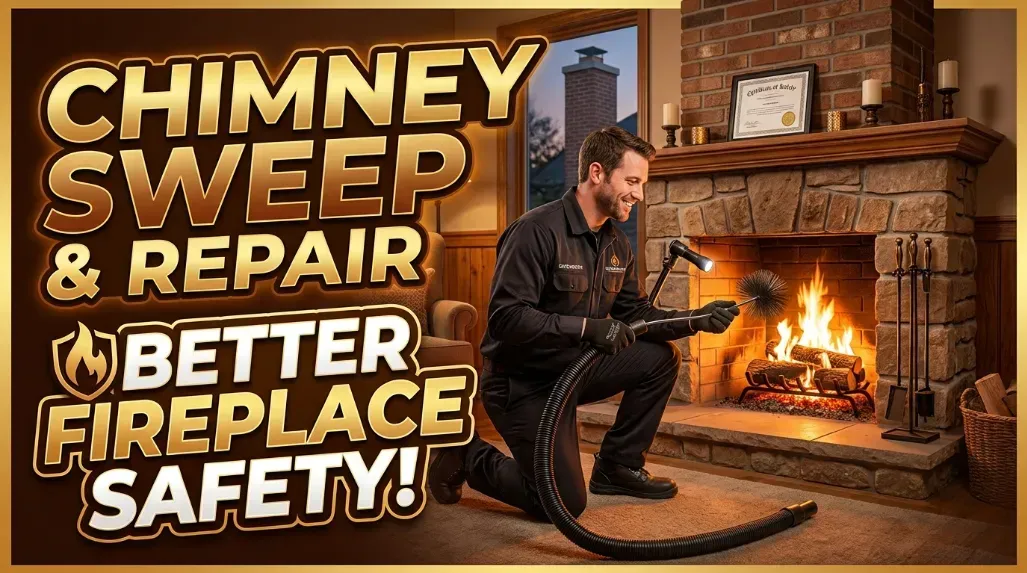
A thorough inspection identifies hidden hazards before they become expensive problems. Technicians use specialized tools and cameras to look deep inside your flue. They check for cracks in the tile, missing mortar, and severe creosote glazing. Sweeping the system removes the flammable buildup that causes those stubborn burning smells.
Regular maintenance also improves the efficiency of your fireplace. A clean flue allows smoke and harmful gases to exit your home quickly. This reduces the risk of carbon monoxide exposure. It also ensures your fires burn hotter and cleaner, giving you better heat output during cold Maine nights.
The Threat of Moisture Intrusion
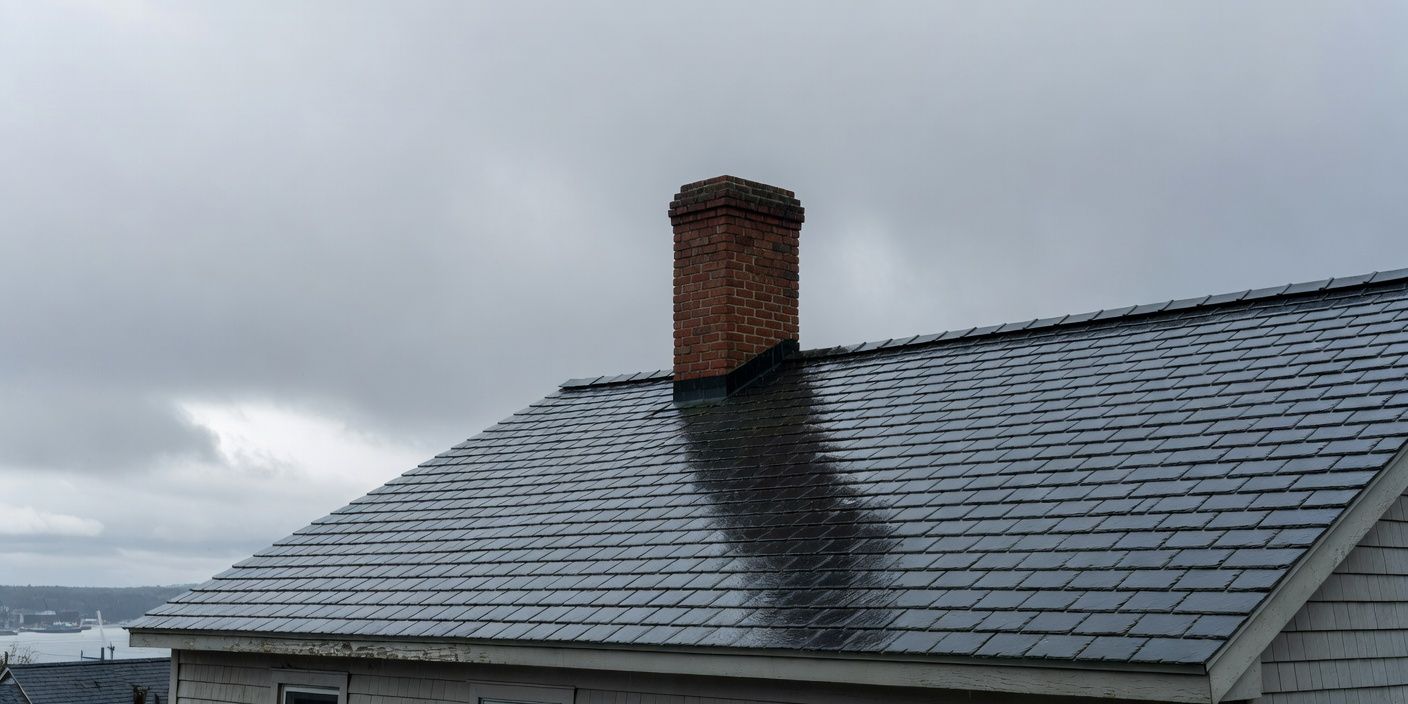
Moisture is the worst enemy of any masonry structure. Maine experiences heavy snowfall, freezing temperatures, and driving spring rain. When water mixes with creosote inside your flue, it creates a very distinct, musty barbecue smell. This odor often becomes much worse during humid summer months.
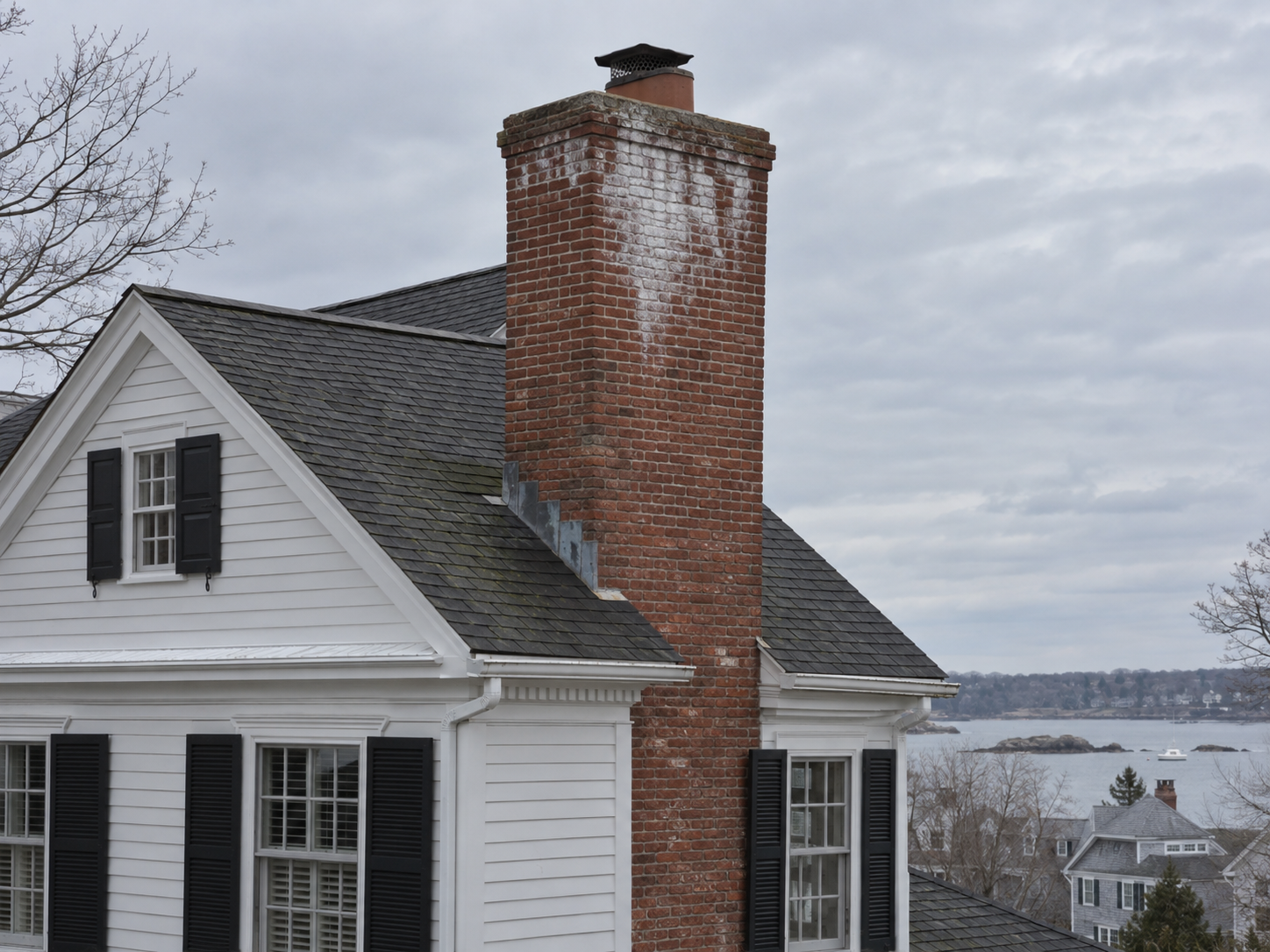
Water does more than just cause bad smells. It destroys bricks and mortar from the inside out. Brick is a porous material. It absorbs rain and melting snow like a sponge. When temperatures drop below freezing, that trapped water expands. This freeze and thaw cycle cracks the masonry and causes the face of the bricks to pop off.
Stopping water from entering your system is crucial. Applying a breathable, industrial-grade water repellent extends the life of your masonry. Investing in professional waterproofing solutions seals the porous brick without trapping internal vapors. This process eliminates the moisture that makes creosote smell so bad.
Structural Upgrades for Older Maine Homes
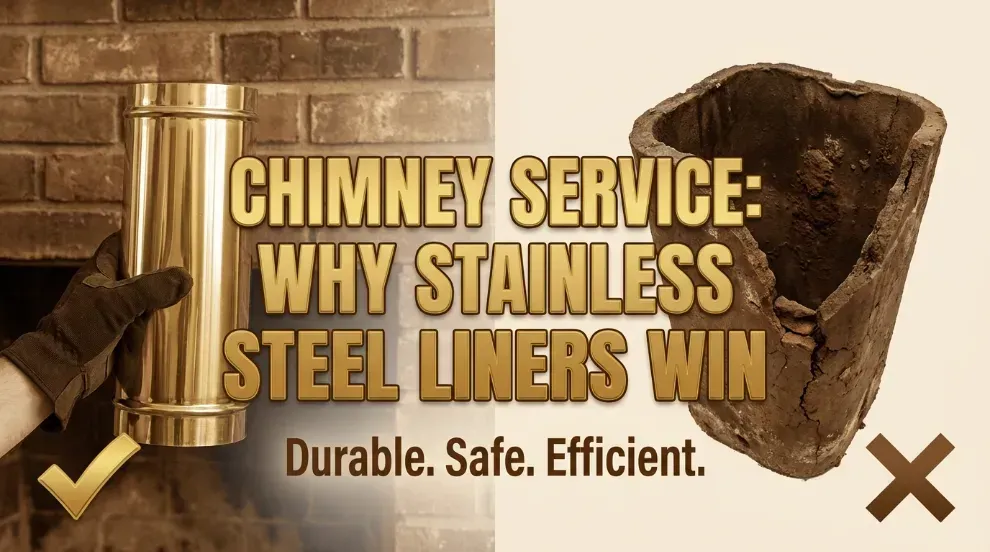
Many older homes in our area feature beautiful, historic fireplaces. However, these aging structures often lack modern safety features. Over time, the constant exposure to extreme heat and corrosive gases degrades the original clay tile liners.
A cracked or missing flue liner is incredibly dangerous. It allows intense heat to transfer to the combustible wooden framing of your house. It also allows smoke and dangerous fumes to seep into your walls. If your chimney lacks a proper liner, or if the current liner is severely damaged, an upgrade is necessary.
Upgrading your system provides peace of mind. By installing a stainless steel liner, you create a smooth, seamless path for exhaust gases. Stainless steel is highly resistant to corrosion and heat. A new liner improves the drafting capability of your fireplace. Better drafting means fewer downdrafts and fewer smells entering your living room.
Restoring Damaged Masonry
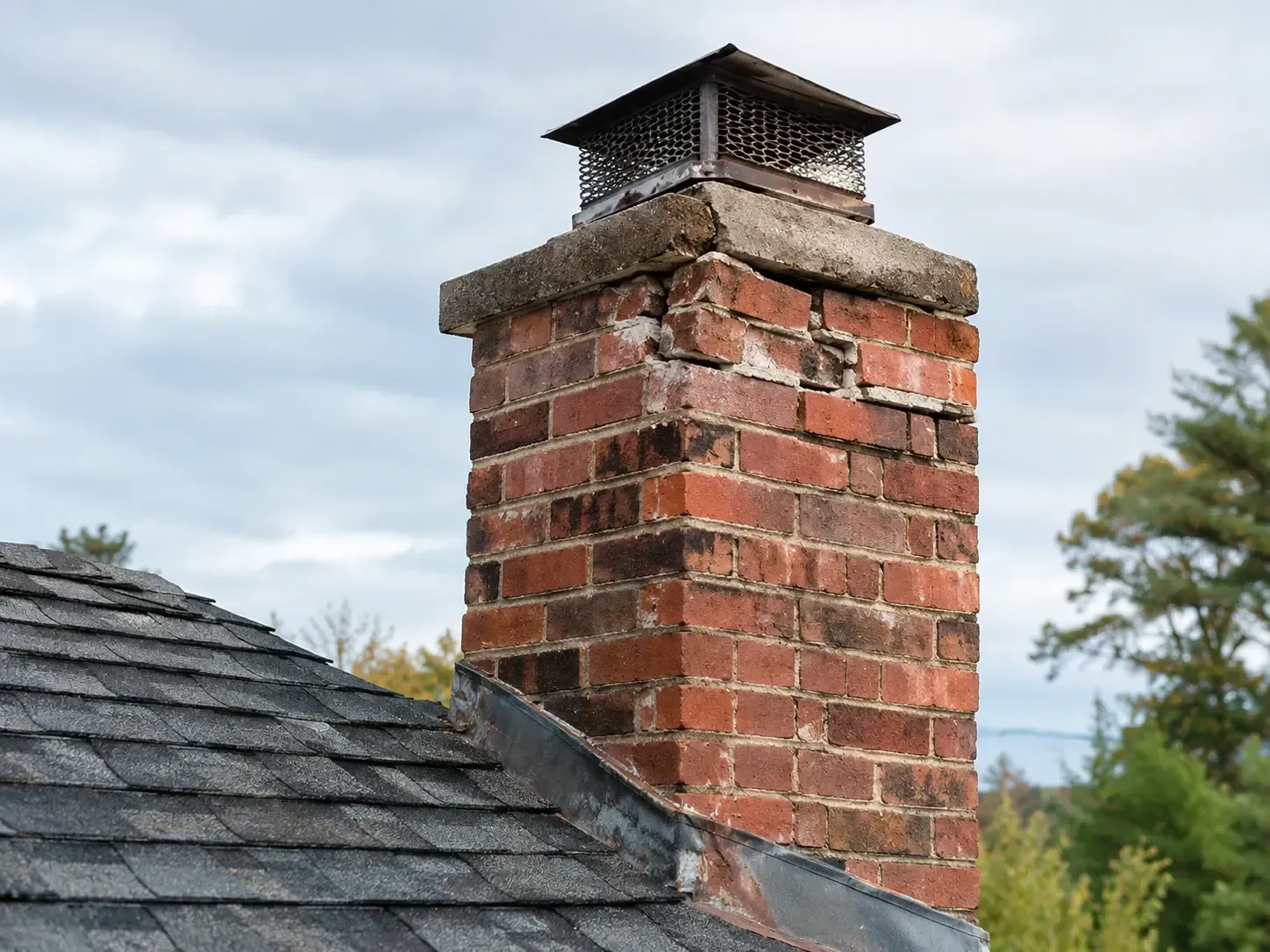
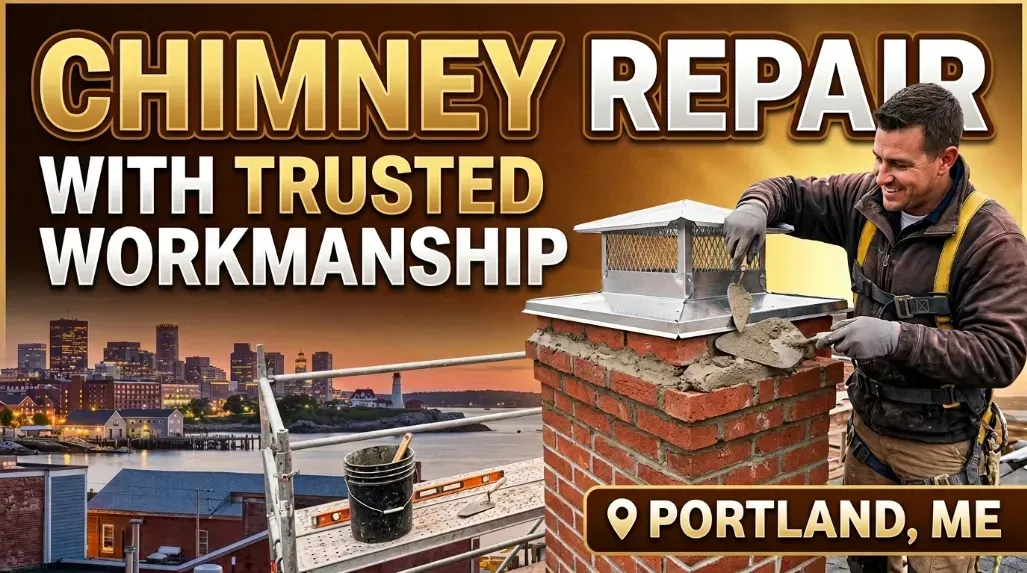
Sometimes a chimney requires structural repair to remain safe. Decades of harsh weather can wash away the mortar joints between your bricks. This creates gaps where water and pests can easily enter.
Repairing these gaps requires specialized skills. The process involves grinding out the old, failing mortar and replacing it with fresh material. This restores the structural integrity of the stack and stops water leaks instantly. For older homes showing signs of severe wear, professional demolition and tuckpointing will save the chimney from a complete, expensive collapse. Properly maintained masonry looks beautiful and keeps the harsh elements outside where they belong.
Identifying Your Chimney Odor Profile
Different smells indicate different problems inside your flue. Understanding what you are smelling helps you communicate effectively with a maintenance professional.
| Odor Description | Most Likely Cause | Safety Risk Level | Recommended Action |
|---|---|---|---|
| Campfire or Barbecue | Creosote buildup on flue walls | High | Schedule a professional sweeping immediately. |
| Musty or Damp Earth | Water intrusion mixing with soot | Medium | Inspect chimney cap and apply masonry waterproofing. |
| Rotting or Foul Smell | Animal nests or trapped wildlife | High | Remove debris and install a protective chimney cap screen. |
| Sharp Chemical Scent | Burning unseasoned or treated wood | Medium | Clean the flue and only burn properly seasoned hardwoods. |
| Cold Soot or Ash | Negative air pressure in the home | Low | Install a top-sealing damper to block downdrafts. |
Protecting Your Home Across Southern Maine
Owning a home in Maine requires staying ahead of seasonal maintenance. The transition from fall to winter happens fast. You do not want to light your first fire of the season only to discover a severe blockage or an overwhelming smell of smoke.
Safety is always the top priority for homeowners in Portland, South Portland, Augusta, and York. Taking care of your chimney adds value to your property. It ensures your heating system operates safely when you need it most. Routine care prevents minor issues from turning into major reconstruction projects.
If you notice an unusual smell near your fireplace, take it seriously. It is a signal that your system needs professional attention. Reach out to Select Chimney Service to schedule a comprehensive evaluation. Our local experts understand the unique challenges of maintaining masonry in the Maine climate. We are located right here in Portland, ME 04019, and we are ready to keep your home safe, warm, and odor-free.
Frequently Asked Questions
Why does my chimney smell worse during the summer?
Summer heat and high humidity intensify the smell of the creosote trapped inside your flue. The hot summer air causes the creosote to emit stronger vapors. Additionally, air conditioning can create negative air pressure inside your house, pulling those strong odors down the chimney and into your living areas.
Can I use a sweeping log to fix the burning smell?
No. Sweeping logs are designed to loosen very light, flaky surface soot. They do not remove thick, glazed creosote. They also cannot fix water leaks, remove animal nests, or repair broken masonry. A persistent smell requires a physical inspection and a professional sweeping to resolve safely.
How often should I schedule an inspection in Maine?
You should schedule a professional inspection at least once every single year. Maine winters require heavy fireplace use, which creates rapid creosote buildup. Annual inspections ensure your system is clear of blockages and structurally sound before the freezing weather arrives.