8 Common Chimney Problems That Can Lead to Expensive Home Repairs
Key Insights and Takeaways
Ignoring minor chimney issues often leads to severe structural degradation and highly expensive restoration projects for property owners. Proactive maintenance, including routine sweeping, masonry waterproofing, and swift component replacement, preserves the safety and efficiency of your heating system. Partnering with certified local professionals ensures precise diagnostics that address environmental wear before it compromises your home.
- Routine professional inspections mitigate the risks of hazardous creosote buildup and deadly flue blockages.
- Addressing deteriorating mortar and installing appropriate waterproofing prevents extensive internal structural decay.
- Replacing missing caps and cracked flue liners protects your property against moisture infiltration and thermal shock.
Owning a property in Portland, ME, means preparing for severe weather variations that heavily impact exterior structures. The constant fluctuation between freezing temperatures and coastal humidity creates unique challenges for masonry. When homeowners ignore early signs of wear, minor masonry degradation rapidly evolves into severe structural instability. Partnering with Select Chimney Services ensures that small vulnerabilities are diagnosed and corrected before they compromise the integrity of your entire property. Many property owners attempt to diagnose these issues themselves, but understanding the risks of DIY masonry work is vital for long-term safety and structural security.
The Value of a Professional Chimney Sweep and Chimney Repair
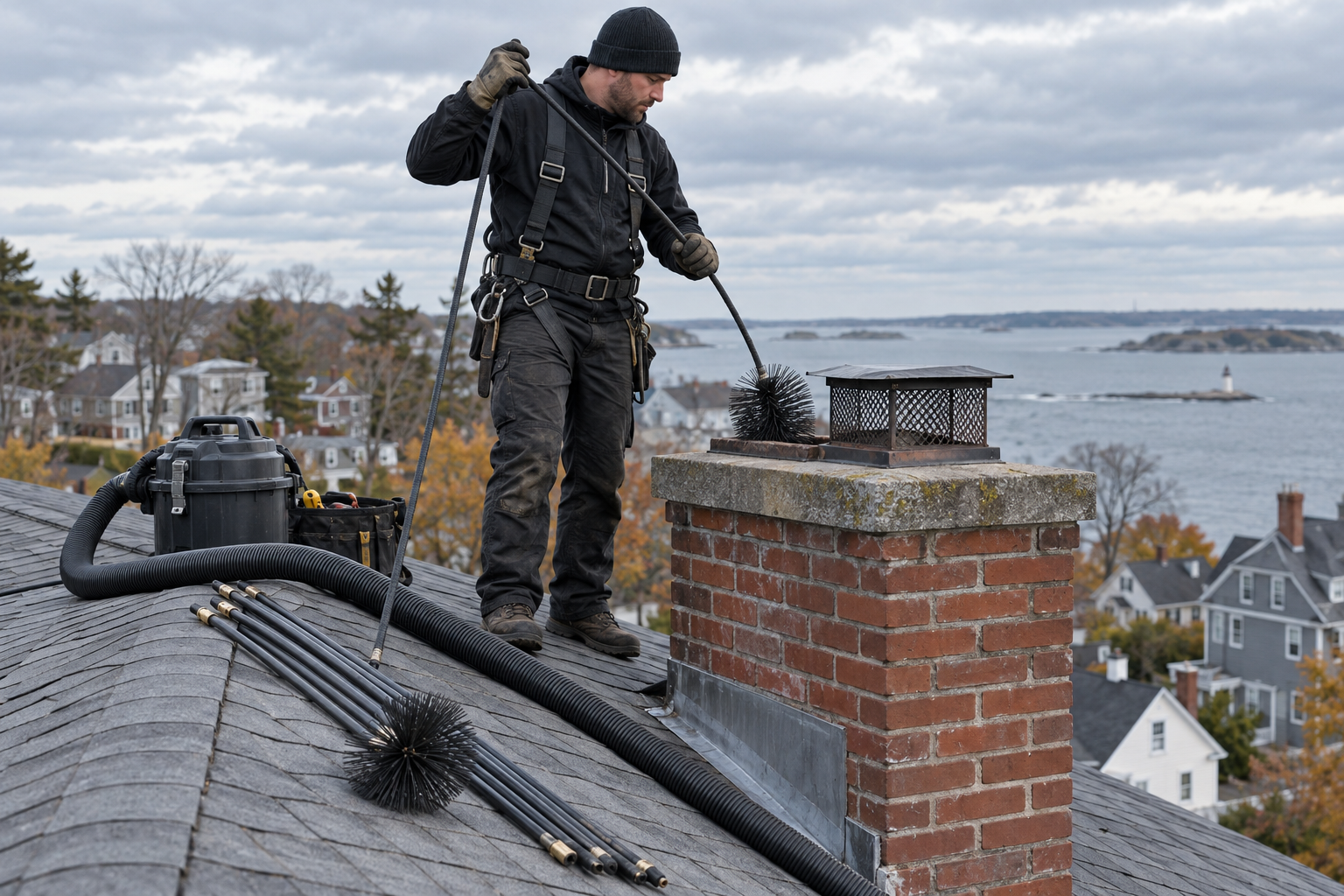
Maintaining structural integrity requires more than just periodic visual inspections. Engaging a professional chimney sweep and chimney repair specialist provides a comprehensive evaluation of internal and external components. Certified technicians possess the specific equipment and trained expertise necessary to identify microscopic fractures, improper ventilation, and chemical buildups that threaten the safety of your property. Routine professional maintenance serves as the strongest defense against exorbitant restoration costs and dangerous internal fires.
8 Critical Structural and Functional Issues
Recognizing the early warning signs of degradation allows homeowners to take prompt action. The following eight problems represent the most frequent issues that necessitate professional intervention.
1. Deteriorating Mortar Joints
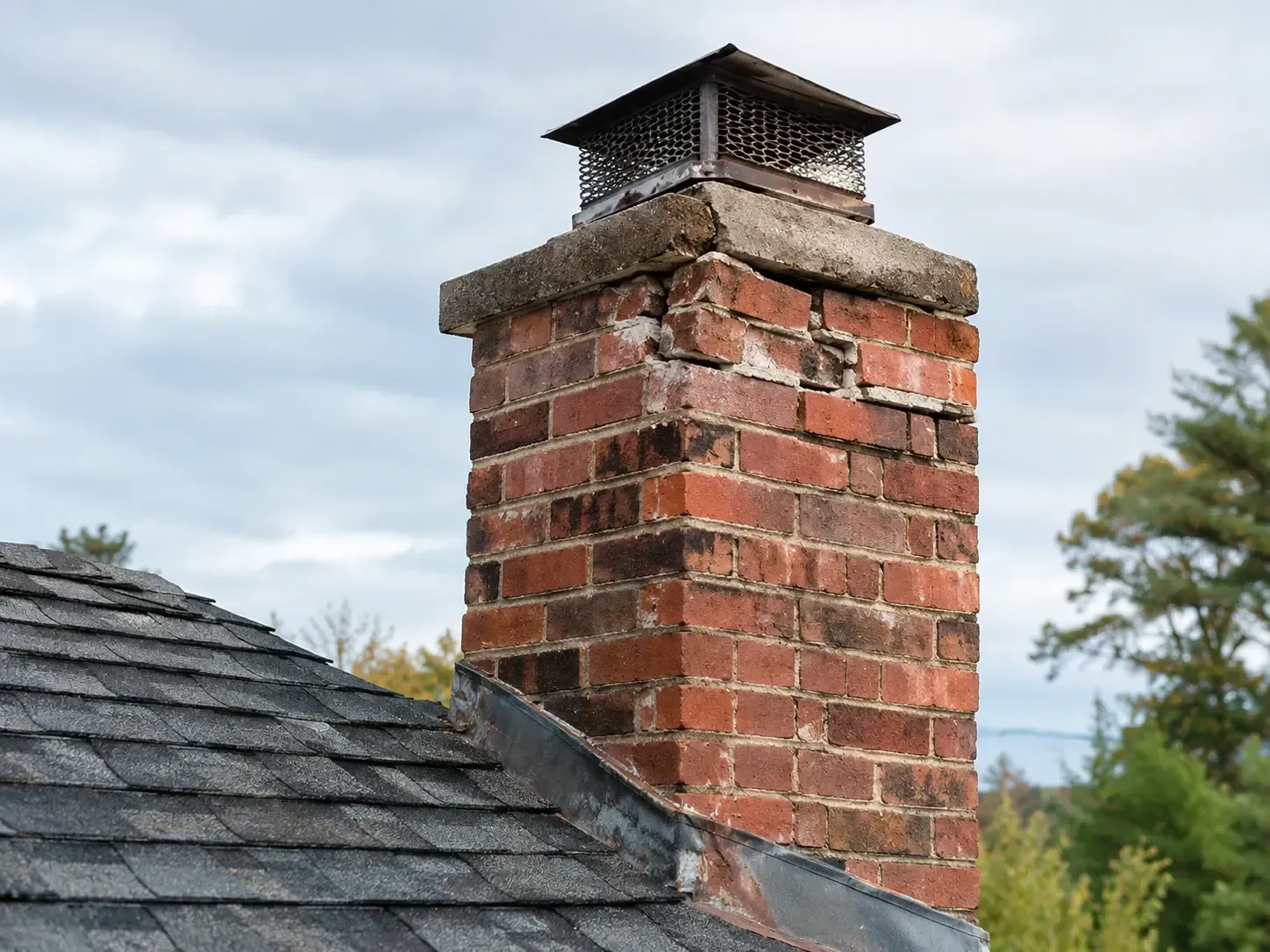
Mortar joints absorb the brunt of environmental stress over time. Continuous exposure to rain, snow, and wind causes the mortar to crumble, leaving the surrounding bricks vulnerable to shifting. When moisture penetrates these failing joints, it accelerates the decay of the entire structure. Addressing this requires professional demolition and tuckpointing to remove the decayed material and inject fresh, structurally sound mortar.
2. Missing or Damaged Chimney Caps
The cap serves as the primary barrier against external intrusions. A damaged or missing cap allows rain, debris, and local wildlife to enter the flue directly. Moisture traveling down an exposed flue interacts with ash to form acidic compounds that actively eat away at interior masonry walls. Replacing a compromised cap is a straightforward procedure that prevents massive internal water damage.
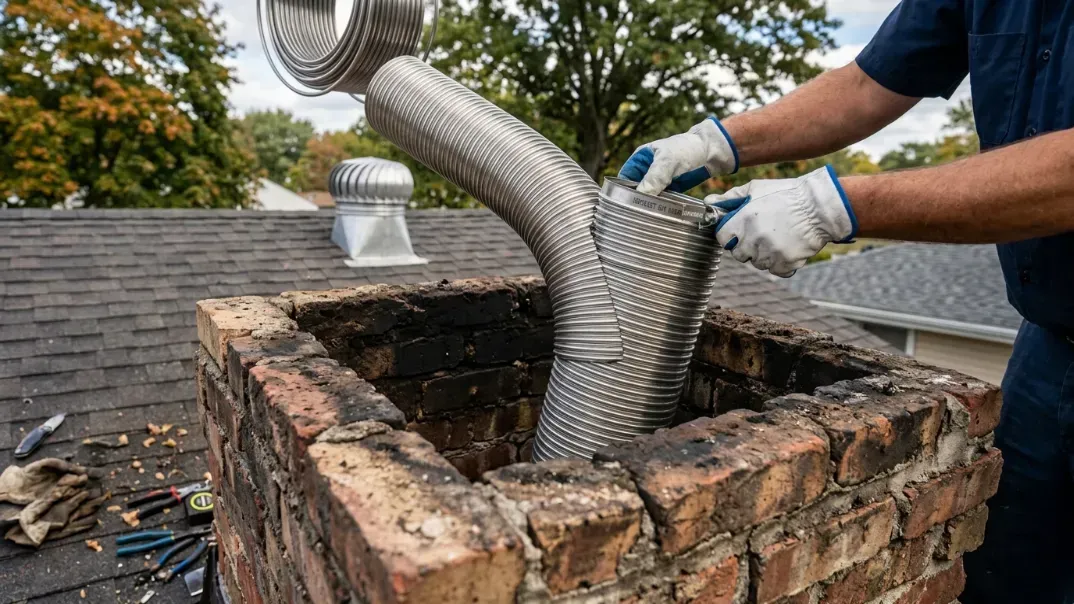
3. Cracked Flue Liners
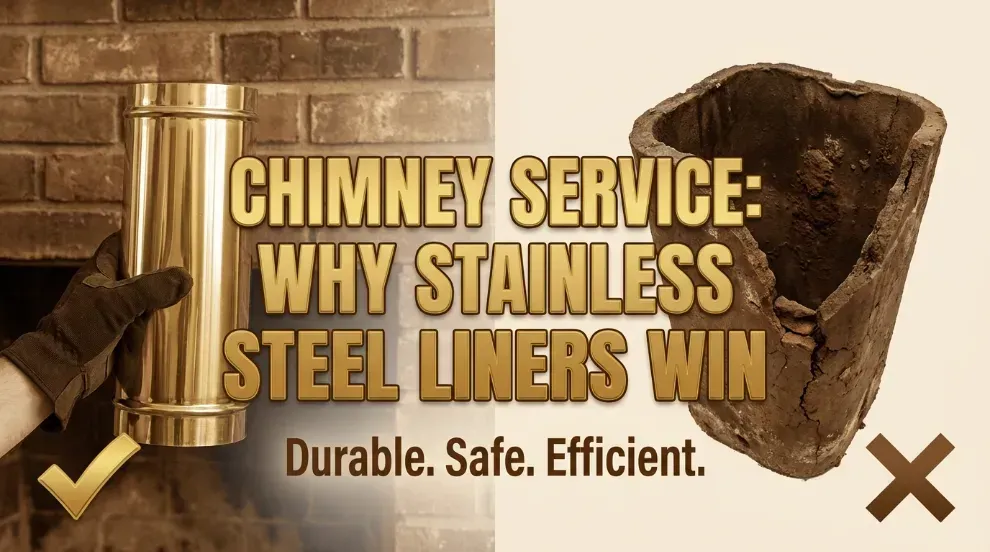
Flue liners protect the combustible framing of your house from intense heat and volatile exhaust gases. Intense thermal shock or settling foundations can cause clay liners to crack. Even a hairline fracture allows hazardous gases to seep into living spaces. Upgrading to stainless steel liners provides a resilient, modern solution that effectively contains heat and ensures safe drafting.
4. Water Infiltration and Masonry Saturation
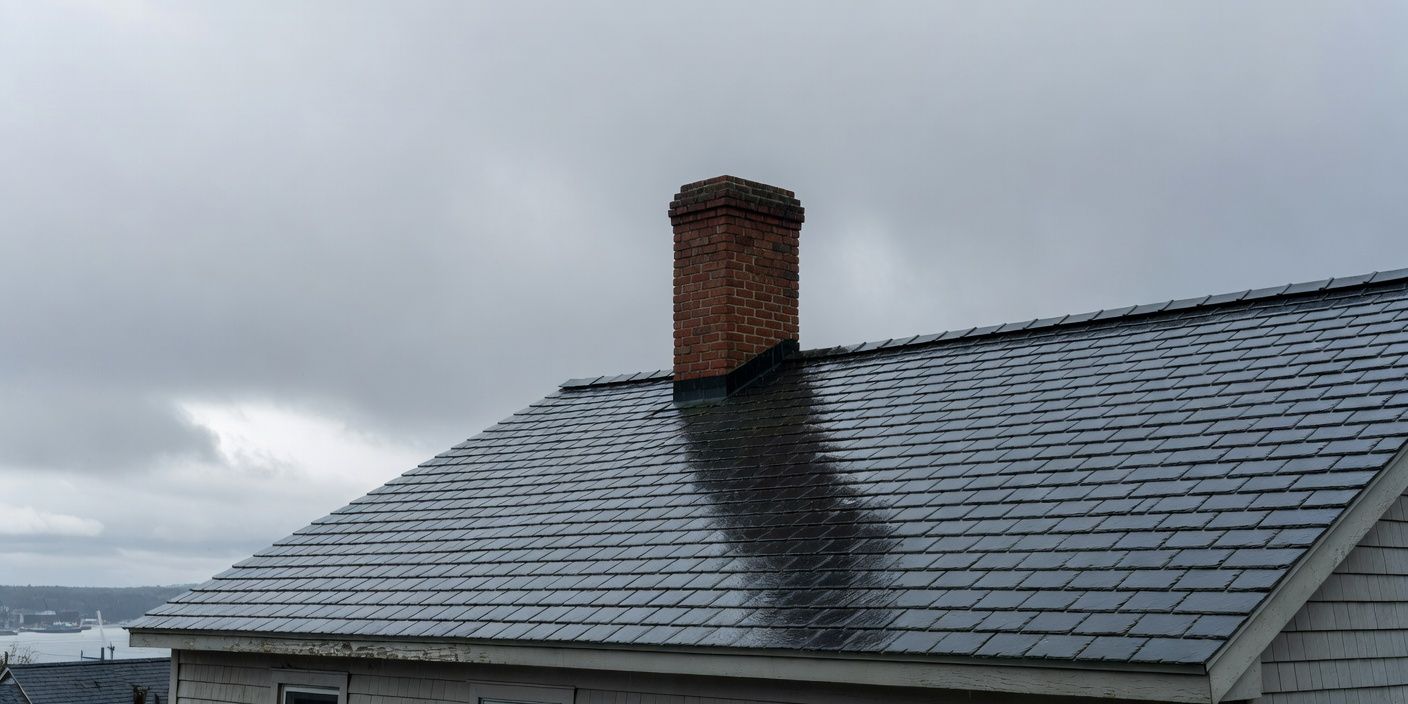
Bricks are highly porous materials that naturally absorb moisture. In regions like Portland, ME, the absorbed water freezes and expands during the winter months. This thermal expansion shatters the internal structure of the brickwork from the inside out. Applying an expert waterproofing treatment creates a vapor-permeable barrier that repels liquid water while allowing trapped internal moisture to escape safely.
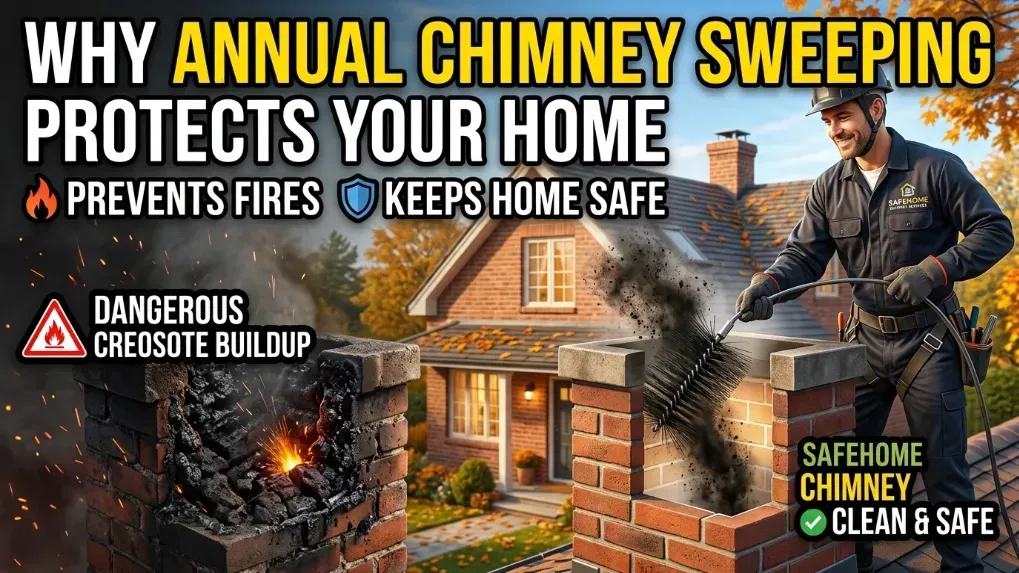
5. Creosote Buildup
Wood combustion produces a highly flammable byproduct known as creosote. As smoke rises and cools near the top of the masonry structure, creosote condenses on the interior walls. Thick accumulations of this dark, tar-like substance are the leading cause of internal chimney fires. Routine mechanical sweeping is the only effective method to strip this dangerous accumulation from your flue.
6. Blocked Flues
Obstructions severely disrupt the necessary upward draft required to expel toxic gases. Nests built by birds, accumulated leaves, or even collapsed internal brickwork can create total blockages. When exhaust cannot exit the structure, deadly carbon monoxide is forced back down into the living areas. Annual cleanings ensure the passageway remains entirely clear for proper ventilation.
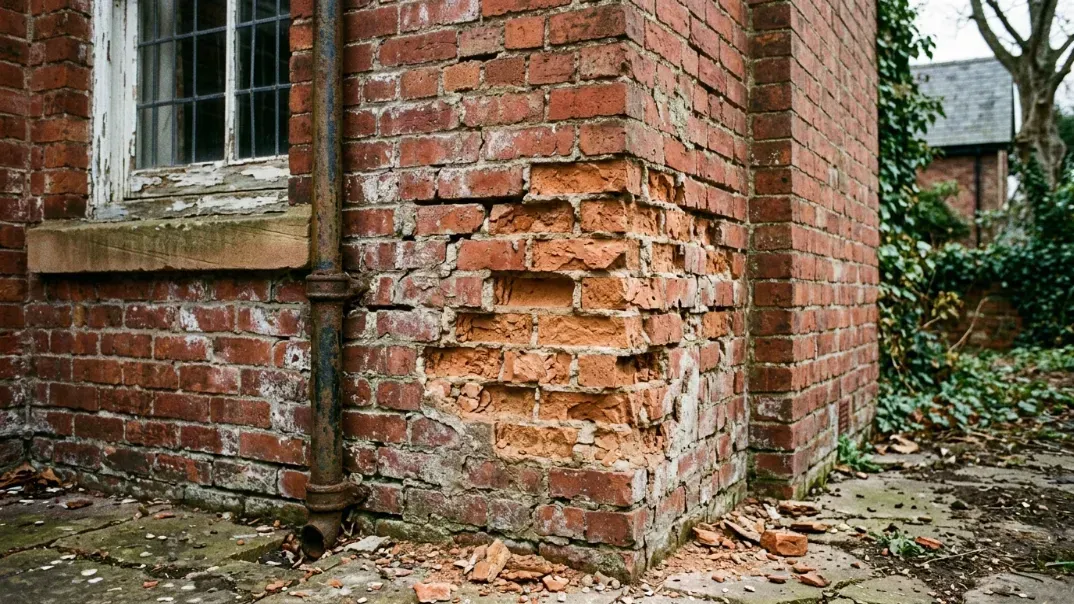
7. Spalling Bricks
Spalling occurs when the outer face of a brick flakes, peels, or pops off entirely. This condition is a direct result of prolonged moisture saturation combined with heavy freezing. Once the hardened exterior face of the brick is gone, the softer interior decays at an exponential rate. Extensive spalling often dictates the need for partial or total structural rebuilding to restore stability.
8. Damaged Chimney Crown
The concrete crown seals the top of the structure, bridging the gap between the exterior brickwork and the protruding flue liner. Because it sits horizontally, it absorbs direct rainfall and heavy snow loads. When the concrete cracks, water flows directly into the core of the masonry. Resurfacing or completely rebuilding a damaged crown stops this downward flow of destructive moisture.
Safeguarding Your Masonry Investment
Proactive maintenance remains the most cost-effective strategy for managing your property. Waiting for a visible collapse or an internal leak guarantees a complicated, expensive restoration process. The environmental conditions in Portland demand a disciplined approach to seasonal inspections and timely repairs.
Trusting local experts ensures your specific environmental challenges are addressed accurately. Learn more about our experienced technicians and how we protect local homes from severe weather degradation. If you suspect your masonry requires attention, do not delay the diagnostic process. Please reach out to schedule an evaluation by calling us directly at (207) 975-5726.
Frequently Asked Questions
How often should I schedule an inspection?
Industry safety standards mandate that all venting systems and flues be inspected at least once every twelve months. Regular usage, particularly during severe winters, accelerates internal wear and creosote accumulation.
What are the signs of hidden masonry damage?
Warning signs include white staining on the exterior bricks, crumbling debris in the firebox, and a distinct damp smell entering the room. Moisture damage often occurs internally long before it becomes visible on the outside.
Can water damage be prevented?
Yes, water damage is highly preventable through a combination of proper capping, crown maintenance, and professional waterproofing treatments. Sealing the porous masonry prevents saturation while allowing the structure to breathe.