Defending Your Home Against Maine Weather: A Guide to Chimney Waterproofing
Key Insights and Takeaways
Chimney waterproofing is a critical maintenance step for homeowners in Portland, ME, protecting vulnerable masonry from the destructive freeze-thaw cycle. By utilizing professional, vapor-permeable sealants, homeowners can prevent severe structural degradation and costly interior water damage. Select Chimney offers specialized local expertise to ensure your home remains safe, efficient, and well-protected against harsh coastal weather.
* Professional waterproofing uses breathable sealants that repel external rain while allowing internal moisture vapor to escape.
* Catching early warning signs like white efflorescence stains or crumbling mortar can save thousands in structural rebuilding costs.
* Routine exterior maintenance extends the life of internal components, including the flue and surrounding heating infrastructure.
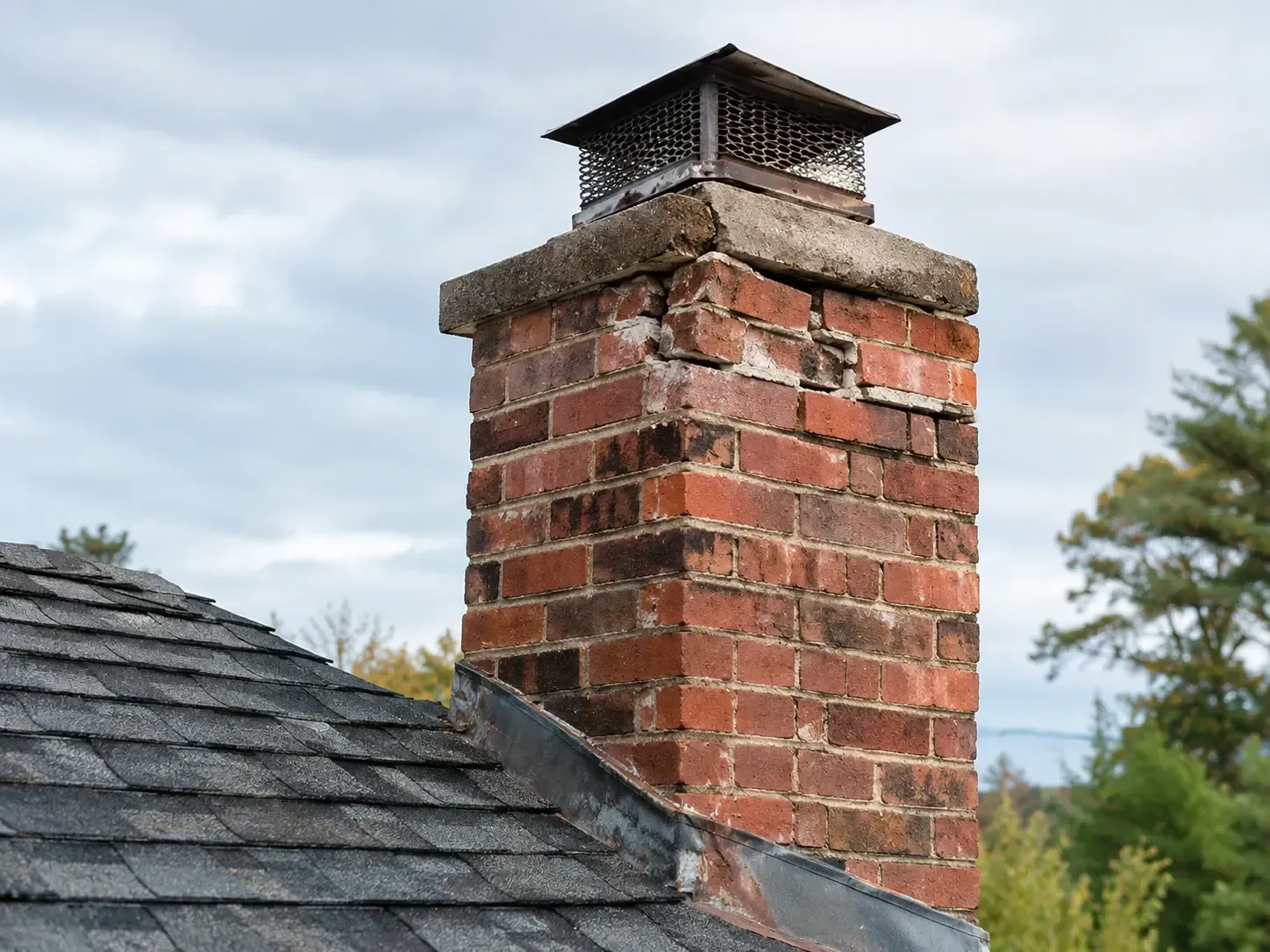
Homeowners in Portland, ME, are intimately familiar with the harsh realities of coastal New England weather. Relentless driving rain in the spring, humid summers, and freezing coastal storms in the winter create a relentless testing ground for residential exterior structures. Among all the exterior elements of a house, masonry chimneys are uniquely vulnerable to these dramatic climate shifts. While brick and mortar appear incredibly solid, they are highly porous materials that absorb moisture like a rigid sponge.
When water infiltrates the masonry of your chimney, it begins a slow process of structural degradation. Protecting this vital component of your home requires a proactive approach. Applying a specialized waterproofing treatment is one of the most effective ways to preserve the structural integrity of your masonry and ensure your heating system functions safely throughout the harshest winter months.
The Destructive Power of the Freeze-Thaw Cycle
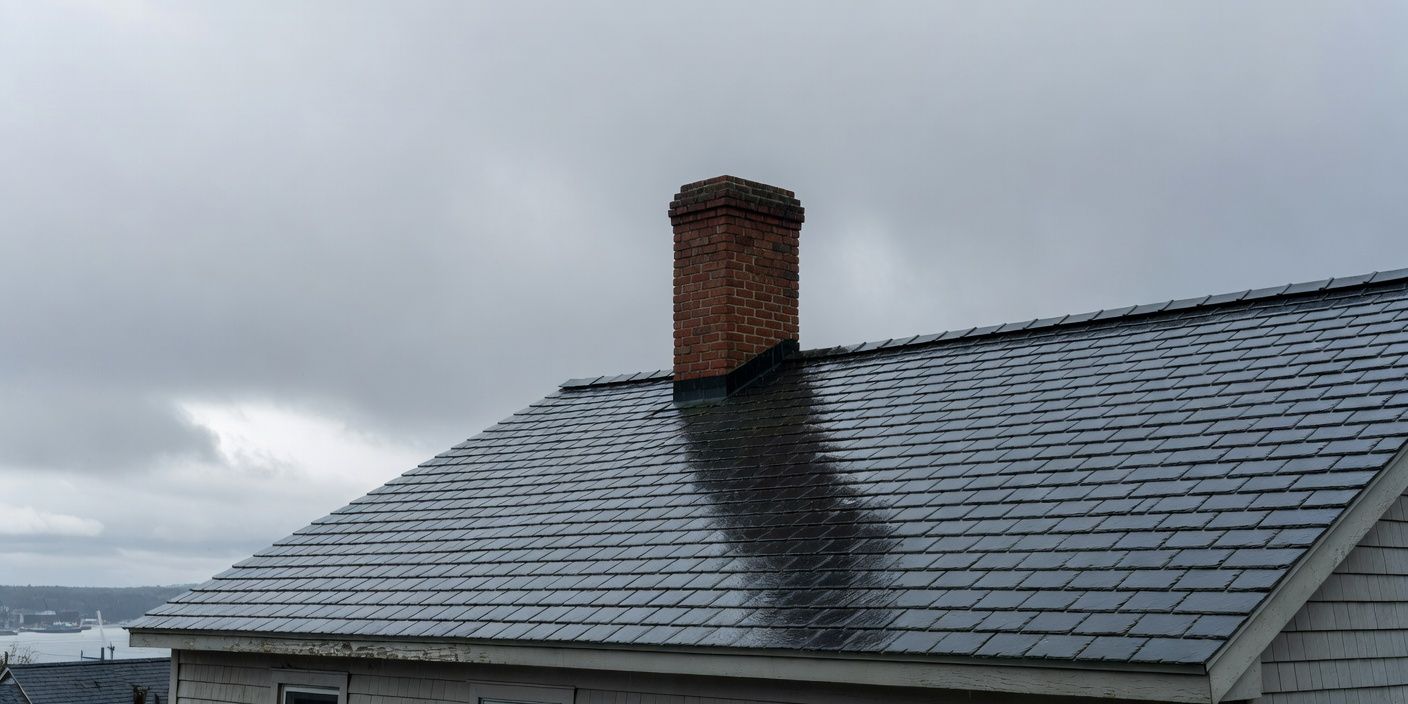
The primary threat to any masonry structure in Portland is the freeze-thaw cycle. During the wetter months, rain and melting snow seep deeply into the microscopic pores of the bricks and the mortar joints holding them together. When temperatures inevitably plunge below freezing, this trapped water turns into ice.
As water freezes, it expands by roughly nine percent. This expansion exerts immense internal pressure on the surrounding masonry. When the temperature rises and the ice thaws, the water retreats, leaving behind microscopic cracks. Over successive winters, this repetitive expansion and contraction widens the cracks, eventually causing the face of the bricks to flake off and the mortar to crumble.
This moisture infiltration does more than just damage the exterior. As water penetrates deeper into the chimney system, it can interfere with the proper drafting of your fireplace or heating appliance. You can learn more about this connection by reading about why fireplace efficiency drops when chimneys are poorly maintained.
Essential Chimney Services for Complete Moisture Defense
Protecting a chimney from water damage goes far beyond simply painting a sealant over the bricks. Effective moisture management requires a comprehensive approach. Exploring professional Chimney Services is crucial because improper application of off-the-shelf sealants can actually accelerate damage.
Many standard hardware store sealers act as a film-forming barrier. While they stop water from getting in, they also trap naturally occurring moisture vapor inside the chimney structure. When that trapped moisture freezes, catastrophic masonry failure follows.
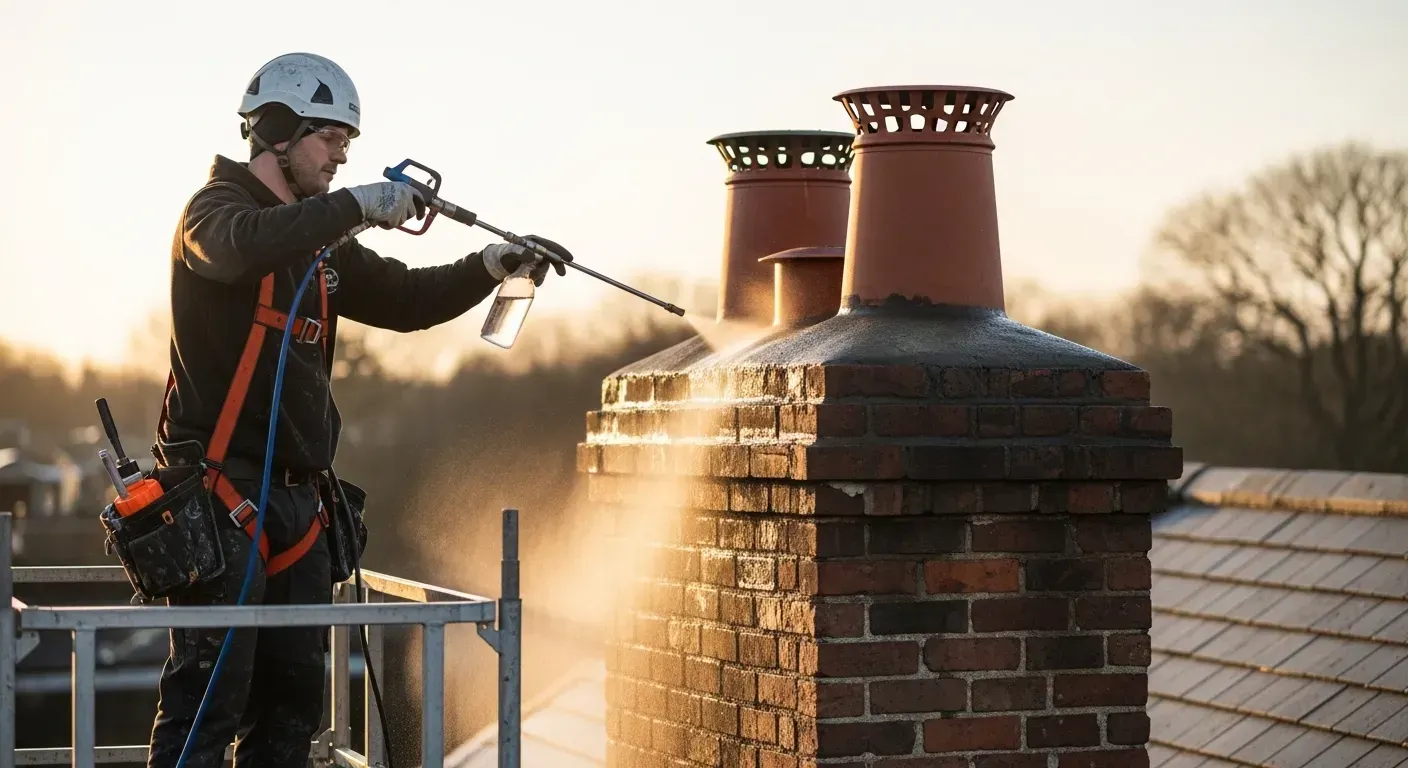
Professional chimney waterproofing utilizes vapor-permeable sealants. These specialized silane and siloxane products penetrate the surface of the brick and mortar to line the microscopic pores. They create a hydrophobic barrier that repels liquid water from the outside while remaining entirely breathable, allowing interior water vapor to escape safely.
Recognizing the Early Warning Signs of Water Intrusion
Catching moisture issues early can save homeowners thousands of dollars in extensive masonry reconstruction. It is vital to routinely inspect your chimney from the ground level for specific visual cues.
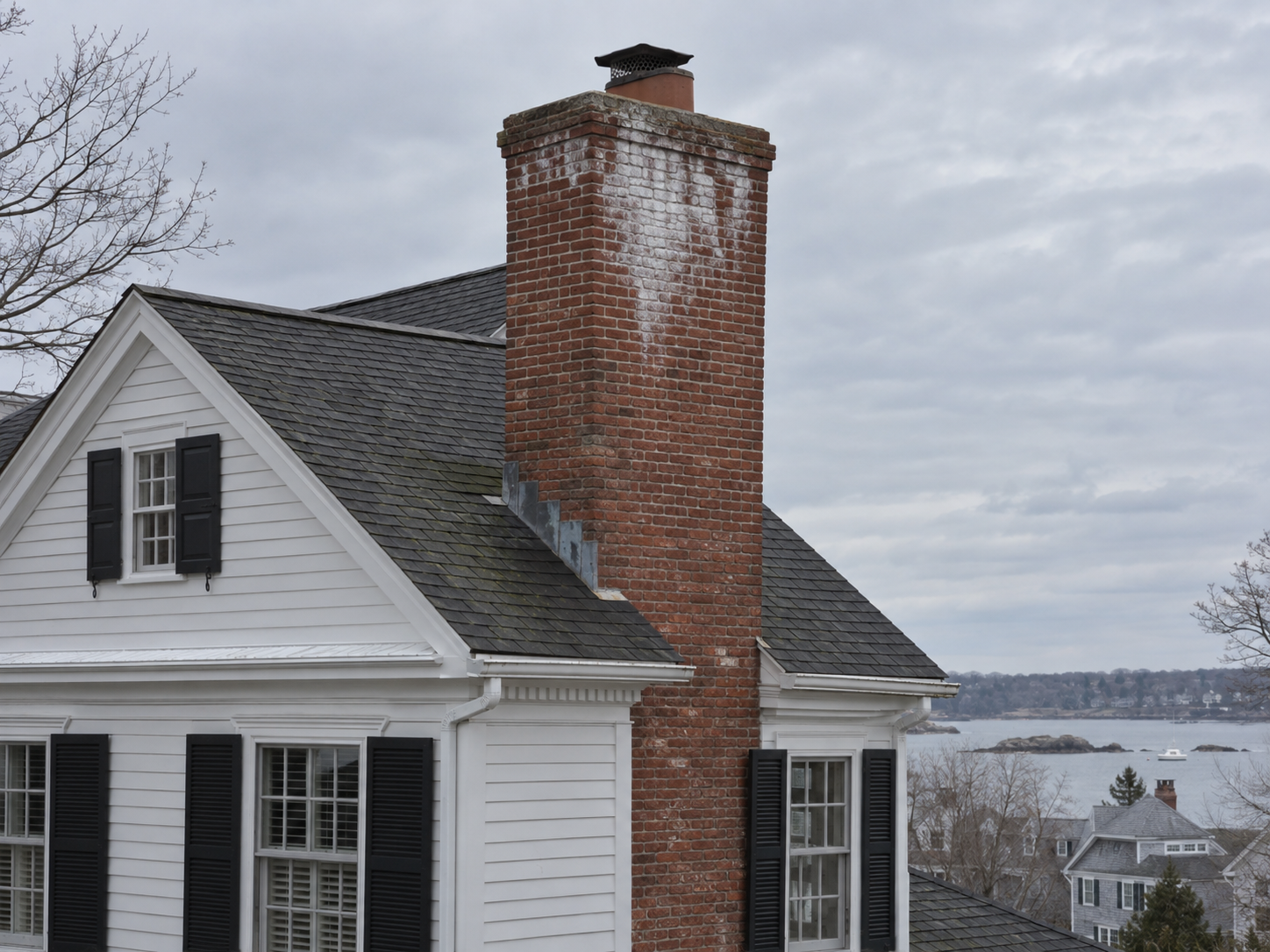
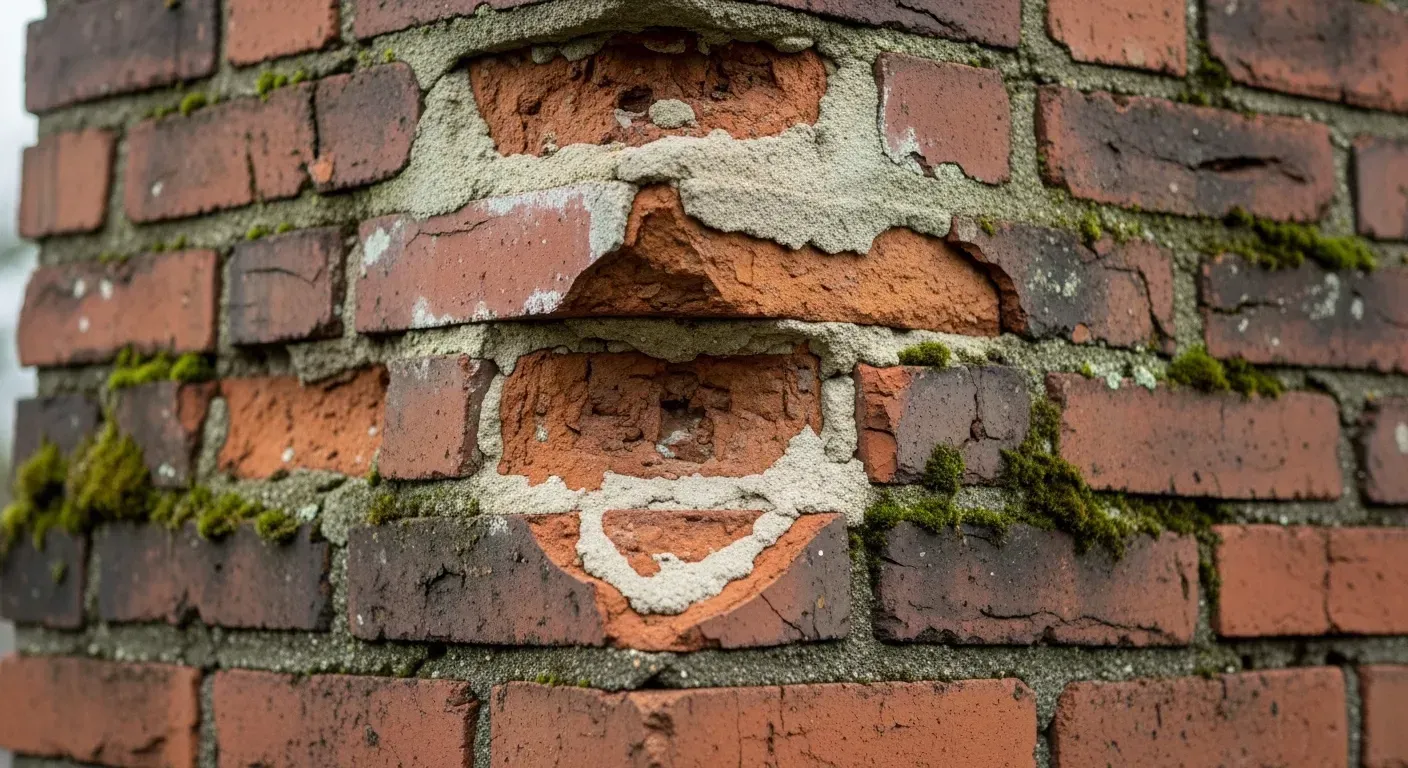
The most common early indicator of a water problem is efflorescence. This appears as a powdery white stain on the surface of the bricks. Efflorescence occurs when water travels through the masonry, dissolving naturally occurring salts within the brick and mortar. As the water evaporates on the surface, it leaves the white salt deposits behind. While the stain itself is harmless and easily cleaned, it is a definitive visual confirmation that water is moving freely through the structure.
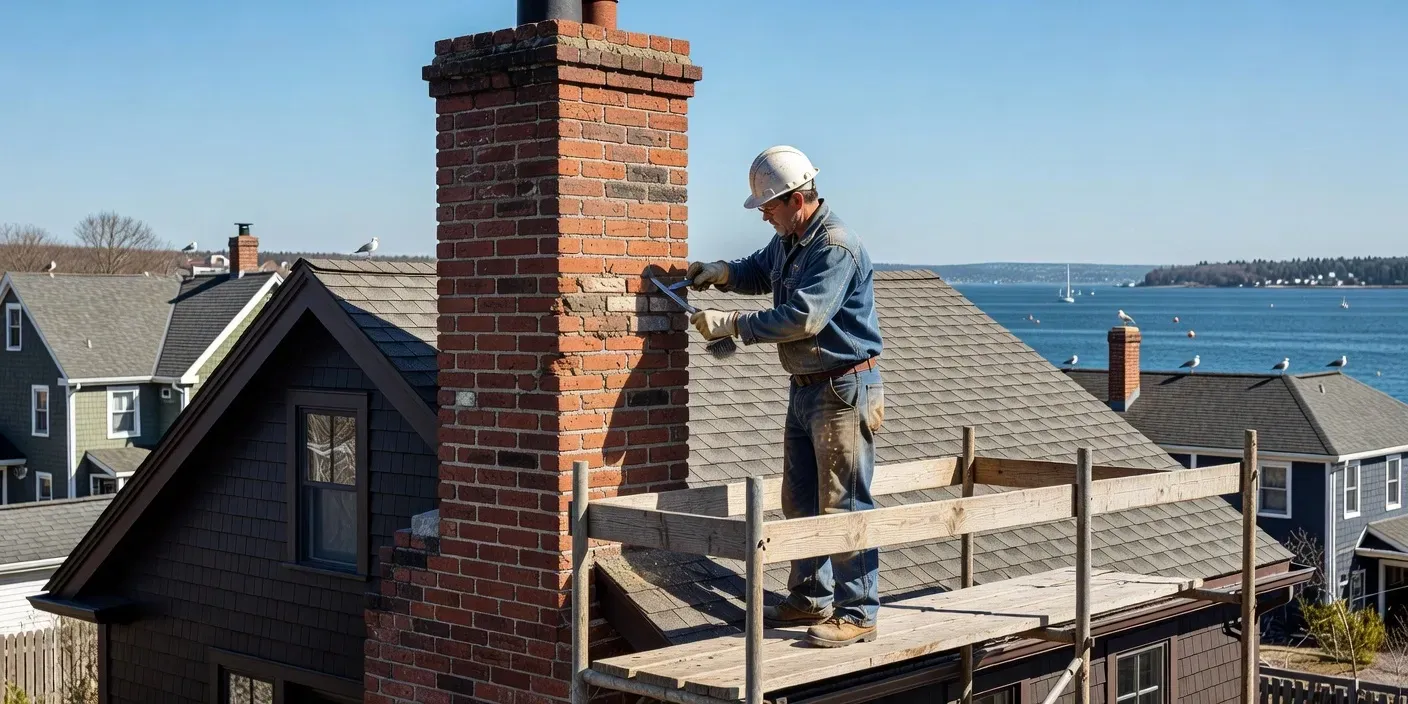
Other signs include spalling, where the outer layer of the brick physically pops off and litters the roof or ground with debris. You may also notice deteriorating mortar joints that look recessed, sandy, or crumbly. When mortar joints fail, they create large avenues for rainwater to enter the chimney cavity. In these cases, straightforward waterproofing is no longer sufficient. The structural integrity must be restored through professional demolition and tuckpointing before any water repellent can be successfully applied.
Protecting the Core: Liners and Interior Defense
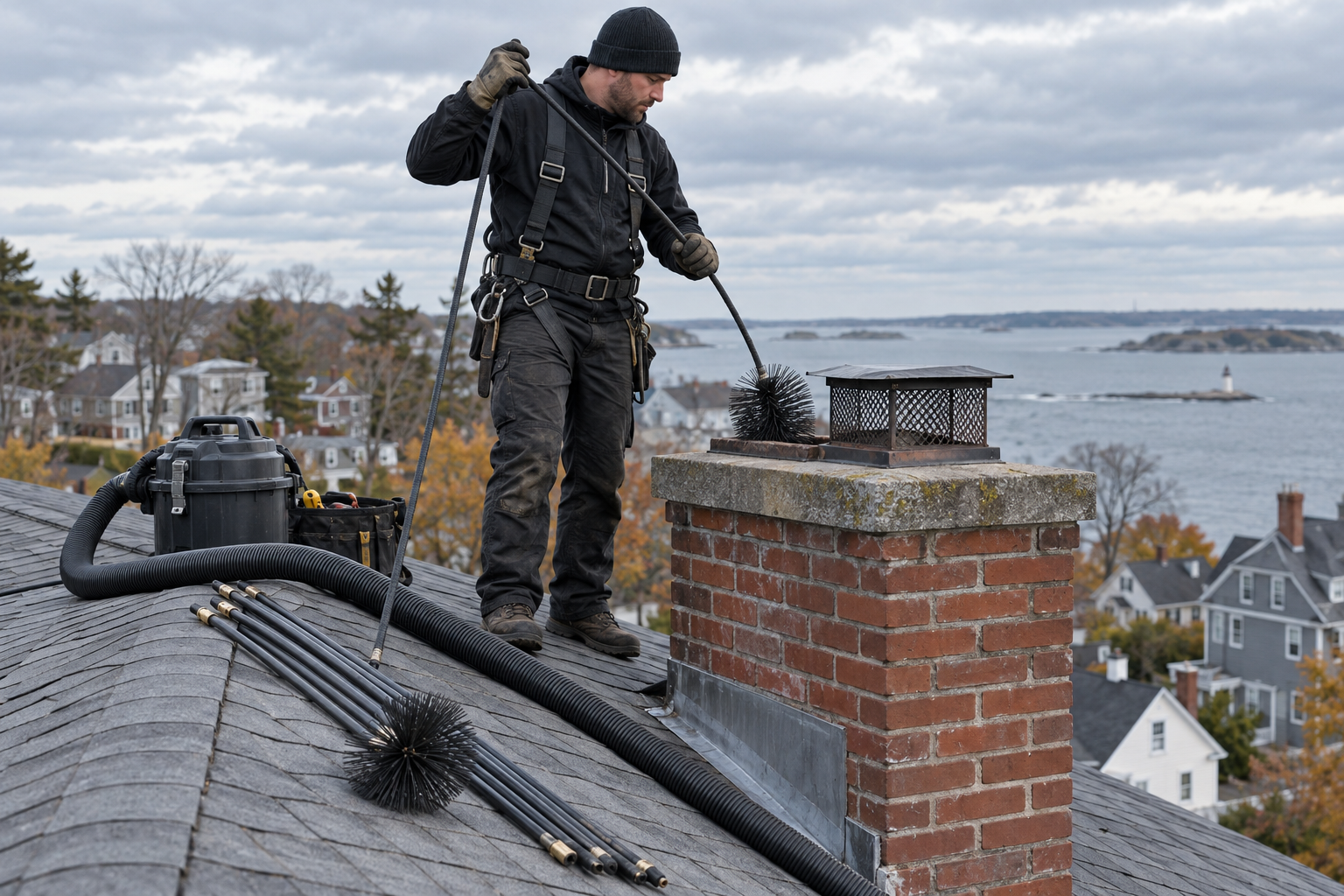
Water damage is not limited to the exterior masonry. When severe moisture intrusion occurs, water can migrate all the way into the inner flue. The flue is the crucial passageway that safely vents toxic combustion gases, including carbon monoxide, out of your home.
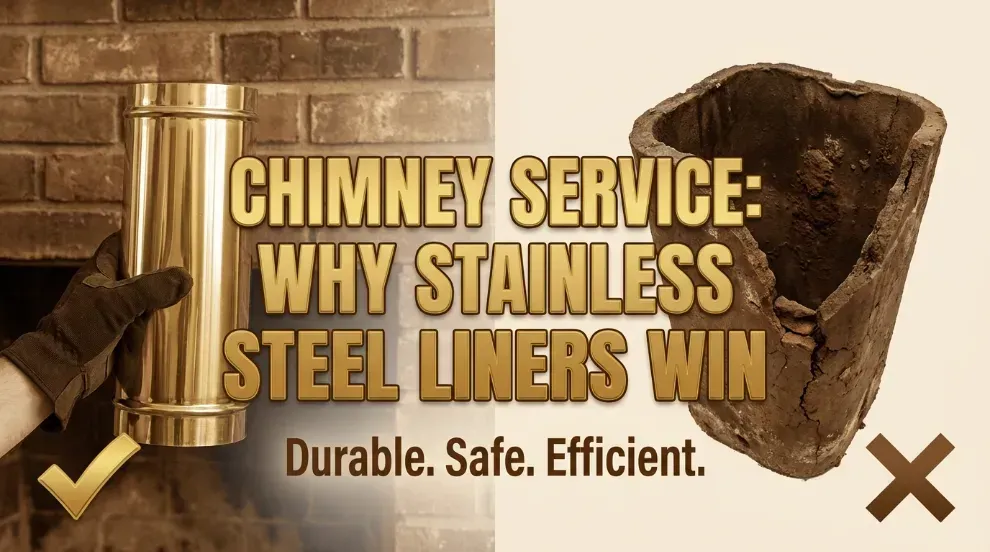
Traditional clay tile flue liners are highly susceptible to moisture and freeze-thaw damage. When they absorb water and crack, they fail to contain the dangerous gases and extreme heat generated by your furnace or fireplace. If your chimney has suffered significant water ingress, the safest remediation often involves upgrading the internal venting system. Installing highly durable stainless steel liners provides a seamless, waterproof, and heat-resistant path for exhaust gases, completely bypassing the damaged masonry walls of the interior.
Relying on Dedicated Local Expertise
Managing masonry in coastal Maine requires an understanding of the specific environmental stressors unique to the region. The salt air, high humidity, and driving coastal storms present challenges that generic, national maintenance guidelines often overlook.
At Select Chimney, we have built our reputation on understanding exactly what Portland homes need to withstand the local climate. Our approach combines traditional masonry craftsmanship with modern waterproofing technology to deliver lasting protection. You can read more about our commitment to local homeowners and our dedication to preserving the historic and contemporary masonry of the region.
Securing Your Masonry for the Years Ahead
Ignoring the early signs of water damage will inevitably lead to complex structural failures. A proactive investment in professional waterproofing shields your home from the destructive forces of Maine winters, prevents expensive interior leaks, and extends the lifespan of your heating infrastructure.
Do not wait for a harsh winter storm to reveal the vulnerabilities in your masonry. Take action during the drier months to ensure your home is fully prepared. Contact us today to schedule a comprehensive evaluation and secure your chimney against the relentless elements.
Frequently Asked Questions
How long does chimney waterproofing last?
When a high-quality, vapor-permeable silane-siloxane sealant is applied by a professional, the waterproofing treatment typically lasts between five to ten years. The exact lifespan depends on the severity of the local weather conditions and the original condition of the masonry at the time of application.
Can I apply waterproof sealant to my chimney myself?
Applying hardware store sealants is highly discouraged. Retail sealers are often film-forming, meaning they trap internal moisture inside the bricks. This trapped moisture will expand during the winter freeze and cause the bricks to shatter from the inside out. Professional application ensures the use of breathable repellents that allow vapor to escape safely.
When is the best time of year to waterproof a chimney in Portland, ME?
The ideal time to waterproof a chimney in Maine is during the summer or early fall. The masonry must be completely dry for the treatment to penetrate deeply and bond correctly with the brick and mortar pores. Applying sealant during a rainy spring or freezing winter will compromise the effectiveness of the water-repellent barrier.