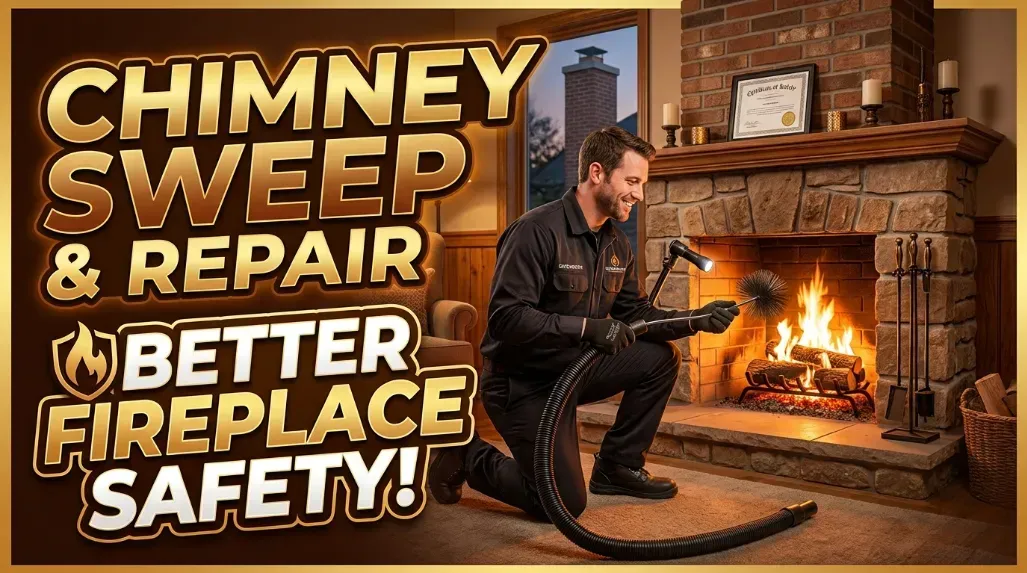
The Critical Role of Stainless Steel Liners for Portland Homes
Heating a home in Portland, ME requires a highly resilient infrastructure. Winters bring biting cold, heavy snowstorms, and relentless coastal winds. Property owners consistently ensure their fuel tanks are full and their heating appliances function correctly. However, many completely overlook the actual exhaust system responsible for safely venting hazardous combustion byproducts out of the living space.
The structural integrity and overall safety of a masonry chimney depend heavily on the internal condition of its flue. When traditional clay tiles crack, flake, or deteriorate due to age and harsh weather, the entire home is put at risk of fire and carbon monoxide exposure. Upgrading the internal exhaust system with a modern solution provides immediate structural protection and deep peace of mind. For residents relying on
Select Chimney, installing a durable and properly insulated liner is a highly recommended step toward comprehensive home safety.
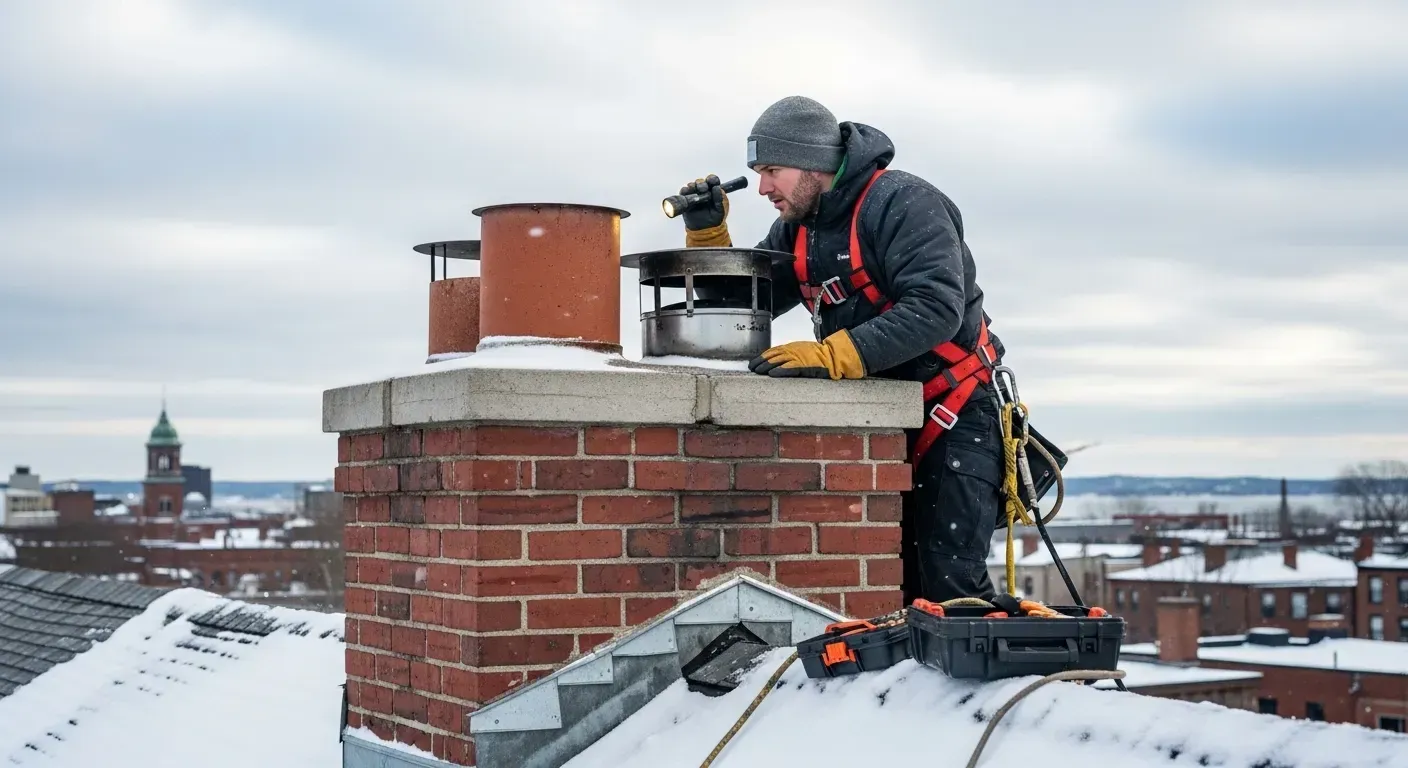
Why Portland Maine Relies on Professional Chimney Services
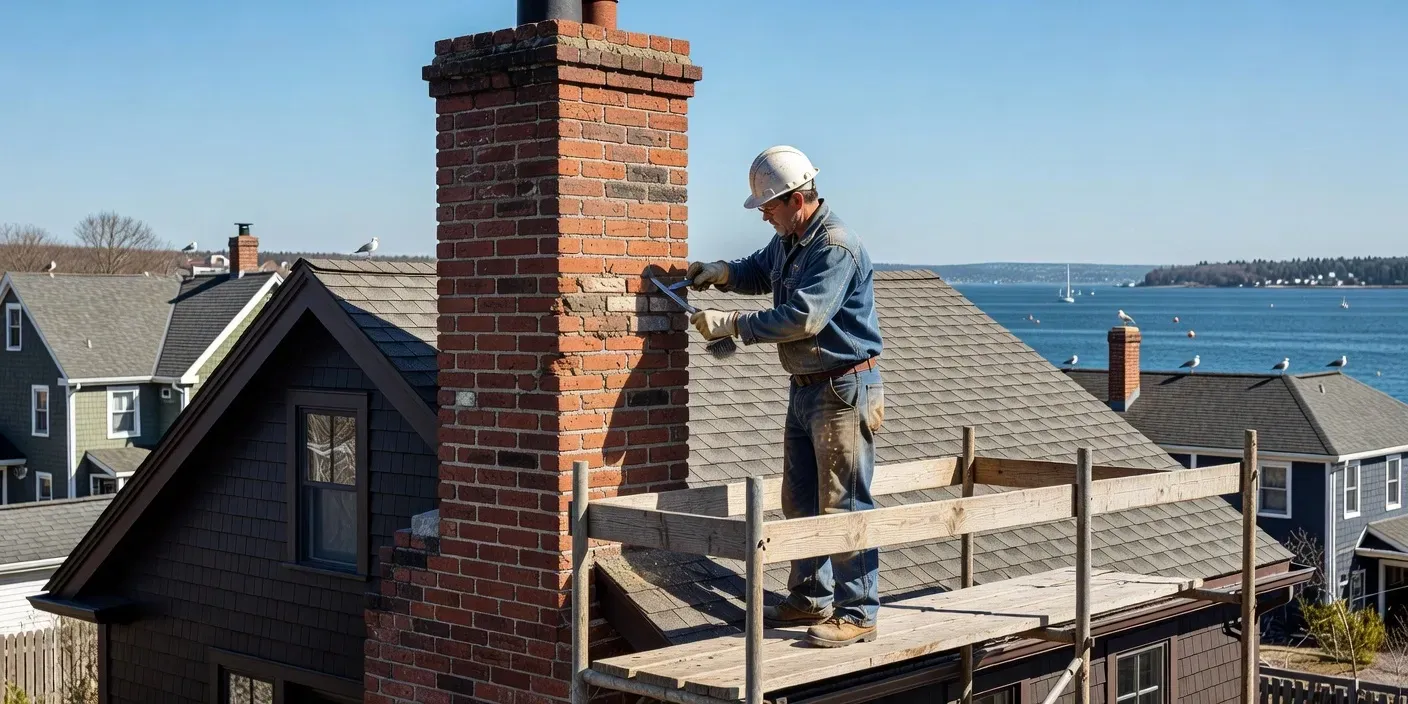
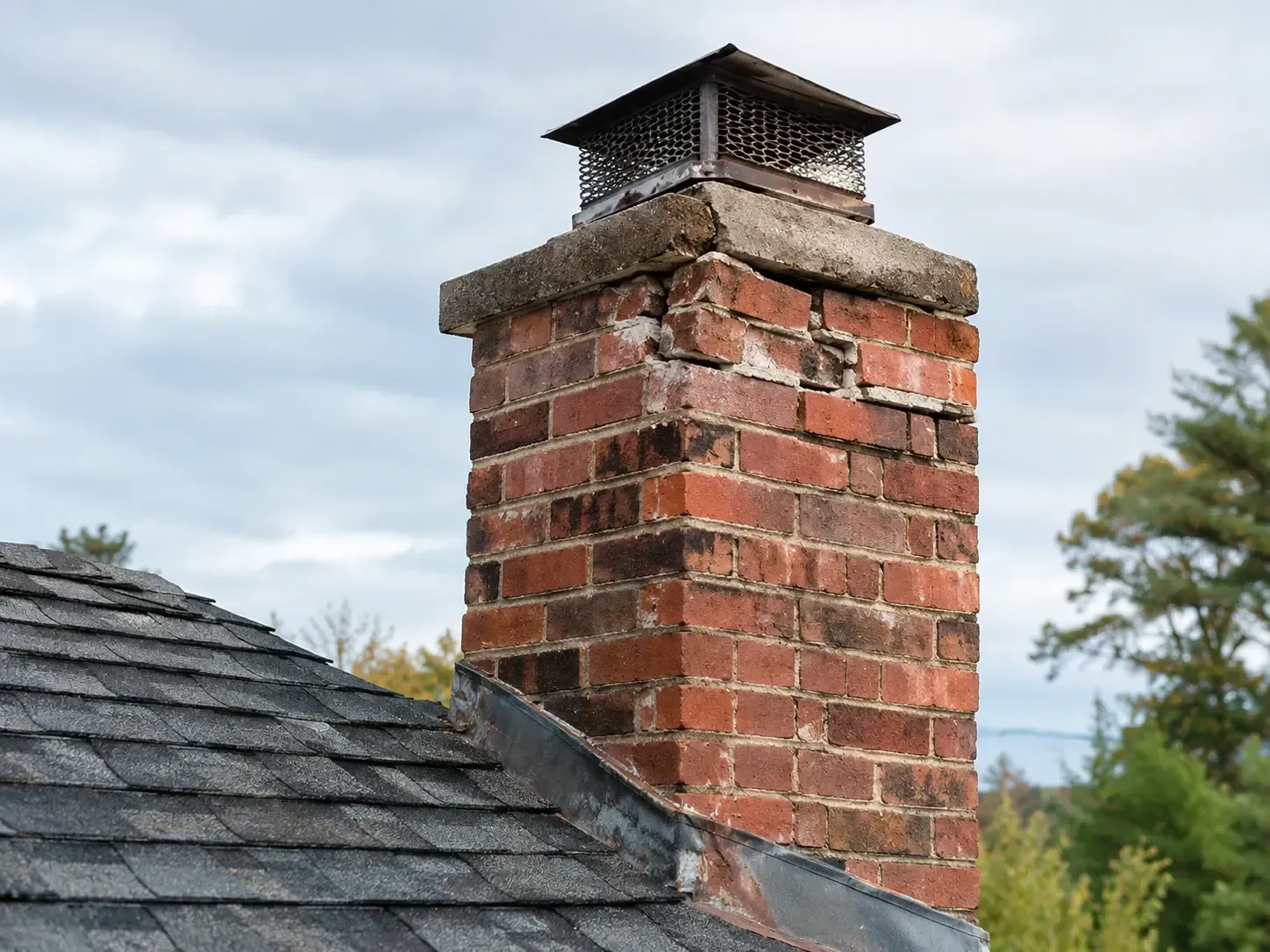
The climate in coastal Maine is notoriously hard on masonry. The aggressive freeze and thaw cycles experienced throughout the fall, winter, and spring cause tremendous stress on brick and mortar. When moisture enters the masonry structure and freezes, it expands, causing micro-fractures. Over time, these small cracks grow into significant structural damage.
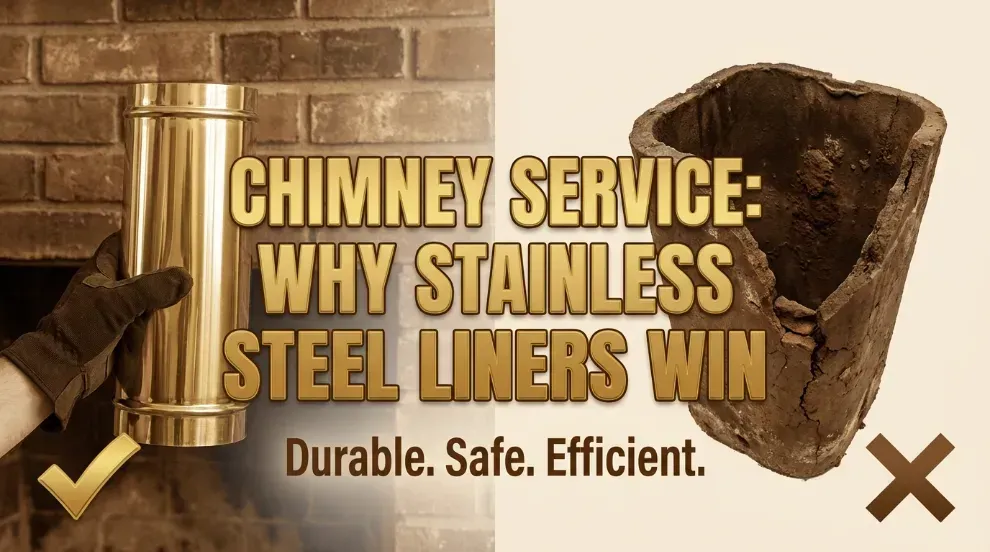
This environmental wear and tear is precisely why routine maintenance and dedicated Chimney Services are essential for local property owners. A professional evaluation identifies unseen internal damage before it translates into a catastrophic failure. Inside the flue, the situation is often worse than what is visible on the exterior. The combination of intense heat from the firebox and the freezing temperatures outside creates massive thermal shock. Traditional terra cotta clay liners are particularly vulnerable to this specific type of stress, often cracking or splitting vertically after years of seasonal use.
The Mechanics of a Modern Flue Upgrade
A flue serves as the vital exhaust pipe for your heating appliance. When wood, gas, or oil burns, the combustion process releases acidic moisture, carbon monoxide, and various particulate matter. If the flue is unlined or if the existing clay liner is compromised, these highly corrosive byproducts attack the masonry from the inside out.
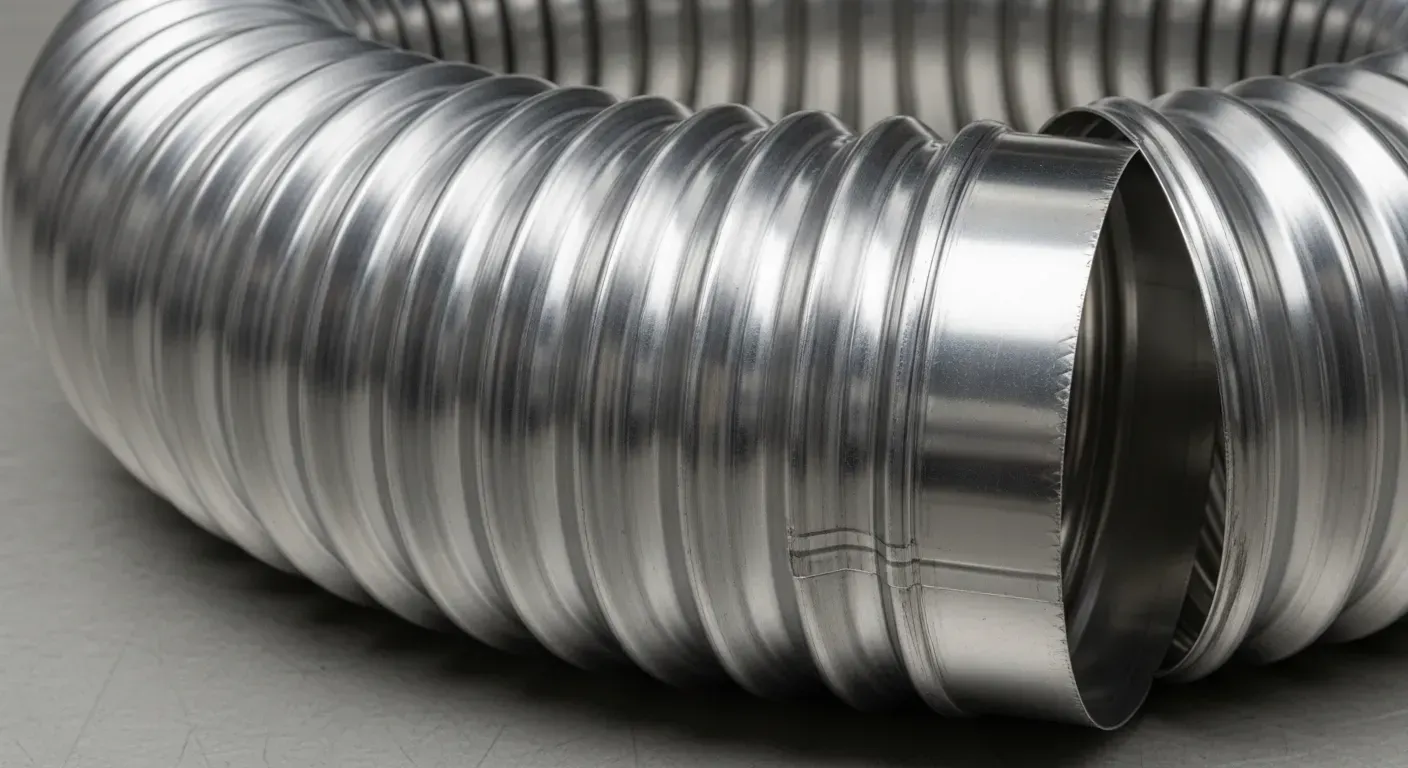
Modern heating requirements demand a superior material capable of withstanding both extreme temperatures and corrosive environments. Installing stainless steel liners directly inside the existing masonry shaft creates a seamless, impenetrable barrier. This specialized metal alloy resists acidic condensation and contains heat effectively, ensuring that dangerous gases and intense temperatures never make contact with combustible framing materials adjacent to the masonry.
Recognizing the Signs of a Failing System
Homeowners should be aware of the physical indicators that their current exhaust system is failing. Finding small pieces of broken terra cotta clay inside the firebox or at the base of the cleanout door is an immediate red flag. This debris signifies that the internal walls of the flue are actively collapsing.
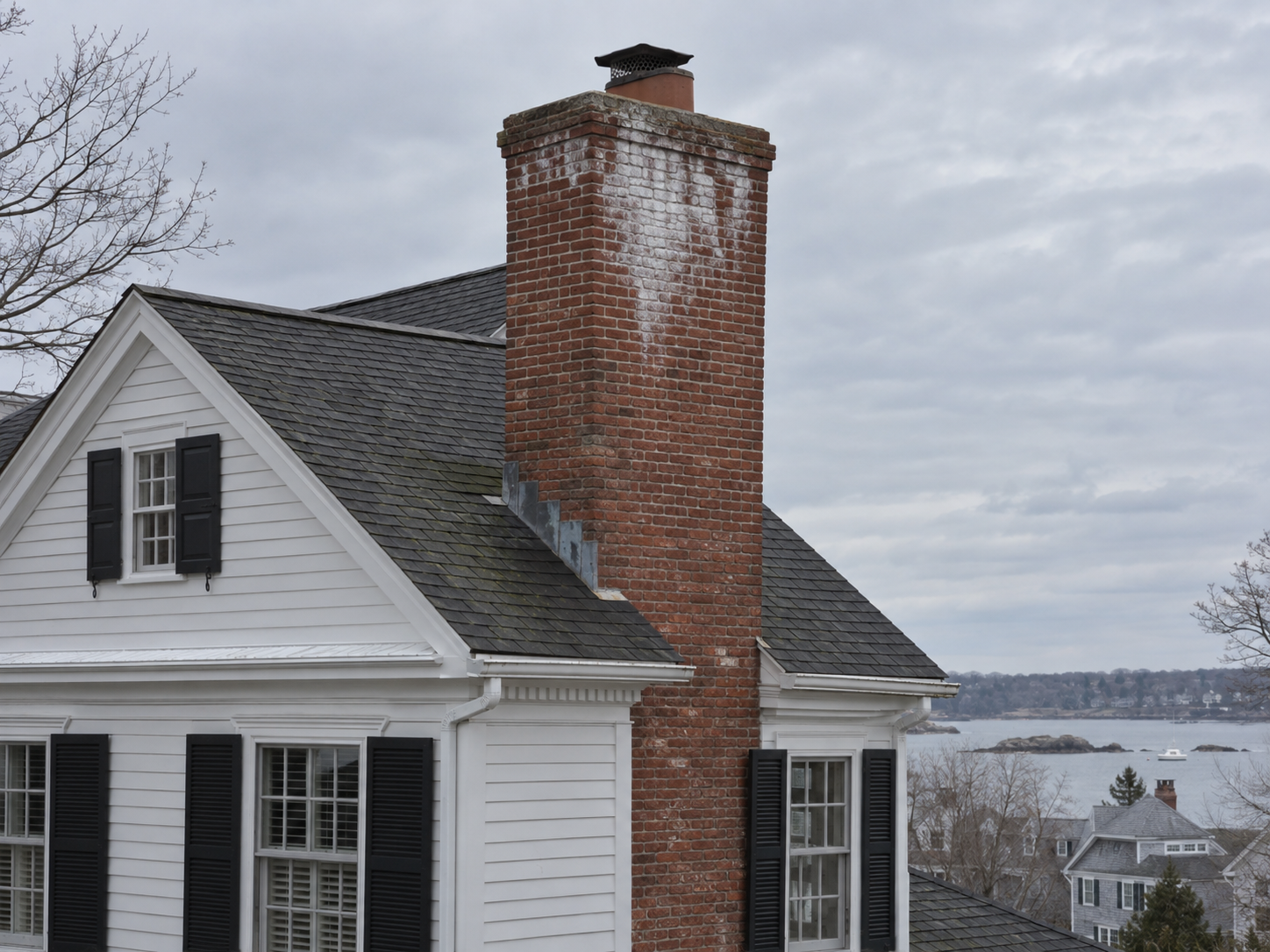
Another common sign of a compromised internal structure is the presence of white, powdery stains on the exterior brickwork. This staining is known as efflorescence. It occurs when water infiltrates the masonry, mixes with internal salts, and is pushed outward. Addressing moisture intrusion often requires a multi-tiered approach. Alongside an internal liner upgrade, applying professional waterproofing to the exterior brick stops surface moisture from degrading the structure further.
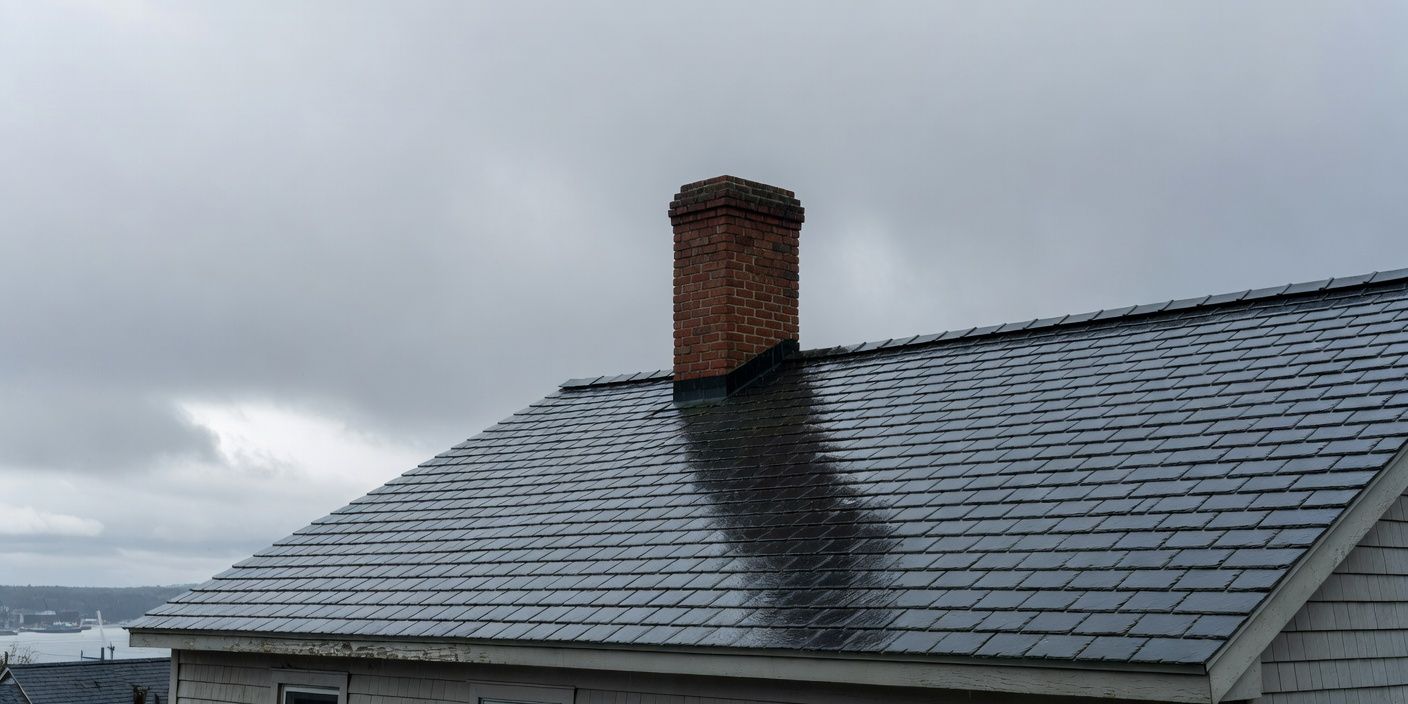
It is also vital to manage water accumulation near the roofline. Overflowing roof drainage systems constantly dump excessive water directly onto the chimney base and surrounding flashing. Maintaining proper water diversion through routine gutter cleaning and repair is a highly effective way to protect the exterior masonry from accelerated decay.
The Long-Term Benefits of Upgrading to Stainless Steel
Transitioning from an unlined or damaged clay flue to a premium metal liner offers multiple operational advantages.
- Improved Draft: Stainless steel heats up much faster than clay or brick. A warmer flue creates a stronger, more consistent draft. This allows wood stoves and fireplaces to burn cleaner and more efficiently.
- Reduced Creosote Accumulation: Because the smooth surface of the metal stays warmer, condensation is minimized. This significantly reduces the buildup of highly flammable creosote, directly lowering the risk of a chimney fire.
- Versatility: These systems are compatible with all fuel types. Whether you heat your home with a modern pellet stove, a traditional wood-burning fireplace, or an oil furnace, there is a specific alloy designed to vent your appliance safely.
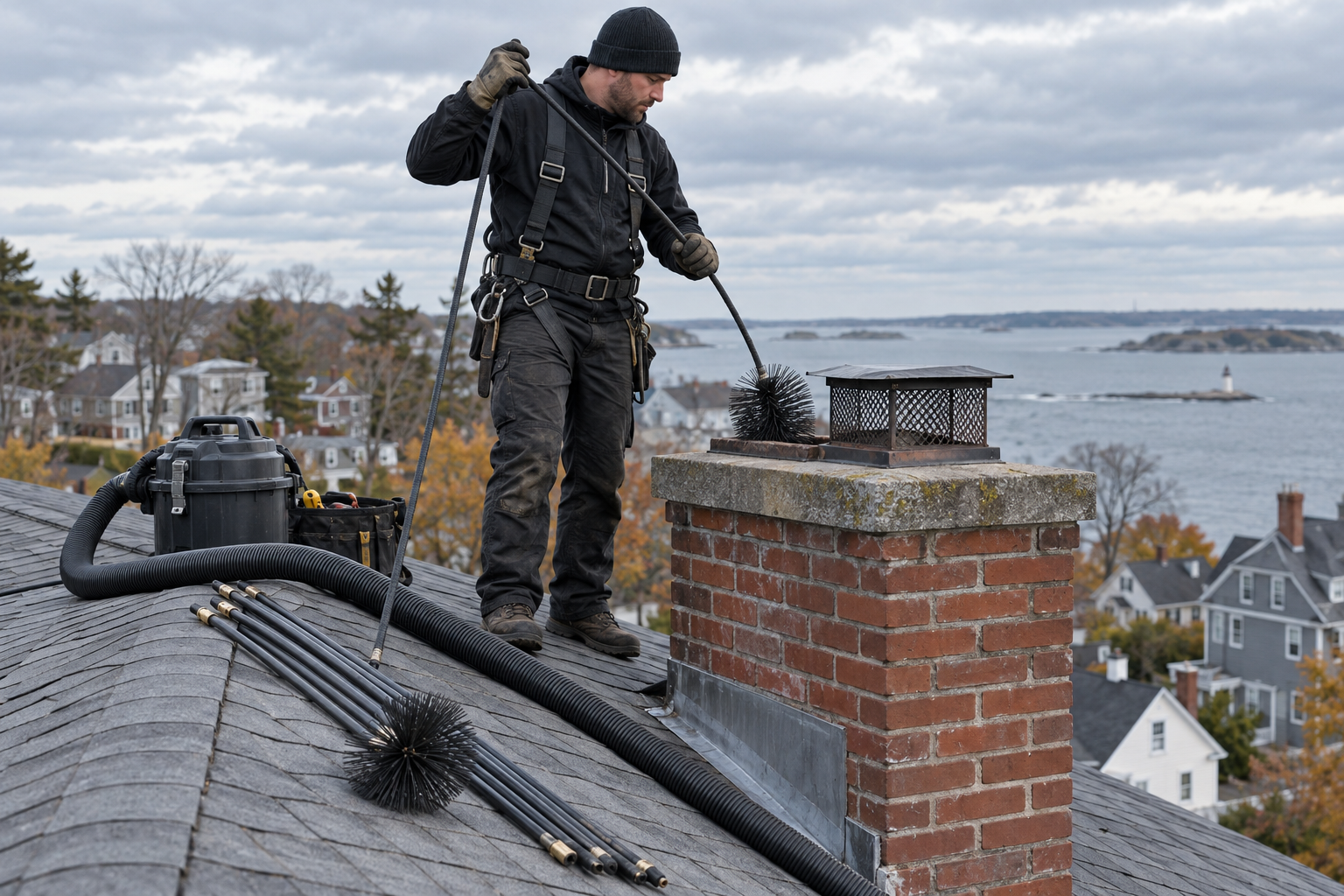
- Ease of Maintenance: The uniform shape and smooth interior walls make annual sweeping more effective. Technicians can remove soot and ash with greater precision.
Taking proactive steps to upgrade your system now prevents emergency repairs during the coldest months of the year. For a broader look at preparing your masonry for severe weather, you can read more about safeguarding your home through comprehensive chimney care and winter protection in Portland Maine.
Choosing Select Chimney for Your Installation
The effectiveness of any venting system relies entirely on the quality of the installation. A liner must be properly sized for the specific appliance it serves. If a liner is too large, the exhaust gases will cool too quickly, leading to sluggish drafts and heavy soot buildup. If it is too small, the appliance will easily overheat and fail to vent toxic gases out of the home.
Furthermore, high-quality installations require specialized insulation wrapped around the metal. This insulation creates a necessary thermal boundary, ensuring the system meets stringent local fire safety codes. The highly trained technicians at Select Chimney possess the specialized knowledge required to calculate the exact specifications for your unique home layout.
Operating out of Portland, ME, our team understands the specific environmental challenges local homeowners face. We prioritize safety, meticulous craftsmanship, and transparent communication. To learn more about our background and our dedication to local property owners, visit our About Us page.
Do not wait for structural failure to address the safety of your heating system. A thorough inspection will determine exactly what your masonry needs to endure the coming seasons safely. Reach out to our team via our Contact Us page to schedule your comprehensive evaluation and secure your home against unseen fire hazards.
Frequently Asked Questions
How long do stainless steel chimney liners last?
When properly installed and maintained with annual sweeping, a high-quality stainless steel liner is designed to last for the lifetime of the chimney. Most premium materials come with extensive warranties, provided they are serviced regularly by a certified professional to remove corrosive buildup.
Can any chimney be fitted with a stainless steel liner?
Yes. These systems are highly adaptable and are manufactured in various shapes, including round, oval, and custom profiles. They can be threaded through existing masonry structures that have irregular shapes, offsets, or narrow passages, making them an ideal solution for historic homes and aging brickwork.
How do I know if my current liner needs replacing?
The only definitive way to assess the condition of your flue is through a specialized video inspection. A technician lowers a specialized camera down the shaft to reveal hidden cracks, missing mortar joints, and severe deterioration. If you experience poor drafting, detect strange odors, or find crumbling debris in your firebox, you should schedule a professional inspection immediately.