Safeguarding Your Home: Comprehensive Chimney Care and Winter Protection in Portland, Maine
Maine winters bring freezing temperatures, heavy snowfall, and biting winds that test the absolute limits of exterior masonry. Residents throughout the Greater Portland area rely heavily on their fireplaces, wood inserts, and pellet stoves to keep their living spaces warm from November through April. That heavy reliance creates significant wear and tear on home venting systems. Combustible byproducts accumulate inside the flue while freezing moisture attacks the brickwork from the outside.
Maintaining these structures is a strict necessity to protect your family from devastating fire hazards and expensive structural failures. Select Chimney Services specializes in diagnosing and resolving these exact vulnerabilities for homeowners. We provide targeted interventions that fortify both older, historic properties and modern builds against the severe Northeastern climate.
The Destructive Nature of the Freeze Thaw Cycle on Masonry
Brick and mortar are inherently porous materials. They act like rigid sponges that constantly absorb rainwater and melting snow. In a coastal climate like Maine, temperatures frequently fluctuate above and below the freezing point during the late fall and early spring months. When water infiltrates the masonry and freezes, it expands by approximately nine percent. This internal pressure is immense. It forces the brick face to flake off and deteriorate, a process known in the masonry industry as spalling.
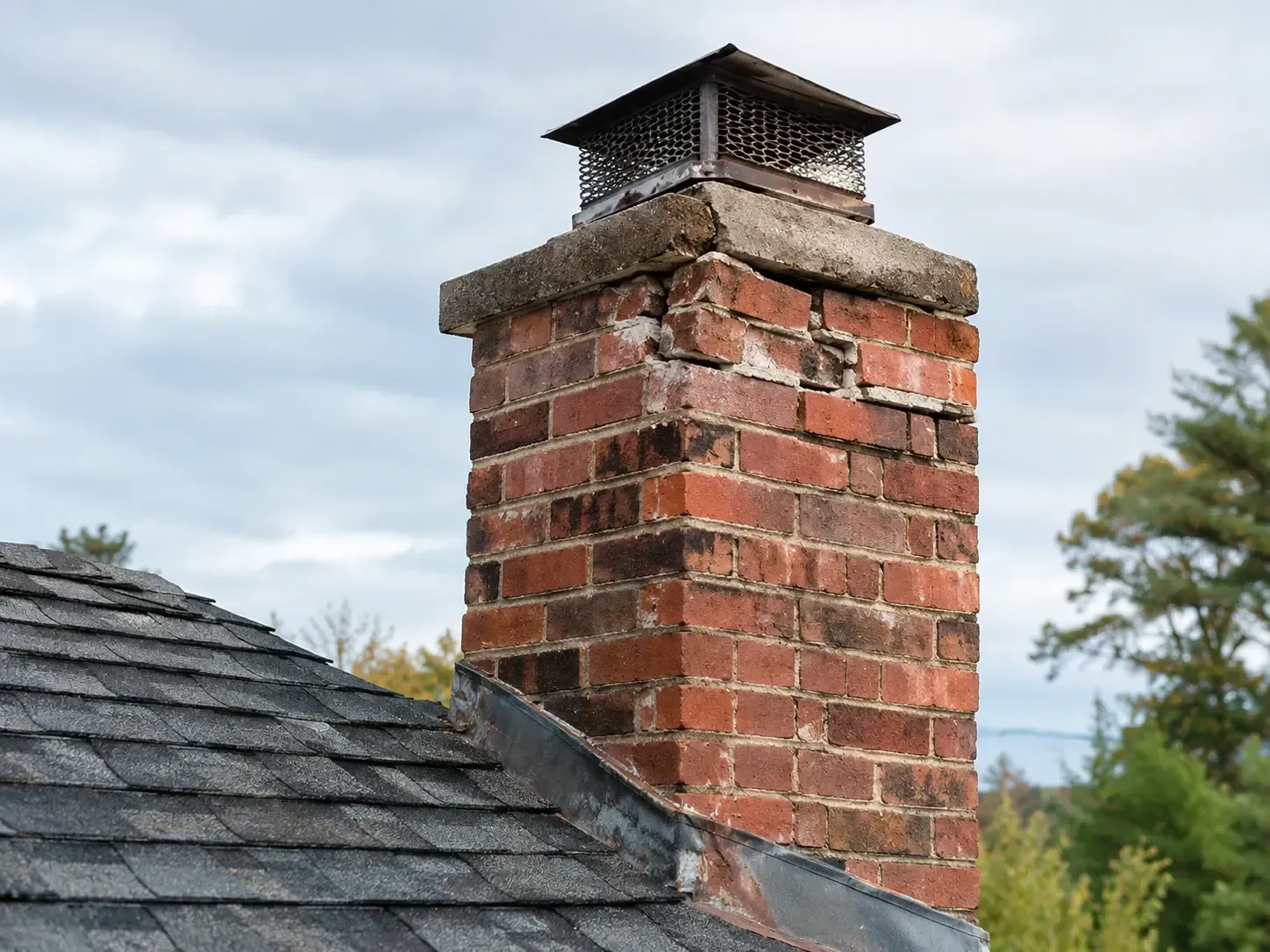
Over several seasons of neglect, this continuous expansion and contraction disintegrate the mortar joints holding the structure together. Homeowners in South Portland and Windham often notice small pieces of brick, red dust, or sand accumulating on their rooflines or at the base of their exterior chimneys. This debris is the first physical evidence of a failing structure.
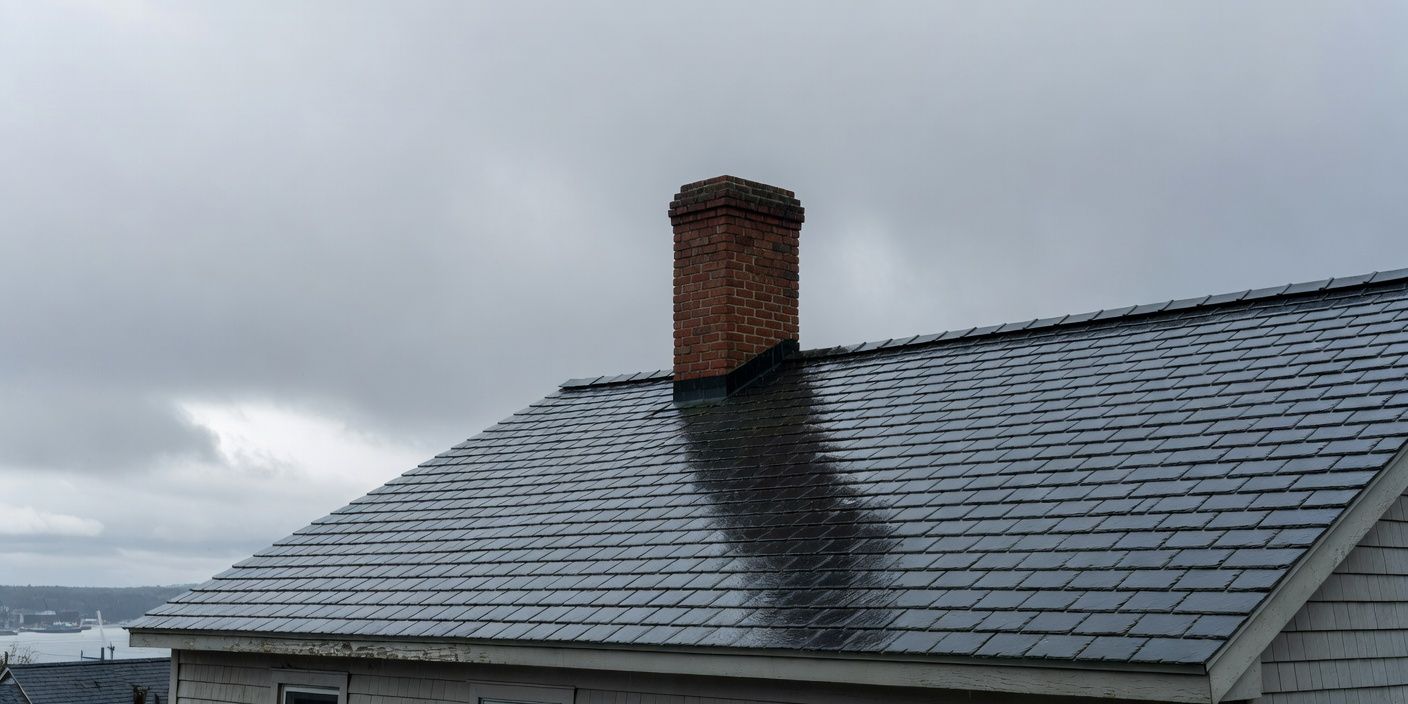
Left unaddressed, penetrating water will eventually breach the roofing envelope. This intrusion causes ceiling leaks, rotting wooden framing, and severe mold growth in the attic space. Proper waterproofing applications and professional crown repair are critical defensive measures to prevent this specific type of water damage.
Why a Professional Chimney Sweep Portland Homeowners Trust is Essential
Burning wood produces a natural byproduct called creosote. As hot smoke travels up the relatively cooler chimney flue, condensation occurs, leaving behind a dark, sticky, and highly flammable residue on the internal walls. Creosote develops in three distinct stages, with each stage becoming progressively more hazardous and difficult to remove.
Stage one creosote is a flaky soot that brushes away relatively easily. Stage two takes on a thick, tar-like consistency that requires specialized rotary tools to clear. Stage three is a hardened, shiny glaze that clings tenaciously to clay flue tiles. A rogue spark from a standard evening fire can easily ignite stage three creosote, resulting in a dangerous internal fire that can reach temperatures exceeding two thousand degrees Fahrenheit. Such intense heat shatters clay flue tiles instantly and transfers directly to the combustible wooden framing of the house.
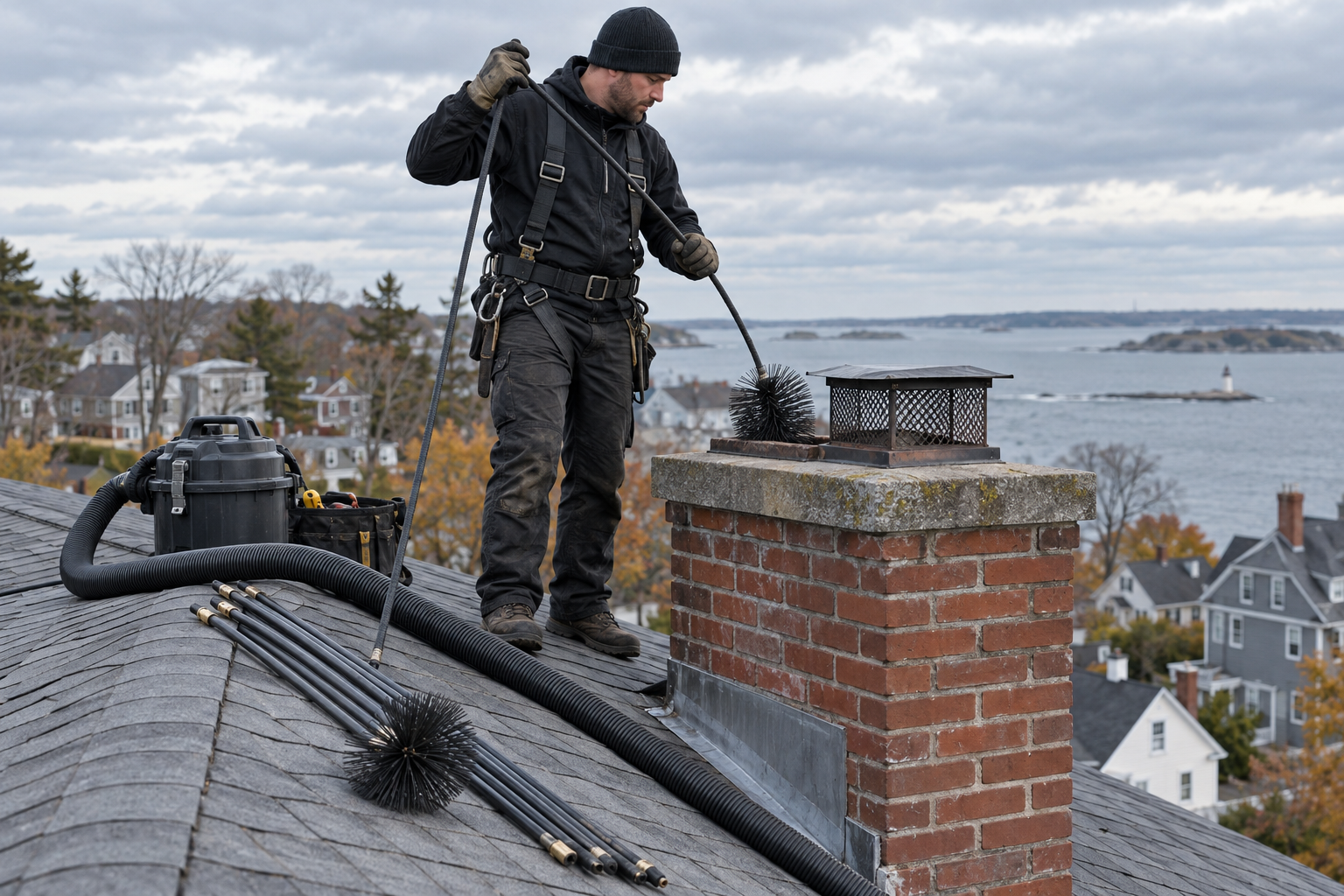
Booking a professional chimney sweep portland residents can depend on guarantees that all three stages of this dangerous buildup are identified and removed safely. Our specialized technicians use industrial-grade vacuums and advanced sweeping mechanisms to clean the flue completely without allowing hazardous soot into your living room. Routine sweeping drastically reduces the risk of internal fires and ensures that dangerous combustion gases, including deadly carbon monoxide, draft properly out of the home rather than spilling back into your breathing air.
Critical Warning Signs Your Chimney System is Compromised
Homeowners should actively monitor their chimneys for early indicators of damage. Catching these warning signs early prevents minor masonry repairs from escalating into complete structural rebuilds.
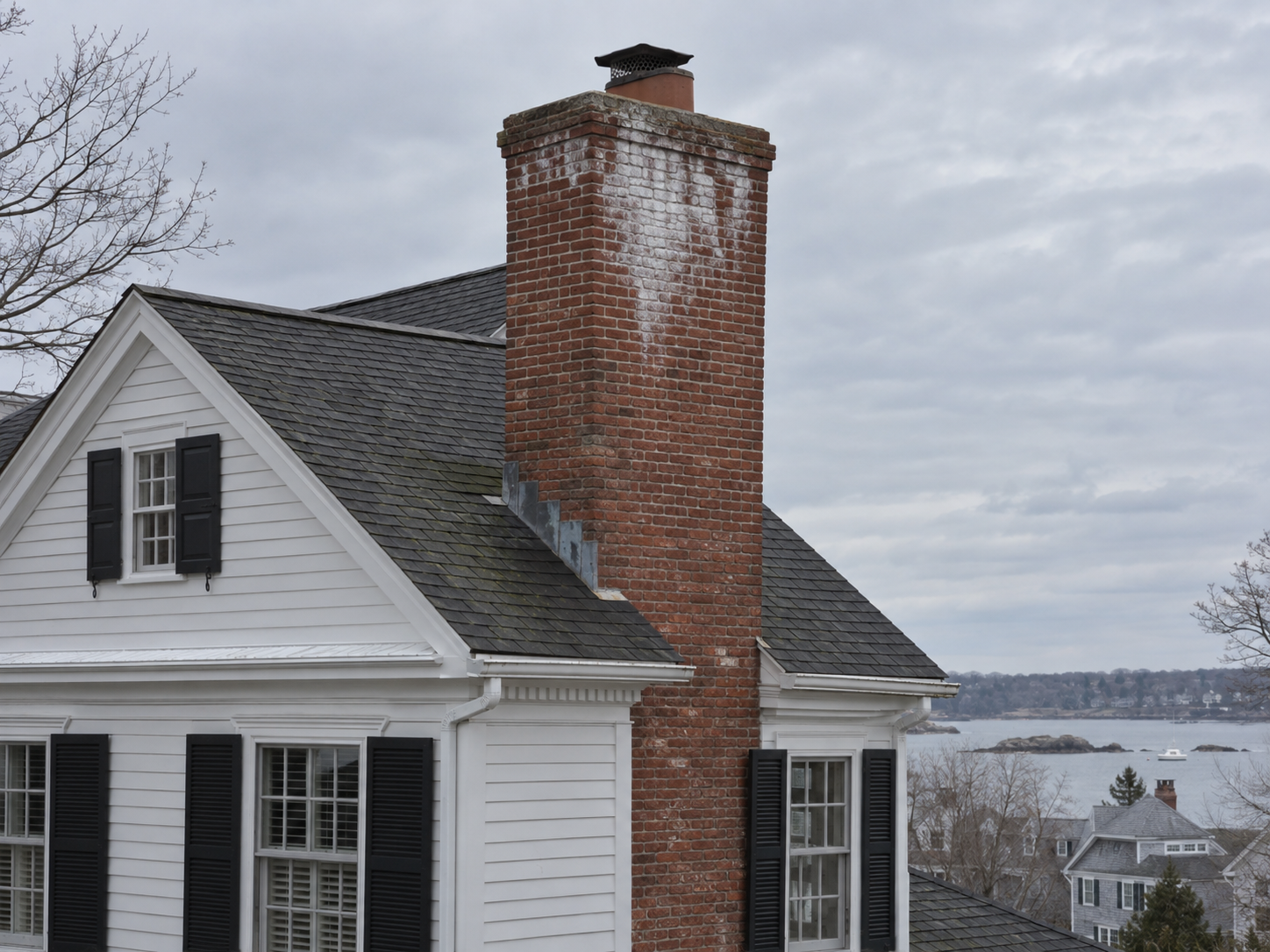
- White Powdery Stains: Known as efflorescence, these white chalky stains appear on the exterior brickwork. They indicate that moisture is moving entirely through the masonry and leaving natural mineral salts behind on the surface.
- Strong Odors: A persistent, campfire-like or musty smell coming from the fireplace during the humid summer months strongly suggests a buildup of creosote mixing with rainwater.
- Deteriorating Mortar: If the cement joints between the bricks appear recessed, cracked, or crumbling, the masonry is actively losing its structural integrity and requires immediate tuckpointing.
- Rusted Damper Assemblies: Constant moisture inside the flue will cause internal metal components to oxidize rapidly. A damper that is difficult to open or close is a prime indicator of an active water leak.
- Drafting Issues: Smoke backing up into the living room indicates a restricted or blocked flue. This dangerous blockage could be caused by heavy creosote, a collapsed clay tile, or animal nests built during the warmer months.
Strategic Maintenance and Long-Term Value
Addressing these vulnerabilities requires a structured approach to home maintenance. Modern chimney care goes far beyond simply running a wire brush down the flue. It involves comprehensive diagnostics, including interior video camera inspections, to spot hidden stress fractures that are invisible to the naked eye. Protecting an older home requires evaluating the roof flashing, the cement crown, the exterior mortar, and the internal liner system.
The following table outlines the different levels of chimney care, demonstrating how proactive maintenance protects property value and prevents catastrophic damage.
Chimney Maintenance and Risk Mitigation Guide
| Service Level | Maintenance Action | Target Risk Addressed | Long-Term Impact on Property |
|---|---|---|---|
| Neglect / No Service | None | High risk of chimney fires, carbon monoxide leaks, and severe structural decay. | Potential for catastrophic home damage, invalidated homeowner insurance claims, and expensive masonry rebuilds. |
| Level 1 Inspection & Sweep | Annual sweeping of the flue and visual inspection of accessible exterior masonry. | Creosote buildup, minor blockages, and surface-level masonry deterioration. | Maintains basic fire safety standards and ensures the appliance drafts correctly during the winter heating season. |
| Level 2 Video Inspection | Camera routing through the entire flue system to examine internal joints and liner integrity. | Hidden clay tile fractures, breaches in the flue lining, and internal storm damage. | Provides exact diagnostic data for targeted repairs, heavily recommended when buying or selling a property. |
| Comprehensive Protection | Sweeping, crown repair, tuckpointing, and application of silane-siloxane waterproofing. | Freeze-thaw masonry destruction, severe water intrusion, and all related fire hazards. | Maximizes the lifespan of the chimney, prevents interior water damage, and preserves the architectural integrity of the home. |
Extending Reliable Chimney Care Across Southern and Central Maine
While our operations are deeply rooted in Portland, the need for stringent chimney maintenance extends far beyond the immediate city limits. Inland areas face slightly different weather patterns, often experiencing deeper snowpack and longer periods of sustained freezing temperatures. Homes in Augusta and Lewiston require robust exterior waterproofing to combat heavy winter precipitation.
Coastal properties in Biddeford face the added element of corrosive salt air mixing with freezing rain. This harsh combination heavily accelerates the deterioration of metal chase covers and stainless steel chimney caps.
Select Chimney Services understands these highly specific regional microclimates. We adapt our masonry repair and waterproofing techniques to suit the environmental stressors of your exact location. Whether your property features a historic, century-old masonry structure or a modern prefabricated metal chimney system, our technicians apply the appropriate methods and materials to secure it against the elements.
Securing Your Home and Family for the Season
Your chimney is a vital component of your home heating system and overall structural envelope. Ignoring routine maintenance leaves your family vulnerable to silent hazards like carbon monoxide gas and hidden creosote fires. It also exposes your property to the relentless, damaging forces of Maine weather. Taking action before the severe cold sets in ensures your fireplace remains a safe source of comfort.
We highly encourage homeowners to schedule their annual sweeps and masonry evaluations during the spring, summer, or early fall. Early scheduling guarantees that any necessary masonry repairs can be completed while temperatures are still warm enough for fresh mortar and waterproofing compounds to cure correctly.
To ensure your venting system is safe, clean, and structurally sound for the upcoming season, please reach out to our dedicated scheduling team. You can easily request an inspection or maintenance service by visiting our Contact Us page. Our professionals are ready to provide the thorough, detailed care your property demands.
Frequently Asked Questions
How often should a wood-burning chimney be swept in Maine?
The National Fire Protection Association recommends that all chimneys, fireplaces, and vents be inspected at least once a year. If you use your wood stove or fireplace frequently during the long Maine winter, you may need to sweep it annually or even twice a season to prevent dangerous creosote accumulation.
Can a professional chimney sweep fix water leaks?
Yes. A certified chimney professional is highly trained to identify the exact source of exterior water intrusion. Whether the leak is caused by a cracked cement crown, failing lead flashing, deteriorated mortar joints, or a missing chimney cap, our technicians can perform the necessary masonry repairs and apply industrial waterproofing to stop the leak entirely.
What is the best time of year to schedule chimney maintenance?
The optimal time for maintenance is between late spring and early fall. Sweeping during this period removes highly acidic soot that can degrade the internal liner over the humid summer months. Furthermore, exterior masonry repairs and waterproofing treatments require mild temperatures to cure properly, making summer the ideal season for comprehensive restorative work.
Is chimney sweeping necessary if I rarely use my fireplace?
If you notice black soot buildup, a strong smoky odor, or reduced fireplace performance, it’s time for a sweep. Most Maine homeowners schedule annual cleanings before winter to ensure safety.