How Most Chimney Problems Start in Portland Homes Without Warning
Many homeowners do not think about their heating systems until the first bitter evening of the season. You turn on the heating system, light a fire, and expect everything to work flawlessly. However, the structures venting those fires often deteriorate entirely out of sight. A masonry stack might look perfectly sturdy from the street while hiding severe structural deficits inside the flue or right beneath the roofline.
Portland, Maine presents a particularly harsh environment for exterior masonry. Historic properties and newer builds alike face relentless exposure to coastal winds, heavy snowfall, and driving rain. These elements wage a silent war against brick and mortar. The damage rarely announces itself with a sudden collapse. Instead, it begins with microscopic vulnerabilities that gradually compromise the safety of your home.
Understanding how these hidden issues develop is the first step toward protecting your property value and your family. Relying on preventative maintenance from professionals like Select Chimney Service ensures you catch these quiet threats before they mandate catastrophic repair bills.
The Devastating Effects of the Maine Freeze and Thaw Cycle
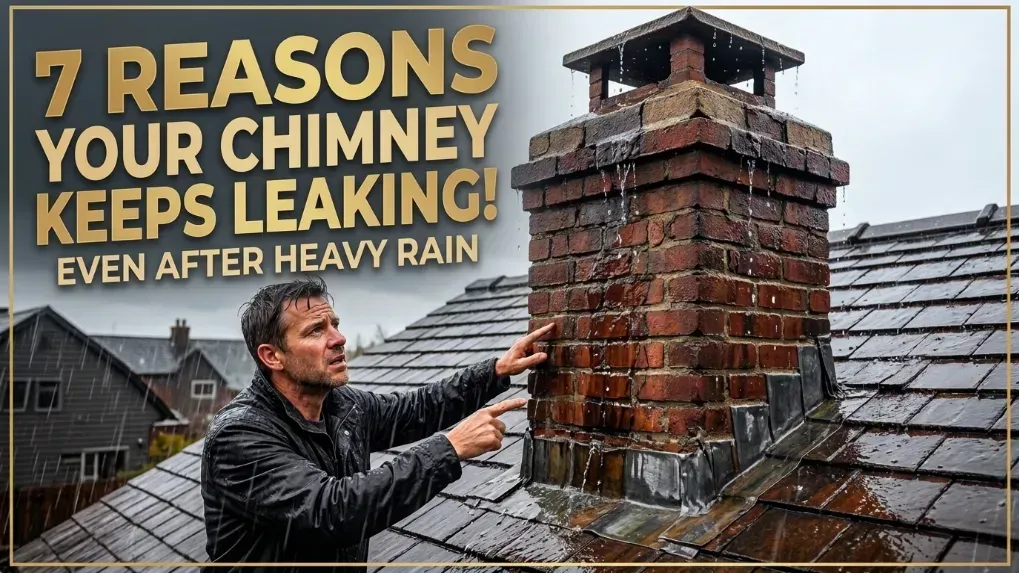
Water is the single greatest enemy of any masonry structure. Bricks and mortar are inherently porous materials. They act like rigid sponges, absorbing moisture from rain, sleet, and melting snow. In a mild climate, this moisture eventually evaporates harmlessly. In Portland, the moisture trapped inside the brick frequently freezes.
When water turns to ice, it expands by roughly nine percent. This expansion forces the brick to stretch beyond its physical capacity. Once the temperature rises and the ice thaws, the material contracts. This continuous cycle of freezing and thawing creates tiny internal fractures. Over time, the face of the brick will begin to flake off or pop out entirely. This process is known as spalling.
By the time you notice loose brick fragments on your roof or in your yard, the internal damage is already extensive. Moisture is likely penetrating deep into the system, threatening the structural integrity of the entire stack. Homeowners can halt this destructive cycle by investing in professional waterproofing treatments. High-quality vapor permeable sealants allow the masonry to breathe out existing moisture while blocking new water from entering the porous surface.
Protecting Your Home With Expert Chimney Services
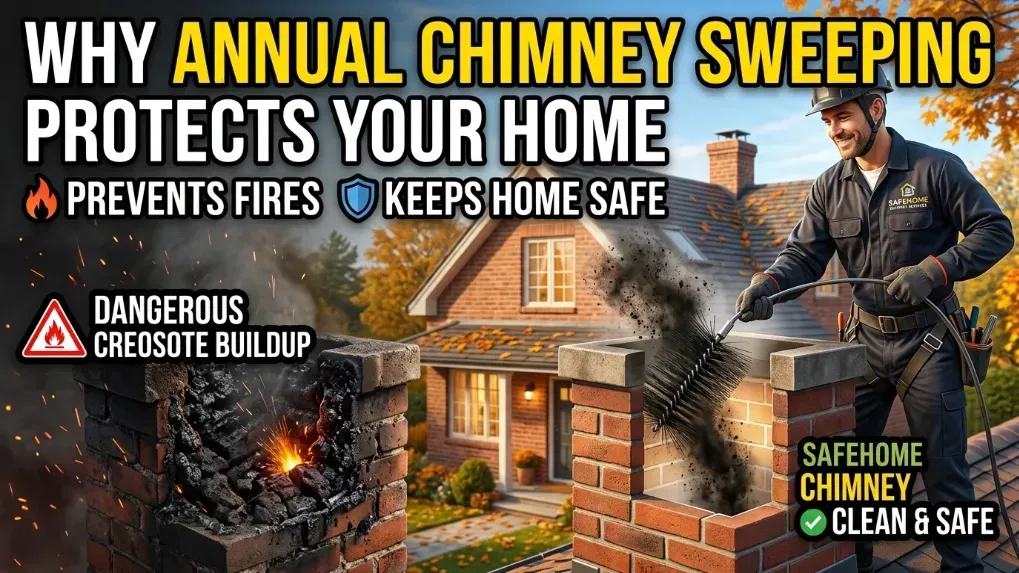
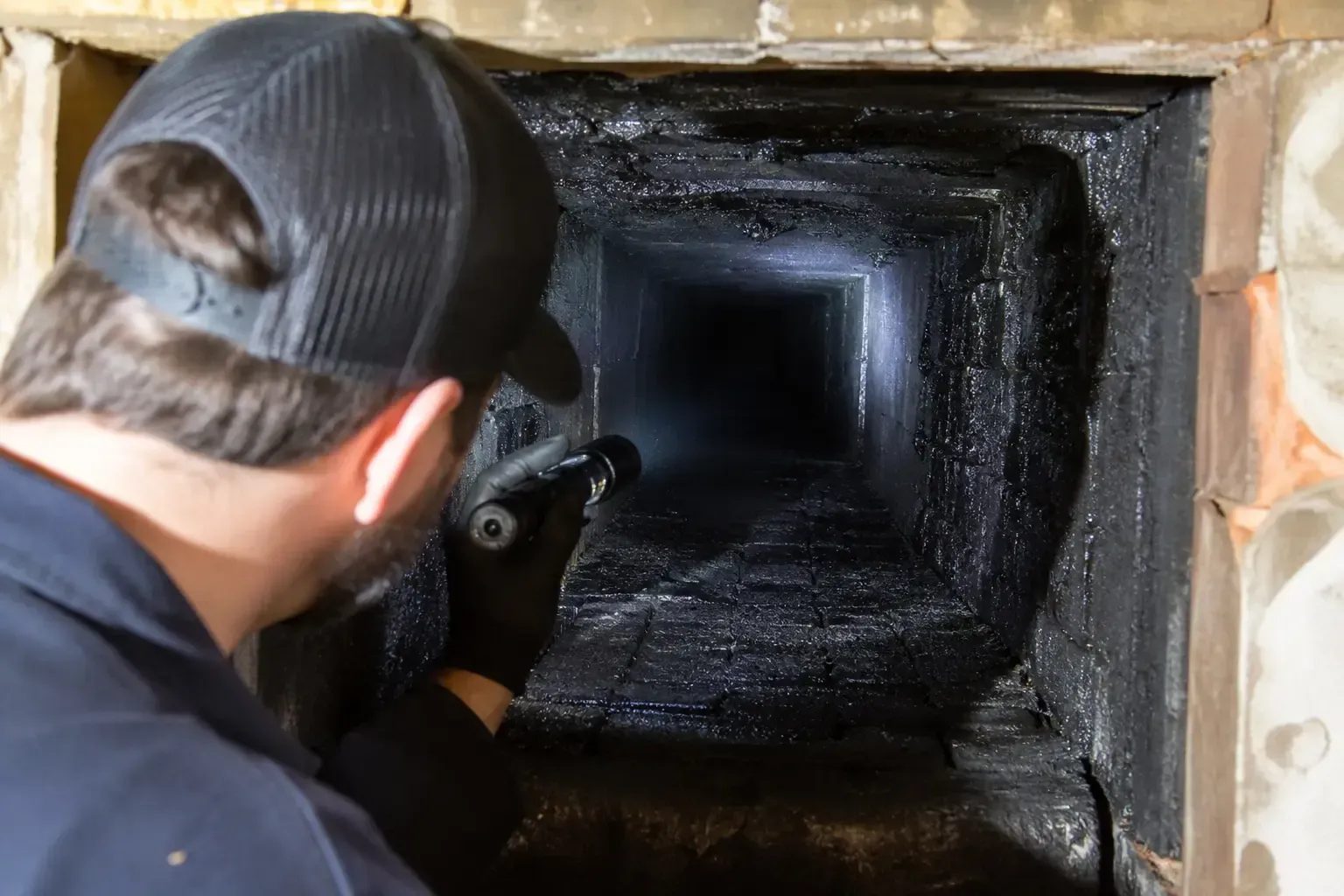
A different kind of threat builds up on the inside of the structure. Whenever you burn wood, the combustion process releases smoke, water vapor, unburned wood particles, and various hydrocarbon gases. As this mixture travels up the relatively cooler flue, condensation occurs. The resulting residue that sticks to the inner walls is called creosote.
Creosote accumulation is entirely natural, but it is also highly combustible. It develops in three distinct stages. The first stage presents as a flaky soot that is easily brushed away. The second stage hardens into a thick, tar-like crust. The third stage is a dense, shiny glaze that is extremely difficult to remove and poses a massive fire risk. Most chimney fires start because a stray spark ignites this third-stage creosote buildup.
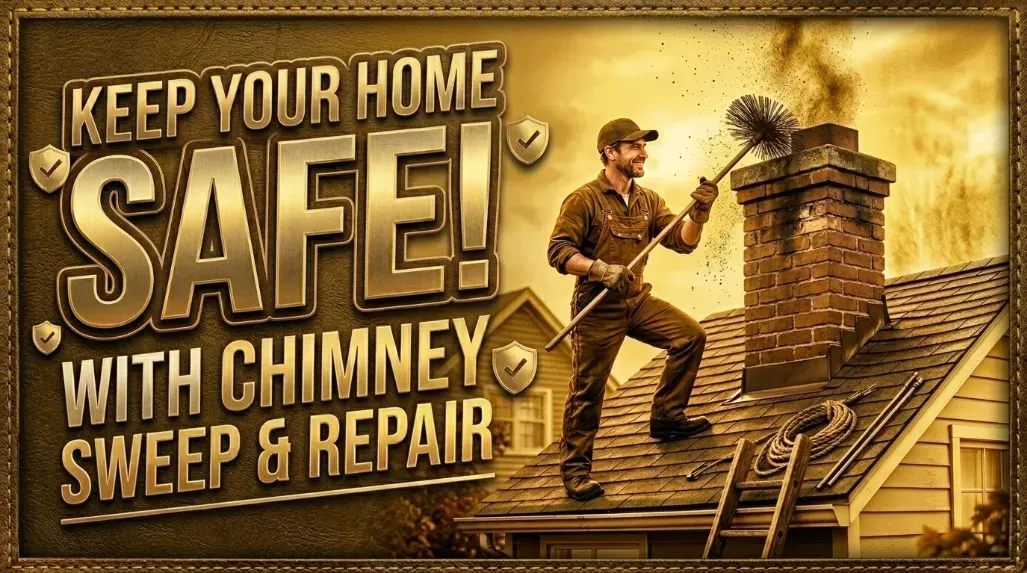
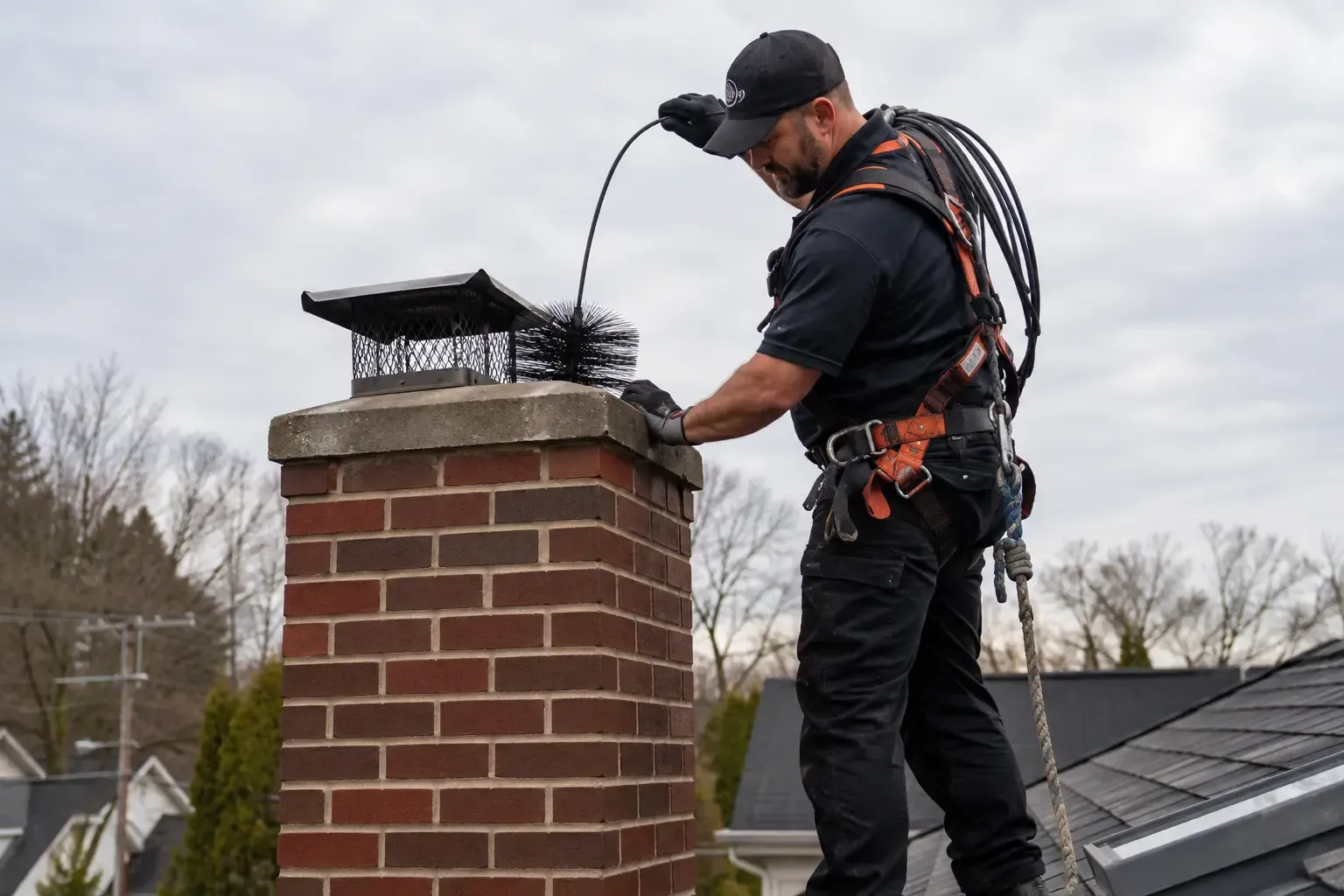
Regularly scheduled chimney services are necessary to safely remove this material. A professional sweep does more than just clear the soot. They inspect the flue for hidden dangers. Older Portland homes often feature unlined brick flues or deteriorating clay tiles.
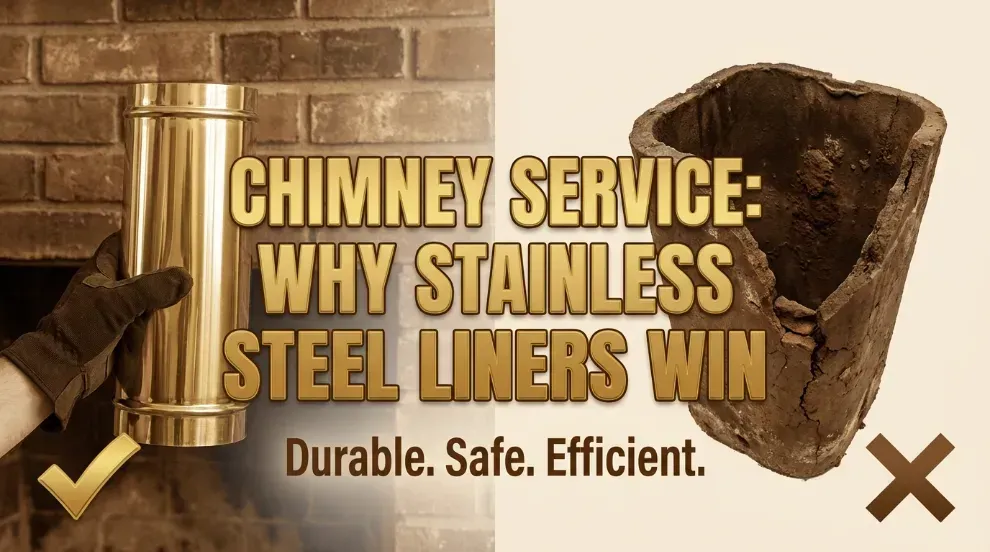
When these materials degrade, heat and toxic gases can easily transfer through the masonry into the combustible framing of your house. Installing seamless stainless steel liners is often the most effective way to modernize an aging system, contain the toxic byproducts of combustion, and ensure proper drafting for your fireplace or wood stove.
Structural Warning Signs You Cannot Ignore
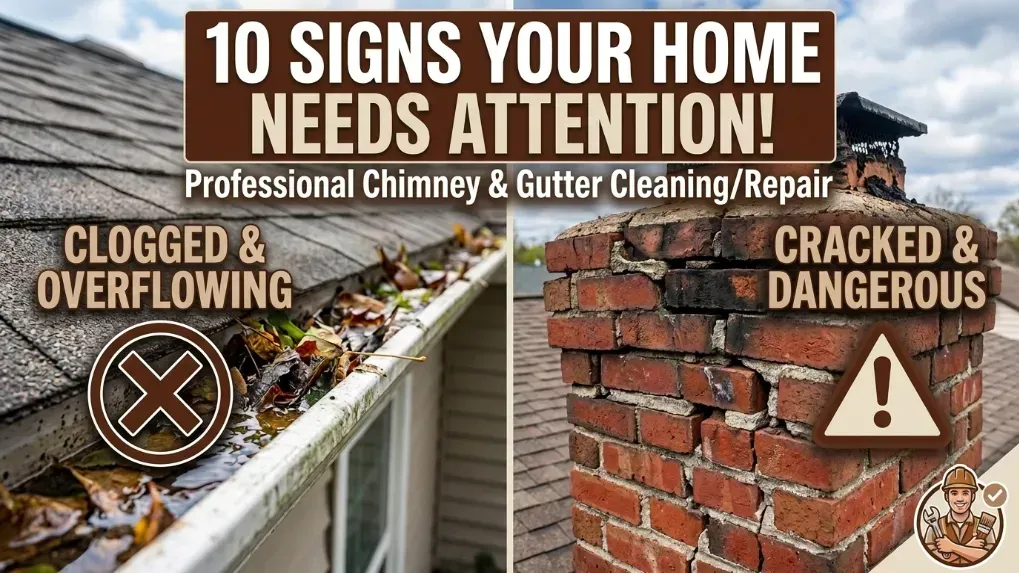
Homeowners often assume their masonry is fine as long as the bricks are standing upright. Yet the mortar holding those bricks together has a significantly shorter lifespan than the bricks themselves. While high-quality bricks can last over a century, mortar joints typically begin to fail after twenty-five to thirty years of weather exposure.
When mortar breaks down, it recedes from the surface of the brick. This leaves open gaps where water easily pools and enters the structure. Insects and organic growth like moss can also infiltrate these voids, accelerating the decay. If left unaddressed, the entire weight of the stack will shift, leading to a leaning structure or partial collapse.
The solution to this specific problem is a process that removes the damaged mortar and replaces it with fresh material. Prompt demolition and tuckpointing restores the structural integrity of the stack without the need to tear down the entire build. Catching failing mortar early is a prime example of how minor maintenance prevents major reconstruction costs.
Water Damage Indicators Inside the Home
Sometimes the first sign of a problem appears inside your living room or attic. Pay close attention to the following indicators:
- Water stains on the ceiling or walls directly adjacent to the fireplace.
- A persistent musty odor coming from the firebox, especially after heavy rain.
- Peeling wallpaper or blistering paint near the masonry column.
- Puddles or moisture accumulation inside the firebox.
- The sound of dripping water echoing down the flue.
These symptoms usually indicate a failed chimney crown or compromised flashing. The flashing is the sheet metal seal connecting the masonry to the roof deck. When this seal lifts or rusts, water runs directly into the home framing, causing rot and mold growth long before it reaches your drywall.
Common Chimney Problems and Their Hidden Causes
The table below outlines how seemingly minor symptoms point to serious underlying issues in your home heating ventilation system.
| System Component | Silent Threat | Early Visual Warning Sign | Recommended Professional Action |
|---|---|---|---|
| Exterior Brick | Freeze and thaw cycle | Flaking brick faces, rubble on roof | Waterproofing application |
| Mortar Joints | Weathering and acidic rainwater | Recessed gaps, crumbling sandy debris | Tuckpointing and joint repair |
| Flue Interior | Creosote condensation | Dark, shiny, tar-like glazing inside | Sweeping and stainless steel lining |
| Roof Flashing | Rust and sealant failure | Water stains on interior ceilings | Flashing repair and resealing |
| Chimney Crown | Shrinkage cracks from temperature changes | Hairline fractures on the top cement cap | Crown rebuilding or sealing |
Why Preventative Maintenance Saves Portland Homeowners Money
The financial realities of homeownership demand strategic thinking. It is always more cost-effective to maintain a structure than to rebuild it. A yearly inspection costs a fraction of what you will pay to rebuild a collapsed stack or remediate extensive water damage inside your attic.
Local homeowners are right to be cautious about contractor pricing and hidden fees. The key to avoiding expensive emergency repairs is working with local professionals who prioritize honesty, provide clear quotes, and explain the exact nature of the required work. When you schedule an annual inspection, technicians evaluate the system from the firebox to the crown. They check for proper drafting, verify that carbon monoxide is safely venting outside, and catch microscopic masonry cracks before the harsh Maine winter forces them open.
Your fireplace and heating appliances provide vital warmth and comfort during the darkest months of the year. Ensuring they operate safely requires consistent, professional oversight. Waiting for a visible leak or a noticeable drop in performance means the damage has already taken hold. Proactive care guarantees your system remains a safe, efficient, and beautiful asset to your property for decades to come.
Frequently Asked Questions
How often should I have my chimney swept and inspected?
You should schedule an inspection at least once a year. If you use your fireplace or wood stove frequently as a primary heating source during the winter, you may need to have it swept twice a year to safely manage creosote buildup. Even if you rarely use the fireplace, an annual inspection is necessary to check for water damage, animal nests, or structural shifts caused by the weather.
What is the difference between a chimney sweep and an inspection?
A sweep is a physical cleaning process designed to remove soot, creosote, and debris from the inside of the flue. An inspection is a comprehensive safety and structural evaluation. During an inspection, a technician checks the integrity of the masonry, the condition of the crown and flashing, and the safety of the interior liner to ensure the system meets all current building codes.
Why is my fireplace producing a strong, unpleasant smell during the summer?
A smelly fireplace in the summer is almost always caused by a combination of creosote buildup and excess moisture. Maine summers are notoriously humid. When humid air enters a dirty flue, it absorbs the harsh, smoky odors of the creosote and pushes them down into your living space. A thorough sweeping and a professional evaluation of your chimney cap and waterproofing status will resolve this issue.
Can a chimney fire occur even if I don’t use my fireplace often?
Yes. Creosote deposits from past use remain flammable, and even small sparks or embers can ignite them. That’s why annual inspections are important regardless of usage frequency.