Why Chimney Waterproofing Is Essential for Every Homeowner in Portland
Owning a home in Portland means preparing for unpredictable Maine weather. Driving rain, heavy snowfalls, and rapid temperature fluctuations put constant stress on exterior masonry. Many homeowners diligently clean their gutters and inspect their roofs but overlook a massive masonry structure protruding right through the roofline. Your chimney is highly vulnerable to moisture infiltration. Protecting it requires proactive measures.
Select Chimney Services has spent years evaluating and treating water damage across Southern Maine. We know firsthand that preventative care saves property owners significant time, stress, and money.
The Mechanics of Masonry and Moisture
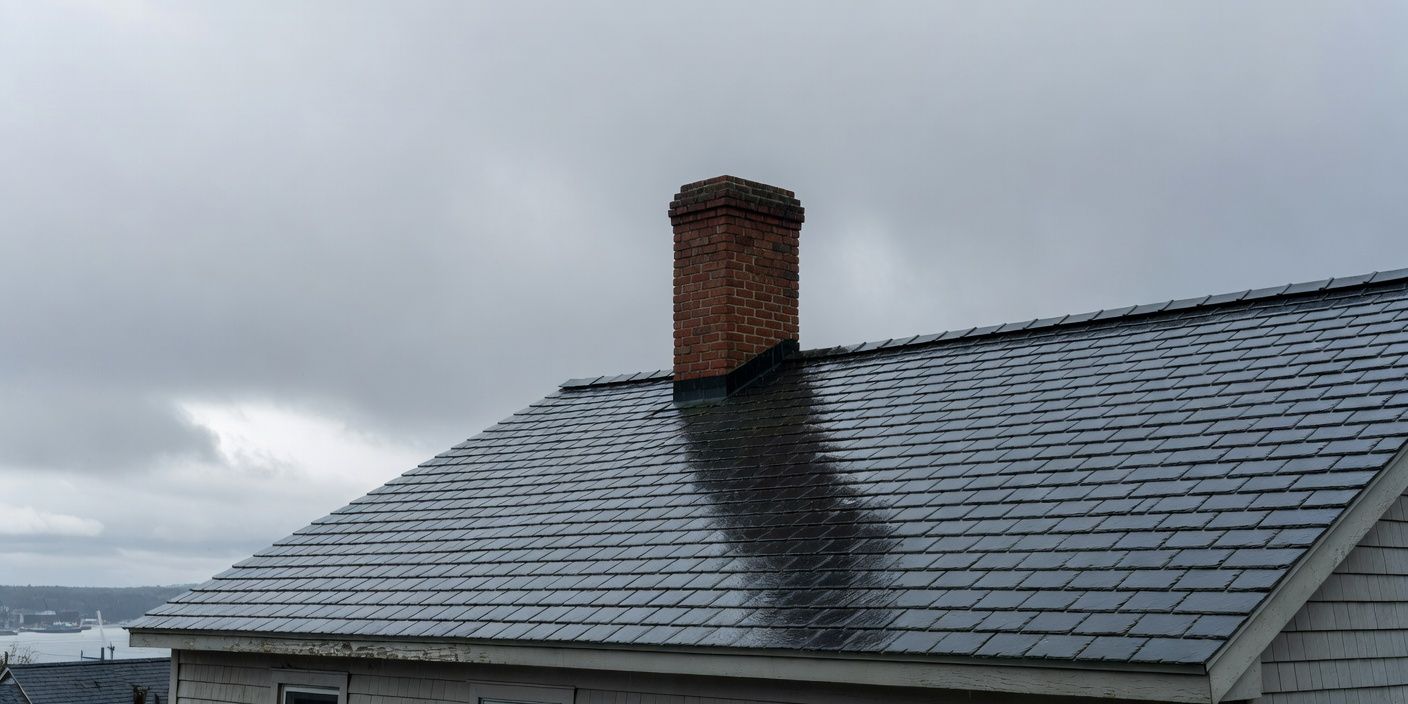
Bricks and mortar act like rigid sponges. They are inherently porous materials that absorb water from rain, melting snow, and coastal humidity. When water enters masonry, it sits inside the structural pores. In Portland, winter temperatures frequently drop below freezing overnight and rise during the day. This creates a relentless freeze-thaw cycle.
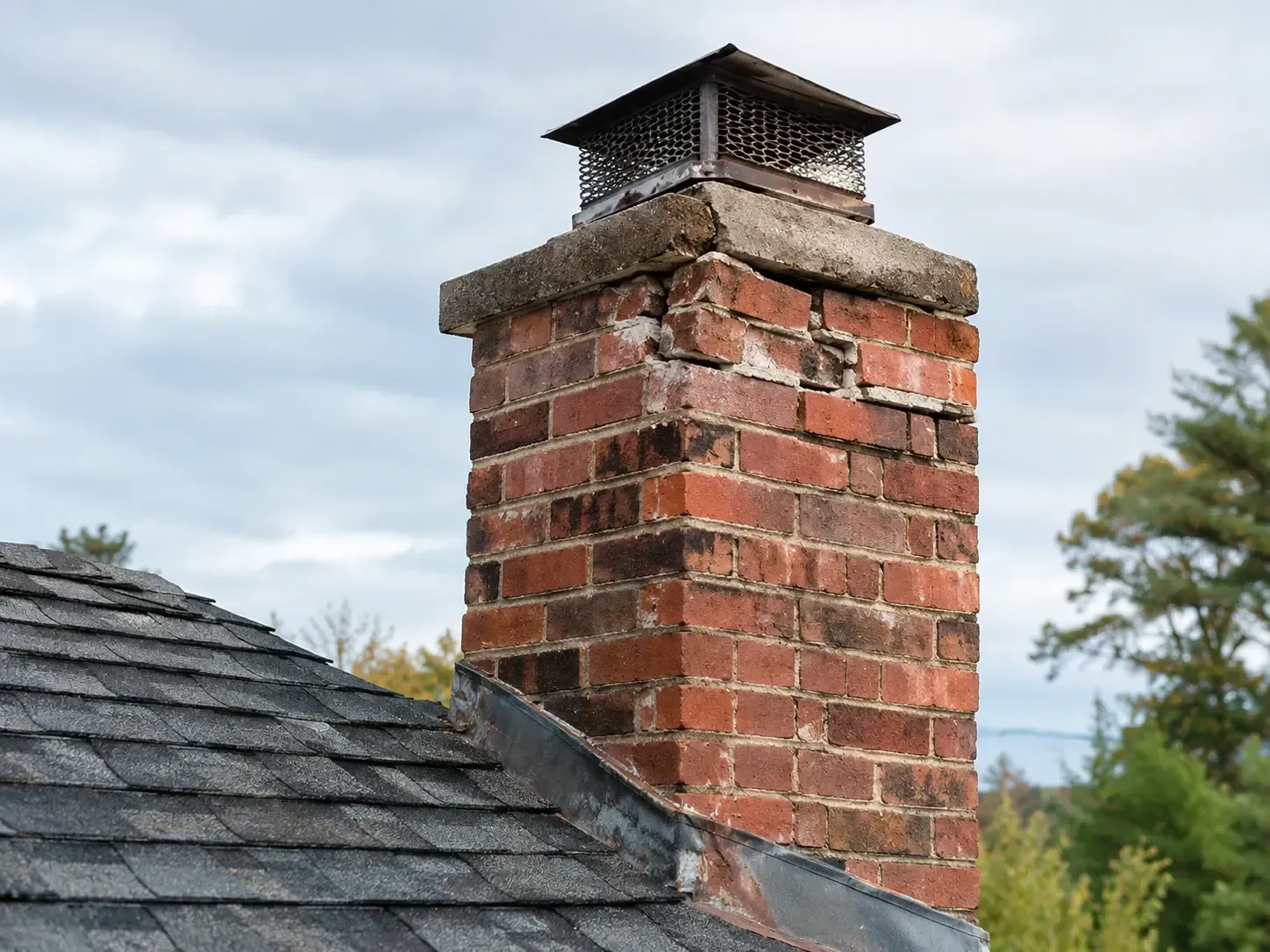
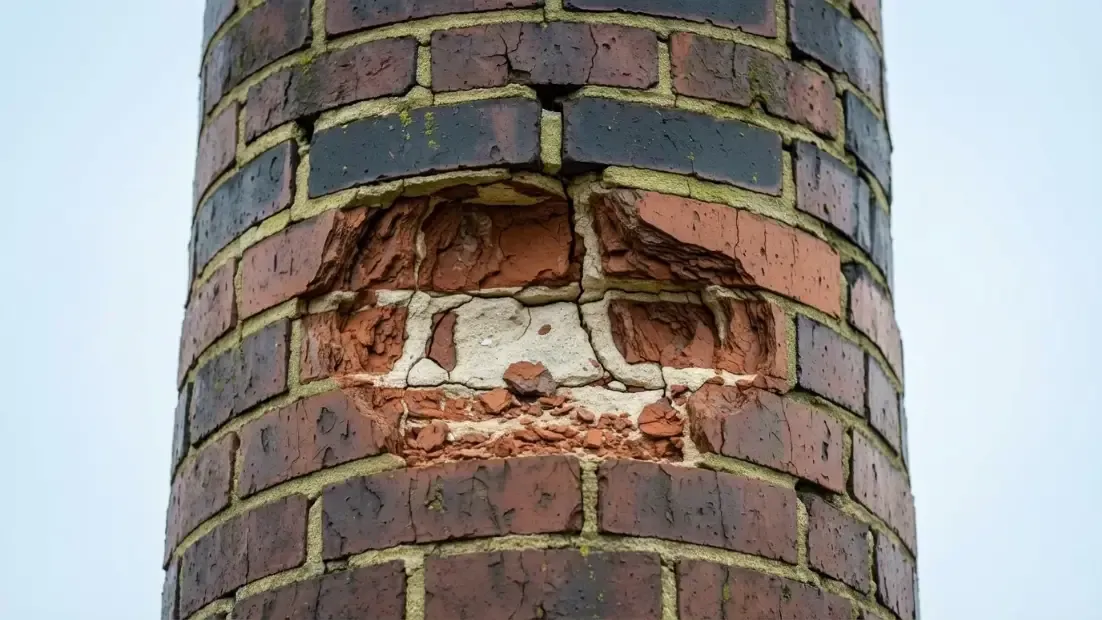
As absorbed water freezes, it expands by roughly nine percent. This expansion exerts tremendous internal pressure on the brickwork and mortar joints. Over successive seasons, this pressure causes micro-fractures to widen into visible cracks. The exterior surface of the brick may even begin to flake and fall away in a process known as spalling. Once structural degradation begins, moisture can penetrate deeper into the home. For a deeper dive into this specific regional issue, read our detailed analysis on portland chimney waterproofing and extending chimney lifespan.
Why a Professional Chimney Sweep and Chimney Repair Go Hand in Hand
Catching moisture issues early requires a trained eye. You might notice water stains on the ceiling near your fireplace or a distinct damp smell in your living room. Other times, the warning signs are strictly exterior.
Look for these common indicators of water intrusion:
- White, powdery stains on the exterior brickwork known as efflorescence.
- Rust stains around the flashing or on the firebox walls.
- Cracked or missing sections of the chimney crown.
- Deteriorating mortar joints that look sandy or hollowed out.
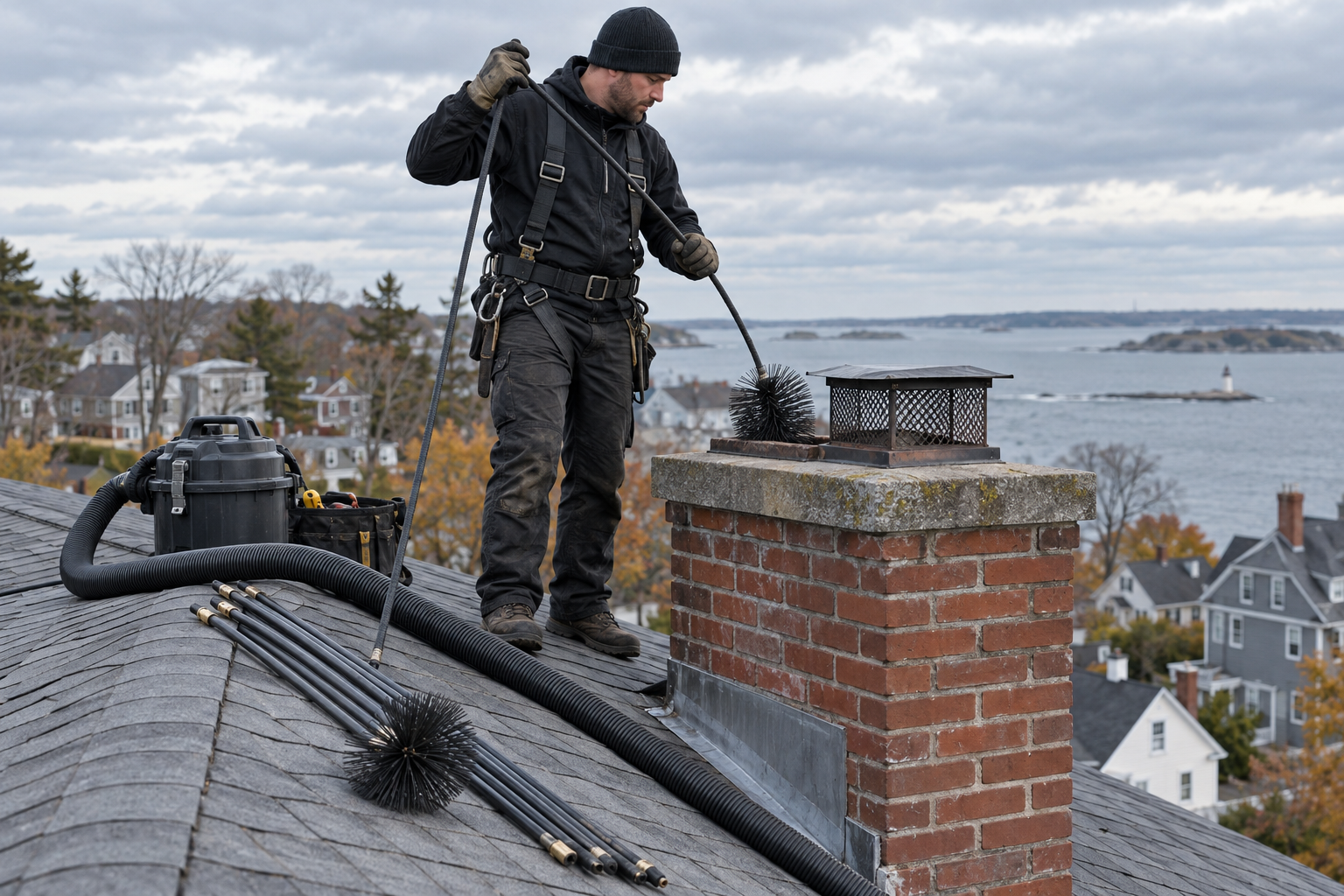
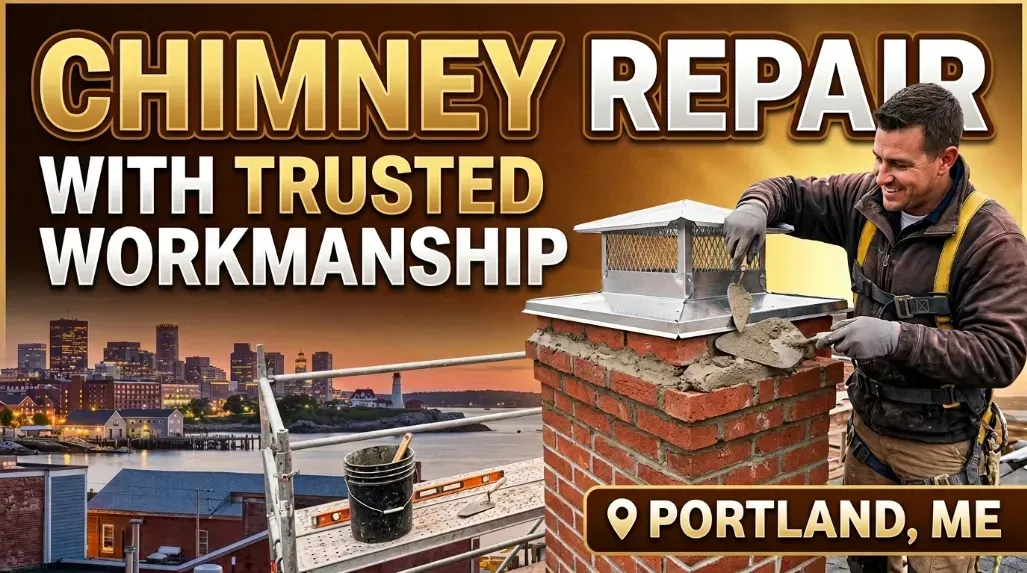
If you spot any of these signs, hiring a professional chimney sweep is the safest next step. An expert inspection will reveal the exact source of the leak. Sometimes the fix requires minor sealant applications around the flashing. In more advanced cases of neglect, severe masonry decay demands extensive chimney repair. When the mortar is too degraded to save, the structure will require
demolition and tuckpointing to restore structural integrity before any protective treatments can be applied safely.
The Science of Chimney Waterproofing
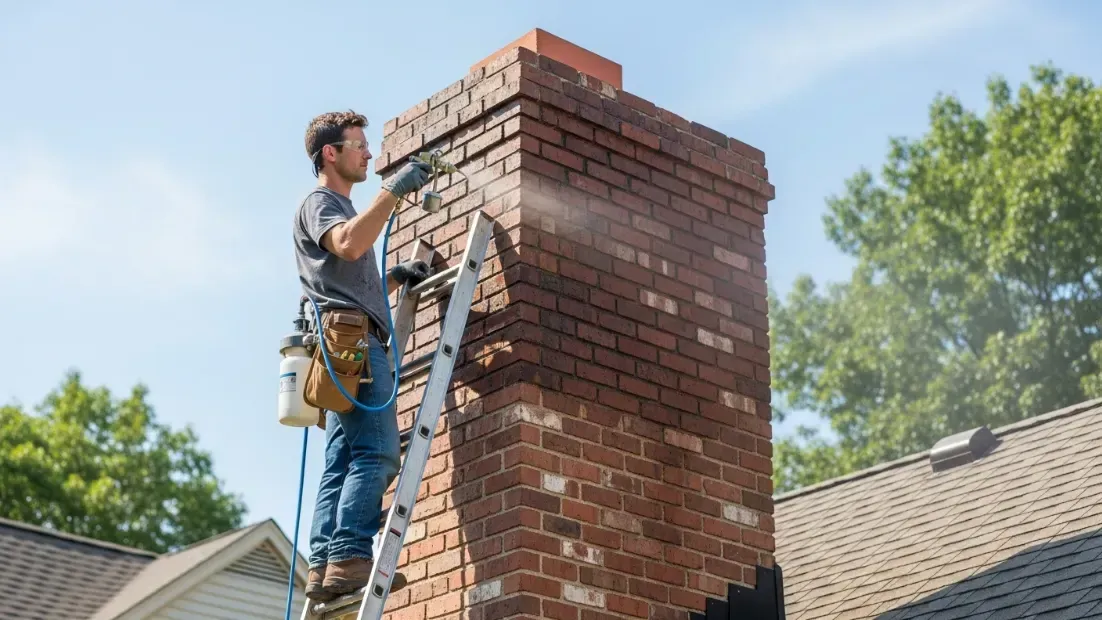
Applying a commercial-grade water repellent is a highly effective defense strategy. However, you cannot use just any hardware store sealant. Paint or generic clear coats will trap internal moisture inside the brick. If the brick cannot breathe, existing moisture will remain trapped, accelerating the very decay you are trying to prevent.
Our technicians use 100 percent vapor-permeable repellents. These specialized formulas penetrate deep into the masonry pores. They form a robust molecular bond that repels external liquid water while allowing internal water vapors to escape safely. Learn more about our dedicated waterproofing services to see how these advanced materials protect your property from the outside in.
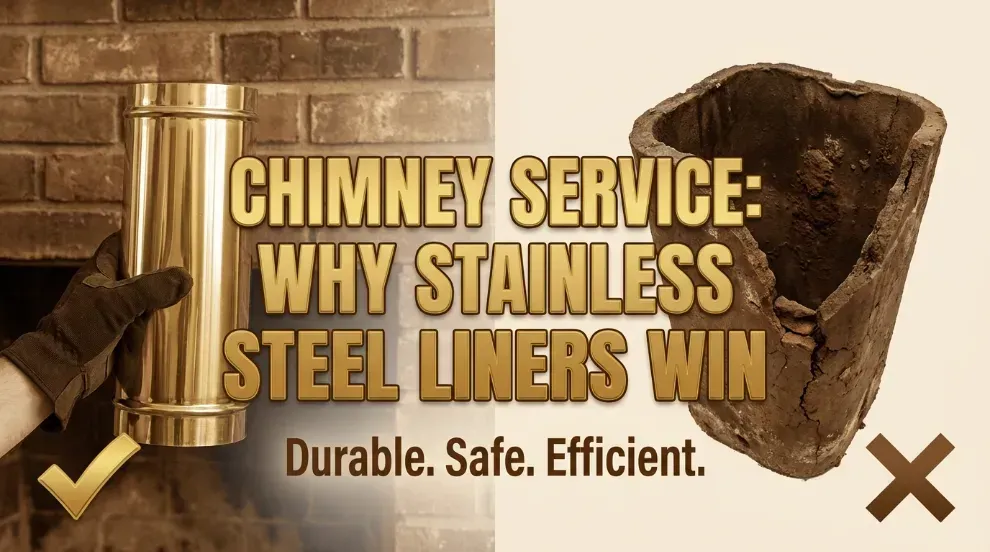
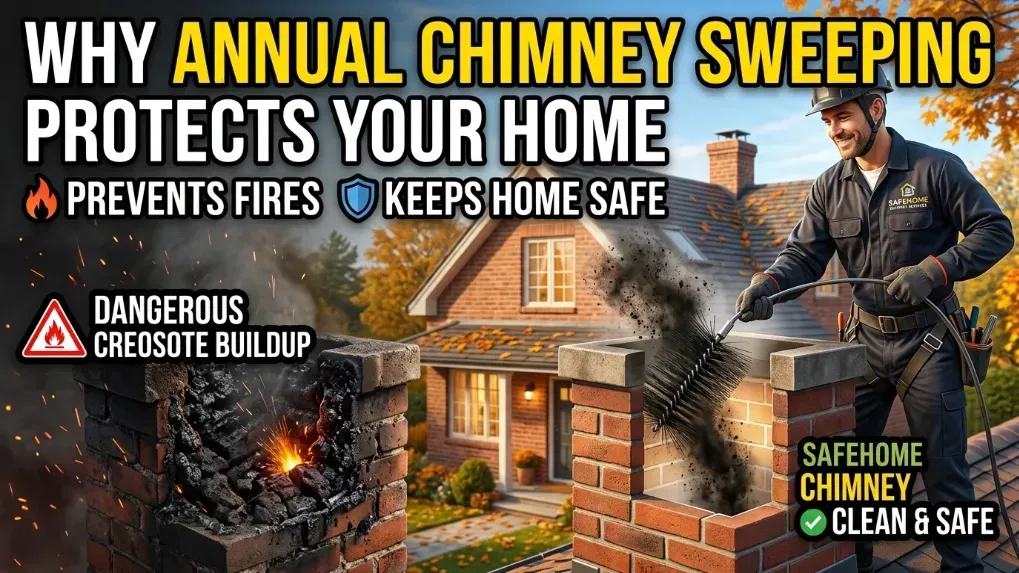
Beyond the exterior brickwork, you must also consider the interior pathway. Excess moisture mixed with combustion byproducts creates highly corrosive creosote. Protecting the flue from this chemical mixture is just as critical as protecting the exterior brick. Installing stainless steel liners ensures moisture and corrosive gases vent safely out of the home. This crucial step protects the inner walls of your masonry from deterioration.
Comparing Untreated vs. Waterproofed Chimneys
Understanding the long-term impact of weather protection helps clarify the value of this service. The table below outlines the distinct differences between an unprotected chimney and one treated with a breathable water repellent.
| Chimney Status | Moisture Absorption | Freeze-Thaw Vulnerability | Estimated Lifespan of Mortar | Long-Term Maintenance Costs |
|---|---|---|---|---|
| Untreated Masonry | High absorption rate | Severe risk of spalling | 10 to 15 years | Very High |
| Painted Masonry | Traps internal vapor | Extreme risk of internal rot | 5 to 8 years | Extremely High |
| Vapor-Permeable Waterproofed | Repels exterior water | Minimal risk | 20 to 25+ years | Low to Moderate |
| Waterproofed + Tuckpointed | Maximum protection | Negligible risk | 30+ years | Lowest |
Securing Your Home with Portland Specialists
Every geographical region has unique climate demands. Standard maintenance advice from a southern state does not apply to the harsh, wet conditions we experience in Maine. Protecting your home requires contractors who understand local weather patterns and the specific architectural styles prevalent in the Portland area.
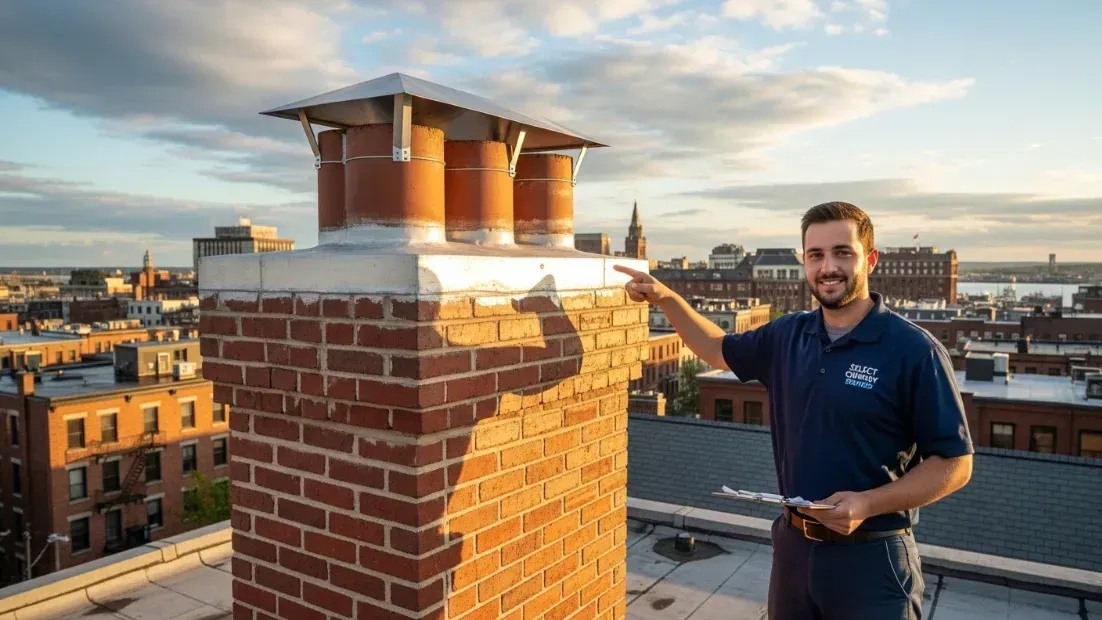
The team at Select Chimney Services prides itself on providing lasting solutions tailored to our local environment. We do not just patch problems. We diagnose the root cause of masonry failure and implement comprehensive strategies to keep your home safe, warm, and dry throughout the roughest seasons. Discover more about our company and our commitment to superior local craftsmanship.
Winter is always just around the corner in New England. Waiting for a leak to cause thousands of dollars in interior water damage is a costly gamble. Proactive care is the smartest investment a property owner can make. Reach out to our team today to schedule a thorough inspection. Visit our contact page to book your consultation and take the first step toward total masonry protection.
Frequently Asked Questions
How long does a chimney waterproofing treatment last?
A high-quality, breathable water repellent typically protects masonry for up to ten years. However, the exact duration depends on the severity of local weather conditions and the initial state of the brickwork. We recommend a visual inspection every year to ensure the barrier remains completely intact.
Can I waterproof my chimney myself?
Applying sealant yourself is highly risky. Hardware store products are often film-forming sealers rather than breathable repellents. Applying the wrong product traps moisture inside, which accelerates structural decay. Additionally, climbing a roof poses significant physical safety hazards. Always rely on a trained technician equipped with the right materials and proper safety gear.
Should waterproofing be done before or after masonry repairs?
You must complete all repairs first. Waterproofing is a protective measure, not a structural fix. If your chimney has existing cracks, degraded mortar, or spalling bricks, a technician must repair those defects. Applying a water repellent over damaged masonry will not stop water from entering large cracks and structural gaps.