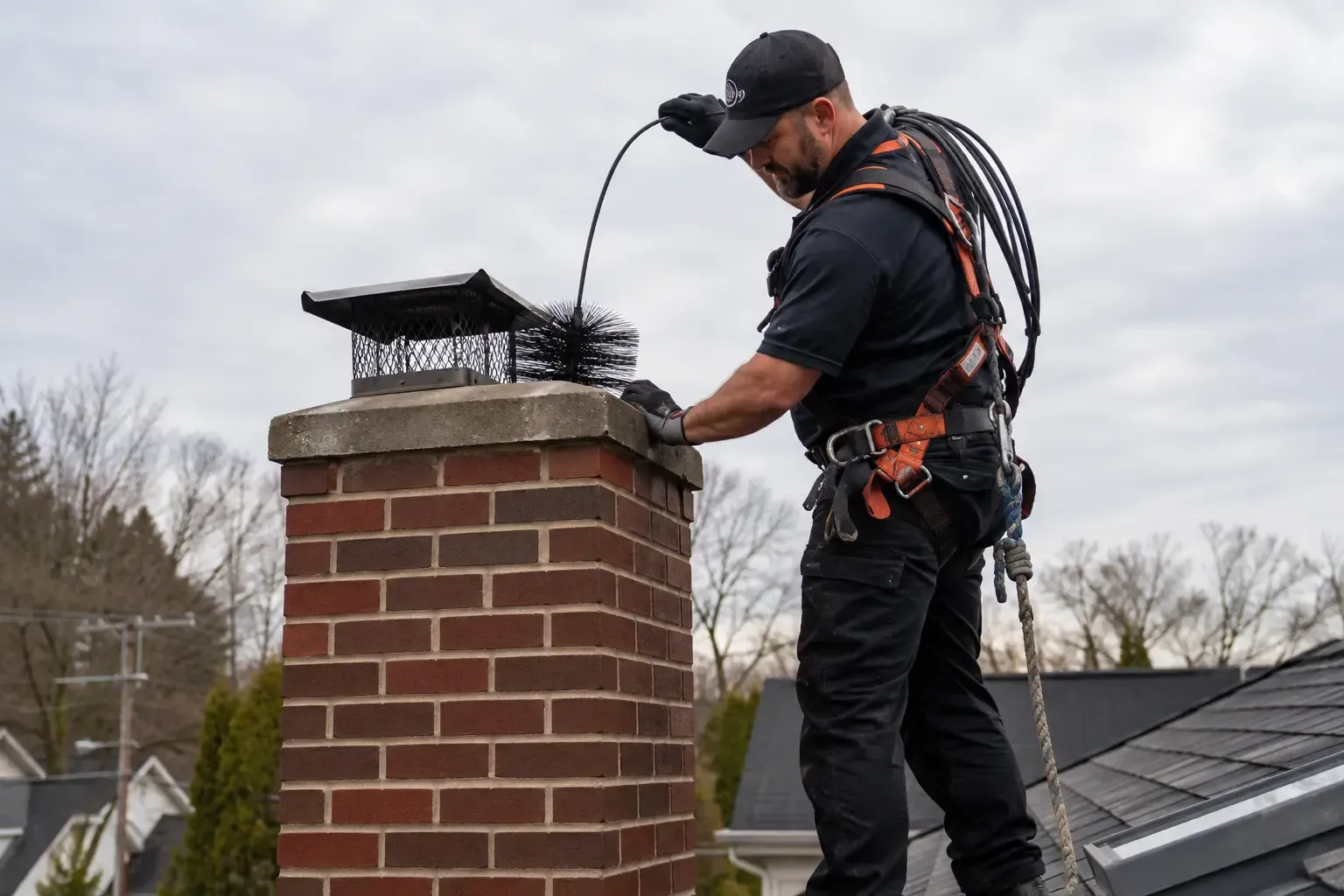
Defending Your Home Against Moisture: A Guide to Chimney Waterproofing in Portland
Portland, Maine, brings demanding weather conditions to New England homeowners. Coastal rainstorms, heavy winter snowfall, and intense freezing temperatures constantly batter the exterior of your property. Your chimney sits entirely exposed above the roofline, facing the brunt of every passing storm. Masonry materials like brick, mortar, block, and stone are highly porous. They act very much like rigid sponges that absorb environmental moisture rapidly. When left unprotected, this constant water intrusion inevitably leads to structural decay.
The team at Select Chimney Services understands exactly how these specific local weather patterns threaten your masonry. We focus entirely on preserving the safety, functionality, and structural integrity of your home heating systems.
The Impact of the Portland Climate on Masonry
Understanding the relationship between Maine weather and masonry requires looking closely at the freeze-thaw cycle. During a standard winter, water easily penetrates the porous surface of unprotected bricks. When the temperature drops below freezing overnight, that trapped water turns into ice. Water expands by roughly nine percent when it freezes. This expansion creates immense microscopic pressure inside the brick itself.
Over multiple seasons of freezing and thawing, this pressure causes the face of the brick to crack, flake, and eventually break off completely. This process is known as spalling. Securing a reliable defense against this destructive cycle starts by partnering with the right professionals. Select Chimney Services provides the expertise necessary to evaluate, repair, and protect your home from devastating moisture intrusion.
Identifying Moisture Damage Before It Spreads
Water damage rarely remains hidden for long. It leaves several clear physical indicators on both the interior and exterior of your property. Catching these signs early is crucial for preventing massive structural failures.
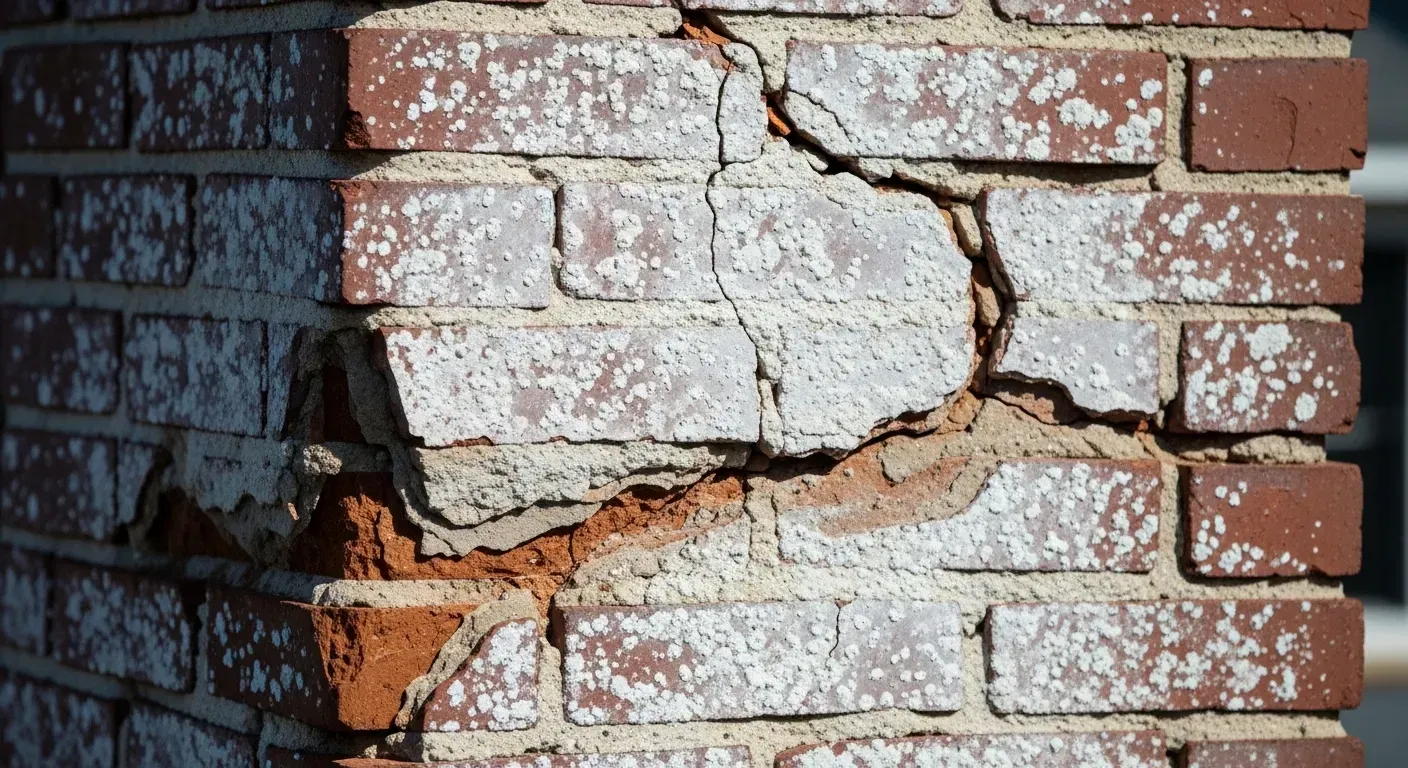
Pay close attention to the following warning signs:
- Efflorescence: This manifests as a chalky, white powder or stain on the exterior of your bricks. As moisture travels through the masonry, it pulls natural mineral salts to the surface.
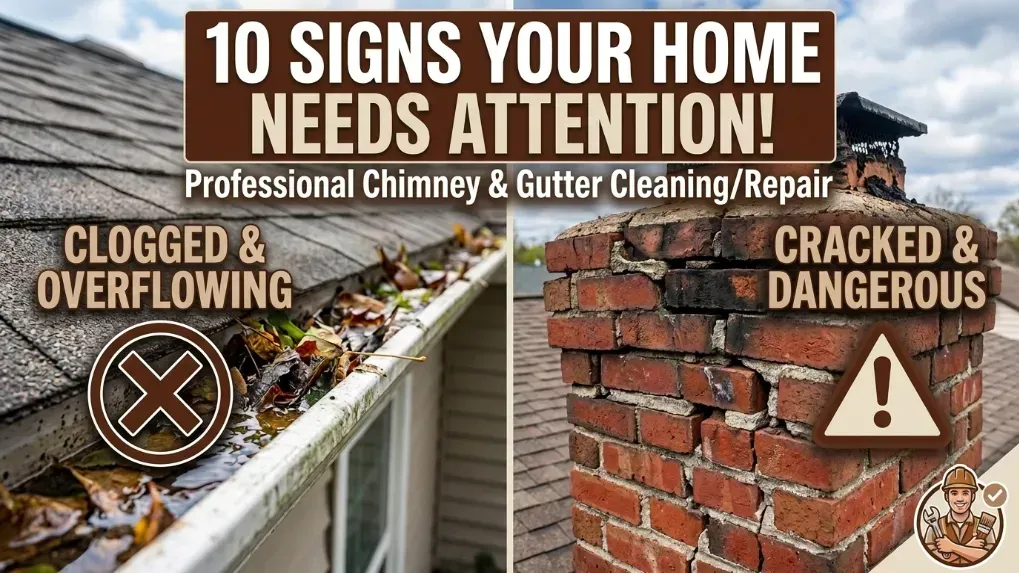
- Spalling Bricks: You might notice pieces of brick face, small stones, or mortar chunks accumulating on your roof or the ground near the base of your structure.
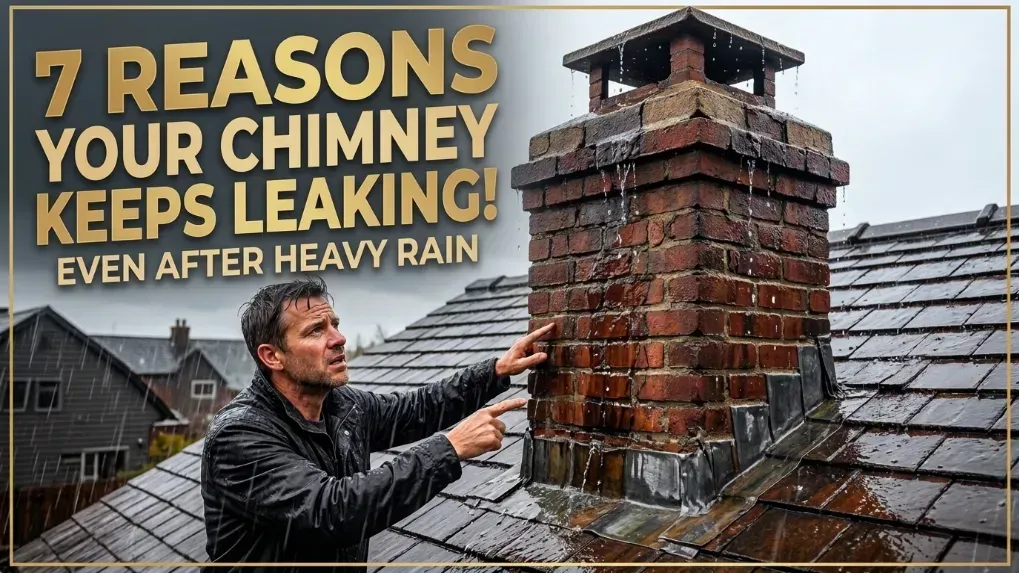
- Interior Leaks: Water pooling in your firebox, active dripping sounds after a heavy rain, or brown water stains on the ceiling near your fireplace indicate a severe breach.
- Deteriorating Mortar: When the mortar joints between your bricks become soft, recede, or begin to wash away, the structural integrity of the entire stack is compromised.
If you notice severe deterioration in your mortar joints, a simple surface treatment will not solve the underlying problem. The masonry must be repaired first. This scenario often requires professional demolition and tuckpointing to safely remove the failing mortar and replace it with fresh, structurally sound material.
How Professional Chimney Services Address Moisture
Applying a waterproofing agent to a damaged or dirty structure is a waste of time and resources. True protection requires a comprehensive approach. This is why specialized Chimney Services always begin with a thorough evaluation of the structure.
Before applying any repellents, professionals must assess the current health of your flue, crown, flashing, and brickwork. Many homeowners wonder how to prioritize these initial evaluations. If you are unsure where to start your maintenance routine, you can read our breakdown on scheduling an annual chimney sweep or inspection first to better understand the evaluation process.
Once the exterior is deemed structurally sound and completely clean of algae and soot, the application phase begins. The goal is to establish a barrier that prevents liquid water from entering the masonry pores. However, the exact products used for this application matter immensely.
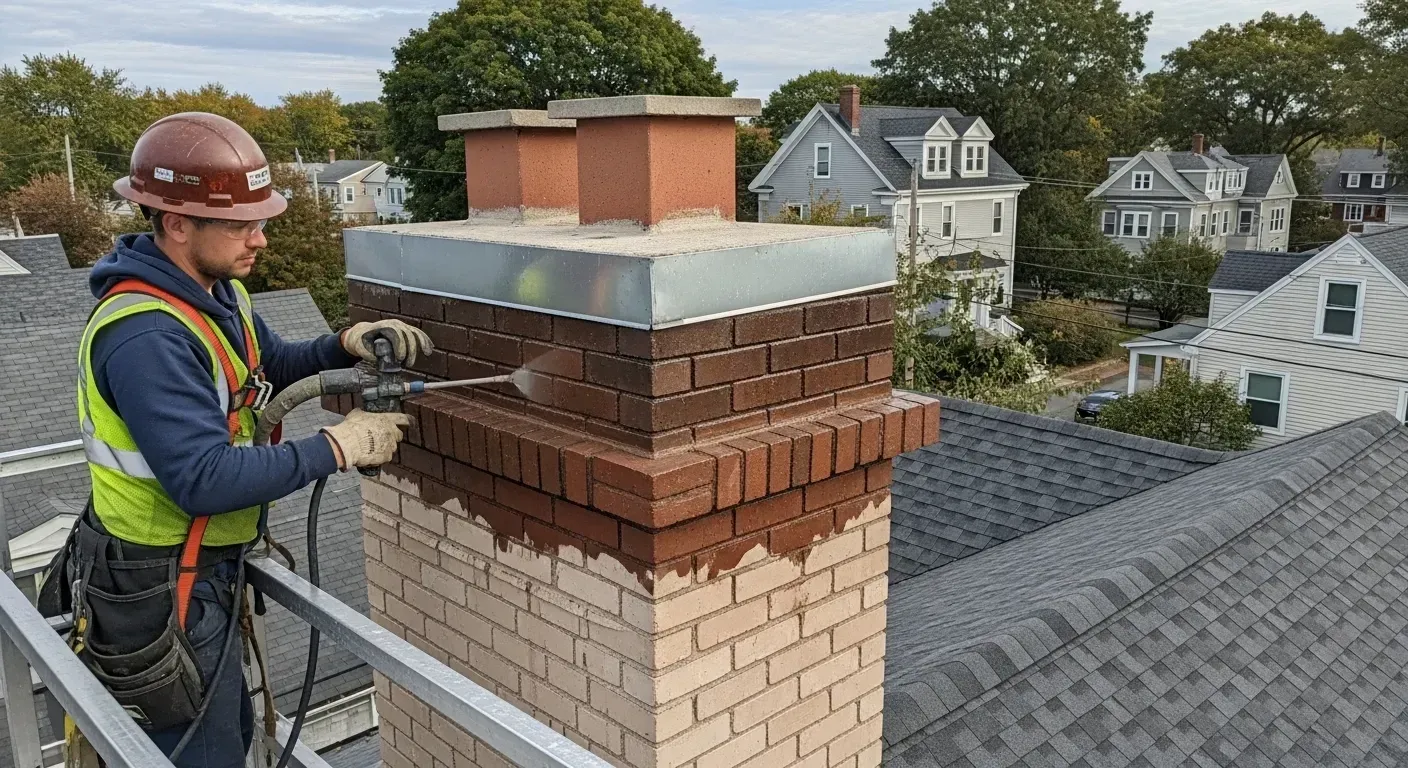
The Science of Proper Masonry Waterproofing
Store-bought clear sealers or standard exterior paints are highly detrimental to masonry. These products form a solid, impenetrable film over the brick. While they might stop rain from getting in, they also trap naturally occurring interior moisture inside the chimney stack. When you use your fireplace or heating appliance, heat and condensation build up inside the flue. If the exterior is sealed with paint, that vapor cannot escape.
Professional waterproofing utilizes specialized vapor-permeable water repellents. These industrial-grade treatments penetrate deeply into the brick rather than sitting statically on top of it. They effectively block liquid rain and melting snow from entering, while remaining fully breathable so internal water vapor can safely evaporate.
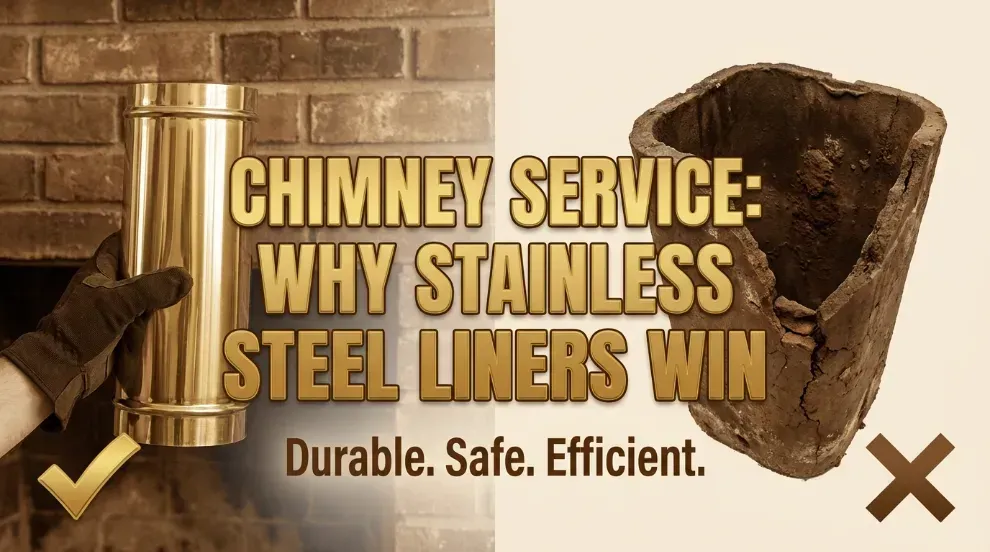
Protecting the exterior brickwork is only half of the moisture management equation. The interior of your flue also requires protection from condensation and corrosive byproducts. When water mixes with the natural creosote inside your flue, it creates highly acidic compounds that rapidly devour traditional clay liners. Upgrading your system with stainless steel liners provides a durable, moisture-resistant barrier. This protects the combustible framework of your home while vastly improving the efficiency and safety of your heating appliance.
Securing Your Chimney for the Future
Taking proactive steps to defend your masonry pays incredible dividends over the lifespan of your property. Neglected moisture problems never fix themselves. They only grow more expensive, complex, and dangerous as the seasons change. The dense coastal moisture and bitter winters in Portland require a highly specialized, local approach to property maintenance. Do not wait for a major leak or structural collapse to start thinking about the health of your masonry.
Whether you need a simple preventative treatment, extensive tuckpointing, or a comprehensive inspection to determine the source of an active leak, our certified technicians are ready to assist you. Protect your investment and secure your peace of mind before the next heavy Maine storm hits. Please contact us today to schedule your consultation and keep your home safe, dry, and warm all year round.
Frequently Asked Questions
How long does professional chimney waterproofing last?
When applied correctly by certified technicians, a high-quality, vapor-permeable waterproofing treatment typically lasts between five and ten years. The exact lifespan depends heavily on your local climate, the severity of direct weather exposure, and the initial condition of your masonry. We recommend having your masonry checked annually to ensure the barrier remains highly effective.
Can I waterproof my chimney myself with hardware store sealant?
Applying standard sealants or exterior paints from a local hardware store is highly discouraged. These generic products often trap moisture inside the brickwork by creating an unbreathable film. This trapped moisture accelerates interior decay and worsens freeze-thaw damage during the winter. Professional treatments allow the brick to breathe while blocking liquid water.
What is the best time of year to apply a waterproofing treatment?
The most effective time to apply these specialized masonry treatments is during the late spring, summer, or early fall. The weather needs to be relatively dry, and temperatures must remain above freezing for the product to properly absorb and cure. Applying these treatments well before the first major winter freeze ensures your masonry is fully protected against ice expansion.