Annual Chimney Sweep or Inspection in Portland, Maine: Which One Comes First?
Portland, Maine experiences long, freezing winters that demand reliable home heating. Many homeowners rely on wood stoves and traditional fireplaces to keep their families warm throughout the darkest months of the year. With constant use comes the inevitable accumulation of soot and creosote inside the flue. When preparing your heating system for the harsh New England winter, a common question arises regarding maintenance order. Do you need a cleaning first, or should a professional evaluate the structure before any brushing begins?
Understanding the precise distinction between these two critical services helps preserve your property value and prevents dangerous flue fires. Properly sequencing your maintenance ensures your home remains a safe haven against the cold.
Understanding Flue Mechanics and Maine Weather
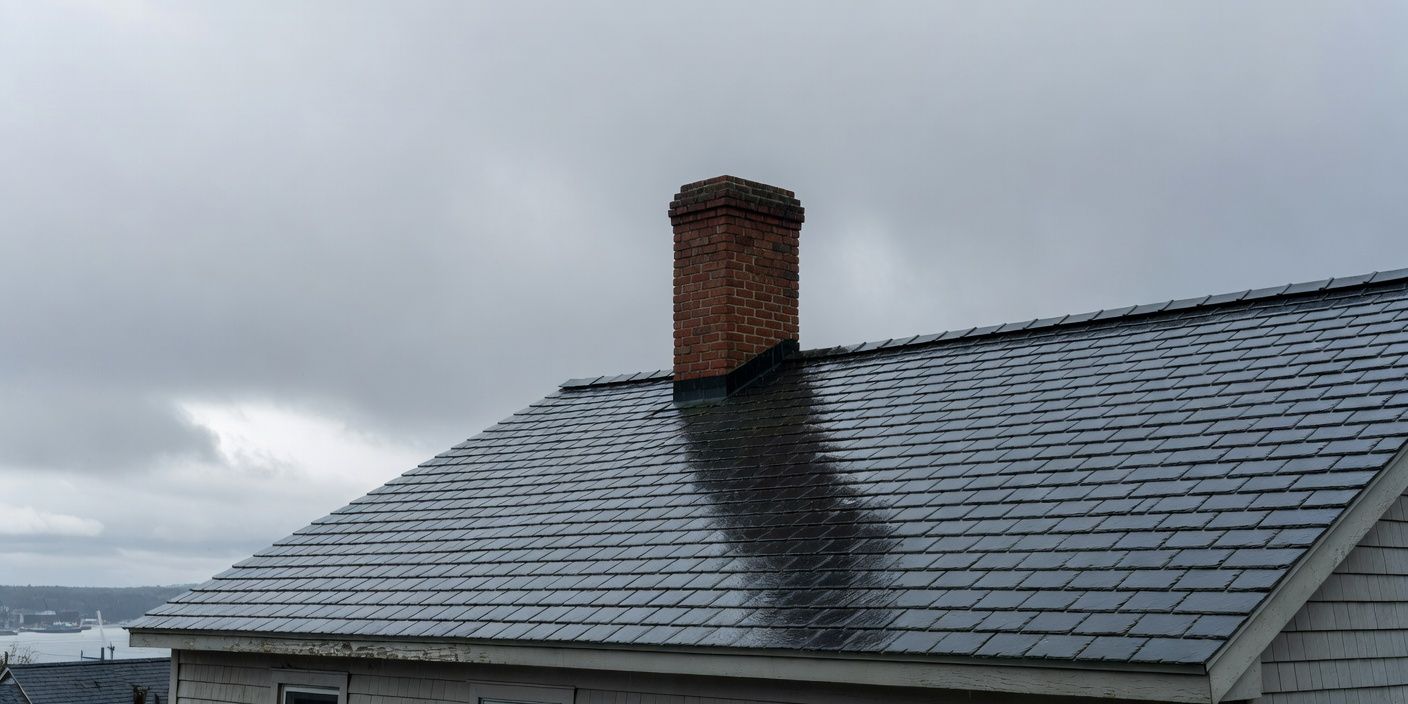
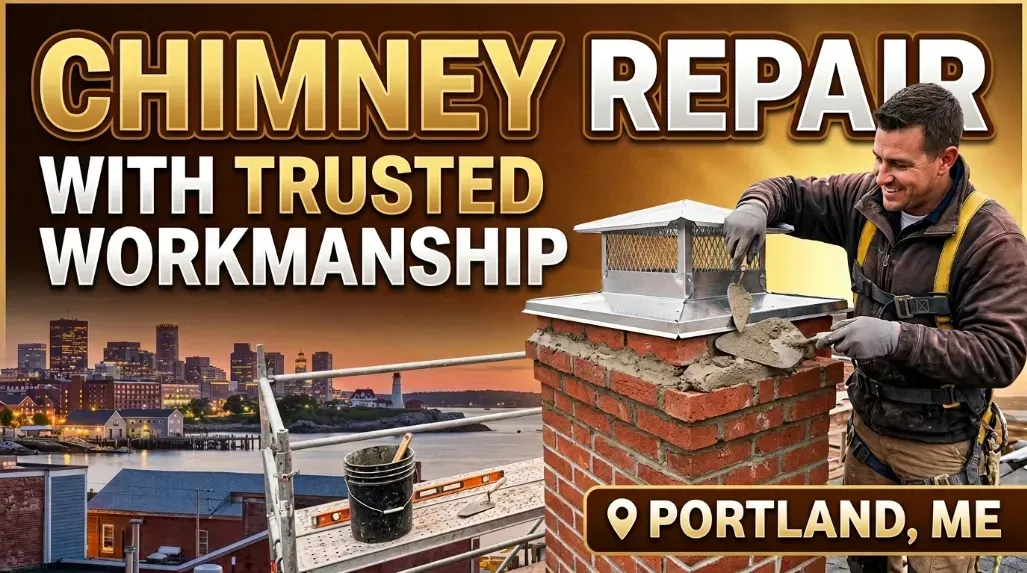
To fully grasp the maintenance requirements for a masonry or prefabricated heating system, you must first consider the local climate. Portland faces high humidity, salty coastal air, and dramatic freeze-thaw cycles. These intense environmental factors take a massive toll on exterior brickwork and mortar joints.
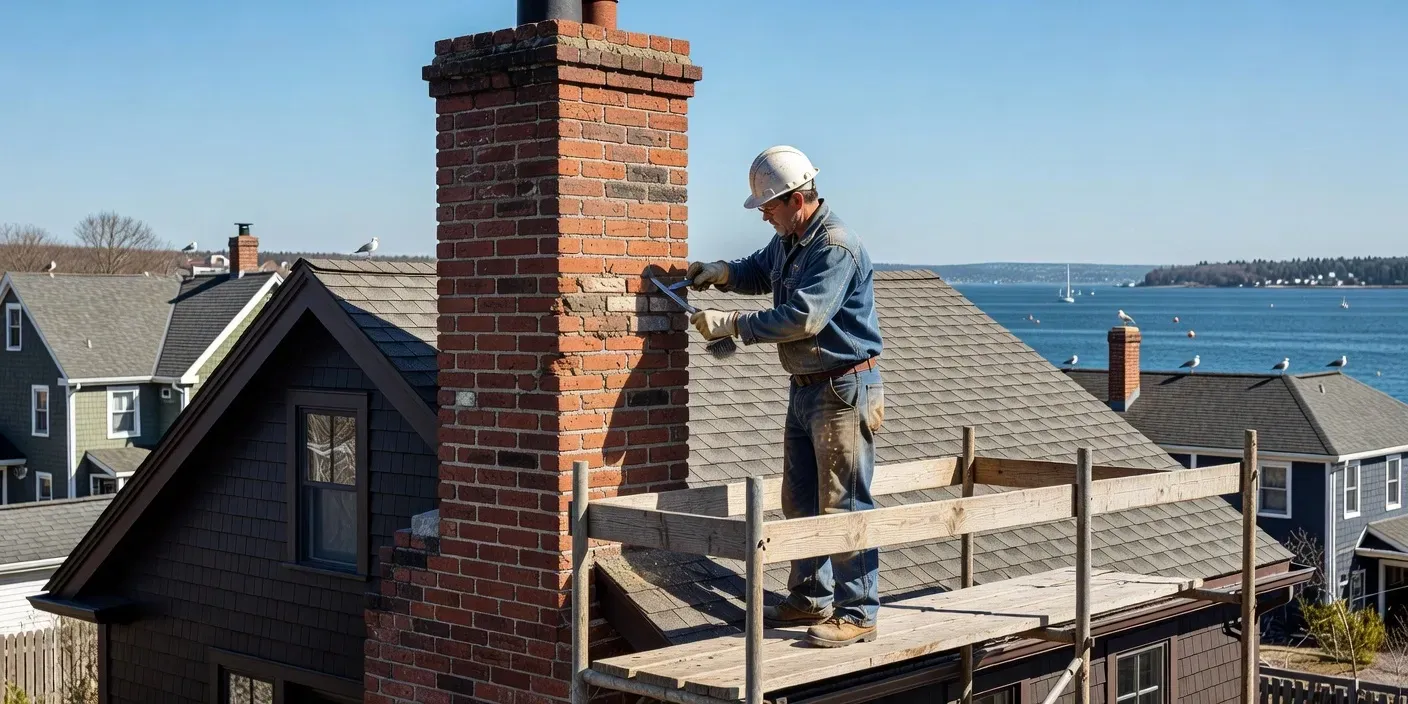
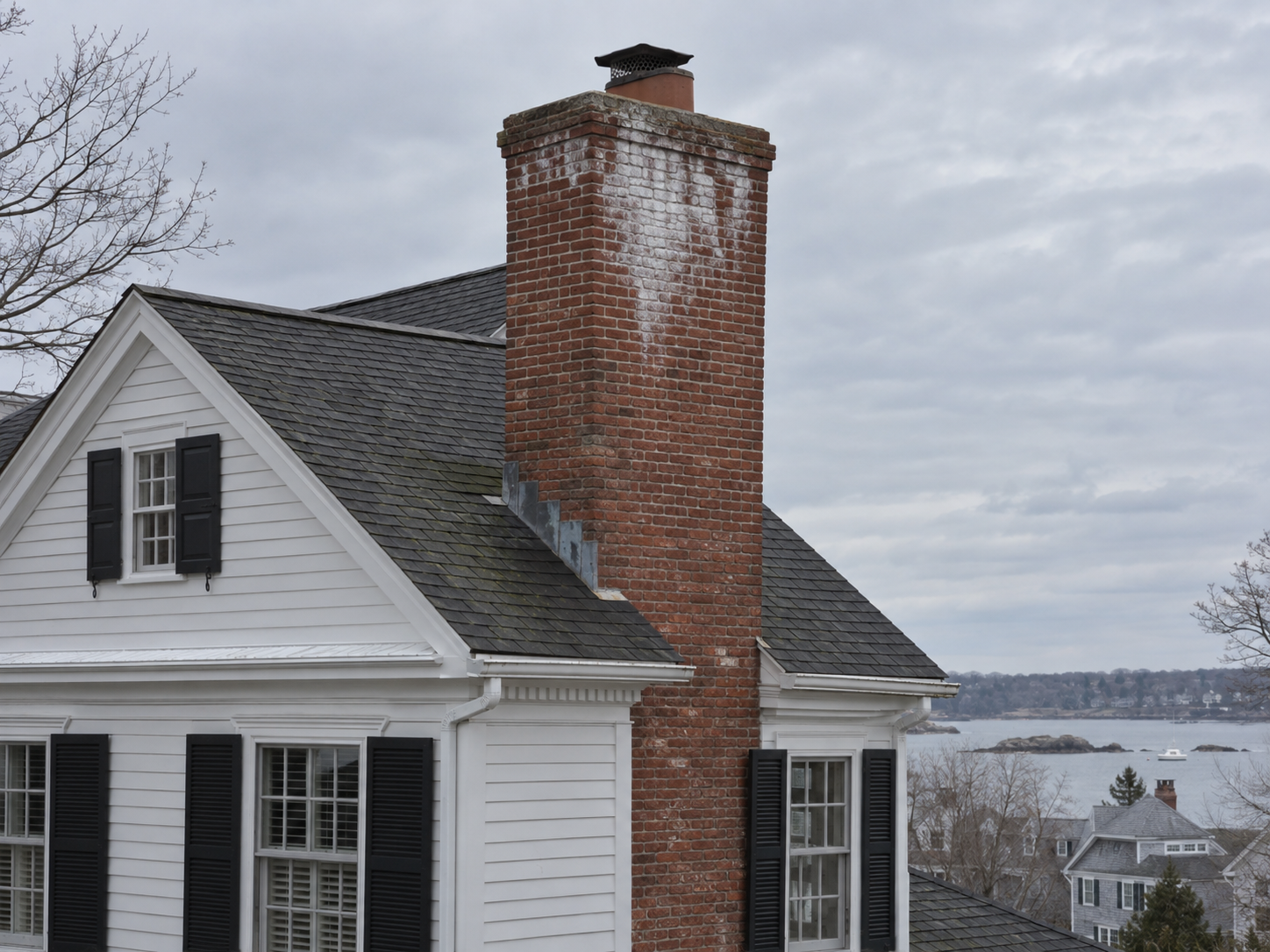
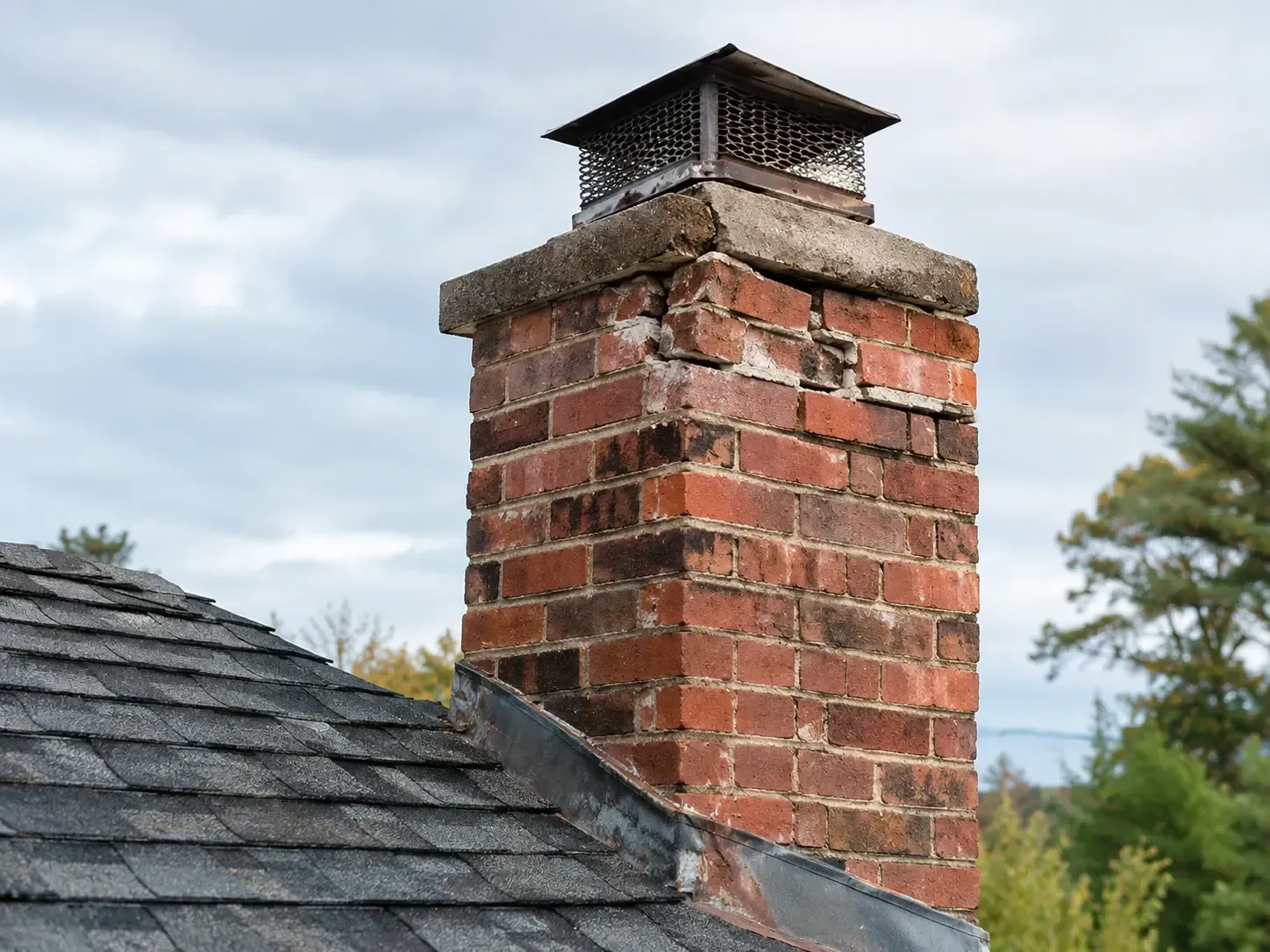
During autumn rainstorms and coastal Nor'easters, moisture easily infiltrates tiny, invisible cracks in the exterior masonry. When temperatures plummet below freezing overnight, that trapped water expands, forcing the bricks apart from the inside out. This continuous weathering process leads to severe structural deterioration over time.
Inside the flue, an entirely different hazard develops silently. Burning wood releases microscopic particulate matter, water vapor, and volatile gases that travel upward toward the roof. As these warm exhaust gases hit the colder masonry near the top of the structure, they condense into a highly combustible substance known as creosote. If allowed to build up unchecked, this material creates a severe fire hazard right in the center of your living space. Addressing both the exterior weather damage and the interior creosote buildup requires targeted, professional strategies.
What Happens During a Chimney Sweep Portland Professionals Perform
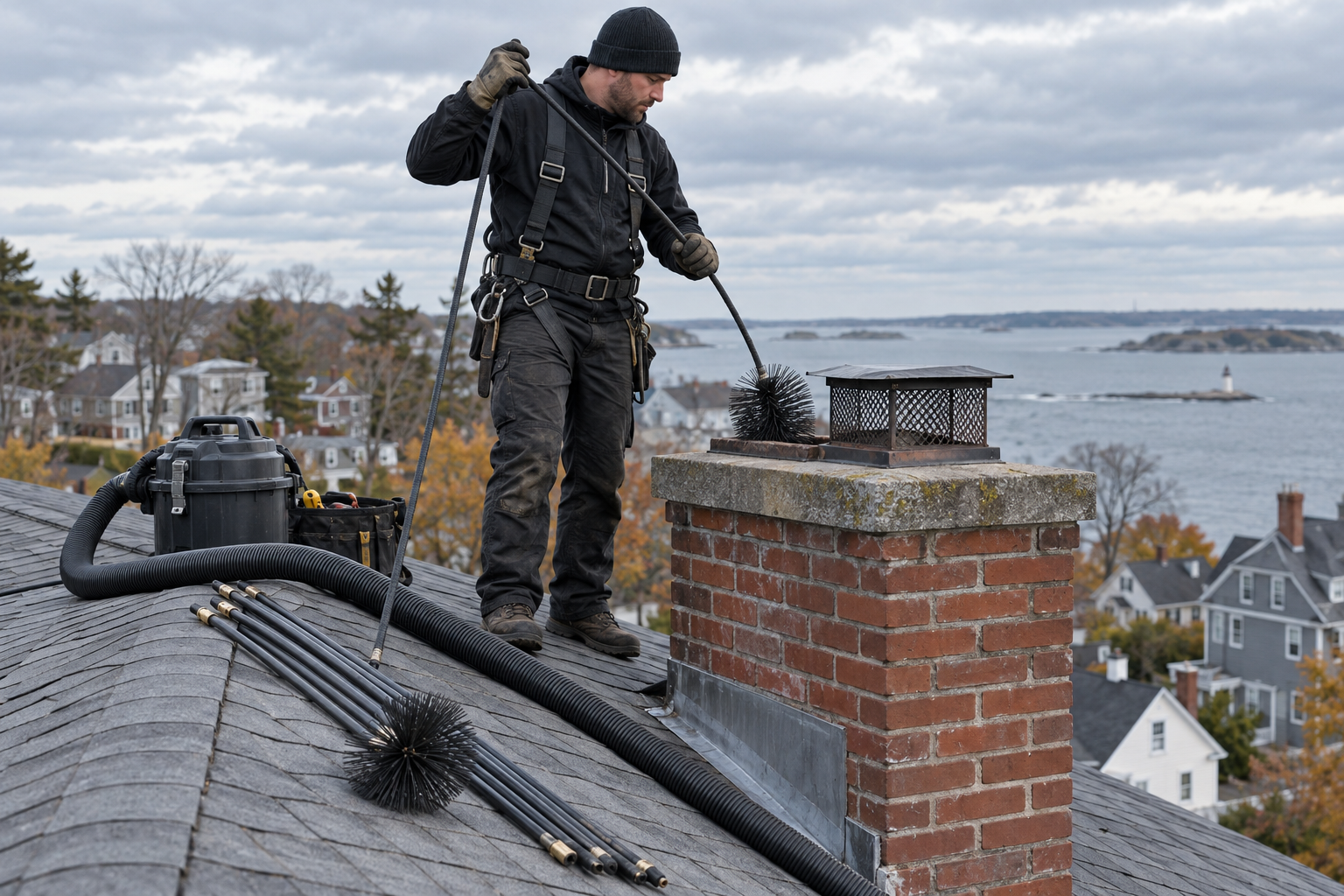
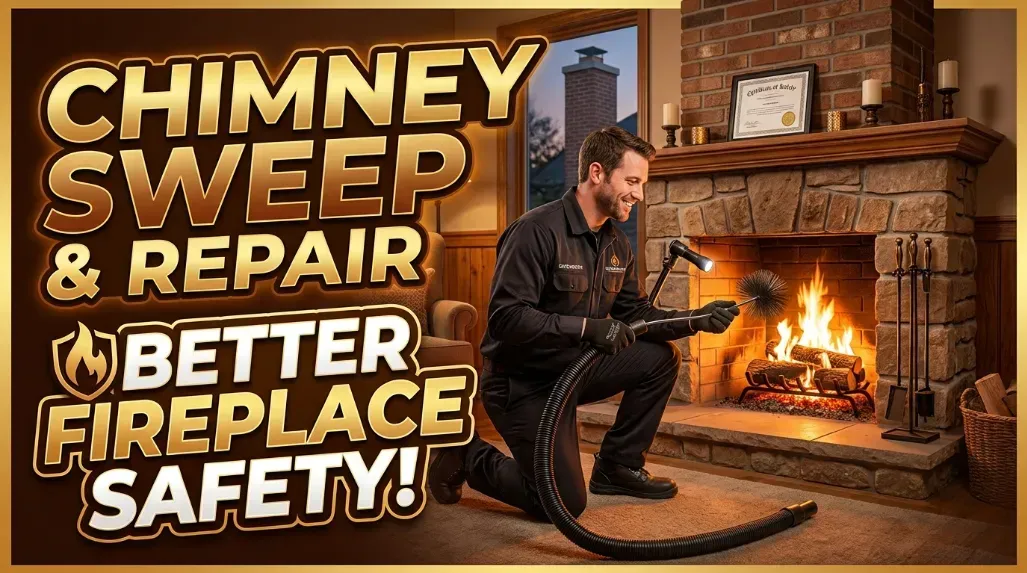
A sweep is a physical cleaning process designed specifically to remove dangerous deposits from the interior lining of your flue. When you hire Select Chimney Services, our technicians focus on extracting every layer of soot, ash, and creosote to restore proper draft and airflow to your heating appliance.
Our team routinely encounters three distinct stages of creosote accumulation:
- Stage One: A dusty, flaky layer of soot that brushes away relatively easily using standard professional equipment.
- Stage Two: A crunchy, tar-like substance that clings tightly to the liner and requires specialized scraping tools to safely dislodge.
- Stage Three: A thick, shiny glaze that is extremely dangerous and highly resistant to standard wire brushes. This advanced stage often requires targeted chemical treatments to break down the hardened glaze before it can be mechanically removed.
The primary goal of the sweeping process is immediate hazard removal. Clearing away these heavy deposits guarantees that smoke and deadly carbon monoxide can safely exit your home rather than backing up into your living room. The sweeping process also removes unexpected physical blockages. In Maine, it is incredibly common to find bird nests, packed leaves, and heavy twigs capping the flue after a long summer of heating system inactivity.
The Specifics of a Professional Flue Inspection
While a thorough sweep addresses internal cleanliness, an inspection formally assesses the structural integrity and safety of the entire heating system. The National Fire Protection Association outlines three distinct levels of inspection, each serving a unique diagnostic purpose for homeowners.
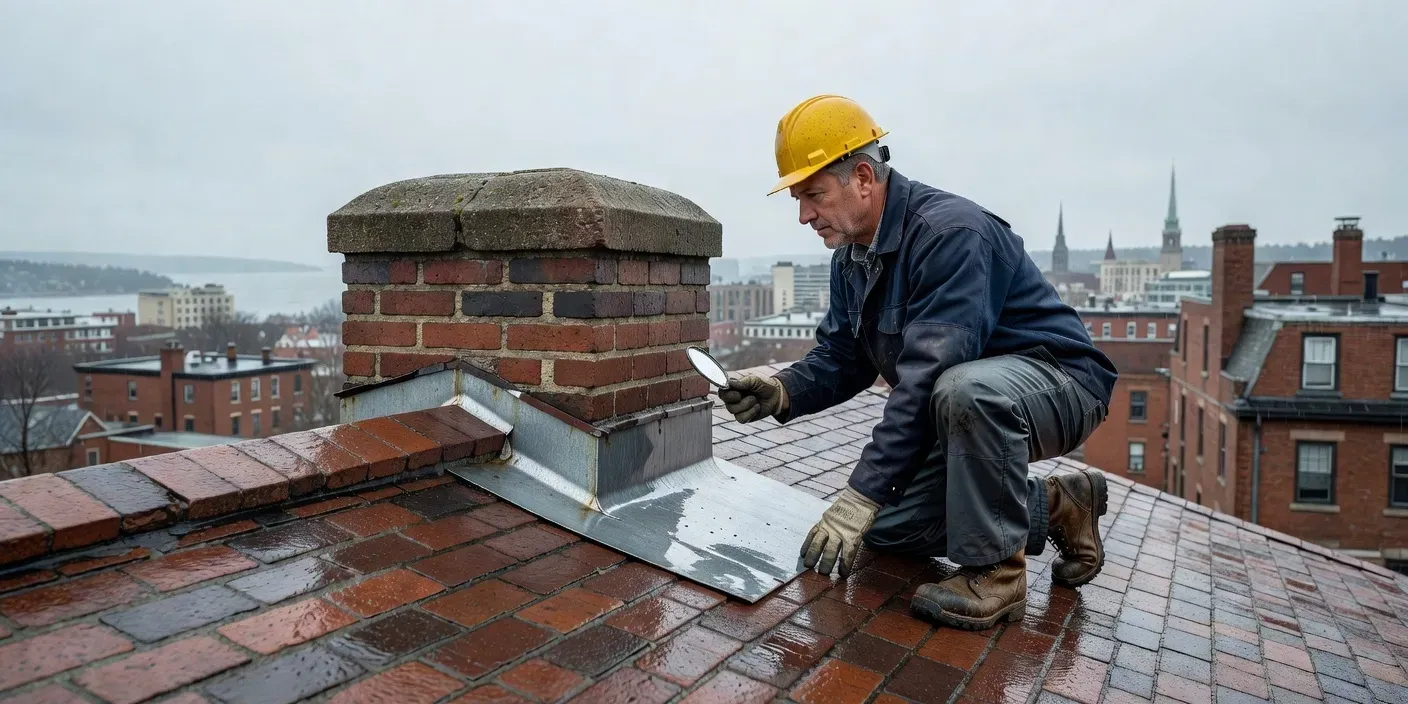
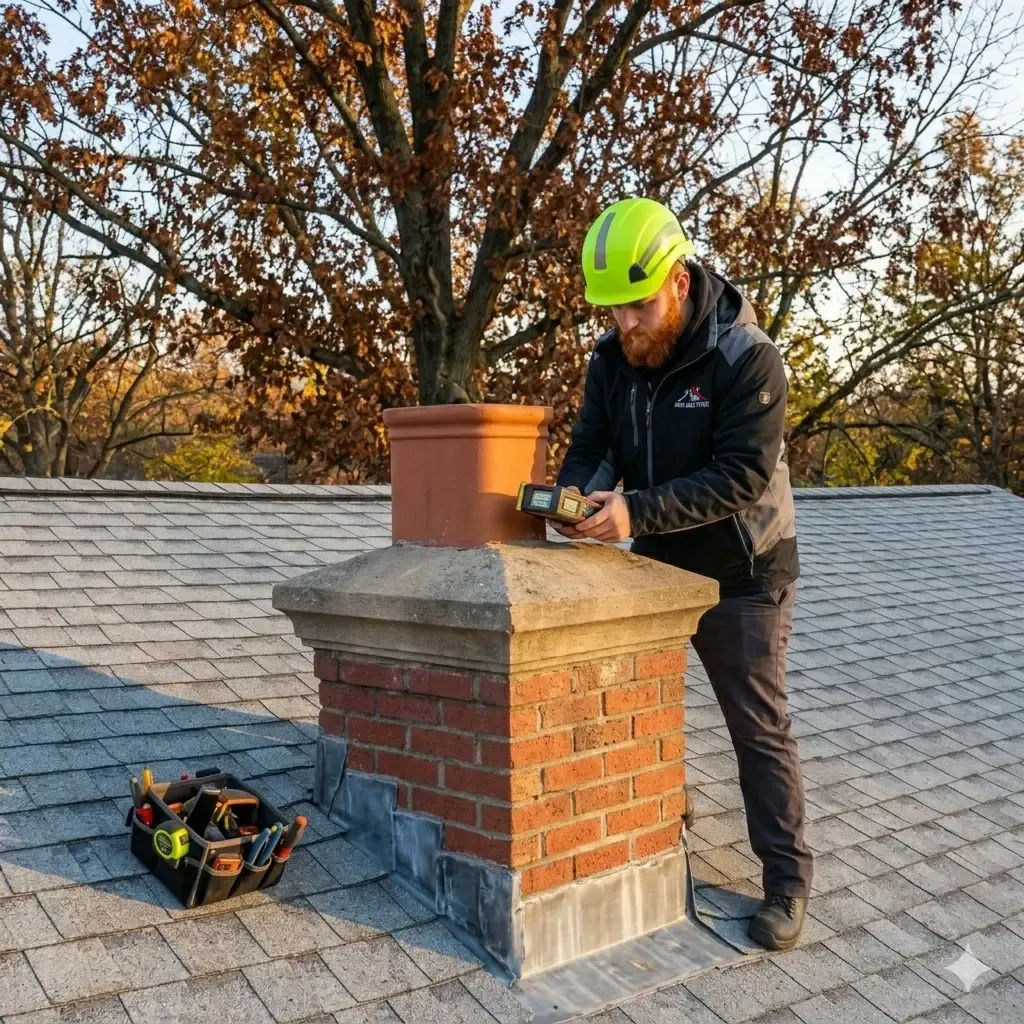
A Level 1 inspection is the fundamental visual check of the easily accessible portions of your fireplace and flue. The technician looks for obvious signs of damage, verifies proper combustible clearances, and checks basic structural soundness. This is the minimum requirement for any active heating system prior to seasonal use.
A Level 2 inspection provides a much deeper, more technical analysis. Homeowners specifically need this elevated service when buying or selling a property, after a major weather event, following a chimney fire, or if they recently changed their fuel type. This process involves passing a specialized, high-resolution video camera up the entire length of the flue to examine the hidden joints and liners. The camera clearly reveals cracked terra cotta tiles, rusted stainless steel liners, and hidden moisture leaks that a basic visual check would miss completely.
A Level 3 inspection involves partial demolition to access heavily concealed areas of the chimney structure. This is an exceptionally rare procedure. It only happens when a Level 2 evaluation uncovers serious, hidden hazards that demand immediate structural intervention to prevent a property disaster.
Resolving the Dilemma: Which Service Comes First?
The relationship between a cleaning appointment and a structural evaluation is highly symbiotic. You simply cannot have a completely effective inspection if the interior flue walls are choked with an inch of tar-like creosote. Conversely, running heavy steel brushes through a heavily damaged, structurally compromised masonry column can cause broken liner tiles to collapse entirely.
Standard safety procedure dictates that a Level 1 visual assessment occurs the absolute moment the technician arrives at your home. Before running heavy wire brushes up the masonry column, a professional must verify that the base structure can handle the physical friction. They will check the firebox for loose bricks, ensure the cast-iron damper operates smoothly, and look up the lower flue with a high-powered light.
If the basic visual check shows no immediate signs of structural failure, the technician proceeds directly with the physical sweeping process. The physical removal of soot and debris is absolutely mandatory at this stage. You cannot effectively evaluate the condition of mortar joints or terra cotta liner tiles if they remain hidden underneath a thick blanket of black soot.
Once the system is brushed entirely clean and the hazardous debris is safely vacuumed away, the technician can perform a thorough internal evaluation. If you requested a Level 2 video inspection, the camera goes into the flue immediately after the brushing concludes. The freshly cleaned walls allow the camera to capture crystal-clear footage of tiny hairline cracks or water damage. Therefore, the safest timeline always looks like a basic visual check, followed by a thorough cleaning, ending with a detailed structural evaluation.
Comparing Maintenance Services for Homeowners
Understanding the distinct differences in scope, timing, and outcomes helps families make highly informed decisions about their seasonal maintenance budgets. The table below breaks down the specific attributes of each distinct service type to help you plan your property care schedule.
| Service Type | Primary Purpose | Required Frequency | Equipment Used |
|---|---|---|---|
| Professional Sweep | Removes soot, creosote, and blockages | Annually for active users | Brushes, HEPA vacuums, scrapers |
| Level 1 Inspection | Basic visual safety and clearance check | Annually | Flashlight, basic hand tools |
| Level 2 Inspection | Deep structural and hidden damage analysis | Property sale, after damage, fuel change | Closed-circuit video camera |
| Level 3 Inspection | Accessing hidden areas for major repair | Only when severe hidden damage is suspected | Masonry demolition tools |
Preserving Historic Maine Properties
Portland features a dense concentration of beautiful, historic homes built well over a century ago. These aging structures require incredibly specialized care and attention. Older brickwork was often laid using traditional lime-based mortars that behave entirely differently than modern Portland cement. When property owners skip their annual maintenance routines, trapped water aggressively begins to degrade these historic mortar joints.
Living in Portland means your chimney works harder than in many other parts of the country. Between cold winters, heavy use, and harsh weather conditions, regular maintenance isn’t optional it’s essential.
A chimney sweep and a chimney inspection serve different but equally important roles. A chimney sweep focuses on cleaning out creosote, soot, and debris that build up over time as you use your fireplace or wood stove. Creosote, in particular, is highly flammable and one of the leading causes of chimney fires. On the other hand, a chimney inspection is a detailed evaluation of the chimney’s condition. It looks for structural damage, cracks in the flue liner, blockages, water intrusion, and other issues that could compromise safety. While cleaning improves performance, inspection ensures the system is safe to use.
Frequently Asked Questions
Do older homes in Portland require more frequent chimney inspections?
Yes, older or historic homes in Portland often have aging masonry and outdated systems, making regular inspections even more important.
What are the risks of not sweeping or inspecting my chimney?
You risk chimney fires, carbon monoxide leaks, poor ventilation, and expensive structural damage over time.
Can a dirty chimney affect indoor air quality?
Yes. A blocked or dirty chimney can cause smoke, soot, and carbon monoxide to enter your home, which can negatively impact indoor air quality and health.
Can weather in Portland, Maine damage my chimney?
Yes. Freeze-thaw cycles, heavy snow, and moisture in Portland can cause cracking, spalling bricks, and water leaks over time.