This One Oversight Is Putting Portland Homes at Risk Every Winter
Portland, Maine is known for its picturesque winters, but the northern climate is brutal on historic and single-family homes. Homeowners frequently focus their seasonal preparation on insulating pipes, sealing drafty windows, and servicing the central heating furnace before November arrives. Yet, thousands of local property owners completely bypass the very structure venting the toxic gases from their heating systems. Leaving your masonry uninspected and exposed to the elements is a massive vulnerability. By the time structural deterioration or an active chimney fire becomes obvious, the underlying damage is already severe and incredibly expensive to correct.
The Brutal Reality of Maine Winters on Your Masonry
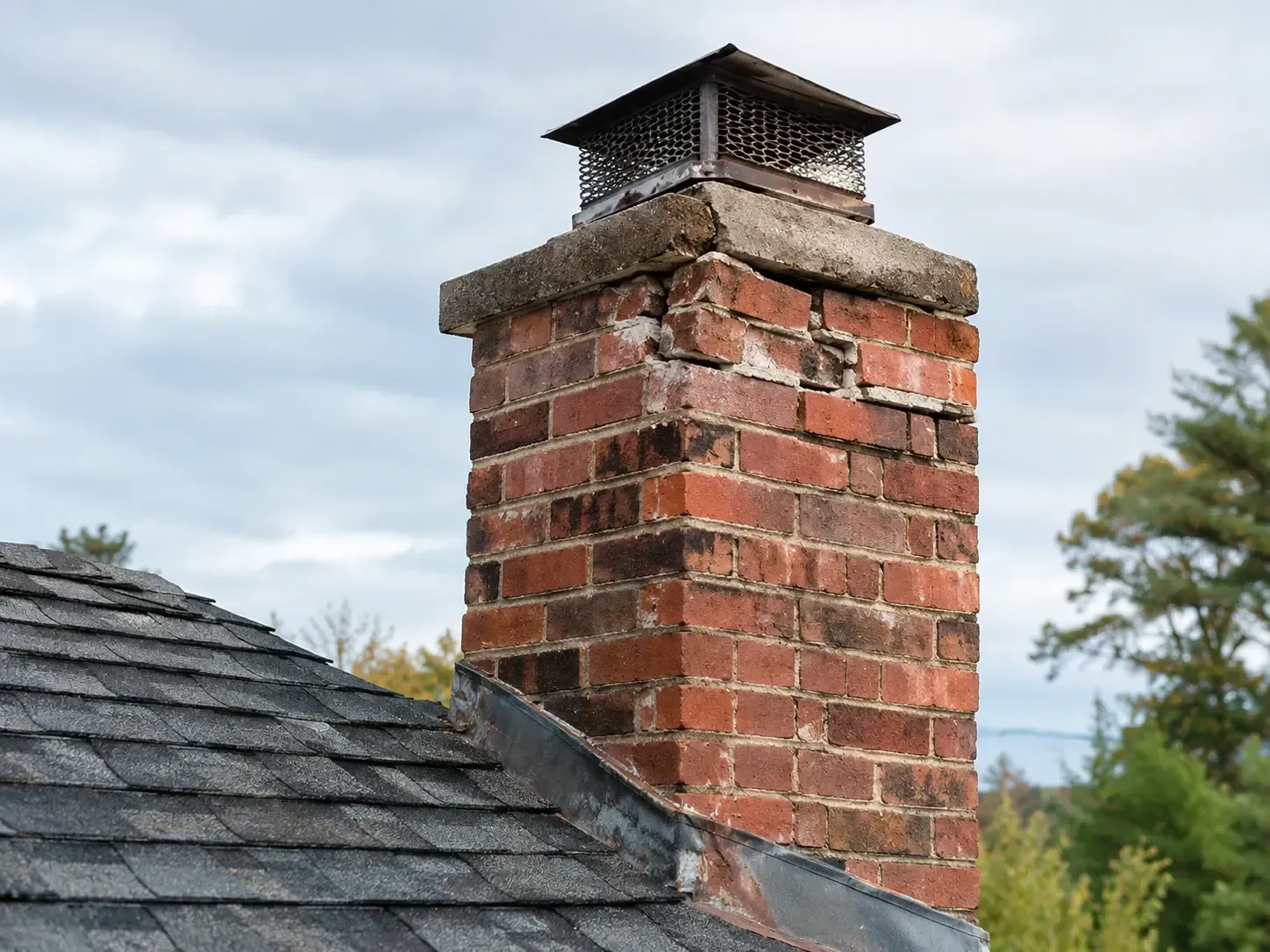
Portland experiences continuous freeze-thaw cycles throughout the colder months. When freezing rain or melting snow saturates the porous brick and mortar of your chimney, that trapped water eventually freezes overnight as temperatures drop. Water expands by roughly nine percent when it turns to ice. This constant expansion and contraction acts like a microscopic jackhammer operating deep inside the masonry structure. Over a single winter season, this repetitive process causes solid bricks to crack, flake, and break apart.
This destructive phenomenon is technically known as spalling. Spalling directly compromises the structural integrity of your chimney and provides a wide-open pathway for environmental moisture to enter your attic, walls, and living spaces. For homes built decades ago in local historic districts, the original building materials are already fighting a losing battle against time and weather. Without proactive intervention, a slightly degraded chimney cap or just a few loose bricks can rapidly escalate into a full structural collapse or severe interior water damage requiring extensive carpentry repairs.
Why Professional Chimney Services Are Mandatory for Older Homes
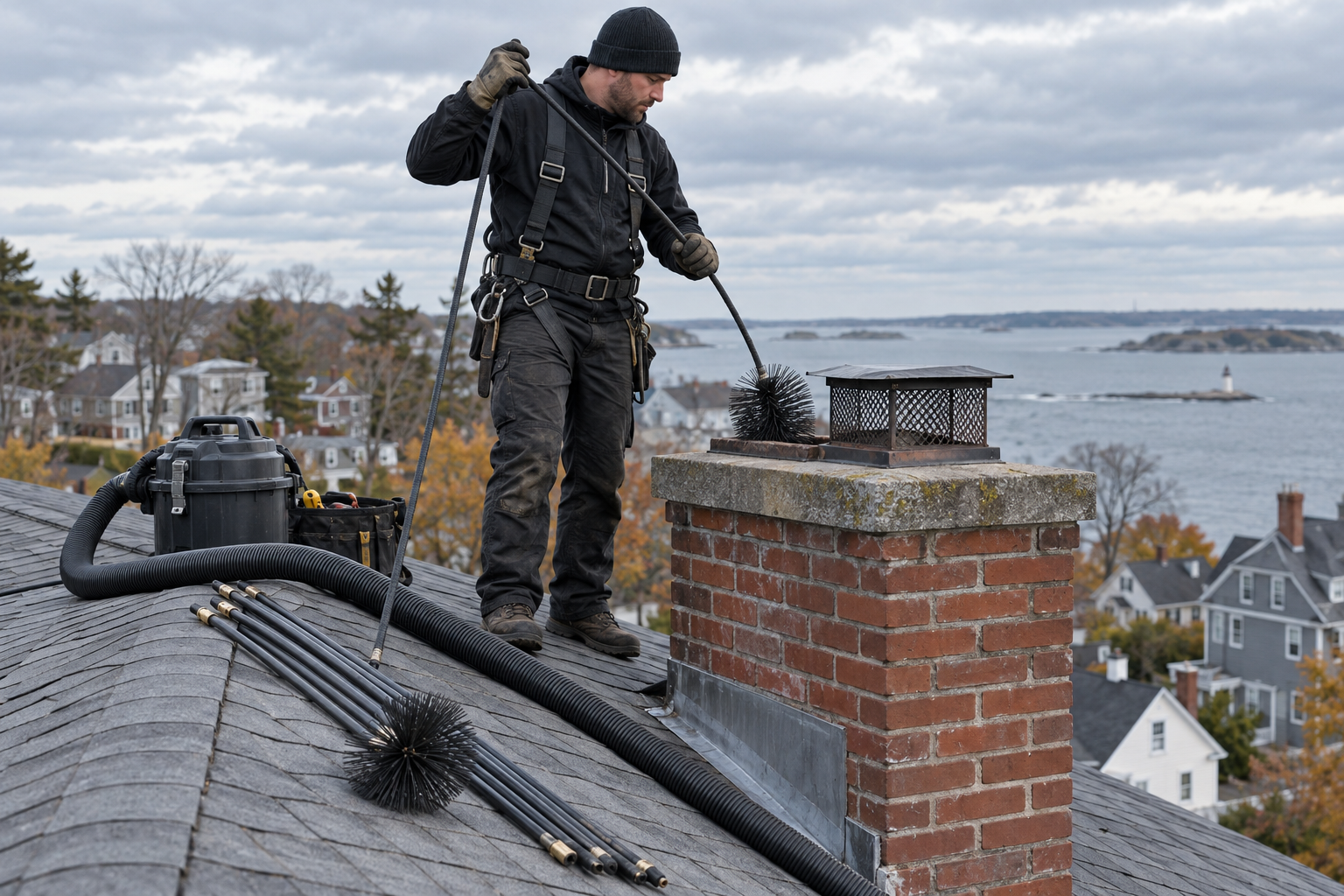
Many residential properties throughout Cumberland County boast beautiful, aging architecture. Preserving that regional heritage requires highly specialized care. Routine upkeep is not just about sweeping out soot from the firebox. Comprehensive chimney services encompass thorough structural evaluations, precise masonry repairs, and dedicated flue maintenance to ensure the entire heating system operates safely and efficiently.
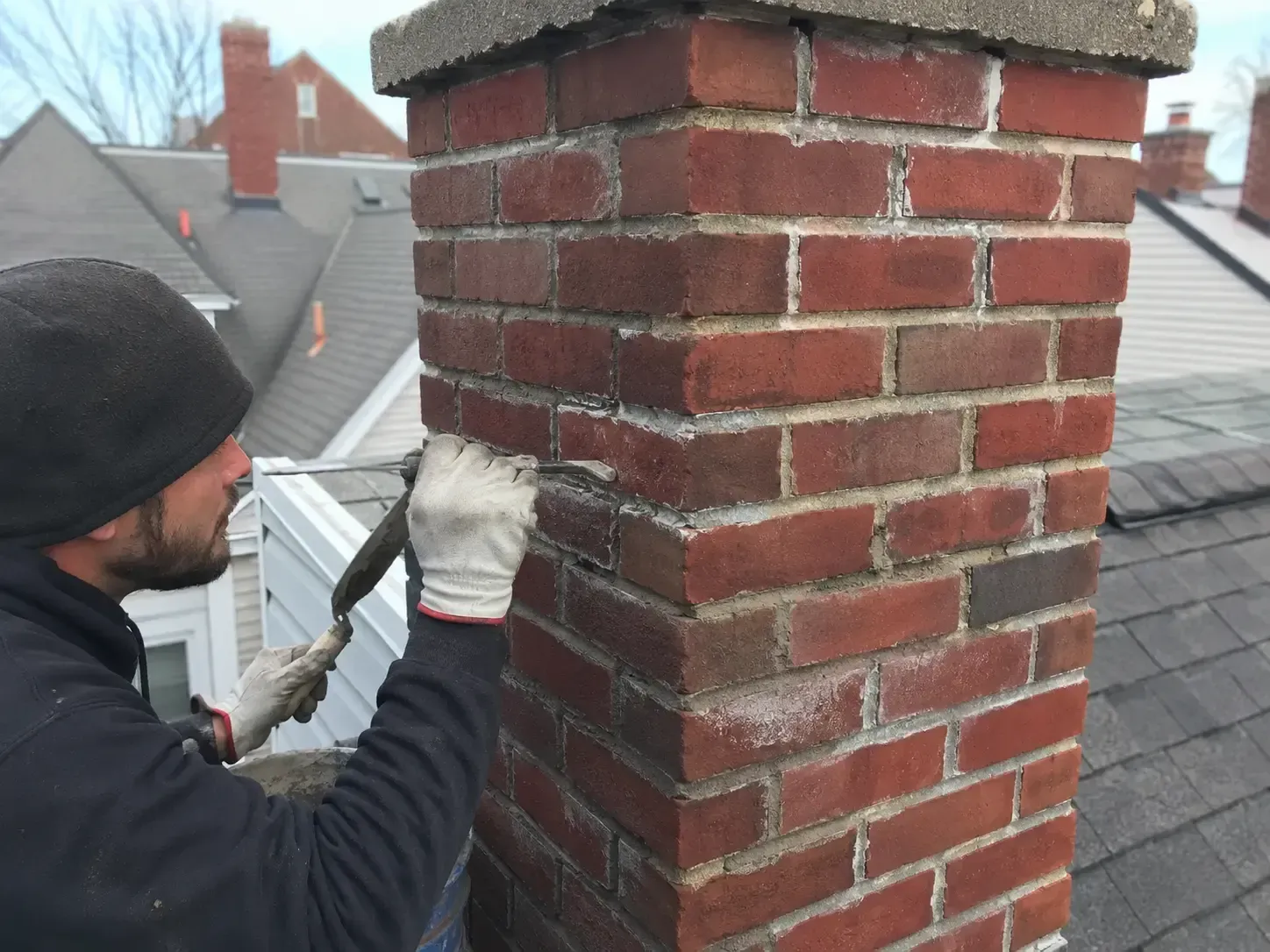
When the vital mortar joints between your bricks begin to crumble and wash away, the chimney loses its foundational stability. Professional tuckpointing is the exact and necessary solution for this specific issue. By carefully grinding out the compromised mortar and replacing it with a fresh, structurally sound compound, masonry experts restore both the load-bearing strength and the visual appeal of the structure.
If the deterioration has progressed too far due to years of neglect, partial rebuilding becomes the only viable option. You can learn more about how we address severe masonry decay through our specialized demolition and tuckpointing solutions. Intervening early with targeted repairs prevents the need for a complete, highly disruptive chimney teardown.
The Hidden Dangers of Neglecting Your Chimney Flue
While the exterior brickwork battles the harsh Maine weather, the hidden interior of your chimney faces extreme heat, acidic moisture, and highly combustible byproducts. Wood stoves and traditional wood-burning fireplaces produce a byproduct called creosote. This dark, tar-like substance coats the inside of your flue with every single fire you burn. Creosote is highly flammable. Even a seemingly small accumulation can ignite rapidly, causing a dangerous chimney fire that can easily spread to the surrounding wooden framing of your house.
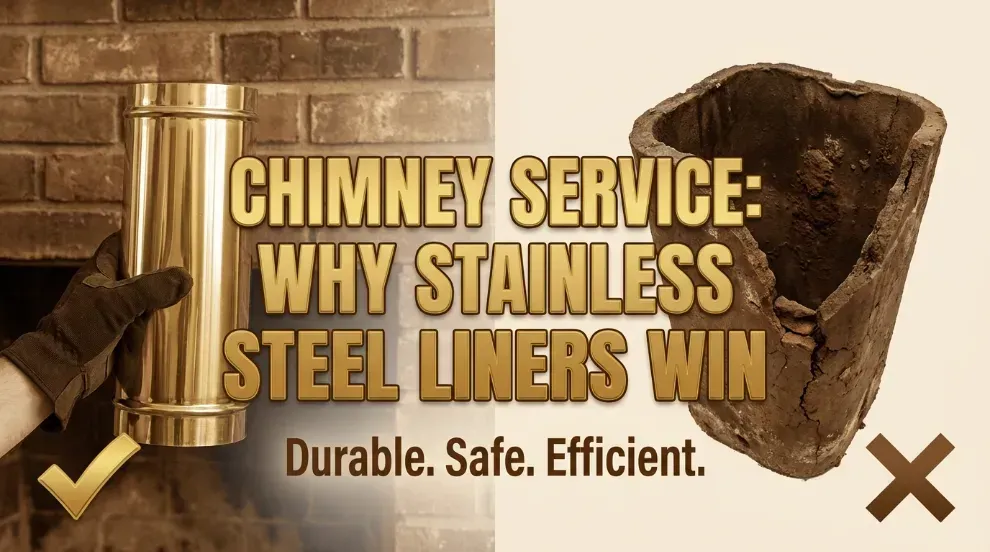
Older homes often feature original clay tile liners that inevitably crack under intense heat or simply degrade over decades of continuous use. A cracked clay liner is a severe liability. It allows extreme heat, dangerous sparks, and toxic carbon monoxide to escape the contained chimney column and enter your living space.
Upgrading your venting system is a vital safety measure for any aging property. Installing stainless steel liners provides a seamless, exceptionally durable, and highly efficient channel for smoke and gases to exit your home safely. Stainless steel stands up to the intense, fluctuating temperatures of wood fires and prevents the corrosive combustion gases from eating away at the surrounding masonry over time.
Stopping Water Damage Before the First Snowfall
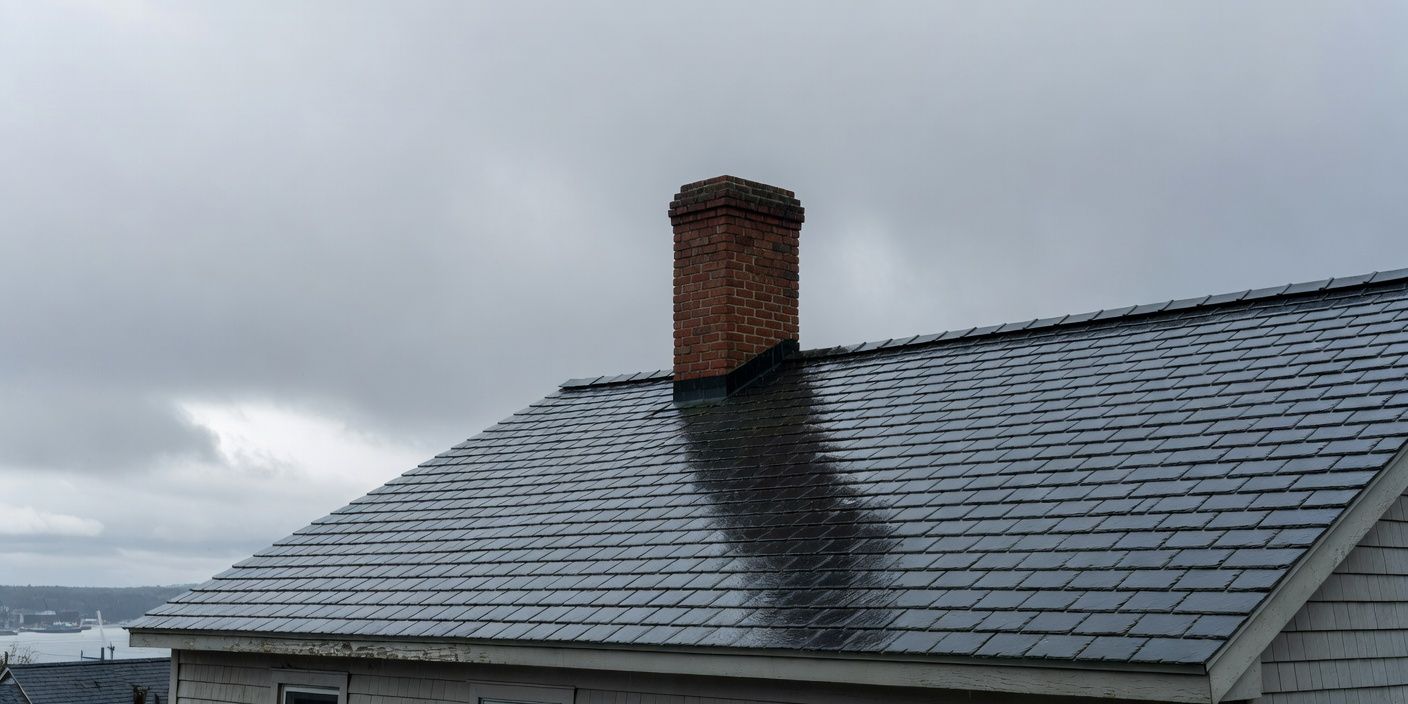
Water is the worst enemy of any masonry structure. Between intense coastal storms, heavy winter snowfall, and driving autumn rain, Portland chimneys are constantly bombarded by moisture. If your exterior bricks are absorbing water, your home is at direct risk of interior ceiling stains, rotted roof decking, damaged drywall, and toxic mold growth in the attic spaces.
Applying a commercial-grade, breathable water repellent is the most effective way to shield your chimney from the elements. Unlike standard hardware store sealers that disastrously trap internal moisture inside the brick, professional masonry products allow internal water vapor to escape while actively blocking exterior moisture from penetrating the surface.
Proactive waterproofing is a highly cost-effective maintenance measure that extends the lifespan of your chimney by decades. Applying this vital protection before the freezing temperatures arrive guarantees that your masonry will not succumb to the destructive freeze-thaw cycle discussed earlier. It is the single best defense against premature structural decay.
Analyzing the Cost of Preventative Maintenance Versus Emergency Repairs
Homeowners must view routine chimney care as an investment in property preservation rather than a discretionary seasonal expense. The financial difference between scheduling routine maintenance and funding emergency reconstruction is staggering. Ignoring minor masonry issues or skipping annual sweeping appointments always leads to major capital expenditures down the line.
To clearly illustrate the financial impact of deferred maintenance, review the technical data below. This table details common chimney components, the required preventative action, the inherent risk of neglect, and the severe financial consequence of ignoring the problem.
| Chimney Component | Preventative Action | Risk of Neglect | Emergency Repair Impact |
|---|---|---|---|
| Masonry & Mortar | Annual inspection & tuckpointing | Spalling and structural collapse | Extensive rebuilding required |
| Chimney Flue | Regular sweeping & liner checks | Creosote buildup and chimney fires | Life-threatening hazard and home damage |
| Exterior Brickwork | Professional waterproofing | Water intrusion and freeze-thaw decay | Interior water damage and mold remediation |
| Chimney Crown | Crown sealing or rebuilding | Water pooling and entering the core | Internal structural rotting and decay |
Taking Action to Protect Your Real Estate Investment
The physical safety of your family and the long-term market value of your property depend entirely on a structurally sound, fully functional chimney system. Portland residents simply cannot afford to cross their fingers and hope their aging masonry survives another brutal Maine winter without incident.
Taking proactive, calculated steps today ensures that your fireplace remains a reliable source of warmth and comfort rather than a severe financial and physical liability. Select Chimney Services is dedicated to providing high-quality, reliable masonry and venting solutions for homeowners across the region. By prioritizing detailed inspections and expert craftsmanship, we help you avoid catastrophic damage and protect your real estate investment for the long haul. Take the time to assess your property now and schedule the necessary evaluations before the severe winter weather sets in.
Frequently Asked Questions
How often should I schedule an inspection for my Portland home?
The National Fire Protection Association strongly recommends that homeowners schedule a professional chimney inspection at least once a year. For properties in Portland that utilize wood stoves or traditional fireplaces as a primary or secondary heating source during the winter, annual inspections are non-negotiable.
What are the primary signs of freeze-thaw damage on my chimney?
Recognizing the early warning signs of weather damage can save you thousands of dollars in restoration costs. The most obvious indicators of freeze-thaw damage include:
Spalling bricks flaking off and gathering on your roof
Crumbling or visibly missing mortar joints
White powdery moisture stains on the exterior brickwork
Visible cracks splitting the concrete chimney crown
If you spot any of these indicators, water has already breached the masonry system and requires immediate professional attention.
Can I waterproof my masonry structure during the freezing winter months?
Professional waterproofing treatments require specific temperature conditions to cure properly and bond with the masonry. Generally, these breathable repellents must be applied when exterior temperatures are consistently above freezing. Attempting to waterproof a chimney in the middle of a Portland winter is highly ineffective, as moisture may already be frozen deep inside the bricks.
What are the risks of neglecting annual chimney inspections?
Skipping inspections can lead to hidden creosote buildup, structural damage, or undetected leaks. These issues increase the risk of chimney fires, carbon monoxide exposure, and costly emergency repairs.