Preserving Your Property: A Guide to Chimney Demolition and Tuckpointing in Portland ME

May 1, 2026

The harsh weather of Maine is notoriously unforgiving on exterior masonry. Constant shifts from freezing rain to sub-zero temperatures create immense stress on the brick and mortar outside your home. Water naturally penetrates porous surfaces over time. When that trapped moisture freezes, it expands and forces the masonry apart. Over decades, this continuous cycle degrades even the strongest materials. Homeowners must address these structural vulnerabilities before they cause severe water damage or structural collapse.


Managing these specific masonry failures requires an experienced eye and careful craftsmanship. The professionals at Select Chimney understand exactly how the coastal New England climate impacts local architecture and what it takes to permanently correct the damage.

Identifying Severe Masonry Decay

Knowing when to call a professional requires an understanding of what failing masonry looks like. Many homeowners only notice a problem when water begins leaking into their attic or living room ceiling. By the time water breaches the interior of the home, the exterior structure has likely been compromised for years.

There are several highly visible warning signs that indicate your mortar joints are failing. Look for the following indicators when inspecting your property from the ground:

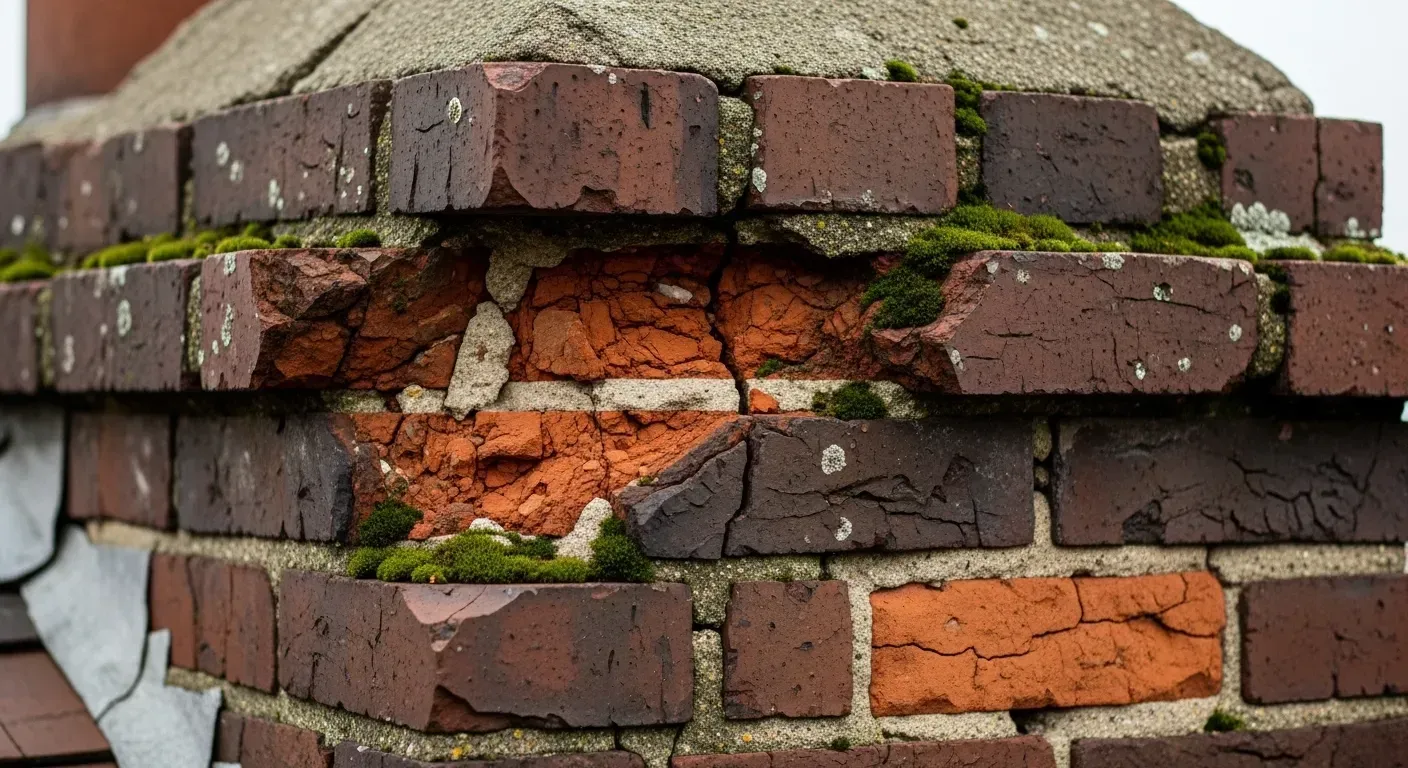
  • Spalling Bricks: This occurs when the face of the brick flakes off, crumbles, or completely pops out of the structure. It is a direct result of moisture freezing inside the brick itself.
  • Deteriorating Mortar: Healthy mortar should be solid and flush with the brickwork. If you see gaps, deep recesses, or piles of sandy debris resting on your roof shingles, the mortar has lost its bonding strength.
  • Efflorescence: A powdery white stain on the exterior of the brickwork indicates that water is moving through the masonry and leaving salt deposits behind on the surface.
  • Visible Leaning: A structure that leans or tilts is a severe safety hazard. This indicates that the structural integrity has completely failed on at least one side.

Professional Chimney Services: Demolition and Tuckpointing

Depending on the severity of the decay, masonry restoration generally falls into two categories. It requires either targeted mortar replacement or a complete structural teardown. Providing comprehensive Chimney Services means accurately diagnosing the damage and executing the exact right fix for the situation.


The Tuckpointing Process

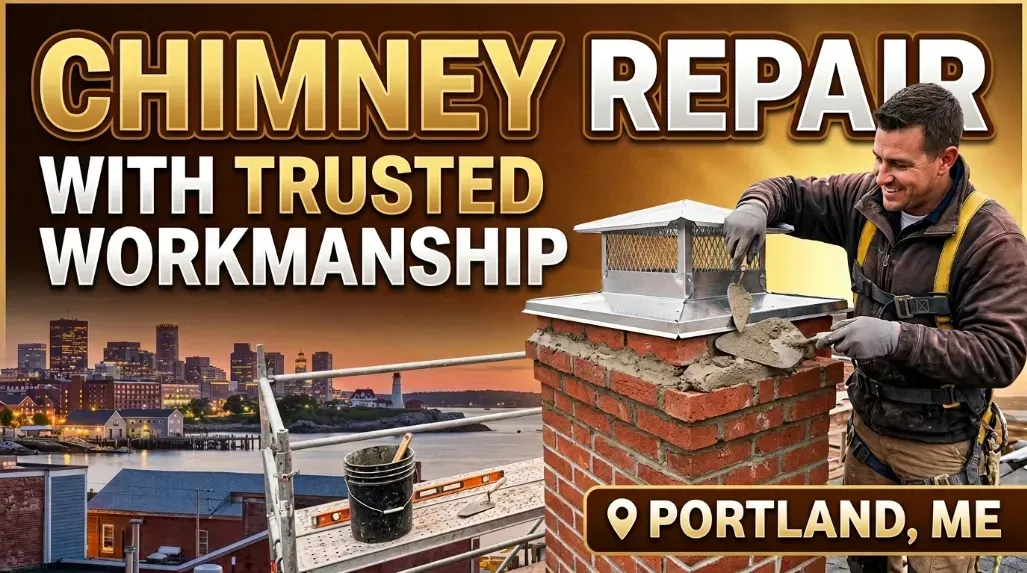
Tuckpointing is highly effective when the bricks are still in good condition but the mortar joints have begun to fail. The process involves grinding out the old and damaged mortar to a specific depth to ensure a solid foundation for the new material.


Masons then carefully mix fresh mortar to match the structural properties and color of the original masonry. This is especially important for older homes in Portland. Applying a hard modern cement to soft historic bricks will cause the bricks to shatter during the next freeze. Once the correct mortar is mixed, it is precisely applied into the routed joints. This restores the original strength of the structure and seals out moisture.

When Demolition Becomes Necessary

Sometimes tuckpointing is not a viable option. If the bricks themselves are spalling, cracking, or the entire stack is leaning dangerously, partial or complete demolition is the only safe path forward.


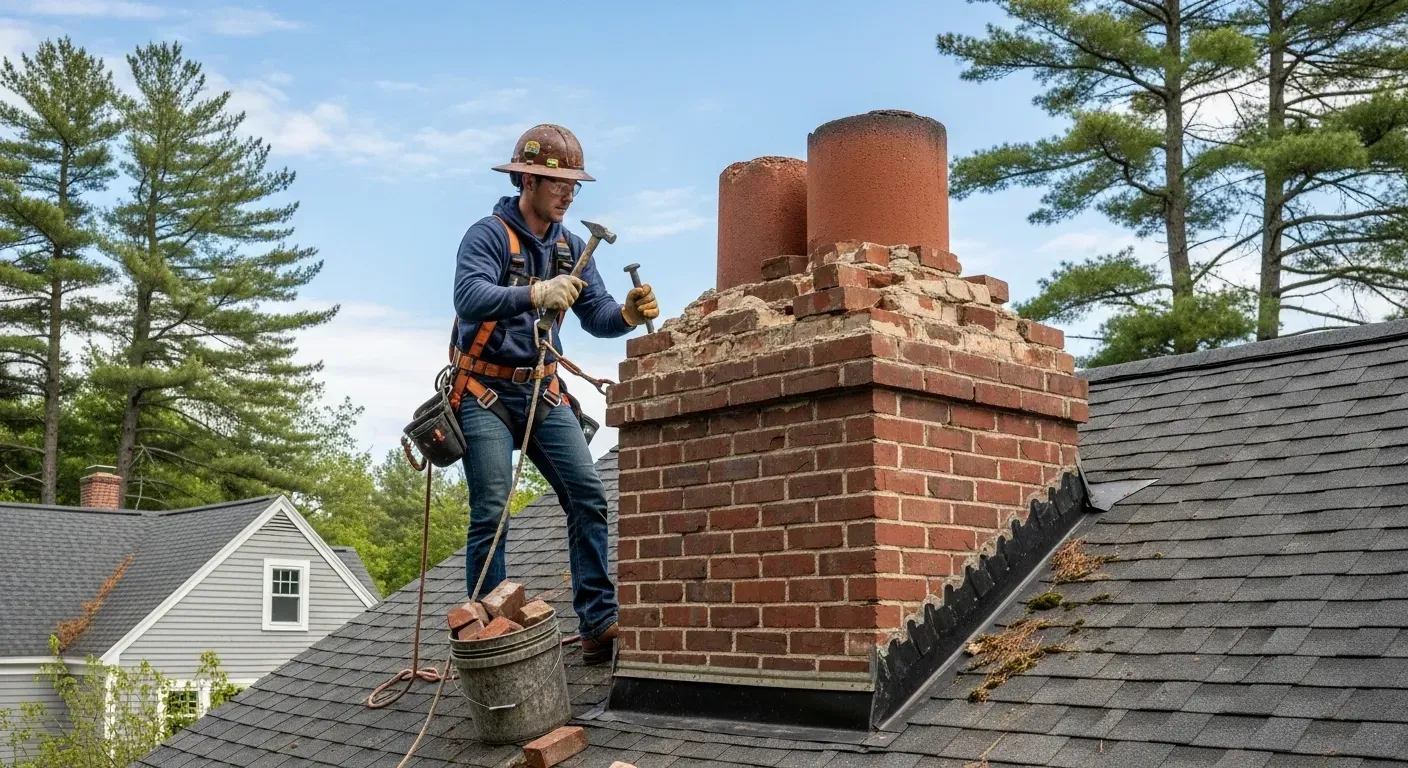
During this process, the damaged sections are carefully dismantled brick by brick. Masons typically tear the structure down to the roofline or until they reach solid, undamaged masonry. Once the deteriorated materials are safely removed from the property, the structure is rebuilt using fresh bricks and appropriate mortar. You can read more about how our team handles both scenarios on our demolition and tuckpointing page
Protecting Your Rebuilt Masonry Against the Elements

Restoring the brickwork is only one part of the preservation process. A beautiful exterior requires a highly functional interior system to vent hazardous gases safely.


If an older structure required partial demolition, it is very likely that the internal clay flue tiles were also cracked or damaged by the same moisture and age. Upgrading the internal venting system is crucial for household safety and proper drafting. Installing modern stainless steel liners provides a seamless, durable path for smoke and gases to exit the home while protecting the new masonry from acidic byproducts.


Furthermore, once the fresh mortar has fully cured, the exterior must be shielded from future water intrusion. Applying an industrial-grade, vapor-permeable sealant protects the porous bricks while still allowing the system to breathe. This step drastically extends the lifespan of the restoration. Learn more about the benefits of this protective measure by exploring our waterproofing solutions.

The Value of Proactive Maintenance

Structural repairs require significant planning, staging, and labor. Homeowners who monitor their property closely can often avoid large-scale demolition projects by catching minor mortar issues early.

Routine inspections allow professionals to spot hairline cracks before they expand and cause spalling. This proactive approach is exactly why more Portland homeowners are booking annual chimney cleaning early. Combining your routine sweep with a thorough visual inspection ensures that minor tuckpointing jobs are handled before they escalate into major structural teardowns.

Choosing the Right Local Experts for the Job

Masonry restoration is an art that requires a deep understanding of local building materials and regional weather patterns. Portland features a wide variety of architectural styles and historic properties. You need a team that respects the original craftsmanship while applying durable, modern restoration techniques.


Our team takes immense pride in securing the homes of our neighbors throughout the greater Portland area. We encourage you to learn more about our commitment to high-quality masonry and customer education.

If you have noticed crumbling mortar, flaking bricks, or structural leaning on your property, prompt action is highly recommended. Reach out to our masonry specialists via our contact page to schedule a comprehensive evaluation of your property.

Frequently Asked Questions


  • What is the difference between tuckpointing and repointing?

    These terms are frequently used interchangeably by homeowners, but they have distinct meanings in the masonry trade. Repointing is the physical process of grinding out old mortar and filling the joints with new mortar. Tuckpointing is a specialized version of this process that uses two different colors of mortar to create the visual illusion of very fine, precise joints. Both methods serve the primary purpose of restoring structural integrity and stopping water leaks.


  • How do I know if my chimney requires partial demolition?

    Partial demolition is required when the brickwork itself has failed. If the bricks are crumbling, breaking apart, or heavily flaking, they cannot safely support the weight of the structure above them. Additionally, if the entire stack is leaning or twisting, the structural foundation is compromised. In these cases, simply replacing the mortar is not enough to make the structure safe.


  • How long do structural masonry repairs take to complete?

    The timeline for repairs depends entirely on the scope of the damage. A standard tuckpointing job might be completed in one or two days. A partial demolition that involves tearing the masonry down to the roofline, rebuilding it, and installing a new liner can take several days to a week. Weather conditions in Portland also play a major role, as mortar cannot be applied properly during heavy rain or extreme freezing temperatures.


By John Constantine May 1, 2026
Many homeowners do not think about their heating systems until the first bitter evening of the season. You turn on the heating system, light a fire, and expect everything to work flawlessly. However, the structures venting those fires often deteriorate entirely out of sight. A masonry stack might look perfectly sturdy from the street while hiding severe structural deficits inside the flue or right beneath the roofline. Portland, Maine presents a particularly harsh environment for exterior masonry. Historic properties and newer builds alike face relentless exposure to coastal winds, heavy snowfall, and driving rain. These elements wage a silent war against brick and mortar. The damage rarely announces itself with a sudden collapse. Instead, it begins with microscopic vulnerabilities that gradually compromise the safety of your home. Understanding how these hidden issues develop is the first step toward protecting your property value and your family. Relying on preventative maintenance from professionals like Select Chimney Service ensures you catch these quiet threats before they mandate catastrophic repair bills.
By John Constantine April 24, 2026
The arrival of crisp autumn air in Portland, Maine usually signals the start of intense preparations for the winter months. Historically, property owners waited until the first frost to consider the state of their heating systems. However, a significant behavioral shift is occurring across local neighborhoods. Homeowners are increasingly scheduling their annual sweeps and inspections during the spring and summer.  This proactive approach to property maintenance is driven by a combination of severe local weather patterns, financial foresight, and a deeper understanding of home safety. By choosing to act months ahead of the traditional autumn rush, residents are securing better availability, preventing extensive weather-related damage, and ensuring their heating systems operate safely when the harsh New England winter finally arrives. Working with a dedicated local provider like Select Chimney Service during the off-season offers distinct advantages. Instead of competing for limited appointments in October, early planners guarantee their homes are safe and compliant long before the first log is lit.
By John Constantine April 22, 2026
Portland, Maine, brings demanding weather conditions to New England homeowners. Coastal rainstorms, heavy winter snowfall, and intense freezing temperatures constantly batter the exterior of your property. Your chimney sits entirely exposed above the roofline, facing the brunt of every passing storm. Masonry materials like brick, mortar, block, and stone are highly porous. They act very much like rigid sponges that absorb environmental moisture rapidly. When left unprotected, this constant water intrusion inevitably leads to structural decay. The team at Select Chimney Services understands exactly how these specific local weather patterns threaten your masonry. We focus entirely on preserving the safety, functionality, and structural integrity of your home heating systems. The Impact of the Portland Climate on Masonry Understanding the relationship between Maine weather and masonry requires looking closely at the freeze-thaw cycle. During a standard winter, water easily penetrates the porous surface of unprotected bricks. When the temperature drops below freezing overnight, that trapped water turns into ice. Water expands by roughly nine percent when it freezes. This expansion creates immense microscopic pressure inside the brick itself. Over multiple seasons of freezing and thawing, this pressure causes the face of the brick to crack, flake, and eventually break off completely. This process is known as spalling. Securing a reliable defense against this destructive cycle starts by partnering with the right professionals. Select Chimney Services provides the expertise necessary to evaluate, repair, and protect your home from devastating moisture intrusion. Identifying Moisture Damage Before It Spreads Water damage rarely remains hidden for long. It leaves several clear physical indicators on both the interior and exterior of your property. Catching these signs early is crucial for preventing massive structural failures.
By John Constantine April 18, 2026
Portland, Maine experiences long, freezing winters that demand reliable home heating. Many homeowners rely on wood stoves and traditional fireplaces to keep their families warm throughout the darkest months of the year. With constant use comes the inevitable accumulation of soot and creosote inside the flue. When preparing your heating system for the harsh New England winter, a common question arises regarding maintenance order. Do you need a cleaning first, or should a professional evaluate the structure before any brushing begins? Understanding the precise distinction between these two critical services helps preserve your property value and prevents dangerous flue fires. Properly sequencing your maintenance ensures your home remains a safe haven against the cold.
By John Constantine April 17, 2026
Heating a home in Portland, ME requires a highly resilient infrastructure. Winters bring biting cold, heavy snowstorms, and relentless coastal winds. Property owners consistently ensure their fuel tanks are full and their heating appliances function correctly. However, many completely overlook the actual exhaust system responsible for safely venting hazardous combustion byproducts out of the living space. The structural integrity and overall safety of a masonry chimney depend heavily on the internal condition of its flue. When traditional clay tiles crack, flake, or deteriorate due to age and harsh weather, the entire home is put at risk of fire and carbon monoxide exposure. Upgrading the internal exhaust system with a modern solution provides immediate structural protection and deep peace of mind. For residents relying on Select Chimney , installing a durable and properly insulated liner is a highly recommended step toward comprehensive home safety.
By John Constantine April 11, 2026
Maine winters bring freezing temperatures, heavy snowfall, and biting winds that test the absolute limits of exterior masonry. Residents throughout the Greater Portland area rely heavily on their fireplaces, wood inserts, and pellet stoves to keep their living spaces warm from November through April. That heavy reliance creates significant wear and tear on home venting systems. Combustible byproducts accumulate inside the flue while freezing moisture attacks the brickwork from the outside.  Maintaining these structures is a strict necessity to protect your family from devastating fire hazards and expensive structural failures. Select Chimney Services specializes in diagnosing and resolving these exact vulnerabilities for homeowners. We provide targeted interventions that fortify both older, historic properties and modern builds against the severe Northeastern climate.
By John Constantine April 8, 2026
Maintaining a home in Portland, ME requires a proactive approach to weatherproofing and exterior maintenance. The harsh coastal storms, heavy autumn foliage, and brutal winter freeze-thaw cycles create a challenging environment for residential structures. Proper water management is the first line of defense against extensive property damage. At the center of this defense is your roof drainage system.  When homeowners neglect the exterior of their properties, water finds a way into vulnerable areas. Select Chimney specializes in protecting homes from top to bottom. Managing roof runoff effectively prevents costly structural failures, protects foundation integrity, and preserves historic masonry.
By John Constantine April 4, 2026
Maintaining chimneys in Maine’s historic homes is more than just a matter of aesthetics it’s about safety, longevity, and protecting your investment. In Portland and surrounding towns like South Portland, Windham, Augusta, Lewiston, and York, homeowners and property managers face unique challenges due to harsh weather conditions and aging brickwork. Demolition and tuckpointing are two essential services that ensure chimneys remain structurally sound, safe, and efficient.
By John Constantine April 3, 2026
Owning a home in Portland means preparing for unpredictable Maine weather. Driving rain, heavy snowfalls, and rapid temperature fluctuations put constant stress on exterior masonry. Many homeowners diligently clean their gutters and inspect their roofs but overlook a massive masonry structure protruding right through the roofline. Your chimney is highly vulnerable to moisture infiltration. Protecting it requires proactive measures.  Select Chimney Services has spent years evaluating and treating water damage across Southern Maine. We know firsthand that preventative care saves property owners significant time, stress, and money.
By John Constantine March 27, 2026
Your chimney is one of the most important but often overlooked parts of your home. In Portland’s damp climate, moisture can wreak havoc on masonry, metal components, and liners. Without proper waterproofing and maintenance, water intrusion leads to cracks, rust, and costly structural repairs.  In this guide, we’ll explore the importance of chimney waterproofing in Portland, how it protects your home, and the services available to help extend the life of your chimney. We’ll also include a comparison table and answer common homeowner questions.