Defending Your Masonry: The Case for Stainless Steel Liners in Portland
Every winter in Portland brings extreme temperature drops, biting winds, and heavy snowfall. Homeowners rely heavily on their heating systems and fireplaces to keep their living spaces comfortable. However, a frequently ignored component of household safety hides right inside the brickwork of your property. Your flue requires absolute structural integrity to safely vent toxic gases and extreme heat outdoors.
When older clay tiles begin to crack, your property is immediately exposed to severe fire risks and hazardous gas leaks. At Burleson A.T. Electric, we specialize in modernizing aging venting systems with high-grade metal alloys designed to protect your home and your family.
The Hidden Dangers of an Unlined Flue
Many older homes across Maine were built using traditional clay tiles to line the inside of the flue. Clay is a rigid, porous material that absorbs condensation and atmospheric moisture over time. When subjected to the rapid heating and cooling cycles of regular fireplace or furnace use, these tiles inevitably crack, shift, or crumble.
This degradation process leaves combustible structural materials in your attic and walls exposed to stray sparks and intense heat. We recently discussed how neglecting routine maintenance puts Portland homes at risk every winter. The structural breakdown of an unlined or failing flue ranks among the most critical safety hazards a property owner can face. Recognizing the warning signs early can save you from catastrophic damage.
Watch for these specific indicators of clay tile failure:
- Visible crumbling flakes of clay accumulating in your firebox.
- Water stains on the interior walls adjacent to the masonry.
- Drafting issues causing smoke to back up into the room.
- Foul, acidic odors radiating from the hearth during humid days.
How Stainless Steel Liners Outperform Traditional Clay
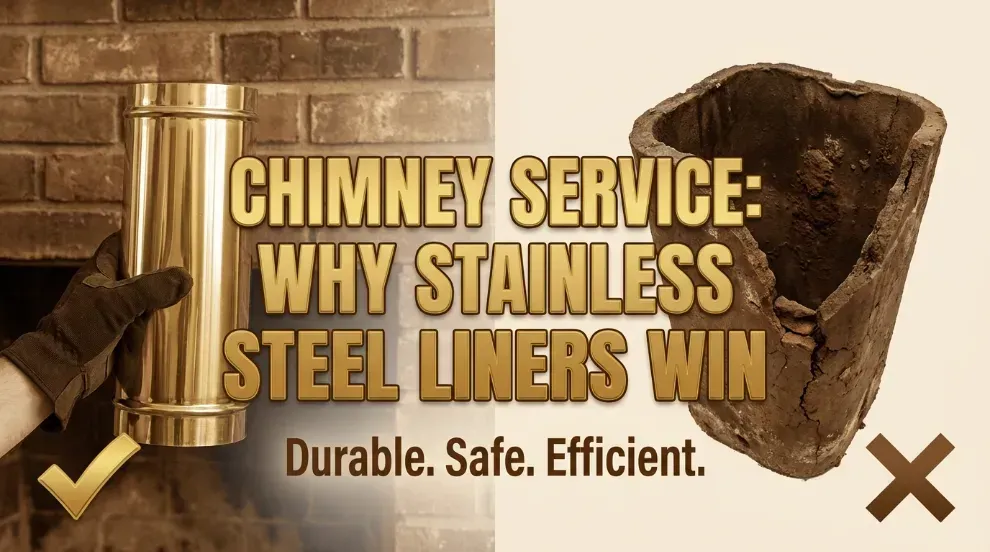
Replacing deteriorated clay with stainless steel liners provides an immediate and permanent upgrade to your venting system. These flexible or rigid metal tubes run the entire length of the flue. They create a seamless, airtight corridor for smoke, carbon monoxide, and creosote to exit your home safely.
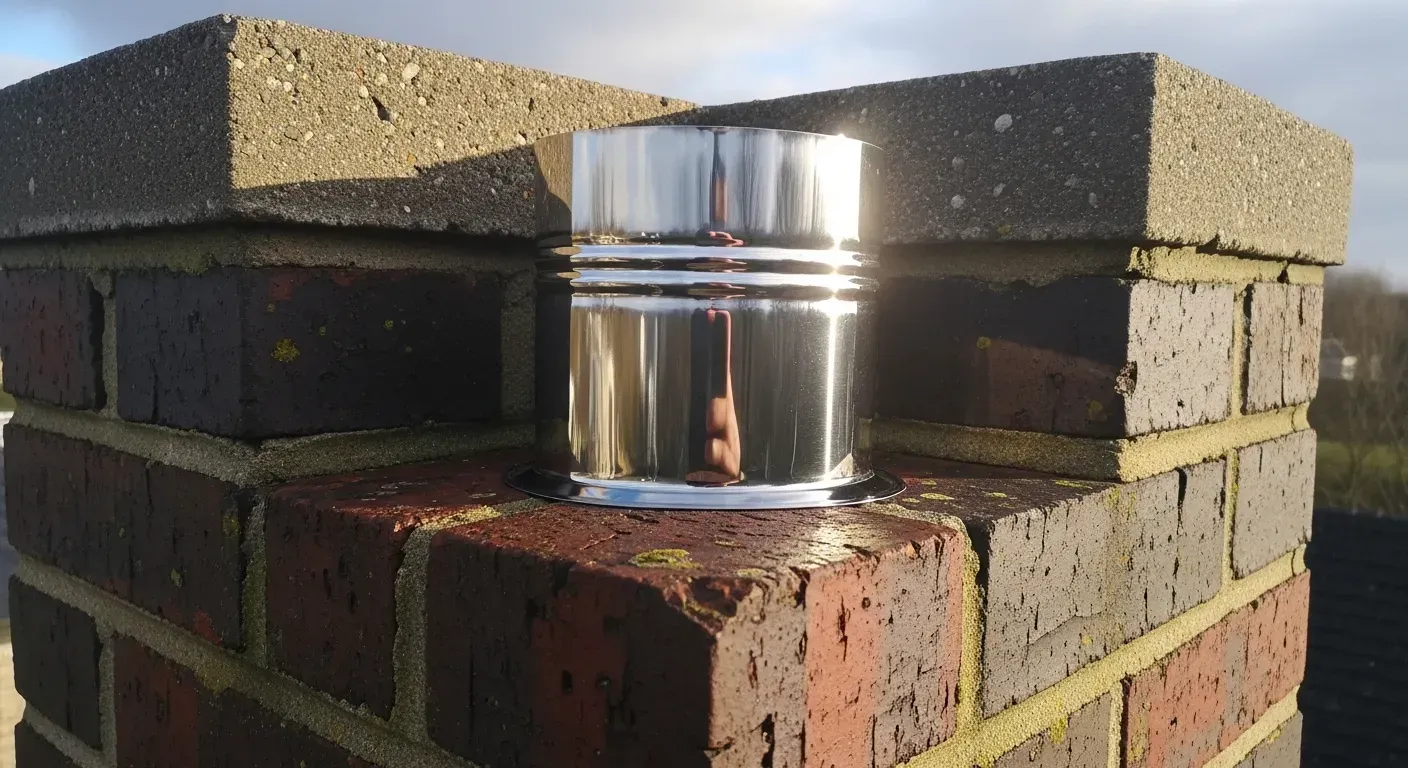
Unlike clay, stainless steel does not absorb moisture. It expands and contracts naturally with extreme temperature fluctuations without sustaining structural damage. Furthermore, a properly sized metal liner improves the draft of your fireplace or heating appliance. Better draft efficiency means your fuel burns cleaner, producing less dangerous creosote buildup along the inner walls.
Stainless steel is not a single material but a category of highly engineered alloys. Technicians typically utilize 304 or 316-grade stainless steel depending on the type of fuel being burned. Wood-burning appliances often require different metallurgical properties than oil or gas furnaces. The 316-grade alloy incorporates molybdenum, providing exceptional resistance against the highly corrosive byproducts produced by modern high-efficiency heating systems.
Why Portland Weather Demands Better Chimney Protection
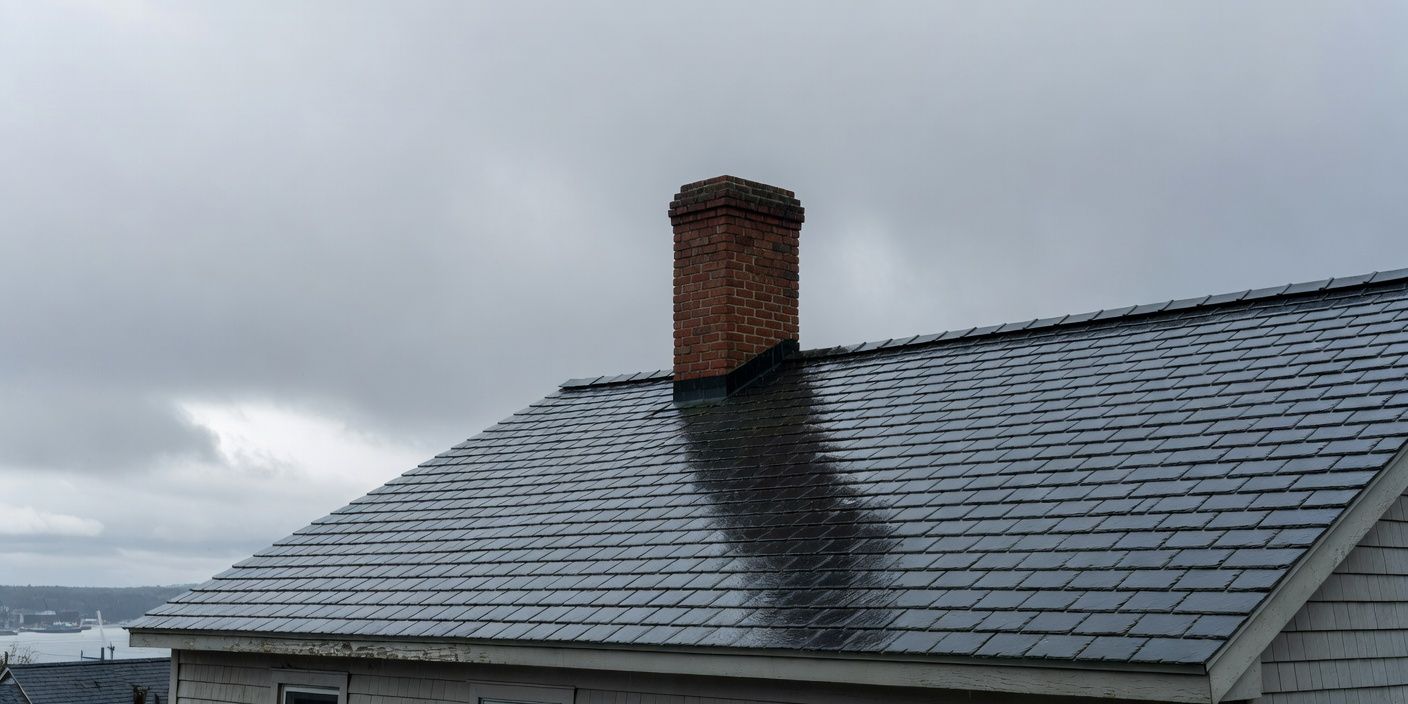
Living in Portland, ME means dealing with a uniquely punishing climate for exterior masonry. The combination of coastal moisture and freezing temperatures creates a destructive phenomenon known as the freeze-thaw cycle. Brick and mortar are porous materials. When water seeps into these tiny pores and freezes, it expands, causing the surrounding masonry to spall and break apart.
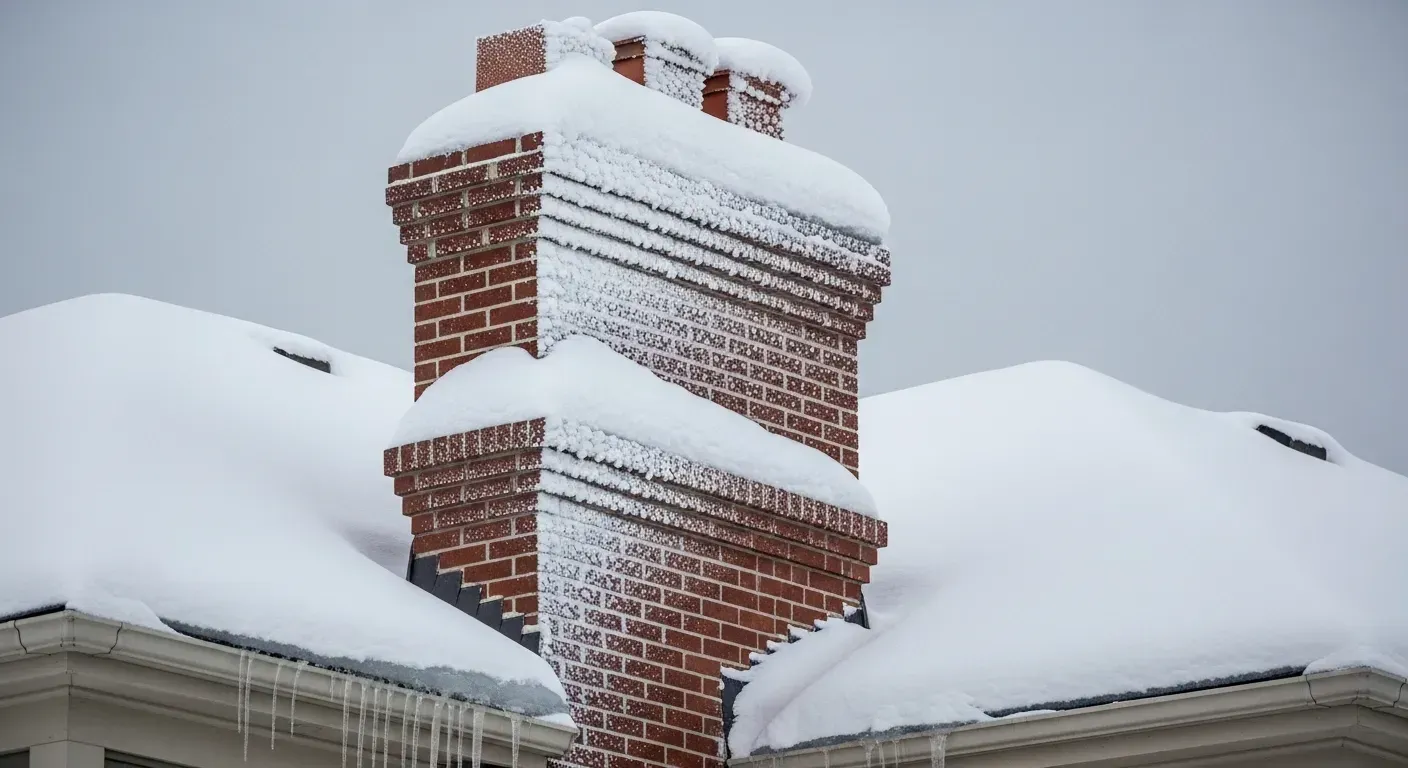
If the interior of your flue lacks a proper metal barrier, internal condensation from heating appliances accelerates this deterioration from the inside out. Combining a new metal liner with exterior chimney waterproofing creates a comprehensive defense system against Maine weather. This dual approach seals out heavy coastal precipitation while safely containing internal corrosive gases.
Portland is celebrated for its historic architecture, featuring beautiful Victorian and Colonial homes with towering masonry structures. While these visual elements add immense curb appeal, the internal mechanics of a century-old brick stack were never designed to handle the exhaust of modern heating systems. Updating these historic properties requires a delicate balance of preservation and internal modernization.
Why Professional Chimney Services Matter for Liner Installation
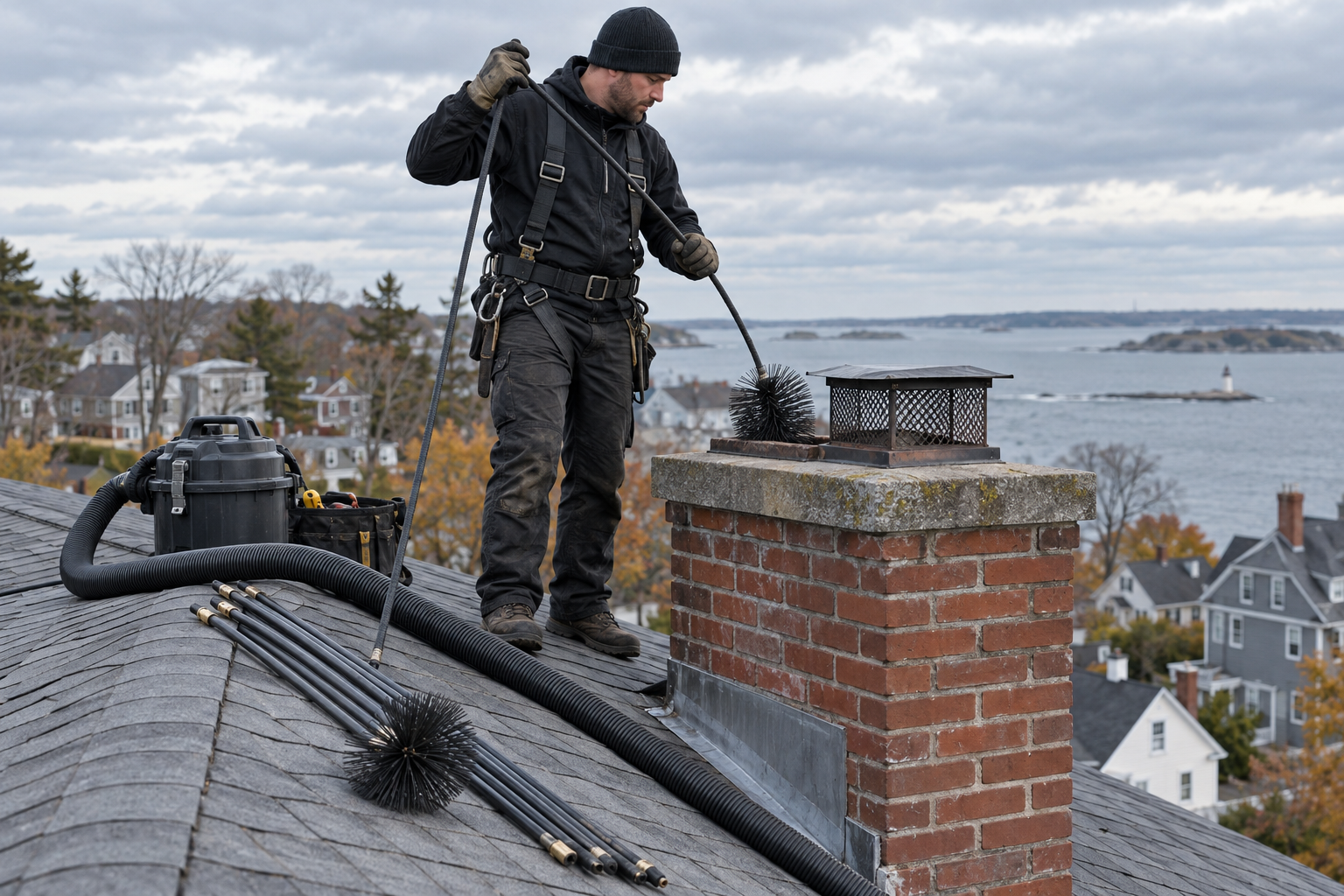
Upgrading a flue is a complex mechanical process requiring specialized knowledge and precision tools. Inserting a metal tube down a narrow, soot-filled shaft often uncovers secondary issues within the brickwork. Quality chimney services involve a thorough inspection to determine if the existing structure can safely support the new hardware.
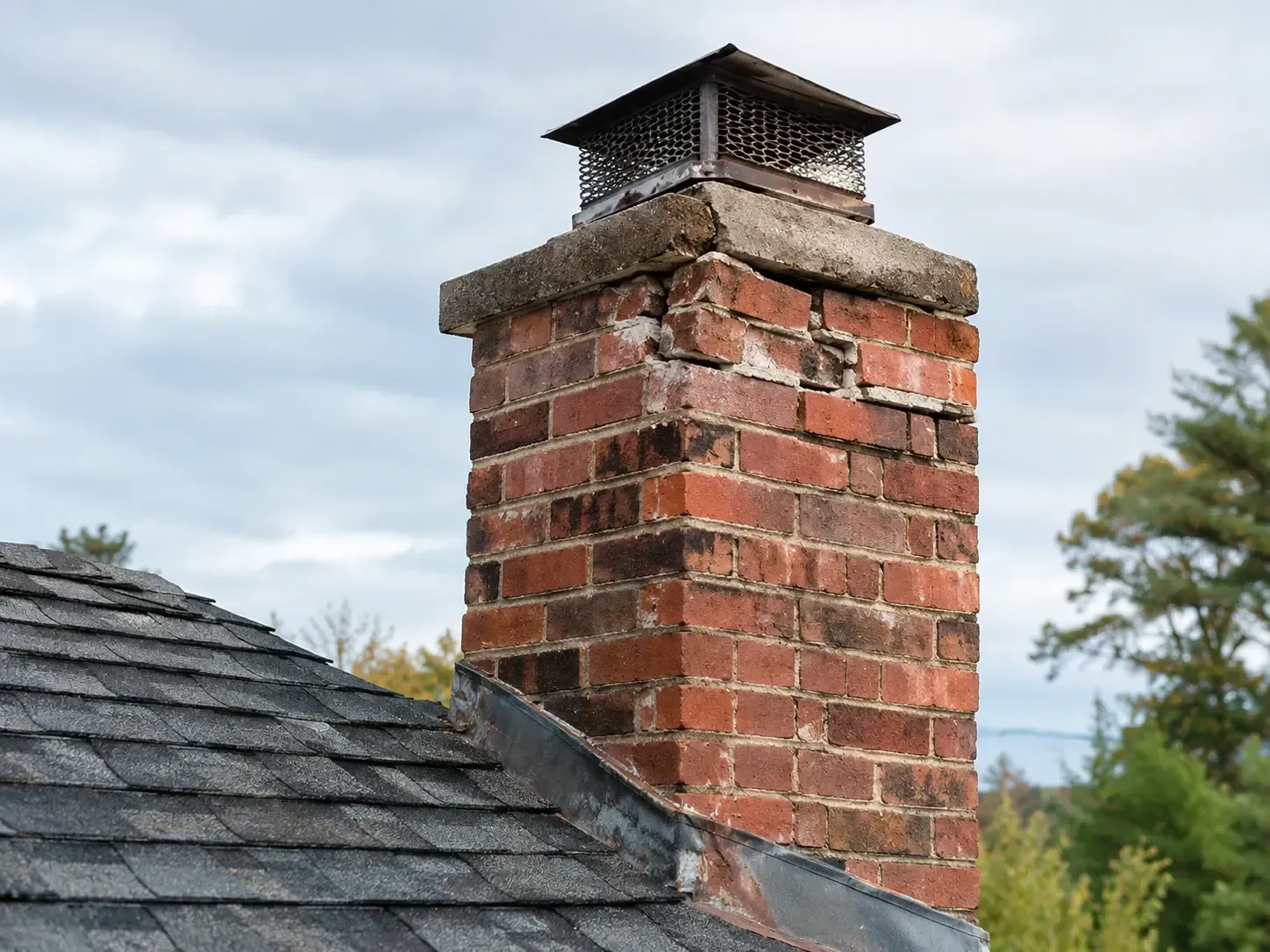
In many cases, older Portland chimneys have suffered extensive structural damage that must be addressed before the liner drops into place. This is where precision demolition and tuckpointing become absolutely necessary. Removing failing mortar joints and replacing them with fresh, structurally sound compounds ensures the outer shell is as robust as the new metal core. To learn more about our background in handling complex masonry restorations, you can read about us and our commitment to structural integrity.
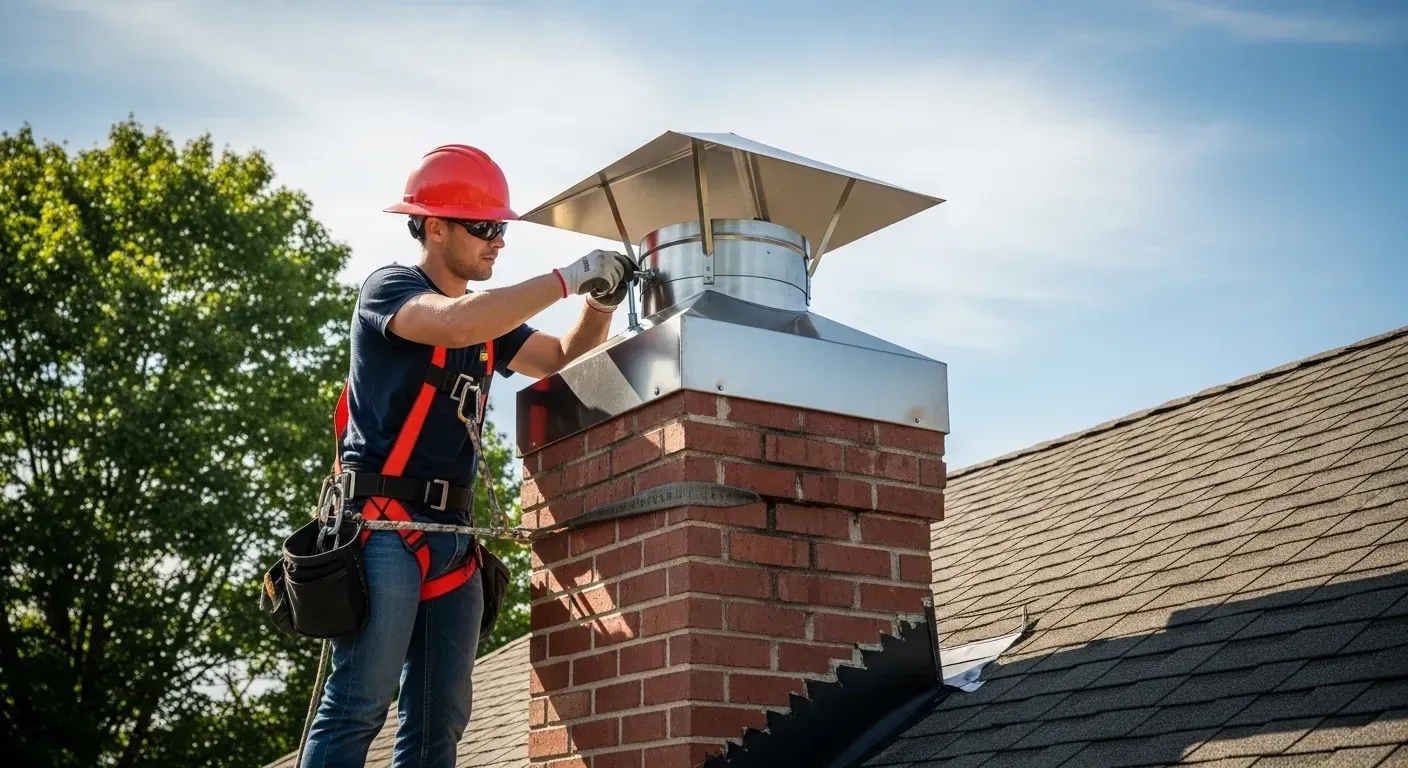
The installation process requires strict adherence to local building and fire codes. A liner must be properly sized to match the specific thermal output of the appliance it vents. An oversized flue causes exhaust gases to cool too rapidly, leading to sluggish drafting and heavy creosote accumulation. Conversely, an undersized flue chokes the appliance, forcing deadly carbon monoxide back into the living space. Professional technicians secure the system with heavy-duty top plates and specialized rain caps to prevent local wildlife and debris from entering the top of the stack.
Choosing the Right Contractor in Maine
Protecting your home requires proactive measures long before the first major blizzard hits the Maine coast. Delaying essential masonry repairs often leads to exponentially higher costs and elevated safety risks during the coldest months of the year.
Securing your property against fire hazards and water damage starts with a professional evaluation of your current venting system. Burleson A.T. Electric provides detailed inspections and high-quality installations tailored specifically to the architectural demands of our local area. Reach out to schedule a consultation and contact us today to secure your masonry for the upcoming season.
Frequently Asked Questions
How long do stainless steel liners typically last?
High-grade stainless steel is engineered for extreme longevity. When properly maintained and cleaned annually by a certified professional, these metal systems often carry lifetime warranties. They easily outlive traditional clay tile alternatives and withstand decades of intense heating cycles without degrading.
Can I install a chimney liner myself?
No. Handling heavy metal alloys on steep rooftops requires professional safety equipment, specialized training, and a deep understanding of thermodynamics and building codes. Incorrect sizing or improper connections can lead to carbon monoxide leaks or catastrophic house fires. Always hire a licensed professional for this type of structural work.
Does a new liner improve heating efficiency?
Yes. A properly insulated and correctly sized metal flue creates an optimal draft. This allows your wood stove, fireplace, or furnace to burn fuel more completely. The improved airflow extracts more usable heat for your home while minimizing wasted energy and reducing harmful emissions.