Why Is My Chimney Leaking? 7 Common Causes & Solutions for Portland Maine Homes
Why Portland Maine Chimneys Are Especially Vulnerable to Leaks
Before we dive into the specific causes, you need to understand why chimneys in Portland (and throughout Maine) face unique challenges.
Freeze/Thaw Cycles: Portland experiences dozens of freeze/thaw cycles each winter. Water seeps into small cracks, freezes overnight, expands, and makes those cracks bigger. This happens over and over, accelerating deterioration that might take decades in warmer climates.
Coastal Moisture: Even if you're not directly on the water, Portland's coastal location means higher humidity and salt air. This moisture penetrates masonry and causes faster deterioration.
Age of Housing Stock: Many Portland homes were built 80-150 years ago. Original chimneys weren't built with modern waterproofing materials. They're beautiful, but they're vulnerable.
Heavy Rain and Snow: Maine gets 45+ inches of precipitation per year. That's a lot of water trying to find its way into your chimney.
This combination means that a chimney that would last 100 years in Arizona might need major repairs after 50 years in Portland.
Now let's identify your specific leak.
The 7 Most Common Causes of Chimney Leaks in Portland Homes
1. Damaged or Missing Chimney Cap
What It Is: The chimney cap is the metal or concrete cover on top of your chimney. Think of it like a little roof that keeps rain out while still allowing smoke to escape.
How It Causes Leaks: When the cap is missing, damaged, or improperly installed, rain pours directly down into your chimney flue. It's literally like having a hole in your roof.
How to Identify It: Look at the top of your chimney from outside (use binoculars if needed). Do you see a metal cap? Is it rusted, bent, or missing? During rain, does water pour directly into the flue opening?
The Fix: Install or replace the chimney cap. A quality stainless steel cap costs $150-400 installed and will last 20+ years. This is one of the easiest and most effective fixes.
Portland-Specific Note: The salt air accelerates rust on cheap chimney caps. Invest in stainless steel, not galvanized metal.
DIY or Pro?: Professional installation recommended. It requires getting on the roof and ensuring proper fit and seal.
2. Cracked or Deteriorating Chimney Crown
What It Is: The chimney crown is the concrete slab at the very top of your chimney that seals the gap between the flue and the outer brick. It should slope away from the flue to shed water.
How It Causes Leaks: Cracks in the crown allow water to seep into the chimney structure. Over time, freeze/thaw cycles make small cracks into major breaks. Water then travels down between the flue liner and the brick, eventually showing up inside your home.
How to Identify It: You'll need to inspect from the roof or use binoculars. Look for visible cracks in the concrete crown. In severe cases, chunks might be missing entirely. You might also notice white mineral deposits (efflorescence) on the chimney exterior.
The Fix: Minor cracks can be sealed with crown sealant ($200-400). Major damage requires crown rebuild ($600-1,200). The crown should overhang the brick by 2 inches and have a drip edge.
Portland-Specific Note: Many historic Portland chimneys were built with mortar crowns instead of concrete. These deteriorate much faster and should be replaced with proper concrete crowns.
DIY or Pro?: Professional only. Proper crown construction requires specific materials and techniques. Done wrong, it fails within a year.
3. Damaged Chimney Flashing
What It Is: Flashing is the metal seal where your chimney meets your roof. It's actually two parts: step flashing (built into the roof) and counter flashing (embedded in the chimney mortar).
How It Causes Leaks: This is THE most common leak source. Flashing deteriorates from age, improper installation, or roof work where roofers disturb the seal. When it fails, water runs down the roof and straight into the gap between chimney and house.
How to Identify It: Water stains often appear on the ceiling or wall right next to the chimney (not from above). Leaks happen during or shortly after rain. You might see rusted, bent, or separated flashing when inspecting from the roof. The leak might seem to come from the roof near the chimney rather than the chimney itself.
The Fix: Reflashing requires removing some roof shingles, installing new step and counter flashing, and properly sealing everything. Cost: $400-1,000 depending on chimney size and roof pitch.
Portland-Specific Note: If you have a slate roof (common in Portland historic homes), flashing repairs require specialized skills. Not every roofer can work with slate properly.
DIY or Pro?: Professional only. Improper flashing installation guarantees future leaks. This is not a DIY project.
4. Deteriorating Mortar Joints (Spalling/Tuckpointing Needed)
What It Is: The mortar between your chimney bricks is softer than the bricks themselves. Over time, it erodes from weather exposure, especially freeze/thaw cycles.
How It Causes Leaks: As mortar joints deteriorate, water penetrates between bricks. The bricks themselves can also crack and flake (called spalling). Water travels through these gaps and ends up inside your chimney and home.
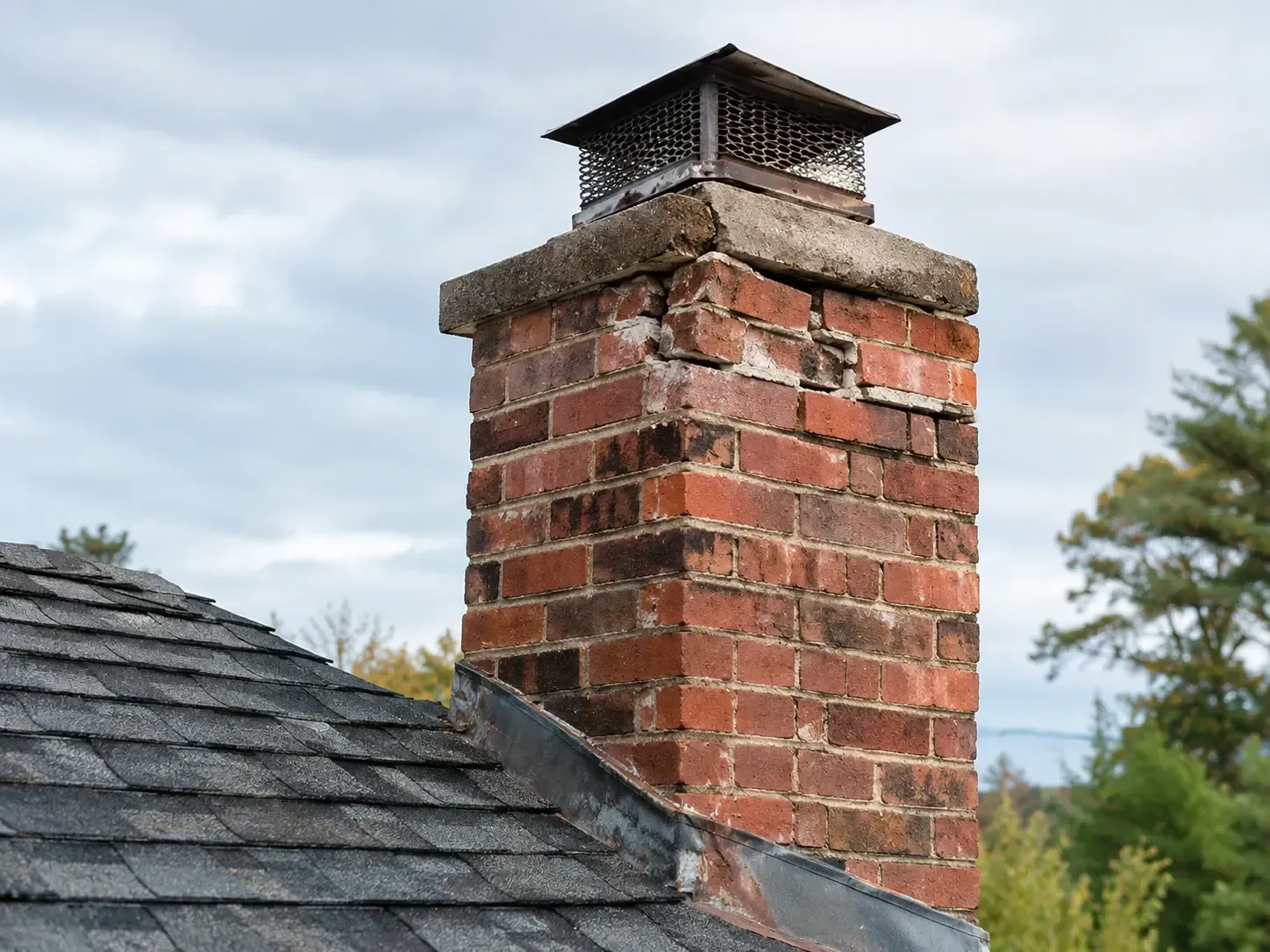
How to Identify It: Look at your chimney exterior. Is the mortar crumbling or recessed? Do you see white staining? Are bricks flaking or missing pieces? You might find chunks of brick or mortar on the ground around your house.
The Fix: Tuckpointing (repointing) involves removing old mortar and replacing it with new. Cost varies widely based on extent: $500-3,000+ for full chimney. Severely damaged bricks may need replacement.
Portland-Specific Note: Many Portland chimneys were built with soft lime mortar (appropriate for the time). Modern repairs should match the original mortar type, not use harder Portland cement which can damage historic brick.
DIY or Pro?: Professional recommended, especially for historic homes. Improper mortar mix can cause more damage than the original problem.
5. Porous or Water-Damaged Masonry
What It Is: Brick and mortar are porous. They absorb water like a sponge. Normally, this isn't a huge problem because they dry out. But when they stay saturated or freeze while wet, damage accelerates.
How It Causes Leaks: Over years of exposure, the masonry can become so porous that water passes right through it. This is especially common on the weather-facing side of the chimney (often north or west in Portland).
How to Identify It: The chimney exterior looks wet long after rain stops. You might see dark, damp patches that never fully dry. Interior leaks might occur during heavy rain even if other components (cap, crown, flashing) seem fine. White mineral deposits on brick are common.
The Fix: Chimney waterproofing with breathable masonry sealant. This allows the chimney to "breathe" (moisture can escape) while repelling exterior water. Cost: $300-800 for average chimney. Lasts 5-10 years.
Portland-Specific Note: Maine's climate requires vapor-permeable sealants. Non-breathing sealants trap moisture and cause spalling when water freezes inside the brick.
DIY or Pro?: Can be DIY if you're comfortable on a ladder and follow product instructions carefully. Professional application ensures complete coverage and proper product selection.
6. Condensation Issues (Looks Like a Leak But Isn't)
What It Is: Sometimes what looks like a leak is actually condensation. This happens when warm, moist air from your house meets cold chimney surfaces, especially in an unused chimney.
How It Causes "Leaks": When warm indoor air enters a cold chimney, moisture condenses on the flue liner and drips down, creating water inside the chimney. This is more common in summer when humid air meets an air-conditioned house, or in winter with an unused fireplace.
How to Identify It: "Leaks" occur even when it hasn't rained. You might notice moisture or musty smell in summer. The chimney feels damp inside but external components are fine. Opening a window near the fireplace sometimes helps.
The Fix: Improve ventilation with a chimney cap that has better airflow. Seal off unused flues. Consider a top-sealing damper. For chimneys converted to gas, ensure proper liner installation. Cost: $150-600 depending on solution.
Portland-Specific Note: Portland's humid summers make this particularly common in unused or rarely-used chimneys.
DIY or Pro?: Diagnosis requires a professional chimney inspection to rule out actual leaks. Solutions vary from DIY to professional depending on what's needed.
7. Damaged or Missing Chimney Liner
What It Is: The chimney liner is the inner lining of your flue (often clay tile or metal). It protects the chimney structure from heat and combustion byproducts.
How It Causes Leaks: Cracked or missing liner sections allow water to penetrate behind the liner into the chimney structure. This is less common as a primary leak source but can make other leaks worse.
How to Identify It: You need a professional chimney inspection with a camera. From inside, you might see pieces of broken clay tile. Severe water damage often means liner issues contributed.
The Fix: Liner repair or replacement. Clay tile repair: $200-500 per section. Full stainless steel liner replacement: $2,000-5,000 depending on height and accessibility.
Portland-Specific Note: Many old Portland chimneys have no liner at all (they predate building codes requiring liners). Even if not causing leaks, this is a serious safety issue.
DIY or Pro?: Professional only. Liner work requires specialized tools and expertise.
What Happens If You Ignore a Chimney Leak?
"I'll deal with it next year" is expensive thinking. Here's what actually happens when you ignore chimney leaks:
Month 1-3: Water stains appear. Musty smell develops. Minor cosmetic damage.
Month 3-12:
- Drywall damage spreads
- Mold growth begins
- Mortar deterioration accelerates
- Wood rot starts in structural framing
- Metal components rust faster
Year 1-3:
- Major structural masonry damage
- Extensive mold remediation needed
- Chimney stability compromised
- Ceiling/wall replacement required
- Potential chimney collapse risk
The Costs:
- Initial leak repair: $400-1,200
- After 2 years of water damage: $3,000-8,000
- After major structural damage: $10,000-30,000+
In Maine's freeze/thaw climate, deterioration happens FAST. A small crack becomes a major problem in one winter.
Cost Expectations for Portland Area Chimney Leak Repairs
Here's what you can expect to pay in the Greater Portland area (2025 prices):
Diagnostic:
- Level 1 visual inspection: $100-200
- Level 2 inspection with camera: $200-400
Common Repairs:
- Chimney cap installation: $150-400
- Crown seal/minor repair: $200-400
- Crown rebuild: $600-1,200
- Flashing repair: $400-1,000
- Tuckpointing (per chimney): $500-3,000+
- Waterproofing: $300-800
- Minor liner repair: $200-500
- Full liner replacement: $2,000-5,000
Why the ranges? Chimney height, roof pitch, accessibility, extent of damage, and historic home requirements all affect cost.
Money-Saving Tip: Address multiple issues in one service call. You'll pay the setup/access cost once instead of multiple times.
When to Call for Emergency Service
Most chimney leaks aren't true emergencies. You can wait a few days for an appointment. But call immediately if:
- Water is actively pouring in during a storm
- You see or smell smoke in your living space
- There's sudden major deterioration (chunks falling off)
- You notice structural shifting or tilting
- There's extensive new water damage after one storm
Select Chimney Services offers emergency response for Portland-area homeowners when needed.
Prevention: How to Avoid Chimney Leaks
Once you've fixed your leak, here's how to prevent future problems:
Annual Inspection: Get your chimney inspected every fall before heating season. Catches small problems before they become big ones. Cost: $100-200.
Waterproofing: Apply breathable masonry sealant every 5-7 years. Especially important for Portland's coastal climate.
Chimney Cap Maintenance: Check annually. Replace when showing rust or damage.
Watch for Warning Signs: White staining, musty smells, water stains, or deteriorating mortar all mean "schedule an inspection soon."
Address Problems Promptly: That small crack in the crown? Fix it now while it's $200, not later when it's $1,200.
Keep Trees Trimmed: Overhanging branches drop debris and retain moisture against your chimney.
Frequently Asked Questions
Why does my chimney only leak during heavy rain?
This usually indicates flashing problems or a damaged chimney crown. Light rain doesn't produce enough water volume to overwhelm these slightly damaged seals, but heavy rain pushes water through the gaps.
Can I just seal my chimney with regular waterproof coating?
No. Regular waterproof coatings trap moisture inside the masonry and cause spalling when that moisture freezes in winter.
My chimney leaks but I don't use my fireplace. Do I still need to fix it?
Yes, absolutely. Water damage happens whether you use the fireplace or not. In fact, unused chimneys often have worse moisture problems because there's no heat to dry them out.
How long does chimney repair take?
Simple repairs (cap installation, crown sealing): 1-3 hours. Moderate repairs (flashing, minor tuckpointing): Half to full day.