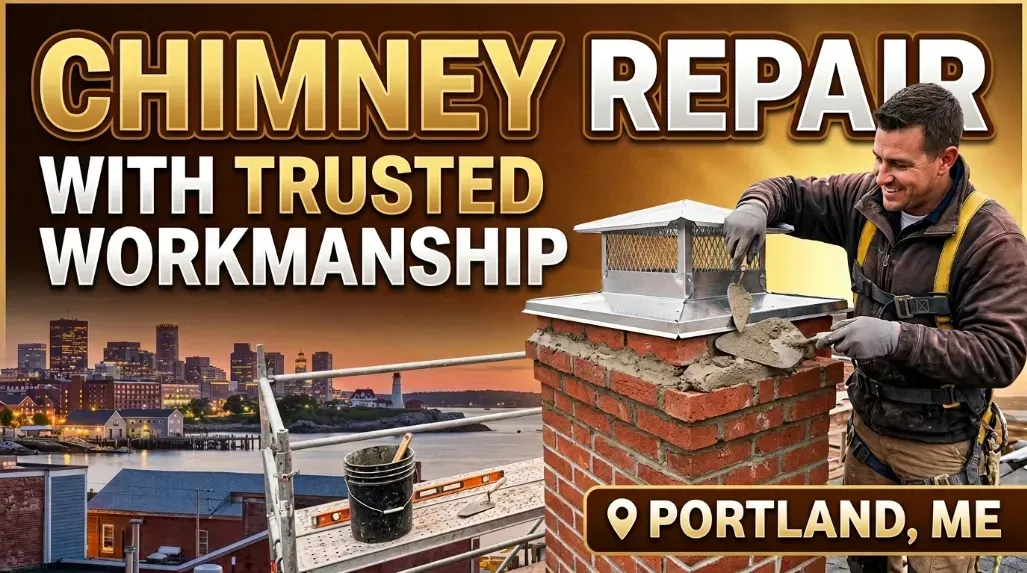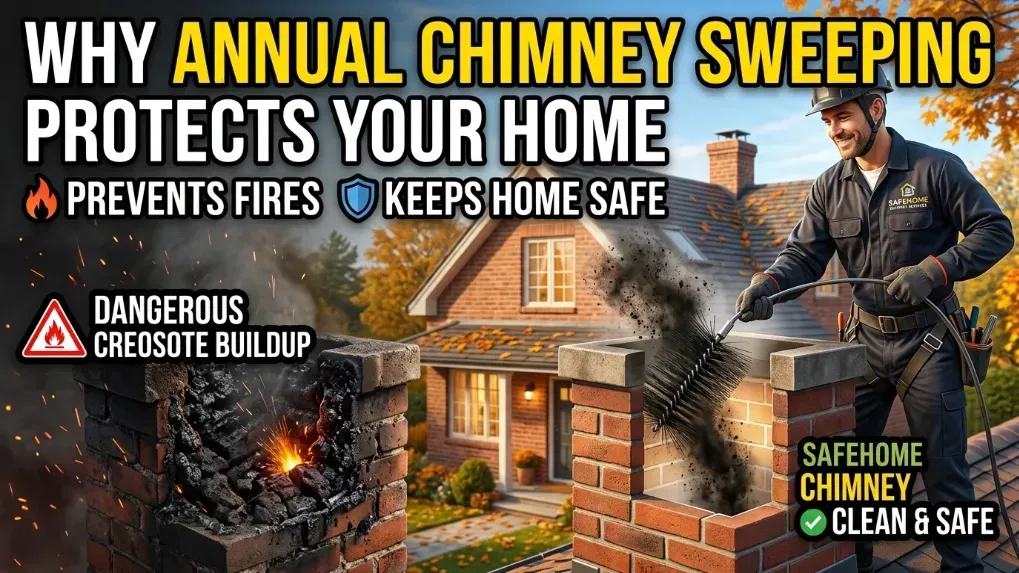
Salt, Ice, and Bricks: Expert Chimney Repair & Waterproofing in Portland, Maine
The Atlantic Ocean is beautiful. It also wants to eat your house. If you live in Portland, Maine—whether you’re perched on the windy slope of Munjoy Hill or tucked away in a historic brick colonial in the West End—you know the drill. The salt air creates a corrosive mist, and the freeze-thaw cycles of a New England winter are relentless. Your chimney takes the brunt of this abuse. It stands exposed above the roofline, fighting a war against the elements on four sides, 365 days a year. Eventually, masonry loses that fight.
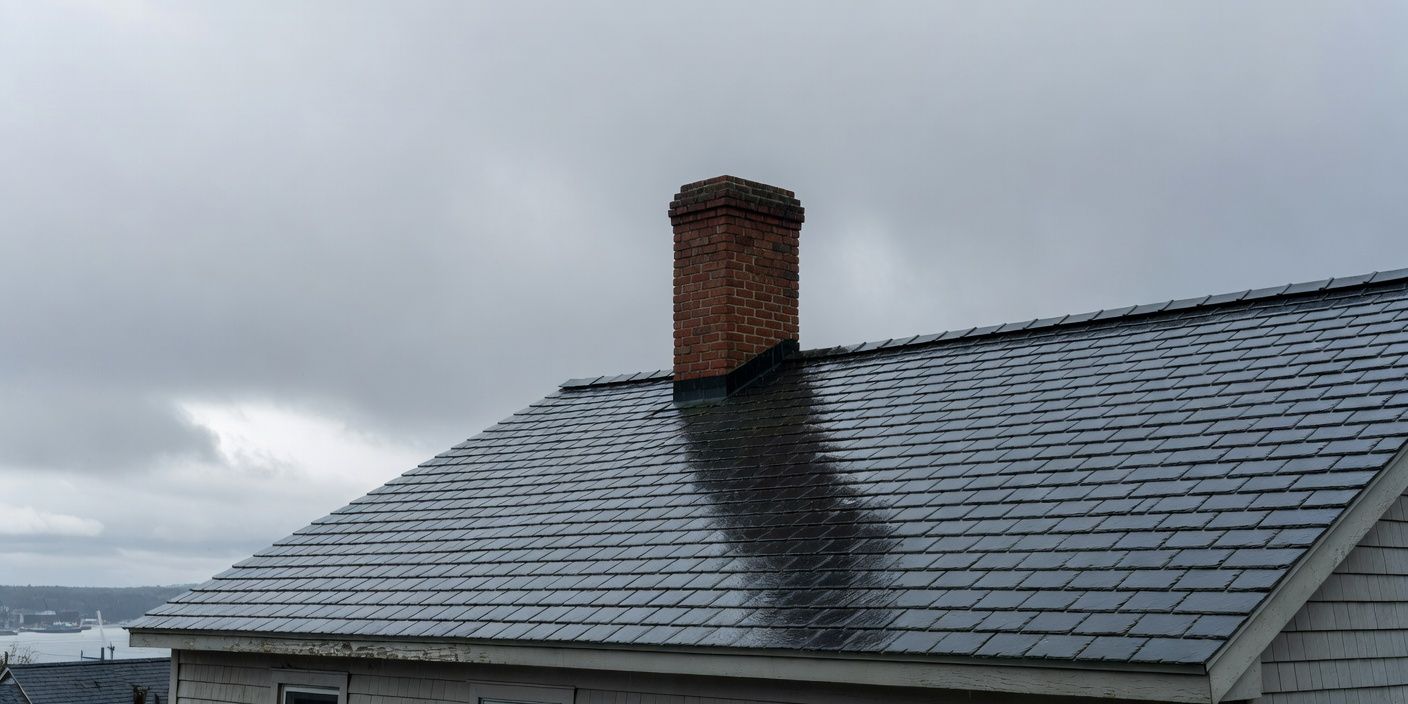
Water intrusion isn't just a nuisance; it’s a structural crisis waiting to happen. By the time you see water stains on your ceiling or bits of orange clay in your firebox, the damage is already deep. Select Chimney Services specializes in fortifying homes against this specific coastal threat. We don't just patch cracks; we engineer solutions that keep the Atlantic out and the warmth in.
The Portland Problem: Why Coastal Chimneys Fail Faster
Geography matters. A chimney in Ohio doesn't age the same way a chimney in Casco Bay does. In Portland, we deal with a specific phenomenon known as salt crystallization. Ocean mist carries dissolved salts that settle into the porous surface of your bricks and mortar. As the water evaporates, salt crystals form inside the masonry pores. These crystals expand, exerting massive internal pressure that shatters the brick from the inside out.
Combine that with our notorious freeze-thaw cycle. It rains. The temperature drops to 20 degrees. The water trapped inside your masonry freezes and expands by about 9%. This creates microscopic cracks. The next day, it thaws, allowing more water to penetrate deeper. Repeat this cycle fifty times a winter, and you have a recipe for rapid structural failure. According to the Chimney Safety Institute of America (CSIA), water damage causes more masonry deterioration than fire ever will. That is not an exaggeration. It is a statistical fact.
Spalling: When Your Bricks Start Shedding
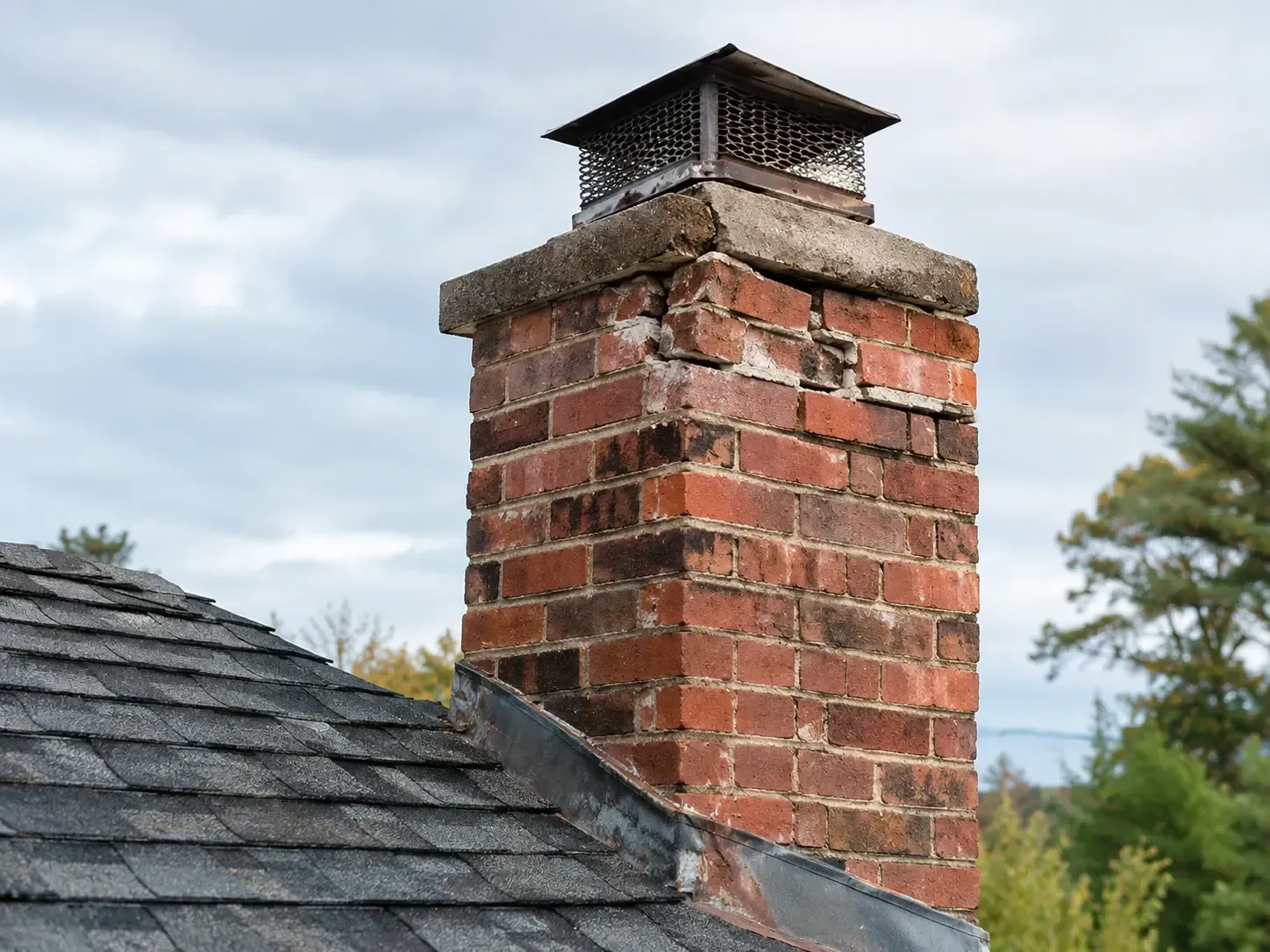
Have you walked around the exterior of your home and noticed slices of brick lying on the ground? Or perhaps the face of the brick looks rough and pitted? This is called spalling. It’s the death rattle of masonry. Once the hard outer "fired" surface of the brick flakes off, the softer interior is exposed to the weather. Deterioration accelerates exponentially from that point.
Portland homeowners often mistake this for simple aging. It’s not aging; it’s failure. Ignoring spalling leads to total chimney collapse. When we inspect a home in the Greater Portland area, we look for these specific signs of distress. We also check the mortar joints. If you can scrape the mortar out with a car key, the structural integrity of your stack is compromised. This requires repointing (tuckpointing), where we grind out the dead mortar and replace it with a mix specifically matched to the hardness of your existing brick. Using a mortar that is too hard—like modern Portland cement on historic 19th-century brick—will actually cause the bricks to crack. It’s a delicate science.
The Science of Breathable Waterproofing
There is a massive misconception in this industry. You cannot simply "seal" a chimney with a coat of silicone or hardware-store water sealer. Doing so is disastrous. Bricks act like sponges; they absorb moisture, but they also need to exhale it.
If you coat a chimney with a non-breathable sealant, you trap moisture inside the masonry. When that trapped moisture freezes, the faces of the bricks pop off in sheets. At Select Chimney Services, we utilize a vapor-permeable water repellent. This is 100% distinct from a "sealer." The technology uses silanes and siloxanes which penetrate deep into the substrate—up to a quarter-inch. They change the surface tension of the masonry so that liquid water beads up and rolls off, but water vapor (gas) can still escape from the inside out. This allows the chimney to breathe while remaining impervious to driving Nor'easter rains.
The Crown and The Flashing: The First Line of Defense
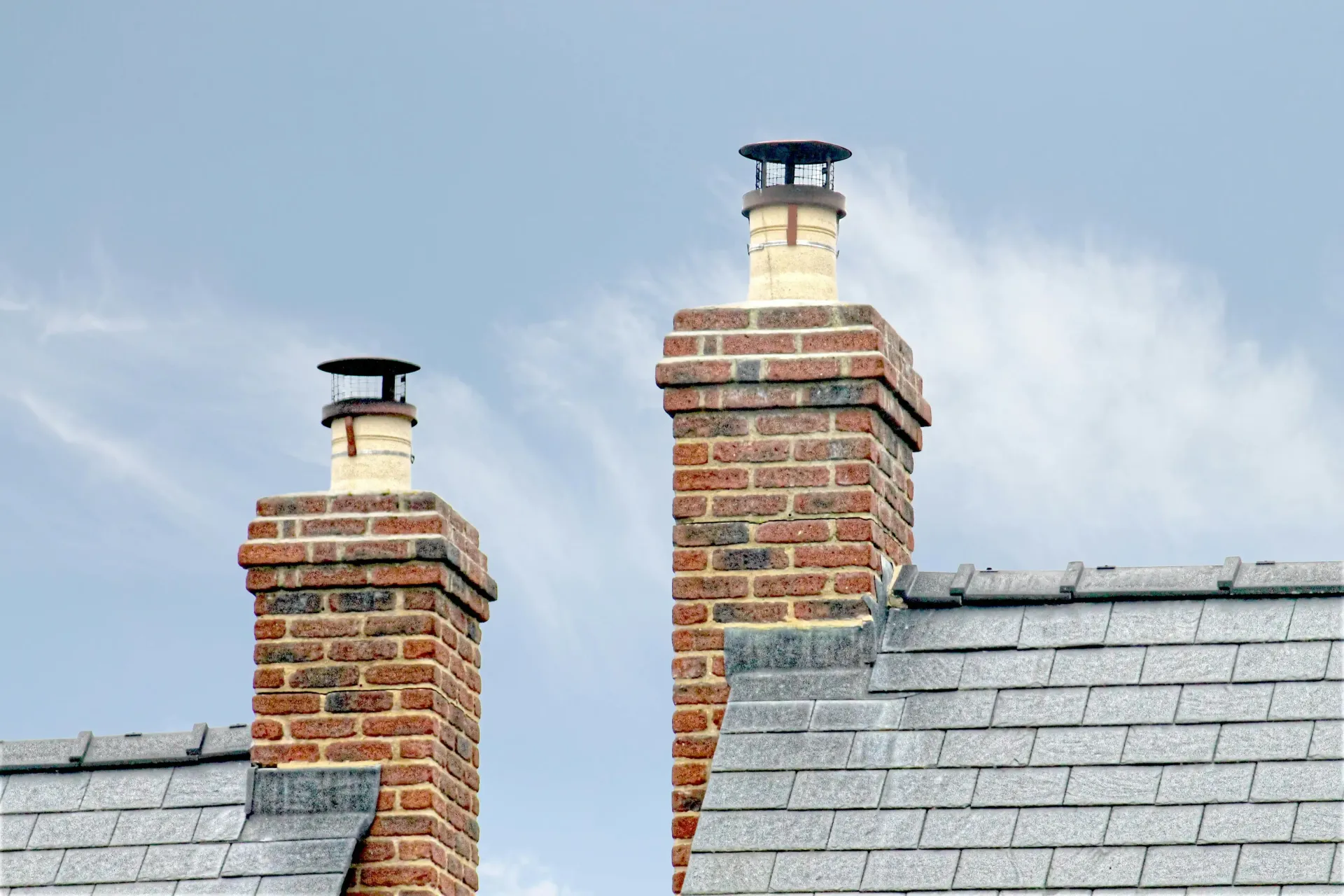
Water doesn't always come through the bricks. Often, it sneaks in through the top or the sides. The chimney crown—the concrete slab at the very top—is your roof’s umbrella. In many Portland builds, contractors slap on a thin layer of leftover mortar and call it a crown. That cracks within five years. We install proper, floating concrete crowns with drip edges that direct water away from the vertical masonry.
Then there is the flashing. This is the metal collar where the chimney meets the roof. If you see tar slathered around the base of your chimney, you have a problem. Tar is a temporary patch that cracks in the sun. Proper flashing involves a two-part system: step flashing woven into the shingles and counter-flashing embedded into the mortar joints. It allows the house and the chimney to move independently during thermal expansion without breaking the water-tight seal.
Integrating Cleaning with Repair
Repair work cannot happen in a vacuum. You cannot effectively waterproof a dirty or soot-clogged system. This is why we advocate for a holistic maintenance plan. Before we apply waterproofing agents or repair crowns, the flue must be sound.
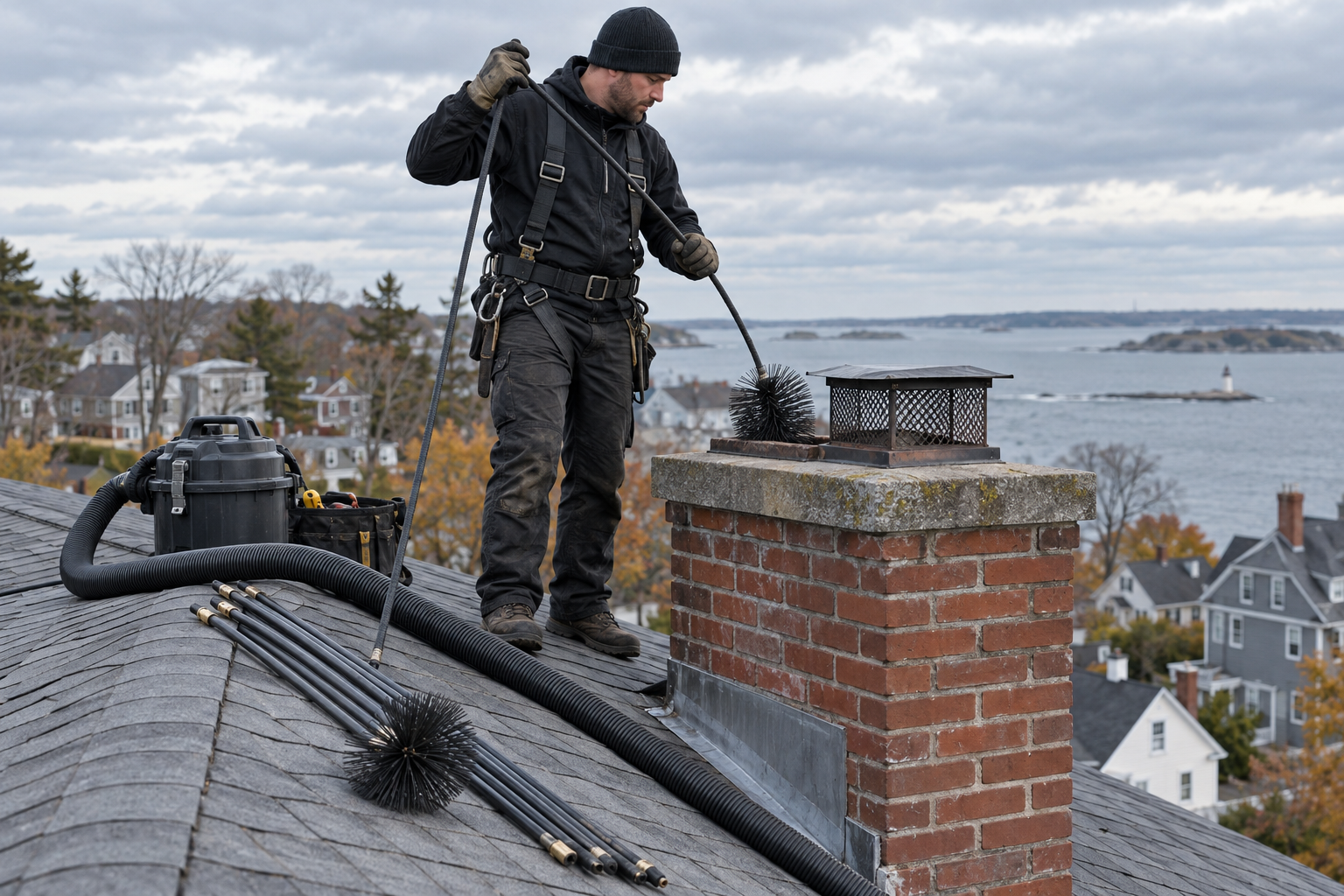
Finding a reliable vendor is difficult. You need a team that handles the entire envelope. You need a **professional chimney sweep and chimney repair** expert who views the system as a whole. When we sweep a chimney, we aren't just removing creosote to prevent chimney fires—though that is critical. We are inspecting the interior liner for breach points that could allow carbon monoxide to enter the home. We are checking the smoke chamber for parging issues. A **professional chimney sweep and chimney repair** service integrates the internal cleaning with external fortification. One without the other is half a job.
The Select Chimney Services Standard
We know Portland. We know the difference between the brick used in the Old Port and the stone used in Falmouth. We don't use generic solutions. Our team arrives equipped to handle the specific challenges of coastal Maine architecture.
When you hire Select Chimney Services, you aren't getting a handyman with a ladder. You are getting certified technicians who understand building science. We use industrial-grade waterproofing agents that come with 10-year warranties. We cut out bad mortar joints with dust-controlled grinders to keep your property clean. We match mortar colors to preserve the historic aesthetic of your home. We treat your home like the investment it is.
Don't wait for the freeze. If your chimney is absorbing water now, it will be breaking apart by February. Protect your home from the top down.
Frequently Asked Questions
How often should I waterproof my chimney in Maine?
In coastal climates like Portland, ME, you should apply a professional-grade, vapor-permeable water repellent every 5 to 10 years. The frequency depends on the exposure to salt air and the quality of the product used. Lower-quality hardware store sealers often fail within 12 to 24 months.
What is the difference between a chimney crown and a chimney cap?
A chimney crown is the concrete or masonry slab that covers the top of the chimney stack, sealing the bricks from rain. A chimney cap is the metal roof (usually stainless steel or copper) installed over the flue opening to prevent animals, debris, and rain from entering the liner.
Why are pieces of my brick chimney flaking off?
This is called spalling. It occurs when water penetrates the brick, freezes, and expands, popping off the face of the masonry. It is a sign of serious water damage and requires immediate inspection by a professional chimney sweep and chimney repair specialist to prevent structural failure.
Can I use clear silicone to seal my chimney bricks?
No. You should never use non-breathable silicone on masonry. It traps moisture inside the bricks, which leads to accelerated deterioration during freeze-thaw cycles. Always use a siloxane or silane-based water repellent that allows water vapor to escape.