One Tiny Chimney Crack Can Invite Major Water Damage in Portland Homes
In Portland, we're no strangers to rain. The persistent drizzle and seasonal downpours are part of our city's charm, nurturing the lush greenery that defines the Pacific Northwest. But what's good for our gardens can be a relentless enemy to our homes, especially to one of its most exposed and often-overlooked features: the chimney. It stands tall against the elements, a stoic guardian of our hearth. Yet, a single, almost invisible crack in its masonry can become an open invitation for water, leading to a cascade of damage that can compromise your home's structural integrity and your family's health.
Many Portland homeowners might dismiss a small crack in their chimney as a minor cosmetic issue, something to be dealt with 'later.' However, here at Select Chimney Services, we've seen firsthand how this seemingly insignificant flaw can escalate into a catastrophic problem. Understanding the journey of water from a tiny fissure to major interior damage is the first step in protecting your investment and ensuring your home remains a safe, dry sanctuary.
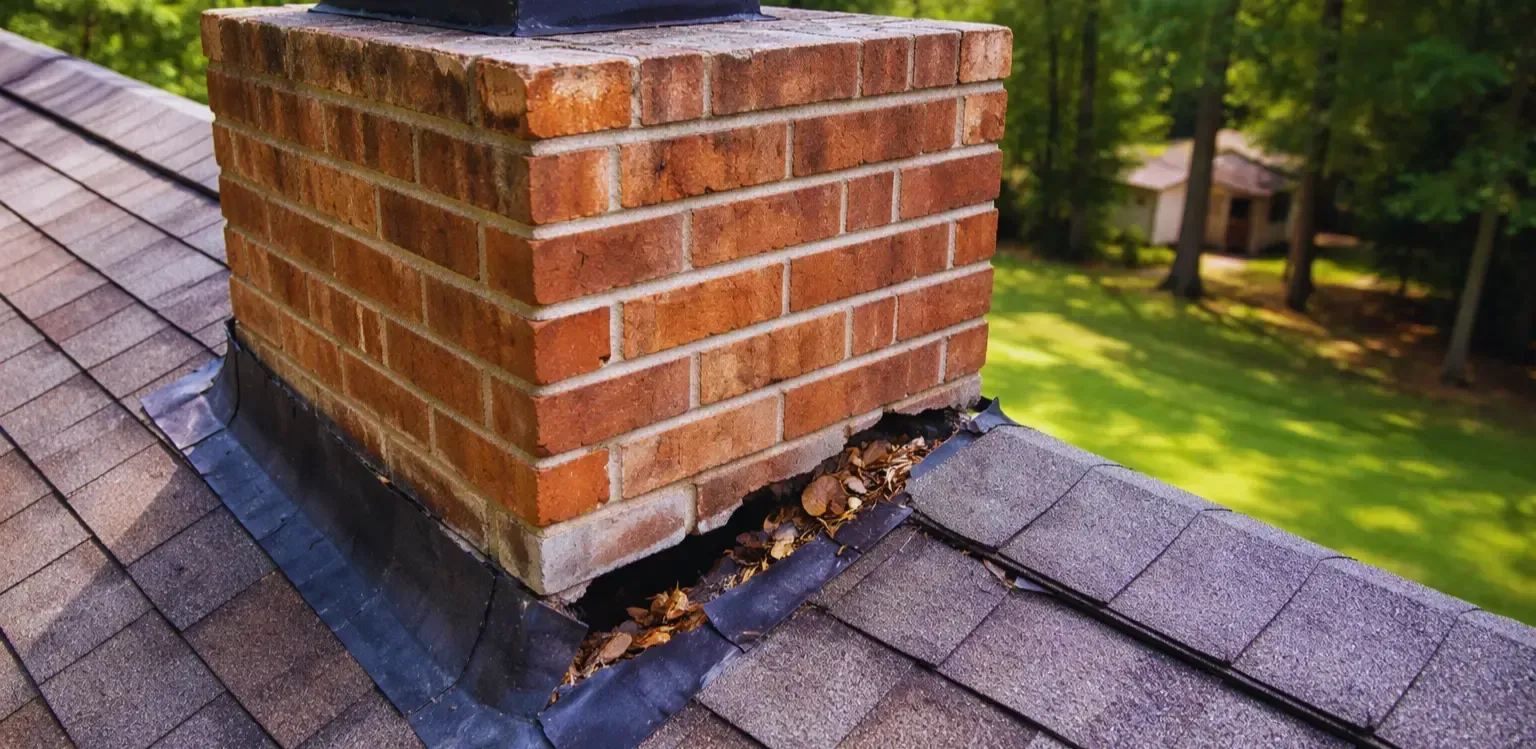
The Portland Problem: Why Our Climate is a Chimney's Worst Enemy
To appreciate the risk, we must first understand the unique environmental pressures on chimneys in the Portland metro area. It's not just the sheer volume of rain; it's the relentless cycle of wet and dry, and more importantly, the freeze-thaw cycle that occurs during our colder months.
The Relentless Rain
Brick and mortar are porous materials. Think of them like a hard sponge. When it rains for days on end, as it often does in our region, the masonry of your chimney absorbs a significant amount of water. A healthy, well-maintained chimney is designed to handle this, with a protective crown and proper flashing to shed water away. But a crack, no matter how small, bypasses these defenses. It acts like a tiny canal, funneling water directly into the core of the structure.
The Destructive Freeze-Thaw Cycle
The real damage often happens when temperatures dip below freezing. The water that has seeped into the cracks and porous brickwork freezes and expands. This expansion exerts immense pressure from within the masonry, a process known as 'ice wedging.' When the temperature rises, the ice thaws, and the crack is now slightly wider than before. The next time it rains, more water enters this larger crack. The next freeze expands it further. This repeated cycle is an incredibly powerful destructive force that can turn a hairline fracture into a significant structural breach over a single winter season. This process, known as spalling, is what causes the face of the bricks to pop off, exposing the even more vulnerable interior.
Anatomy of a Chimney: Where Cracks Commonly Occur
To effectively protect your chimney, it helps to know its key components and where they are most vulnerable to cracking and water intrusion.
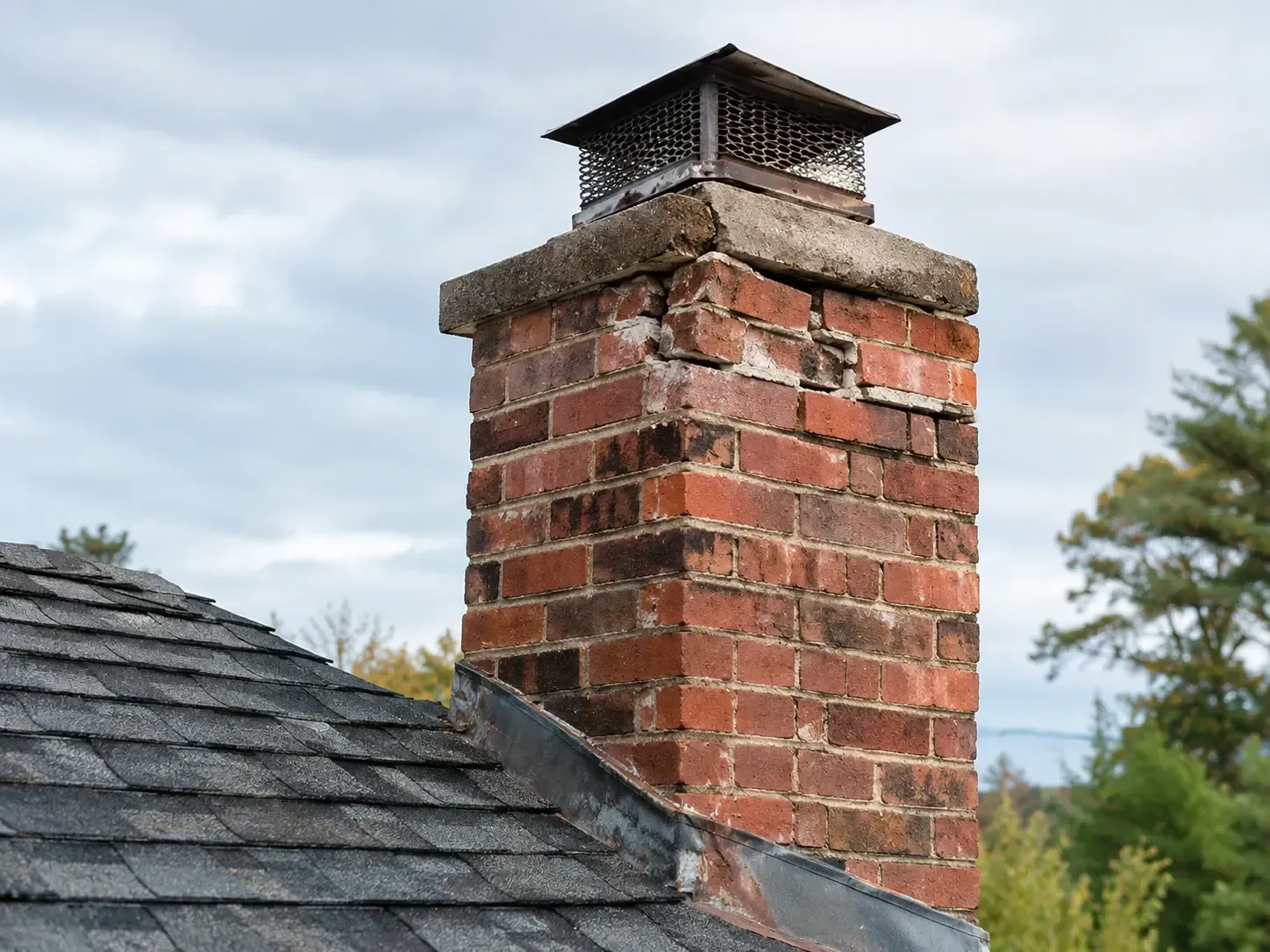
- The Chimney Crown: This is the concrete or mortar slab at the very top of your chimney. Its job is to prevent water from entering the chimney structure from above. Crowns often develop cracks due to shrinkage, age, and exposure. A cracked crown is a direct entry point for rainwater.
- Mortar Joints: The mortar is the 'glue' that holds the bricks together. Over time, it can decay, crumble, and crack due to weather exposure and the natural settling of the house. Deteriorated mortar joints are one of the most common sources of chimney leaks.
- Bricks (Masonry): While durable, individual bricks can crack due to settling, seismic activity, or severe freeze-thaw damage (spalling).
- Flashing: This is the metal sheeting installed where the chimney meets the roofline. Its purpose is to create a watertight seal. Flashing can fail due to improper installation, corrosion, or damage from wind and debris, allowing water to leak into your attic and walls.
The Cascade of Damage: From a Drip to a Disaster
So, water has found its way through a tiny crack. What happens next? It's not a single event but a chain reaction of escalating problems that can spread far beyond the chimney itself.
Phase 1: Hidden Damage Within the Chimney
Initially, the damage is invisible. Water saturates the masonry, slowly rusting the metal flue liner and the damper assembly. If you have a metal firebox, it can begin to rust and corrode. The moisture gets trapped, creating a dark, damp environment perfect for the early stages of mold and mildew growth inside the chimney chase.
Phase 2: Visible Exterior Damage
As the freeze-thaw cycles continue their work, you'll start to see visible signs on the outside. You might notice spalling, where slices or chips of brick have fallen to the roof or ground below. The mortar joints may look recessed or have visible cracks. You might also see white, powdery stains on the brick, a phenomenon called efflorescence. This is caused by water-soluble salts being drawn out of the brick as the water evaporates, and it's a clear indicator of water saturation.
Phase 3: Attic and Wall Damage
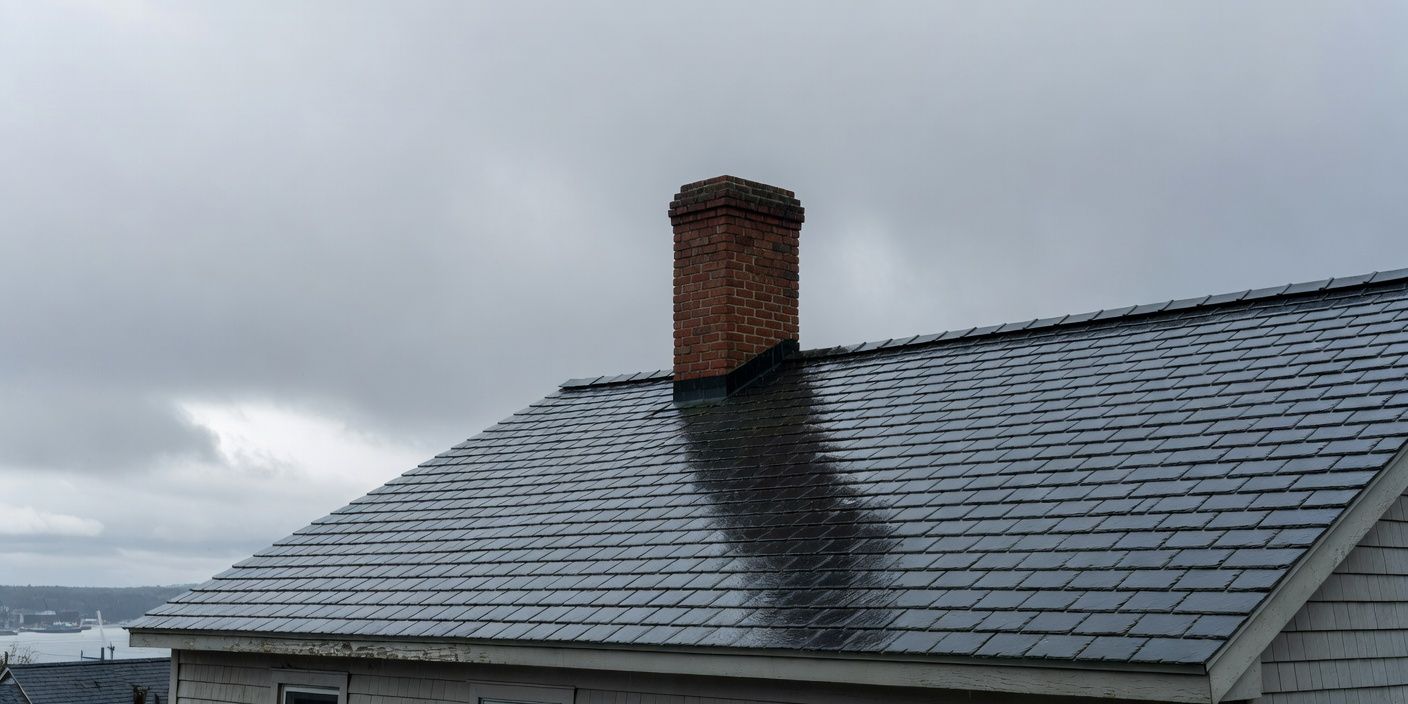
Once the chimney structure is saturated, the water needs somewhere to go. It will begin to leak into your home, typically starting in the attic. You may notice water stains on the roof decking or rafters around the chimney. The moisture can rot the wooden framework of your home, creating serious structural issues. Insulation becomes saturated and compressed, losing its R-value and becoming a breeding ground for black mold.
Phase 4: Interior Living Space Damage
This is the stage where the problem becomes impossible to ignore. Water that has seeped through the attic will manifest as stained or peeling paint on ceilings and walls adjacent to the fireplace. Wallpaper may bubble and peel. You might notice a persistent musty or damp odor that you can't seem to get rid of. In severe cases, plaster can crumble, and drywall can become soft and saturated, requiring extensive and costly repairs.
Proactive Protection: Inspection and Prevention are Key
The good news is that this entire cascade of damage is preventable. The key is shifting from a reactive mindset (fixing problems after they occur) to a proactive one. Regular inspection and maintenance are the most cost-effective ways to protect your Portland home from chimney water damage. For a comprehensive overview of how we can help, check out our main services page.
What a Professional Inspection Looks For
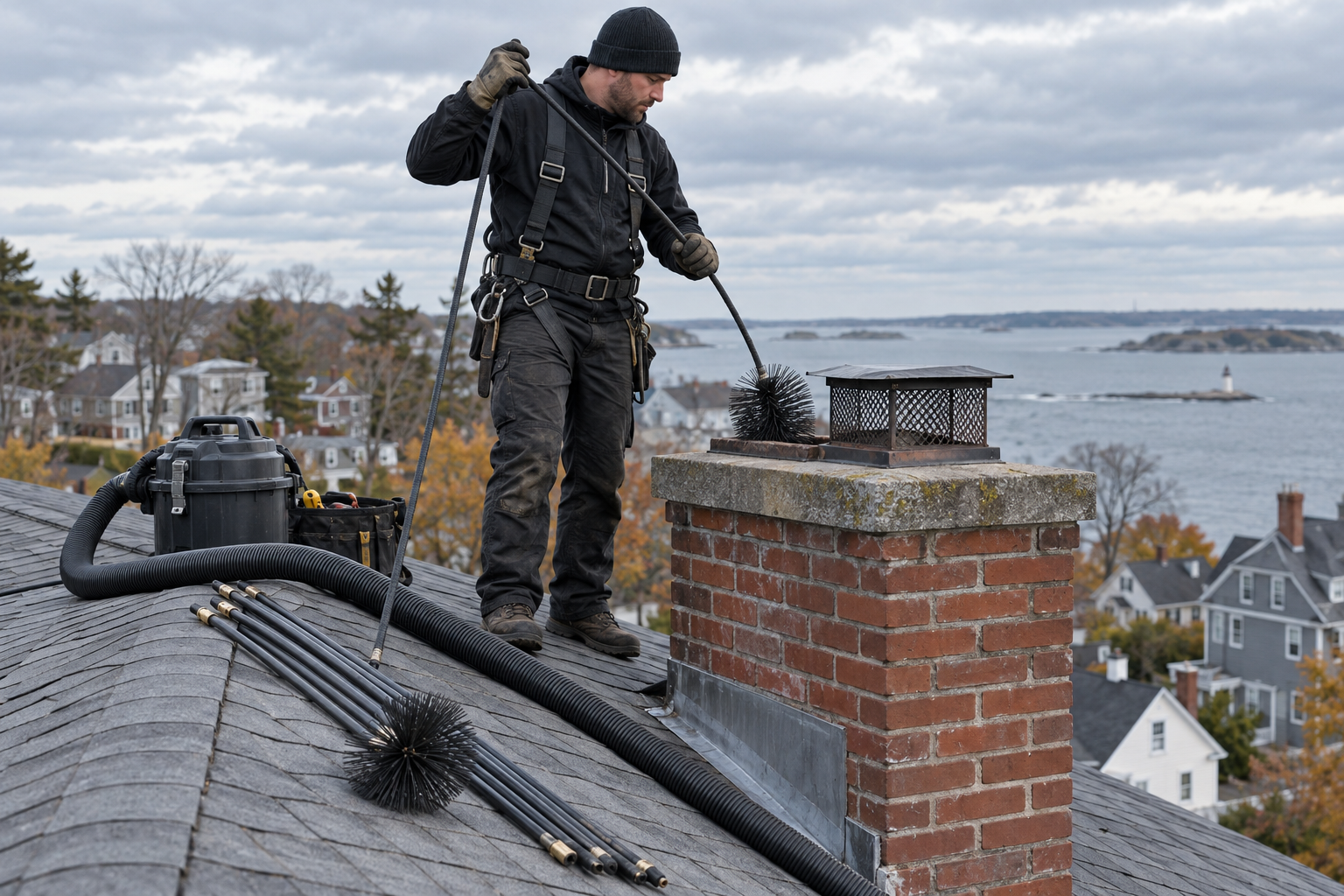
A certified chimney professional from a trusted company like Select Chimney Services will conduct a thorough visual inspection from the ground up. We look for:
- Hairline cracks in the crown and mortar joints.
- Signs of spalling or efflorescence on the brickwork.
- Damaged or improperly installed flashing.
- Evidence of moisture inside the flue.
- A functional chimney cap to keep out rain and debris.
Essential Repair and Prevention Techniques
If issues are found, addressing them promptly is crucial. Common solutions include:
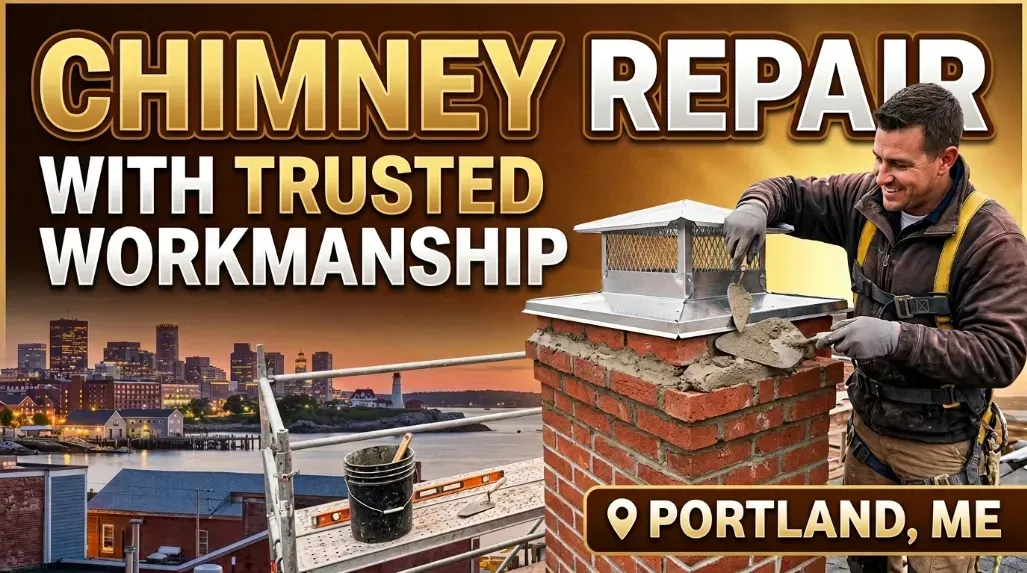
- Tuckpointing: This process involves grinding out the old, decayed mortar and replacing it with fresh, durable mortar to restore the integrity of the joints.
- Crown Repair or Rebuilding: Depending on the severity of the damage, a chimney crown can be sealed with a flexible, waterproof membrane or completely rebuilt to ensure it properly sheds water.
- Waterproofing: This is a vital preventative step. After all repairs are made, a specialized, vapor-permeable waterproof sealant can be applied to the entire exterior of the chimney. This allows the chimney to breathe and release internal moisture while preventing external water from being absorbed.
Our team at Select Chimney Services is dedicated to providing honest, expert assessments. We believe in educating our clients about their options so they can make informed decisions. You can learn more about our commitment to quality and customer service on our about us page.
Don't Wait for the Water to Win
That tiny crack in your chimney is more than a cosmetic flaw; it's a vulnerability. In a city that sees as much rain as Portland, it's a vulnerability that water will inevitably exploit. By the time you see a stain on your ceiling, the damage is already extensive, hidden within your walls and attic. Protecting your home starts with a simple, proactive step: a professional chimney inspection.
Don't let a small problem turn into a major disaster. If you've noticed any signs of chimney damage or simply want the peace of mind that comes with a professional evaluation, we're here to help. Protect your home, your investment, and your family's health. Contact Select Chimney Services today to schedule your inspection and ensure your chimney is ready to stand strong against the Portland rain.
Frequently Asked Questions
How often should I have my Portland chimney inspected?
We recommend a professional Level 1 inspection annually, especially given our wet climate. This allows a technician to spot and address small issues like hairline cracks or minor mortar decay before they can lead to significant water damage from the constant rain and freeze-thaw cycles.
Can I repair a small chimney crack myself?
While DIY patch kits are available, we strongly advise against them. Using the wrong type of sealant can trap moisture inside the brick, causing more harm than good during a freeze. A professional will use the correct materials, such as flexible crown sealants and vapor-permeable waterproofers, and can properly identify the full extent of the issue, which may not be obvious to an untrained eye.
What is the difference between chimney repair and waterproofing?
Chimney repair addresses existing damage. This includes processes like tuckpointing (replacing mortar) or rebuilding a cracked crown. Waterproofing is a preventative measure applied *after* all repairs are complete. It involves coating the chimney with a special sealant that blocks water from being absorbed by the porous brick while still allowing the chimney to breathe and vent internal moisture.
How can I tell if my chimney has water damage?
Look for several key signs. On the outside, check for chipped or flaking bricks (spalling), crumbling mortar joints, or a white, chalky substance on the masonry (efflorescence). Inside your home, look for water stains on the walls or ceiling near the fireplace, peeling paint, a musty smell, or rust on the damper or in the firebox.