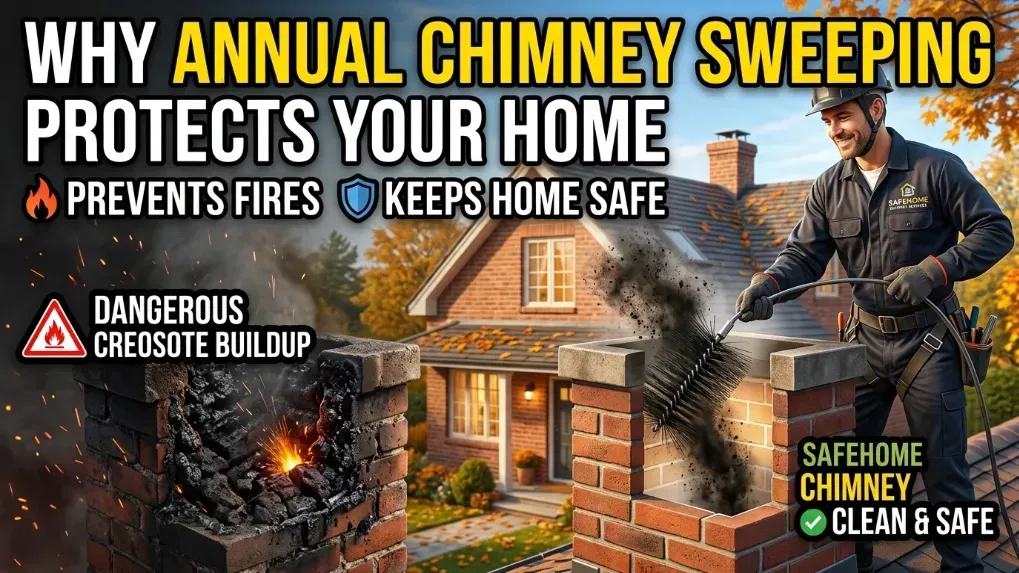
Is Your Chimney a Ticking Time Bomb? Signs It Needs Demolition or Tuckpointing
Your chimney stands as a silent sentinel, guarding your home against the elements while providing warmth and comfort. But like any part of your home, it's susceptible to wear and tear. Over time, the constant exposure to rain, wind, and fluctuating temperatures can take a toll on its structural integrity. Ignoring the warning signs can lead to costly repairs, water damage, and even a catastrophic collapse. Here at Select Chimney Services, we want to help you recognize when your chimney is crying out for help.
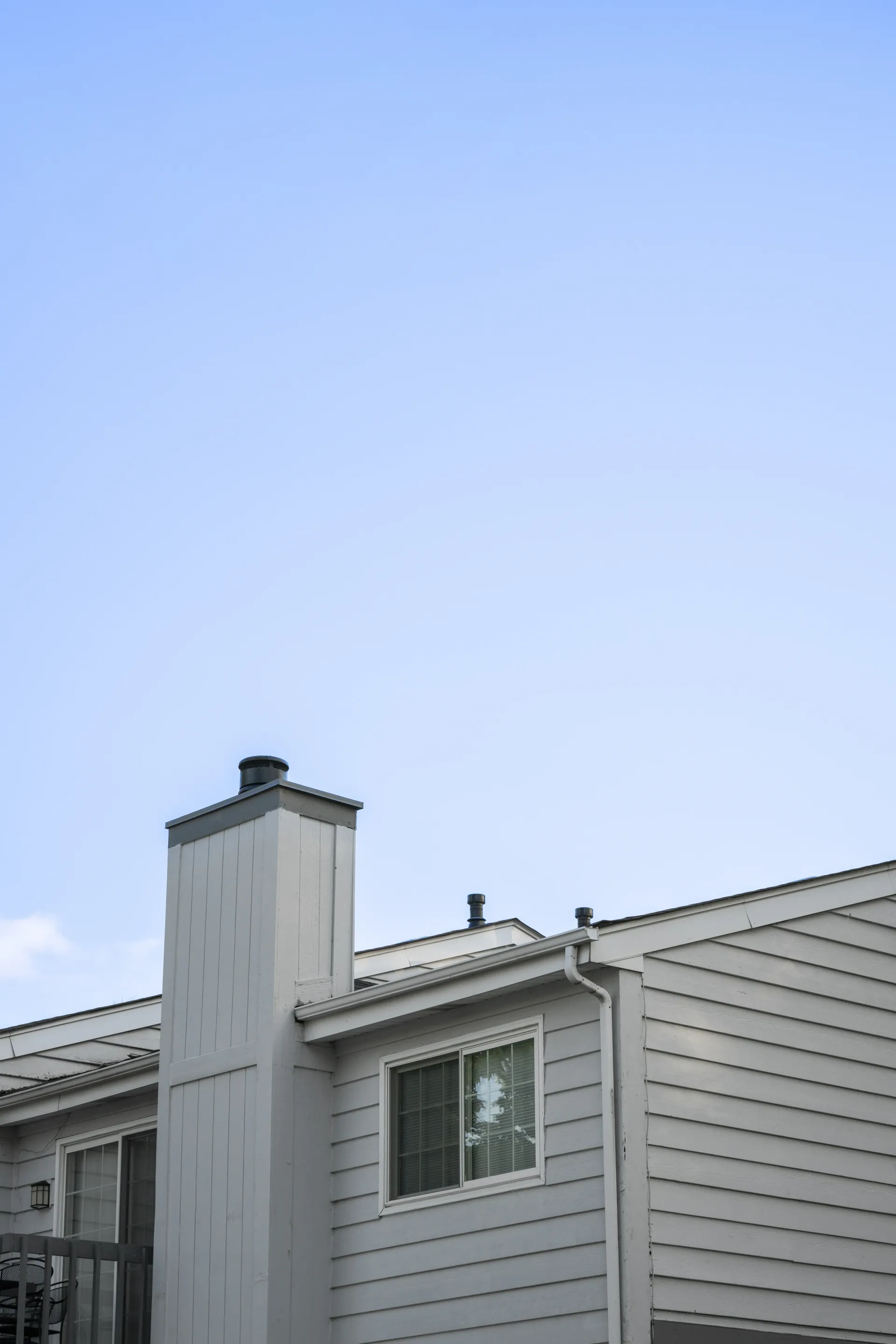
Key Warning Signs of Chimney Distress
Catching problems early is crucial to preventing a minor issue from becoming a major disaster. Here are some of the most common signs that your chimney needs professional attention:
1. Spalling or Flaking Bricks
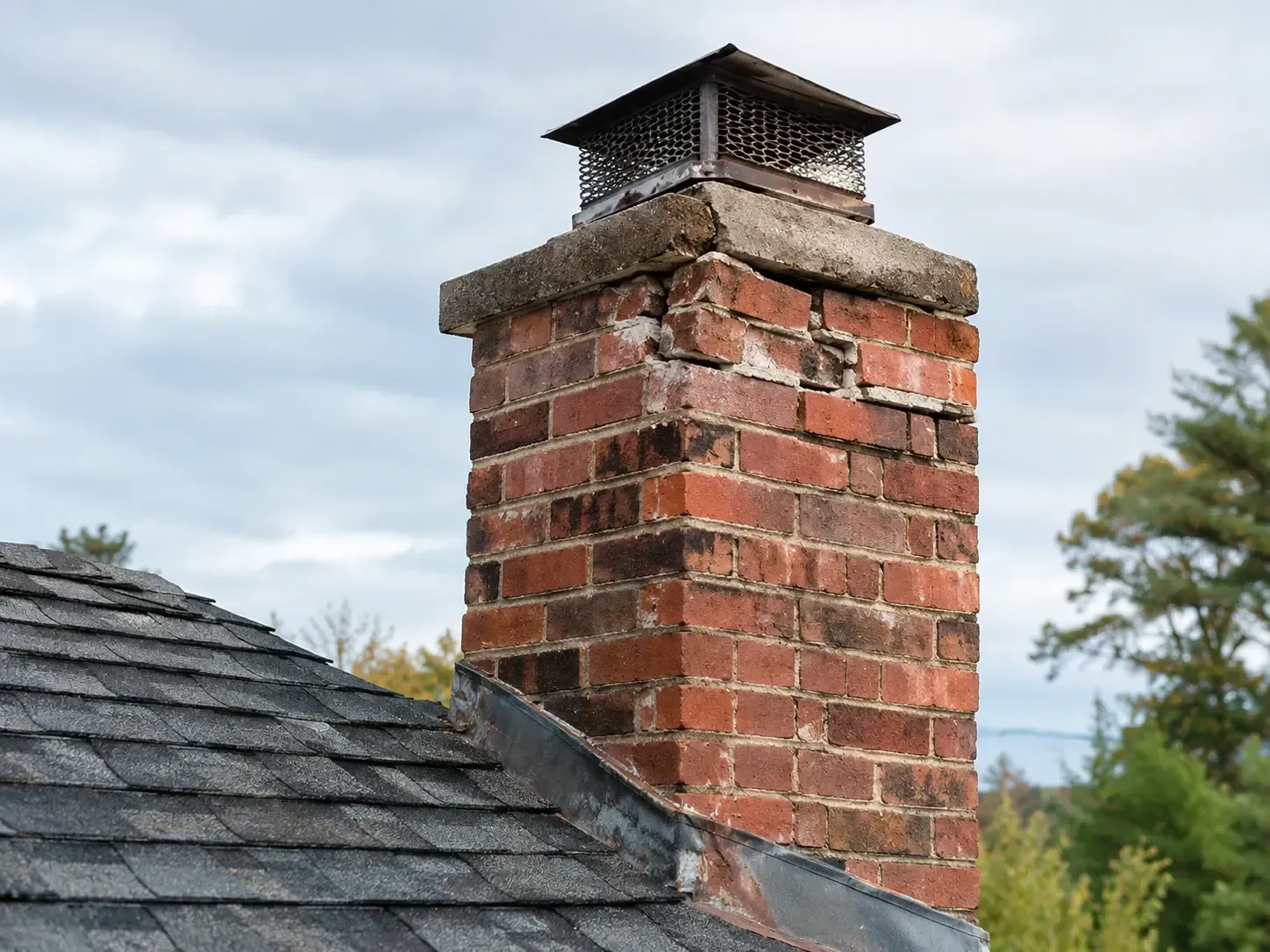
Have you noticed pieces of brick on your roof or on the ground around your chimney? This is a condition known as spalling. It happens when moisture penetrates the bricks and freezes, causing the surface to pop off, crumble, or flake away. Spalling is a clear indicator that your chimney is suffering from water damage and its structure is being compromised.
2. Deteriorating Mortar Joints
The mortar is the "glue" that holds your chimney's bricks together. Over time, it can erode due to harsh weather conditions. If you see cracks, gaps, or crumbling mortar between the bricks, it's a sign that the chimney's stability is at risk. Weakened mortar joints allow water to seep in, which can accelerate deterioration and lead to more significant structural problems.
3. A Leaning or Tilting Chimney
A chimney that is leaning or pulling away from your house is a serious structural hazard that requires immediate attention. This dangerous situation can be caused by a number of issues, including a compromised or poorly constructed foundation, shifting soil, or extensive water damage. A leaning chimney is at high risk of collapse, which can cause severe damage to your home and pose a significant safety threat.
4. Interior Water Damage
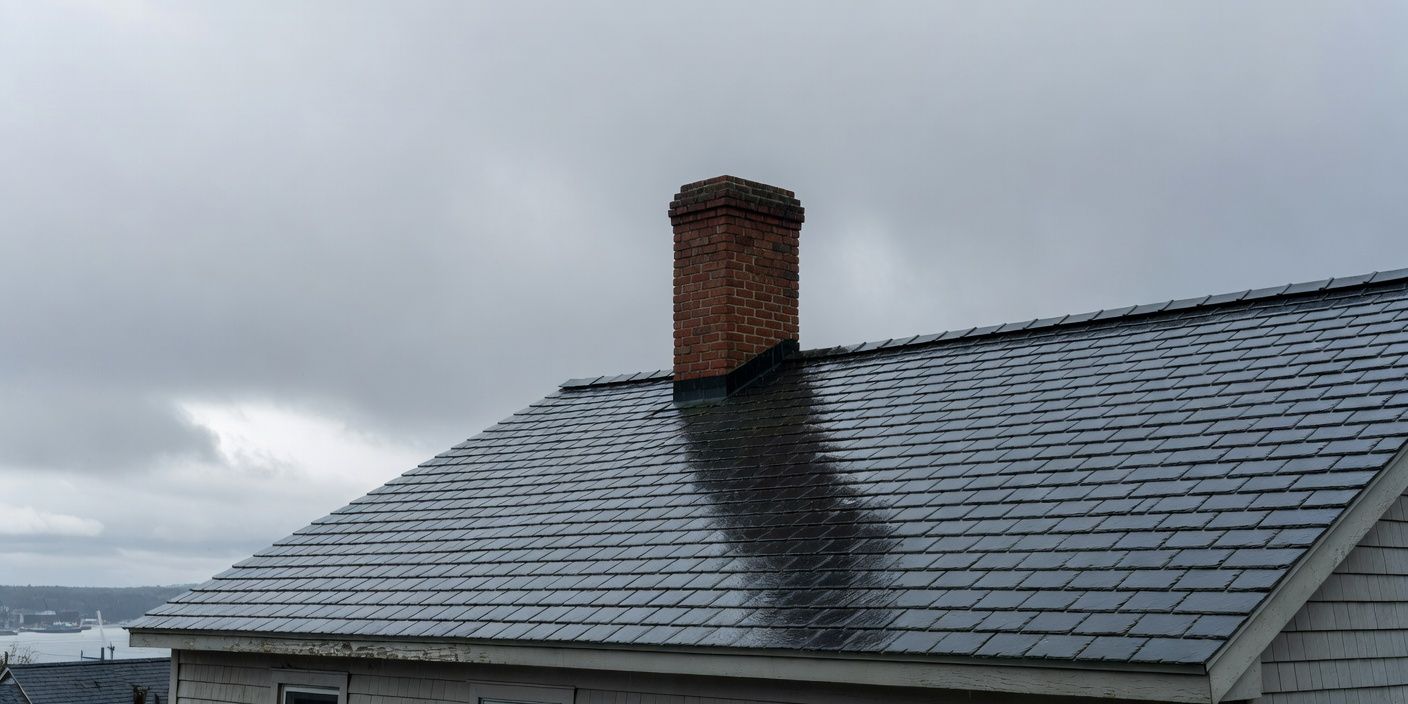
Signs of a chimney problem aren't always visible on the outside. Water stains on the walls or ceiling near your fireplace are a strong indication of a chimney leak. You might also notice peeling wallpaper, a musty smell, or rust on your damper or in the firebox. These are all signs that water is getting into your home through a compromised chimney.
5. White Staining (Efflorescence)
If you see a white, chalky substance on the exterior of your chimney, this is efflorescence. While not structurally damaging on its own, it's a sign that moisture is passing through the bricks and leaving salt deposits behind as it evaporates. This is an early warning sign of a moisture problem that could lead to more severe issues like spalling.
Tuckpointing vs. Demolition: What's the Right Solution?
Once you've identified a problem, the next step is to determine the best course of action. The two primary solutions for a deteriorating chimney are tuckpointing and demolition.
Tuckpointing is a process of repairing damaged mortar joints. A masonry professional will carefully remove the old, decaying mortar and replace it with new mortar that is color-matched to your existing chimney. Tuckpointing is an effective solution when the bricks themselves are still in good condition and the structural integrity of the chimney is not severely compromised. It's a preventative measure that can extend the life of your chimney and prevent more costly repairs down the road.
Demolition, on the other hand, is necessary when the chimney is beyond repair. If there is extensive spalling, a significant lean, or severe structural damage, a complete or partial rebuild may be the only safe option. While it's a more involved process, rebuilding your chimney ensures the safety and security of your home for years to come.
Don't Wait for a Catastrophe
Regular chimney maintenance, including an annual inspection by a certified professional, is the best way to catch problems early and avoid a major disaster. At Select Chimney Services, we have the expertise to assess the condition of your chimney and recommend the most appropriate solution. Your family's safety is our top priority.
If you've noticed any of these warning signs, don't hesitate to take action. Contact Select Chimney Services today for a professional evaluation. A timely repair can save you from a much bigger headache in the future. For peace of mind, call us at (207) 975-5726 to schedule your inspection.
Frequently Asked Questions
What is the difference between tuckpointing and repointing?
While often used interchangeably, tuckpointing is technically a method of creating the appearance of very fine mortar joints. Repointing is the process of removing and replacing deteriorated mortar. In practice, most contractors use the term tuckpointing to refer to the general process of repairing mortar joints.
How often should I have my chimney inspected?
The National Fire Protection Association (NFPA) recommends that chimneys, fireplaces, and vents should be inspected at least once a year for soundness, freedom from deposits, and correct clearances. Even if you don't use your fireplace often, an annual inspection is crucial for safety.
Can I repair my chimney myself?
While minor cosmetic repairs may seem like a DIY project, chimney repair is a highly skilled trade that should be left to professionals. Improper repairs can lead to further damage and can compromise the safety of your chimney. For your safety and the longevity of your chimney, it's always best to hire a certified and experienced chimney professional.