The Hidden Power of Chimney Draft: Why Proper Ventilation Makes or Breaks Your Fireplace
There is something primal and deeply comforting about the crackle of a wood-burning fireplace. It is the centerpiece of the home, a source of warmth during the biting winter months, and a gathering spot for families. However, behind the dancing flames lies a complex system of physics that most homeowners take for granted until something goes wrong. That system is governed by the chimney draft.
At Select Chimney Services, we have spent decades educating homeowners on the fact that a fireplace is not just a stone box for fire; it is a sophisticated ventilation machine. If the draft is weak, your home fills with smoke. If it is too strong, you waste fuel and lose heat. Understanding the "hidden power" of your chimney draft is the difference between a cozy evening and a hazardous living environment.
The Science of the Draft: More Than Just Hot Air
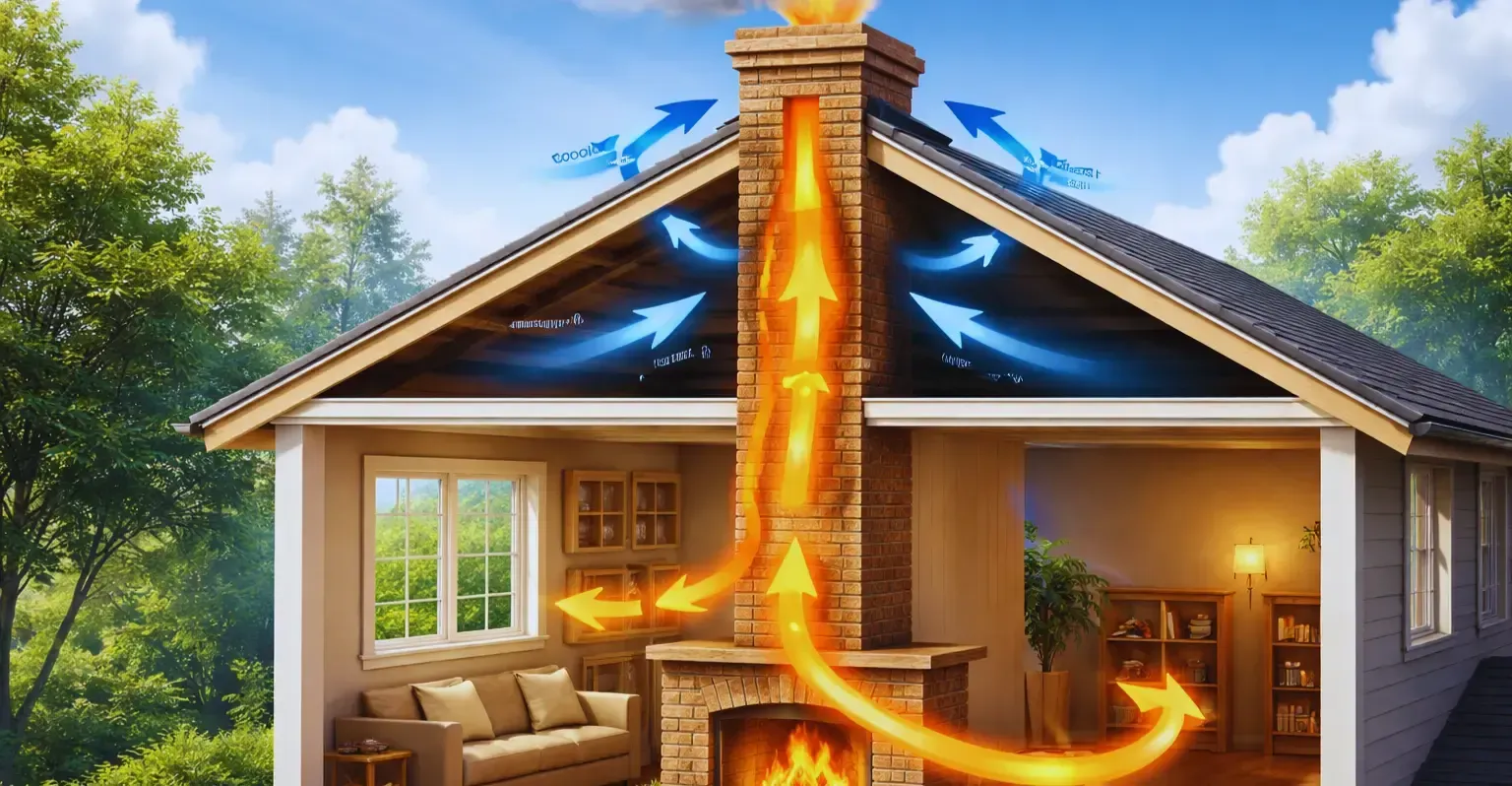
To understand chimney draft, we must look at the laws of thermodynamics. In its simplest form, a draft is the pressure difference between the air inside your chimney and the air outside your home. Because hot air is less dense than cold air, it naturally wants to rise. This is known as the Stack Effect.
When you light a fire, the air in the combustion chamber heats up rapidly. This buoyant air rushes up the flue, creating a localized area of low pressure in the firebox. To equalize this pressure, the fireplace "sucks" in fresh oxygen from the room. This continuous cycle—drawing oxygen in and exhausting combustion byproducts out—is what we call a draft. Without this flow, the fire would quickly suffocate from a lack of oxygen or, worse, vent toxic gases back into your living room.
The Bernoulli Principle and Chimney Efficiency
While thermal buoyancy (heat rising) is the primary driver, wind also plays a role. According to the Bernoulli Principle, fast-moving air has lower pressure than slow-moving air. When wind blows across the top of your chimney, it creates a low-pressure zone that effectively "pulls" the air up the flue. This is why some fireplaces seem to roar louder on windy days. However, improper chimney height or nearby obstructions (like trees or roof peaks) can cause turbulence, leading to the dreaded "backdraft."
Why Proper Ventilation is Non-Negotiable
Ventilation isn't just about keeping the smoke out of your eyes; it is a critical safety requirement. Poor ventilation leads to three primary dangers: Carbon Monoxide poisoning, Creosote accumulation, and structural fire hazards.
1. The Silent Killer: Carbon Monoxide
Carbon Monoxide (CO) is an odorless, colorless gas produced by incomplete combustion. If your chimney draft is sluggish, CO can linger in the firebox and eventually seep into your home. High-quality chimney services include checking for "spillage," where these invisible gases fail to exit the flue. Ensuring a strong, consistent draft is your first line of defense against CO poisoning.
2. The Creosote Connection
When smoke lingers in a chimney because of a poor draft, it cools down. As it cools, the condensation forms a tar-like substance known as creosote. Creosote is highly flammable and is the leading cause of chimney fires in the United States. A "lazy" draft allows smoke to stay in the flue longer, significantly accelerating creosote buildup. By optimizing your ventilation, you are directly reducing the risk of a catastrophic house fire.
Common Factors That "Break" Your Chimney Draft
Many homeowners call us at Select Chimney Services complaining that their fireplace worked perfectly last year but is smoking now. Draft is a delicate balance, and several factors can disrupt it.
- The "Cold Hearth" Syndrome: If your chimney is on an exterior wall, the masonry can become incredibly cold. This column of heavy, cold air acts like a "plug" in the chimney. When you light a fire, the heat isn't strong enough to push that cold air out, resulting in a room full of smoke.
- Negative Pressure in Modern Homes: Today’s homes are built to be airtight for energy efficiency. While great for your electric bill, it’s terrible for your fireplace. Exhaust fans (kitchen hoods, bathroom fans) can actually pull air down the chimney to replace the air they are blowing out, causing backdrafting.
- Flue Size Mismatch: If your flue is too large for the fireplace opening, the air won't heat up enough to rise quickly. If it's too small, it creates a bottleneck.
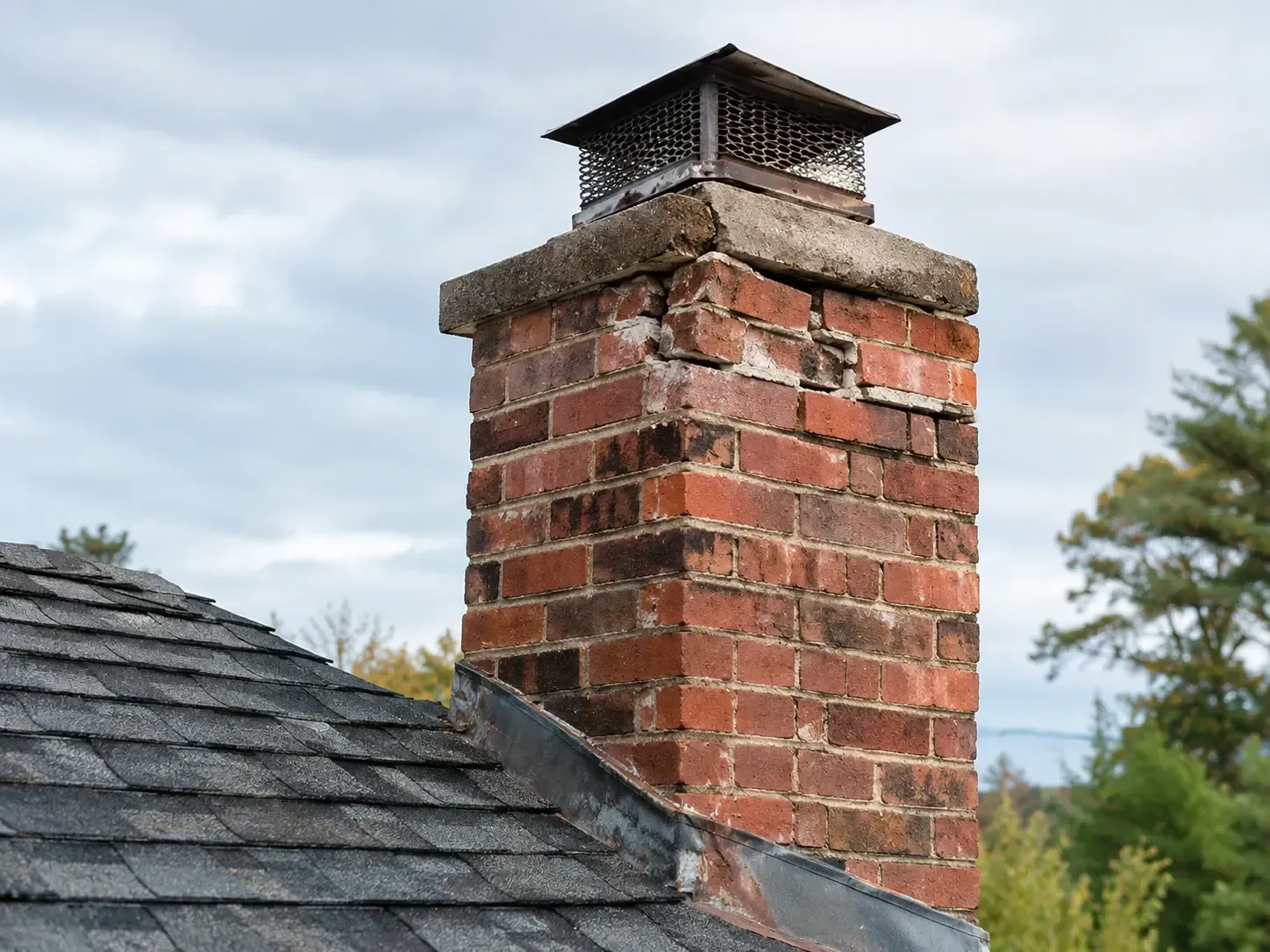
- Obstructions: Bird nests, fallen leaves, or even a crumbling chimney liner can physically block the path of the air.
How to Diagnose a Draft Problem
Before you call in the experts, you can perform a few simple checks. First, observe the flame. A healthy fire should have bright, energetic flames that lean toward the back of the firebox. If the flames are "lazy," flickering vertically, or if you see wisps of smoke escaping from the top of the fireplace opening, you have a draft issue.
Another trick is the "incense test." Hold a lit incense stick or a small piece of damp, smoking paper near the top of the fireplace opening (with the damper open but no fire lit). The smoke should be pulled sharply up the chimney. If it hangs in the air or blows back toward you, the draft is compromised.
Professional Solutions for Perfect Ventilation
At Select Chimney Services, we don't just sweep away soot; we engineer airflow. Depending on the root cause of your ventilation issues, several solutions might be necessary.
Chimney Liners and Insulation
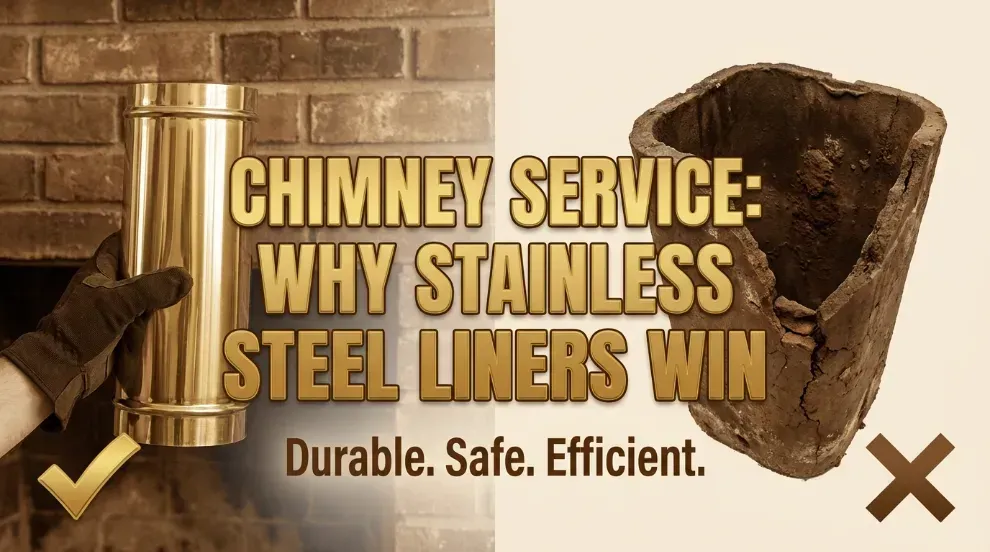
One of the most effective ways to improve draft is to install a stainless steel chimney liner. These liners are sized specifically for your appliance. By narrowing the flue to the correct diameter and adding insulation around the liner, we ensure the flue stays hot. A hot flue is a fast-drawing flue.
Chimney Caps and Cowls
If wind is causing your draft issues, a specialized chimney cap or "wind cowl" can help. These devices are designed to use the wind’s energy to create a vacuum effect, pulling air up the chimney regardless of which way the wind is blowing. They also keep out rain and debris, which can cause internal damage over time.
Mechanical Draft Fans
In some cases, architectural limitations mean a natural draft will never be sufficient. For these homes, we install mechanical draft fans at the top of the chimney. These fans are controlled by a switch inside the home, allowing you to "force" a perfect draft every time you light a fire.
The Role of Regular Maintenance
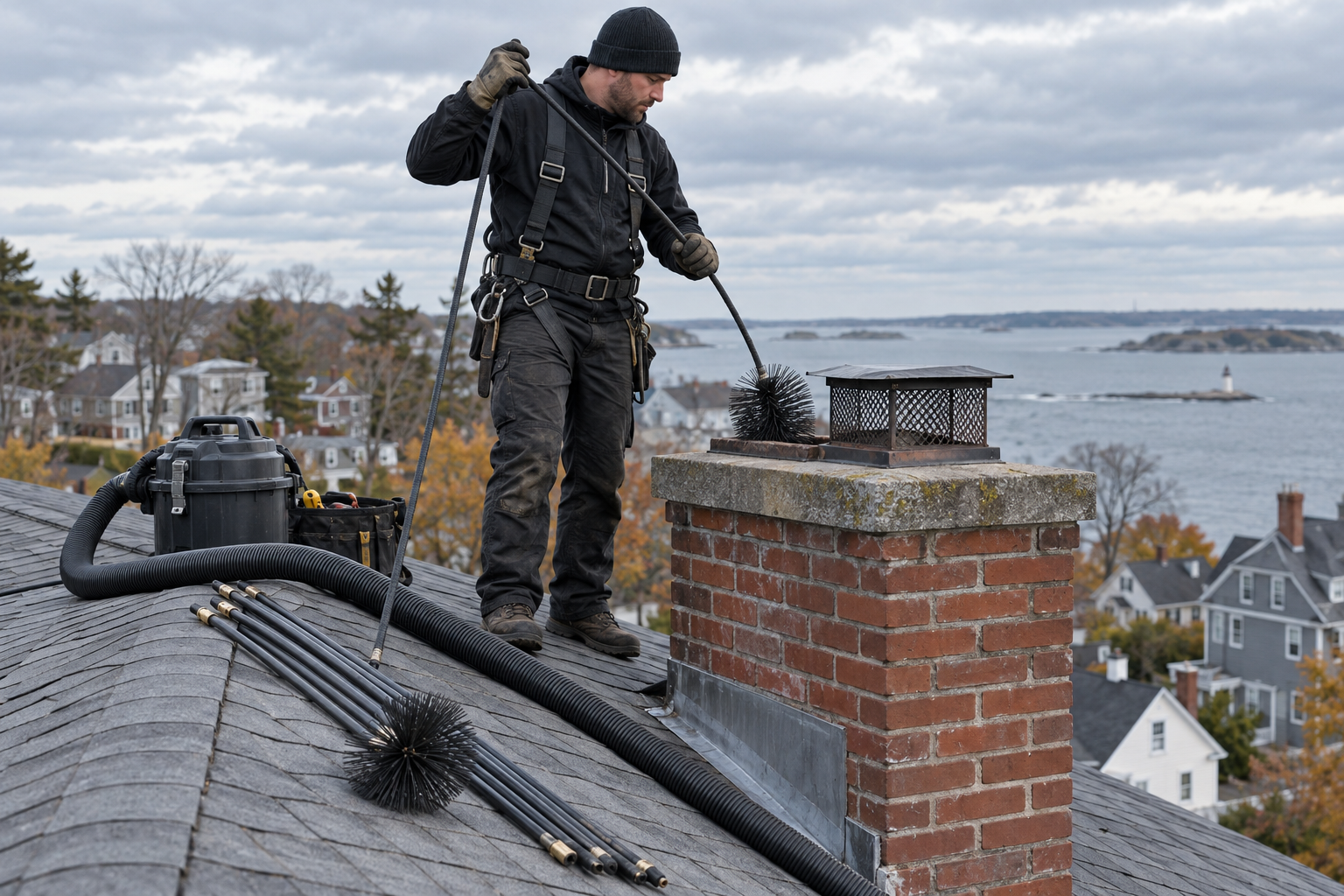
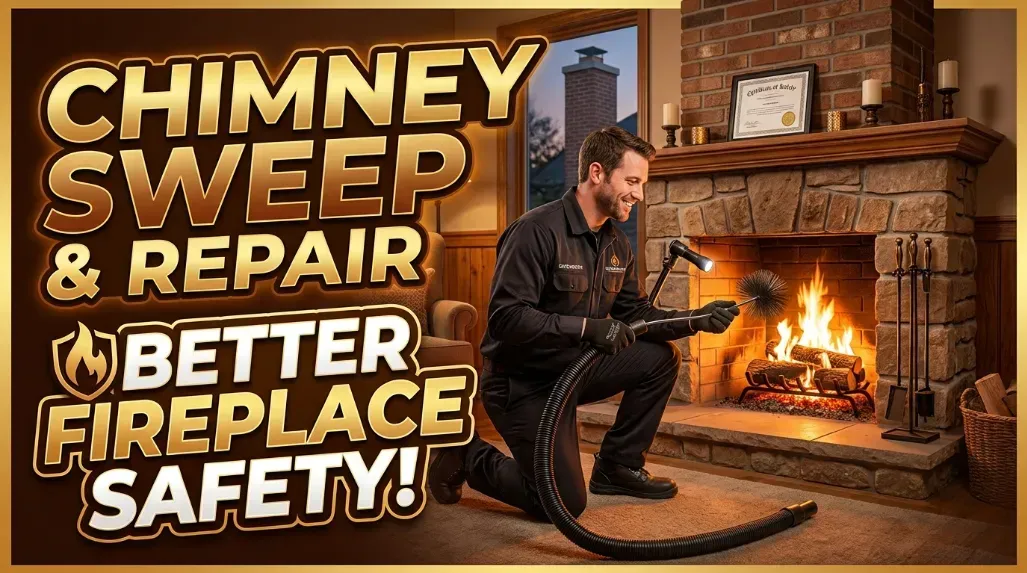
Even the best-designed chimney will fail if it isn't maintained. An annual inspection is the only way to ensure that small cracks in the flue haven't turned into major air leaks. Air leaking into the flue from the attic or walls cools the smoke and kills the draft. Our team at Select Chimney Services uses high-definition cameras to inspect the entire length of your flue, identifying these "draft killers" before they become dangerous.
The Environmental Impact of a Good Draft
In an era where sustainability is paramount, the efficiency of your fireplace matters. A fireplace with a poor draft is an "incomplete combustor." This means it produces more particulate matter (smoke) and uses more wood to produce less heat. By optimizing your chimney's ventilation, you are ensuring that the wood burns hotter and cleaner. This reduces your carbon footprint and keeps the air in your neighborhood cleaner.
Conclusion: Don't Leave Your Safety to Chance
The chimney draft is the invisible engine of your home's hearth. It dictates the safety, efficiency, and enjoyment of your fireplace. Whether you are dealing with a smoky room or just want to ensure your family is protected from carbon monoxide, understanding ventilation is key.
If you suspect your chimney isn't performing as it should, don't wait for a dangerous situation to arise. The experts at Select Chimney Services are here to help. From comprehensive inspections to advanced liner installations, we ensure your fireplace is a source of joy, not stress. Contact us today to schedule your professional draft analysis and keep your home's "hidden power" working for you.
Frequently Asked Questions
What causes a fireplace to smoke into the room?
A smoky fireplace is usually caused by a poor chimney draft. This can result from a cold flue, an airtight home, obstructions like bird nests or soot buildup, or a chimney that is not tall enough to clear the roofline's wind pressure zones.
How can I tell if my chimney draft is working correctly?
A healthy draft will pull a flame or smoke from a match visibly upward toward the flue even before a fire is lit. Once lit, the fire should burn vigorously with bright flames, and no smoke should escape the fireplace opening into the living area.
Does a chimney cap help with chimney draft?
Yes, a properly designed chimney cap can significantly improve draft by preventing downdrafts caused by wind. It also protects the flue from debris and animals, which can cause blockages that sabotage airflow and create dangerous backdrafts in your home.
Why does my fireplace smell like smoke when not in use?
This is known as a "reverse draft." It happens when the air pressure inside your home is lower than the air pressure outside, causing air to be sucked down the chimney. This brings the smell of old soot and ash into your living space.
How often should I have my chimney inspected for draft issues?
The NFPA recommends an annual inspection for all chimneys, fireplaces, and vents. Regular inspections ensure that there are no structural changes, creosote buildup, or obstructions that could interfere with the draft and compromise the safety of your household.