Portland Chimney Safety: Why Regular Sweeping Saves Lives and Homes
A roaring fire in the dead of a Maine winter is a necessity, not a luxury. But that cozy glow hides a dirty secret. Every time you toss a log onto the grate, you are initiating a complex chemical reaction that leaves behind more than just ash. Your chimney is a hard-working engine of exhaust, and like any engine, it requires precise maintenance to prevent a catastrophic failure. Neglect it, and you aren't just risking a smoky living room—you are inviting a fire right into the bones of your house.

The Hidden Danger Lurking in Your Portland Flue
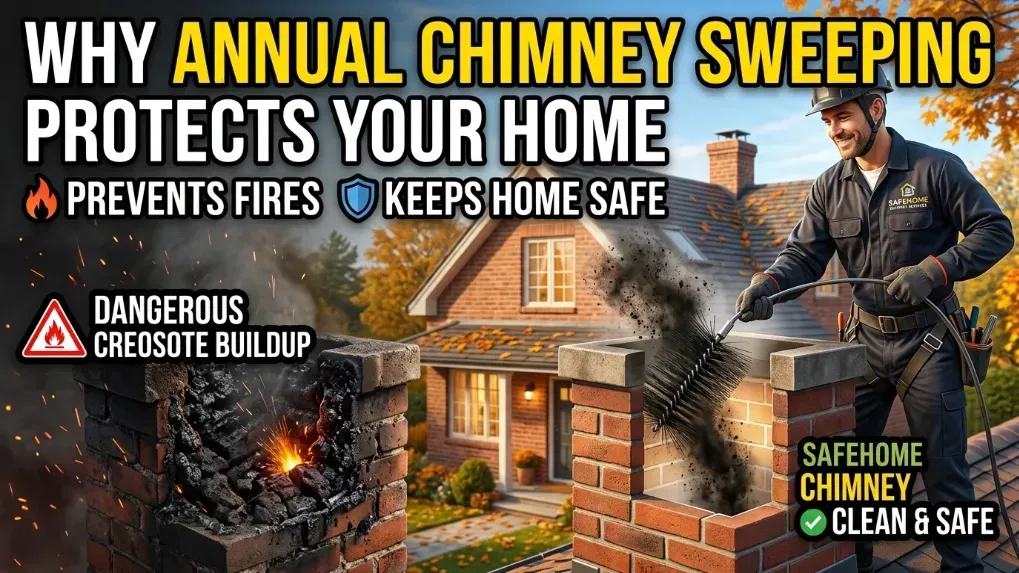
The primary culprit behind most residential fires in New England is creosote. It is a nasty, tar-like substance that clings to the inner walls of your chimney liner. It starts as a fine powder. Over time, as more smoke passes through the flue, it thickens. It hardens. It becomes a fuel source that is arguably more dangerous than the wood you’re burning in the hearth. If you are searching for a reliable Local Chimney Service, you likely already suspect that your system isn't as clean as it should be. You’re right to be concerned.
Creosote is the byproduct of incomplete combustion. When wood doesn't burn completely, the unburned oils and gases escape as smoke. As this smoke rises through the relatively cooler chimney, it condenses on the flue walls. In Portland ME, our damp coastal air can actually exacerbate this process. Moisture in the air makes the soot stickier. It creates a feedback loop. The more creosote builds up, the more it restricts the airflow. The more the airflow is restricted, the cooler the fire burns, leading to even more creosote. It is a cycle that only ends in a chimney fire or a professional cleaning.
Professional Chimney Services are the only way to break this cycle. At Our Homepage, we see the results of neglect every single week. People think that because they only burn "good wood," they are safe. They aren't. Even the driest seasoned oak produces some level of residue. When that residue ignites, it doesn't just flicker. It roars. A chimney fire can reach temperatures over 2,000 degrees Fahrenheit. That is hot enough to melt mortar, crack tiles, and ignite the wooden framing of your home in seconds.
Creosote: The Three Stages of a Chimney Fire Waiting to Happen
Not all soot is created equal. Understanding the stages of creosote is vital for every homeowner. Stage one is flaky and relatively easy to brush away. It looks like soot. It’s annoying, but it’s manageable. Stage two is where things get serious. This creosote looks like shiny, black honey. It’s hard. Brushing won't touch it; it requires specialized scrapers. Stage three is the nightmare scenario. It looks like tar dripping down the side of the flue. It is highly concentrated fuel. If your chimney has reached stage three, you are essentially living with a fuse that leads directly to your attic.
Why does it get this bad? Often, it's a matter of "out of sight, out of mind." You see the fire in the box, but you don't see the buildup ten feet up the pipe. We encourage homeowners to review Our Main Services to see how we handle these different levels of buildup. We don't just "dust" the chimney. We perform a deep mechanical cleaning that restores the flue to its original diameter. This ensures that the physics of your fireplace work in your favor, pulling smoke up and out rather than letting it linger and settle.
Why Portland, ME Homeowners Face Unique Chimney Challenges
Living in the Northeast changes the math for chimney maintenance. Our winters are long. Our heating seasons start in October and can easily stretch into May. This means your chimney is under constant thermal stress for more than half the year. Furthermore, the architecture in Portland ME often includes beautiful, historic brickwork. These older chimneys were not always built with modern safety liners. Without a proper liner, creosote can seep directly into the porous brick and mortar, making the structure itself flammable.
The salt air from the Casco Bay also plays a role. Salt is corrosive. It eats away at metal chimney caps and flashing. Once a cap is compromised, moisture enters the flue. This moisture mixes with the soot to create a literal acid that dissolves mortar joints from the inside out. This is why a Local Chimney Service is so important. A national franchise might not understand the specific atmospheric pressures and corrosive elements unique to our coastline. We live here. We know exactly what the Maine climate does to masonry.
If you want to know more about our history in the community and why we specialize in these local issues, you can read About Us. We have built our reputation on understanding the specific needs of Maine homes. We aren't just sweeping; we are preserving the architectural integrity of our city one flue at a time.
The Science of the Sweep: What We Do at Select Chimney Services
A modern chimney sweep doesn't look like the characters in a Dickens novel. We don't just drop a weighted brush down a hole and hope for the best. We use high-resolution video inspection cameras to see every inch of your flue. We look for hairline cracks in the flue tiles. We look for gaps in the mortar. We look for signs of water entry. This diagnostic approach is what separates a professional service from a guy with a ladder.
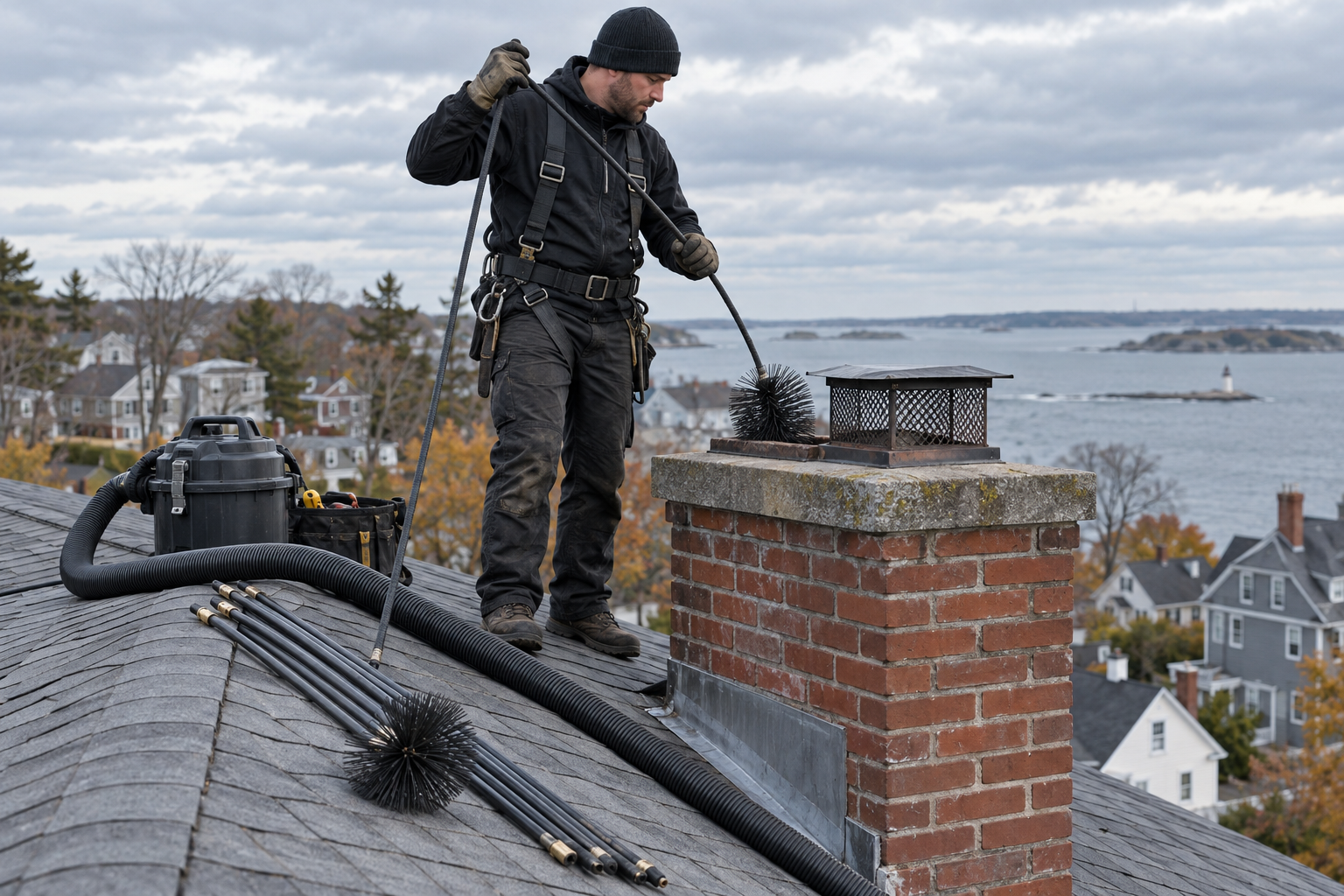
During a standard appointment for Chimney Services, we protect your home with industrial-strength HEPA vacuums. The goal is to ensure that not a single speck of soot enters your living space. We use specialized rods and brushes that can navigate the bends and offsets of a modern chimney. It’s a surgical process. We are removing the obstruction while inspecting the structural health of the entire venting system. If we find a problem, we show you the video footage. No guesswork. No "trust me" sales pitches. Just hard data and clear images of what is happening inside your walls.
More Than Just Dust: Identifying Structural Weaknesses
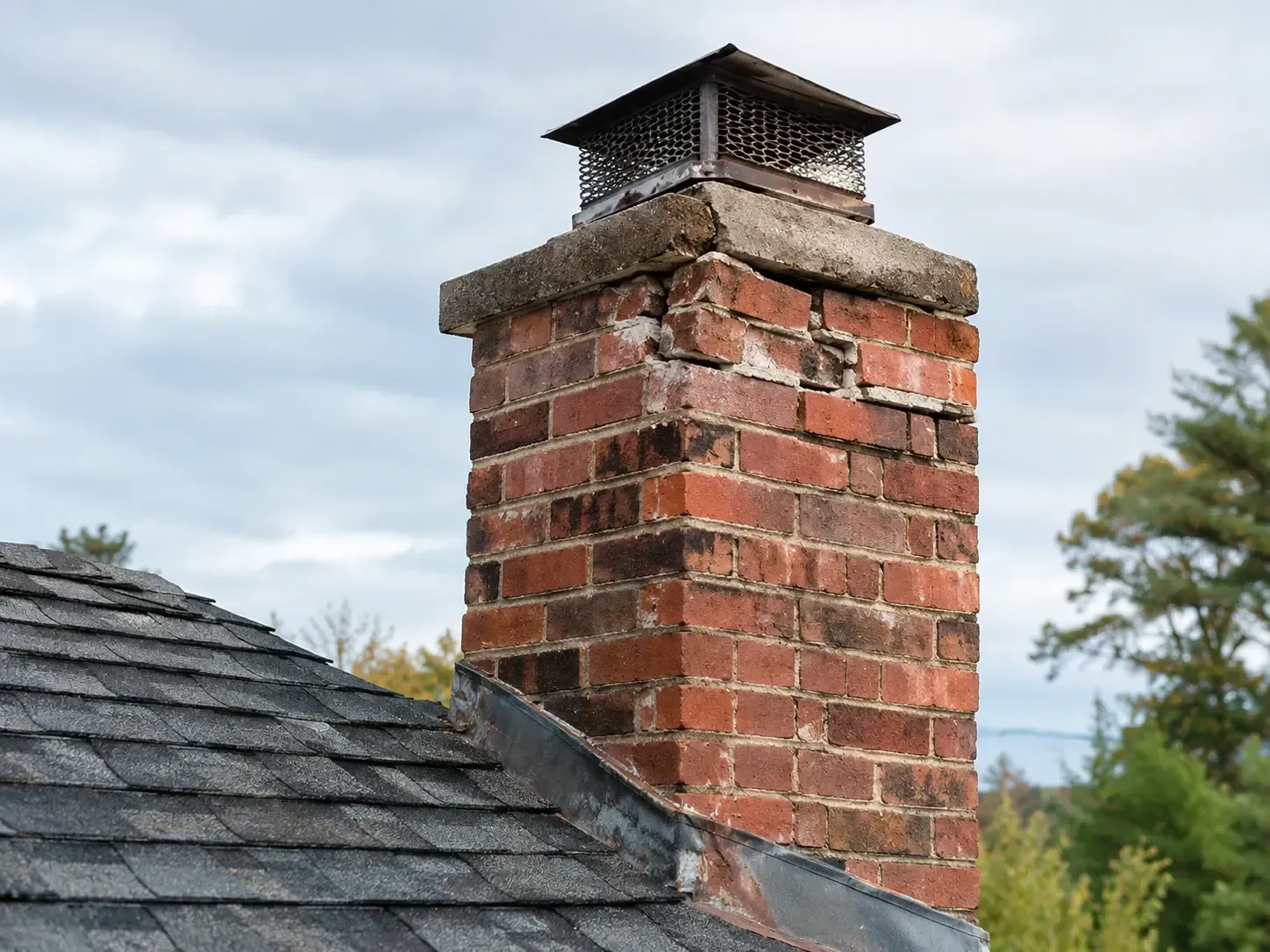
A clean chimney is safe, but a structurally sound chimney is even safer. Sweeping is the perfect time to identify "spalling." This is when moisture gets into the brick, freezes, and causes the face of the brick to pop off. In Portland ME, the freeze-thaw cycle is brutal. A chimney that looks fine in November might be falling apart by March. If we catch spalling early, we can apply water-repellent sealants that breathe—allowing moisture out but not in.
Then there is the issue of the chimney crown. This is the concrete slab at the very top of your chimney. Its job is to shed water away from the masonry. If the crown is cracked, water flows down into the core of the chimney. This leads to rusted dampers, rotted fireboxes, and eventually, structural collapse. When you hire a Local Chimney Service, you are paying for an expert eye to catch these small problems before they become five-figure repair bills. It is an investment in the longevity of your home.
The Silent Killer: Carbon Monoxide and Your Chimney
Fire isn't the only risk. Carbon monoxide (CO) is a colorless, odorless gas that can be fatal. A blocked chimney is a primary cause of CO poisoning. If your flue is obstructed by creosote, bird nests, or fallen debris, the exhaust gases have nowhere to go but back into your house. Because you can't see or smell it, you might just think you have a headache or feel a bit tired. By the time you realize something is wrong, it might be too late.
Regular sweeping ensures that the "draft" is strong. Drafting is the movement of air out of the home. A healthy chimney creates a pressure differential that sucks gases away from your family. If that draft is weak, your home becomes a trap. This is why we take our job so seriously. We aren't just cleaning; we are ensuring your home's ventilation system is life-safety compliant. If you haven't had an inspection in over a year, you should Contact Us immediately. It is better to be safe than to rely on a battery-operated alarm as your only line of defense.
Protecting Your Investment: Insurance and Maintenance
Did you know that many homeowners' insurance policies have clauses regarding chimney maintenance? If you have a chimney fire and cannot prove that you have had regular professional Chimney Services, your claim could be denied. Insurance companies view chimney sweeping as "routine maintenance," similar to changing the oil in your car. If you neglect it, the resulting damage is considered your responsibility.
Keeping a log of your cleanings is essential. We provide detailed reports after every sweep that you can keep for your records. This documentation is invaluable if you ever decide to sell your home. A prospective buyer in Portland ME is going to ask about the chimney. Having a clean bill of health from a reputable Local Chimney Service adds tangible value to your property. It shows that you are a diligent homeowner who cares about the "bones" of the house.
The Bottom Line: Don't Wait for the First Snowfall
The best time to sweep your chimney was yesterday. The second best time is today. Waiting until the first cold snap means joining a long waiting list. By then, you're already tempted to light a fire "just once" before the sweep arrives. That one fire could be the one that ignites the stage three creosote you didn't know was there. Be proactive. Take control of your home's safety before the Maine winter takes control of you.
Your fireplace should be a source of comfort, not a source of anxiety. With the right care, it will provide warmth for generations. Let the experts handle the dirty work. We have the tools, the training, and the local knowledge to keep your hearth healthy. Check out Our Homepage to book your appointment and ensure your home is ready for the seasons ahead.
Frequently Asked Questions
How often should I have my chimney swept in Portland, ME?
You should have your chimney inspected and swept at least once a year. Even if you don't use it frequently, animals can nest in the flue or moisture can cause structural damage. For heavy users who burn wood as a primary heat source, a mid-season cleaning may be necessary.
What are the signs that my chimney needs cleaning immediately?
Common warning signs include a strong, campfire-like odor when the fireplace is cold, visible soot buildup on the damper, smoke backing up into the room, or a fireplace that is difficult to light. If you see oily, black "honey" on the walls, stop using it and call a pro.
Can I clean my own chimney to save money?
While DIY kits exist, they lack the high-resolution cameras needed to spot structural cracks or internal hazards. Professional sweeps are trained to identify hidden dangers like flue liner gaps or masonry decay that brushes alone won't fix. Professional cleaning also ensures your insurance coverage remains valid.
Is a chimney inspection different from a chimney sweep?
Yes. A sweep is the physical removal of soot and creosote. An inspection is a detailed evaluation of the chimney's structural integrity. Most professional services include a Level 1 inspection during a sweep to ensure the unit is safe for continued use and meets local building codes.
Why does my house smell like smoke even when no fire is burning?
This is often caused by "negative pressure." Air is being pulled down the chimney, bringing soot odors with it. This can be due to heavy creosote buildup or a lack of a proper chimney cap. A professional cleaning and a draft assessment can usually resolve this lingering smell.