From Soot to Safety: How Local Chimney Heroes Protect Your Home
Your chimney is a ticking clock. Every winter fire, every autumn evening spent huddled by the hearth, and every summer storm that lashes against your roof brings it one step closer to a critical failure point. Most homeowners view their fireplace as a static piece of furniture, a cozy backdrop for holiday photos. That perspective is dangerous. A chimney is a complex ventilation engine, a vertical exhaust system that handles extreme temperatures and toxic gases. When it works, it’s invisible. When it fails, it’s catastrophic. That is where local chimney experts step in, transforming a potential fire hazard into a safe, efficient heat source.
Fire is a hungry beast. It requires a precise balance of oxygen and draft to function correctly. If your flue is clogged with creosote or obstructed by a bird’s nest, those toxic byproducts of combustion—carbon monoxide, sulfur dioxide, and particulate matter—have nowhere to go but back into your living room. You wouldn't drive a car for five years without an oil change. Why would you light a fire in a structure that hasn’t seen a professional chimney inspection in a decade? It’s a gamble with your home, your family, and your life.
The Invisible Enemy: Creosote and Carbon Monoxide
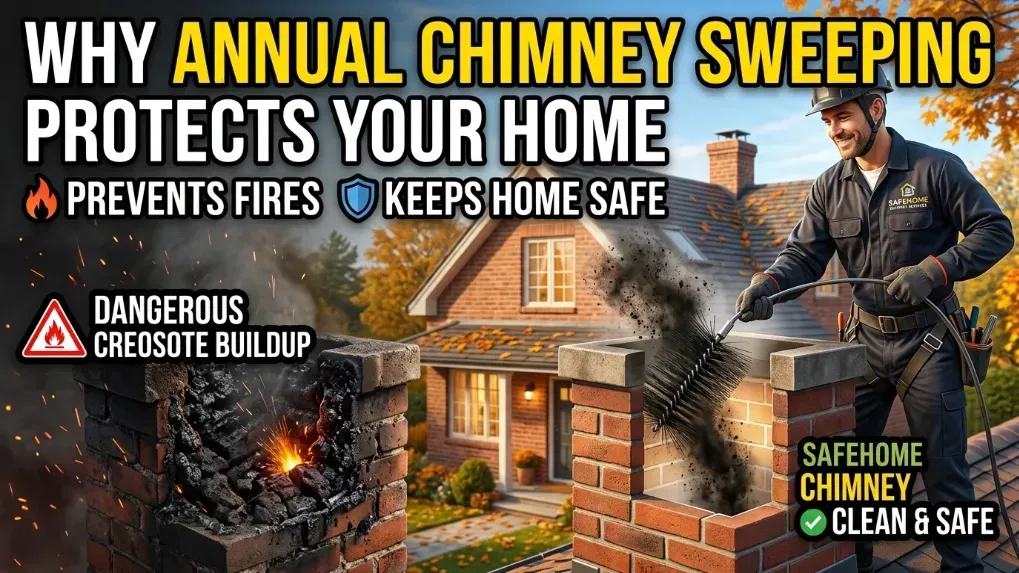
Wood smoke looks poetic as it curls from your rooftop. In reality, that smoke is filled with unburned fuel. As it rises and cools, it condenses on the inner walls of your chimney as a sticky, black substance called creosote. There are three stages of creosote, and none of them are your friend. Stage one is flaky and relatively easy to brush away. Stage two looks like crunchy tar. Stage three? That’s a hardened, glassy glaze that is essentially solid fuel stuck to your masonry. It’s highly flammable. One stray spark is all it takes to ignite a chimney fire that can reach temperatures over 2,000 degrees Fahrenheit, melting metal liners and cracking brickwork in seconds.
Then there’s the silent threat. Carbon monoxide (CO) is tasteless, colorless, and odorless. A blocked chimney is a primary cause of CO poisoning in residential homes. If your chimney isn’t "drawing" correctly, you are breathing in poison. This isn't something a store-bought sensor should be solely responsible for managing. Prevention starts at the source. Professional chimney services ensure that the path between your firebox and the open sky is clear, sealed, and structurally sound. You can learn more about our commitment to these safety standards on the About Us page of our site.
Why DIY Chimney Cleaning is a Myth
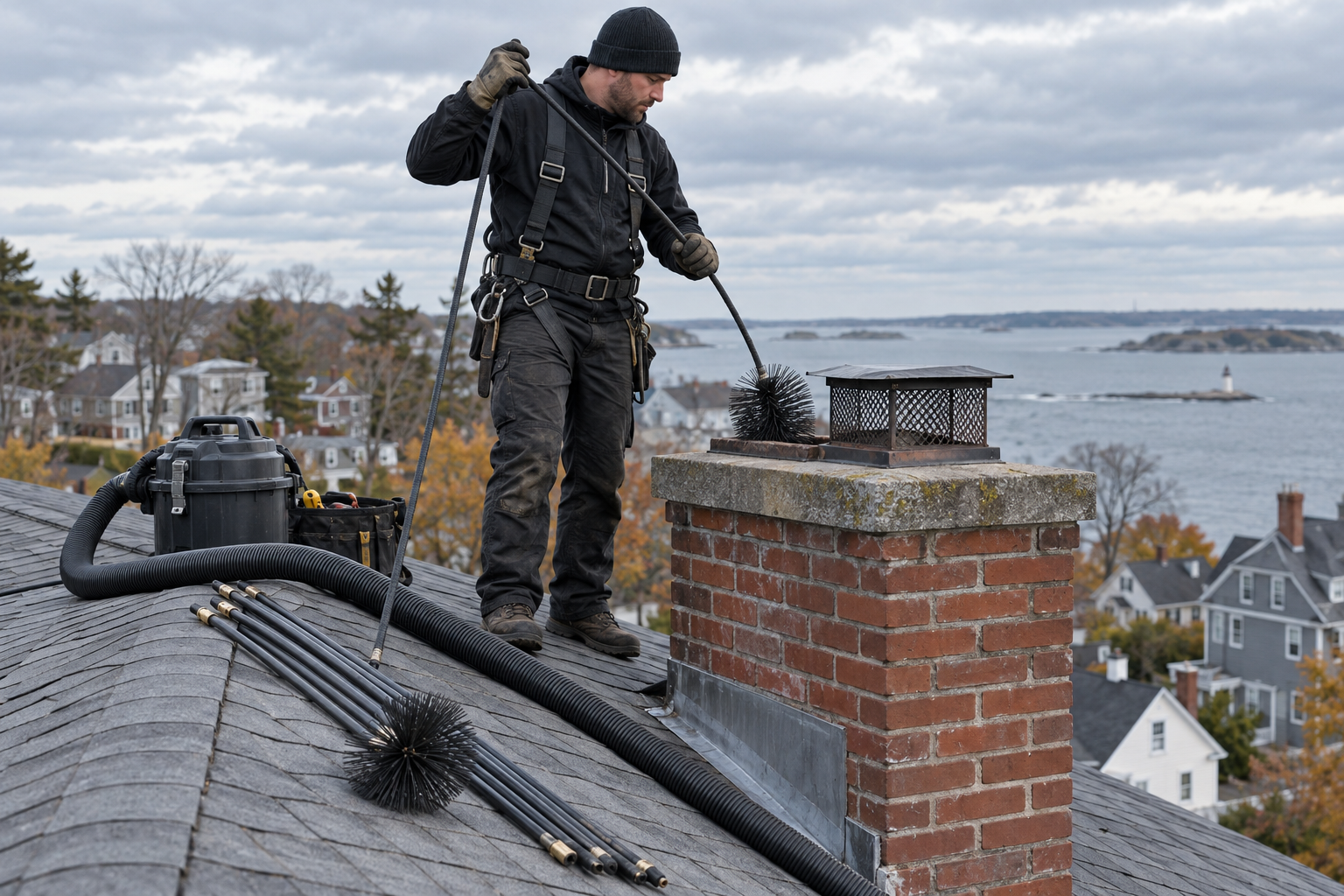
You can buy a brush at a hardware store. You can watch a video online. You can even climb your roof if you have the stomach for it. But you cannot replicate the eye of an expert. A homeowner looking down a flue sees a dark hole. A professional sees a hairline crack in a clay liner that could allow heat to transfer to wooden 2x4s behind the wall. They see the subtle signs of "spalling," where moisture has entered the brick and caused it to flake apart. They see the early stages of crown failure that will lead to thousands of dollars in masonry damage if left unchecked.
Modern chimney inspection protocols involve high-resolution cameras that we snake through the entire length of the system. We look at joints, seams, and smoke chambers that have been hidden since the day your house was built. We don't just "clean" things. We diagnose the health of your home’s ventilation. If you want to see the full scope of what we bring to the table, visit Our Homepage for a breakdown of our technical approach. Safety is not a weekend project; it is a specialized trade requiring years of certification and field experience.
The Three Levels of Inspection You Need to Know
The Chimney Safety Institute of America (CSIA) defines three levels of inspection. Knowing which one you need is vital. A Level 1 inspection is your annual checkup. It’s a visual scan of the accessible parts of the chimney and the appliance. If you haven't changed how you use your fireplace, this is usually enough. A Level 2 inspection is mandatory if you’ve made changes—like switching from wood to gas—or if you’ve recently bought or sold the home. This level includes a video scan of the interior. A Level 3 inspection is the "nuclear option." This happens when we suspect serious structural damage and may need to remove parts of the chimney or walls to find the root cause.
Most people wait until they see smoke backing up into their house before calling local chimney experts. By then, the damage is done. Regular maintenance is an investment in your property's value. A well-maintained chimney lasts for a century. A neglected one might not last through the winter. We recommend scheduling these visits in the spring or summer. Why? Because when the first frost hits, everyone realizes they need help at the exact same time. Be the homeowner who plans ahead.
Masonry, Liners, and the Art of Repair
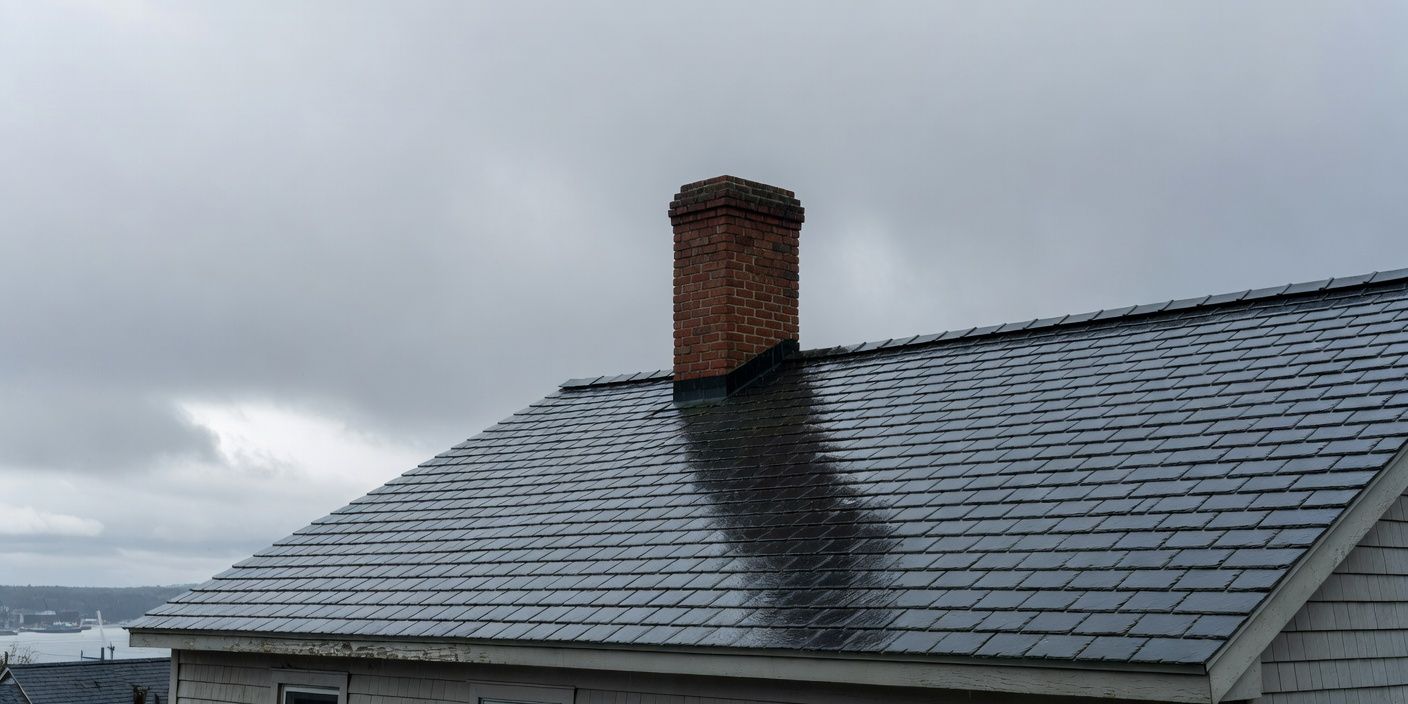
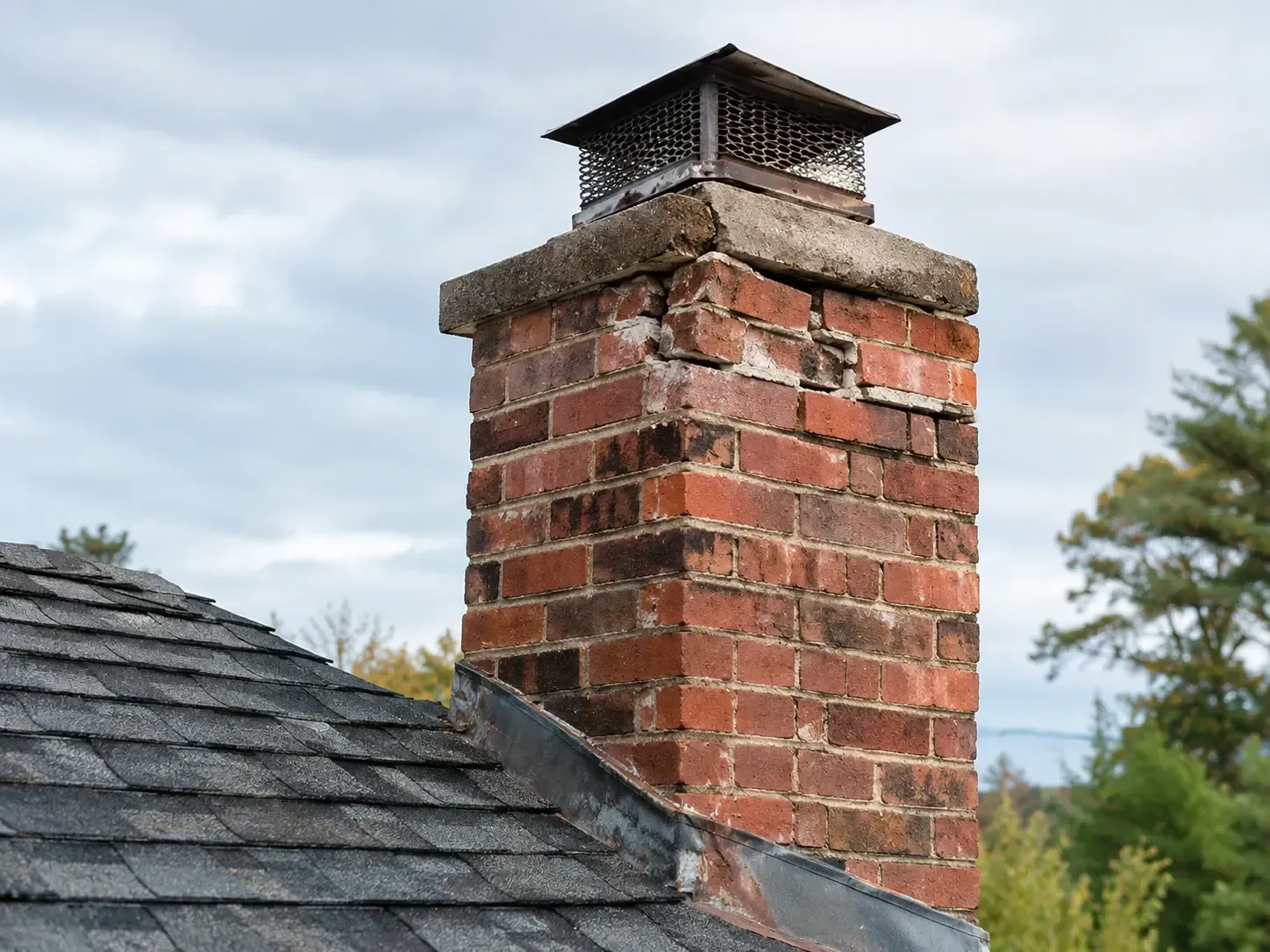
Brick and mortar are resilient, but they aren't invincible. The constant cycle of heating and cooling causes expansion and contraction. Over time, mortar joints crumble. This process, known as tuckpointing, is essential for maintaining the structural integrity of your chimney. If the mortar fails, water gets in. In cold climates, that water freezes and expands, literally blowing the bricks apart from the inside out. It’s a slow-motion disaster that ends with a pile of rubble on your lawn or, worse, through your roof.
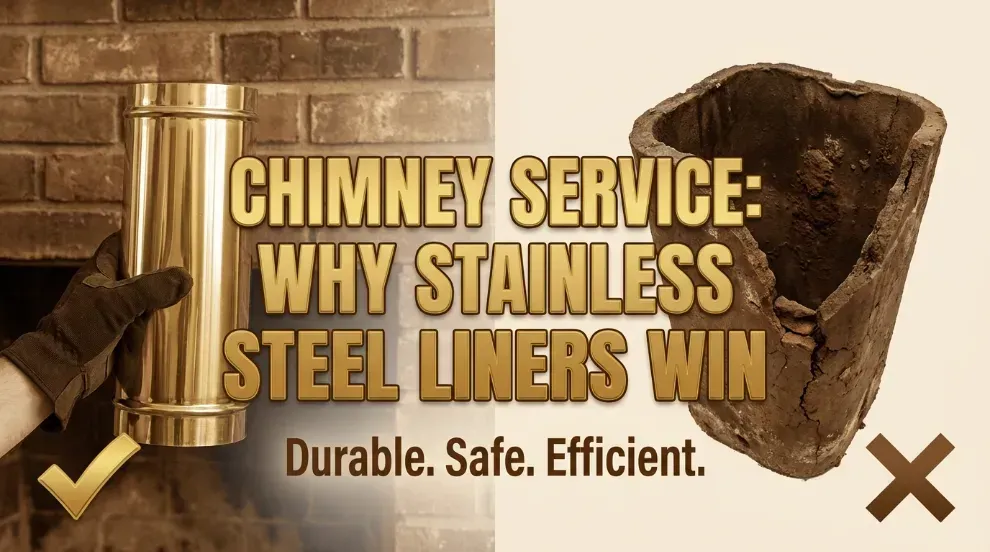
Then there is the liner. Think of the liner as the "exhaust pipe" inside the brick chimney. Many older homes have clay tile liners. These are great until they crack. Once a tile cracks, heat and gases can escape into the "dead space" of the chimney structure. This is a massive fire risk. Stainless steel liners are the modern gold standard. They are durable, handle heat better, and provide a seamless path for smoke to exit. Upgrading your liner is one of the most effective chimney services you can invest in to modernize an aging home. If you have questions about your specific setup, you should Contact Us immediately to discuss options.
The Importance of the Chimney Cap
It’s a small piece of metal, but it’s your first line of defense. A chimney without a cap is an open invitation for trouble. Rainwater is the number one enemy of masonry. Without a cap, every storm pours water directly down your flue, rusting your damper and rotting your firebox. Then there are the "uninvited guests." Raccoons, squirrels, and birds love the warmth of a chimney. They build nests that create total blockages. Worse, they often get stuck and die, leading to odors and infestations. A high-quality cap with a mesh screen keeps the weather and the wildlife out while allowing smoke to escape freely. It is the cheapest insurance policy you will ever buy for your home.
Choosing the Right Local Chimney Experts
Not all "sweeps" are created equal. In an industry that is often under-regulated, you need to look for credentials. Are they CSIA certified? Do they have insurance? Do they provide a written report with photos after an inspection? At Select Chimney Services, we believe in transparency. We don't just tell you there's a problem; we show it to you. We explain the "why" behind every recommendation. We aren't just there to sweep away some soot; we are there to ensure that when you go to sleep after a long night by the fire, you are actually safe.
Trust is built on results. It’s built on the thousands of flues we’ve cleared and the hundreds of liners we’ve installed. It’s built on knowing the local building codes like the back of our hand. Your home is your sanctuary. Don't let a preventable chimney fire take it away. Take action now. Be proactive. Your chimney is talking to you—whether it’s a weird smell, a drafty room, or a bit of crumbling mortar in the firebox. Listen to it.
Frequently Asked Questions
How often should I have a chimney inspection?
You should schedule a professional inspection at least once a year. Even if you don't use your fireplace frequently, animals can build nests, and moisture can cause structural damage or chimney crown cracks during the off-season. Annual checks ensure the system remains clear and safe for use whenever you need it.
What are the signs that my chimney needs cleaning?
Common signs include visible soot buildup in the firebox, a strong "campfire" smell when the fireplace isn't in use, or smoke backing up into the room. If you notice oily, black gunk (creosote) on the walls of your flue, it is time to call for professional assistance immediately.
Is a chimney fire always obvious?
No. While some chimney fires sound like a freight train and shoot flames from the roof, many are "slow burns." These smaller fires happen inside the flue and go unnoticed, but they still reach temperatures high enough to damage the chimney structure and ignite the surrounding wood framing of your house.
Why is carbon monoxide a risk with chimneys?
If your chimney is blocked or has a damaged liner, the toxic gases produced by your fire cannot escape. Carbon monoxide is an odorless byproduct of combustion that can seep into your home’s living spaces. A properly functioning chimney and a professional inspection are your primary defenses against this silent killer.
Can I use a chimney cleaning log instead of a professional?
Chimney cleaning logs can help loosen some creosote, but they are not a substitute for a physical cleaning and inspection. They cannot remove heavy buildup, they don't clear out bird nests, and they certainly cannot check for structural cracks or leaks that only a professional eye can identify.