Dirty Chimney, Serious Risk: Why Annual Chimney Sweeping Matters in Portland, ME
The Ticking Time Bomb: Understanding Creosote
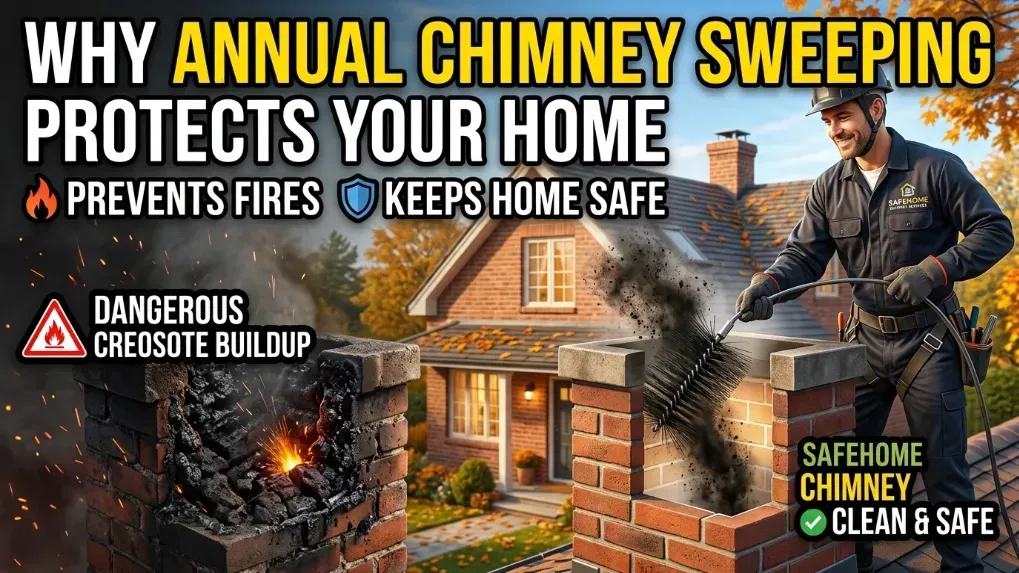
Every time you burn wood, you produce smoke. That smoke contains unburned wood particles, gases, and moisture. As it rises through your chimney, it cools and condenses on the flue walls. This residue is called creosote. It is highly flammable. It is also persistent. According to the Chimney Safety Institute of America (CSIA), creosote develops in three distinct stages, and none of them are your friend.
Stage one is a flaky, soot-like powder. It is easy to remove. Stage two turns into crunchy, tar-like flakes that are harder to brush away. Stage three is the nightmare scenario. It is a thick, shiny, hardened glaze. At this point, your chimney is essentially lined with solid fuel. One stray spark or an over-fired stove can ignite this glaze, leading to a chimney fire that reaches temperatures over 2,000 degrees Fahrenheit. That is hot enough to melt metal liners and ignite the wooden framing of your house in minutes.
Why Portland ME Homeowners Face Unique Risks
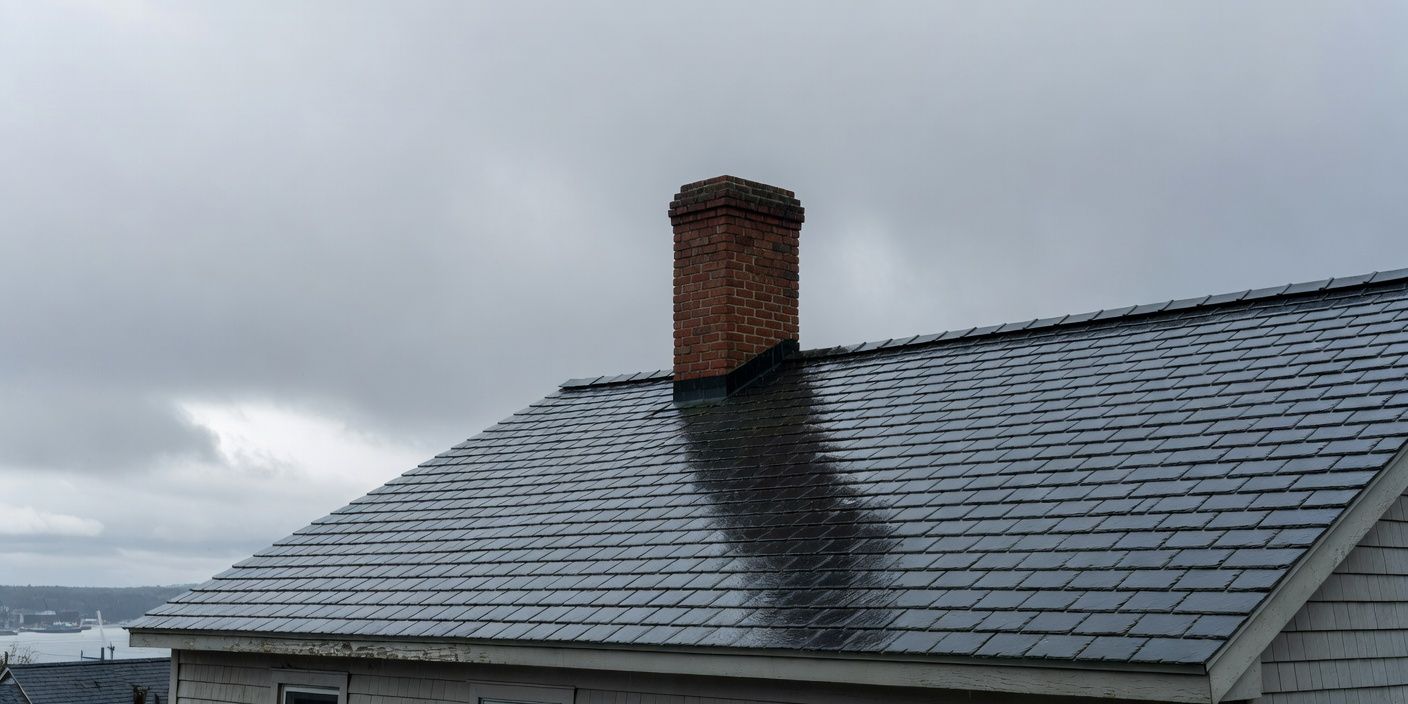
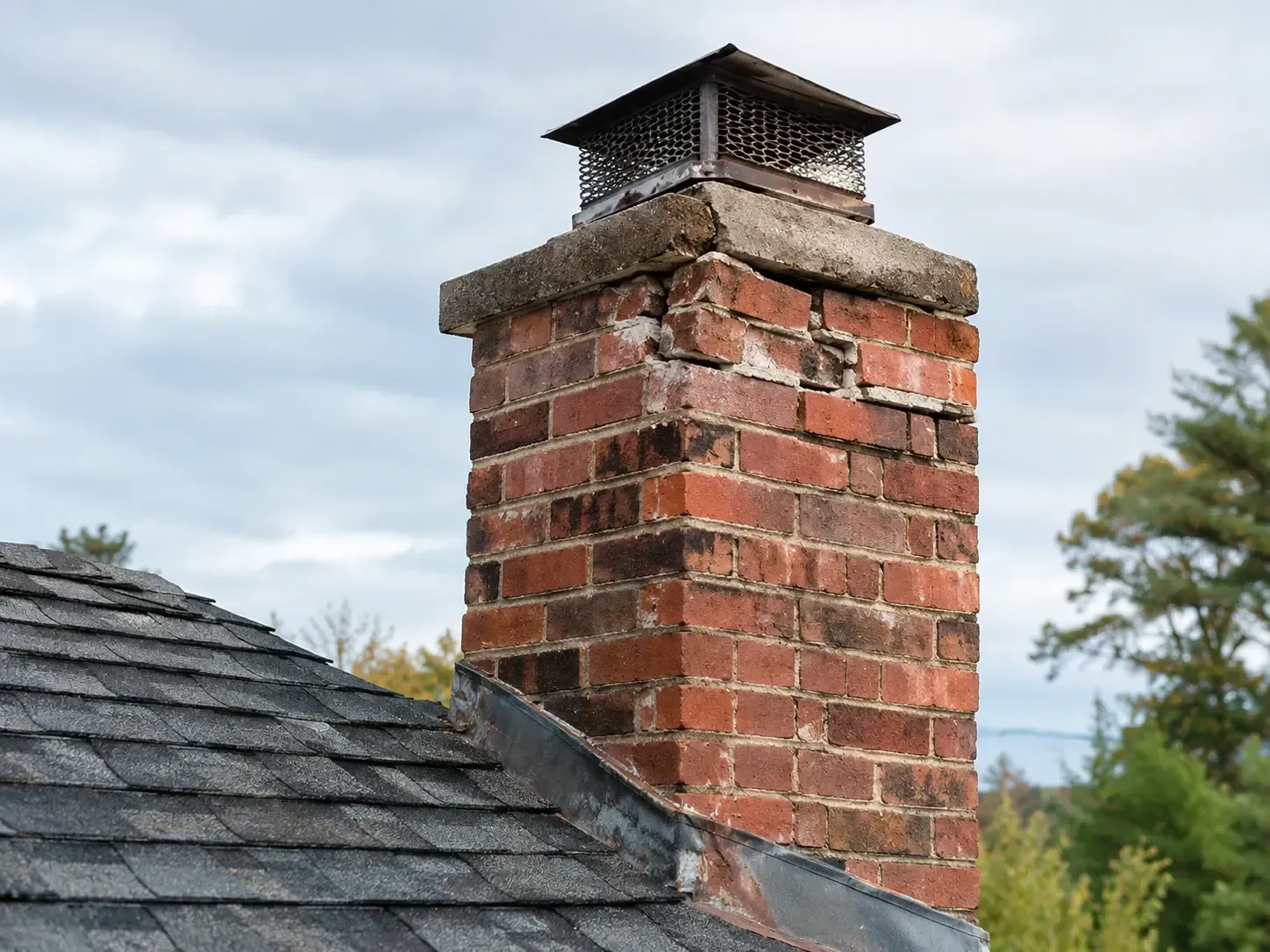
Portland residents deal with specific environmental factors that accelerate chimney degradation. Our coastal humidity and salt air are brutal on masonry. Moisture is the enemy of a chimney. When water enters tiny cracks in your brickwork and then freezes, it expands. This "freeze-thaw" cycle common in Southern Maine winters can turn a small hairline fracture into a structural failure. Combine this with the frequent use of wood-burning appliances during our long heating season, and the need for professional chimney services becomes a matter of basic survival, not just home maintenance.
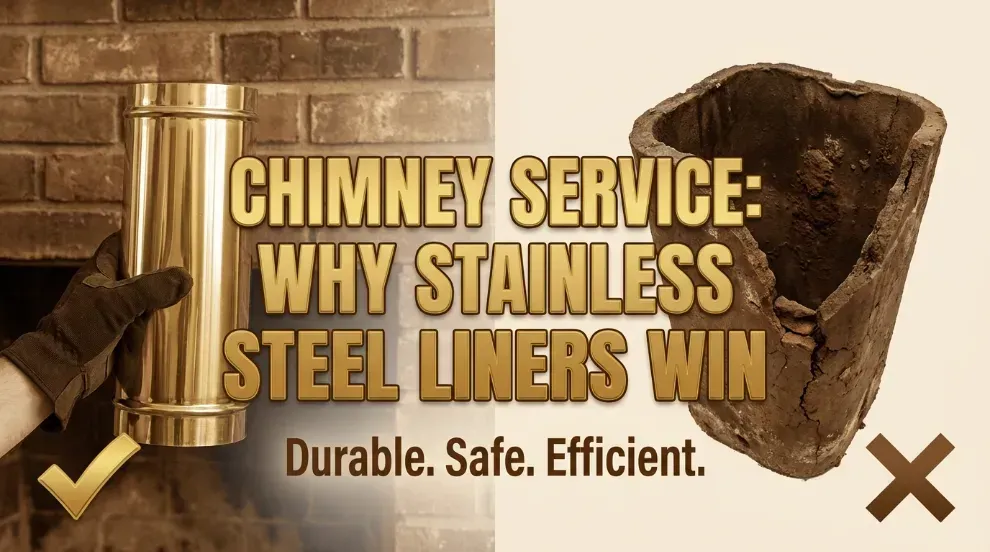
Furthermore, many historic homes in the West End or Munjoy Hill feature older unlined chimneys or clay tile liners that have long since cracked. The Portland Fire Department frequently responds to calls where heating equipment failure is a primary cause. Relying on a chimney that hasn't been inspected in years is a gamble with your property and your life.
Professional Chimney Cleaning vs. The DIY Myth
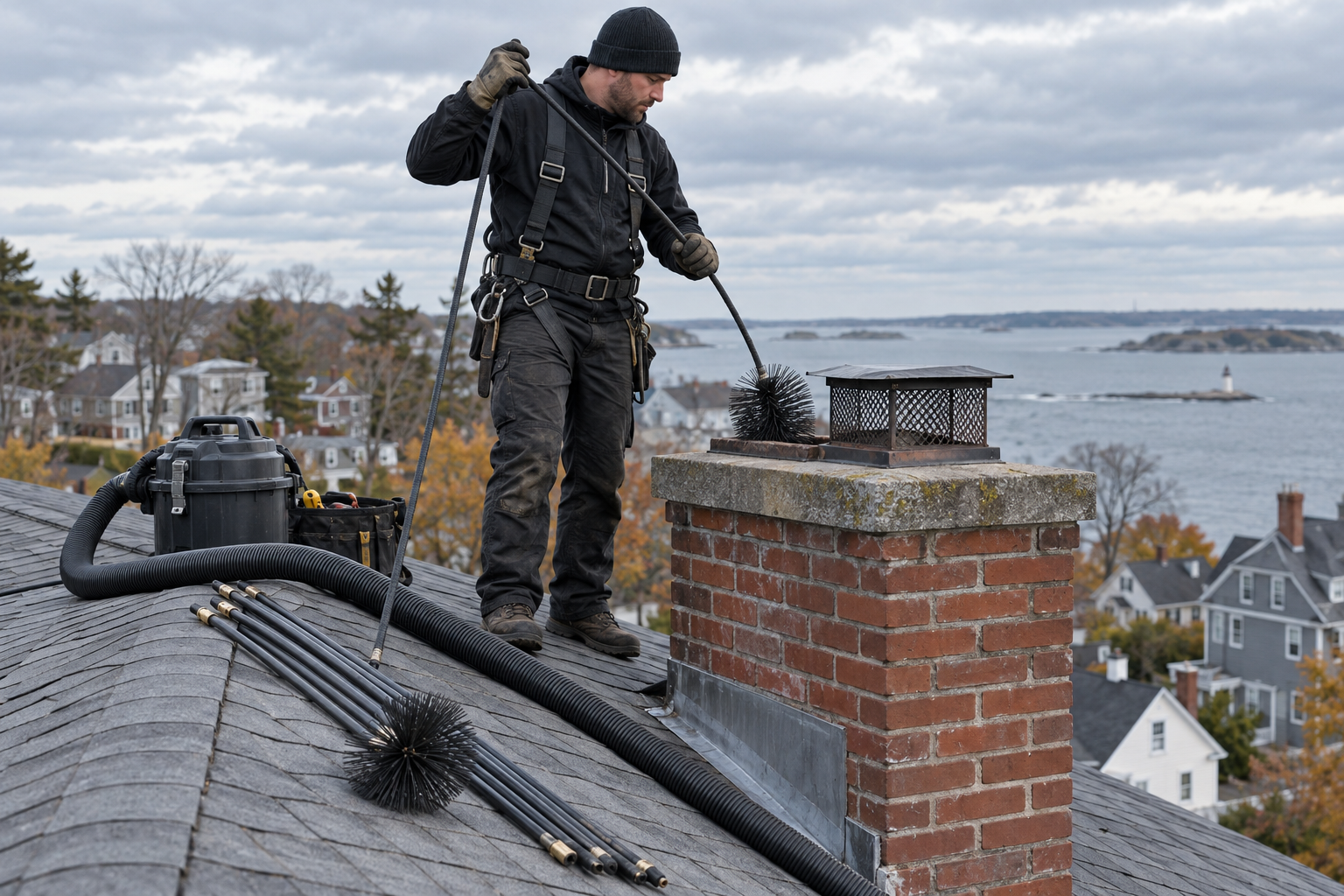
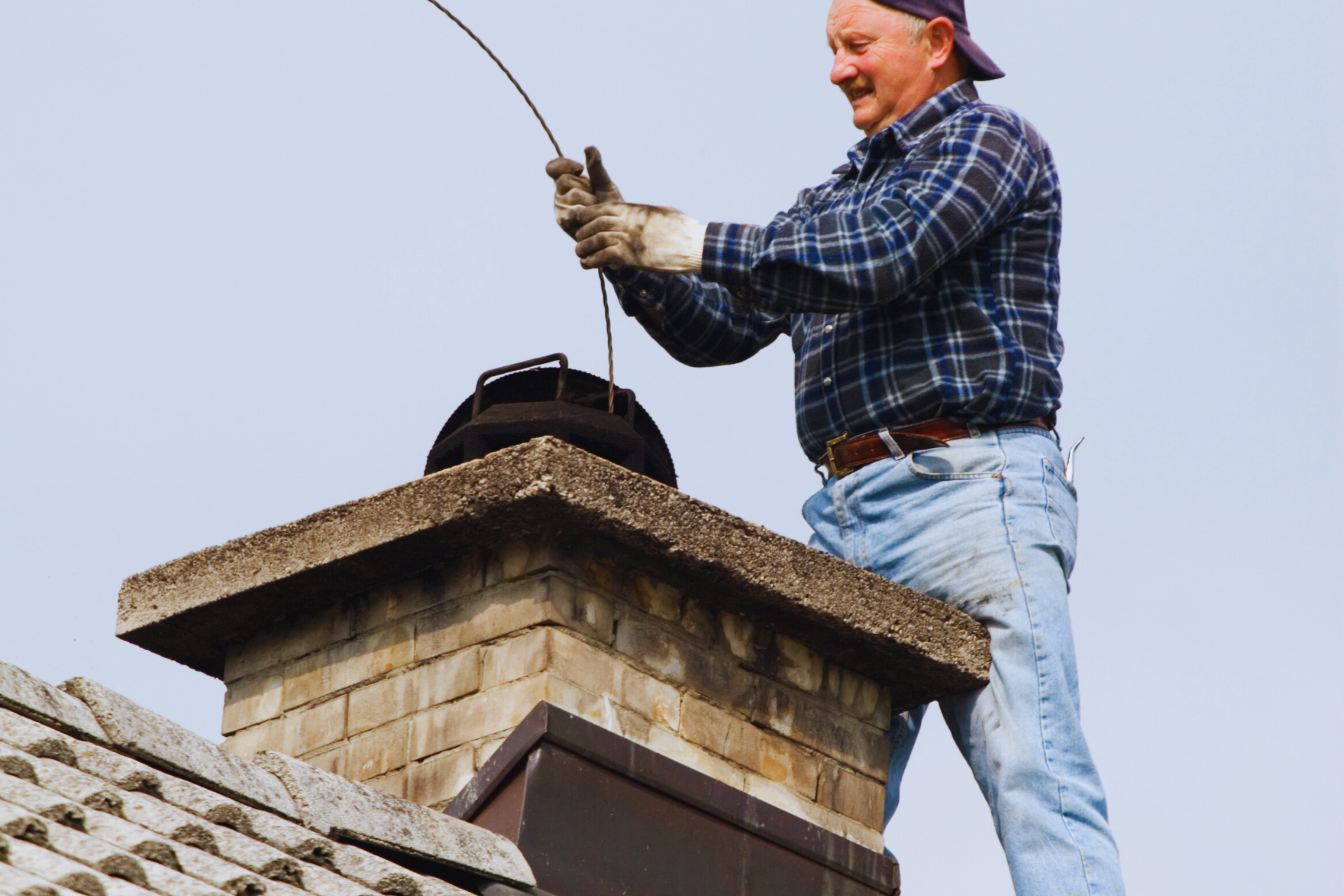
Some homeowners think they can "clean" their chimney by burning a chemical log or dragging a weighted bag down the flue. This is a mistake. A professional chimney cleaning is about more than just moving soot around. It involves specialized brushes, high-powered vacuums to contain hazardous dust, and, most importantly, an expert eye. A certified sweep looks for signs of "spalling" (bricks flaking apart), deteriorating mortar, and obstructed flues caused by animal nests or debris.
If you aren't looking at the smoke shelf or checking the integrity of the damper, you aren't cleaning. You are guessing. Chimney sweeping in a place like Portland requires understanding how local wood types—like seasoned oak versus damp pine—impact your flue. Burning unseasoned wood creates more smoke, more moisture, and faster creosote buildup. A pro will tell you exactly how your burning habits are affecting your safety.
The NFPA 211 Standard: It’s Not a Suggestion
The National Fire Protection Association (NFPA) Standard 211 is the industry benchmark. It dictates that chimneys, fireplaces, and vents shall be inspected at least once a year. This applies even if you only use your fireplace a few times a season. Why? Because even an unused chimney can suffer from water damage, bird nests, or masonry decay.
There are three levels of inspection:
- Level 1: A visual check of the readily accessible parts of the chimney and fireplace.
- Level 2: Required during home sales or after an "event" like a chimney fire or earthquake. It includes a video scan of the internal flue.
- Level 3: Necessary when serious structural issues are suspected, often requiring the removal of drywall or masonry to access hidden areas.
Most annual chimney services in Portland ME start with a Level 1 inspection. It is the most cost-effective way to ensure your flue is clear and your liner is intact before the first frost hits.
The Real Cost: Maintenance vs. Disaster
Let's talk numbers. A standard chimney cleaning and inspection in the Portland area typically costs between $150 and $350. Compare that to the cost of a chimney fire. According to the Maine State Fire Marshal, residential fire losses in the state total millions of dollars annually, with heating equipment being a leading factor. Replacing a fire-damaged chimney liner can easily cost $3,000 to $7,000. Rebuilding a collapsed masonry stack? You are looking at five figures.
Beyond the fire risk, there is the danger of carbon monoxide (CO) poisoning. A blocked chimney or a cracked liner can allow CO to seep back into your living space. Since CO is odorless and colorless, you won't know it's there until it's too late. Regular maintenance ensures that toxic gases are actually leaving your home, not lingering in your bedroom.
How to Keep Your Flue Cleaner for Longer
You can reduce the frequency of heavy creosote buildup by following a few simple rules. First, only burn seasoned hardwood. Wood should be dried for at least six to twelve months until the moisture content is below 20%. Use a moisture meter; don't guess. Second, avoid "smoldering" fires. A low-temperature fire creates more smoke and more creosote. Burn it hot and bright. Finally, ensure your chimney has a high-quality cap. A cap keeps out rain, snow, and the occasional Portland squirrel looking for a winter home.
Don't wait for the smell of burning tar to alert you to a problem. By then, the damage is already done. Schedule your chimney sweeping today. It is the only way to ensure that the only thing burning in your home this winter is the wood in the grate.
Frequently Asked Questions
How often should I have my chimney cleaned in Portland, ME?
You should schedule professional chimney cleaning and an inspection at least once a year, as recommended by the NFPA. If you burn wood as your primary heat source, you may need a second cleaning mid-winter to prevent dangerous creosote accumulation from heavy use.
What are the signs that my chimney needs immediate cleaning?
Warning signs include a strong, asphalt-like odor, visible oily black gunk inside the flue, excessive smoke backing up into the room, or a fireplace that is difficult to light. If you hear a loud "roaring" sound or see sparks exiting the top of the chimney, you are likely having a chimney fire—call 911 immediately.
Can I clean my own chimney to save money?
While DIY kits exist, they lack the specialized tools and diagnostic expertise required to identify structural cracks or hidden blockages. Professional chimney services include a safety inspection that a homeowner simply cannot perform accurately. Saving $200 on a sweep isn't worth risking a total home loss.
What is the difference between a chimney sweep and a chimney inspection?
A chimney sweep focuses on the physical removal of soot and creosote from the flue. A chimney inspection is a diagnostic evaluation of the chimney’s structural integrity and its compliance with local building codes. Most reputable Portland ME companies perform both during a standard service call.
Does a gas fireplace need annual chimney sweeping?
Yes. While gas burns cleaner than wood, gas chimneys can still be obstructed by debris, bird nests, or deteriorating masonry. Moisture from gas combustion can also cause liners to rust or tiles to crack, making an annual inspection vital for preventing carbon monoxide leaks.