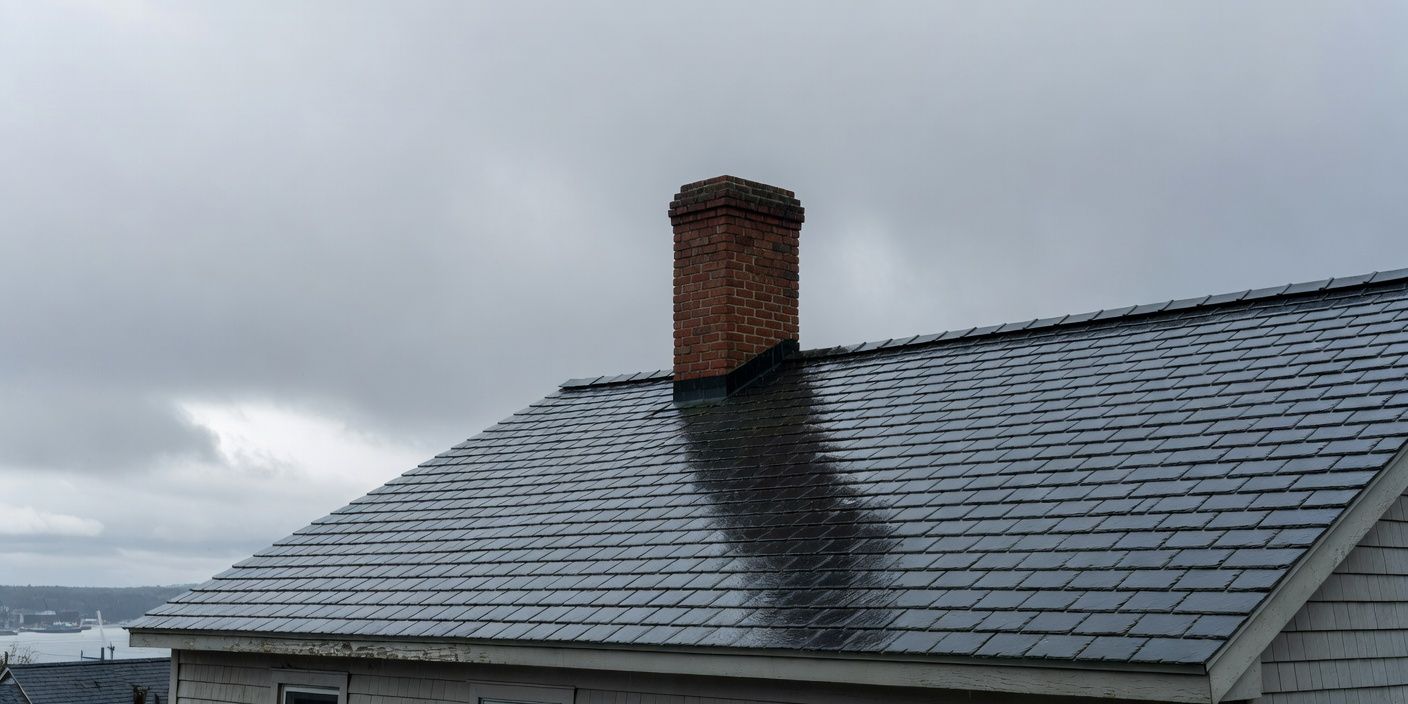
Is Your Chimney Ready for Winter? Why Portland, Maine Homeowners Can't Afford to Skip a Chimney Sweep This Year

March 2, 2026

The Problem Most Portland Homeowners Don't Know They Have


Every fall, thousands of Portland, Maine homeowners light their first fire of the season without a second thought. The wood crackles, the warmth fills the room  and somewhere inside that chimney, creosote is quietly building up toward a dangerous threshold.

Here's the hard truth: chimney fires are one of the leading causes of house fires in Maine, and most of them are entirely preventable. The National Fire Protection Association (NFPA) recommends that chimneys, fireplaces, and vents be inspected at least once a year and cleaned whenever necessary.

If you haven't scheduled a chimney sweep in Portland this season, this article is for you.
What Happens When You Skip Your Annual Chimney Sweep?

Skipping a professional chimney cleaning in Portland, Maine isn't just a minor oversight it's a compounding risk. Here's what's happening inside your chimney right now:

1. Creosote Accumulation

Every time you burn wood, creosote a dark, tar-like byproduct of combustion coats the inside of your flue. Over time, it hardens into a thick, highly flammable layer. Stage 3 creosote (the most dangerous form) can ignite at temperatures your chimney reaches during a normal fire.


The risk: A creosote chimney fire can burn at over 2,000°F hot enough to crack your flue liner and spread flames to your home's structure.


2. Animal Nesting

Maine's wildlife doesn't care that your chimney is off-limits. Squirrels, raccoons, and birds especially chimney swifts love an uncapped chimney. Their nests block airflow, trap carbon monoxide inside your home, and create fire hazards.


The risk: Carbon monoxide poisoning from a blocked flue is silent and deadly. You won't smell it. You won't see it.


3. Structural Deterioration

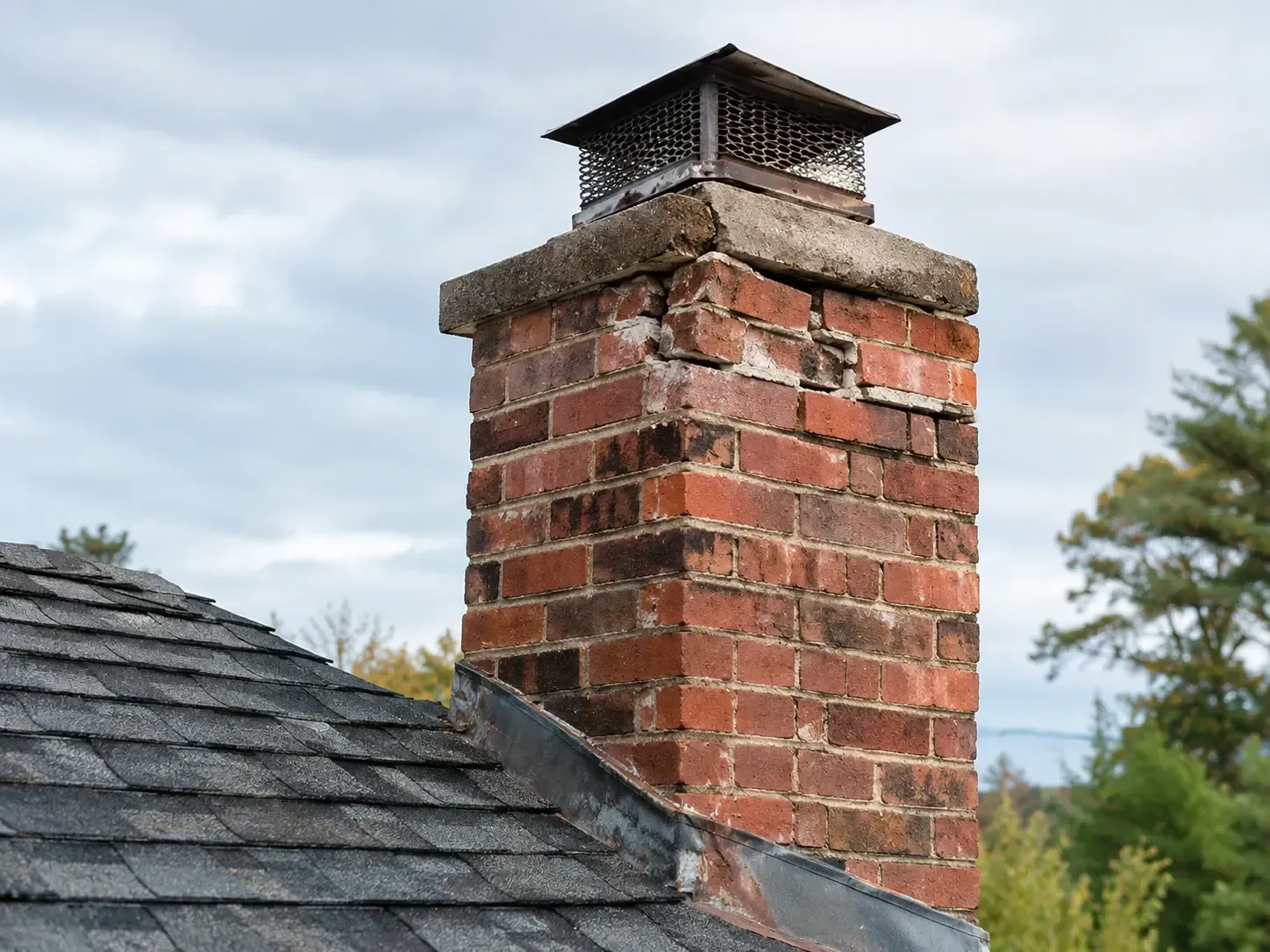
Portland's harsh winters, freeze-thaw cycles, and coastal moisture accelerate chimney deterioration. Cracked mortar joints, spalling bricks, and damaged flue liners let heat and combustion gases escape into your walls and attic.


The risk: Structural damage that costs thousands of dollars to repair or a house fire.


Why Portland, Maine Is Different from the Rest of the Country


Chimney care in Portland, ME isn't the same as in Phoenix or Miami. Our climate creates a unique set of challenges:

  • Heavy snowfall and ice puts immense weight and freeze-thaw stress on chimney masonry
  • High humidity and coastal salt air accelerates mortar deterioration and metal corrosion
  • Long heating seasons mean your chimney works harder and accumulates creosote faster
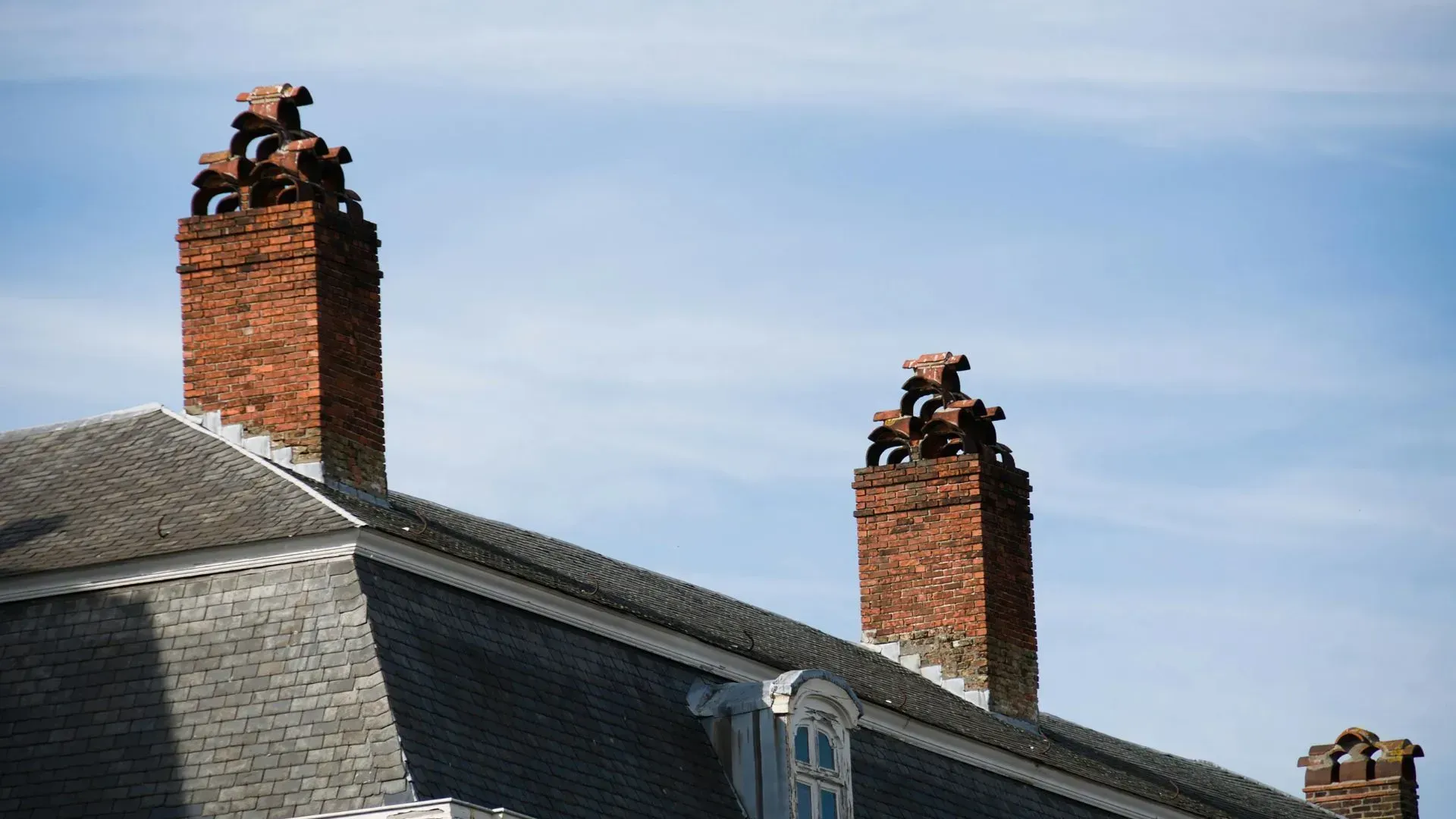
  • Older housing stock Portland has some of the oldest homes in the country, many with original brick chimneys that haven't been properly maintained in decades

If you live in Portland's West End, Munjoy Hill, East Deering, or any neighborhood with Victorian or Colonial-era homes, your chimney deserves serious attention before winter arrives.


What Does a Professional Chimney Sweep in Portland Actually Do?

A lot of homeowners assume a chimney sweep is just someone who pokes a brush up the flue. It's much more than that.

A certified chimney sweep (look for CSIA certification Chimney Safety Institute of America) provides:

Level 1 Inspection

  • Visual inspection of accessible portions of the chimney interior and exterior
  • Check for blockages, deposits, and proper clearances
  • Recommended for chimneys in regular, unchanged use


Level 2 Inspection

  • Everything in Level 1, plus inspection with video scanning equipment
  • Required when selling or buying a home, after a chimney fire, or after any significant weather event
  • Identifies hidden cracks, liner damage, and structural problems


Chimney Cleaning (Sweeping)

  • Removal of creosote, soot, and debris from the flue
  • Cleaning of the firebox, smoke chamber, and damper
  • Disposal of all debris

Repairs

  • Tuckpointing (mortar repair)
  • Chimney cap installation
  • Damper repair or replacement
  • Flue liner repair or replacement


For Property Managers and Real Estate Agents in Portland, ME

If you manage rental properties or are preparing a home for sale in Greater Portland, chimney documentation matters more than ever.

Buyers and their inspectors will check the chimney. A chimney that hasn't been swept or inspected in years is a red flag that can delay or derail a sale. More importantly, as a landlord, you have a legal and ethical obligation to ensure heating appliances including wood-burning fireplaces are safe for occupants.

A professional chimney inspection with a written report:

  • Satisfies due diligence requirements
  • Provides documentation for insurance purposes
  • Reduces liability exposure
  • Can be a selling point ("chimney recently inspected and cleaned")

Don't let a $200 chimney sweep cost you a $400,000 sale.


Preparing Your Portland Home for Winter: The Complete Chimney Checklist

Use this before the heating season starts:

  •  Schedule annual chimney inspection and cleaning
  • Test the damper it should open and close smoothly
  • Check the chimney cap it should be intact and free of debris
  • Inspect the firebox for loose or cracked firebrick
  • Look at the exterior chimney for missing mortar, cracks, or leaning
  • Clear the area around the fireplace of flammable materials
  • Make sure carbon monoxide detectors are installed and working on every floor
  • Have a fire extinguisher accessible near the fireplace
  • Only burn dry, seasoned hardwood (not green wood, painted wood, or trash)
  • Never leave a fire burning unattended or overnight


Frequently Asked Questions


  • How often should I get my chimney swept in Portland, ME?

    The NFPA recommends an annual inspection for all chimneys. If you burn wood regularly (more than 3 cords per year), you may need cleaning twice a year. Oil and gas appliances also require annual inspections don't assume they're automatically safe.


  • When is the best time to schedule a chimney sweep in Portland?

    Late summer (August-September) is ideal. Chimney sweeps in Portland, Maine get booked solid in October and November. Scheduling early means you avoid the rush and ensure your chimney is ready before the first cold snap.


  • Can I use my fireplace if I haven't had it inspected?

    Technically yes, but it's not recommended. If you've just moved into a home, don't know the last time the chimney was swept, or notice any warning signs (smoke backing up, unusual odors, visible damage), do not use the fireplace until a professional has cleared it.

  • What are signs I need a chimney sweep immediately?

    When smoke enters the room while the fireplace is in use, it’s a clear sign that something isn’t functioning properly within your chimney system. A strong, unpleasant odor especially during the summer months often indicates creosote buildup or moisture problems inside the flue. Visible black soot or creosote inside the firebox points to dangerous residue accumulation that increases fire risk. 
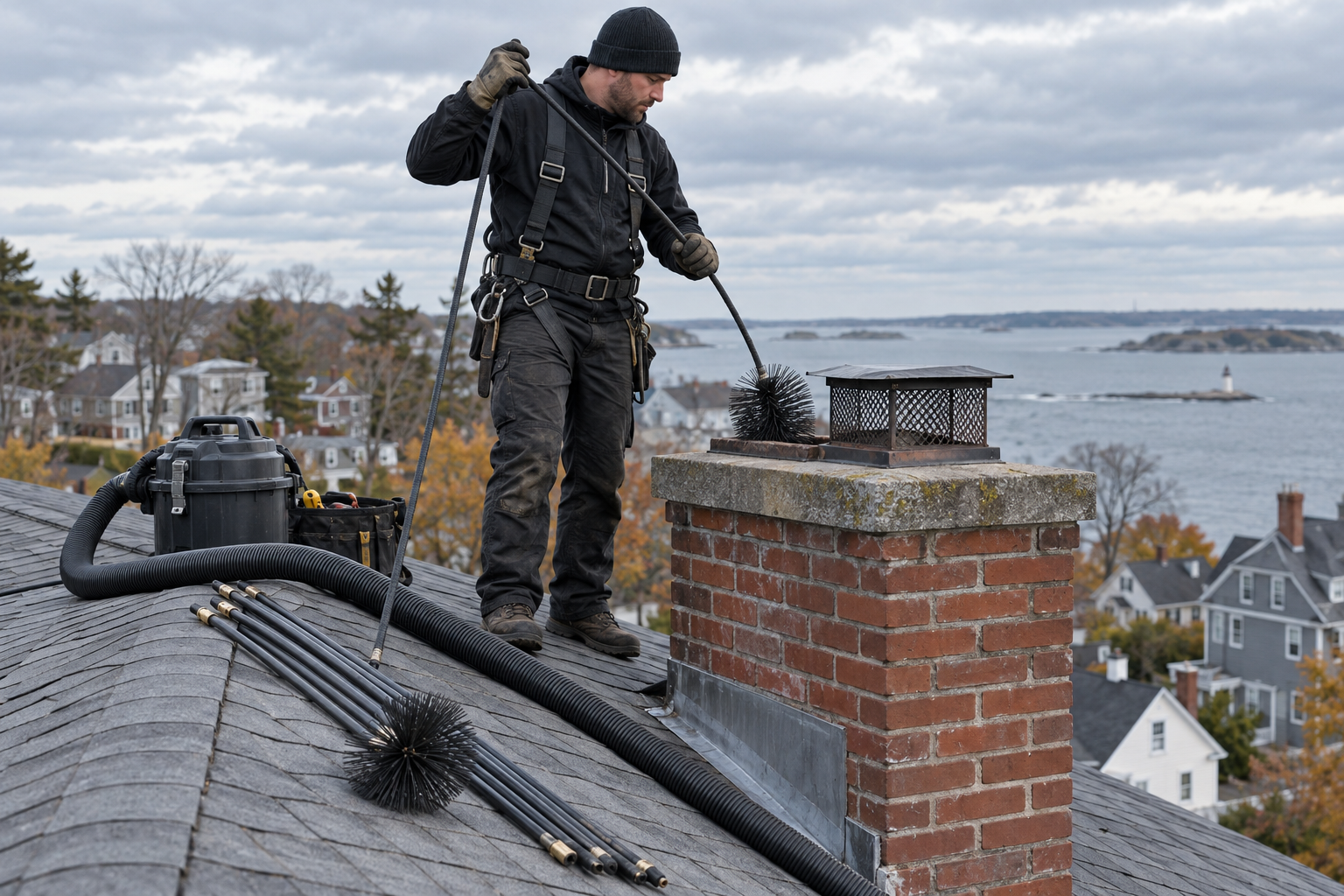
By John Constantine March 4, 2026
The wind coming off Casco Bay doesn’t care about your masonry. It finds cracks you can’t see. It drives freezing rain into crevices effectively invisible from the ground. Before you know it, a cozy night by the fire turns into a smoke-filled living room—or worse, a structural failure. Owning a home in Portland, Maine, means accepting a hard truth: the weather here is actively trying to dismantle your property. Specifically, your chimney. Most folks treat their chimney like a static object. A stone pillar that just exists. That’s a mistake. Your chimney is a machine. It breathes. It expands. It contracts. And when you neglect the crucial combination of chimney sweeping and gutter cleaning, that machine breaks down. Select Chimney Services has seen it a thousand times. We are here to tell you why a proactive approach is cheaper, safer, and frankly, smarter than waiting for disaster.
By John Constantine March 1, 2026
Winter in Portland, Maine, isn't just a season. It is an endurance test. When the wind whips off Casco Bay and the temperature drops into the single digits, that wood stove or fireplace becomes the heart of your home. You stack the cordwood, strike a match, and enjoy the glow. But behind the brick and mortar, a silent, tarry threat is growing. Neglect it, and you aren't just heating your home—you are fueling a potential catastrophe.
By John Constantine February 22, 2026
Why Portland Maine Chimneys Are Especially Vulnerable to Leaks Before we dive into the specific causes, you need to understand why chimneys in Portland (and throughout Maine) face unique challenges. Freeze/Thaw Cycles : Portland experiences dozens of freeze/thaw cycles each winter. Water seeps into small cracks, freezes overnight, expands, and makes those cracks bigger. This happens over and over, accelerating deterioration that might take decades in warmer climates. Coastal Moisture : Even if you're not directly on the water, Portland's coastal location means higher humidity and salt air. This moisture penetrates masonry and causes faster deterioration. Age of Housing Stock : Many Portland homes were built 80-150 years ago. Original chimneys weren't built with modern waterproofing materials. They're beautiful, but they're vulnerable. Heavy Rain and Snow : Maine gets 45+ inches of precipitation per year. That's a lot of water trying to find its way into your chimney. This combination means that a chimney that would last 100 years in Arizona might need major repairs after 50 years in Portland. Now let's identify your specific leak.
By John Constantine February 21, 2026
The Atlantic Ocean is beautiful. It also wants to eat your house. If you live in Portland, Maine—whether you’re perched on the windy slope of Munjoy Hill or tucked away in a historic brick colonial in the West End—you know the drill. The salt air creates a corrosive mist, and the freeze-thaw cycles of a New England winter are relentless. Your chimney takes the brunt of this abuse. It stands exposed above the roofline, fighting a war against the elements on four sides, 365 days a year. Eventually, masonry loses that fight. Water intrusion isn't just a nuisance; it’s a structural crisis waiting to happen. By the time you see water stains on your ceiling or bits of orange clay in your firebox, the damage is already deep. Select Chimney Services specializes in fortifying homes against this specific coastal threat. We don't just patch cracks; we engineer solutions that keep the Atlantic out and the warmth in.
By John Constantine February 18, 2026
A roaring fire in the dead of a Maine winter is a necessity, not a luxury. But that cozy glow hides a dirty secret. Every time you toss a log onto the grate, you are initiating a complex chemical reaction that leaves behind more than just ash. Your chimney is a hard-working engine of exhaust, and like any engine, it requires precise maintenance to prevent a catastrophic failure. Neglect it, and you aren't just risking a smoky living room—you are inviting a fire right into the bones of your house. 
By John Constantine February 11, 2026
February in Portland is the wrong time to realize your chimney is leaking. Imagine this: It’s 2:00 AM, the wind is howling off Casco Bay, and you hear a rhythmic drip, drip, drip behind your living room wall. You can’t go up there. The roof is a sheet of ice. You’re stuck with a bucket and a growing water stain until the thaw hits. This isn't just a nuisance; it’s structural decay in real-time.  Maine winters are ruthless on masonry. It’s not the snow load that destroys your chimney; it’s the microscopic expansion of water turning into ice. If you own a home in the West End, on Munjoy Hill, or even a newer build out towards Deering Center, your bricks are under attack right now. Prevention isn't about luck. It requires a strategic combination of professional waterproofing, inspection, and the right maintenance schedule.
By John Constantine January 15, 2026
Your chimney is a ticking clock. Every winter fire, every autumn evening spent huddled by the hearth, and every summer storm that lashes against your roof brings it one step closer to a critical failure point. Most homeowners view their fireplace as a static piece of furniture, a cozy backdrop for holiday photos. That perspective is dangerous. A chimney is a complex ventilation engine, a vertical exhaust system that handles extreme temperatures and toxic gases. When it works, it’s invisible. When it fails, it’s catastrophic. That is where local chimney experts step in, transforming a potential fire hazard into a safe, efficient heat source. Fire is a hungry beast. It requires a precise balance of oxygen and draft to function correctly. If your flue is clogged with creosote or obstructed by a bird’s nest, those toxic byproducts of combustion—carbon monoxide, sulfur dioxide, and particulate matter—have nowhere to go but back into your living room. You wouldn't drive a car for five years without an oil change. Why would you light a fire in a structure that hasn’t seen a professional chimney inspection in a decade? It’s a gamble with your home, your family, and your life.
By John Constantine January 6, 2026
There is something primal and deeply comforting about the crackle of a wood-burning fireplace. It is the centerpiece of the home, a source of warmth during the biting winter months, and a gathering spot for families. However, behind the dancing flames lies a complex system of physics that most homeowners take for granted until something goes wrong. That system is governed by the chimney draft . At Select Chimney Services , we have spent decades educating homeowners on the fact that a fireplace is not just a stone box for fire; it is a sophisticated ventilation machine. If the draft is weak, your home fills with smoke. If it is too strong, you waste fuel and lose heat. Understanding the "hidden power" of your chimney draft is the difference between a cozy evening and a hazardous living environment.
By John Constantine December 30, 2025
In Portland, we're no strangers to rain. The persistent drizzle and seasonal downpours are part of our city's charm, nurturing the lush greenery that defines the Pacific Northwest. But what's good for our gardens can be a relentless enemy to our homes, especially to one of its most exposed and often-overlooked features: the chimney. It stands tall against the elements, a stoic guardian of our hearth. Yet, a single, almost invisible crack in its masonry can become an open invitation for water, leading to a cascade of damage that can compromise your home's structural integrity and your family's health.  Many Portland homeowners might dismiss a small crack in their chimney as a minor cosmetic issue, something to be dealt with 'later.' However, here at Select Chimney Services , we've seen firsthand how this seemingly insignificant flaw can escalate into a catastrophic problem. Understanding the journey of water from a tiny fissure to major interior damage is the first step in protecting your investment and ensuring your home remains a safe, dry sanctuary.
By John Constantine December 23, 2025
Your chimney stands as a silent sentinel, guarding your home against the elements while providing warmth and comfort. But like any part of your home, it's susceptible to wear and tear. Over time, the constant exposure to rain, wind, and fluctuating temperatures can take a toll on its structural integrity. Ignoring the warning signs can lead to costly repairs, water damage, and even a catastrophic collapse. Here at Select Chimney Services, we want to help you recognize when your chimney is crying out for help.