Help! My Chimney is Filled with Soil: A Maine Homeowner's Guide to Chimney Disasters

November 6, 2024

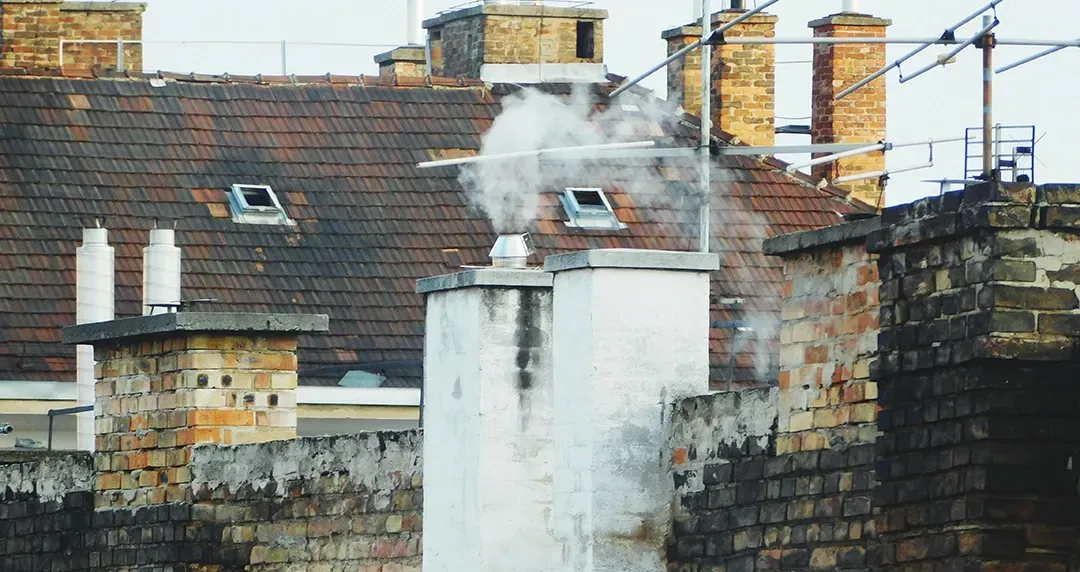
Last spring, I noticed something wasn't quite right when I tried to start my first fire of the season in my South Portland home. Smoke began backing up into my living room, and when I had my flashlight pointed up the chimney, my heart sank – it was packed with soil! As someone who's lived through this nightmare, I want to share my experience and help you understand exactly what you're dealing with.
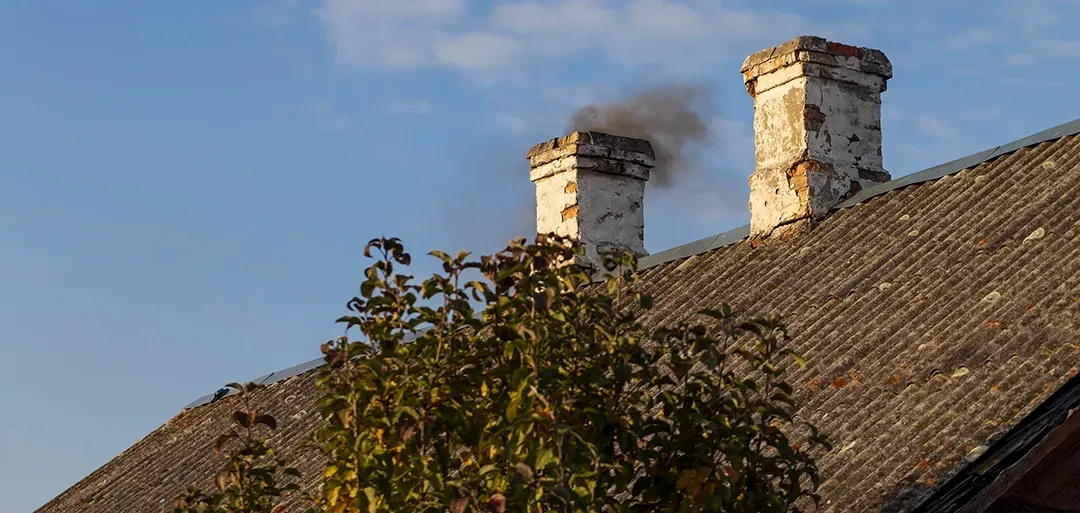
Understanding How Soil Gets into Your Chimney

Living in Maine or New Hampshire means dealing with unique challenges when it comes to chimney maintenance. Our harsh winters and wet springs create perfect conditions for chimney problems. After consulting with professional chimney experts, I learned that soil in chimneys usually comes from:


  1. Deteriorating chimney caps
  2. Animal activity (yes, those industrious squirrels!)
  3. Collapsed internal masonry
  4. Years of debris accumulation


The Hidden Dangers of Soil-Blocked Chimneys


Safety Concerns

When I discovered my soil-filled chimney, I quickly learned about several serious risks:


  • Carbon monoxide buildup
  • Restricted airflow
  • Potential chimney fires
  • Structural weakness


Property Damage Risks

The problems don't stop at safety concerns. A soil-blocked chimney can lead to:


  1. Water damage to surrounding walls
  2. Foundation deterioration
  3. Brick and mortar damage
  4. Interior wall staining

Assessing the Situation

Initial Inspection Tips

When I first discovered my chimney problem, I learned some basic steps for evaluation:


  • Safe Visual Inspection
  • Use a bright flashlight
  • Look for daylight from below
  • Check for moisture around the fireplace
  • Note any odd smells


  • Document Everything
  • Take clear photos
  • Note when you first noticed issues
  • Record any recent weather events
"Never attempt to climb onto your roof or insert cleaning tools into your chimney yourself. What looks like a simple soil blockage could be masking serious structural issues." - Master Chimney Sweep, New England Chimney Association

Professional Assessment

After my initial panic, I contacted certified chimney professionals who checked for:


  • Extent of soil blockage
  • Structural integrity
  • Water damage
  • Masonry condition
  • Cap and crown damage


Solutions and Clean-up Processes

Emergency Steps

If you discover soil in your chimney, here's what I learned to do immediately:


  1. Stop Using the Fireplace
  2. Close the damper
  3. Contact a professional
  4. Document everything for insurance
  5. Check carbon monoxide detectors


Professional Cleaning Methods

The cleanup process typically involves:


Equipment Used:

  • Industrial vacuums
  • Specialized brushes
  • Camera inspection systems
  • Debris collection systems


Process Overview:

  1. Initial camera inspection
  2. Top-down cleaning
  3. Bottom-up cleaning
  4. Debris removal
  5. Final inspection


Timeline Expectations:

  • Simple blockages: 2-4 hours
  • Complex cases: 1-2 days
  • Full restoration: Up to 1 week


Special Considerations for Historic Homes

Living in New England means many of us have historic homes. My neighbor's 1800s colonial required extra care:


  • Historical material preservation
  • Special cleaning techniques
  • Documentation requirements
  • Preservation board approvals


Prevention Strategies

Regular Maintenance Tips

After my experience, I follow this maintenance schedule:


Seasonal Checklist:

  • Spring inspection
  • Summer repairs
  • Fall preparation
  • Winter monitoring


Monthly Checks:

  • Visual inspection
  • Moisture monitoring
  • Cap condition
  • Flashing inspection


Weather Protection

For our harsh Maine and New Hampshire winters, I've learned these protection strategies:


  • Cap Installation
  • Stainless steel construction
  • Custom sizing
  • Professional installation
  • Annual inspection


  • Flashing Maintenance
  • Regular sealing
  • Rust prevention
  • Professional inspection
  • Immediate repairs


Cost Considerations

Cleaning Expenses

Based on my experience and research in the Maine/NH area:


Service TypePrice RangeDurationEmergency Cleaning$300-$6002-4 hoursFull Inspection$150-$3001-2 hoursStructural Repair$1,000-$5,0001-5 daysCap Installation$200-$5001-2 hours


Prevention Investments

Smart investments I've made to prevent future issues:


  • Annual Maintenance Contract
  • Regular inspections
  • Priority service
  • Discount on repairs
  • Peace of mind
  • Quality Materials
  • Stainless steel cap
  • Water repellent treatment
  • Professional-grade sealants


Choosing Professional Help

Qualification Checks

When selecting a chimney service, I recommend checking:

  • CSIA certification
  • Local licenses
  • Insurance coverage
  • References
  • Online reviews


Learn more about our qualifications


Service Standards

Look for companies that provide:

  1. Written inspections
  2. Photo documentation
  3. Clear estimates
  4. Warranty information
  5. Emergency services


Key Takeaways

  • Act quickly when discovering soil in your chimney
  • Always hire certified professionals
  • Invest in prevention
  • Maintain regular inspections
  • Keep documentation
  • Schedule regular maintenance


FAQ Section

Q: How long can I wait before addressing soil in my chimney?

A: Don't wait at all. Contact a professional immediately to prevent safety hazards and additional damage.


Q: Will my homeowner's insurance cover chimney cleaning?

A: It depends on the cause. Document everything and contact your insurance provider promptly.


Q: How often should I have my chimney inspected in Maine/NH?

A: Annual inspections are recommended, with additional checks after severe weather events.


Q: What's the best time for chimney maintenance in New England?

A: Late spring or early summer, after winter damage but before the next burning season.


Q: How can I prevent soil from entering my chimney?

A: Install a quality cap, maintain your crown, and schedule regular inspections with qualified professionals.


Conclusion

Finding soil in your chimney can be scary – I know because I've been there. But with prompt action and professional help, it's a solvable problem. Here in Maine and New Hampshire, our chimneys face unique challenges from our weather and historic architecture. Regular maintenance and quick response to issues are key to keeping your home safe and your chimney functioning properly.


Remember, when it comes to chimney maintenance, investing in prevention is always cheaper than dealing with emergencies. Don't wait until you have smoke backing up into your living room like I did. Schedule a professional inspection today and enjoy your fireplace with peace of mind.


"An ounce of prevention in chimney maintenance saves pounds of cure in repair costs." - New England Chimney Safety Council
By John Constantine February 21, 2026
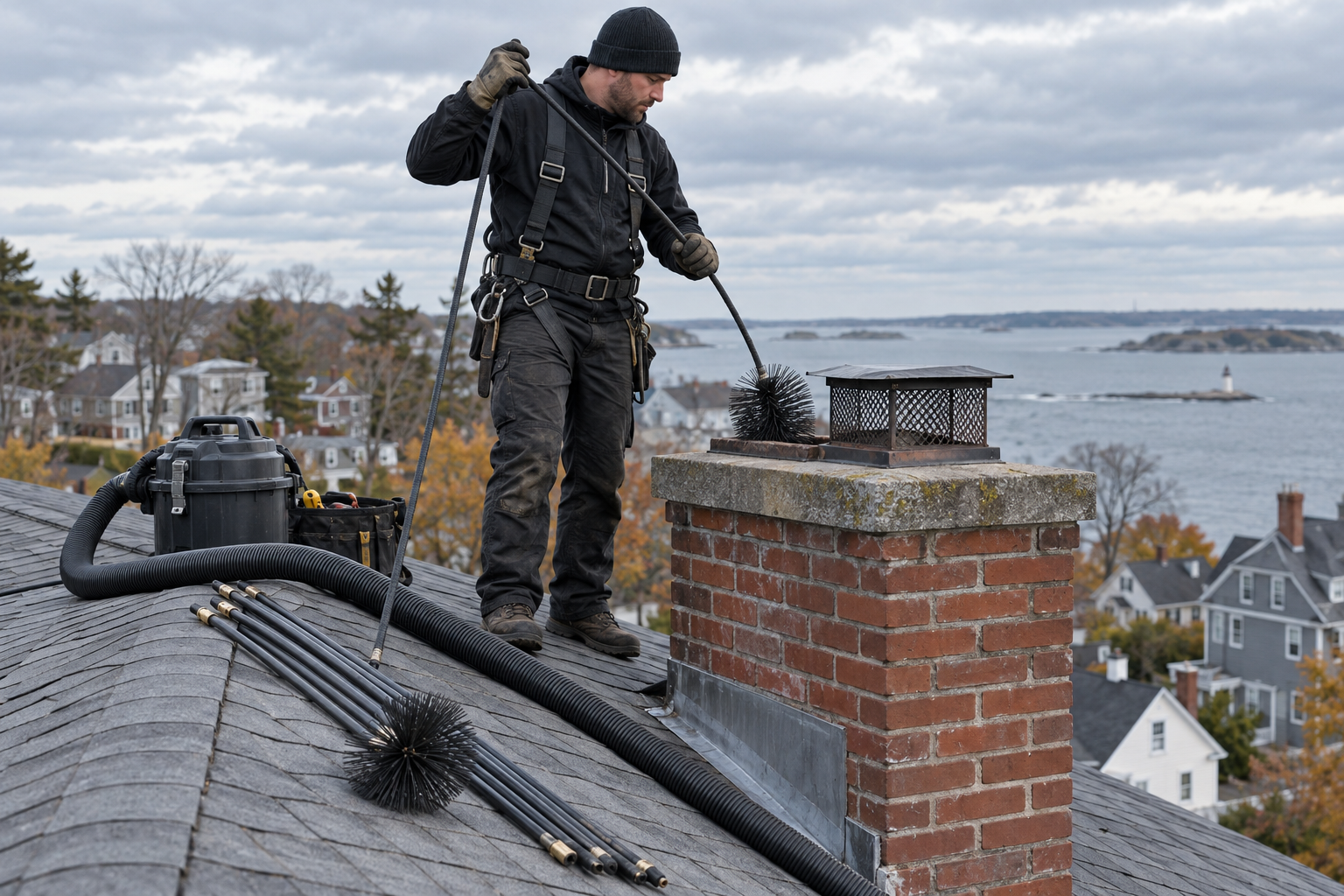
The Atlantic Ocean is beautiful. It also wants to eat your house. If you live in Portland, Maine—whether you’re perched on the windy slope of Munjoy Hill or tucked away in a historic brick colonial in the West End—you know the drill. The salt air creates a corrosive mist, and the freeze-thaw cycles of a New England winter are relentless. Your chimney takes the brunt of this abuse. It stands exposed above the roofline, fighting a war against the elements on four sides, 365 days a year. Eventually, masonry loses that fight. Water intrusion isn't just a nuisance; it’s a structural crisis waiting to happen. By the time you see water stains on your ceiling or bits of orange clay in your firebox, the damage is already deep. Select Chimney Services specializes in fortifying homes against this specific coastal threat. We don't just patch cracks; we engineer solutions that keep the Atlantic out and the warmth in.
By John Constantine February 18, 2026
A roaring fire in the dead of a Maine winter is a necessity, not a luxury. But that cozy glow hides a dirty secret. Every time you toss a log onto the grate, you are initiating a complex chemical reaction that leaves behind more than just ash. Your chimney is a hard-working engine of exhaust, and like any engine, it requires precise maintenance to prevent a catastrophic failure. Neglect it, and you aren't just risking a smoky living room—you are inviting a fire right into the bones of your house. 
By John Constantine February 11, 2026
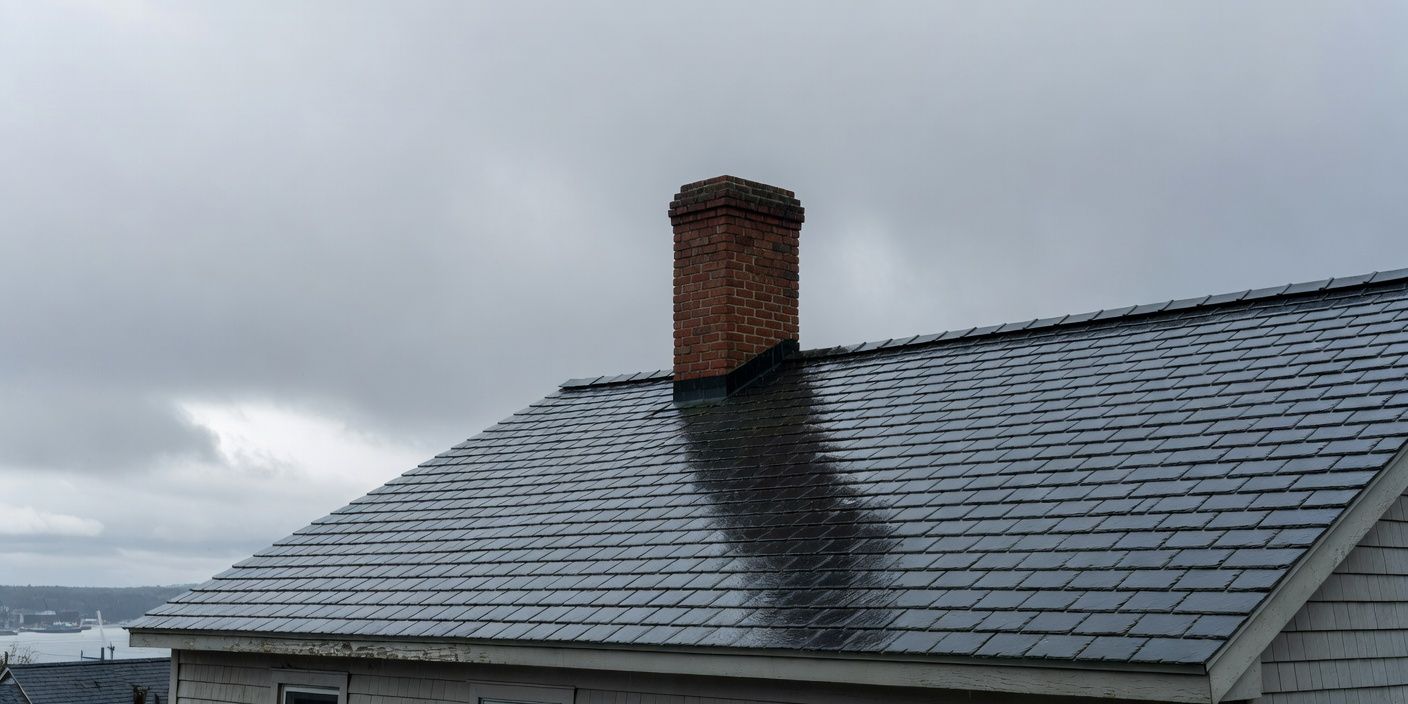
February in Portland is the wrong time to realize your chimney is leaking. Imagine this: It’s 2:00 AM, the wind is howling off Casco Bay, and you hear a rhythmic drip, drip, drip behind your living room wall. You can’t go up there. The roof is a sheet of ice. You’re stuck with a bucket and a growing water stain until the thaw hits. This isn't just a nuisance; it’s structural decay in real-time.  Maine winters are ruthless on masonry. It’s not the snow load that destroys your chimney; it’s the microscopic expansion of water turning into ice. If you own a home in the West End, on Munjoy Hill, or even a newer build out towards Deering Center, your bricks are under attack right now. Prevention isn't about luck. It requires a strategic combination of professional waterproofing, inspection, and the right maintenance schedule.
By John Constantine January 15, 2026
Your chimney is a ticking clock. Every winter fire, every autumn evening spent huddled by the hearth, and every summer storm that lashes against your roof brings it one step closer to a critical failure point. Most homeowners view their fireplace as a static piece of furniture, a cozy backdrop for holiday photos. That perspective is dangerous. A chimney is a complex ventilation engine, a vertical exhaust system that handles extreme temperatures and toxic gases. When it works, it’s invisible. When it fails, it’s catastrophic. That is where local chimney experts step in, transforming a potential fire hazard into a safe, efficient heat source. Fire is a hungry beast. It requires a precise balance of oxygen and draft to function correctly. If your flue is clogged with creosote or obstructed by a bird’s nest, those toxic byproducts of combustion—carbon monoxide, sulfur dioxide, and particulate matter—have nowhere to go but back into your living room. You wouldn't drive a car for five years without an oil change. Why would you light a fire in a structure that hasn’t seen a professional chimney inspection in a decade? It’s a gamble with your home, your family, and your life.
By John Constantine January 6, 2026
There is something primal and deeply comforting about the crackle of a wood-burning fireplace. It is the centerpiece of the home, a source of warmth during the biting winter months, and a gathering spot for families. However, behind the dancing flames lies a complex system of physics that most homeowners take for granted until something goes wrong. That system is governed by the chimney draft . At Select Chimney Services , we have spent decades educating homeowners on the fact that a fireplace is not just a stone box for fire; it is a sophisticated ventilation machine. If the draft is weak, your home fills with smoke. If it is too strong, you waste fuel and lose heat. Understanding the "hidden power" of your chimney draft is the difference between a cozy evening and a hazardous living environment.
By John Constantine December 30, 2025
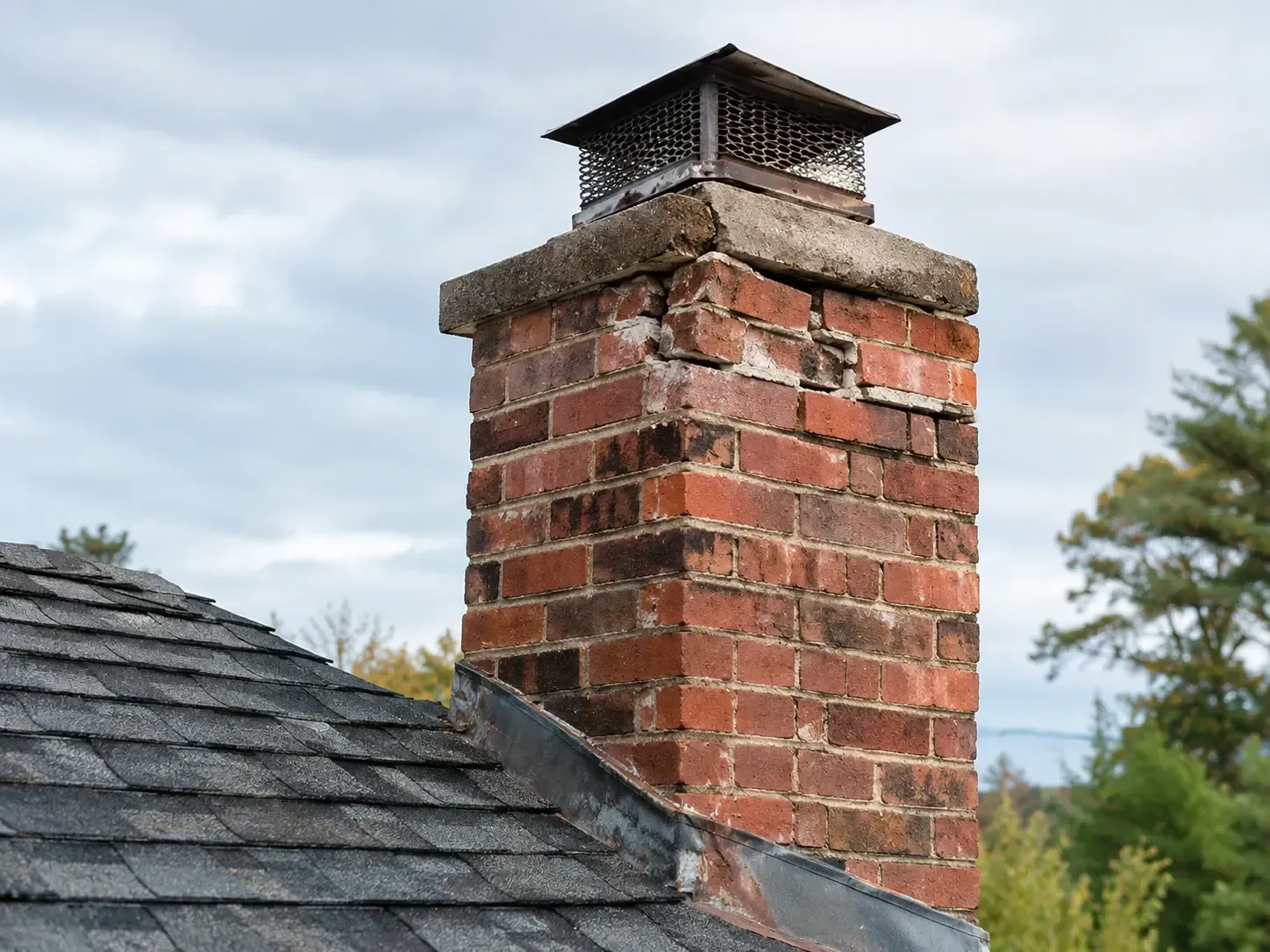
In Portland, we're no strangers to rain. The persistent drizzle and seasonal downpours are part of our city's charm, nurturing the lush greenery that defines the Pacific Northwest. But what's good for our gardens can be a relentless enemy to our homes, especially to one of its most exposed and often-overlooked features: the chimney. It stands tall against the elements, a stoic guardian of our hearth. Yet, a single, almost invisible crack in its masonry can become an open invitation for water, leading to a cascade of damage that can compromise your home's structural integrity and your family's health.  Many Portland homeowners might dismiss a small crack in their chimney as a minor cosmetic issue, something to be dealt with 'later.' However, here at Select Chimney Services , we've seen firsthand how this seemingly insignificant flaw can escalate into a catastrophic problem. Understanding the journey of water from a tiny fissure to major interior damage is the first step in protecting your investment and ensuring your home remains a safe, dry sanctuary.
By John Constantine December 23, 2025
Your chimney stands as a silent sentinel, guarding your home against the elements while providing warmth and comfort. But like any part of your home, it's susceptible to wear and tear. Over time, the constant exposure to rain, wind, and fluctuating temperatures can take a toll on its structural integrity. Ignoring the warning signs can lead to costly repairs, water damage, and even a catastrophic collapse. Here at Select Chimney Services, we want to help you recognize when your chimney is crying out for help.
By John Constantine December 17, 2025
Your chimney stands as a silent guardian for your home. It’s a prominent feature, dutifully venting smoke and fumes, but it’s often overlooked until a problem becomes too obvious—and expensive—to ignore. Like any critical part of your home's structure, your chimney communicates its health through subtle and not-so-subtle signs. Ignoring these warnings can lead to significant structural damage, water leaks, and even fire hazards. Are you seeing fine lines spreading across the mortar? Does the entire structure seem to be tilting slightly? Have you noticed a chalky white substance appearing on the bricks? These aren't just cosmetic blemishes; they are your chimney's way of crying out for help. Here at Select Chimney Services , we believe that understanding these signals is the first step toward protecting your home and family. This comprehensive guide will help you decode what your chimney is trying to tell you about its condition.
By John Constantine December 9, 2025
When you think of essential home maintenance, the annual chimney sweep likely comes to mind. It’s a task associated with precision, safety, and deep expertise. You wouldn’t trust just anyone to handle the flue that protects your family from fire and carbon monoxide. It requires a professional who understands the intricate systems at play. But what about the system that protects your entire home from its most persistent enemy—water? We’re talking about your gutters. Too often, gutter maintenance is relegated to a weekend chore, a task for a handyman, or worse, completely ignored. This is a critical oversight. The truth is, professional gutter care demands the same level of meticulous attention and diagnostic skill as chimney sweeping. Here at Select Chimney Services , we’ve built our reputation on a foundation of thoroughness and safety for your chimney systems. We apply that exact same philosophy to gutter care, because we know that protecting your home requires a holistic approach, from the foundation to the rooftop.
By John Constantine December 4, 2025
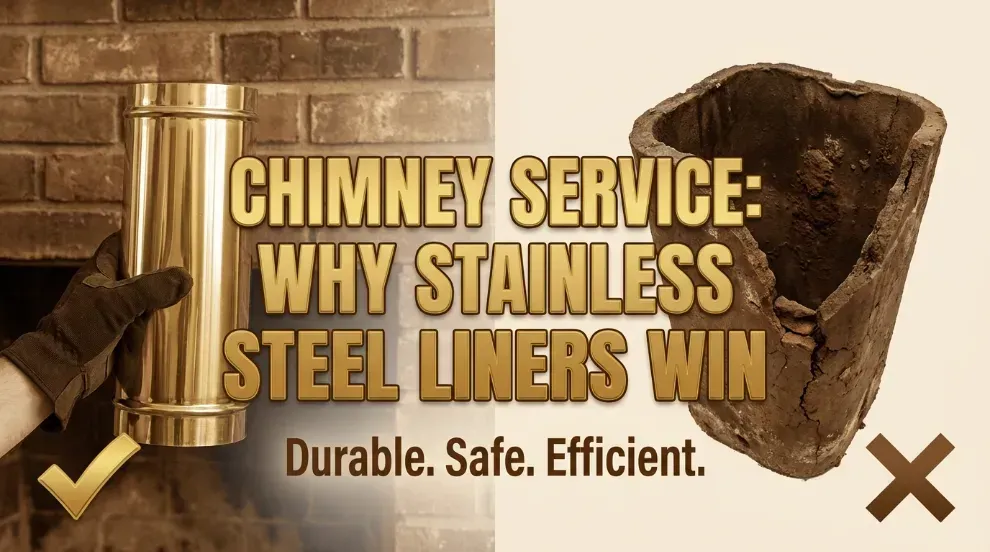
A safe and efficient chimney is a cornerstone of a cozy home, especially when the weather turns chilly. One of the most critical components for ensuring that safety and efficiency is the chimney liner. Over time, original clay tile liners can crack and deteriorate, creating potential hazards. Here at Select Chimney Services, we often recommend a stainless steel chimney liner installation as a durable, long-lasting solution. This guide will walk you through what to expect during the installation process, helping you understand why it's a smart investment for your home.