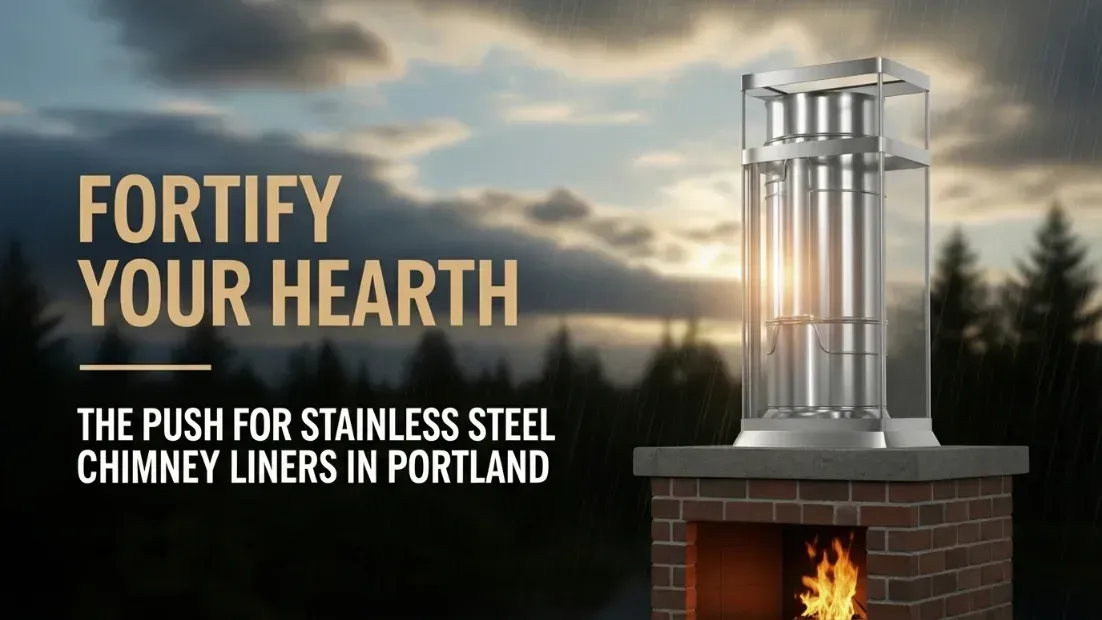
Fortify Your Hearth: The Push for Stainless Steel Chimney Liners in Portland
Winter in Portland hits hard. The wind whipping off Casco Bay forces us inside. We strike a match. We light the fire. But behind the brick and mortar of your cozy hearth lies a hidden threat. Most historic chimneys in Maine are quietly failing.
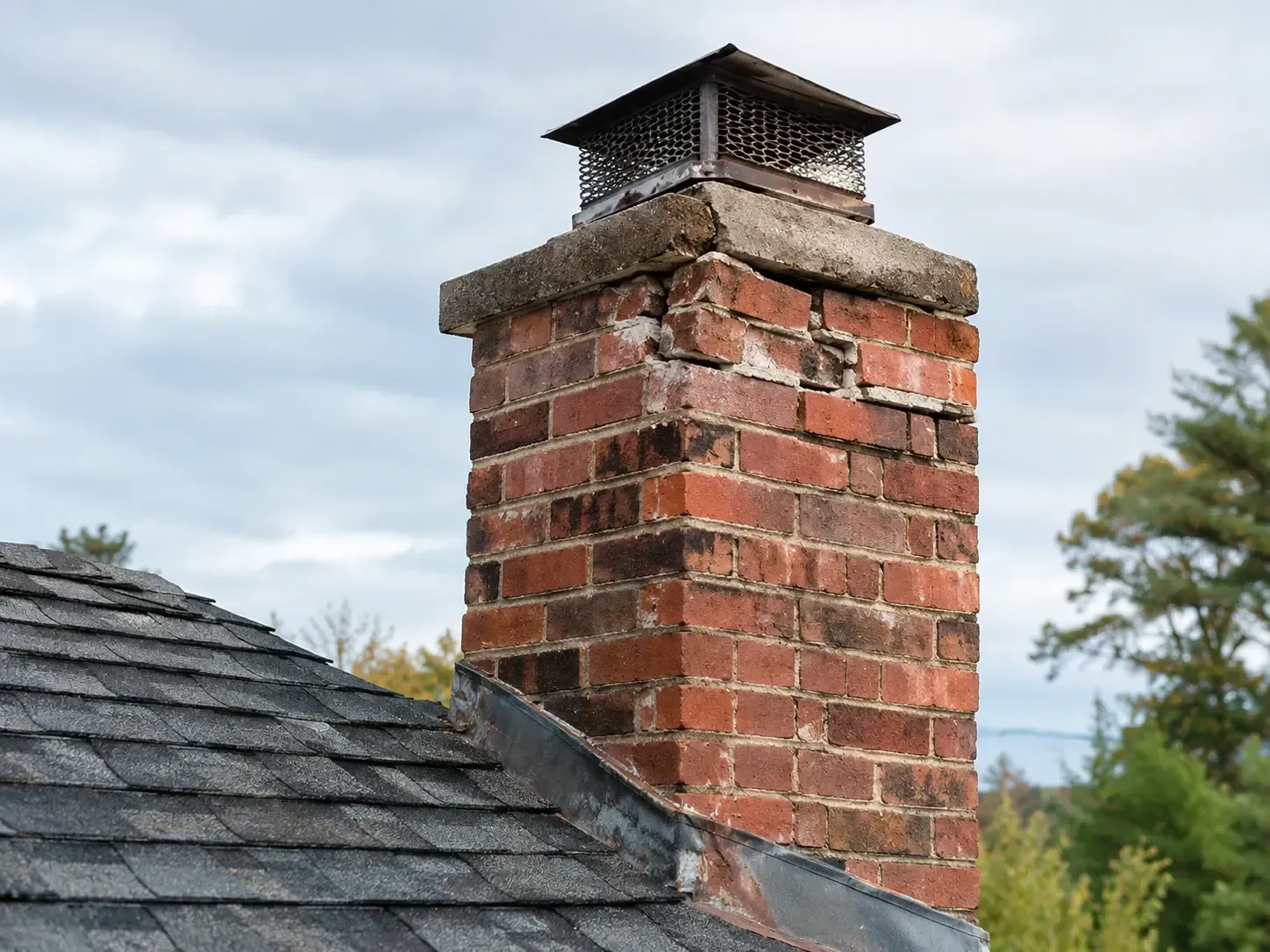
Clay liners crack. Mortar crumbles into dust. Decades of harsh New England weather take a massive toll on masonry. Ignoring this deterioration isn't just a home maintenance oversight. It is a house fire waiting to happen.
You need an upgrade. Specifically, you need a stainless steel chimney liner. Let's cut through the noise and look at exactly why homeowners from the West End to Munjoy Hill are ditching outdated clay flues and calling in the experts at
Select Chimney Services.
The Fatal Flaw of Traditional Clay Liners
Drive through Portland's historic neighborhoods. You will see gorgeous, century-old brick chimneys. They look sturdy. They are not. The original builders lined these chimneys with terracotta clay tiles. At the time, it was the best material available. Today, we know better.
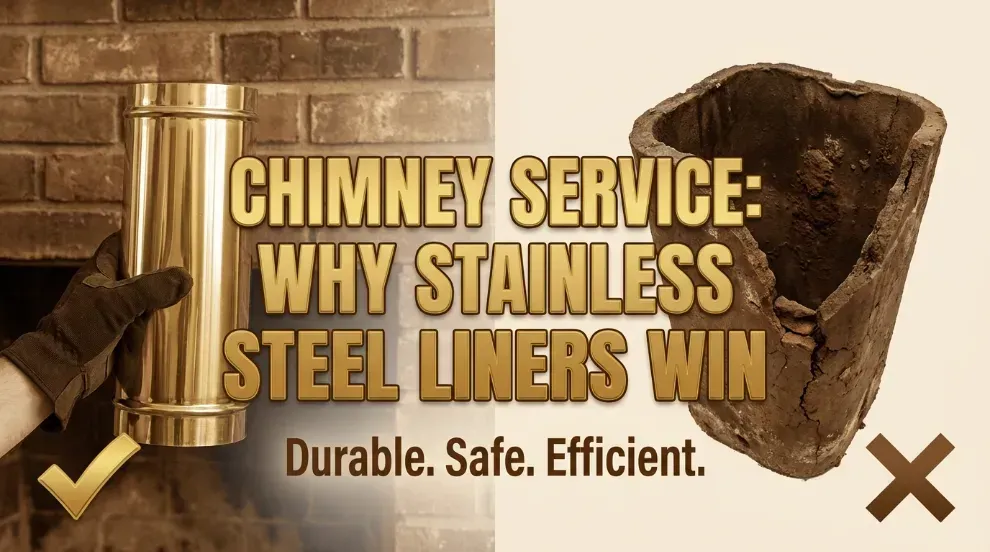
Clay is highly porous. It absorbs moisture. Maine's notorious freeze-thaw cycle turns that trapped moisture into ice, which expands and shatters the clay from the inside out. Once a clay tile cracks, the safety of your home is entirely compromised.
A breached liner allows superheated flue gases to escape into the combustible framing of your house. It also allows deadly carbon monoxide to seep into your living room. The Centers for Disease Control and Prevention (CDC) warns that carbon monoxide is entirely invisible and odorless. You won't smell a leak. You won't see it. You will simply go to sleep.
Why Stainless Steel is the Ultimate Solution
Stainless steel liners are the definitive fix. They do not crack under intense heat. They do not absorb moisture. They are practically invincible.
When you burn wood, the byproduct is smoke, water vapor, and highly acidic compounds. As these gases travel up a cold chimney, they condense into creosote. Creosote is highly flammable. It is the primary fuel for chimney fires. According to the National Fire Protection Association (NFPA), heating equipment is a leading cause of home fire deaths, heavily driven by unmaintained chimneys.
A heavy-duty stainless steel liner—typically crafted from 304 or 316-grade alloy—resists this acidic corrosion. Furthermore, these liners are usually wrapped in high-temperature ceramic insulation before installation. This insulation keeps the flue gases hot all the way to the top of the chimney. Hotter gases mean less condensation. Less condensation means significantly less creosote buildup.
It is simple physics. Better draft, cleaner burns, safer homes. The Environmental Protection Agency's Burn Wise program continually emphasizes that a properly drafted, insulated chimney is critical for reducing harmful emissions and preventing dangerous creosote accumulation.
The Role of Professional Chimney Sweep and Repair Services
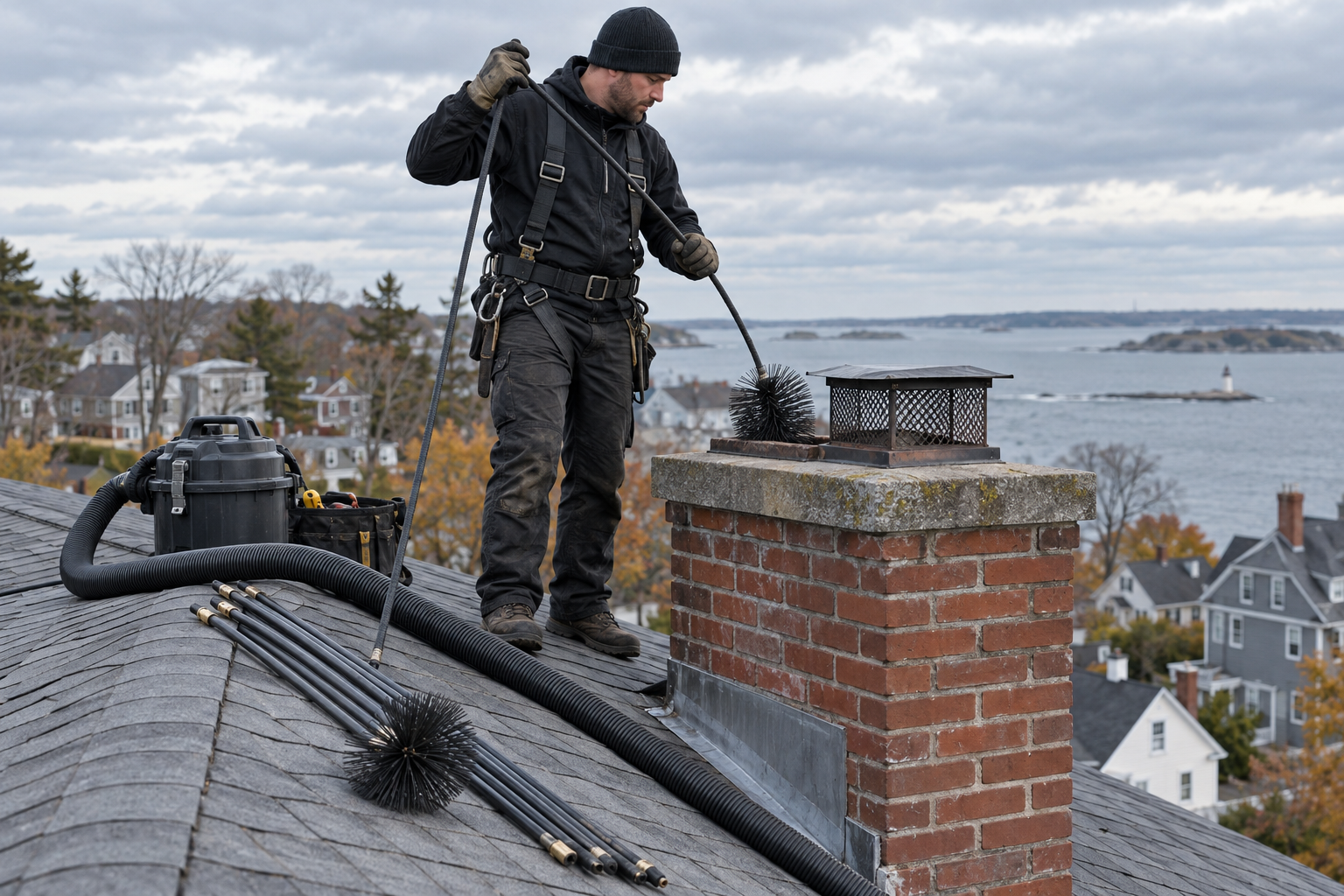
Do not attempt to install a chimney liner yourself. This is not a weekend DIY project. It requires specialized equipment, an intimate understanding of thermodynamics, and strict adherence to local Portland building codes.
Sourcing top-tier Professional Chimney Sweep and Repair Services is the only way to guarantee the job is done right. An incorrectly sized liner is actually more dangerous than having no liner at all. If the liner is too large, the gases cool too fast. If it is too small, the fireplace will choke, spilling smoke backward into your home.
This is where Select Chimney Services dominates the market. They don't just sweep chimneys. They engineer safety systems. When their technicians arrive at a home in Deering Center, they conduct a rigorous Level 2 video inspection. They drop a high-definition camera down the flue to map out every crack, missing mortar joint, and dangerous blockage. They diagnose the problem with clinical precision before recommending a custom-fabricated stainless steel solution.
Combating the Maine Freeze-Thaw Cycle
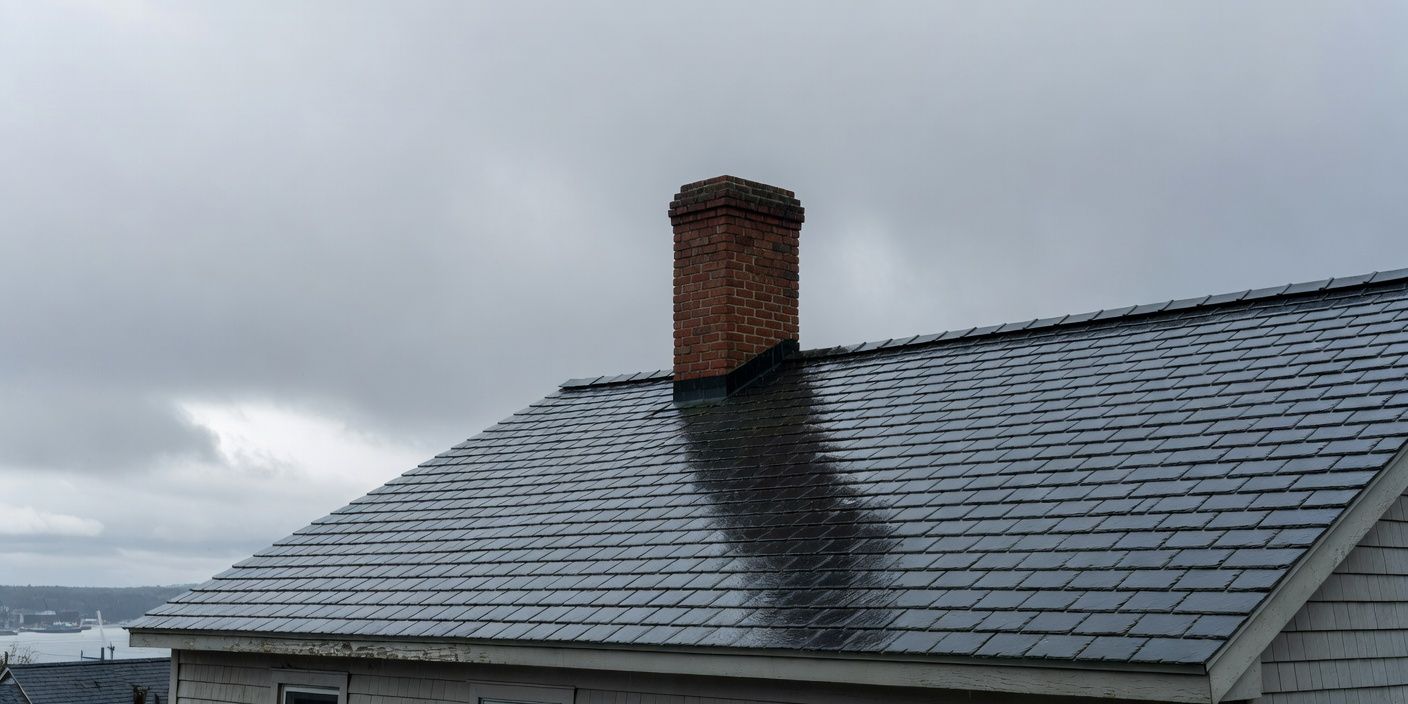
Portland weather is uniquely brutal on masonry. One day it is raining; the next night it drops to ten degrees. This rapid fluctuation is the enemy of your chimney.
Water enters the brickwork. It freezes. It expands by 9%. This hydraulic pressure literally blows the faces off bricks and grinds mortar into sand. When you rely on a clay liner, this structural shifting snaps the rigid terracotta.
Stainless steel liners are corrugated and flexible. As the chimney shifts slightly with the seasons, the steel bends without breaking. It provides an unbroken, continuous exhaust tube from the firebox straight up to the chimney cap. It isolates the dangerous combustion gases from the vulnerable masonry shell.
The Chimney Safety Institute of America (CSIA) explicitly recommends stainless steel liners for their durability and ability to safely contain chimney fires. If a fire does break out inside a properly insulated steel liner, the flames are contained. The heat does not transfer to the wooden framing of the house. The home survives.
Select Chimney Services: Portland's Trusted Authority
Trust matters. When dealing with fire inside your living room, you cannot afford to hire amateurs. Select Chimney Services has built an ironclad reputation in Portland by refusing to cut corners. They use exclusively UL-listed materials. Their technicians are highly trained. They understand the specific architectural quirks of coastal Maine homes. They know exactly how the drafting dynamics change when the harsh Nor'easters blow in from the Atlantic. Choosing them means choosing peace of mind. It means knowing that when you light that first fire in December, your family is completely protected.
Protecting your property starts with a simple evaluation. Look at your chimney. If you haven't had it inspected in the last twelve months, you are flying blind. According to the U.S. Fire Administration (USFA), the majority of winter fires are entirely preventable with basic professional maintenance.
Make the call. Upgrade the liner. Enjoy the winter.
Frequently Asked Questions
What are the signs I need a new chimney liner?
Signs of a failing liner include crumbling bits of clay in your firebox, a sudden decrease in drafting efficiency, smoke backing up into your living room, or a foul, campfire-like odor when the fireplace is not in use. A professional video inspection will confirm the damage.
How long do stainless steel chimney liners last?
High-quality stainless steel liners, specifically those made from 316-grade alloy, generally come with a lifetime warranty. When properly maintained and cleaned annually by certified professionals, a stainless liner will outlast the mortar and brick of the chimney itself.
Can I install a stainless steel chimney liner myself?
No. Installing a liner requires specialized sizing calculations, heavy-duty winches, high-temperature insulation wrapping, and strict adherence to fire safety codes. Incorrect installation can result in lethal carbon monoxide leaks or catastrophic house fires. Always hire certified technicians.
How often should I call Professional Chimney Sweep and Repair Services?
You should schedule an inspection and sweeping at least once a year, ideally in the late summer or early fall before the heating season begins. If you burn more than a cord of wood annually, you may require cleanings twice a year.
Does a new liner improve fireplace efficiency?
Yes. A properly sized and insulated stainless steel liner drastically improves drafting. It keeps flue gases hotter, which pulls more oxygen into the firebox. This results in a hotter, cleaner burn, producing more heat for your home and significantly less creosote buildup.