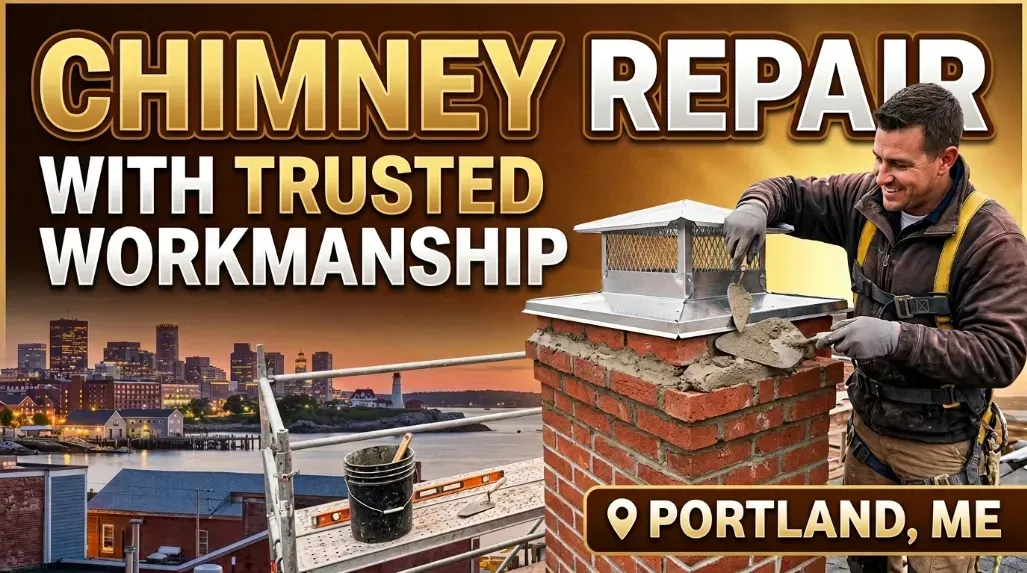
From Repair to Removal: Chimney Tuckpointing and Demolition Services in Portland, Maine for Homes and Commercial Properties
Chimneys are an essential part of many properties across Portland, Maine, especially in older homes and buildings that rely on fireplaces for warmth and comfort during long winters. Over time, exposure to harsh weather, moisture, and temperature fluctuations can weaken chimney masonry, leading to cracks, crumbling mortar, and structural instability.
Whether you need chimney tuckpointing to restore your masonry or complete chimney demolition for safety, understanding your options is key. This guide is tailored for homeowners, real estate professionals, commercial property owners, and owners of older homes in Portland looking for reliable, local solutions
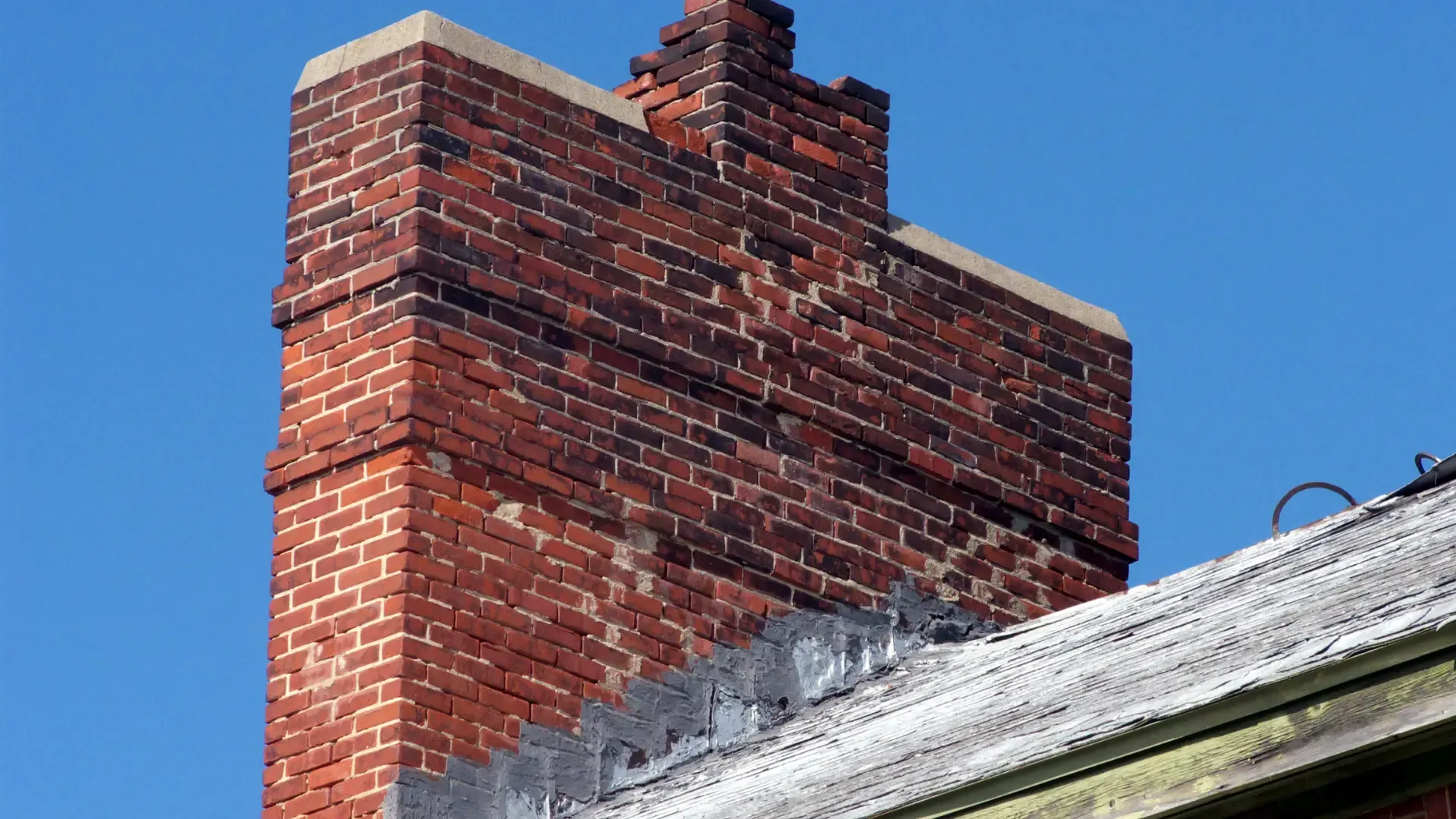
Why Chimney Maintenance Matters in Portland, Maine
Portland’s coastal climate brings:
- Heavy rain and snow
- Freeze-thaw cycles
- Moisture penetration
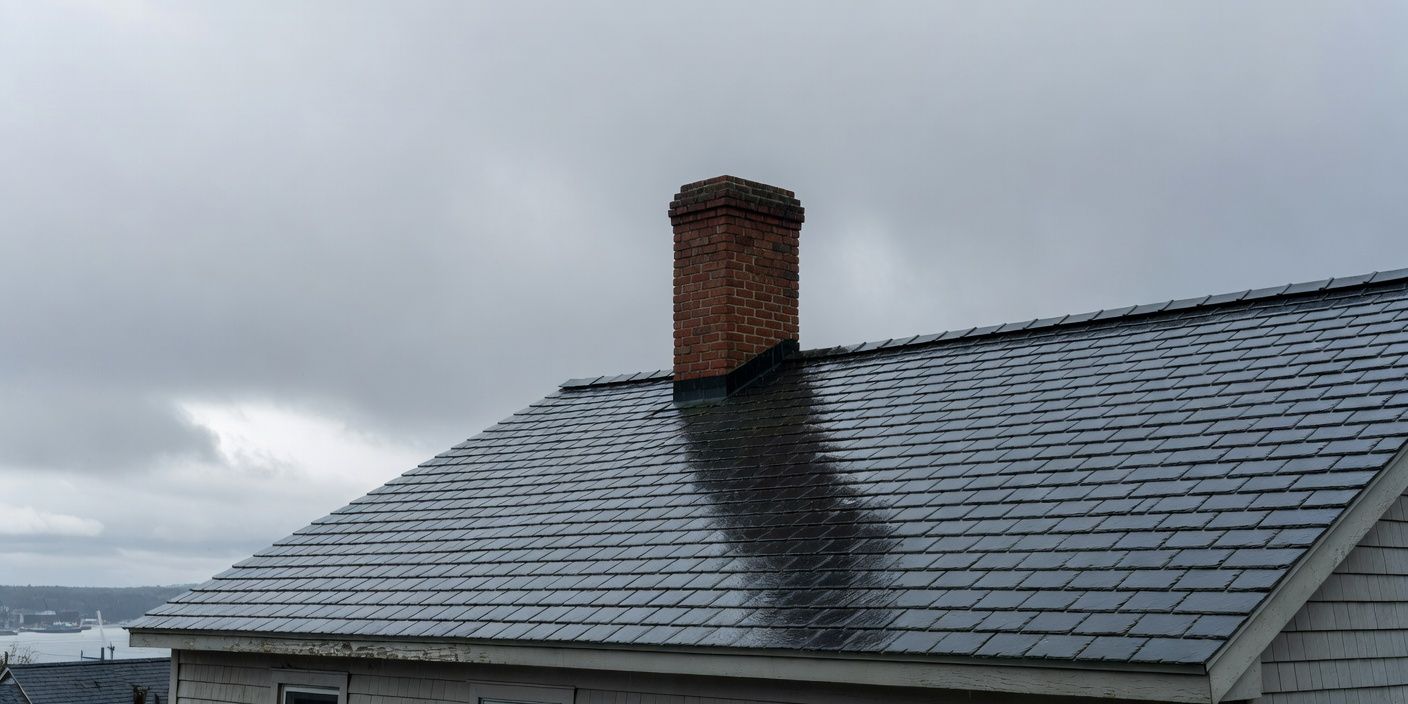
These conditions accelerate chimney deterioration, making regular maintenance and timely repairs essential to prevent:
- Structural damage
- Water leaks
- Fire hazards
- Expensive long term repairs
Chimney Tuckpointing vs. Demolition: What’s the Difference?
| Service | What It Involves | Best For | Benefits |
|---|---|---|---|
| Chimney Tuckpointing | Removing damaged mortar and replacing it with fresh mortar | Minor to moderate damage | Restores strength, improves appearance, extends lifespan |
| Chimney Demolition | Partial or full removal of a chimney structure | Severe damage or unused chimneys | Eliminates safety risks, prevents collapse, allows renovation |
| Spot Repairs | Fixing isolated cracks or joints | Early-stage issues | Cost-effective maintenance |
| Structural Rebuild | Rebuilding sections of chimney | Major but repairable damage | Long-term durability |
What is Chimney Tuckpointing?
Tuckpointing is the process of:
- Removing deteriorated mortar joints
- Replacing them with new, durable mortar
- Sealing gaps to prevent water intrusion
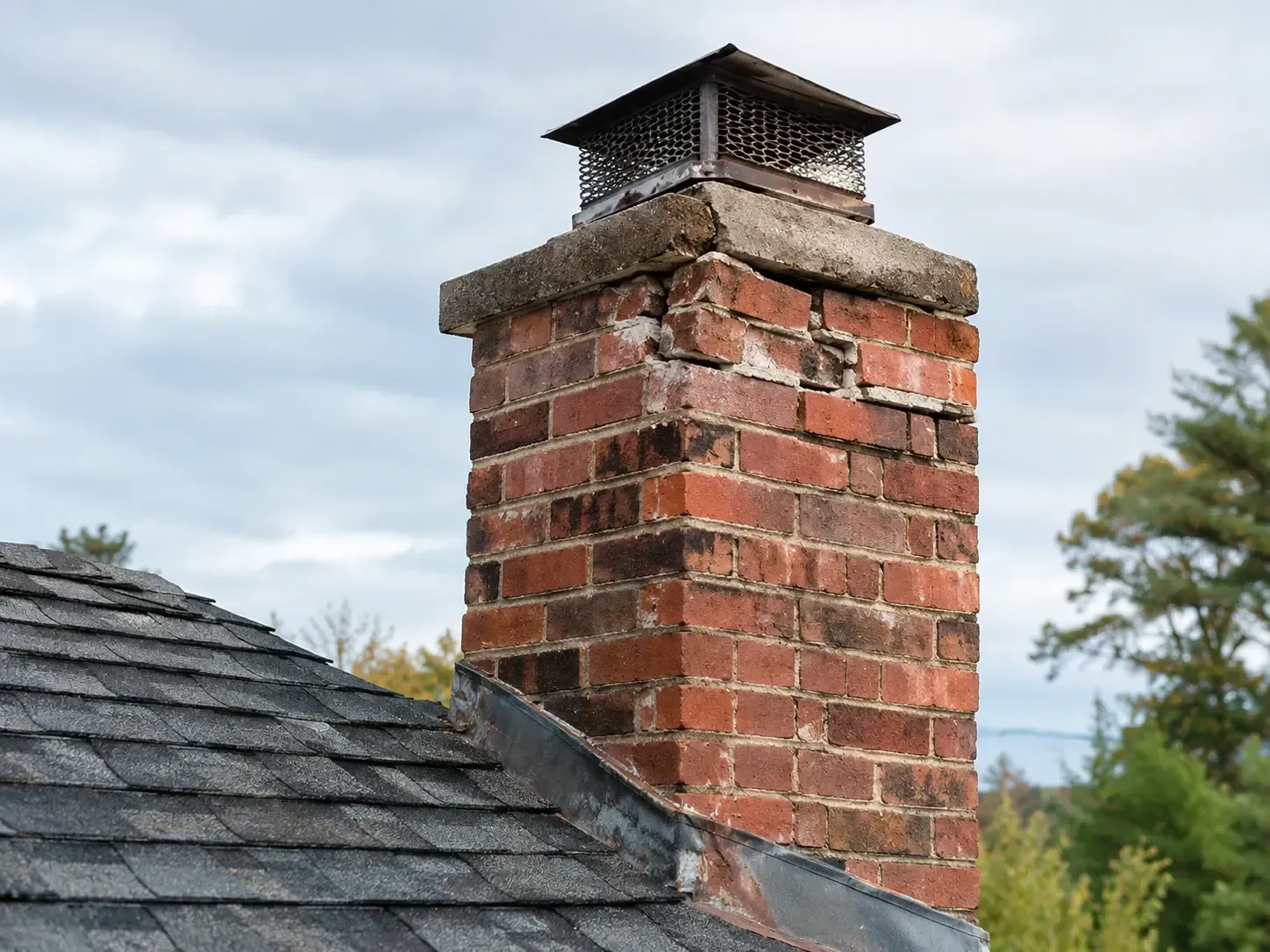
Signs You Need Tuckpointing:
- Cracked or missing mortar joints
- Loose bricks
- White staining (efflorescence)
- Water leaks near chimney walls
Why It’s Important:
For older homes in Portland, tuckpointing helps preserve original masonry while preventing further damage caused by moisture and freezing temperatures.
When is Chimney Demolition Necessary?
In some cases, repairs are no longer enough. Chimney demolition becomes the safest and most cost-effective option.
Signs You May Need Demolition:
- Leaning or unstable chimney structure
- Severe cracking throughout masonry
- Chimney separating from the house
- Extensive water damage or interior leaks
- Chimney no longer in use
Types of Demolition Services:
- Partial demolition (removing top sections)
- Full chimney removal
- Interior chimney removal for renovations
Services for Different Property Types
Homeowners (Core Audience)
- Maintain chimney safety for family use
- Prevent costly repairs and fire risks
- Preserve home value
Real Estate Agents & Buyers/Sellers
- Pre-sale chimney inspections and repairs
- Fast tuckpointing or removal before closing
- Improve property appeal and compliance
Small Commercial Property Owners
- Ensure building code compliance
- Maintain safe heating systems
- Avoid business interruptions
Older Home Owners
- Restore aging chimney structures
- Preserve historic charm with tuckpointing
- Replace unsafe chimneys when necessary
Why Choose Local Chimney Experts in Portland, Maine?
Hiring a local chimney specialist ensures:
- Knowledge of Portland’s weather impact on masonry
- Familiarity with local building codes
- Faster response times for urgent issues
- Tailored solutions for historic and coastal properties
Cost Factors for Tuckpointing & Demolition
Pricing depends on:
- Chimney size and height
- Extent of damage
- Accessibility (roof pitch, location)
- Materials required
- Labor and safety requirements
Early tuckpointing is significantly more affordable than full demolition or rebuild.
Frequently Asked Question
Will tuckpointing change the appearance of my chimney?
No, when done properly, it matches existing masonry and often improves the overall look of your chimney.
How long does a chimney last after tuckpointing?
With proper maintenance, a well-tuckpointed chimney can last 15–25 years, depending on weather exposure, fireplace usage, and quality of materials.
Is tuckpointing covered by homeowners insurance?
Typically, insurance covers sudden damage (like storms) but not normal wear and tear. Regular maintenance like tuckpointing is usually the homeowner’s responsibility.
Can chimney tuckpointing prevent water leaks?
Yes! Replacing deteriorated mortar seals gaps and prevents rain or melting snow from seeping into masonry, protecting your home from water damage.