Why Stainless Steel Chimney Liners Are a Smart Upgrade for Older Homes and Fireplaces in Portland, Maine

March 12, 2026

Homes throughout Portland, Maine are known for their historic charm, classic brick construction, and traditional fireplaces. Many houses in neighborhoods across the city were built decades ago, and while these fireplaces add warmth and character, their chimneys may not always meet modern safety standards. One of the most effective upgrades for improving chimney performance and safety is installing a stainless steel chimney liner.

For homeowners, landlords, and property managers in Portland, Maine, upgrading to a stainless steel liner can help protect the chimney structure, improve fireplace efficiency, and reduce potential fire hazards. Whether you own a historic home, manage rental properties, or simply rely on a fireplace during Maine’s cold winters, chimney liner upgrades can provide long-term benefits.

Understanding Chimney Liners and Their Purpose

A chimney liner is a protective layer installed inside a chimney flue. Its purpose is to safely channel smoke, gases, and heat from the fireplace or wood stove to the outside while protecting the chimney walls from damage.

In many older homes across Portland, Maine, chimneys were originally built with clay tile liners or sometimes without any liner at all. Over time, these materials can crack, deteriorate, or become inefficient. Stainless steel liners provide a modern solution designed to improve safety and performance.

Professional chimney specialists often recommend stainless steel liners when repairing or upgrading older chimney systems because they are durable, corrosion resistant, and compatible with a variety of heating appliances.


Why Older Homes in Portland Often Need Chimney Liner Upgrades

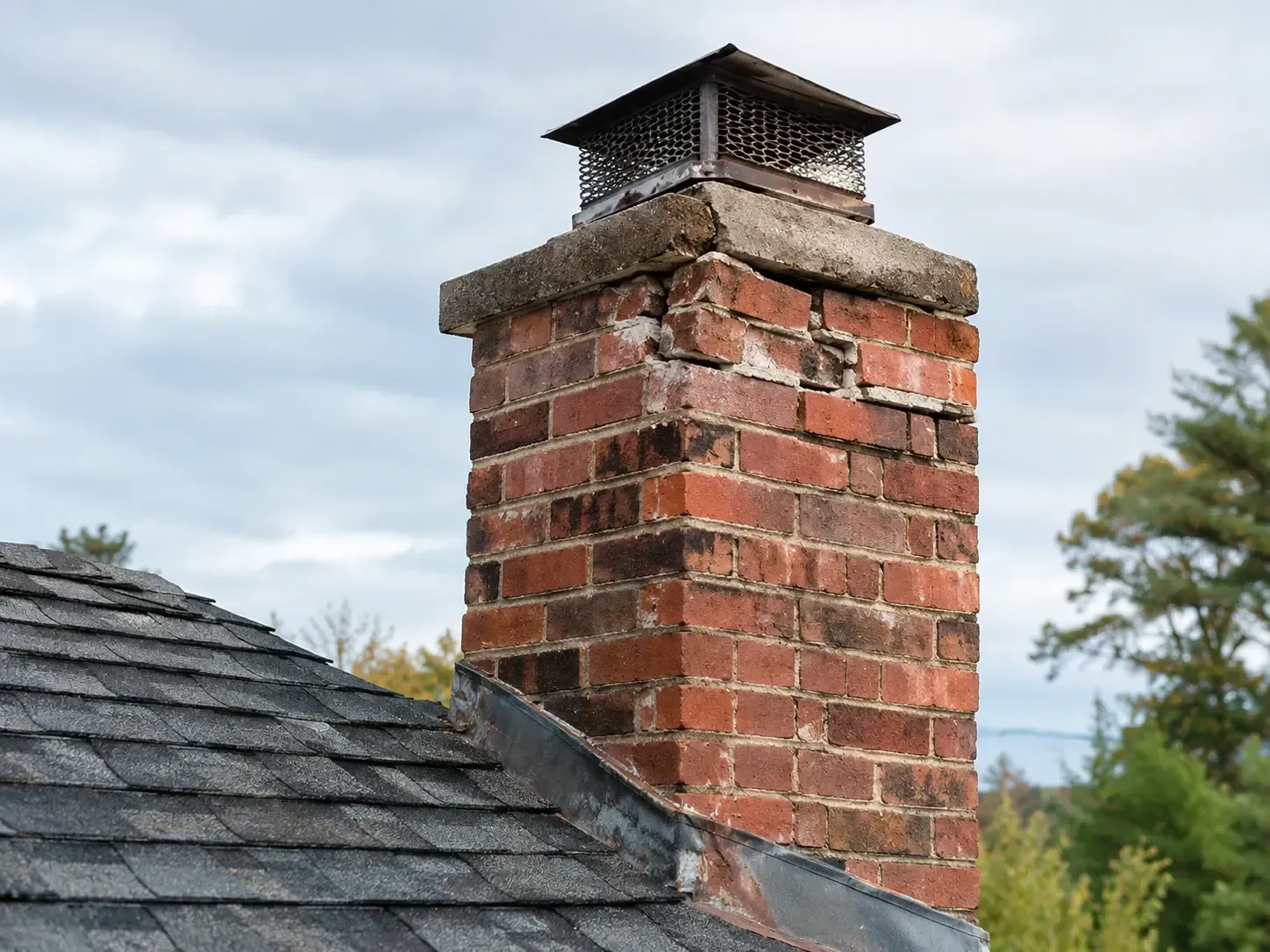
Historic homes and older properties in Portland, Maine frequently experience chimney issues due to age and environmental factors. Maine’s climate includes freezing winters, heavy snowfall, and moisture exposure, which can gradually damage masonry chimneys.

Some common problems include:

  • Cracked clay liners
  • Chimney leaks caused by deteriorated masonry
  • Poor ventilation in outdated chimney systems
  • Creosote buildup from wood-burning fireplaces
  • Structural damage from freeze-thaw cycles

Installing a stainless steel liner helps reinforce the chimney system while improving safety and airflow.

Benefits of Stainless Steel Chimney Liners

1. Improved Fire Safety

One of the most important benefits of stainless steel chimney liners is enhanced fire protection. When creosote builds up inside a chimney, it can ignite and cause chimney fires. A stainless steel liner helps contain high temperatures and reduce the risk of structural damage.

For homeowners in Portland, Maine who rely on wood-burning fireplaces or stoves during the winter, this upgrade provides an extra layer of safety.

2. Protection for Older Brick Chimneys

Many historic homes in Portland, Maine feature brick chimneys that were built decades ago. While brick structures are durable, they can gradually weaken due to moisture, heat exposure, and aging mortar.

A stainless steel liner acts as a protective barrier inside the chimney flue, preventing corrosive gases and heat from damaging the masonry walls.

3. Better Ventilation and Fireplace Efficiency

Proper airflow is essential for any fireplace or heating appliance. Older chimneys may not be sized correctly for modern wood stoves or heating systems.

A stainless steel liner improves draft and ventilation, allowing smoke and gases to exit the chimney more efficiently. This helps fireplaces burn cleaner and operate more effectively, especially during the cold winters in Portland, Maine.

4. Long Term Durability

Stainless steel liners are known for their strength and durability. Unlike clay liners that can crack over time, stainless steel is resistant to corrosion and high temperatures.

With professional installation and routine maintenance, these liners can last for decades. This makes them a cost-effective investment for homeowners and property managers in Portland, Maine who want long-term chimney reliability.

5. Compatibility with Modern Heating Systems

Many homeowners in Portland, Maine upgrade their heating appliances over time, such as installing wood stoves or high-efficiency fireplaces.

Stainless steel chimney liners are versatile and compatible with various heating systems, making them ideal for modern upgrades in older homes.


Comparison: Traditional Chimney Liners vs Stainless Steel Liners


Feature Traditional Clay Tile Liners Stainless Steel Chimney Liners
Durability Can crack over time Highly durable and corrosion-resistant
Installation Built into chimney structure Can be installed inside existing chimneys
Safety Vulnerable to damage and creosote buildup Better heat resistance and fire protection
Maintenance May require frequent repairs Long-lasting with minimal repairs
Compatibility Limited appliance compatibility Works with fireplaces, stoves, and modern systems

Why Property Managers and Landlords Should Consider Chimney Liner Upgrades

Property managers and landlords in Portland, Maine are responsible for maintaining safe living environments for tenants. Chimney liner upgrades help reduce potential hazards associated with older fireplaces and heating systems.

Benefits for rental properties include:

  • Improved tenant safety
  • Reduced maintenance issues
  • Compliance with modern safety standards
  • Increased property value

For landlords managing older rental homes, installing stainless steel chimney liners can help prevent costly chimney repairs in the future.


The Importance of Professional Chimney Inspections

Before installing a stainless steel chimney liner, it is important to have a professional chimney inspection. Experts evaluate the condition of the chimney structure, identify cracks or blockages, and determine the appropriate liner size for the heating appliance.

Regular chimney inspections and cleaning services are recommended for homeowners and property managers in Portland, Maine to ensure that fireplaces remain safe and functional throughout the year.


Maintaining Your Chimney Liner

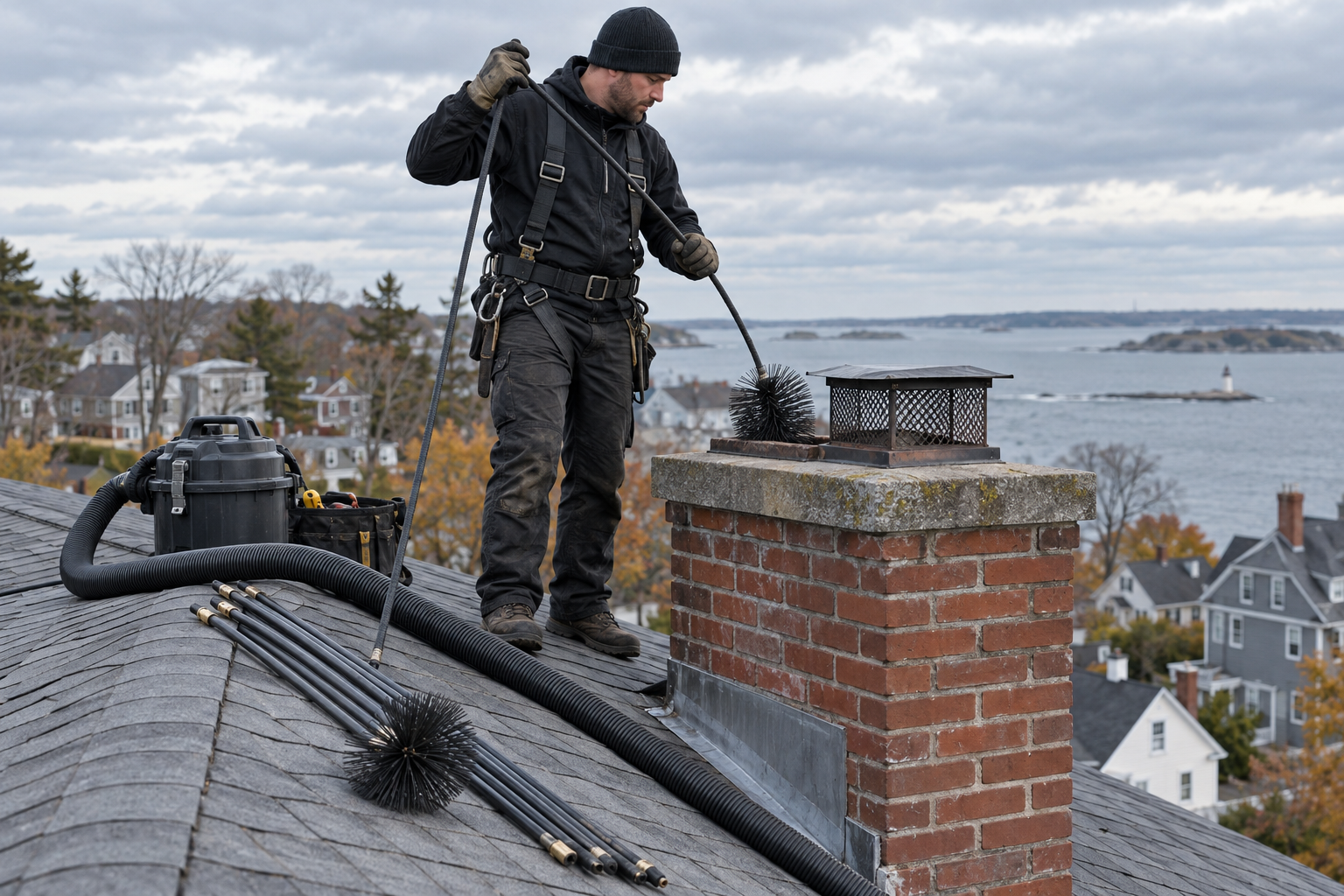
Even though stainless steel liners are highly durable, proper maintenance is still necessary. Routine chimney sweeping and inspections help remove creosote buildup and detect potential problems early.

Typical maintenance recommendations include:

  • Annual chimney inspections
  • Professional chimney sweeping
  • Monitoring for signs of leaks or masonry damage
  • Ensuring proper fireplace operation

Consistent maintenance helps homeowners in Portland, Maine keep their chimneys working safely and efficiently.


Frequently Asked Questions

  • Are stainless steel chimney liners resistant to corrosion from Maine’s climate?

    Yes. Stainless steel liners are highly corrosion-resistant, which is ideal for Portland’s cold winters, snow, and moisture that can damage older masonry chimneys.

  • How long does it take to install a stainless steel chimney liner?

    Installation usually takes 1–3 hours, depending on the chimney’s height, type, and the heating appliance being used. Larger or multi-flue chimneys may take longer.

  • Will a stainless steel liner increase the resale value of my home?

    Yes. Upgrading to a stainless steel liner demonstrates proactive maintenance and improved safety, which can increase home value and appeal to buyers.

  • Do stainless steel liners help reduce creosote buildup?

    Yes. Smooth stainless steel surfaces reduce creosote adherence, making chimneys safer and easier to maintain with regular sweeps.
By John Constantine March 18, 2026
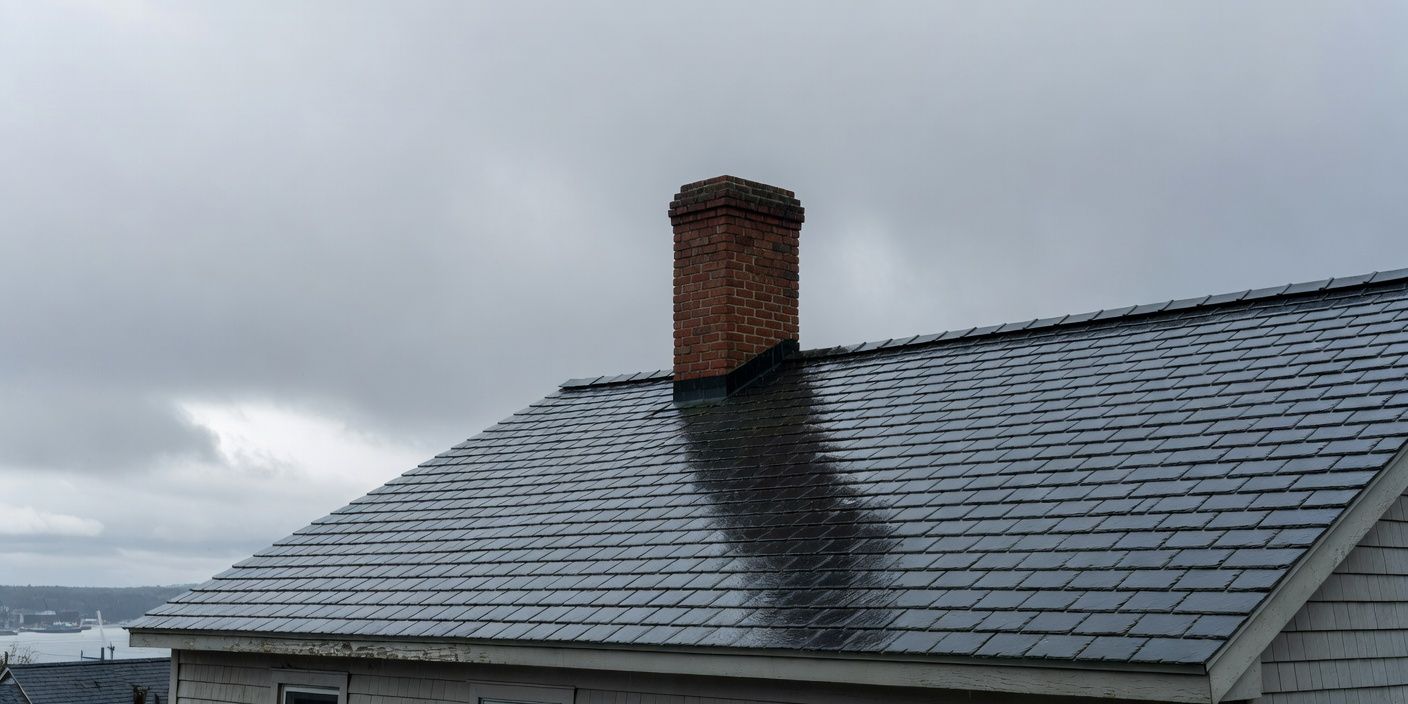
Casco Bay winds don’t care about your home improvement budget. When a classic Maine Nor'easter rolls off the Atlantic and hammers the Eastern Promenade, your home's masonry takes the brunt of the assault. Water is relentless. It finds the microscopic cracks in your mortar, settles in, and waits for the temperature to drop. Then, it freezes. It expands. Your brickwork begins to tear itself apart from the inside out. This isn't a hypothetical scenario for homeowners in Portland's East End. It's an annual structural threat. If you want your chimney to survive the Maine winter, a proactive defense is mandatory. That means investing in professional waterproofing, backed by comprehensive Chimney Sweep and Chimney Repair services . Anything less is just delaying inevitable water damage.
By John Constantine March 10, 2026
Nor'easters do not care about your weekend plans. When driving wind off Casco Bay meets freezing precipitation, your house takes a beating. Portland is stunning. It is also uniquely destructive to masonry and roofing. You need a defense strategy. Water is lazy. It finds the path of least resistance. Ice, however, is ruthless. When water infiltrates your brickwork or backs up in your gutters, it waits for the temperature to drop. Once it freezes, it expands. That expansion shatters mortar, splits bricks, and rips gutters right off your fascia boards. Coastal Maine homeowners face a brutal combination of high humidity, salt air, and aggressive freeze-thaw cycles. According to data from the National Weather Service Portland , our region experiences wild, rapid temperature swings all winter. This specific climate profile means standard home maintenance schedules do not apply here. You must be proactive.
By John Constantine March 8, 2026
Portland, Maine is a city built around the fireplace. From the Victorian and Federal style homes of the Western Promenade to the historic neighborhoods of Munjoy Hill and Deering Center, wood-burning fireplaces and stoves are not just architectural features. They are a practical and cherished part of daily life in one of New England's most beautiful and coldly demanding climates. But every fireplace tells two stories. The warmth and comfort it brings to your living room on a January evening. And what is happening inside the chimney that nobody sees. Creosote accumulating on the flue walls. A damaged liner allowing combustion gases to reach combustible framing. An animal nest blocking the flue and creating a carbon monoxide risk. Cracked mortar joints allowing moisture into the masonry. These are not hypothetical problems. They are the real and common findings of professional chimney sweeps working in Portland homes every single day.  This guide covers everything Portland homeowners need to know about chimney sweeping, cleaning, inspection, and maintenance. Whether you have a historic brick chimney that has served the home for over a century, a newer gas fireplace insert that needs annual attention, or a wood stove that is the primary heat source for your family through a Maine winter, this is the only guide you need before you pick up the phone.
By John Constantine March 4, 2026
The wind coming off Casco Bay doesn’t care about your masonry. It finds cracks you can’t see. It drives freezing rain into crevices effectively invisible from the ground. Before you know it, a cozy night by the fire turns into a smoke-filled living room—or worse, a structural failure. Owning a home in Portland, Maine, means accepting a hard truth: the weather here is actively trying to dismantle your property. Specifically, your chimney. Most folks treat their chimney like a static object. A stone pillar that just exists. That’s a mistake. Your chimney is a machine. It breathes. It expands. It contracts. And when you neglect the crucial combination of chimney sweeping and gutter cleaning, that machine breaks down. Select Chimney Services has seen it a thousand times. We are here to tell you why a proactive approach is cheaper, safer, and frankly, smarter than waiting for disaster.
By John Constantine March 2, 2026
The Problem Most Portland Homeowners Don't Know They Have Every fall, thousands of Portland, Maine homeowners light their first fire of the season without a second thought. The wood crackles, the warmth fills the room and somewhere inside that chimney, creosote is quietly building up toward a dangerous threshold. Here's the hard truth: chimney fires are one of the leading causes of house fires in Maine, and most of them are entirely preventable. The National Fire Protection Association (NFPA) recommends that chimneys, fireplaces, and vents be inspected at least once a year and cleaned whenever necessary. If you haven't scheduled a chimney sweep in Portland this season, this article is for you.
By John Constantine March 1, 2026
Winter in Portland, Maine, isn't just a season. It is an endurance test. When the wind whips off Casco Bay and the temperature drops into the single digits, that wood stove or fireplace becomes the heart of your home. You stack the cordwood, strike a match, and enjoy the glow. But behind the brick and mortar, a silent, tarry threat is growing. Neglect it, and you aren't just heating your home—you are fueling a potential catastrophe.
By John Constantine February 22, 2026
Why Portland Maine Chimneys Are Especially Vulnerable to Leaks Before we dive into the specific causes, you need to understand why chimneys in Portland (and throughout Maine) face unique challenges. Freeze/Thaw Cycles : Portland experiences dozens of freeze/thaw cycles each winter. Water seeps into small cracks, freezes overnight, expands, and makes those cracks bigger. This happens over and over, accelerating deterioration that might take decades in warmer climates. Coastal Moisture : Even if you're not directly on the water, Portland's coastal location means higher humidity and salt air. This moisture penetrates masonry and causes faster deterioration. Age of Housing Stock : Many Portland homes were built 80-150 years ago. Original chimneys weren't built with modern waterproofing materials. They're beautiful, but they're vulnerable. Heavy Rain and Snow : Maine gets 45+ inches of precipitation per year. That's a lot of water trying to find its way into your chimney. This combination means that a chimney that would last 100 years in Arizona might need major repairs after 50 years in Portland. Now let's identify your specific leak.
By John Constantine February 21, 2026
The Atlantic Ocean is beautiful. It also wants to eat your house. If you live in Portland, Maine—whether you’re perched on the windy slope of Munjoy Hill or tucked away in a historic brick colonial in the West End—you know the drill. The salt air creates a corrosive mist, and the freeze-thaw cycles of a New England winter are relentless. Your chimney takes the brunt of this abuse. It stands exposed above the roofline, fighting a war against the elements on four sides, 365 days a year. Eventually, masonry loses that fight. Water intrusion isn't just a nuisance; it’s a structural crisis waiting to happen. By the time you see water stains on your ceiling or bits of orange clay in your firebox, the damage is already deep. Select Chimney Services specializes in fortifying homes against this specific coastal threat. We don't just patch cracks; we engineer solutions that keep the Atlantic out and the warmth in.
By John Constantine February 18, 2026
A roaring fire in the dead of a Maine winter is a necessity, not a luxury. But that cozy glow hides a dirty secret. Every time you toss a log onto the grate, you are initiating a complex chemical reaction that leaves behind more than just ash. Your chimney is a hard-working engine of exhaust, and like any engine, it requires precise maintenance to prevent a catastrophic failure. Neglect it, and you aren't just risking a smoky living room—you are inviting a fire right into the bones of your house. 
By John Constantine February 11, 2026
February in Portland is the wrong time to realize your chimney is leaking. Imagine this: It’s 2:00 AM, the wind is howling off Casco Bay, and you hear a rhythmic drip, drip, drip behind your living room wall. You can’t go up there. The roof is a sheet of ice. You’re stuck with a bucket and a growing water stain until the thaw hits. This isn't just a nuisance; it’s structural decay in real-time.  Maine winters are ruthless on masonry. It’s not the snow load that destroys your chimney; it’s the microscopic expansion of water turning into ice. If you own a home in the West End, on Munjoy Hill, or even a newer build out towards Deering Center, your bricks are under attack right now. Prevention isn't about luck. It requires a strategic combination of professional waterproofing, inspection, and the right maintenance schedule.