When Did You Last Have Your Portland, Maine Chimney Inspected? Here Is Why Your Answer Should Concern You
Portland, Maine is a city built around the fireplace. From the Victorian and Federal style homes of the Western Promenade to the historic neighborhoods of Munjoy Hill and Deering Center, wood-burning fireplaces and stoves are not just architectural features. They are a practical and cherished part of daily life in one of New England's most beautiful and coldly demanding climates.
But every fireplace tells two stories. The warmth and comfort it brings to your living room on a January evening. And what is happening inside the chimney that nobody sees.
Creosote accumulating on the flue walls. A damaged liner allowing combustion gases to reach combustible framing. An animal nest blocking the flue and creating a carbon monoxide risk. Cracked mortar joints allowing moisture into the masonry. These are not hypothetical problems. They are the real and common findings of professional chimney sweeps working in Portland homes every single day.
This guide covers everything Portland homeowners need to know about chimney sweeping, cleaning, inspection, and maintenance. Whether you have a historic brick chimney that has served the home for over a century, a newer gas fireplace insert that needs annual attention, or a wood stove that is the primary heat source for your family through a Maine winter, this is the only guide you need before you pick up the phone.
| Service | Estimated Cost |
|---|---|
| Standard sweep and Level 1 inspection | $150 to $250 |
| Level 2 inspection with video scan | $250 to $450 |
| Wood stove and insert service | $200 to $350 |
| Chimney cap installation | $150 to $400 |
| Crown repair or replacement | $200 to $600 |
| Tuckpointing and repointing | $300 to $2,500 |
| Stainless steel liner installation | $1,500 to $5,000 |
| Chimney waterproofing | $200 to $500 |
Why Annual Chimney Sweeping Is Essential in Portland, Maine
Portland's climate is not forgiving. Average winter temperatures regularly drop well below freezing from November through March. Wind chills off Casco Bay push the feels like temperature even lower. For Portland homeowners with fireplaces and wood stoves, that means extended periods of heavy use that create the exact conditions where chimney problems develop fastest.
The National Fire Protection Association Standard 211 recommends that chimneys, fireplaces, and vents be inspected at least once a year and cleaned as often as necessary. This is not an overly cautious suggestion. It is the minimum standard established by fire safety professionals based on decades of fire investigation data showing that dirty, unmaintained chimneys are a leading cause of residential structure fires in New England.
Why Portland specifically demands annual attention:
Heavy seasonal use. Portland winters are long and cold. Fireplaces and wood stoves that operate for five to six months of the year accumulate significantly more creosote than those used occasionally. More use means more buildup means a higher fire risk if cleaning is deferred.
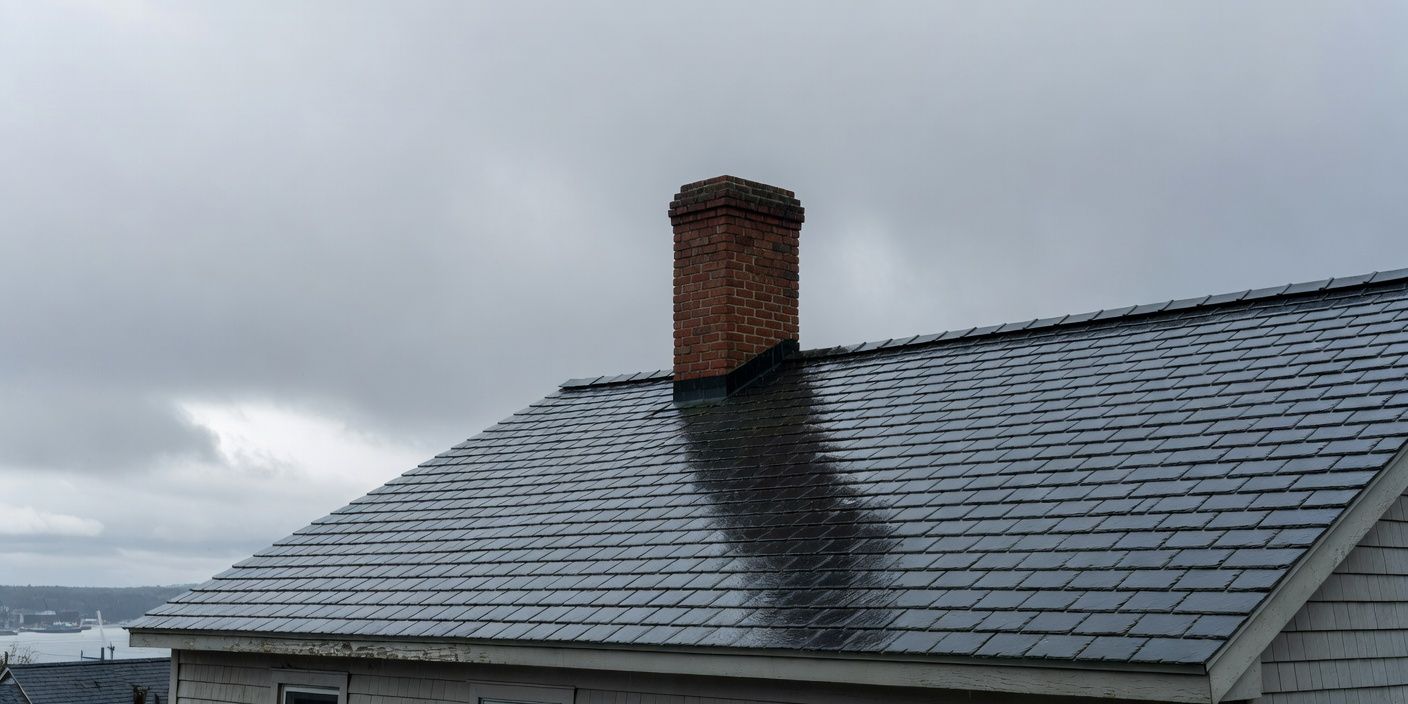
Moisture and freeze-thaw cycles. Portland receives significant precipitation year-round. Water infiltrates aging chimney masonry through cracked crowns, deteriorating mortar joints, and failed flashing. The freeze-thaw cycles of a Maine winter turn that moisture into ice that expands in cracks and accelerates masonry deterioration faster than in milder climates.
Wildlife. Maine's wildlife does not stop at the city limits. Chimney swifts, starlings, squirrels, and raccoons commonly enter Portland chimneys through uncapped or damaged flue tops and build nests that block flue gases from exiting the home. A blocked flue is a carbon monoxide risk that can affect the entire household before anyone realizes what is happening.
Historic construction. A significant percentage of Portland's housing stock dates from the 19th and early 20th centuries. These homes were built with materials, techniques, and chimney designs that reflect the standards of their era rather than modern fire safety codes. Older chimneys often lack proper flue liners, have deteriorated original mortar, and have been modified in ways that create hidden safety issues that only a professional inspection can identify.
What Does a Chimney Sweep Do?
The term chimney sweep conjures images of Victorian England, but the modern professional chimney sweep is a trained technician equipped with specialized tools, cameras, and diagnostic equipment to assess and service a complete chimney system.
Here is what a professional chimney sweep does during a standard service visit to a Portland home.
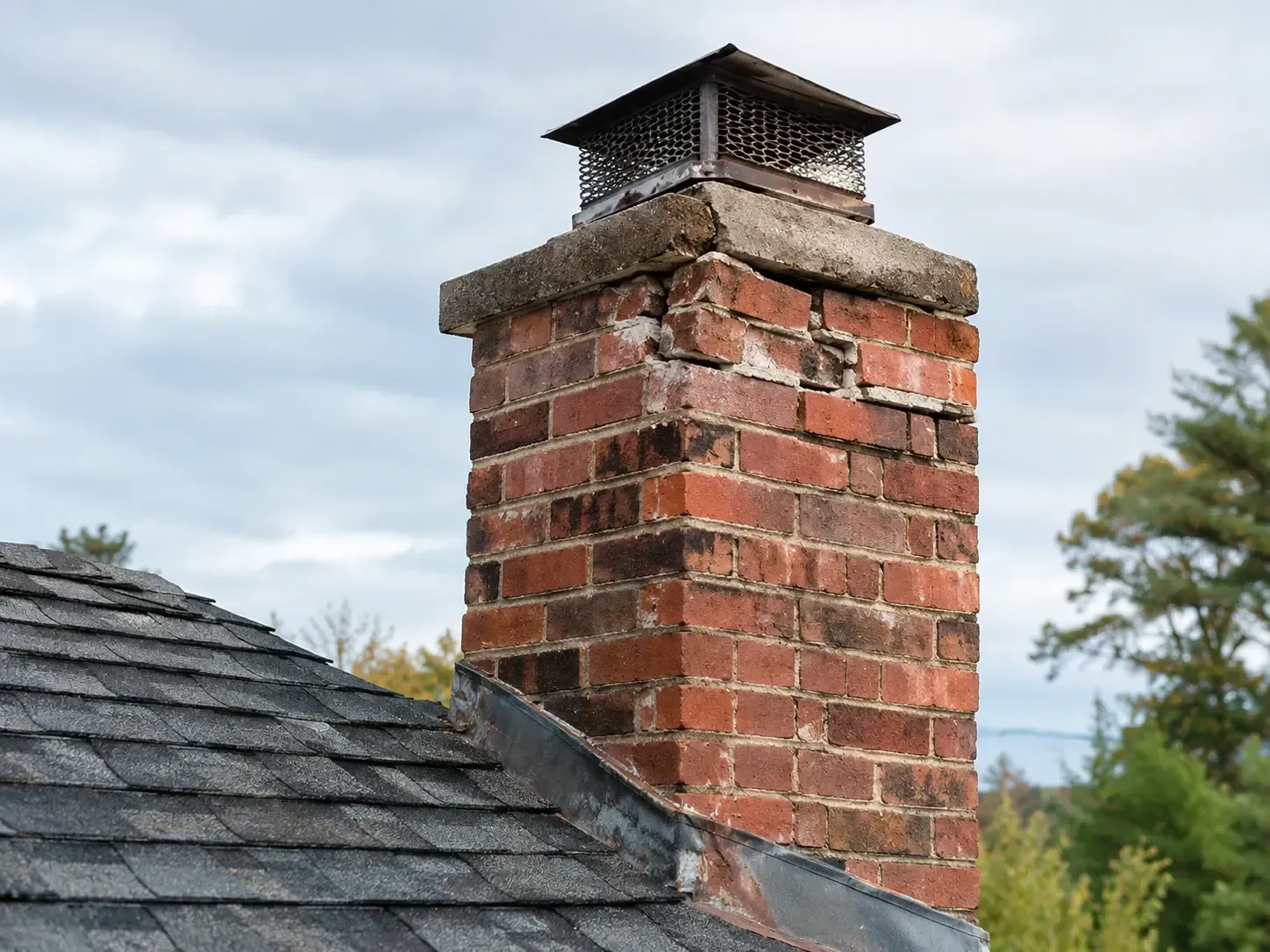
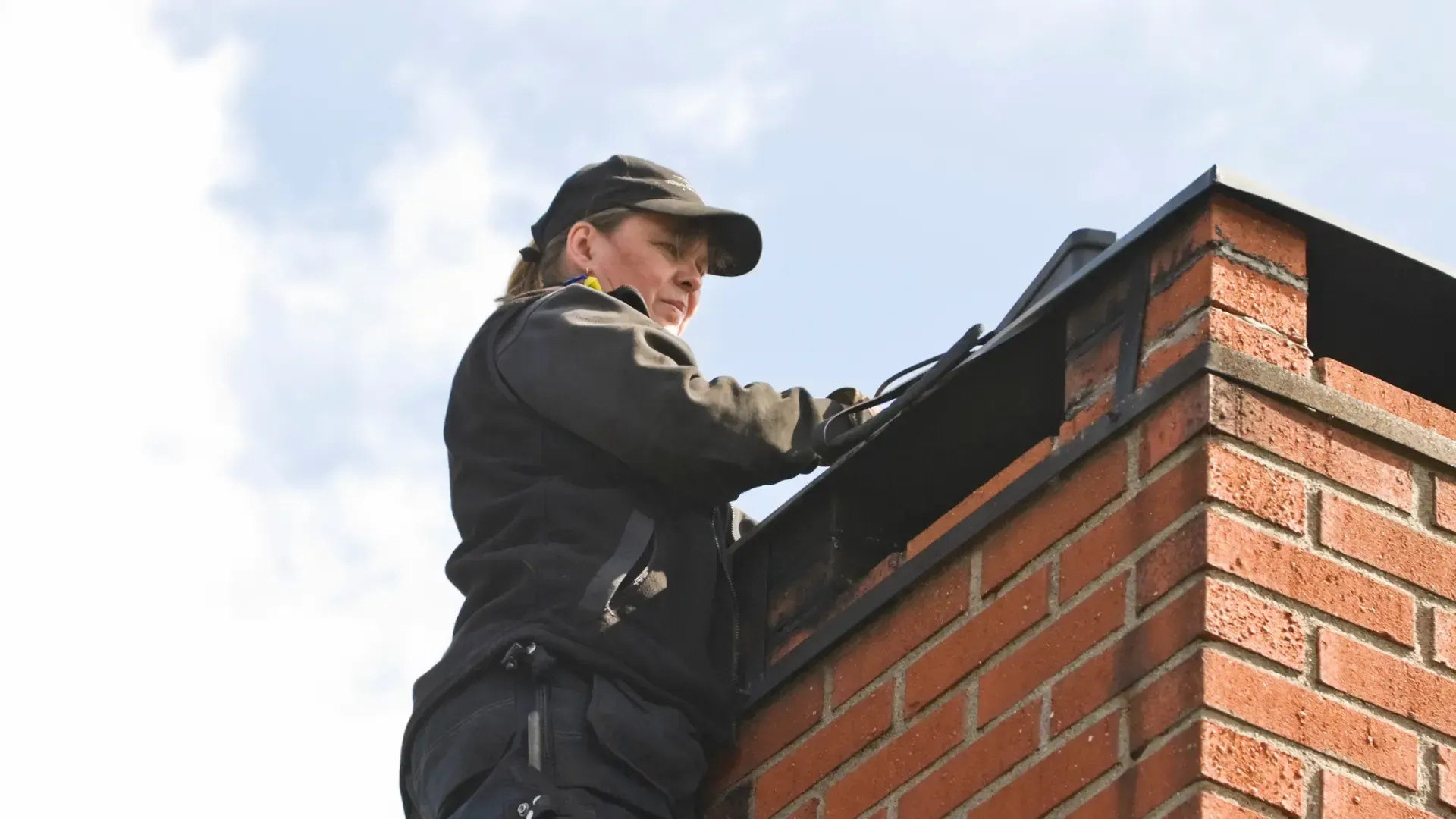
Visual inspection of the exterior. The sweep examines the chimney crown, the mortar joints between masonry units, the flashing where the chimney meets the roofline, and the condition of the chimney cap if one is present. Exterior deterioration is often the first sign of deeper structural issues within the chimney.
Inspection of the firebox and smoke chamber. The firebox, the opening where the fire burns, and the smoke chamber, the area above the damper that funnels smoke into the flue, are inspected for cracks, deteriorating refractory panels, damaged damper components, and creosote or debris accumulation.
Flue camera inspection. Modern chimney professionals use a video scanning camera to inspect the interior of the flue from top to bottom. The camera reveals creosote deposits, cracked or missing liner sections, animal nesting material, deteriorated mortar, and any obstruction that cannot be seen with the naked eye. For Portland homeowners, particularly those with older chimneys, the camera inspection is where the most critical findings emerge.
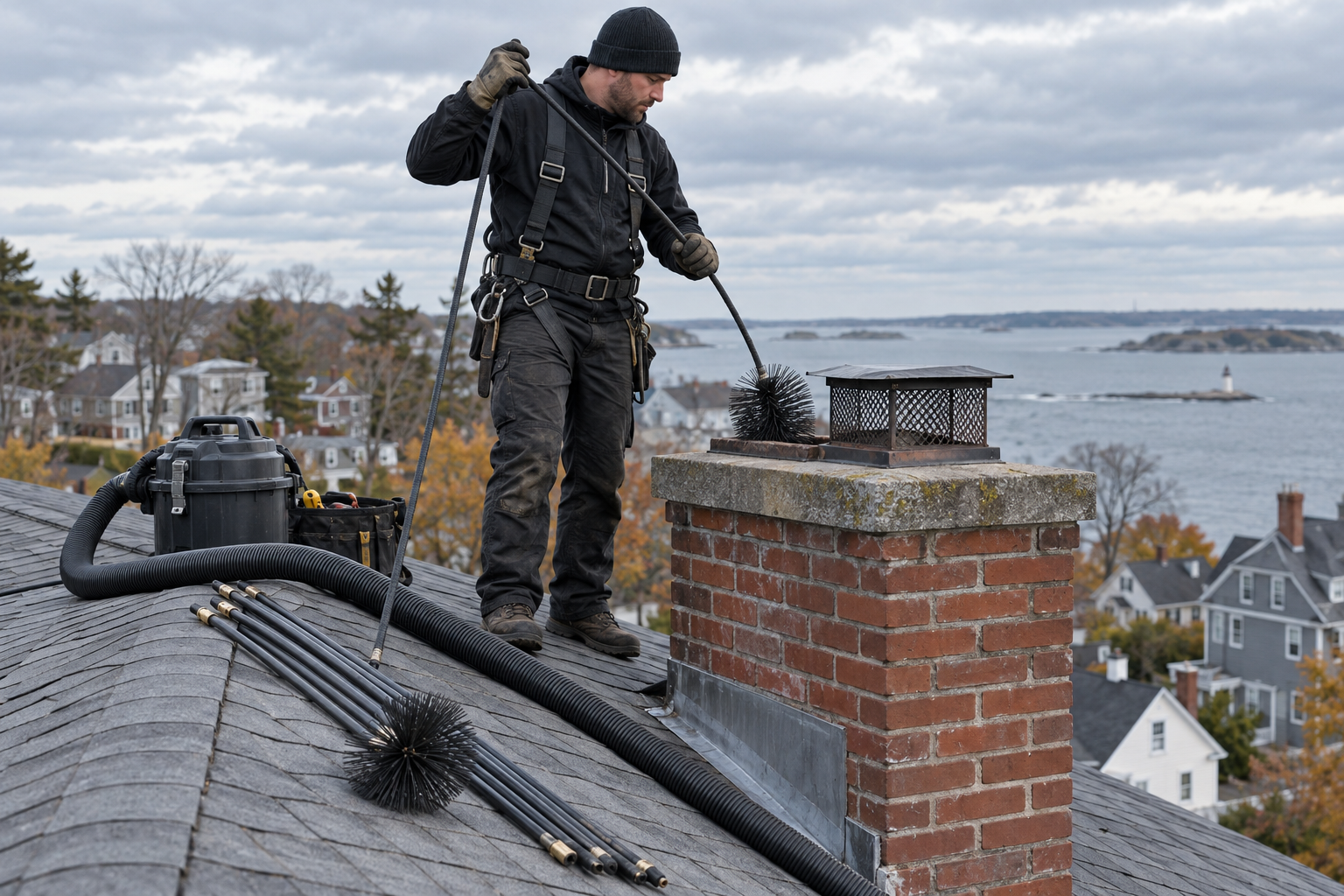
Chimney cleaning. Using professional brushes sized to the specific flue dimensions, extension rods, and high-powered HEPA vacuum equipment, the sweep removes creosote deposits, soot, debris, and any nesting material from the flue. Proper cleaning leaves the flue clear and ready for safe operation. Professional equipment contains all debris within the flue system so that your living space is not contaminated with soot during the cleaning process.
Written report and recommendations. A professional chimney sweep provides a written summary of their findings including the current condition of the chimney system, any safety concerns identified, recommended repairs, and the timeline for addressing those issues. Keep these reports as part of your home's maintenance documentation.
Creosote Buildup The Hidden Danger in Portland Chimneys
Creosote is the single most important safety concern in the residential chimney industry and the primary reason annual chimney sweeping exists. Understanding what it is, how it forms, and why it is dangerous helps Portland homeowners appreciate why this maintenance is not optional.
What is creosote? Creosote is a collective term for the byproducts of incomplete wood combustion that deposit on the interior walls of a flue. When wood burns, it produces smoke containing water vapor, gases, unburned wood particles, and tar compounds. As this smoke rises through the flue and contacts the cooler flue walls, these compounds condense and adhere to the surface. Over time and with repeated burning cycles, these deposits accumulate and harden into creosote.
The three stages of creosote: First-degree creosote is a light, flaky deposit that is relatively easy to remove with standard brushing. Second-degree creosote is a harder, tar-like deposit that requires more aggressive cleaning methods. Third-degree creosote, also called glazed creosote, is a hard, shiny, tar-like coating that bonds strongly to the flue surface and is extremely difficult to remove. It is also highly flammable. Third-degree creosote is the form most likely to fuel a catastrophic chimney fire.
Why Portland chimneys are particularly vulnerable: Cold outside temperatures create a more dramatic temperature differential between the flue gases and the flue walls, which promotes faster condensation and creosote deposition. Burning unseasoned or wet wood, which is unfortunately common, produces more creosote than properly dried firewood. Smoldering fires with restricted air supply, a common practice for overnight burning, produce significantly more creosote than hot, well-ventilated fires. All of these factors are common in Portland's climate and fireplace use patterns.
Chimney Sweeping for Historic and Older Homes in Portland
Portland's architectural heritage is one of its defining characteristics. The Congress Street corridor, the Western Promenade neighborhood, Munjoy Hill, and Deering Center are filled with Federal, Greek Revival, Italianate, Queen Anne, and Victorian homes whose chimneys have been serving those houses for well over a century in many cases.
These historic chimneys are among the most beautiful architectural features in Portland. They are also among the most maintenance-intensive and the most likely to harbor hidden safety issues that require professional expertise to identify and address.
Common issues in Portland's historic chimneys:
Many pre-1940 Portland chimneys were built without a clay tile flue liner. Modern fire safety standards require a properly sized, continuous flue liner to contain combustion gases and protect the surrounding masonry and structure from heat transfer. Unlined chimneys are not safe for use with modern wood-burning appliances and must be relined before they can be safely used.
Original mortar in Portland's older chimneys has often deteriorated over the decades through the combined effects of heat cycling, moisture infiltration, and the freeze thaw cycles of Maine winters. Deteriorated mortar joints allow combustion gases including carbon monoxide to migrate into the chimney structure and potentially into living spaces. They also allow moisture to penetrate the masonry and accelerate further deterioration.
Historic chimneys may have been modified or altered over their lifetime in ways that create hidden issues. Flues may have been shared between multiple appliances in ways that do not meet current standards. Previous repairs may have used incompatible materials. Unused flues may have been sealed in ways that trap moisture inside the masonry.
Chimney Repairs Common in Portland, Maine
Chimney sweeping reveals problems. Chimney repair addresses them. Here are the most common repair needs identified by Portland chimney sweeps and what they involve.
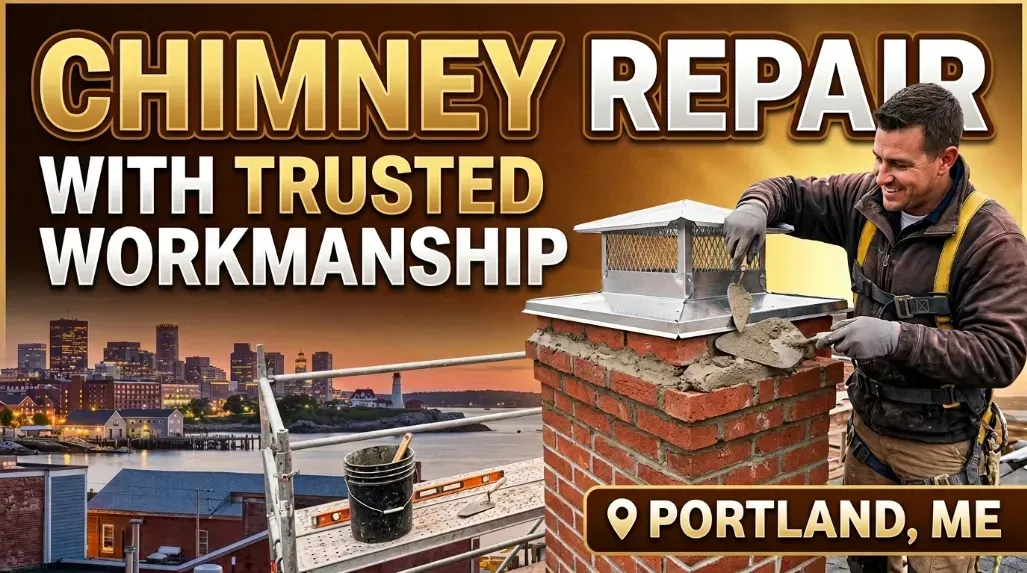
Chimney Crown Repair and Replacement. The chimney crown is the concrete or mortar cap that covers the top of the chimney masonry around the flue opening. It is designed to shed water away from the chimney and protect the masonry below from moisture infiltration. Portland's weather subjects chimney crowns to constant moisture and freeze thaw stress that causes cracking and deterioration over time. A cracked crown allows water directly into the masonry, accelerating deterioration from the top down. Crown repair or replacement is one of the most common and most cost-effective chimney repairs in Portland.
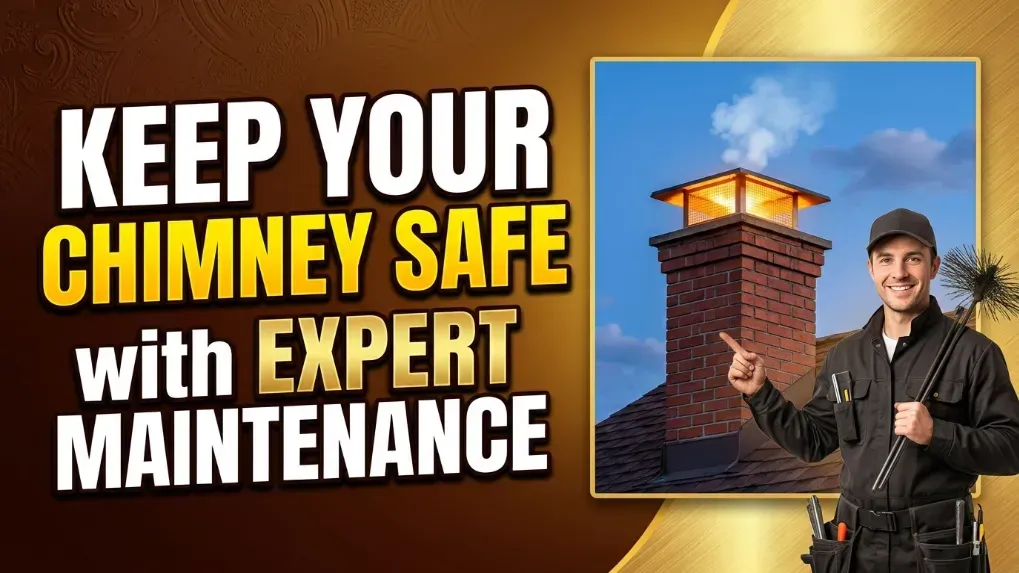
Chimney Cap Installation. A chimney cap covers the flue opening at the top of the chimney, preventing rain, snow, birds, squirrels, and other animals from entering the flue. Many Portland chimneys, particularly older ones, lack caps entirely. Installing a stainless steel or copper chimney cap is one of the most impactful single improvements a Portland homeowner can make to protect their chimney system.
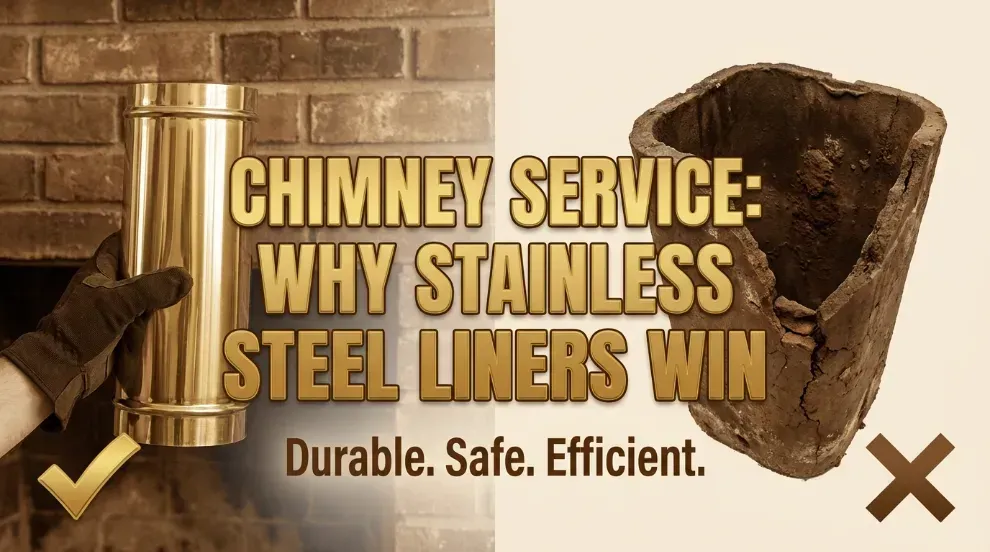
Flue Relining. When the original clay tile liner is cracked, missing sections, or when an unlined historic chimney needs to be brought into service safely, relining with a stainless steel flexible liner is the standard modern solution. A stainless steel liner is inserted through the existing flue, connected to the appliance at the bottom, and terminated at the top with a cap. It provides a continuous, properly sized, code-compliant flue path for combustion gases. Relining costs in Portland typically range from $1,500 to $5,000 depending on flue height and configuration.
Seasonal Chimney Maintenance for Portland Homeowners
Portland's distinct seasons create a natural rhythm for chimney maintenance that smart homeowners follow to protect their investment and ensure safe operation throughout the heating season.
Late Summer and Early Fall The Ideal Maintenance Window. The period from late August through October is the optimal time to schedule chimney sweeping and inspection in Portland. Scheduling at this time ensures your chimney is cleaned and inspected before the heating season begins. You have time to address any repairs identified before you need the fireplace. You avoid the rush that occurs in November and December when every Portland homeowner suddenly realizes they need chimney service before the cold sets in. And chimney professionals are more available and scheduling is easier in this shoulder period.
Before the First Fire of the Season. Never assume your chimney is ready to use simply because it worked fine at the end of last season. Over the summer, animals may have entered the flue. Moisture may have caused masonry changes. A wasp nest may be blocking the flue. A visual check and a professional inspection at the start of each season are the minimum standard.
During the Heating Season. If you use your fireplace or wood stove heavily throughout the winter, a mid season inspection may be warranted particularly if you notice any changes in draft, unusual odors, or visible deposits in the firebox. Homeowners who burn green or unseasoned wood, who frequently let fires smolder rather than burn hot, or who use their fireplace as a primary heat source should consider more frequent sweeping than once per year.
Spring — Post-Season Assessment. A spring inspection after the heating season ends allows you to identify any damage that occurred during winter use before moisture has a chance to worsen it over the summer. Cracks identified in spring can be repaired before a full season of moisture infiltration turns a minor repair into a major one.
Frequently Asked Questions
Do older Portland homes need special chimney attention?
Homes built before the mid-20th century often have unlined chimneys, deteriorated original mortar, and chimney configurations that do not meet current fire safety standards.
What is the difference between a chimney sweep and a chimney repair company?
Many chimney sweeps offer both cleaning and repair services. Some companies specialize in one or the other. When hiring a sweep, confirm whether they perform the repairs they commonly recommend or whether they refer repair work to a separate contractor.
Can animals in my chimney be a safety hazard?
Absolutely. Bird nests, squirrel nests, and raccoon nesting material can completely block a flue, preventing combustion gases including deadly carbon monoxide from exiting the home.