Avoid Disaster! Why Regular Chimney Inspections in Maine Keep You Safe

April 10, 2025

Chimney inspections in Maine are more than just a recommendation—they're a necessity. With the state's long, cold winters and an abundance of wood-burning stoves, fireplaces, and furnaces, homeowners must remain vigilant to prevent dangerous buildup and structural issues. Regular inspections play a pivotal role in maintaining household safety and energy efficiency.


Maine's harsh seasonal changes create a breeding ground for chimney damage. Freezing temperatures, snow accumulation, and moisture infiltration can all deteriorate masonry and flue linings. If neglected, these seemingly minor issues can escalate into full-blown disasters like fires or carbon monoxide leaks. Fortunately, proactive maintenance can prevent these outcomes.


Chimney inspections help identify creosote buildup, cracks, flue blockages, and other hidden dangers. Certified professionals from a trusted Chimney Service ensure that even the smallest concerns are addressed early. The result? A warm, safe home and priceless peace of mind.
Why Chimney Inspections Matter in Maine

The unforgiving Maine climate makes chimneys especially vulnerable. Heavy snowfall, ice dams, and storm surges contribute to wear and tear, especially on exposed chimney crowns and masonry joints. Over time, these elements cause unseen damage that compromises the chimney's structural integrity.


Annual inspections, ideally before the heating season, provide a crucial opportunity to identify problems before they worsen. During these inspections, experts examine both the interior flue and external masonry. They may use cameras, moisture meters, and smoke tests to detect hidden flaws.


Moreover, inspections confirm whether your chimney is up to code—vital for insurance coverage and resale value. Maine homeowners must understand that small delays in inspection can lead to large-scale emergencies, including house fires or respiratory hazards caused by toxic fumes.


Fire Hazards and Chimney Safety

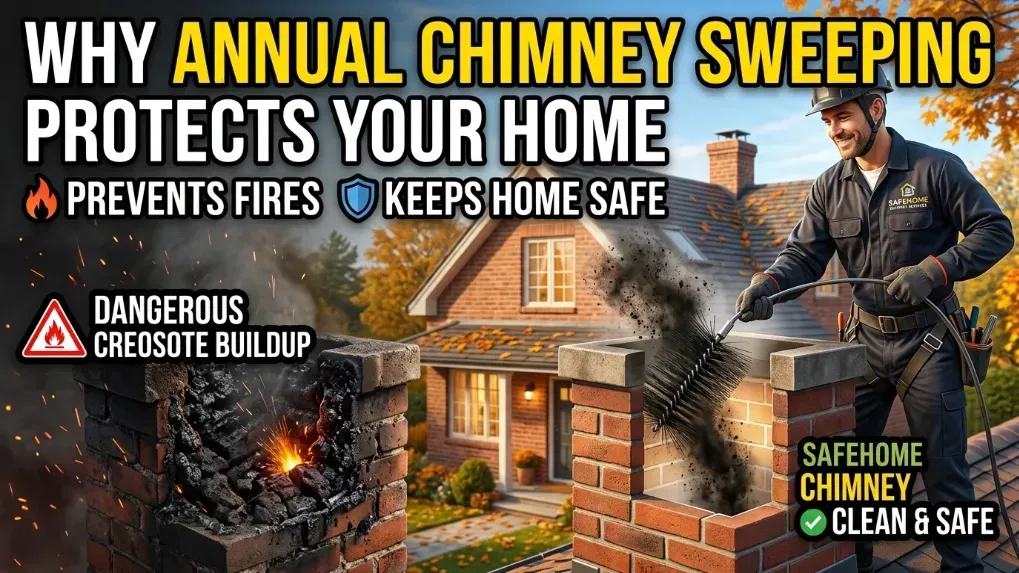
Chimney fires are sudden, loud, and devastating. Often triggered by creosote, a highly flammable substance that builds up when wood burns inefficiently, these fires can engulf a home within minutes. Unfortunately, many homeowners remain unaware of this silent threat until it's too late.


Regular inspections reduce this risk dramatically. A trained chimney technician can identify creosote deposits and schedule cleanings as needed. Tools like chimney brushes and rotary whips are used to scrub flues clean and restore safe airflow. It’s like giving your home a flu shot against fire.

Even better, scheduled maintenance ensures your chimney system is equipped with functional caps and spark arresters. These small additions prevent embers from escaping and igniting nearby structures.


Preventing Carbon Monoxide Poisoning

Unlike smoke, carbon monoxide (CO) is invisible, odorless, and deadly. Chimneys blocked by animal nests, debris, or creosote buildup can cause backdrafts that push toxic gases back into your living space. Sadly, carbon monoxide poisoning claims hundreds of lives each year—and many of these tragedies are preventable.


Chimney inspections ensure clear, unobstructed flues and functioning dampers. Many inspectors will also check nearby CO detectors for placement and functionality. These efforts work together to create a safer, healthier indoor environment for your family.


Maine Homeowners: Don’t Overlook These Signs

How do you know it’s time for an inspection? Here are a few red flags:


  • Smoke entering the room
  • Unusual smells, especially after rain
  • White staining on the exterior brickwork (efflorescence)
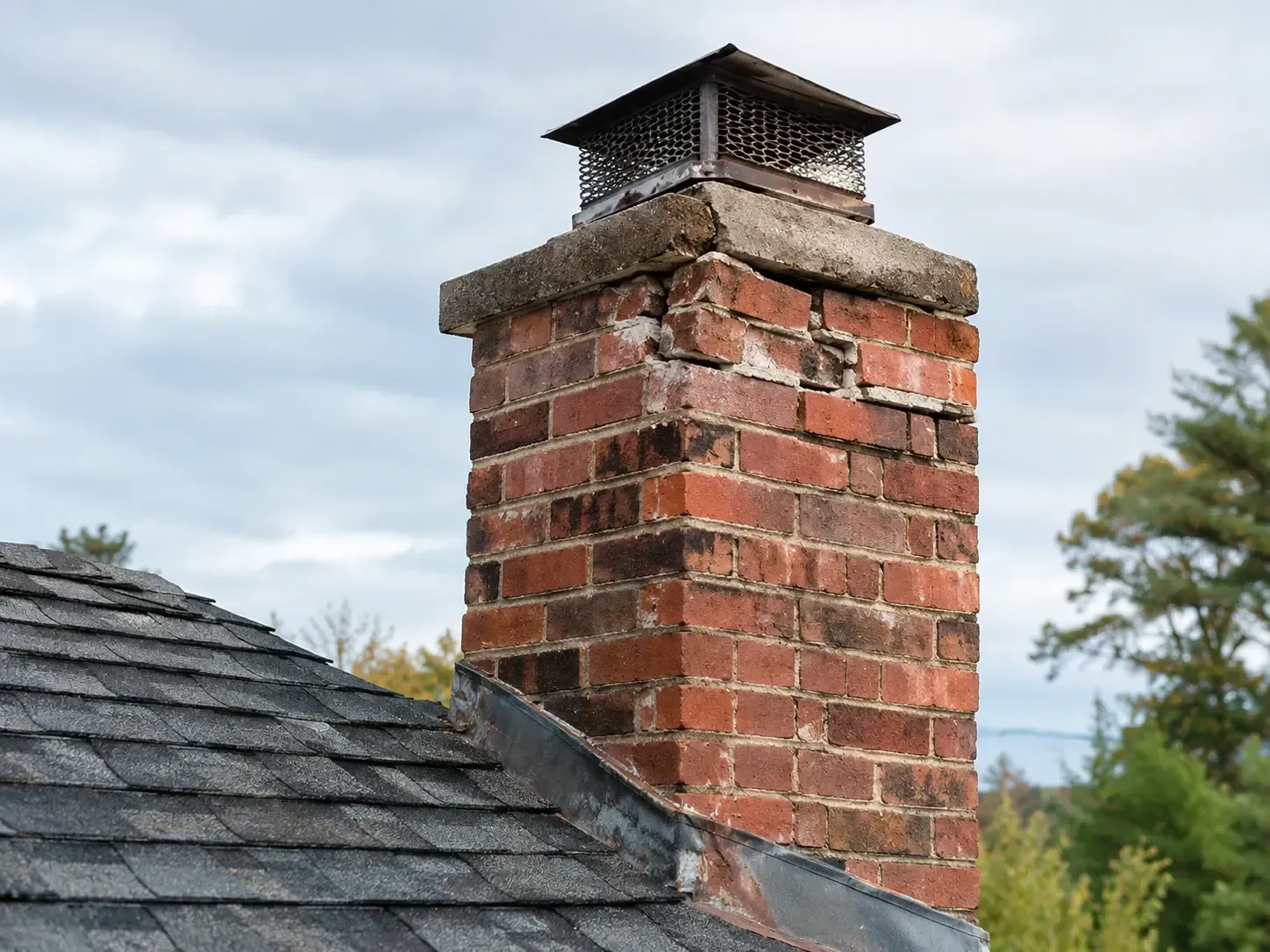
  • Cracked mortar joints
  • Debris or soot falling into the fireplace


Any of these symptoms indicate deeper issues requiring immediate professional attention. Delaying could risk the safety of your entire household.


FAQs

How often should chimneys be inspected in Maine?
The National Fire Protection Association (NFPA) recommends annual chimney inspections, especially in cold climates like Maine's.


Can I inspect the chimney myself?
While you can visually check for obvious issues, a certified professional is trained to detect subtle or hidden dangers.


What’s the average cost of a chimney inspection?
In Maine, standard Level 1 inspections typically range from $100 to $250, depending on location and chimney type.


Do I need an inspection if I rarely use my fireplace?
Yes. Even unused chimneys can develop blockages, animal nests, or moisture-related damage.


What does a Level 2 inspection include?
Level 2 inspections, recommended for real estate transactions or after a natural event like an earthquake, include video scanning of the entire flue system.


Where can I find reliable chimney services in Maine?
We recommend Select Chimney Services, a trusted name with decades of experience.


Conclusion: Peace of Mind Starts With Prevention

Chimney inspections in Maine are a small investment that delivers massive returns—protection from fire, carbon monoxide, structural failures, and even insurance nightmares. They’re not just about maintaining your fireplace. They’re about protecting everything you hold dear.


Whether you heat your home with wood, pellets, or gas, staying proactive is the key. The harsh Northeast winters demand it. So don’t wait until something goes wrong. Schedule your inspection today, and enjoy a warm, worry-free season.


Need a trusted professional? Contact Select Chimney Services today and safeguard your home the right way.


Links:

Chimney Service: https://www.selectchimneyservices.com/
Contact: https://www.selectchimneyservices.com/contact

By John Constantine February 21, 2026
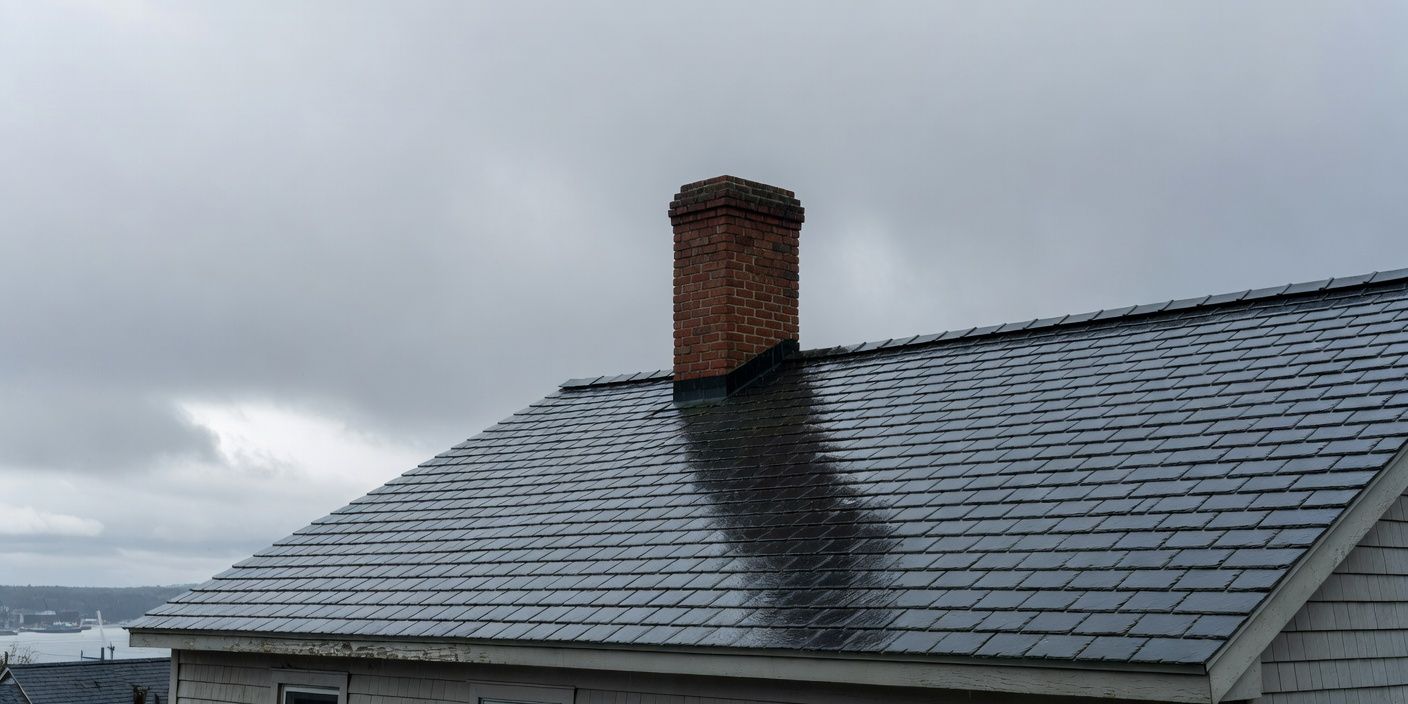
The Atlantic Ocean is beautiful. It also wants to eat your house. If you live in Portland, Maine—whether you’re perched on the windy slope of Munjoy Hill or tucked away in a historic brick colonial in the West End—you know the drill. The salt air creates a corrosive mist, and the freeze-thaw cycles of a New England winter are relentless. Your chimney takes the brunt of this abuse. It stands exposed above the roofline, fighting a war against the elements on four sides, 365 days a year. Eventually, masonry loses that fight. Water intrusion isn't just a nuisance; it’s a structural crisis waiting to happen. By the time you see water stains on your ceiling or bits of orange clay in your firebox, the damage is already deep. Select Chimney Services specializes in fortifying homes against this specific coastal threat. We don't just patch cracks; we engineer solutions that keep the Atlantic out and the warmth in.
By John Constantine February 18, 2026
A roaring fire in the dead of a Maine winter is a necessity, not a luxury. But that cozy glow hides a dirty secret. Every time you toss a log onto the grate, you are initiating a complex chemical reaction that leaves behind more than just ash. Your chimney is a hard-working engine of exhaust, and like any engine, it requires precise maintenance to prevent a catastrophic failure. Neglect it, and you aren't just risking a smoky living room—you are inviting a fire right into the bones of your house. 
By John Constantine February 11, 2026
February in Portland is the wrong time to realize your chimney is leaking. Imagine this: It’s 2:00 AM, the wind is howling off Casco Bay, and you hear a rhythmic drip, drip, drip behind your living room wall. You can’t go up there. The roof is a sheet of ice. You’re stuck with a bucket and a growing water stain until the thaw hits. This isn't just a nuisance; it’s structural decay in real-time.  Maine winters are ruthless on masonry. It’s not the snow load that destroys your chimney; it’s the microscopic expansion of water turning into ice. If you own a home in the West End, on Munjoy Hill, or even a newer build out towards Deering Center, your bricks are under attack right now. Prevention isn't about luck. It requires a strategic combination of professional waterproofing, inspection, and the right maintenance schedule.
By John Constantine January 15, 2026
Your chimney is a ticking clock. Every winter fire, every autumn evening spent huddled by the hearth, and every summer storm that lashes against your roof brings it one step closer to a critical failure point. Most homeowners view their fireplace as a static piece of furniture, a cozy backdrop for holiday photos. That perspective is dangerous. A chimney is a complex ventilation engine, a vertical exhaust system that handles extreme temperatures and toxic gases. When it works, it’s invisible. When it fails, it’s catastrophic. That is where local chimney experts step in, transforming a potential fire hazard into a safe, efficient heat source. Fire is a hungry beast. It requires a precise balance of oxygen and draft to function correctly. If your flue is clogged with creosote or obstructed by a bird’s nest, those toxic byproducts of combustion—carbon monoxide, sulfur dioxide, and particulate matter—have nowhere to go but back into your living room. You wouldn't drive a car for five years without an oil change. Why would you light a fire in a structure that hasn’t seen a professional chimney inspection in a decade? It’s a gamble with your home, your family, and your life.
By John Constantine January 6, 2026
There is something primal and deeply comforting about the crackle of a wood-burning fireplace. It is the centerpiece of the home, a source of warmth during the biting winter months, and a gathering spot for families. However, behind the dancing flames lies a complex system of physics that most homeowners take for granted until something goes wrong. That system is governed by the chimney draft . At Select Chimney Services , we have spent decades educating homeowners on the fact that a fireplace is not just a stone box for fire; it is a sophisticated ventilation machine. If the draft is weak, your home fills with smoke. If it is too strong, you waste fuel and lose heat. Understanding the "hidden power" of your chimney draft is the difference between a cozy evening and a hazardous living environment.
By John Constantine December 30, 2025
In Portland, we're no strangers to rain. The persistent drizzle and seasonal downpours are part of our city's charm, nurturing the lush greenery that defines the Pacific Northwest. But what's good for our gardens can be a relentless enemy to our homes, especially to one of its most exposed and often-overlooked features: the chimney. It stands tall against the elements, a stoic guardian of our hearth. Yet, a single, almost invisible crack in its masonry can become an open invitation for water, leading to a cascade of damage that can compromise your home's structural integrity and your family's health.  Many Portland homeowners might dismiss a small crack in their chimney as a minor cosmetic issue, something to be dealt with 'later.' However, here at Select Chimney Services , we've seen firsthand how this seemingly insignificant flaw can escalate into a catastrophic problem. Understanding the journey of water from a tiny fissure to major interior damage is the first step in protecting your investment and ensuring your home remains a safe, dry sanctuary.
By John Constantine December 23, 2025
Your chimney stands as a silent sentinel, guarding your home against the elements while providing warmth and comfort. But like any part of your home, it's susceptible to wear and tear. Over time, the constant exposure to rain, wind, and fluctuating temperatures can take a toll on its structural integrity. Ignoring the warning signs can lead to costly repairs, water damage, and even a catastrophic collapse. Here at Select Chimney Services, we want to help you recognize when your chimney is crying out for help.
By John Constantine December 17, 2025
Your chimney stands as a silent guardian for your home. It’s a prominent feature, dutifully venting smoke and fumes, but it’s often overlooked until a problem becomes too obvious—and expensive—to ignore. Like any critical part of your home's structure, your chimney communicates its health through subtle and not-so-subtle signs. Ignoring these warnings can lead to significant structural damage, water leaks, and even fire hazards. Are you seeing fine lines spreading across the mortar? Does the entire structure seem to be tilting slightly? Have you noticed a chalky white substance appearing on the bricks? These aren't just cosmetic blemishes; they are your chimney's way of crying out for help. Here at Select Chimney Services , we believe that understanding these signals is the first step toward protecting your home and family. This comprehensive guide will help you decode what your chimney is trying to tell you about its condition.
By John Constantine December 9, 2025
When you think of essential home maintenance, the annual chimney sweep likely comes to mind. It’s a task associated with precision, safety, and deep expertise. You wouldn’t trust just anyone to handle the flue that protects your family from fire and carbon monoxide. It requires a professional who understands the intricate systems at play. But what about the system that protects your entire home from its most persistent enemy—water? We’re talking about your gutters. Too often, gutter maintenance is relegated to a weekend chore, a task for a handyman, or worse, completely ignored. This is a critical oversight. The truth is, professional gutter care demands the same level of meticulous attention and diagnostic skill as chimney sweeping. Here at Select Chimney Services , we’ve built our reputation on a foundation of thoroughness and safety for your chimney systems. We apply that exact same philosophy to gutter care, because we know that protecting your home requires a holistic approach, from the foundation to the rooftop.
By John Constantine December 4, 2025
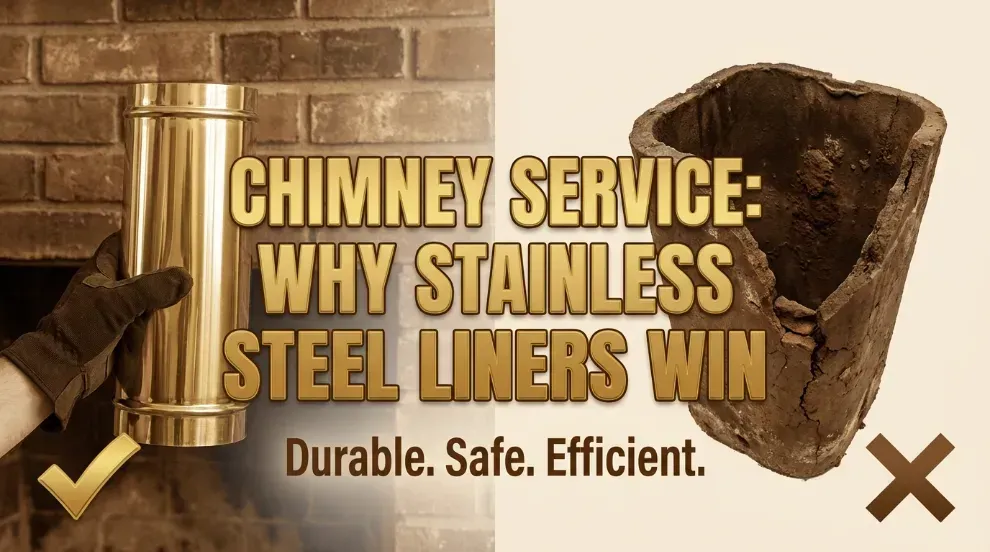
A safe and efficient chimney is a cornerstone of a cozy home, especially when the weather turns chilly. One of the most critical components for ensuring that safety and efficiency is the chimney liner. Over time, original clay tile liners can crack and deteriorate, creating potential hazards. Here at Select Chimney Services, we often recommend a stainless steel chimney liner installation as a durable, long-lasting solution. This guide will walk you through what to expect during the installation process, helping you understand why it's a smart investment for your home.