Keeping Your Home Safe & Warm with Professional Chimney Sweeps in Portland, ME

September 5, 2025

Discover how a professional chimney sweep in Portland, ME keeps your home safe, warm, and efficient. Learn what chimney service is, why it matters locally, and when to schedule it.


Introduction

Living in Portland, ME means embracing the beauty of all four seasons—especially the long, cold winters. For many homeowners, a fireplace or wood stove isn’t just cozy; it’s a lifeline. But with comfort comes responsibility. A chimney sweep isn’t just about cleaning soot—it’s about keeping your family safe, your heating system efficient, and your home free from hidden risks.


In this article, we’ll explore what chimney service is, why it matters in Portland, ME, when to schedule it, and how to get it done the right way. You’ll find practical tips, local insights, and expert advice designed to help you make confident decisions about your home.

What Is a Chimney Service?

A chimney service refers to professional care for your fireplace, chimney, or wood stove system. This includes:

  • Chimney sweeps (removing soot, creosote, and debris)
  • Inspections (checking structure, airflow, and safety)
  • Repairs (fixing cracks, liners, or masonry issues)
  • Caps and dampers (preventing water or animals from entering)


Think of chimney service as a complete health check-up for your heating system. Just like a car needs regular maintenance, your chimney needs attention to keep working smoothly.


Why Chimney Service Matters in Portland, ME

The climate in Portland, ME creates unique challenges for chimneys:

  • Cold winters: Heavy fireplace use increases creosote buildup.
  • Snow and ice: Freeze-thaw cycles can damage masonry.
  • Coastal moisture: Salt air and humidity accelerate wear.


A neglected chimney isn’t just inefficient—it can become dangerous. Creosote, a tar-like byproduct of burning wood, is highly flammable. According to the National Fire Protection Association (NFPA), chimney fires are one of the leading causes of home fires in the U.S.


Local Insight:
"In Portland, ME, we see chimneys take a beating from the weather. Regular sweeps prevent small issues from becoming big, expensive problems." – Local Chimney Technician, Select Chimney Services


For homeowners here, chimney service isn’t a luxury; it’s peace of mind.


When Should You Schedule a Chimney Sweep?

Timing is everything with chimney care. Here’s a quick guide for Portland homeowners:

  • Fall (September–November): Best time to sweep before heavy winter use.
  • Mid-Winter (January–February): If you use your fireplace daily, a mid-season sweep may be smart.
  • Spring (March–May): Good time to inspect for winter damage.
  • After Storms: If high winds or ice storms hit, check for damage.


Checklist for Portland Homeowners:

  • Did you burn more than a cord of wood this winter?
  • Do you notice smoke backing up into your home?
  • Does your chimney have a strong odor in summer?
  • Has it been more than a year since your last sweep?


If you answered “yes” to any of these, it’s time to book.


How Chimney Sweeps Work

A chimney sweep is more than just scrubbing. Professionals follow a careful process:

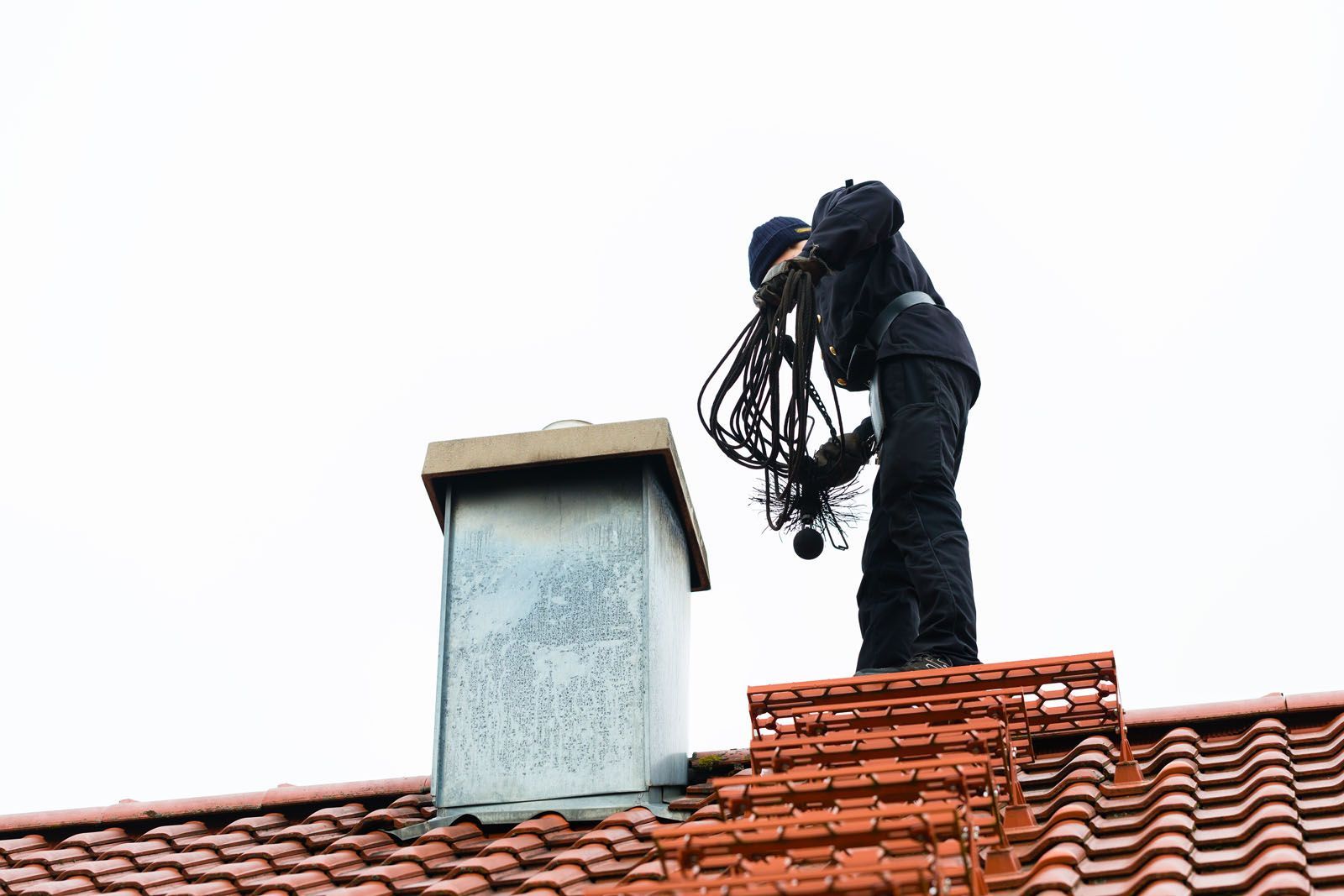
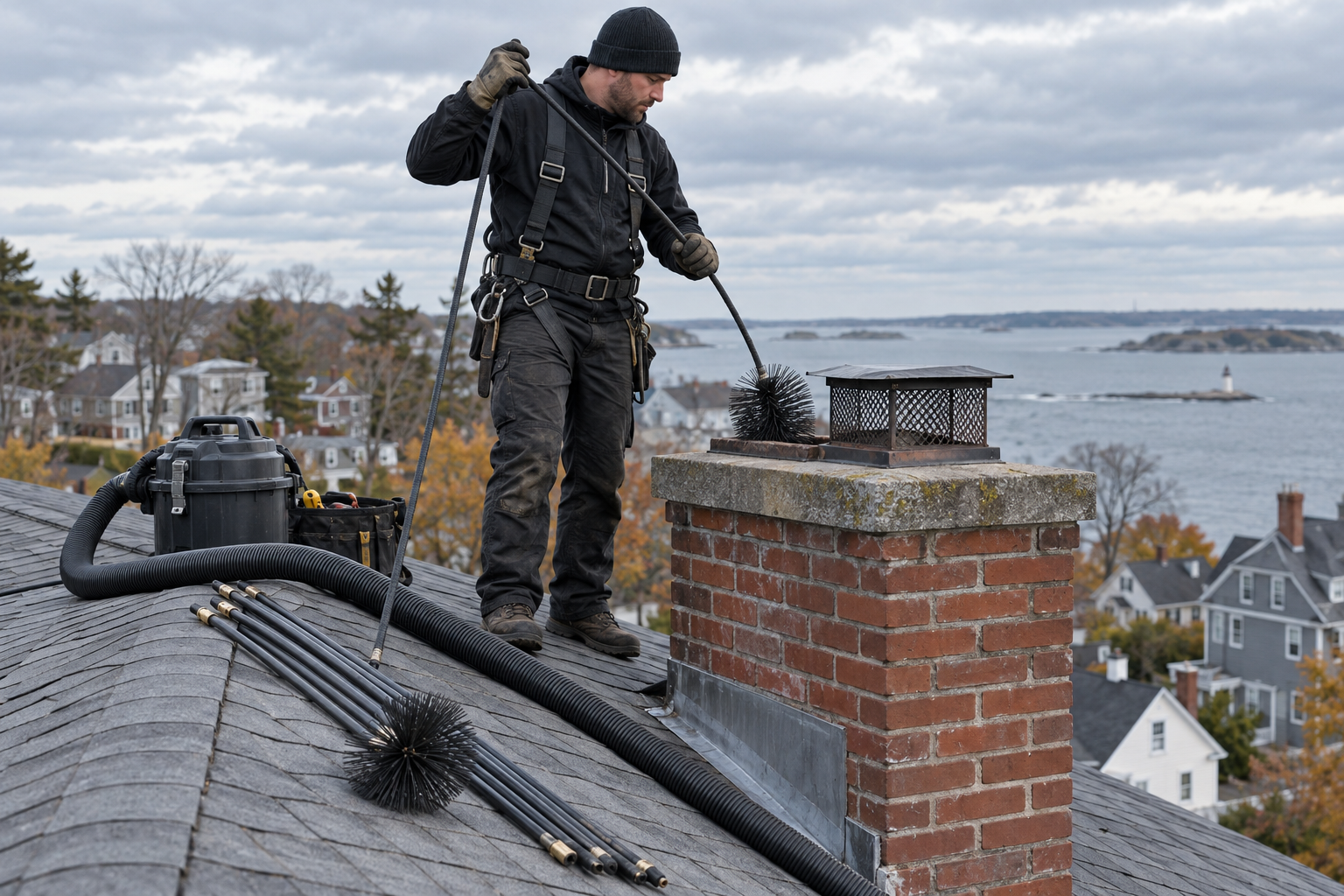
  1. Preparation – Protecting your home with tarps and vacuums.
  2. Sweeping – Using specialized brushes to remove soot and creosote.
  3. Inspection – Checking for cracks, leaks, or blockages.
  4. Reporting – Providing a clear summary and recommendations.


Expert Tip:
"DIY chimney cleaning kits exist, but they don’t reach every part of the system. Hiring a pro ensures safety and thoroughness." – Select Chimney Services


For Portland homeowners, professional sweeps also spot weather-related issues—like cracked crowns or rusted caps—that DIY kits miss.


Chimney Sweep vs. Chimney Inspection: What’s the Difference?

Service What It Includes When You Need It Average Cost (Portland, ME)
Chimney Sweep Cleaning soot, ash, and creosote Annually or every 50–70 burns $150–$250
Chimney Inspection Visual and camera check of structure/safety Buying a home, post-storm, or repairs $100–$300
Sweep + Inspection Both cleaning and safety check Ideal for yearly maintenance $250–$400


This table shows why many Portland homeowners opt for a sweep-and-inspection package—it saves money and provides a complete picture of chimney health.


Benefits of Regular Chimney Sweeps in Portland, ME

  • Fire Safety: Reduces chimney fire risks.
  • Better Heating Efficiency: Fires burn hotter with proper airflow.
  • Fewer Repairs: Prevents costly masonry or liner issues.
  • Cleaner Air: Less smoke and odor in your living room.
  • Property Value: Maintains home safety for resale.


Portland Homeowner’s Chimney Service Checklist

Before winter, run through this quick list:

  • Schedule a professional chimney sweep
  • Check chimney cap for rust or damage
  • Inspect flashing around chimney for leaks
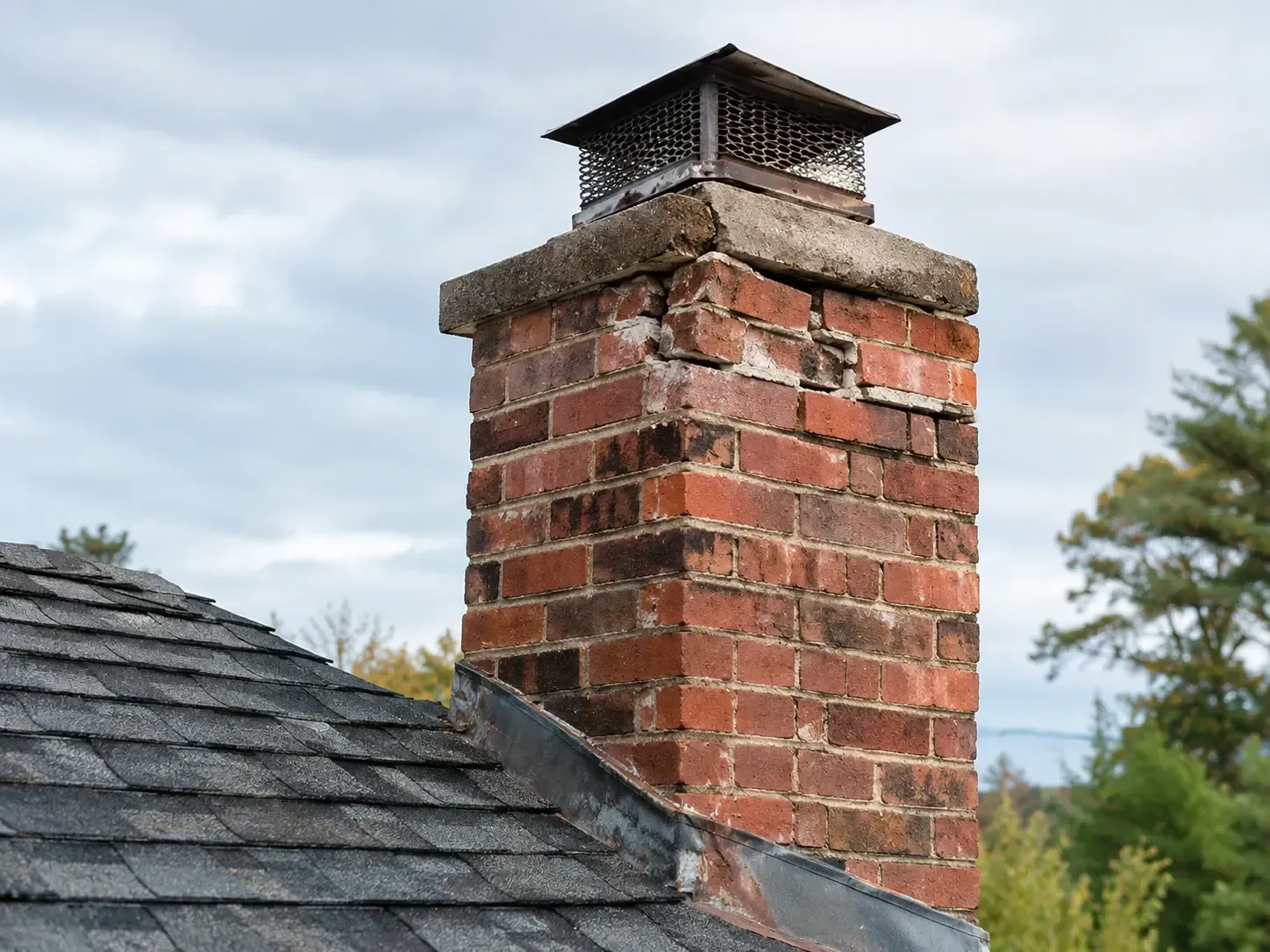
  • Look for white staining (efflorescence) on bricks
  • Make sure smoke detectors and carbon monoxide detectors work


How to Book a Chimney Service in Portland, ME

Booking a chimney service in Portland, ME is straightforward:

  1. Visit the Services Page to review options.
  2. Check the About Page to learn more about the team.
  3. Schedule through the Contact Page.
  4. Keep Home Page bookmarked for updates and seasonal specials.


Many Portland homeowners book in late summer to avoid the fall rush.


Frequently Asked Questions

How often should I get a chimney sweep in Portland, ME?
At least once a year, or more often if you use your fireplace daily in winter.


Can I clean my chimney myself?
You can, but it’s not recommended. Professionals have the right tools and training to do it safely.


What happens if I don’t clean my chimney?
Creosote buildup can lead to dangerous fires, poor airflow, and costly repairs.


How long does a chimney sweep take?
Usually 45 minutes to 1.5 hours, depending on the condition of the chimney.


Do Portland’s winters make chimney problems worse?
Yes—snow, ice, and moisture can accelerate damage, making regular maintenance even more important.


Can a sweep tell if I need repairs?
Absolutely. Most sweeps include a basic inspection and can recommend next steps.


Conclusion

A chimney sweep in Portland, ME isn’t just about cleanliness—it’s about safety, warmth, and peace of mind. With long winters, coastal weather, and heavy fireplace use, regular chimney service helps protect your home and family.


Don’t wait until smoke fills your living room or repairs become costly. Schedule your chimney sweep today with a trusted local team like Select Chimney Services and enjoy a safe, cozy winter season.


Key Takeaways

  • Chimney sweeps prevent fires and keep heating systems efficient.
  • Portland’s weather makes annual chimney service especially important.
  • Schedule in late summer or early fall for best availability.
  • Professional service is safer and more thorough than DIY kits.
  • Local companies like Select Chimney Services make booking simple.
By John Constantine May 20, 2026
Every winter in Portland brings extreme temperature drops, biting winds, and heavy snowfall. Homeowners rely heavily on their heating systems and fireplaces to keep their living spaces comfortable. However, a frequently ignored component of household safety hides right inside the brickwork of your property. Your flue requires absolute structural integrity to safely vent toxic gases and extreme heat outdoors. When older clay tiles begin to crack, your property is immediately exposed to severe fire risks and hazardous gas leaks. At Burleson A.T. Electric , we specialize in modernizing aging venting systems with high-grade metal alloys designed to protect your home and your family. The Hidden Dangers of an Unlined Flue Many older homes across Maine were built using traditional clay tiles to line the inside of the flue. Clay is a rigid, porous material that absorbs condensation and atmospheric moisture over time. When subjected to the rapid heating and cooling cycles of regular fireplace or furnace use, these tiles inevitably crack, shift, or crumble. This degradation process leaves combustible structural materials in your attic and walls exposed to stray sparks and intense heat. We recently discussed how neglecting routine maintenance puts Portland homes at risk every winter . The structural breakdown of an unlined or failing flue ranks among the most critical safety hazards a property owner can face. Recognizing the warning signs early can save you from catastrophic damage. Watch for these specific indicators of clay tile failure: Visible crumbling flakes of clay accumulating in your firebox. Water stains on the interior walls adjacent to the masonry. Drafting issues causing smoke to back up into the room. Foul, acidic odors radiating from the hearth during humid days. How Stainless Steel Liners Outperform Traditional Clay Replacing deteriorated clay with stainless steel liners provides an immediate and permanent upgrade to your venting system. These flexible or rigid metal tubes run the entire length of the flue. They create a seamless, airtight corridor for smoke, carbon monoxide, and creosote to exit your home safely.
By John Constantine May 17, 2026
Portland, Maine is known for its picturesque winters, but the northern climate is brutal on historic and single-family homes. Homeowners frequently focus their seasonal preparation on insulating pipes, sealing drafty windows, and servicing the central heating furnace before November arrives. Yet, thousands of local property owners completely bypass the very structure venting the toxic gases from their heating systems. Leaving your masonry uninspected and exposed to the elements is a massive vulnerability. By the time structural deterioration or an active chimney fire becomes obvious, the underlying damage is already severe and incredibly expensive to correct.
By John Constantine May 13, 2026
Living in Portland, Maine brings beautiful coastal views but also guarantees exposure to brutal weather conditions. Heavy seasonal rain, relentless winter snow, and accumulating autumn leaves all take a serious toll on your property. Your home relies on a properly functioning exterior drainage system to direct water safely away from the foundation and roofline. When debris clogs that system, water simply finds another destructive path down.  At Select Chimney , we see firsthand how neglected maintenance leads to extensive structural decay. Protecting a property requires a holistic approach to exterior care. By managing water flow properly, you preserve everything from your roof deck to your basement walls. Routine attention to your home exterior prevents minor seasonal buildup from turning into a massive restoration project later down the road.
By John Constantine May 11, 2026
Walking down the tree-lined streets of the West End or driving through Deering Center reveals a defining characteristic of Portland, Maine. The historic architecture is undeniably stunning. However, a closer examination of the rooflines on these century-old homes tells a story of structural fatigue. Brick columns are noticeably leaning. Mortar joints are dissolving into fine powder. Homeowners across Cumberland County are reporting a sudden and significant increase in masonry deterioration. This localized trend is not a coincidence. It is the cumulative result of time, harsh coastal weather patterns, and outdated building materials reaching their physical limits. Homeowners who purchased properties built in the 19th and mid-20th centuries are now inheriting decades of hidden wear and tear. Recognizing the environmental and structural factors behind this decay is the first step in protecting your property.
By John Constantine May 5, 2026
Living in Portland, Maine, means navigating incredibly unpredictable and intense weather patterns. Residents experience everything from relentless spring rain and coastal storms to deep winter freezes. While you might focus on fortifying your roof or upgrading your windows, the most vulnerable structural element is often standing right above you. Unprotected masonry absorbs moisture rapidly. At Select Chimney , we see the resulting damage firsthand across local neighborhoods. Waterproofing is an essential defense mechanism for any masonry structure exposed to the harsh elements of New England. Why Masonry Fails in Coastal Maine Brick and mortar are naturally porous materials. They act like rigid, heavy sponges. When driving rain hits the side of your house, untreated masonry drinks it in through a process known as capillary action. We covered the early stages of this deterioration in our post detailing how most chimney problems start in Portland homes without warning . As water settles into the microscopic voids within the brickwork, it creates a ticking clock for structural failure. This is especially true for the historic homes scattered throughout Portland, where older, softer bricks were often used during the original construction. Without a protective barrier, these materials are left completely defenseless against the coastal humidity and precipitation.
By John Constantine May 1, 2026
Many homeowners do not think about their heating systems until the first bitter evening of the season. You turn on the heating system, light a fire, and expect everything to work flawlessly. However, the structures venting those fires often deteriorate entirely out of sight. A masonry stack might look perfectly sturdy from the street while hiding severe structural deficits inside the flue or right beneath the roofline. Portland, Maine presents a particularly harsh environment for exterior masonry. Historic properties and newer builds alike face relentless exposure to coastal winds, heavy snowfall, and driving rain. These elements wage a silent war against brick and mortar. The damage rarely announces itself with a sudden collapse. Instead, it begins with microscopic vulnerabilities that gradually compromise the safety of your home. Understanding how these hidden issues develop is the first step toward protecting your property value and your family. Relying on preventative maintenance from professionals like Select Chimney Service ensures you catch these quiet threats before they mandate catastrophic repair bills.
By John Constantine May 1, 2026
The harsh weather of Maine is notoriously unforgiving on exterior masonry. Constant shifts from freezing rain to sub-zero temperatures create immense stress on the brick and mortar outside your home. Water naturally penetrates porous surfaces over time. When that trapped moisture freezes, it expands and forces the masonry apart. Over decades, this continuous cycle degrades even the strongest materials. Homeowners must address these structural vulnerabilities before they cause severe water damage or structural collapse. Managing these specific masonry failures requires an experienced eye and careful craftsmanship. The professionals at Select Chimney understand exactly how the coastal New England climate impacts local architecture and what it takes to permanently correct the damage. Identifying Severe Masonry Decay Knowing when to call a professional requires an understanding of what failing masonry looks like. Many homeowners only notice a problem when water begins leaking into their attic or living room ceiling. By the time water breaches the interior of the home, the exterior structure has likely been compromised for years. There are several highly visible warning signs that indicate your mortar joints are failing. Look for the following indicators when inspecting your property from the ground: Spalling Bricks: This occurs when the face of the brick flakes off, crumbles, or completely pops out of the structure. It is a direct result of moisture freezing inside the brick itself. Deteriorating Mortar: Healthy mortar should be solid and flush with the brickwork. If you see gaps, deep recesses, or piles of sandy debris resting on your roof shingles, the mortar has lost its bonding strength. Efflorescence: A powdery white stain on the exterior of the brickwork indicates that water is moving through the masonry and leaving salt deposits behind on the surface. Visible Leaning: A structure that leans or tilts is a severe safety hazard. This indicates that the structural integrity has completely failed on at least one side.
By John Constantine April 24, 2026
The arrival of crisp autumn air in Portland, Maine usually signals the start of intense preparations for the winter months. Historically, property owners waited until the first frost to consider the state of their heating systems. However, a significant behavioral shift is occurring across local neighborhoods. Homeowners are increasingly scheduling their annual sweeps and inspections during the spring and summer.  This proactive approach to property maintenance is driven by a combination of severe local weather patterns, financial foresight, and a deeper understanding of home safety. By choosing to act months ahead of the traditional autumn rush, residents are securing better availability, preventing extensive weather-related damage, and ensuring their heating systems operate safely when the harsh New England winter finally arrives. Working with a dedicated local provider like Select Chimney Service during the off-season offers distinct advantages. Instead of competing for limited appointments in October, early planners guarantee their homes are safe and compliant long before the first log is lit.
By John Constantine April 22, 2026
Portland, Maine, brings demanding weather conditions to New England homeowners. Coastal rainstorms, heavy winter snowfall, and intense freezing temperatures constantly batter the exterior of your property. Your chimney sits entirely exposed above the roofline, facing the brunt of every passing storm. Masonry materials like brick, mortar, block, and stone are highly porous. They act very much like rigid sponges that absorb environmental moisture rapidly. When left unprotected, this constant water intrusion inevitably leads to structural decay. The team at Select Chimney Services understands exactly how these specific local weather patterns threaten your masonry. We focus entirely on preserving the safety, functionality, and structural integrity of your home heating systems. The Impact of the Portland Climate on Masonry Understanding the relationship between Maine weather and masonry requires looking closely at the freeze-thaw cycle. During a standard winter, water easily penetrates the porous surface of unprotected bricks. When the temperature drops below freezing overnight, that trapped water turns into ice. Water expands by roughly nine percent when it freezes. This expansion creates immense microscopic pressure inside the brick itself. Over multiple seasons of freezing and thawing, this pressure causes the face of the brick to crack, flake, and eventually break off completely. This process is known as spalling. Securing a reliable defense against this destructive cycle starts by partnering with the right professionals. Select Chimney Services provides the expertise necessary to evaluate, repair, and protect your home from devastating moisture intrusion. Identifying Moisture Damage Before It Spreads Water damage rarely remains hidden for long. It leaves several clear physical indicators on both the interior and exterior of your property. Catching these signs early is crucial for preventing massive structural failures.
By John Constantine April 18, 2026
Portland, Maine experiences long, freezing winters that demand reliable home heating. Many homeowners rely on wood stoves and traditional fireplaces to keep their families warm throughout the darkest months of the year. With constant use comes the inevitable accumulation of soot and creosote inside the flue. When preparing your heating system for the harsh New England winter, a common question arises regarding maintenance order. Do you need a cleaning first, or should a professional evaluate the structure before any brushing begins? Understanding the precise distinction between these two critical services helps preserve your property value and prevents dangerous flue fires. Properly sequencing your maintenance ensures your home remains a safe haven against the cold.