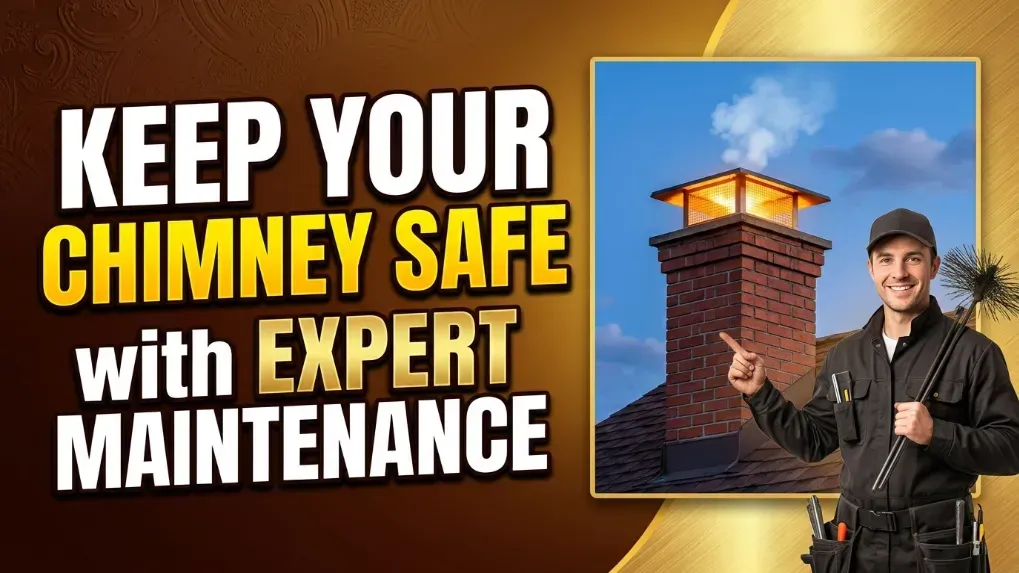
Keeping Your Home Safe: Should You Get Your Kitchen Chimney Inspected?

May 3, 2024

Hi there! I'm here to talk about something important for all homeowners in Maine and New Hampshire: chimney inspections. You might be wondering, "Does my kitchen chimney even need inspecting?" The answer is, well, it depends! But in most cases, the answer is a resounding yes.
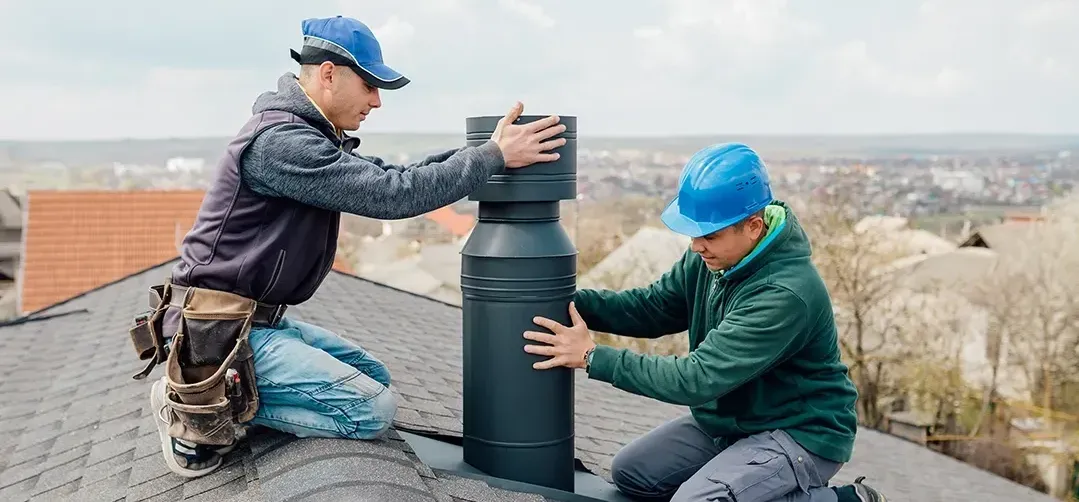
Chimney Service

Let's delve into the world of chimney inspections and see why they're crucial for keeping your home safe and healthy.

Why Consider a Chimney Inspection?


There are several reasons why getting your kitchen chimney inspected by a professional is a wise decision:

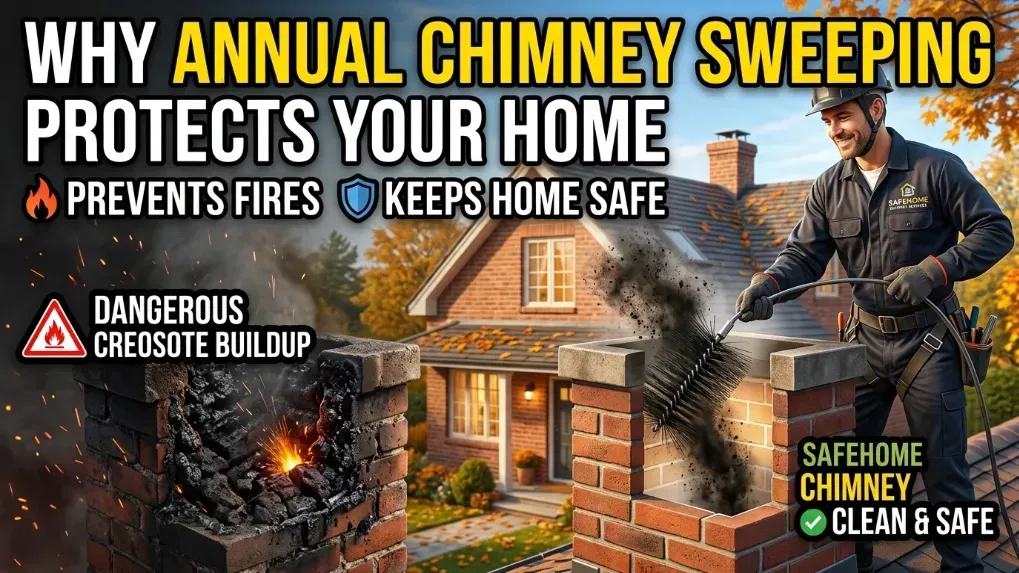
  • Fire Safety: A clogged chimney is a fire hazard. Creosote, a byproduct of burning wood, builds up inside the flue and can easily ignite. A professional inspection can identify creosote buildup and other potential fire hazards.
  • Carbon Monoxide Poisoning: A damaged chimney can allow carbon monoxide, a deadly gas, to leak back into your home. A qualified inspector can check for cracks, leaks, and blockages that could pose a carbon monoxide risk.
  • Improved Efficiency: A clean and properly functioning chimney will draw smoke and fumes out more effectively, leading to better performance from your fireplace or stove.
  • Peace of Mind: Knowing your chimney is safe and healthy gives you peace of mind when using your fireplace.


Who Should Get a Chimney Inspection?

Here are some situations where a chimney inspection is highly recommended:

  • You have a wood-burning fireplace or stove.
  • You haven't had your chimney inspected in the past year.
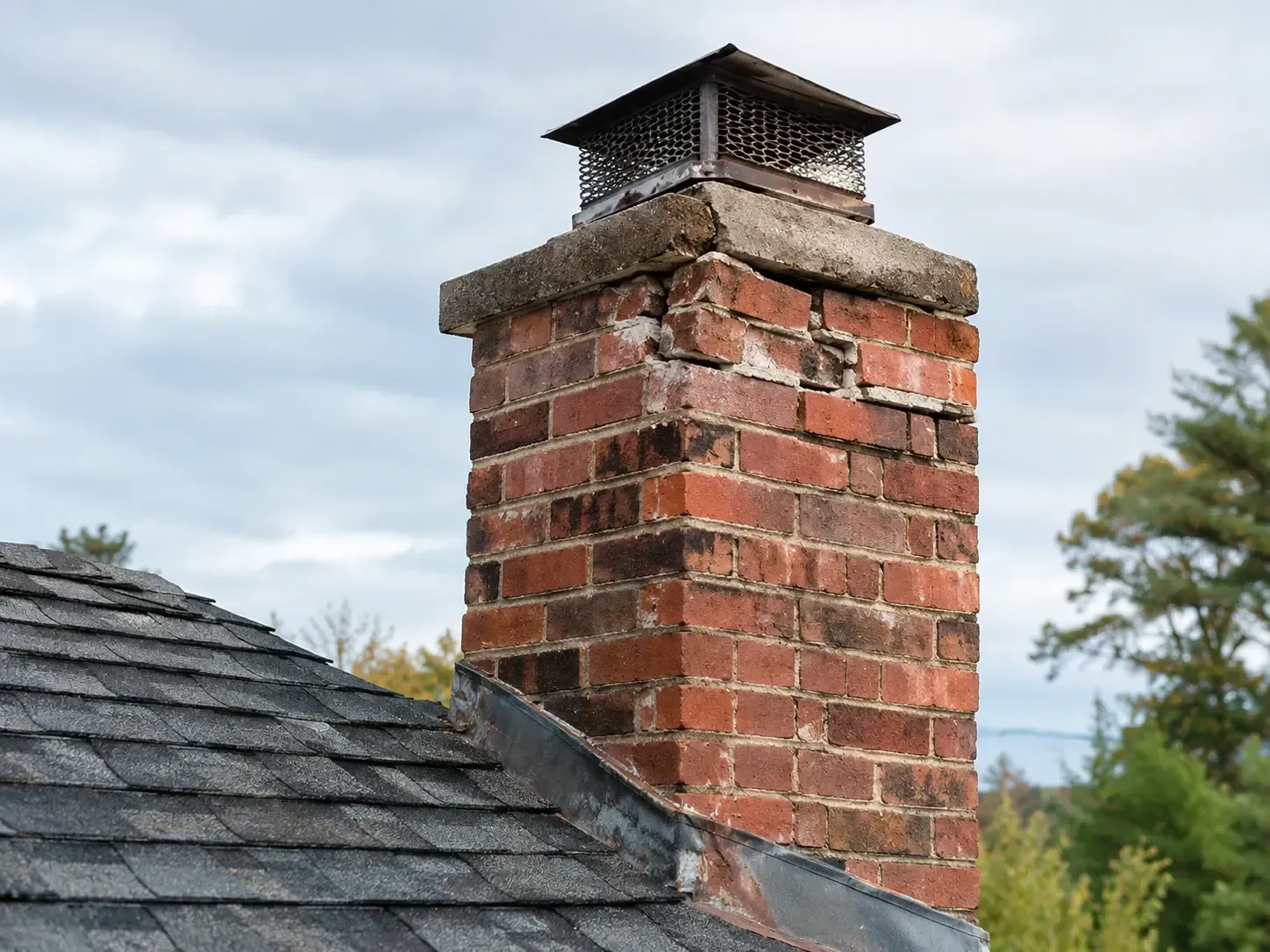
  • You've noticed any problems with your chimney, such as smoke backing up into your home, unusual smells, or loose bricks.
  • You've just moved into a new home with a fireplace.pen_spark
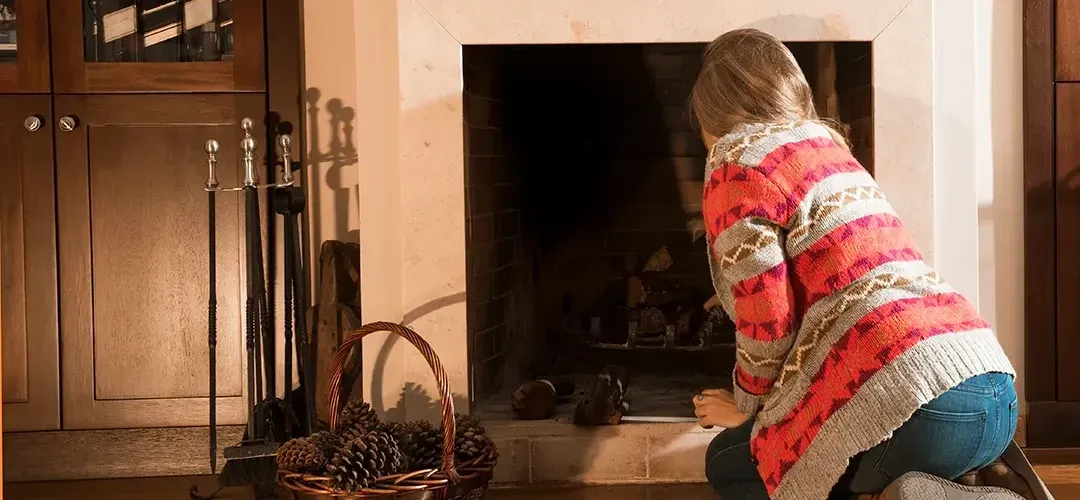

What Happens During a Chimney Inspection?


A certified chimney sweep will perform a thorough inspection of your chimney, which typically includes:

  • Visual inspection: The inspector will look for cracks, damage, and creosote buildup.
  • Flue inspection: A camera or brush may be used to inspect the inside of the flue.
  • Smoke test: This test helps identify leaks in the chimney system.


Key Takeaways:

  • Regular chimney inspections are essential for fire safety and preventing carbon monoxide poisoning.
  • A clean and functioning chimney improves efficiency and saves you money on heating costs.
  • If you have a wood-burning fireplace or stove in your Maine or New Hampshire home, get a chimney inspection at least once a year.


FAQs:

Q: How often should I get my chimney inspected?

A: The National Fire Protection Association recommends having your chimney inspected at least once a year.

Q: How much does a chimney inspection cost?

A: The cost of a chimney inspection can vary depending on your location and the complexity of the inspection. However, it typically ranges from $100 to $300.

Q: Can I inspect my chimney?

A: While you can visually inspect your chimney for obvious signs of damage, a professional inspection is highly recommended. Certified chimney sweeps have the training and equipment to perform a thorough inspection and identify potential problems that you might miss.


Conclusion

Chimney inspections are an important part of maintaining a safe and healthy home. By having your chimney inspected regularly, you can prevent fires, and carbon monoxide poisoning, and ensure your fireplace operates efficiently. So, if you live in Maine or New Hampshire and have a wood-burning fireplace, schedule a chimney inspection today!

Remember, a safe chimney is a happy chimney!
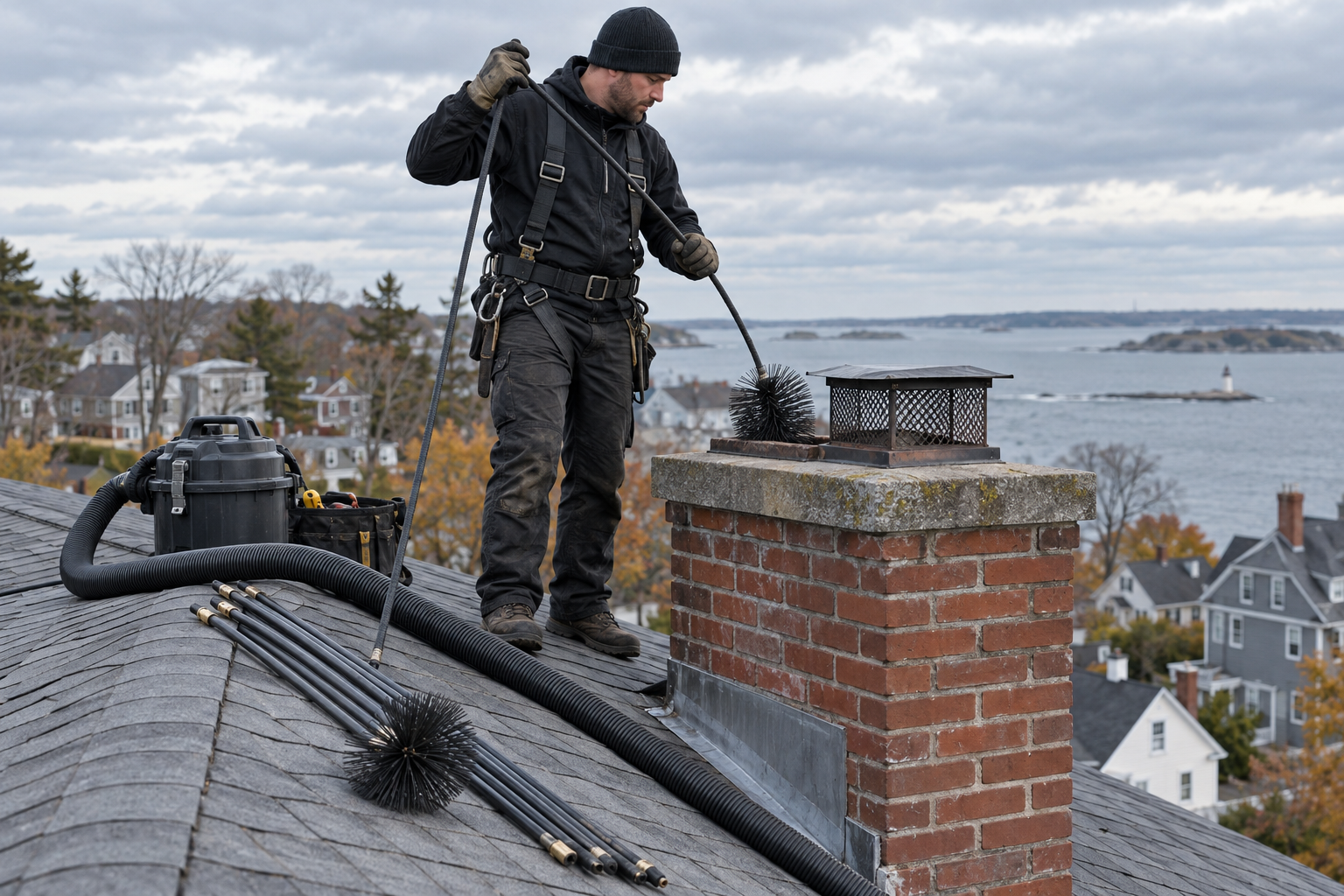
By John Constantine July 6, 2026
Key Insights and Takeaways Ignoring minor chimney issues often leads to severe structural degradation and highly expensive restoration projects for property owners. Proactive maintenance, including routine sweeping, masonry waterproofing, and swift component replacement, preserves the safety and efficiency of your heating system. Partnering with certified local professionals ensures precise diagnostics that address environmental wear before it compromises your home. Routine professional inspections mitigate the risks of hazardous creosote buildup and deadly flue blockages. Addressing deteriorating mortar and installing appropriate waterproofing prevents extensive internal structural decay. Replacing missing caps and cracked flue liners protects your property against moisture infiltration and thermal shock.
By John Constantine July 5, 2026
Key Takeaways and Insights Maintaining a safe and efficient chimney in Southern Maine requires specialized knowledge to combat heavy creosote buildup and harsh freeze thaw cycles. Attempting DIY repairs on masonry or flue liners often masks hidden dangers and can void your homeowners insurance policies. Relying on professional chimney services ensures your home stays protected from devastating fires, structural collapses, and unseen water damage. Annual professional inspections are vital for preventing dangerous chimney fires and carbon monoxide leaks. Maine's extreme weather causes porous bricks to crack, requiring custom refractory mortar applied by experts. DIY maintenance lacks the specialized tools, like high-definition flue cameras, needed to ensure total home safety.
By John Constantine June 30, 2026
Regular chimney inspections are a vital home maintenance requirement that actively prevents catastrophic residential fires. By identifying hidden hazards like stage three creosote accumulation, cracked flue liners, and weather-damaged masonry, professionals secure your heating system for safe winter use. Proactive evaluation protects your family and preserves the structural integrity of your property against the harsh Northeast climate. * Creosote buildup progresses through three stages, with the third stage requiring advanced professional equipment to remove safely. * Cracked clay liners and damaged mortar joints allow extreme heat to escape the masonry and ignite combustible home framing. * Annual inspections utilizing high-resolution video scanning provide the most reliable defense against unseen chimney fire hazards.
By John Constantine June 29, 2026
Upgrading to a stainless steel chimney liner provides unparalleled protection for residential masonry, shielding homes from heat transfer and carbon monoxide leaks. For property owners in Portland, ME, this essential installation ensures optimal drafting efficiency and structural safety against harsh winter conditions. * Stainless steel liners resist acidic corrosion and prevent heat transfer to combustible home framing. * Custom-fitted metal liners improve chimney draft, boosting overall heating appliance efficiency. * Professional evaluations are necessary to detect deteriorating clay flues before they become severe safety hazards.
By John Constantine June 28, 2026
Key Insights and take aways A professional chimney inspection is a critical annual requirement for maintaining a safe and efficient heating system, particularly in harsh winter climates like Portland, Maine. Certified technicians evaluate structural masonry, flue liner integrity, moisture intrusion, and dangerous creosote levels to prevent fire hazards and expensive property damage. Relying on local experts ensures your fireplace is completely prepared for heavy winter operation. * Annual inspections evaluate the exterior masonry, crown, and flashing for freeze and thaw damage. * Professionals check the flue liner for cracks and assess creosote buildup to prevent dangerous residential fires. * Water intrusion is a major threat, making proper capping, flashing repair, and masonry waterproofing essential preventative steps. As temperatures begin to drop across Portland, Maine, homeowners invariably turn their attention to their fireplaces and heating stoves. A warm fire provides necessary comfort during the harsh Northeast winters, but operating a fireplace that has not been properly evaluated carries significant safety risks.
By John Constantine June 24, 2026
Portland homeowners understand that coastal Maine weather presents a unique set of challenges. Driving rain, high humidity, freezing winter winds, and heavy snowfall combine to create an environment that constantly tests the structural integrity of residential architecture. The most exposed element of your home is often the masonry chimney. Standing completely unprotected above the roofline, this structure bears the full force of every Atlantic storm. Masonry materials like brick, concrete, and mortar are inherently porous. They act like rigid sponges, absorbing ambient moisture from rain and melting snow. Without a proactive defense strategy, this constant water absorption will lead to severe structural degradation, expensive interior damage, and significant safety hazards. 
By John Constantine June 19, 2026
Regular chimney maintenance is essential for maximizing fireplace heat output and safeguarding your home's indoor air quality. By removing hazardous creosote and inspecting for structural water damage, property owners can prevent dangerous gas leaks and costly masonry failures. Consistent professional care ensures your venting system operates safely and preserves the long-term value of your property. * Creosote buildup physically narrows the flue, weakening the draft and causing fires to smolder inefficiently. * A clean venting system prevents toxic carbon monoxide and particulate matter from entering your living spaces. * Annual inspections identify early signs of water intrusion and freeze-thaw damage common in Maine weather.
By John Constantine June 13, 2026
Routine chimney maintenance is a critical defense mechanism against devastating residential fires, particularly for homeowners relying on wood heat during harsh winters. By systematically removing highly flammable creosote, repairing decaying masonry, and ensuring the structural integrity of flue liners, professional services eliminate the primary catalysts for internal combustion. Proactive inspections not only secure your property from catastrophic thermal damage but also ensure vital compliance with strict homeowners insurance regulations. * Professional sweeps remove dangerous, hardened creosote that standard retail tools cannot effectively dislodge. * Installing stainless steel liners and repairing exterior masonry prevents extreme heat from transferring to the combustible wooden framing of a home. * Annual, documented inspections protect property values, maximize heating efficiency, and fulfill mandatory insurance policy requirements.
By John Constantine June 7, 2026
Regular chimney maintenance is a crucial aspect of protecting your Maine home from fire hazards and severe weather-related structural damage. By investing in annual sweeps and professional inspections, homeowners can prevent dangerous creosote buildup while saving thousands of dollars on avoidable masonry repairs. Trusting experienced local experts ensures your heating systems remain safe, efficient, and fully operational year-round. * Annual inspections prevent highly flammable creosote buildup and deadly carbon monoxide leaks. * Maine's harsh freeze-thaw cycles cause microscopic water damage that can destroy unmaintained brickwork over time. * Proactive maintenance and minor repairs cost a fraction of the price of a complete structural rebuild.
By John Constantine June 4, 2026
Key Insights and Takeaways Upgrading to a stainless steel liner is a crucial investment for Portland homeowners looking to protect their properties from the severe Maine climate and internal fire hazards. These durable metal systems replace vulnerable clay tiles, preventing toxic gas leaks and structural moisture damage caused by the freeze-thaw cycle. Partnering with a specialized masonry professional ensures your entire chimney system operates safely and efficiently for decades. * Stainless steel liners resist the thermal shock that causes traditional clay flues to crack and fail. * Proper installation improves appliance efficiency by maintaining a consistent draft and reducing dangerous creosote buildup. * Comprehensive chimney care includes pairing a new internal liner with exterior tuckpointing and proper roof drainage.