Is Your Chimney at Risk? The Hidden Dangers of Creosote Buildup

September 26, 2025

Discover the hidden dangers of creosote buildup and why regular chimney sweep and chimney repair services are vital in Portland, ME. Learn what to do, when to act, and how to protect your home.


Introduction

If you live in Portland, ME, there’s a good chance your home has a fireplace or wood stove that keeps you warm during our long, chilly winters. But here’s something most homeowners don’t realize: every cozy fire leaves behind a hidden danger—creosote buildup. This dark, sticky residue clings to the walls of your chimney, and if ignored, it can create safety risks for your family and property.


In this article, we’ll break down what creosote is, why it’s dangerous, when to schedule a chimney sweep, and how chimney repair and maintenance services in Portland, ME can protect your home. By the end, you’ll know exactly what steps to take to keep your chimney safe and your home warm—without worry.
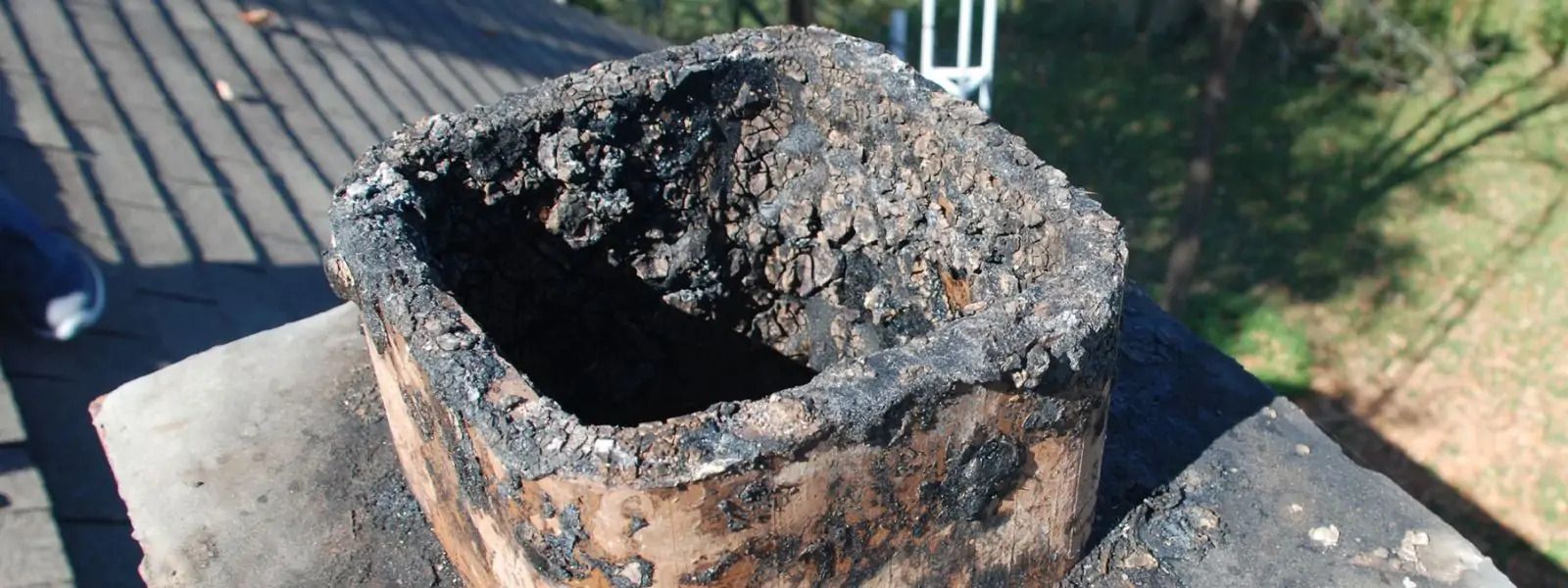

What Is Creosote Buildup?

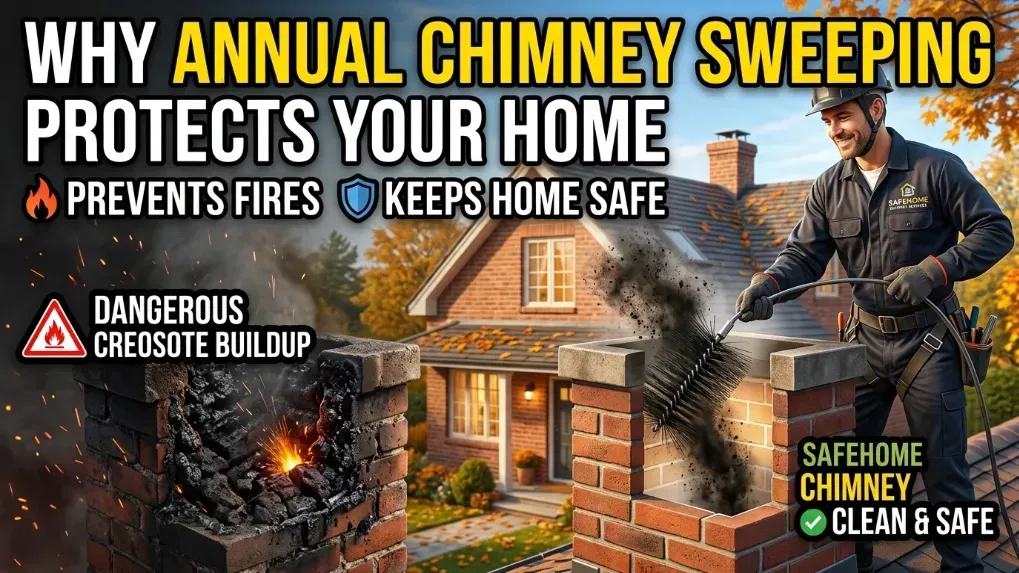
Creosote is a byproduct of burning wood. As smoke rises through your chimney, particles condense on the cooler inner walls and form a dark, tar-like layer. Over time, this layer thickens and hardens.


There are actually three stages of creosote buildup:

  1. Stage 1: A thin, flaky soot that’s easy to clean with a standard chimney sweep.
  2. Stage 2: A sticky, shiny coating that requires more effort to remove.
  3. Stage 3: A hardened glaze that’s highly flammable and extremely difficult to clean.


Without proper chimney service in Portland, ME, creosote buildup can go unnoticed until it turns into a fire hazard.


Why Creosote Is Dangerous for Portland, ME Homeowners

Living in Portland means long heating seasons. Cold winds off Casco Bay and snowy winters keep fireplaces burning for months. That’s where the danger comes in: the more often you use your chimney, the more creosote builds up.


Risks of unchecked creosote:

  • Chimney Fires: Creosote can ignite at temperatures as low as 451°F. Once it catches fire, flames can spread quickly through your home.
  • Health Hazards: Creosote particles can leak into your living space, irritating lungs and worsening asthma.
  • Structural Damage: Creosote is acidic, which means it eats away at chimney liners, brickwork, and mortar.
  • Blocked Ventilation: A clogged chimney traps smoke and carbon monoxide inside your home.


That’s why scheduling chimney repair and cleaning services isn’t just about comfort—it’s about protecting your family.


When Should You Schedule a Chimney Sweep in Portland, ME?

The timing depends on how often you use your fireplace, but the National Fire Protection Association (NFPA) recommends at least one annual inspection.


For Portland homeowners, the best times to schedule chimney service are:

  • Late summer/early fall: Before the heating season starts.
  • Mid-winter: If you burn wood daily, a mid-season cleaning prevents dangerous buildup.
  • After a storm: Ice, snow, or strong winds may damage chimney caps or masonry.


Signs you need a chimney sweep right away:

  • Strong smoky odor inside your home
  • Difficulty starting or maintaining fires
  • Dark, sticky residue visible inside the firebox
  • Strange noises, like crackling or popping inside the chimney


How Chimney Repair and Service Work

A chimney service in Portland, ME usually includes:

  1. Inspection: Checking for creosote, cracks, and blockages.
  2. Sweeping: Removing soot, ash, and creosote buildup.
  3. Repair: Fixing damaged flue liners, broken caps, or crumbling mortar.
  4. Safety Testing: Ensuring smoke and gases vent properly.


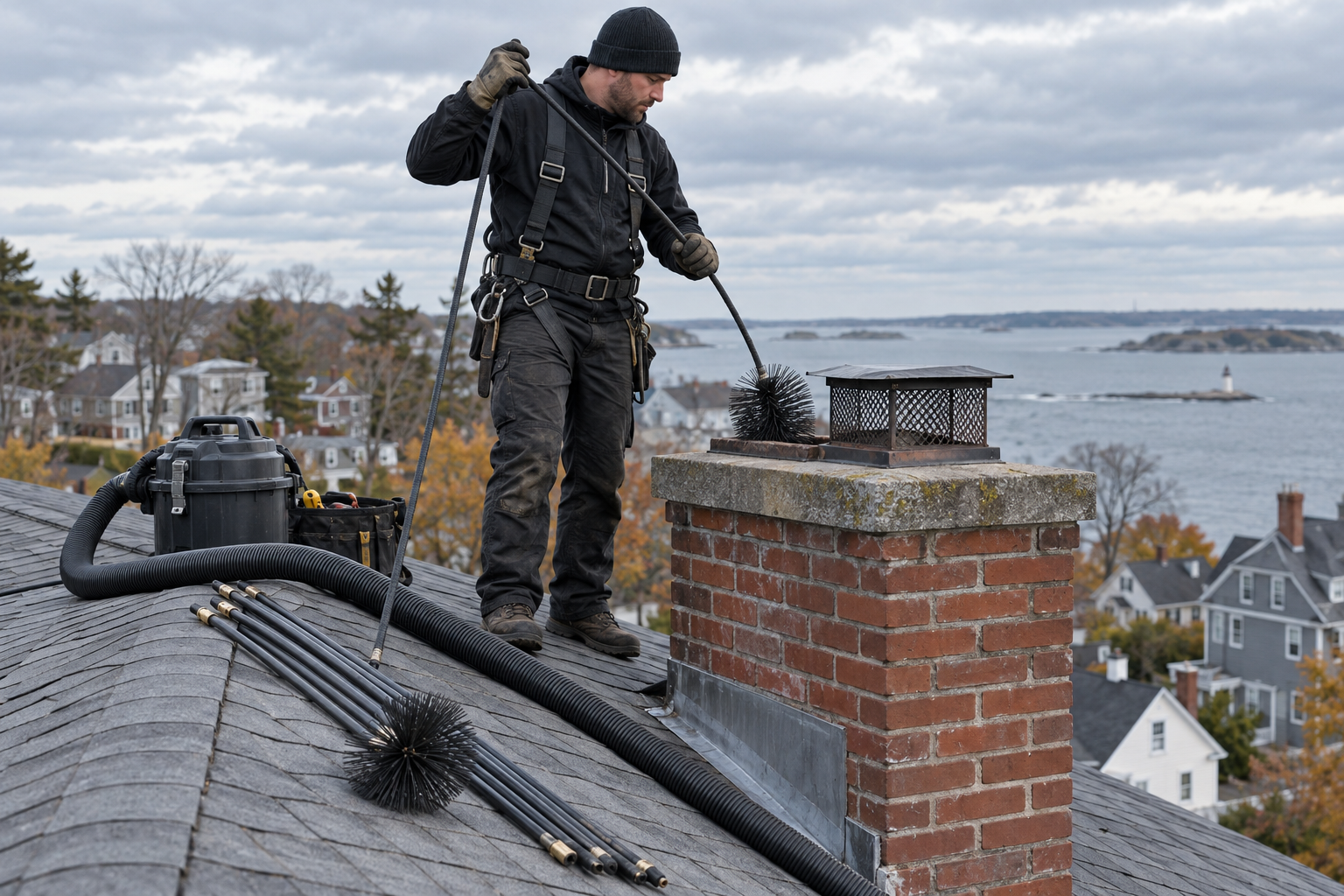
Professional chimney sweeps use specialized brushes, vacuums, and sometimes even video cameras to spot issues you can’t see from the fireplace.


“A good chimney inspection is like a health checkup for your house—it helps prevent small problems from becoming emergencies,” says Mike from Select Chimney Services in Portland.


Chimney Service Portland, ME: Options and Costs

Here’s a breakdown of common chimney services offered locally:

Service Average Cost in Portland, ME Benefits
Chimney Sweep $150 – $300 Removes creosote and soot, lowers fire risk
Chimney Repair $250 – $1,000+ Fixes cracks, mortar damage, or liner issues
Chimney Cap Installation $100 – $300 Prevents rain, debris, and animals from entering
Full Chimney Rebuild $3,000 – $7,000 Restores structural integrity for older homes

Check out our services here.


Local Homeowner Checklist for Chimney Safety

Before winter arrives in Portland, use this quick checklist:

  • Schedule an annual chimney sweep
  • Inspect chimney cap and flashing
  • Check for water leaks or stains around the fireplace
  • Test smoke and carbon monoxide detectors
  • Burn only seasoned hardwood (avoid pine or wet wood)
  • Book chimney repair if you notice cracks or odors


Why Chimney Service Is Especially Important in Portland, ME

Portland’s coastal climate creates extra wear and tear on chimneys. Cold winds, freezing rain, and salt air can erode masonry faster than in drier regions. Homeowners here often need more frequent chimney service than those in warmer states.


Plus, many historic homes in Portland feature older chimneys built with traditional brick and mortar, which are more vulnerable to creosote damage and leaks.


Expert Tips from Local Chimney Professionals

  • “Don’t wait until you smell smoke inside the house. If you smell it, the creosote problem is already serious.” – Local sweep in Portland, ME
  • “Burning seasoned oak or maple produces less creosote than softwoods. It’s a simple change that makes a big difference.” – Chimney technician, Casco Bay area
  • “Schedule inspections in late summer before everyone else rushes to book in fall. You’ll get better availability.” – Service manager, Select Chimney Services


Conclusion

Creosote buildup may be out of sight, but it shouldn’t be out of mind. If you live in Portland, ME, regular chimney sweep and repair services protect your home, your family, and your peace of mind.

Instead of waiting for smoke problems—or worse, a fire—schedule an inspection today.


Take the next step:

  • Visit our Home Page for an overview of what we do
  • Explore our Services Page to see all available chimney options
  • Learn more about our story and trusted experience on the About Page
  • Book your next chimney service through the Contact Page


Key Takeaways

  • Creosote is a dangerous byproduct of wood-burning fireplaces.
  • Portland, ME homeowners face longer heating seasons, which increases buildup.
  • Annual chimney sweeps and timely repairs prevent fires and structural damage.
  • Seasonal timing matters—book in late summer or mid-winter.
  • Local experts recommend burning seasoned hardwood for cleaner fires.


FAQs

What is creosote and why is it dangerous?
Creosote is a sticky residue from burning wood. It’s highly flammable and can cause chimney fires if not removed.


How often should I schedule a chimney sweep in Portland, ME?
At least once a year, but heavy fireplace users may need two cleanings per season.


Can I clean creosote myself?
Light soot can sometimes be brushed away, but Stage 2 and Stage 3 creosote require professional tools and expertise.


What are signs my chimney needs repair?
Water leaks, crumbling mortar, smoke backdrafts, and strange odors all point to repair needs.


Why is chimney service more important in Portland, ME than other places?
The local climate—cold winters, high humidity, and salt air—wears chimneys down faster.


How do I book a chimney service appointment?
You can schedule online through our
Home Page or visit the Contact Page.
By John Constantine February 21, 2026
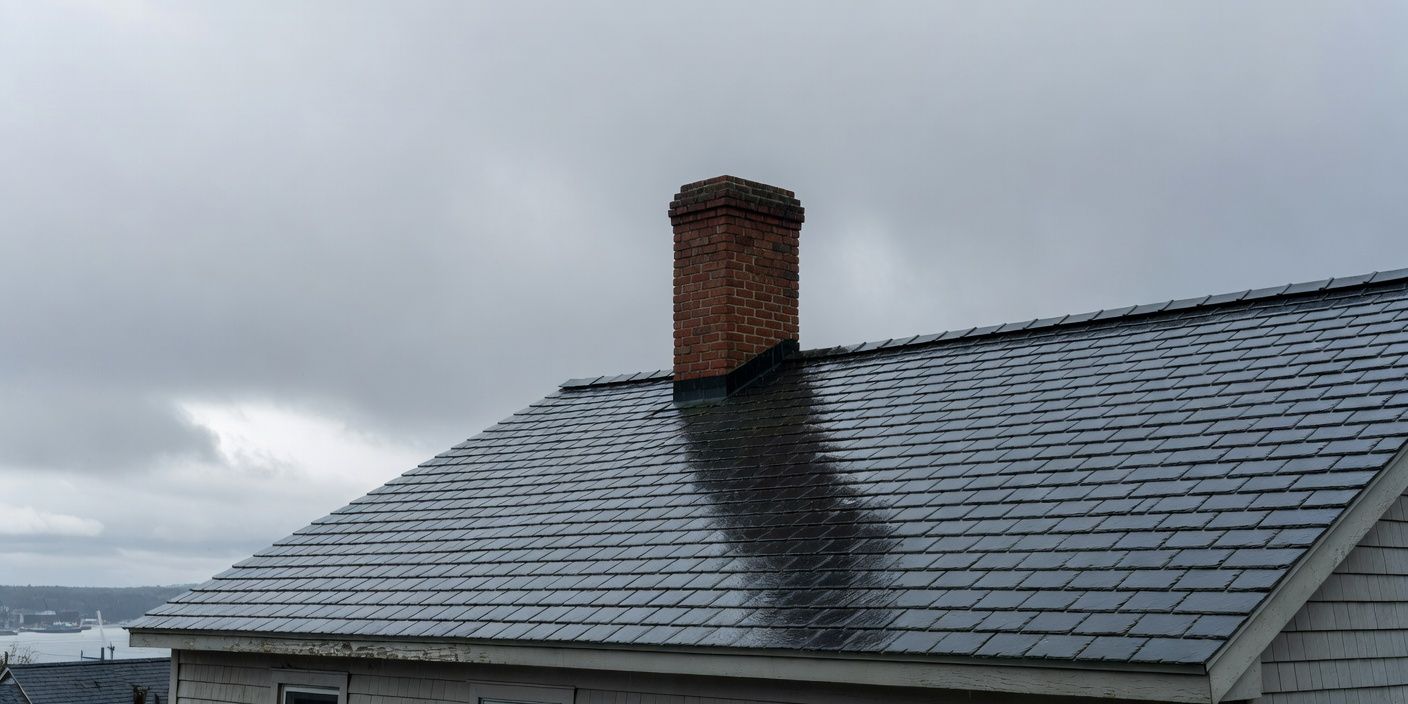
The Atlantic Ocean is beautiful. It also wants to eat your house. If you live in Portland, Maine—whether you’re perched on the windy slope of Munjoy Hill or tucked away in a historic brick colonial in the West End—you know the drill. The salt air creates a corrosive mist, and the freeze-thaw cycles of a New England winter are relentless. Your chimney takes the brunt of this abuse. It stands exposed above the roofline, fighting a war against the elements on four sides, 365 days a year. Eventually, masonry loses that fight. Water intrusion isn't just a nuisance; it’s a structural crisis waiting to happen. By the time you see water stains on your ceiling or bits of orange clay in your firebox, the damage is already deep. Select Chimney Services specializes in fortifying homes against this specific coastal threat. We don't just patch cracks; we engineer solutions that keep the Atlantic out and the warmth in.
By John Constantine February 18, 2026
A roaring fire in the dead of a Maine winter is a necessity, not a luxury. But that cozy glow hides a dirty secret. Every time you toss a log onto the grate, you are initiating a complex chemical reaction that leaves behind more than just ash. Your chimney is a hard-working engine of exhaust, and like any engine, it requires precise maintenance to prevent a catastrophic failure. Neglect it, and you aren't just risking a smoky living room—you are inviting a fire right into the bones of your house. 
By John Constantine February 11, 2026
February in Portland is the wrong time to realize your chimney is leaking. Imagine this: It’s 2:00 AM, the wind is howling off Casco Bay, and you hear a rhythmic drip, drip, drip behind your living room wall. You can’t go up there. The roof is a sheet of ice. You’re stuck with a bucket and a growing water stain until the thaw hits. This isn't just a nuisance; it’s structural decay in real-time.  Maine winters are ruthless on masonry. It’s not the snow load that destroys your chimney; it’s the microscopic expansion of water turning into ice. If you own a home in the West End, on Munjoy Hill, or even a newer build out towards Deering Center, your bricks are under attack right now. Prevention isn't about luck. It requires a strategic combination of professional waterproofing, inspection, and the right maintenance schedule.
By John Constantine January 15, 2026
Your chimney is a ticking clock. Every winter fire, every autumn evening spent huddled by the hearth, and every summer storm that lashes against your roof brings it one step closer to a critical failure point. Most homeowners view their fireplace as a static piece of furniture, a cozy backdrop for holiday photos. That perspective is dangerous. A chimney is a complex ventilation engine, a vertical exhaust system that handles extreme temperatures and toxic gases. When it works, it’s invisible. When it fails, it’s catastrophic. That is where local chimney experts step in, transforming a potential fire hazard into a safe, efficient heat source. Fire is a hungry beast. It requires a precise balance of oxygen and draft to function correctly. If your flue is clogged with creosote or obstructed by a bird’s nest, those toxic byproducts of combustion—carbon monoxide, sulfur dioxide, and particulate matter—have nowhere to go but back into your living room. You wouldn't drive a car for five years without an oil change. Why would you light a fire in a structure that hasn’t seen a professional chimney inspection in a decade? It’s a gamble with your home, your family, and your life.
By John Constantine January 6, 2026
There is something primal and deeply comforting about the crackle of a wood-burning fireplace. It is the centerpiece of the home, a source of warmth during the biting winter months, and a gathering spot for families. However, behind the dancing flames lies a complex system of physics that most homeowners take for granted until something goes wrong. That system is governed by the chimney draft . At Select Chimney Services , we have spent decades educating homeowners on the fact that a fireplace is not just a stone box for fire; it is a sophisticated ventilation machine. If the draft is weak, your home fills with smoke. If it is too strong, you waste fuel and lose heat. Understanding the "hidden power" of your chimney draft is the difference between a cozy evening and a hazardous living environment.
By John Constantine December 30, 2025
In Portland, we're no strangers to rain. The persistent drizzle and seasonal downpours are part of our city's charm, nurturing the lush greenery that defines the Pacific Northwest. But what's good for our gardens can be a relentless enemy to our homes, especially to one of its most exposed and often-overlooked features: the chimney. It stands tall against the elements, a stoic guardian of our hearth. Yet, a single, almost invisible crack in its masonry can become an open invitation for water, leading to a cascade of damage that can compromise your home's structural integrity and your family's health.  Many Portland homeowners might dismiss a small crack in their chimney as a minor cosmetic issue, something to be dealt with 'later.' However, here at Select Chimney Services , we've seen firsthand how this seemingly insignificant flaw can escalate into a catastrophic problem. Understanding the journey of water from a tiny fissure to major interior damage is the first step in protecting your investment and ensuring your home remains a safe, dry sanctuary.
By John Constantine December 23, 2025
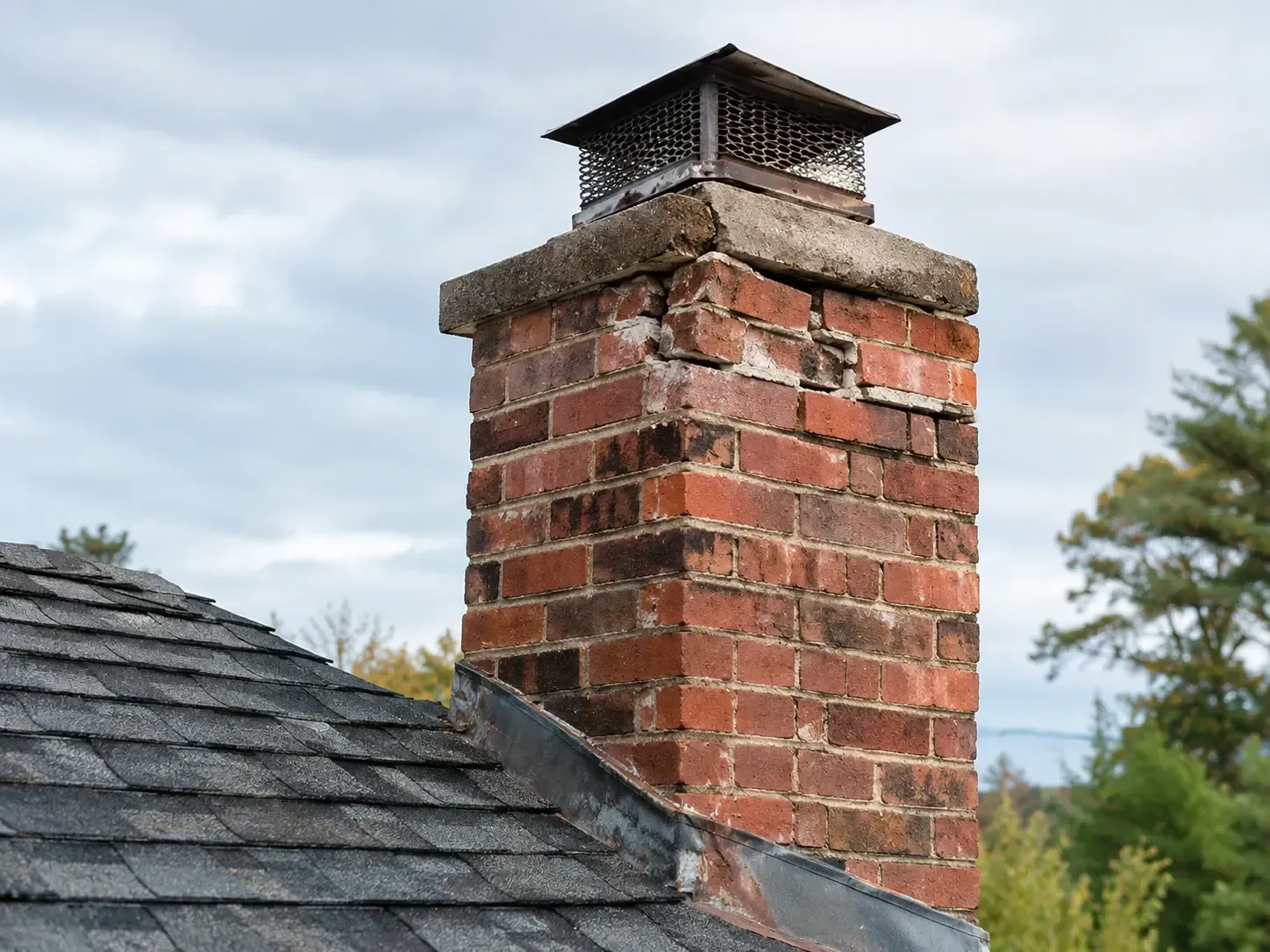
Your chimney stands as a silent sentinel, guarding your home against the elements while providing warmth and comfort. But like any part of your home, it's susceptible to wear and tear. Over time, the constant exposure to rain, wind, and fluctuating temperatures can take a toll on its structural integrity. Ignoring the warning signs can lead to costly repairs, water damage, and even a catastrophic collapse. Here at Select Chimney Services, we want to help you recognize when your chimney is crying out for help.
By John Constantine December 17, 2025
Your chimney stands as a silent guardian for your home. It’s a prominent feature, dutifully venting smoke and fumes, but it’s often overlooked until a problem becomes too obvious—and expensive—to ignore. Like any critical part of your home's structure, your chimney communicates its health through subtle and not-so-subtle signs. Ignoring these warnings can lead to significant structural damage, water leaks, and even fire hazards. Are you seeing fine lines spreading across the mortar? Does the entire structure seem to be tilting slightly? Have you noticed a chalky white substance appearing on the bricks? These aren't just cosmetic blemishes; they are your chimney's way of crying out for help. Here at Select Chimney Services , we believe that understanding these signals is the first step toward protecting your home and family. This comprehensive guide will help you decode what your chimney is trying to tell you about its condition.
By John Constantine December 9, 2025
When you think of essential home maintenance, the annual chimney sweep likely comes to mind. It’s a task associated with precision, safety, and deep expertise. You wouldn’t trust just anyone to handle the flue that protects your family from fire and carbon monoxide. It requires a professional who understands the intricate systems at play. But what about the system that protects your entire home from its most persistent enemy—water? We’re talking about your gutters. Too often, gutter maintenance is relegated to a weekend chore, a task for a handyman, or worse, completely ignored. This is a critical oversight. The truth is, professional gutter care demands the same level of meticulous attention and diagnostic skill as chimney sweeping. Here at Select Chimney Services , we’ve built our reputation on a foundation of thoroughness and safety for your chimney systems. We apply that exact same philosophy to gutter care, because we know that protecting your home requires a holistic approach, from the foundation to the rooftop.
By John Constantine December 4, 2025
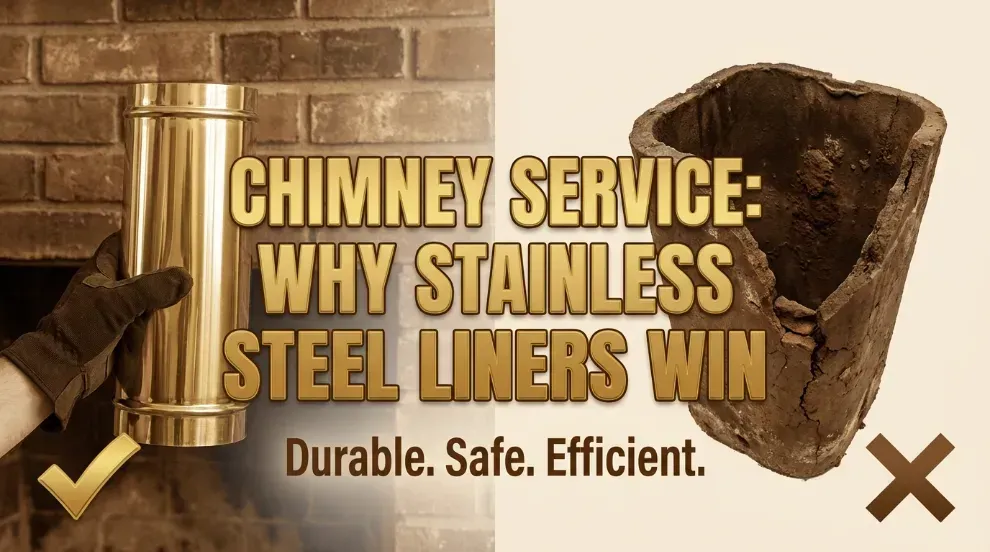
A safe and efficient chimney is a cornerstone of a cozy home, especially when the weather turns chilly. One of the most critical components for ensuring that safety and efficiency is the chimney liner. Over time, original clay tile liners can crack and deteriorate, creating potential hazards. Here at Select Chimney Services, we often recommend a stainless steel chimney liner installation as a durable, long-lasting solution. This guide will walk you through what to expect during the installation process, helping you understand why it's a smart investment for your home.