Breathing Life into Homes: The Art and Science of Chimney Design

December 2, 2024

My Unexpected Journey into Chimney Engineering


I never thought I'd become fascinated by chimneys. Growing up in Maine, these architectural marvels were as common as pine trees, but I'd never truly appreciated their complexity. It was during a freezing winter night, huddled near my grandparents' old farmhouse fireplace, that I first realized chimneys were more than just smoke stacks – they were the lungs of our homes.
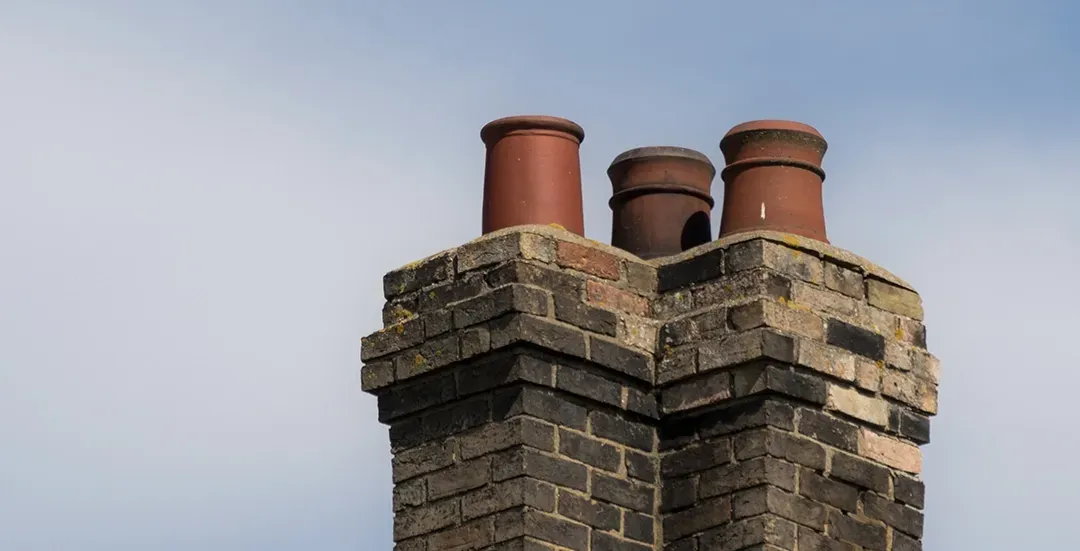
Understanding Chimney Fundamentals


What Exactly is a Chimney?


A chimney is far more than a simple vertical pipe. It's a sophisticated system designed to safely remove smoke, gases, and heat from our living spaces. Imagine it as a carefully engineered pathway that transforms potentially dangerous combustion byproducts into a safe, controlled exit.


The Physics of Smoke and Airflow


The magic of a chimney lies in its ability to create a natural draft. As hot air rises, it creates a pressure difference that pulls smoke upward and out of the home. It's a delicate dance of temperature, pressure, and airflow that requires precise engineering.


Historical Evolution of Chimney Design


From Primitive Fires to Modern Engineering


Our ancestors didn't have the luxury of sophisticated chimney services. Early chimneys were simple holes in roofs, often smoky and inefficient. The journey from those primitive designs to today's advanced systems is a testament to human ingenuity.


New England's Unique Chimney Heritage


In Maine and New Hampshire, chimney design tells a story of survival. Our harsh winters demanded innovative solutions. Traditional brick chimneys became more than just functional – they were architectural statements of resilience and warmth.


Structural Components of a Chimney


Flue System Anatomy


The flue is the chimney's superhighway for smoke and gases. Its design is critical – too narrow, and smoke backs up; too wide, and it loses efficiency. Modern flues are typically lined with special materials that can withstand extreme temperatures and corrosive gases.


Modern Chimney Construction Techniques


Material Selection


Today's chimneys are marvels of engineering. Stainless steel, ceramic, and specially treated clay materials have replaced traditional brick. Each material offers unique benefits – durability, heat resistance, or cost-effectiveness.


Airflow and Ventilation Dynamics


The Science of Smoke Extraction

Creating the perfect draft is like conducting an orchestra. The height of the chimney, its internal diameter, the temperature difference between internal and external air – all play crucial roles in efficient smoke removal.


Regional Considerations for ME & NH


Climate-Specific Design Challenges


Our New England climate is brutal. Chimneys here must withstand freezing temperatures, heavy snow, and rapid temperature changes. It's not just about removing smoke – it's about maintaining structural integrity in extreme conditions.


Maintenance and Long-Term Performance


Preserving Chimney Integrity


Regular inspections are crucial. A well-maintained chimney can last decades, while a neglected one might become a safety hazard in just a few years.


Innovative Chimney Design Trends


Sustainable and Eco-Friendly Solutions


The future of chimney design is green. We're seeing innovative designs that not only remove smoke efficiently but also capture and redistribute heat, making our homes more energy-efficient.


Frequently Asked Questions


Q: How often should I have my chimney inspected?

A: At least once a year, preferably before the heating season begins.


Q: Can I install a chimney myself?

A: It's strongly recommended to work with professionals. Proper installation is critical for safety and efficiency.


Q: What's the most important factor in chimney design?

A: Proper draft and ventilation. This ensures safe and efficient removal of combustion gases.


Key Takeaways

  • Chimneys are complex engineering systems
  • Design matters for safety and efficiency
  • Regular maintenance is crucial
  • Materials and design have evolved significantly
  • Climate plays a critical role in chimney performance


Final Thoughts

My journey into understanding chimneys has been eye-opening. What once seemed like a simple architectural feature is actually a sophisticated system that keeps our homes safe, warm, and comfortable.


Interested in learning more about your home's chimney? Contact our experts for a comprehensive consultation.


About the Author Passionate about home safety and architectural engineering, Select Chimney Services is your trusted partner in understanding and maintaining your home's most important ventilation system.
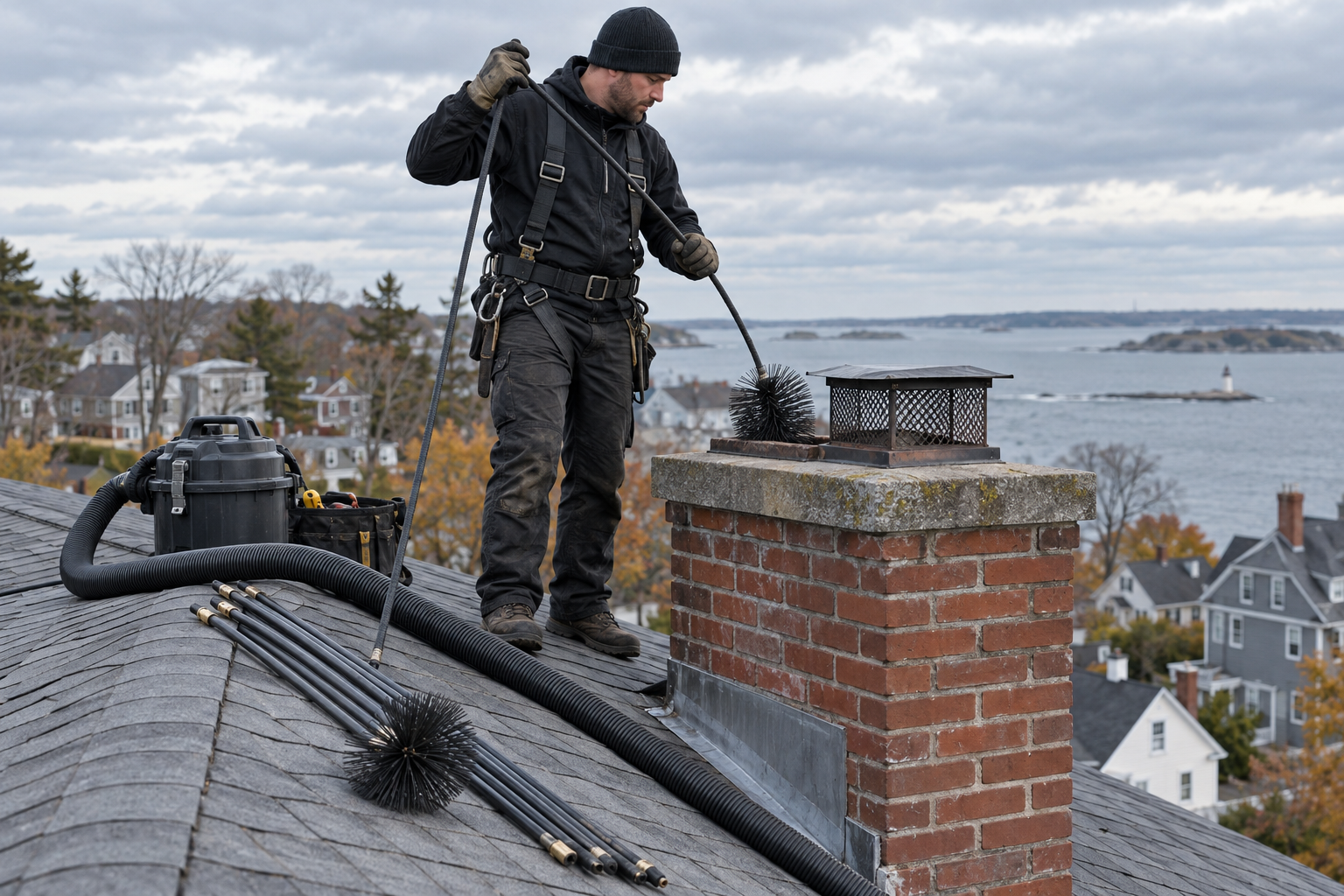
Chimney Sweep and Repair for Better Fireplace Safety
By John Constantine August 21, 2026
Ensure your home stays safe and warm this winter with professional fireplace maintenance from Select Chimney Services.
Keep Your Home Safe With Chimney Sweep and Repair
By John Constantine August 12, 2026
Regular fireplace maintenance is essential for keeping your home safe during the cold Maine winters.
By John Constantine August 5, 2026
Key Insights and Takeaways Annual chimney sweeping is a crucial maintenance task that protects Portland homeowners from dangerous fires and costly structural decay. By removing combustible creosote and identifying early signs of moisture damage, routine inspections ensure your heating system operates safely and efficiently. Consistent local care guarantees your masonry withstands the harsh freeze-thaw cycles of Maine winters. Yearly sweeping removes highly flammable creosote, preventing devastating house fires. Professional inspections catch minor water leaks before they ruin interior masonry and metal parts. Clearing debris and animal nests ensures safe airflow and prevents toxic carbon monoxide buildup.
Chimney Sweep and Chimney Repair
By John Constantine July 30, 2026
A professional chimney sweep removes this dangerous buildup safely. A clean flue keeps your family safe while improving draft efficiency.
By John Constantine July 22, 2026
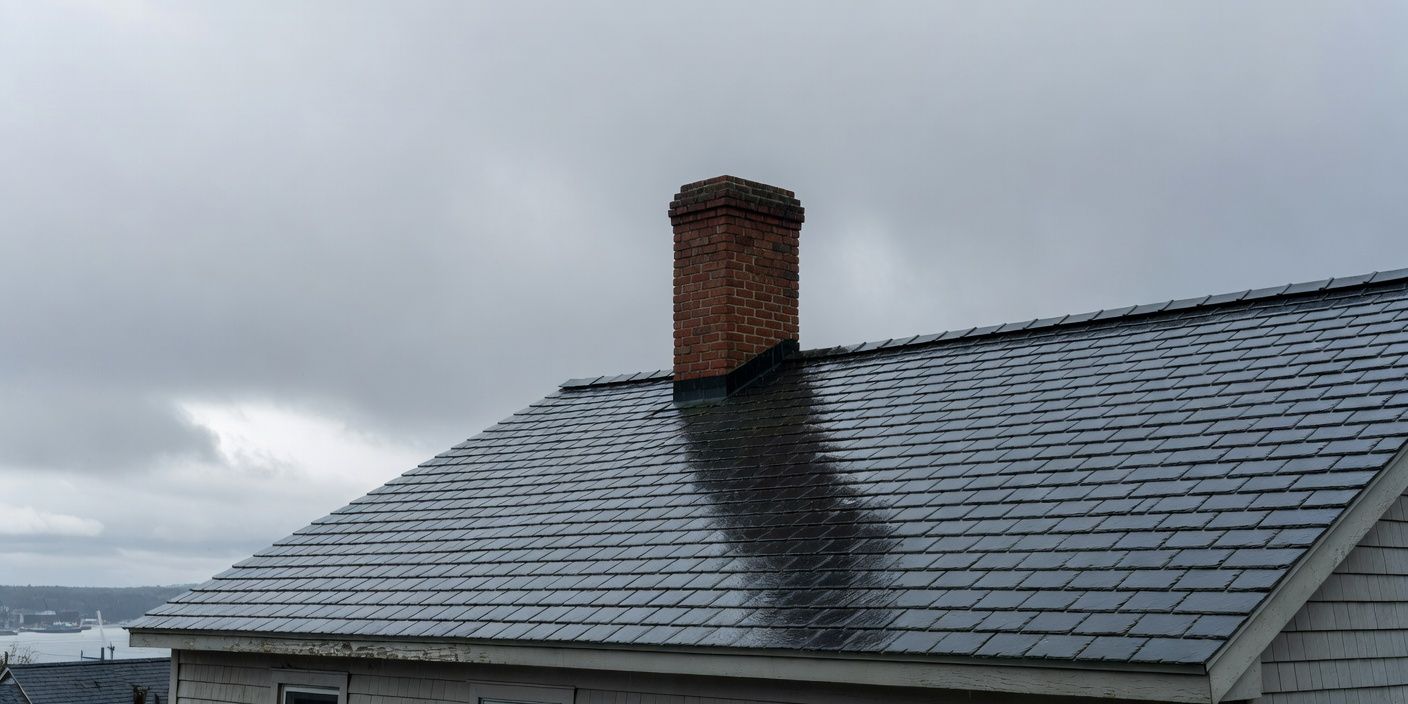
Key Insights and Takeaways A leaking chimney is a serious issue for homeowners that can lead to costly structural and interior water damage. Water intrusion is typically caused by failing flashing, cracked crowns, deteriorating masonry, or a missing chimney cap. Addressing these vulnerabilities early with professional inspections and waterproofing protects your home from the harsh coastal weather of Maine. Damaged roof flashing and cracked concrete crowns are primary culprits for hidden attic leaks. Untreated porous bricks act like sponges during heavy rain and require professional masonry waterproofing. Missing caps and defective liners allow direct water entry and dangerous condensation buildup inside the flue.
By John Constantine July 14, 2026
Key Insights and Takeaways Maintaining clear gutters and healthy masonry is crucial to protecting your home from severe water damage. Routine inspections catch issues like spalling bricks, rusting dampers, and blocked flues before they become expensive hazards. Trusting local experts ensures your heating and drainage systems are fully prepared to handle harsh seasonal weather. Clogged roof drainage systems directly cause structural water damage and masonry decay. Annual sweeping prevents dangerous creosote buildup and safely removes animal blockages. Repairing damaged caps and flashing immediately prevents costly interior leaks.
By John Constantine July 11, 2026
Key Takeaways and Insights A lingering burning smell from your fireplace is a critical warning sign of creosote buildup, moisture intrusion, or restricted airflow. Ignoring these odors can lead to poor indoor air quality, severe structural damage, or dangerous chimney fires. Routine professional maintenance ensures your fireplace remains safe, efficient, and ready to handle the harsh demands of Maine winters. Acrid or campfire smells usually indicate dangerous levels of highly flammable creosote stuck to your flue walls. Musty odors mean water is entering your masonry. Professional waterproofing and tuckpointing prevent expensive structural collapse. Prioritize Prevention: Annual inspections and professional sweeping are the most effective ways to eliminate odors and protect your home investment.
By John Constantine July 11, 2026
Key Insights and takeaways Protecting your chimney from water damage is crucial for homeowners facing harsh winter weather. Professional waterproofing in 2026 typically costs between $300 and $800 based on the size and accessibility of your masonry. Investing in this preventative maintenance shields your home from severe structural decay and expensive rebuilding costs. * Standard residential waterproofing costs range from $300 to $800 in 2026. * Property size, roof pitch, and surface preparation dictate the final price. * Applying sealant prevents destructive freeze-thaw damage inside your masonry.
By John Constantine July 6, 2026
Key Insights and Takeaways Ignoring minor chimney issues often leads to severe structural degradation and highly expensive restoration projects for property owners. Proactive maintenance, including routine sweeping, masonry waterproofing, and swift component replacement, preserves the safety and efficiency of your heating system. Partnering with certified local professionals ensures precise diagnostics that address environmental wear before it compromises your home. Routine professional inspections mitigate the risks of hazardous creosote buildup and deadly flue blockages. Addressing deteriorating mortar and installing appropriate waterproofing prevents extensive internal structural decay. Replacing missing caps and cracked flue liners protects your property against moisture infiltration and thermal shock.
By John Constantine July 5, 2026
Key Takeaways and Insights Maintaining a safe and efficient chimney in Southern Maine requires specialized knowledge to combat heavy creosote buildup and harsh freeze thaw cycles. Attempting DIY repairs on masonry or flue liners often masks hidden dangers and can void your homeowners insurance policies. Relying on professional chimney services ensures your home stays protected from devastating fires, structural collapses, and unseen water damage. Annual professional inspections are vital for preventing dangerous chimney fires and carbon monoxide leaks. Maine's extreme weather causes porous bricks to crack, requiring custom refractory mortar applied by experts. DIY maintenance lacks the specialized tools, like high-definition flue cameras, needed to ensure total home safety.